Many pet owners see Homemade German Shepherd Food as a heartfelt way to give their dog the best possible nutrition. The trend is growing because it lets owners control ingredient quality, avoid artificial additives, and tailor meals to a dog’s individual needs. Done properly, a homemade diet can be excellent—but it isn’t simple. It takes a solid grasp of canine nutrition and health, and following a random recipe found online without professional oversight can create hidden nutrient gaps that hurt a dog over time.
This guide dives into cooking for both German Shepherd puppies and adults. It covers the breed’s specific nutritional needs, the real benefits of a home-cooked approach, and—most importantly—the risks to watch for. The goal is to give committed owners the information and a safety-first, professional mindset they need to make confident, well-informed choices for their dog.
If you’re researching GSD-specific traits, my guide on the German Shepherd double coat explains why nutrition matters for skin and fur.

Understanding Your German Shepherd’s Unique Nutritional Needs
The German Shepherd’s Anatomy: A Carnivore’s Digestive System
Before you design a diet, get comfortable with your German Shepherd’s digestive anatomy. Like all dogs, their system hasn’t changed much from wolf ancestors — they’re built to digest animal-based proteins and healthy fats. Their stomachs are optimized for meat, bones, and offal, not for fermenting large amounts of carbohydrates, which make up much of many commercial kibbles (including some grain-free formulas that use starchy swaps like potatoes or lentils). Diets that are consistently high in carbs can put extra strain on the pancreas and the digestive tract and may increase the risk of problems such as pancreatitis.
Protein and Caloric Requirements for an Active Breed
German Shepherds are muscular, high-energy working dogs with a robust appetite. Their nutritional needs are significant and vary based on their age, weight, and activity level.
Puppies:
Growing German Shepherd puppies have even more demanding nutritional requirements to fuel their rapid development. They need between 80 and 90 calories per pound of body weight and a higher concentration of protein (22% to 32%) and fat (10% to 25%) than their adult counterparts. However, a critical consideration for large-breed puppies is preventing overly rapid growth, which can contribute to bone and joint issues. For this reason, many German Shepherds are transitioned to an adult diet around 6 months of age, earlier than smaller breeds.
Adult Dogs:
Adult German Shepherds typically weigh between 60 and 90 pounds and require a high-quality, protein-rich diet. The optimal protein range is between 18% and 22% for a healthy adult dog, but for active or working dogs, a higher protein level of at least 26% is recommended to support their energy needs and muscle development. Caloric intake must also be carefully managed. An inactive or older German Shepherd requires between 1,272 and 1,540 calories per day, whereas an active dog, such as one involved in K-9 units or rigorous training, may need 1,740 to 2,100 calories daily.
Owners of older GSDs can switch to recipes from the homemade dog food for senior dogs guide.
Dietary Management for Common German Shepherd Health Issues
The German Shepherd is a magnificent breed, but it is also predisposed to certain genetic health conditions that can be managed or supported through proper nutrition.
Addressing Hip and Joint Health:
Hip dysplasia is a common, often genetic, condition in German Shepherds where the hip joint does not develop correctly. A diet rich in specific nutrients can help manage the progression and effects of this debilitating condition. Omega-3 fatty acids are paramount for their powerful anti-inflammatory properties, which can reduce joint pain and improve mobility. Sources of Omega-3s include fish oil, salmon, and green-lipped mussels. Additionally, supplements and ingredients rich in glucosamine and chondroitin, such as green-lipped mussels, bone broth, and cartilage, are crucial for rebuilding and supporting damaged joint cartilage. Maintaining an ideal body weight is also critical, as excess weight places additional strain on painful joints.
Managing a Sensitive Stomach:
German Shepherds are susceptible to a range of gastrointestinal issues, including allergies, food sensitivities, and life-threatening conditions like bloat and Exocrine Pancreatic Insufficiency (EPI). Diet plays a vital role in preventing digestive discomfort. Easily digestible ingredients like lean meats (chicken, lamb) and carbohydrates (rice, oats) are often recommended. It is also wise to avoid common irritants and fillers such as corn, wheat, and soy, which can aggravate a sensitive digestive system. Incorporating probiotics and prebiotics into the diet can help maintain a healthy gut microbiome and support digestive and immune health.
A diet that fuels an active German Shepherd needs careful balance — enough calories and healthy fats to support energy and muscle, but not so much that it leads to obesity or sparks pancreatitis. In short, the very diet that powers a high-energy dog can, if mishandled, make some of the breed’s common health problems worse; that’s why creating truly effective Homemade German Shepherd Food requires precision and a thoughtful, measured approach.
For more tips on caring for a dog with a sensitive stomach, check out our article on the best dog food for sensitive stomach and diarrhea.

The Allure of Homemade German Shepherd Food: Benefits and Considerations
Many devoted owners are tempted by Homemade German Shepherd Food for good reasons: it promises greater control, fresher ingredients, and the chance to tailor meals to a dog’s specific needs.
Taking Control: Ingredient Selection and Quality Assurance
For most people, the biggest draw is transparency. Making food at home lets you skip artificial preservatives, fillers, and unnecessary additives found in many commercial products. By choosing fresh, whole ingredients yourself, you also avoid worries about industrial processing and recalls — and you can prioritize the quality standards that matter most to you and your dog.
Thought for a couple of seconds
A homemade diet lets you tailor every meal to your German Shepherd’s needs. It’s especially useful for dogs with allergies or sensitivities—if your dog can’t tolerate chicken, you can swap in beef, turkey, or venison as a novel protein. That same flexibility makes Homemade German Shepherd Food a great option for picky eaters who turn up their noses at the monotony of one kibble.
Potential Health Benefits from a Fresh Diet
Anecdotal reports from owners who have switched to a fresh diet often cite a variety of perceived health improvements, including shinier coats, healthier skin, cleaner teeth, higher energy levels, and smaller stools. Some of these observations have some scientific basis; for instance, a diet with high fat content, common in many raw diets, can indeed lead to a glossier coat.
However, this is where the conversation requires a degree of caution. Many of the widely cited health benefits attributed to a raw or homemade diet are based on anecdotal evidence and personal opinion rather than robust scientific study. A dog’s coat may appear healthier in the short term due to an excess of fat, but this outward appearance does not necessarily reflect true internal health. An unbalanced diet can conceal severe, long-term nutritional deficiencies that lead to irreversible health problems, a dangerous and often overlooked reality of homemade dog food for German Shepherd diets.
The Critical Risks and Challenges of Homemade Dog Food for German Shepherds
While the intentions behind feeding a homemade diet are noble, the practice is fraught with significant and well-documented risks. The complexity of canine nutrition is a science, and simple or generic recipes found online or in books are often dangerously inadequate.
The Danger of Nutritional Imbalances and Deficiencies
This is, without question, the most critical challenge of preparing homemade food for German Shepherd puppy and adult dogs. A dog requires 42 essential nutrients in carefully calculated amounts to support every bodily function. The vast majority of homemade dog food recipes are nutritionally deficient, lacking at least one vital nutrient, and often multiple. A study by the University of California, Davis, School of Veterinary Medicine found that a staggering 95% of homemade recipes lacked sufficient levels of at least one vital nutrient, and 83% had multiple deficiencies.
The Calcium-Phosphorus Imbalance: A Special Risk for Large Breeds: The calcium-to-phosphorus ratio is a non-negotiable component of a healthy diet, particularly for large breeds and growing puppies. An improper balance, especially a deficiency in calcium, can lead to severe musculoskeletal problems, metabolic bone disease, and skeletal deformities. Meat, the core of a homemade diet, is rich in phosphorus but low in calcium, making supplementation essential to achieve the correct ratio, which should be between 1:1 and 2:1.
The Missing Micronutrients: Zinc, Vitamin D, and More: The nutritional gaps in homemade diets extend far beyond calcium. Common deficiencies include micronutrients such as zinc, copper, iron, choline, Vitamin D, and Vitamin E, among others. A lack of these nutrients can result in serious health complications, from poor immune function and skin problems to heart disease and organ failure.
The problem is compounded by a phenomenon known as “recipe drift”. Even with a seemingly good recipe, owners often modify ingredients or omit supplements, believing they are making a healthy substitution. This seemingly minor alteration can significantly change the nutritional profile of the meal, rendering it unbalanced and potentially harmful. A reliance on generic online sources and so-called “nutrition experts” without proper training only adds to this risk. This fundamental lack of a professional, guided approach is the most significant risk associated with homemade dog food for German Shepherd diets.
The Perils of Pathogens: Bacterial Contamination in Raw Diets
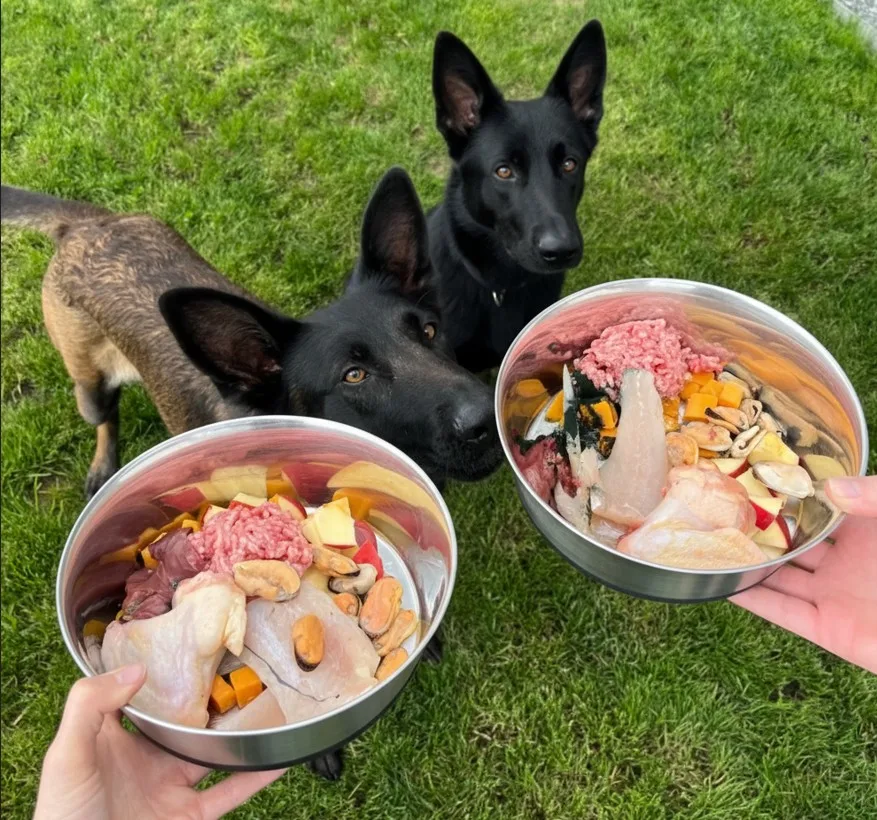
When considering Homemade German Shepherd Food, the choice between cooked and raw adds another layer of risk — especially from bacterial contamination. The FDA and CDC have repeatedly found that raw pet foods are more likely to carry disease-causing bacteria like Salmonella and Listeria.
Those pathogens don’t just threaten the dog. A dog eating raw food can shed harmful bacteria in its saliva and feces, creating a real public-health risk for people in the household — especially young children, the elderly, and anyone with a weakened immune system. That means the question becomes not only “Is this diet good for my dog?” but also “Is this diet safe for my family?” The CDC advises strict hygiene: wash your hands thoroughly after handling raw food and avoid letting a dog lick a person’s face after a raw meal.
The Hidden Threats: Toxic Ingredients and Improper Preparation
Many common human foods are toxic or dangerous for dogs. A comprehensive guide on german shepherd homemade food must include a list of foods to avoid. For example, onions and garlic contain sulfoxides and disulfides that can damage red blood cells and cause anemia, even in small amounts. Other toxic foods include chocolate, grapes, raisins, and the artificial sweetener xylitol. Additionally, preparing food incorrectly can create risks. Cooked bones become brittle and can splinter, causing internal damage or blockages, a risk that a raw diet does not carry to the same degree.
To illustrate the severity of these risks, the following table details the most common nutrient deficiencies and their potential effects on a dog’s health.
Table 1: Common Nutrient Deficiencies and Associated Health Risks
| Nutrient | Function in the Body | Common Deficiency Effects | Potential Oversupplementation Effects |
| Calcium | Bone, teeth, and muscle health; nerve function | Musculoskeletal issues, bone disease, hypocalcemia | Toxicity, hypercalcemia, kidney failure |
| Phosphorus | Bone health, energy metabolism | Calcium imbalances, weakness | High phosphate levels (often from renal disease) |
| Vitamin D | Calcium absorption, immune function | Bone weakness, rickets, heart failure | Weight loss, lethargy, seizures, kidney failure |
| Vitamin E | Antioxidant, cell function, skin health | Muscle weakness, poor vision, skin problems | Gastrointestinal upset, weakness |
| B-Complex | Energy metabolism, nervous system health | Lethargy, weakness, weight loss, disorientation | Rare, gastrointestinal upset |
| Taurine | Heart function, vision, reproduction | Dilated cardiomyopathy (DCM) | Not specified in sources |
| Zinc | Immune function, skin, vision, wound healing | Weakened immune system, hair loss, skin problems | Gastrointestinal upset, liver/kidney damage |
| Iron | Red blood cell production, oxygen transport | Anemia, lethargy, fatigue | Toxicity, seizures |
| Iodine | Thyroid function, metabolic regulation | Hypothyroidism, weight gain, skin issues | Hyperthyroidism, weight loss |
Crafting a Balanced Homemade Dog Food for German Shepherd Recipes
For those who remain committed to a homemade diet, understanding the foundational components and their proper ratios is paramount. A responsible homemade dog food for German Shepherd diet is not about simply mixing ingredients; it is about creating a complete and balanced meal.
Building a Foundational Recipe: The Right Ratios of Protein, Fats, and Carbohydrates
A basic recipe framework should be built on the German Shepherd’s core nutritional needs. This includes a protein base, a healthy fat source, and a source of digestible carbohydrates. These components must be provided in the right proportions to meet the dog’s caloric and nutrient requirements. A good starting point might be a mix of lean meat, a wholesome grain like brown rice, and a variety of safe vegetables.
Essential Ingredients for a Healthy Diet
- Meat, Organs, and Bones: The Core of
german shepherd homemade food: High-quality, animal-based protein is the cornerstone of any healthy diet for a German Shepherd. Lean meats like chicken, turkey, beef, and fish are excellent sources of protein and essential amino acids. Organ meats, such as liver, heart, and gizzards, are also crucial. They are packed with vitamins and minerals (A, D, E, K, B vitamins) that are often lacking in muscle meat alone. While raw bones can provide an excellent source of calcium and aid in dental health, they must be raw and from appropriate animals. Cooked bones should never be fed, as they become brittle and can splinter, causing severe internal injury. - Safe Grains, Vegetables, and Fruits: While dogs are primarily carnivores, they can benefit from carbohydrates and fiber from certain plant-based foods, especially active breeds.
- Grains: Easily digestible grains like brown rice, oats, and quinoa are good sources of energy and fiber.
- Vegetables: Carrots, sweet potatoes, green beans, and pumpkin are rich in vitamins, minerals, and fiber.
- Fruits: Blueberries can be a healthy addition, providing antioxidants and vitamins.

The Importance of Supplements for Homemade Food for German Shepherd Puppy Diets
It cannot be overstated: a homemade diet, no matter how well-intentioned, is almost never complete without supplementation. This is particularly true for a
homemade food for German Shepherd puppy diet, where a nutrient imbalance can have catastrophic consequences for growth.
- Calcium and Bone Meal: The Non-Negotiable Addition: To balance the high phosphorus content of meat and ensure proper bone health, a source of calcium is essential. Calcium supplements, bone meal powder, or finely ground eggshells are common and effective options.
- Omega-3 Fatty Acids for Joint and Coat Health: Given the German Shepherd’s predisposition to joint and skin issues, supplementing with Omega-3s is a highly recommended practice. Fish oil, green-lipped mussels, and salmon are excellent sources of the EPA and DHA fatty acids that provide anti-inflammatory and coat-enhancing benefits.
- Multivitamins and Probiotics: A high-quality multivitamin can fill in the inevitable micronutrient gaps of a homemade diet. Probiotics are also beneficial for supporting a healthy gut and digestion.
The following table provides a quick reference for key nutrients and their sources in a homemade German Shepherd food diet.
Table 2: Key Nutrients and Their Role in Homemade German Shepherd Food
| Nutrient | Primary Function | Common Sources |
| Protein | Builds and repairs muscle, supports immune function | Lean meats (chicken, beef), eggs, fish |
| Fats | Provides energy, supports cell structure, enhances coat health | Fish oil, flaxseed oil, chicken fat |
| Carbohydrates | Provides energy, dietary fiber | Brown rice, oats, sweet potatoes, pumpkin |
| Omega-3s | Reduces inflammation, supports joints, healthy skin and coat | Fish oil, salmon, green-lipped mussels |
| Calcium | Essential for strong bones and teeth | Bone meal, crushed eggshells, dairy |
| Glucosamine/Chondroitin | Rebuilds connective tissue, lubricates joints | Bone broth, cartilage, green-lipped mussels |
| Vitamins (A, D, E, B-Complex) | Vision, immune function, energy metabolism, cell health | Organ meats, eggs, vegetables |
| Minerals (Zinc, Iron, Iodine) | Immune function, oxygen transport, thyroid health | Meat, eggs, pumpkin seeds, seaweed |
If your dog has kidney issues, check the vet-approved homemade dog food for kidney disease recipes before adding supplemets.
Homemade German Shepherd Food Safety Guide
Creating a safe diet for a German Shepherd involves more than just selecting nutritious ingredients; it requires strict adherence to food safety principles and a clear understanding of foods that are toxic to dogs.
Foods to Avoid: A Critical List of Toxic Ingredients
Certain foods that are safe for human consumption can be highly toxic or even deadly to dogs. Any guide to homemade dog food for German Shepherd diets must include this information as a primary safety measure.
Table 3: Dangerous Foods for German Shepherds
| Food | Reason for Toxicity | Potential Symptoms |
| Onions & Garlic | Contain sulfoxides and disulfides that can damage red blood cells and cause anemia | Lethargy, weakness, pale gums, discolored urine |
| Chocolate | Contains methylxanthines (theobromine, caffeine) that are toxic to dogs | Vomiting, diarrhea, increased heart rate, tremors, seizures |
| Grapes & Raisins | Can cause acute kidney failure, even in small amounts | Vomiting, lethargy, decreased appetite, abdominal pain |
| Xylitol | A sugar alcohol in many sugar-free products that causes a rapid insulin release | Hypoglycemia, liver failure, seizures |
| Avocado | Contains persin, a fungicidal toxin that can cause gastrointestinal upset | Vomiting, diarrhea (Note: severity varies with variety) |
| Cooked Bones | Can splinter and cause choking, internal punctures, or blockages | Vomiting, diarrhea, lethargy, loss of appetite, straining to defecate |
| Raw Bread Dough | Yeast ferments in the stomach, producing alcohol and causing a swollen abdomen | Vomiting, bloating, disorientation, alcohol intoxication |
Safe Food Handling and Storage Practices
To minimize the risk of bacterial contamination, especially with raw ingredients, meticulous food handling is essential. All surfaces and utensils used to prepare homemade german shepherd food should be thoroughly cleaned and sanitized. Raw meat should be stored and thawed separately from other foods in the refrigerator, not on the countertop. Leftovers should be refrigerated immediately or safely discarded, and the food should be consumed within a day or two of preparation, similar to human food safety standards.
Final Verdict: Is Homemade German Shepherd Food Right for You?
A Summary of the Pros, Cons, and Crucial Caveats
The decision to feed homemade german shepherd food is a deeply personal one, weighing the perceived benefits against the very real and significant risks. The allure of a homemade diet lies in the control, customization, and connection it offers. It allows owners to select fresh ingredients, cater to allergies, and address specific health concerns with a level of personalization that commercial food cannot match.
However, the scientific evidence and veterinary consensus highlight critical challenges. The most pressing danger is the risk of a nutritionally unbalanced diet, which can lead to severe health issues that may go unnoticed until they are irreversible. The risk of pathogen contamination from raw ingredients is also a serious public health concern, posing a threat to the entire household, not just the dog. The time and financial commitment are also considerable, often proving to be more expensive and labor-intensive than high-quality commercial options.

The Unmistakable Importance of Professional Consultation
A homemade diet should never be undertaken without the direct supervision of a board-certified veterinary nutritionist. This is not merely a suggestion; it is a fundamental requirement for the dog’s safety and well-being. The simple recipes found online are often dangerously flawed, and even the most well-intentioned owners can unknowingly make mistakes with ingredient substitutions or supplement omissions that lead to devastating long-term health consequences.
The professional veterinarian is the single most important factor in mitigating all the identified risks. A veterinarian can provide a tailored diet plan that accounts for the dog’s specific age, health conditions, and activity level. They can also help identify and treat deficiencies before they become severe, transforming what would otherwise be a risky experiment into a medically supervised and safe nutritional regimen.
Empowering the German Shepherd Owner: Making an Informed Choice
For many German Shepherd owners, a high-quality, commercially prepared food that is complete and balanced might be the safest, most convenient, and most responsible choice. These foods are formulated to meet the exact nutritional standards required for a dog’s life stage and are a reliable option for ensuring a healthy diet without the risks of homemade preparation.
For those who are still determined to pursue a homemade diet, the path forward requires a significant and ongoing investment—not just of time and money, but of commitment to professional guidance. It is a decision that must be made with eyes wide open, fully aware that the responsibility for a dog’s health rests not just on the quality of ingredients, but on the scientific precision with which they are prepared and balanced.Sources used in the report