
The European hamster (Cricetus cricetus), also known as the wild European hamster, is a fascinating and unique rodent species. While many people are familiar with common pet hamsters like the Syrian or dwarf varieties, the European hamster as a pet is a more controversial topic. This guide covers everything you need to know, including European hamster cost, care, legality, and whether these hamsters make good pets.
European Hamster Size, Appearance & Behavior
The European hamster’s size makes it a giant among rodents, distinguishing it dramatically from common pet hamsters:
- Length: Adults typically measure 20–35 cm (up to 14 inches) long.
- Weight: They can weigh up to 500 grams, with some individuals reaching up to 1 kg (2.2 pounds).
- Coloration: They boast a distinctive brown upper body, a jet-black belly, and striking white patches on their face, throat, and flanks.
Despite its somewhat cuddly look, this hamster is not meant for laps:
- It’s inherently territorial, primarily nocturnal, and famously known to bite when threatened or stressed.
- Their solitary lifestyle makes them highly hostile to cage mates—even to their own offspring after weaning. This means a single European hamster as a pet would require an enormous, individual enclosure.
Why European Hamsters Can Be Aggressive
Unlike pet hamsters that have been bred for docility, European hamsters are naturally aggressive, a trait crucial for their survival in the wild:
- Highly Territorial: They fiercely defend their elaborate burrows and feeding zones from intruders, including other hamsters and perceived threats.
- Threat Display: When feeling threatened, they are known to stand upright on their hind legs, inflate their cheek pouches, hiss, and lunge at perceived dangers.
- Ferocious Defense: If cornered, they defend themselves ferociously with powerful bites and sharp claws—even against predators far larger than them.
While their boldness is impressive in the wild, this inherent aggression is a primary reason why they’re not suited as household European hamster as a pet. This constant defensive state would lead to immense stress for the animal in captivity and pose a significant risk to owners.
Are European Hamsters Endangered?
Yes, the European hamster is an endangered species in many parts of its native range, which includes Europe and parts of Russia. Due to habitat loss, climate change, and low reproduction rates, the population has declined significantly. Conservation efforts are ongoing to protect this species, and in some countries, it is illegal to own an European hamster as a pet.

Defense Mechanisms & Natural Predators
Despite its size, the European hamster has formidable defense skills, evolved to survive against a range of predators:
- Threat Display: Their initial defense involves a dramatic threat display: they rise on their hind legs, inflate their cheek pouches, and often hiss and lunge.
- Teeth and Claws: If the display fails, they readily use their powerful teeth and sharp claws aggressively when directly threatened.
- Boldness: They are known to boldly fend off even larger predators like foxes and raptors by sheer ferocity.
Their natural predators include:
- Foxes
- Badgers
- Eagles and owls
- Stoats and weasels
- Domestic dogs and cats, particularly in fragmented or urbanized environments.
Their highly defensive nature evolved for survival in the wild, not for cuddling or interacting peaceably with humans in a home environment as a European hamster as a pet.
European Hamster Reproduction & Gestation Period
Understanding European hamster reproduction is crucial for conservationists and researchers, further illustrating their wild biology.
- Gestation Period: The European hamster gestation period is relatively short, typically around 18–20 days.
- Litter Size: Females can produce sizable litters, ranging from 4 to 12 pups.
- Breeding Season: Their breeding season primarily occurs from April to August, allowing for multiple litters per year in optimal conditions.
- Weaning Age: Pups are weaned quickly, usually around 3–4 weeks of age.
- Post-Mating Aggression: Females may become aggressive towards males after mating or even towards their pups post-weaning, another sign of their solitary and territorial nature. Reproduction is fast and intense—one female can produce several litters per season.
Can You Keep a European Hamster as a Pet?
Unlike domesticated hamster breeds, keeping a wild European hamster as a pet is not a good idea. They have aggressive tendencies, require large living spaces, and have specialized dietary needs. In many areas, keeping a European hamster as a pet is illegal due to their endangered status.
European hamsters are much larger than the average pet hamster and require a more extensive living space. Unlike the Bat Pet, which thrives in flight and roosting areas, hamsters prefer ground-level enclosures with tunnels and bedding.
Legality of Owning a European Hamster
In many parts of Europe, including the UK, the European hamster is protected by law. Therefore owning an European hamster as a pet is illegal.
- In the UK, it is classified as a critically endangered species, making private ownership illegal without special permits for conservation.
- In Germany, France, and Austria, the European hamster is under strict EU wildlife protection regulations, which prohibit their capture, trade, and private keeping without specific licenses.
- Even where some exotic pet permits exist in other regions, they are typically not granted for critically endangered wild species like the European hamster for casual pet ownership.
Ethical Considerations
Beyond legality, profound ethical concerns dictate that the European hamster is not a pet:
- These animals are not domesticated. They have not undergone generations of selective breeding to adapt to human companionship and household environments.
- Keeping an European hamster as a pet removes it from vital conservation efforts, potentially harming already dwindling wild populations and diverting resources from their protection.
European Hamster Cost
If you manage to legally obtain a European hamster for sale, the cost can be quite high compared to standard pet hamsters.
- European Hamster Price: $500 – $2,000 (depending on availability and legal requirements)
- Large Cage Setup: $200 – $500
- Monthly Food Costs: $50 – $100
- Veterinary Care: $100 – $300 per year
Due to their specific needs and high maintenance costs, European hamsters are not recommended for casual pet owners.
European Hamster Diet in the Wild vs Captivity
Understanding the European hamster diet highlights another challenge of keeping a European hamster as a pet. They are omnivores with diverse nutritional needs:
- Wild Diet: In their natural habitat, their diet primarily consists of seeds, grains, legumes, and roots. However, they also opportunistically consume fruits, vegetables, insects (such as crickets and mealworms), and even small vertebrates. They are also known for their elaborate seasonal food hoarding behaviors within their complex burrow systems.
- Captivity Diet (if permitted for research or conservation): For the few European hamsters held in authorized facilities, their diet attempts to mimic their wild intake with high-protein pellets, a variety of fresh vegetables (like carrot, broccoli, and corn), live insects, and occasional boiled egg or lean meat.
However, replicating their varied diet and complex foraging and hoarding behaviors in a cage is extremely difficult for a typical owner, contributing to nutritional deficiencies and behavioral problems when considering a European hamster as a pet.
For more unique rodents, check out our article on Keeping a Groundhog as a Pet
Are European Hamsters Good Pets?
European hamsters are quite different from the typical pet hamster, as they are larger and more aggressive. Their behavior contrasts with a beetle as a pet, which is far easier to care for and requires minimal interaction.
The European hamster as a pet is not ideal for most people. Here’s why:
Pros:
- Unique and rare pet
- Interesting behavior for experienced owners or researchers
Cons:
- Aggressive Nature: Unlike Syrian or dwarf hamsters, European hamsters are more aggressive and territorial.
- Special Care Needs: Require a large, enriched enclosure with deep bedding.
- Illegal in Many Areas: Ownership is restricted due to conservation efforts.
- Short Lifespan: They do not live as long as other pets, making them a less sustainable option.

How Long Can a European Hamster Live?
In the wild, European hamsters live 2 to 3 years. In captivity, with ideal conditions, they may live up to 4 to 5 years.
How Big Can a European Hamster Get?
European hamsters are significantly larger than pet hamsters. They can grow up to:
- Length: 8 – 14 inches (20 – 35 cm)
- Weight: 1 – 2 pounds (450 – 900 grams)
This makes them closer in size to a guinea pig rather than a typical hamster.
Taking Care of a European Hamster
Their solitary nature means they do not require companionship, which makes them quite different from the Seal as a Pet, a highly social animal that depends on group interactions.
If you are legally allowed to own a European wild hamster, their care requirements are demanding:
1. Habitat & Housing
- Cage Size: At least 3ft x 2ft with multiple levels
- Bedding: Deep layers of hay, paper bedding, or soil for burrowing
- Temperature: 65-75°F (18-24°C)
- Toys & Enrichment: Running wheels, tunnels, and chew toys to prevent stress
2. Diet & Nutrition
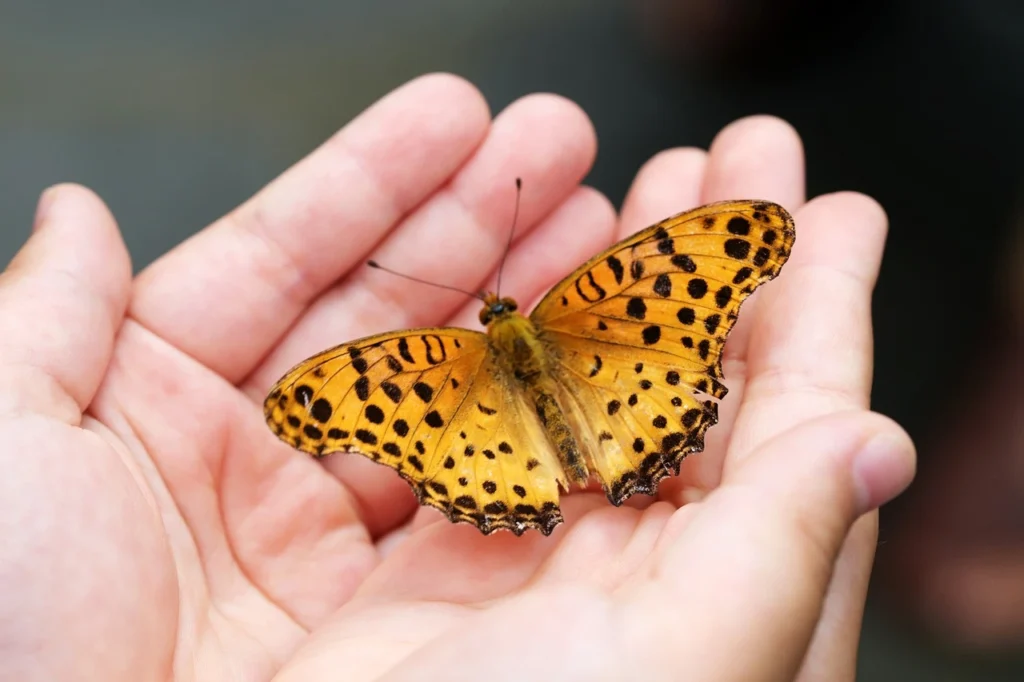
Their dietary requirements include seeds, fruits, and small insects, making them more demanding than a butterfly as a pet, which mainly needs nectar and simple environmental conditions. European hamsters are omnivorous and need a varied diet:
- Protein Sources: Mealworms, cooked chicken, eggs
- Fruits & Vegetables: Apples, carrots, leafy greens
- Seeds & Nuts: Sunflower seeds, walnuts (in moderation)
- Avoid: Sugary or processed foods, which can cause health issues
3. Socialization & Handling
- European hamsters do not tolerate frequent handling.
- They are territorial and may bite if they feel threatened.
- Best suited for observation rather than interaction.
4. Health & Veterinary Care
- Require exotic pet veterinarians with hamster experience.
- Common health problems include dental issues, obesity, and stress-related illnesses.

Although European hamsters can be tamed with patience, they are still wild animals at heart. This is similar to a pigeon as a pet, which, despite domestication, retains strong natural instincts.
European Hamsters for Sale: Is It Even Legal?
The query “European hamster for sale” is commonly searched online—but extreme caution is advised.
- Legality: In most countries within their native range and globally, selling or trading European hamsters is illegal unless it is part of an authorized conservation program, a zoological institution, or for scientific research, all requiring specific permits. This means finding a legal European hamster as a pet is exceedingly rare, if not impossible for private individuals.
- Illegal Trafficking: Online listings or informal sales of European hamsters as pets are often scams or involve illegal wildlife trafficking, contributing to the black market and harming conservation efforts.
- Legal Alternatives: If you are seeking a hamster as a companion, legally bred and domesticated species like Syrian (Golden) hamsters or various Dwarf hamster species (Roborovski, Campbell’s, Winter White) are the appropriate and responsible choice.
- Verify Origin: If you ever encounter a “European hamster for sale,” it is imperative to verify its origin, permit status, and immediately contact local wildlife authorities or animal welfare organizations before proceeding, as it’s highly likely to be an illegal offering for a European hamster as a pet.
European Hamster in the UK: Status, Range & Conservation
While not native to the UK, the European hamster in the UK context is relevant due to strict environmental risk assessments and its protective status in Europe.
- Range in Europe: The European hamster is native to Central and Eastern Europe, with its historical range extending through countries like France, Germany, Poland, Ukraine, Russia, and other nations.
- Conservation Status: The most critical aspect of the European hamster is its conservation status: it is classified as Critically Endangered by the IUCN (International Union for Conservation of Nature). This means it faces an extremely high risk of extinction in the wild.
This dire situation is due to several factors:
- Habitat Destruction: Intensive agricultural practices lead to the loss and fragmentation of their natural habitats.
- Agricultural Intensification: Modern farming methods often remove food sources and eliminate burrowing sites.
- Light Pollution: Disrupts their nocturnal behavior and foraging patterns.
- Road Mortality and Predation: Increased human presence and infrastructure contribute to mortality.
Across Europe, numerous dedicated programs are actively working to reintroduce captive-bred individuals to safe wild zones and restore their habitats in an effort to save the species from extinction. Promoting a European hamster as a pet actively undermines these crucial efforts.
Final Thoughts: Should You Get a European Hamster as a Pet?
Despite their striking appearance and captivating behaviors in the wild, European hamsters are unequivocally not suitable pets for the average owner. The notion of a European hamster as a pet is problematic due to their inherent wild nature, combined with their:
- Aggression and unpredictable temperament
- Specialized dietary and environmental needs
- Protected legal status as a critically endangered species
- Large size and complex burrowing behaviors
All of which make a European hamster as a pet a poor match for domestic life and responsible pet ownership. Attempting to keep a European hamster as a pet would cause immense stress and suffering to the animal, pose significant risks to human health and safety, and could inadvertently support illegal wildlife trade.
If you’re fascinated by these unique creatures, the most responsible and ethical action is to consider supporting legitimate conservation programs dedicated to protecting European hamsters in their natural habitat or adopting domesticated hamster species that have been specifically bred for companionship. The best place for a European hamster is in its natural range, thriving in the wild.




Thanks for finally writing about > European Hamster as a Pet: Everything You Need to Know – Animal
Sound < Liked it!
Pingback: 5 Best Mouse Breeds for Kids: The Ultimate Guide for US Families - Animal Sound