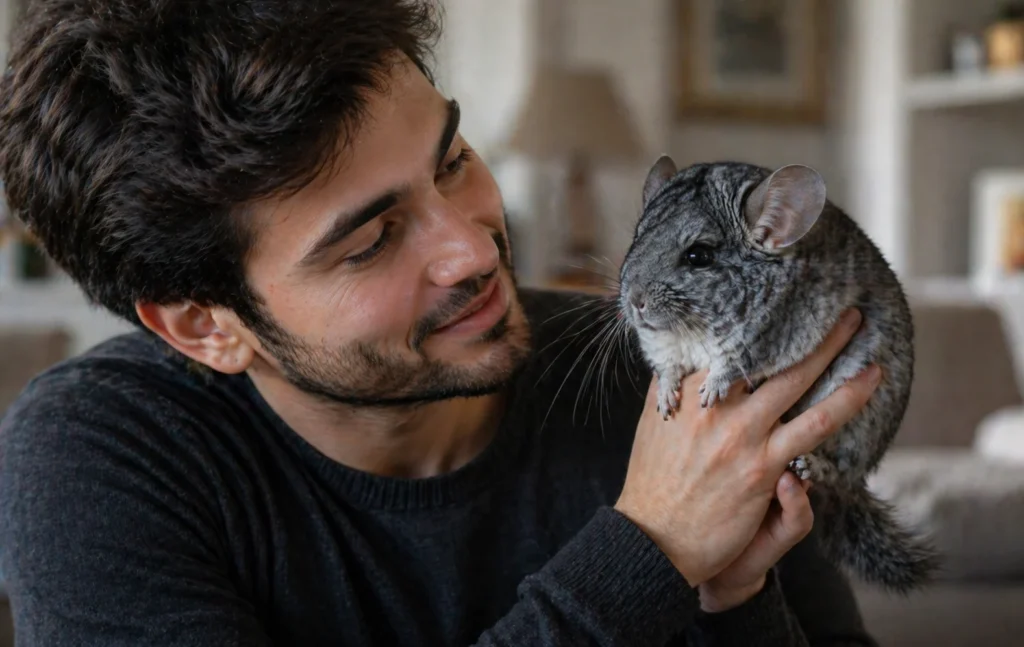
The first time I held a chinchilla, I wasn’t prepared for how impossibly soft it felt. Like holding a small cloud that was also furious about being held. That was over twelve years ago, and I’ve kept chinchillas on and off ever since, made every mistake possible, spent more on vet bills than I care to calculate, and watched a lot of well-meaning owners rehome theirs by month three because nobody told them what they were actually signing up for. This article is what I wish someone had handed me before I ever walked into that breeder’s house.
THE SHORT ANSWER
A chinchilla as a pet is a long-term commitment of 15 to 20 years, not a starter exotic. They need dust baths several times a week, specific temperatures under 75°F or they overheat fast, large multi-level cages, and considerably more patience during handling than most people expect. They’re not naturally cuddly, but with consistent gentle interaction, many become genuinely affectionate on their own terms.
So What Actually Is a Chinchilla?
Chinchillas are small rodents native to the Andes Mountains of South America, where they live at elevations up to 14,000 feet in cold, rocky terrain. That background matters more than most care guides let on, because everything about their biology what they eat, how they handle heat, why they need dust instead of water baths traces directly back to those mountains.
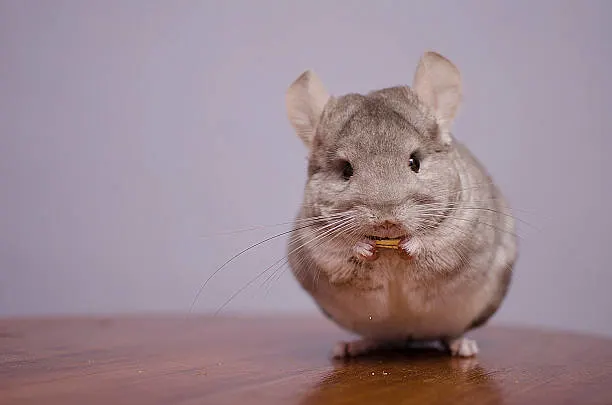
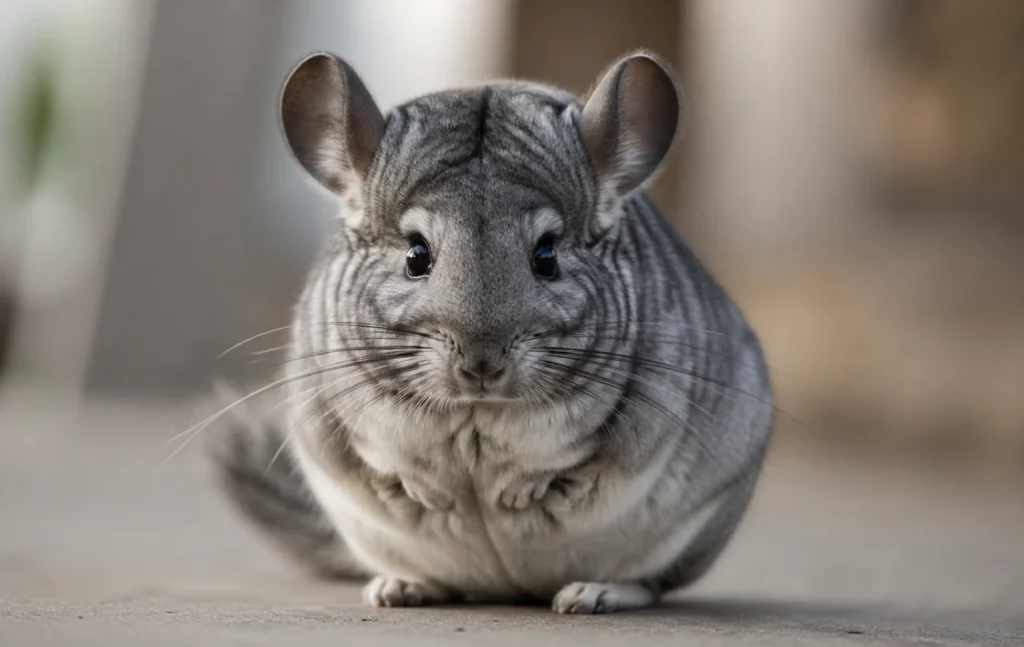
The two species kept as pets are Chinchilla lanigera (long-tailed) and Chinchilla brevicaudata (short-tailed), with long-tailed being far more common in the pet trade. Adults typically weigh between 400 and 600 grams, roughly the size of a large squirrel, with an extraordinarily dense coat, round ears, and a long bushy tail. They’re crepuscular most active at dawn and dusk though in my experience, they develop routines based on your household rhythms. Every chinchilla I’ve owned has reliably gone completely feral around 9pm, regardless of what I did.
Chinchilla Cost: What You’re Actually Looking At
Let’s get the money conversation out of the way early, because the advertised chinchilla price rarely reflects what you’ll actually spend over the life of this animal.
Purchase Price
A standard grey chinchilla from a reputable breeder typically runs $100 to $200. Rare color mutations like violet, sapphire, or TOV (touch of velvet) can push $300 to $500 or more. Rescues and shelters sometimes have chinchillas available for $25 to $75 in adoption fees, and honestly, that’s where I’d point most first-time owners. I’ve adopted two chinchillas from rescues and both came with accurate health history, known dietary preferences, and were already partially socialized.
Pet store chinchillas tend to run $50 to $150, but the sourcing is often poor and health guarantees are essentially nonexistent. I’ve seen owners pick up cheap pet store chinchillas and spend $400 in vet bills within the first two months on problems a reputable breeder would have screened for.
Ongoing Chinchilla Care Costs
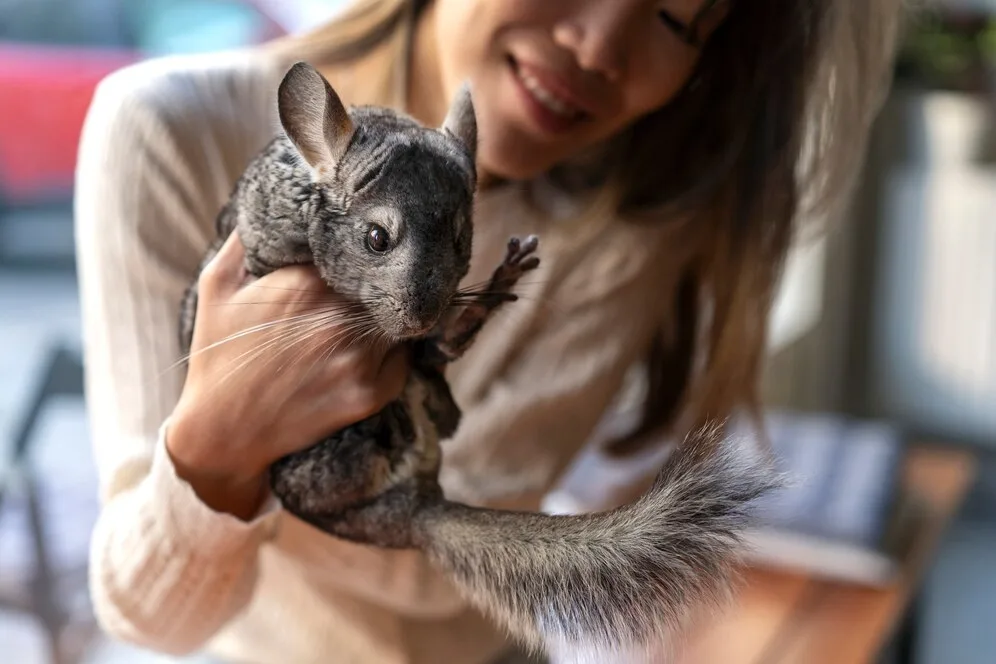
I’ve spent close to $800 testing cage setups, food brands, and dust bath products over twelve years, so let me save you some of that experimentation. Here’s a realistic breakdown of what you’re looking at:
- Large multi-level chinchilla cage: $150 to $400 upfront
- Monthly food (quality timothy hay plus pellets): $20 to $35
- Dust bath powder, used 2 to 3 times weekly: $10 to $15 per month
- Wooden chews and cage enrichment: $15 to $25 per month
- Annual vet check with an exotic-animal-experienced vet: $80 to $150
- Emergency vet fund, which is absolutely not optional: work toward $500 minimum
Most people budget for the animal. Almost nobody budgets for the exotic vet, which operates in a completely different price bracket from a standard dog and cat clinic, and is genuinely necessary for chinchillas.
Chinchilla for Sale: Where to Actually Find a Healthy One
The phrase “chinchilla for sale” pulls up a huge mix of results online, and most of them lead people toward pet store impulse buys. That’s worth addressing before anything else.
Reputable Breeders
Look for breeders who belong to the Mutation Chinchilla Breeders Association (MCBA) or the Empress Chinchilla Breeders Cooperative. A good breeder will ask you questions, not just take your money. They should tell you the lineage, current diet, any health history, and let you see both the parents and the living setup.
When you first visit a breeder or go to pick up your chinchilla, pay close attention to the smell of the space. A healthy chinchilla environment has almost no odor. Their droppings are dry and firm, and a clean cage barely registers. If you walk in and the smell hits you immediately, leave. That’s either overstocking, poor husbandry, or sick animals in that building.
Rescues and Adoption
Chinchilla rescues are genuinely underused. Sites like Petfinder and Chinchilla Club networks list available animals regularly. A friend of mine in my local exotic pet community rehomed a bonded pair of three-year-old chinchillas through a rescue after a life change, and the new owner received two already-socialized animals, a complete cage setup, and months of documented feeding history for a $60 adoption fee.
If you’re browsing chinchilla animal for sale listings on Craigslist or Facebook Marketplace, proceed carefully. Not all are bad, but vet the seller properly: ask for photos of the setup, a feeding history, and whether they have any vet records.
The Chinchilla Cage: Getting This Right Is Non-Negotiable
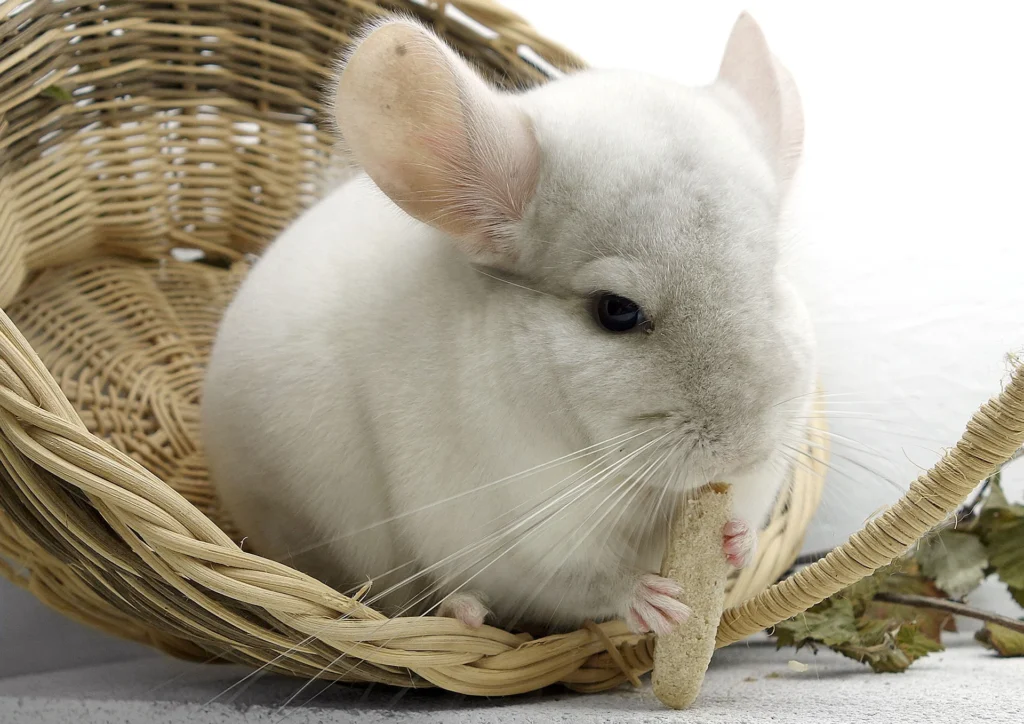
Most pet guides will tell you a 3x2x2 foot cage is sufficient for a single chinchilla. After twelve years of keeping these animals, I’ve found that’s genuinely the bare minimum rather than a comfortable living space. A single chinchilla needs at minimum a 24x24x48 inch tall cage because they are active jumpers and climbers, and a pair needs considerably more than that.
What a Proper Chinchilla Cage Setup Needs
Multi-level platforms made from solid wood are essential. Avoid wire-bottom platforms entirely, as chinchillas can develop bumblefoot from standing on wire long-term. Solid or wood-covered base flooring, wooden ledges and branches for climbing and chewing, a hiding box or small wooden house, ceramic or metal food and water dishes (plastic gets chewed and swallowed), and absolutely no plastic anywhere the chinchilla can reach. Trust me, they will reach everywhere.
Placement Matters More Than People Realize
Chinchillas are temperature-sensitive in a way that genuinely surprises new owners. Above 75°F, they are at serious risk of heat stroke. The dense coat that makes them feel so extraordinary to touch was designed for the cold Andes, not a warm apartment in July. I almost lost my first chinchilla during a summer power outage when the flat reached 80°F. She survived, but it was close, and I’ve kept a backup cooling plan running every summer since.
Keep the cage away from direct sunlight, radiators, and cold drafts. A consistent 60 to 70°F is what you’re aiming for.
For a full breakdown of multi-level cage setups and what’s actually worth spending money on, the guide on how to take care of a chinchilla goes into considerably more detail than I have room for here.
Chinchilla Care: The Daily Reality Nobody Photographs
The Dust Bath Situation
This is the part that surprises most new owners. Chinchillas do not get water baths. Their coat is so extraordinarily dense about 60 hairs per follicle, compared to a human’s single hair per follicle that it takes forever to dry and can grow mold and fungus inside the undercoat if it gets and stays wet. Instead, they roll in fine volcanic ash called chinchilla dust, which absorbs oils and debris from the coat.
Before I even set up the dust bath, my routine is always to first place the bath inside a contained area or large cardboard box, because a chinchilla enthusiastically rolling in dust creates a small grey explosion that will coat your furniture. The first time I watched one go at it, I genuinely laughed. They throw themselves into the dust with this complete, unhinged joy that’s hard to describe but easy to love.
Offer the dust bath two to three times per week for about 10 to 15 minutes. Don’t leave it in the cage permanently, as over-bathing dries out their skin and eyes. For choosing the right powder, I’ve broken down what actually works over at the guide for best chinchilla dust.
Chinchilla Food and Diet
The biggest mistake I made when I first got chinchillas was overcomplicating their diet. I bought a “premium mix” full of seeds, colorful dried pieces, and fruit because it looked nutritious and exciting. Chinchillas are strict herbivores with sensitive digestive systems, and that mix gave my first chin GI problems within two weeks.
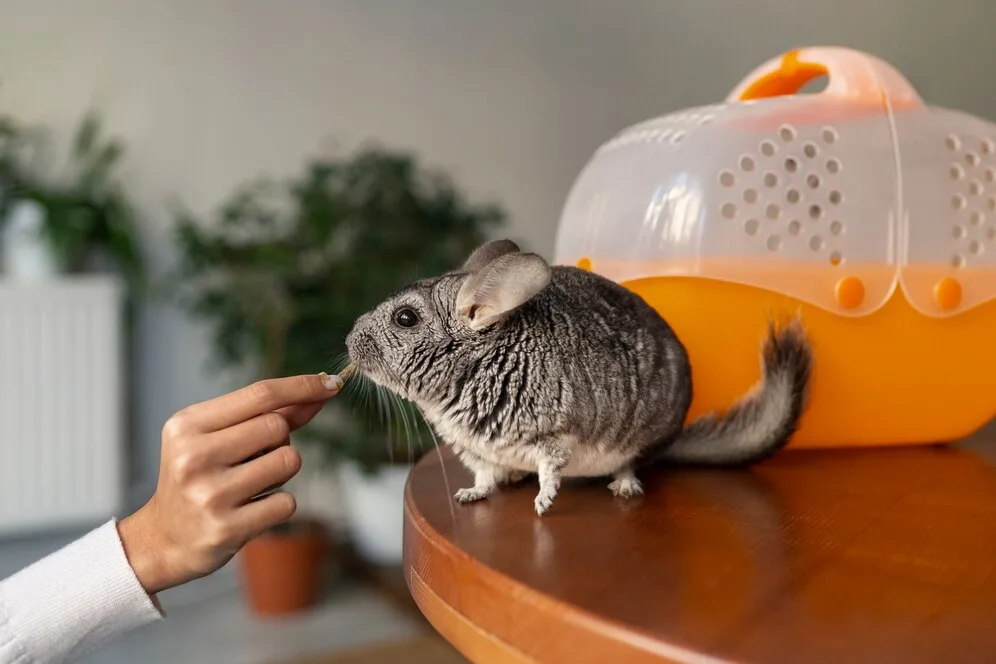
Their diet should be genuinely simple: unlimited timothy hay as the foundation of everything, a small amount of high-quality pellets (roughly one to two tablespoons daily), and occasional treats like a dried rosehip or a single raisin. No fresh vegetables, minimal fruit, and nothing high in moisture. The fancier the product looks, the more suspicious you should be.
For a properly researched breakdown of specific brands and what to look for on ingredient labels, the full article on the best chinchilla food covers what actually holds up.
Exercise and Enrichment
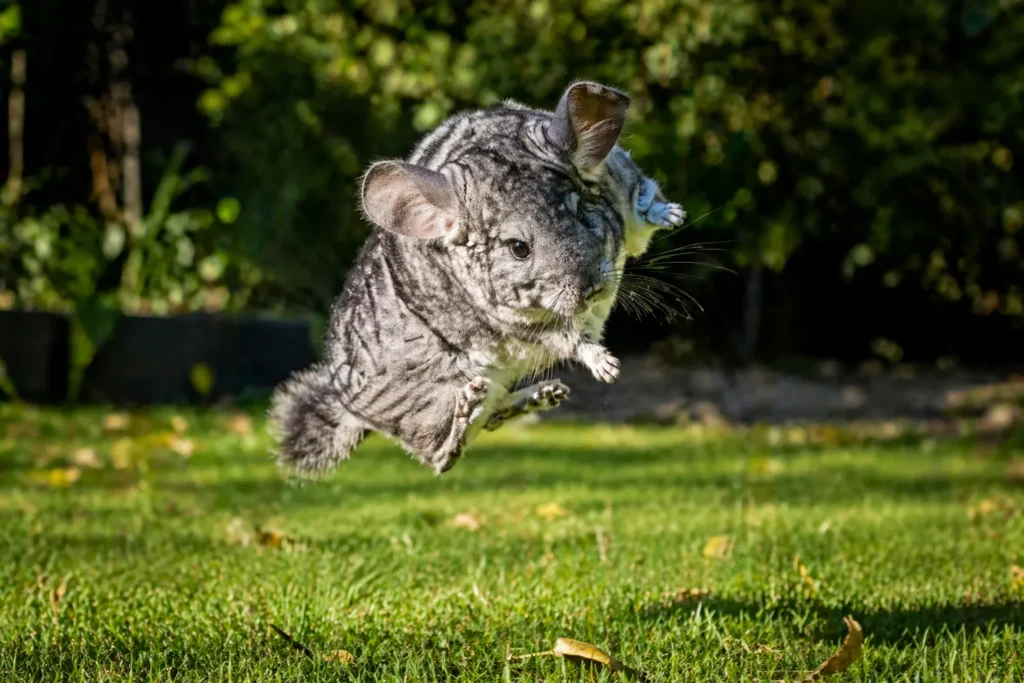
Chinchillas need daily out-of-cage time, at minimum 30 minutes and ideally an hour. This is where I see owners consistently underestimate the prep work. Before I let mine out, my routine is always to first spend five minutes chinchilla-proofing the room. Anything electrical, toxic, or chewable needs to be hidden or blocked off. These animals chew constantly, jump higher than you’d expect, and can squeeze into gaps that look impossibly small.
I’ve done this with a properly set up play space and I’ve done this with a cardboard-blocked hallway in a pinch. What actually mattered in both cases was supervision and removing the hazards, not the Instagram-worthy play gym.
Chinchilla Temperament: What Owning One Actually Feels Like
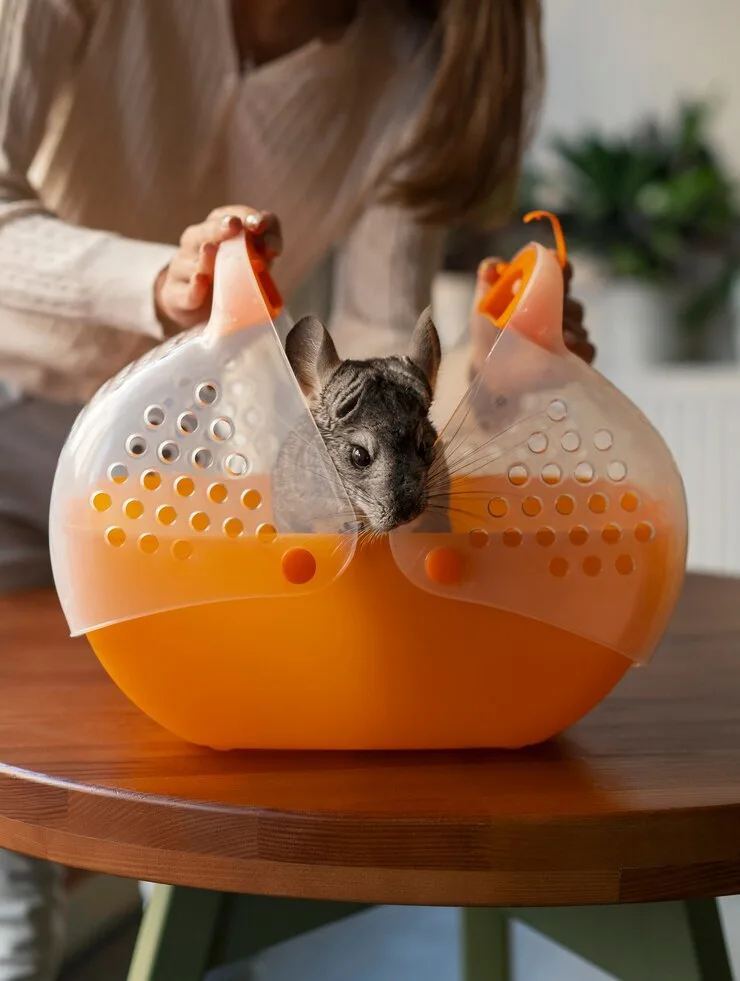
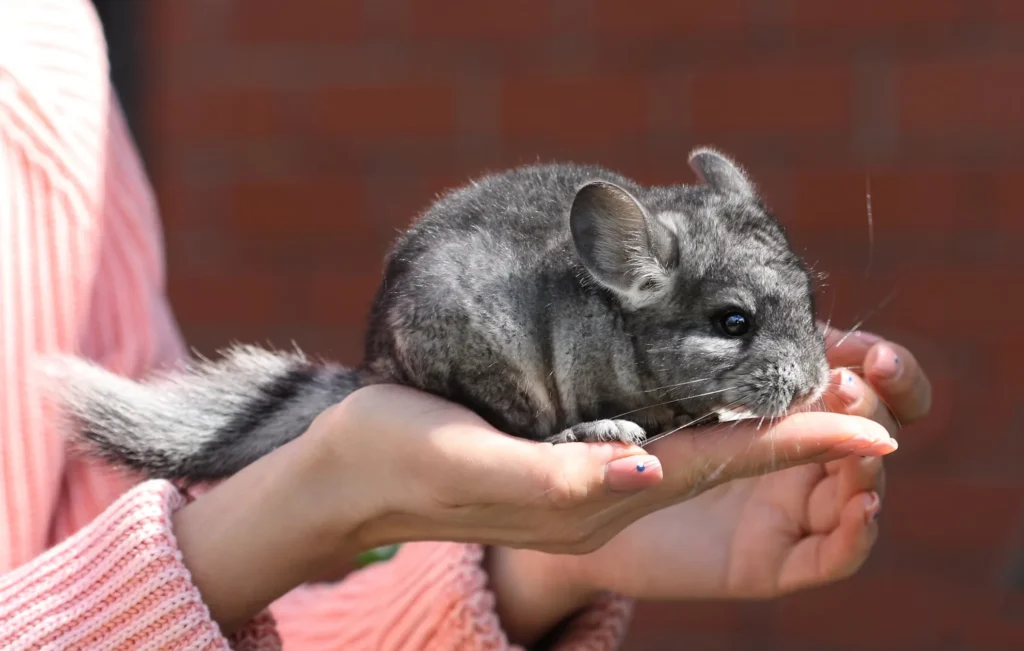
When you first pick up a chinchilla, you’ll immediately notice that it feels almost weightless and impossibly warm through that coat, like holding something made of dry static and compressed velvet. There’s a particular quality to the texture that doesn’t match anything else dense and soft simultaneously, with this dry, pillowy give that makes you understand immediately why the fur trade decimated them in the wild. But that first hold is rarely comfortable for either of you until you’ve built real trust.
Chinchillas are not naturally cuddly animals. They are naturally skittish, fast, and deeply opinionated. They can learn to tolerate and eventually enjoy handling, but this takes weeks to months of patient, consistent work, and some individuals never become particularly affectionate regardless of how much effort you put in. If you want a lap animal, get a rabbit. If you want an animal that’s fascinating to observe, increasingly responsive to you over time, and occasionally makes contact entirely on its own terms when it finally decides you’re worth it, a chinchilla can be genuinely rewarding.
Most pet sites will tell you chinchillas are great for children because they’re small and look soft. After 12 years of working with these animals, I’ve found this is one of the most common reasons they end up rehomed. Children want to hold them immediately, chinchillas resist being grabbed, stress fractures in the spine can happen from improper handling (yes, really it’s documented), and the whole situation goes wrong fast. Chinchillas do best with calm, patient older teenagers or adults.
Are Chinchillas Good Pets for Flats or Small Spaces?
A chinchilla’s cage footprint is manageable, they don’t bark, and their odor when properly maintained is minimal. So yes, on paper they suit flat living. But there are real conditions attached to that.
The temperature control issue becomes a bigger concern in smaller spaces and top-floor flats that absorb heat in summer. And chinchillas are vocal during their active hours sounds ranging from soft chirps and squeaks to a genuinely startling alarm bark they produce when stressed or surprised. It’s not constant, but it’s absolutely not silent at 9pm either.
If you’re weighing up other small-space-friendly animals, I put together a full breakdown over at the best pets for flats that places chinchillas in context alongside other realistic options.
Chinchillas and Other Pets: What You Need to Know Before You Mix Them
This question comes up constantly in pet forums and it genuinely needs a straight answer: chinchillas should be kept away from dogs and cats as a rule, not a suggestion.
Prey animals under stress experience extreme cortisol spikes that can cause heart attacks. A dog doesn’t need to touch a chinchilla to kill one. Simply being in the room with a high-prey-drive dog can be enough. High-energy, hunting-bred dogs are particularly problematic in this regard, and if you have one in your home, you need rock-solid separation protocols, not just “they’ll probably be fine.” You can read more about the instincts of high-drive working breeds like the Bull Arab to understand what kind of hardwired prey response you’d be working against.
Even calm, gentle dogs create stress in chinchillas through scent and presence alone. If you have dogs or cats, a dedicated room with a closed door is the minimum required setup.
The Chinchilla Advice That’s Everywhere and Gets Animals Killed
Let me address the single most harmful piece of chinchilla advice still circulating in Facebook groups, older care guides, and pet store staff talking points.
“Chinchillas are low-maintenance exotic pets.”
This gets repeated constantly by people who have never kept one, and it causes direct harm. I’ve seen owners lose animals over this exact framing. The logic goes: small animal, simple diet, no walks required, sounds low-maintenance. Except chinchillas have a 15 to 20 year lifespan, one of the longest of any small pet. Their temperature sensitivity means one warm afternoon without cooling can kill them. Their dental health is a constant concern, with malocclusion being common and requiring specialized exotic vet intervention. Their digestive systems are so sensitive that a few pieces of iceberg lettuce can trigger fatal GI stasis.
The American Veterinary Medical Association does not classify chinchillas as low-maintenance animals. Any exotic vet who works regularly with small mammals will confirm they are among the more demanding pocket pets in terms of husbandry complexity and veterinary needs.
I’ve had this exact conversation in a vet waiting room with a woman who had bought her daughter a chinchilla based on a pet store recommendation. Six months later, the animal had developed malocclusion, lost significant weight, and needed dental work that cost $340. She hadn’t known to find an exotic vet. She hadn’t known annual checkups mattered. The store had told her chinchillas were easy.
“You can give chinchillas a water bath if you dry them quickly.”
No. There is no scenario where a wet bath is appropriate for a chinchilla. Their coat is so dense it will not fully dry even with a hairdryer, and moisture trapped near the skin creates conditions for fungal infection and hypothermia risk. The British Chinchilla Society explicitly states that chinchillas should never be bathed in water under any circumstances. Dust baths only, full stop.
Chinchilla Health: The Problems Nobody Warns You About
Dental Disease
Malocclusion is the number one health issue in pet chinchillas and the one that catches most owners off guard because it develops gradually and quietly. Chinchillas’ teeth grow continuously throughout their lives. When alignment is off from genetics, inadequate hay intake, or injury, the teeth overgrow and eventually cause difficulty eating, drooling, and starvation if uncaught.
It took me almost three months to figure out that my second chinchilla’s slow weight loss was dental. She was eating hay without obvious difficulty but struggling with pellets, and I missed the connection for too long. A dedicated exotic vet caught early-stage malocclusion on a routine checkup. Regular weekly weigh-ins (written down, not guessed at) and annual exotic vet dental checks are not optional management tasks.
Heat Stroke
I’ve already mentioned the temperature threshold, but it bears repeating because heat stroke in chinchillas is fast and fatal. Above 75°F, you’ll see labored breathing, drooling, and the animal lying flat and unresponsive. By the time the visible signs are obvious, you’re already in emergency territory. In warm months, a small fan aimed at a frozen water bottle placed near the cage is a basic safeguard I run from May through September without fail.
GI Stasis
Like rabbits, chinchillas can develop gastrointestinal slowdown when stressed, sick, or fed incorrectly. A chinchilla that stops eating or producing droppings needs a same-day vet call. This is not a wait-and-see situation. I’ve seen owners lose animals by waiting 48 hours on this one, assuming the animal was just being picky.
For signs of illness and what to monitor on a daily basis, the care guide at how to take care of a chinchilla covers the specific red flags and what to do when you spot them.
Chinchilla Lifespan: The Commitment People Underestimate
This deserves its own section because it changes the entire decision-making framework.
The average chinchilla in good conditions lives 12 to 15 years. Well-cared-for animals regularly reach 18 to 20 years. There are documented cases of chinchillas living to 22 years. This makes them one of the longest-lived small pets available.
Think about what that means practically. A child who receives a chinchilla at age eight may still be caring for that same animal in college. A university student who buys one might have it well into their mid-thirties. That’s a serious life commitment, not a casual experiment. It’s one reason I’m cautious about recommending them as classroom or school pets without serious conversation first. If you’re exploring class pet options and weighing a chinchilla, the article on the 10 best class pets puts the lifespan and care demands in better perspective.
Chinchilla vs. Rabbit: The Honest Comparison
I get this question frequently from people deciding between the two. Both are herbivores, both require large enclosures, both have sensitive digestive systems. But they’re different enough that the choice genuinely matters.
Rabbits are more naturally social with humans and more forgiving of beginner mistakes. They tend to be more interactive on their own initiative and can free-roam more easily once a space is properly set up. If you want something that behaves more like a small, curious dog in terms of personality responsiveness, rabbits often win that comparison. My full breakdown of getting started is over at beginner rabbit care if that’s where you’re leaning.
Chinchillas require more patience in the socialization phase but reward it differently. They’re more entertaining to watch in an active vertical environment, their cleanliness when properly maintained is genuinely impressive, and personally, I find them more interesting to live with once you’ve put in the relationship work. They’re also significantly less destructive during free-roam time compared to rabbits, which will chew baseboards without much hesitation.
Neither is easier. They’re just different kinds of demanding.
Do Chinchillas Need a Companion?
Chinchillas are social animals in the wild and generally do better in same-sex pairs than solo. That said, pairing requires careful introductions, and not all chinchillas accept a companion. Two males will often fight unless introduced very young, two females can establish tense dominance hierarchies, and a male/female pair will breed constantly without neutering.
Someone in my rescue community asked me once why their chinchilla seemed perfectly content alone, and the honest answer is that some individuals adapt well to solo life, especially when they have significant daily interaction with their owner. But if you’re out of the house for 10 or more hours a day and can’t commit to regular dedicated interaction time, a pair is genuinely better for the animal’s welfare.
If you do bring in a companion, quarantine the new animal for at least two weeks first, then do slow scent-introduction steps before any shared cage time. Skipping this and just putting two chinchillas together is how you end up with a stressed, injured animal and a vet bill.
So Is a Chinchilla the Right Pet for You?
After tracking the care needs, costs, and behavior of chinchillas across three different animals over more than a decade, here’s where I actually land on this.
A chinchilla is a genuinely excellent pet for the right person. That person is patient, financially prepared, has access to an exotic vet, keeps their home reasonably cool year-round, and is interested in an animal that takes time to warm up but will not be boring for the next fifteen years.
A chinchilla is a poor fit if you want an animal that’s immediately affectionate, if you have young children who’ll grab at them, if you live in a consistently hot climate without reliable air conditioning, or if you can’t realistically budget for specialist veterinary care when things go wrong.
If you can’t afford a dedicated chinchilla dust bath house right now, don’t panic I’ve had great results using a simple ceramic bowl with high sides as a temporary bath container, because what matters is the quality of the dust itself and the containment, not a matching set from a boutique pet shop.
They’re not a starter exotic. They’re not low-maintenance. But for the people who suit them and take the time to understand what they actually need, they’re remarkable animals.
Got a question about chinchilla care, sourcing, or something specific to your setup? Drop it in the comments I read all of them.


Its not bad idea having Chinchilla as a pet as i think its so calm and he even good for the kids
do y think its really good idea if i pet Chinchilla !!!!!
Afer reading ur article abaout Chinchilla pet, i should say its not easy but thank u for the information
Thanks for finally writing about > Chinchilla as a Pet Guide: Costs, Care, and Tips for Owners –
Animal Sound < Loved it!
Thanks for finally writing about > Chinchilla as a Pet Guide:
Costs, Care, and Tips for Owners – Animal Sound < Loved it!
Thanks for finally writing about > Chinchilla as a Pet Guide: Costs, Care, and Tips for Owners – Animal Sound < Liked it!
Pingback: Exotic Animal Hospital: Specialized Care for Your Unique Pets - Animal Sound
Pingback: Can you Own a Hawk as a Pet? Yes You Can! - Animal Sound
Pingback: How to Take Care of a Chinchilla for Beginners - Animal Sound
Pingback: 5 Best Mouse Breeds for Kids: The Ultimate Guide for Families - Animal Sound
Pingback: Desert Rain Frog as a Pet Guide: What Nobody Tells You First - Animal Sound
Pingback: Best Mouse Breeds for Kids, Families & Beginners: The Complete US Guide - Animal Sound