The first time I picked up a Holland Lop, I was completely unprepared. Not for how soft it was, not for that warm, compact weight in my hands, but for the absolute chaos that followed me home. That rabbit chewed through a phone charger in 48 hours, binky-kicked litter across an entire bathroom, and somehow still looked adorable doing all of it. If you are searching for holland lop bunnies for sale right now, this is the article I wish existed before I made my first purchase.
The Short Answer
Holland lop bunnies for sale are available through reputable breeders, rescue organizations, and occasionally pet stores, with prices ranging from $20 (rescue) to $150+ (breeder). Holland Lops are small, compact rabbits with distinctively drooping ears, a calm temperament, and significant care needs that most buyers underestimate. Always buy from a registered lop rabbit breeder or adopt before considering any other source.

What Is a Holland Lop Rabbit, Really?
The Holland Lop is one of the smallest lop-eared rabbit breeds in the world, developed in the Netherlands by Adriann de Cock in the 1950s through crosses between French Lops, Netherland Dwarfs, and English Lops. The American Rabbit Breeders Association (ARBA) officially recognized the breed in 1979, and it has been one of the most popular breeds in the United States ever since.
Most pet sites will tell you Holland Lops are “easy starter pets,” but after 15 years of working with rabbits across multiple breeds, I have found that description gets more animals into unsuitable homes than any other single piece of bad advice. Holland Lops are emotionally intelligent, physically fragile, and genuinely high-maintenance compared to what most new owners expect.
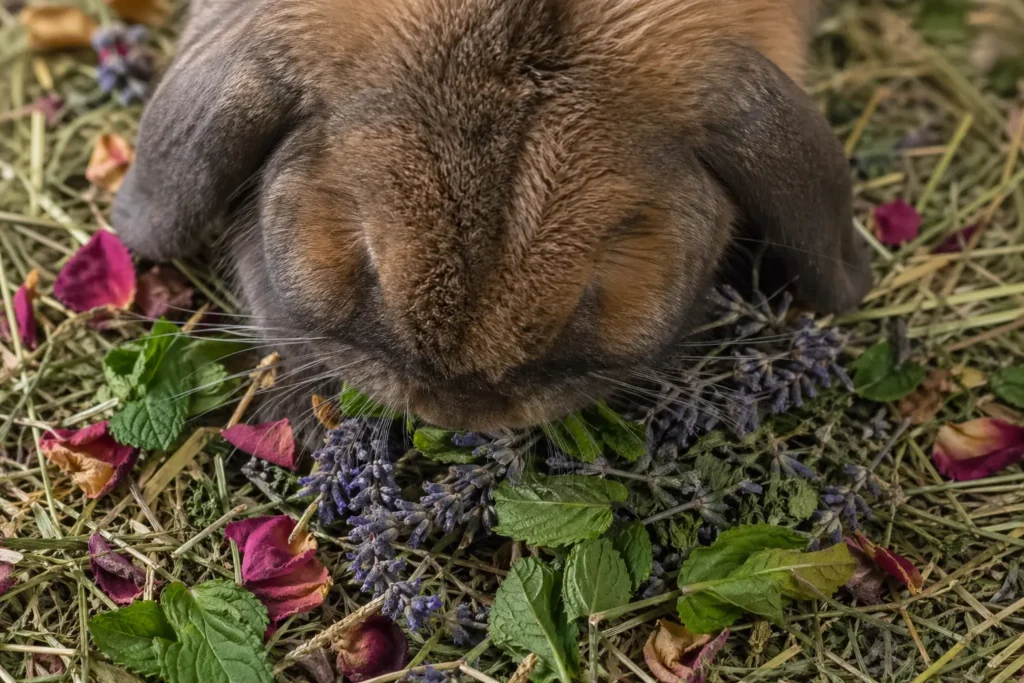
They weigh between 2 and 4 pounds at full maturity. Their ears drop down the sides of their face rather than standing upright, and their compact, rounded body type is called a “crown” in breed show terminology. In person, a healthy Holland Lop looks nothing like the photos online. The actual ear length is shorter and the head is rounder and more bulldog-like than most stock images suggest, sitting on almost no neck at all.
When you first pick up a healthy Holland Lop, you will immediately notice the warmth radiating from their body and the surprising muscle tension in their hindquarters. They are not limp and relaxed like cats tend to be when held. They are ready to bolt at any given second, and that is completely normal. A rabbit that goes limp in your arms is often terrified, not comfortable.

Holland Lop Rabbit for Sale: Where to Actually Find One
This is where most people go wrong before they even bring a rabbit home. The search for a holland lop rabbit for sale tends to lead people straight to Craigslist, Facebook Marketplace, or the nearest pet store, and all three of those options carry real risk if you do not know what you are looking at.
Your best starting points are the ARBA breeder database (arba.net), the House Rabbit Society’s adoption listings (rabbit.org), and breed-specific rescue groups. Local rabbit rescues often have Holland Lops available, especially young adults whose original owners did not realize what they were getting into.
If you are a first-time rabbit owner, I would genuinely recommend reading through a beginner rabbit care guide before you contact a single breeder. Not because you are not capable, but because walking into a breeder conversation already knowing the difference between GI stasis and normal cecotrope behavior will change what questions you ask and what answers you accept.
Lop Rabbit Breeder: How to Tell a Good One From a Disaster
A good lop rabbit breeder will ask you as many questions as you ask them. They will want to know your housing setup, whether you have owned rabbits before, and what your plan is for veterinary care. If a breeder does not ask you a single question and just quotes you a price, that is your first warning.
Reputable breeders typically raise their kits in clean, hay-filled enclosures with proper socialization from week one. When you visit, the space should smell like fresh hay and, honestly, a mild ammonia-free earthiness. It should not smell like ammonia, decay, or heavy cleaning products masking something worse.
I have been to breeders where the rabbits were beautiful and the setup was immaculate. I have also been to “breeders” who were running what amounted to a rabbit mill out of a garage, and the smell hit me before I even got through the door. Trust that sensory information. Your nose knows.
Holland Lop Rabbitry: Red Flags I Wish I Had Known Earlier
The biggest mistake I made when I first got a Holland Lop was buying from a seller who could not tell me the age of the kit’s parents or their health history. I assumed young, cute, and cheap meant fine. It did not. That rabbit developed dental malocclusion at 18 months, which is a condition directly linked to poor genetics in Holland Lops, and I spent close to $800 in veterinary bills over two years managing it.
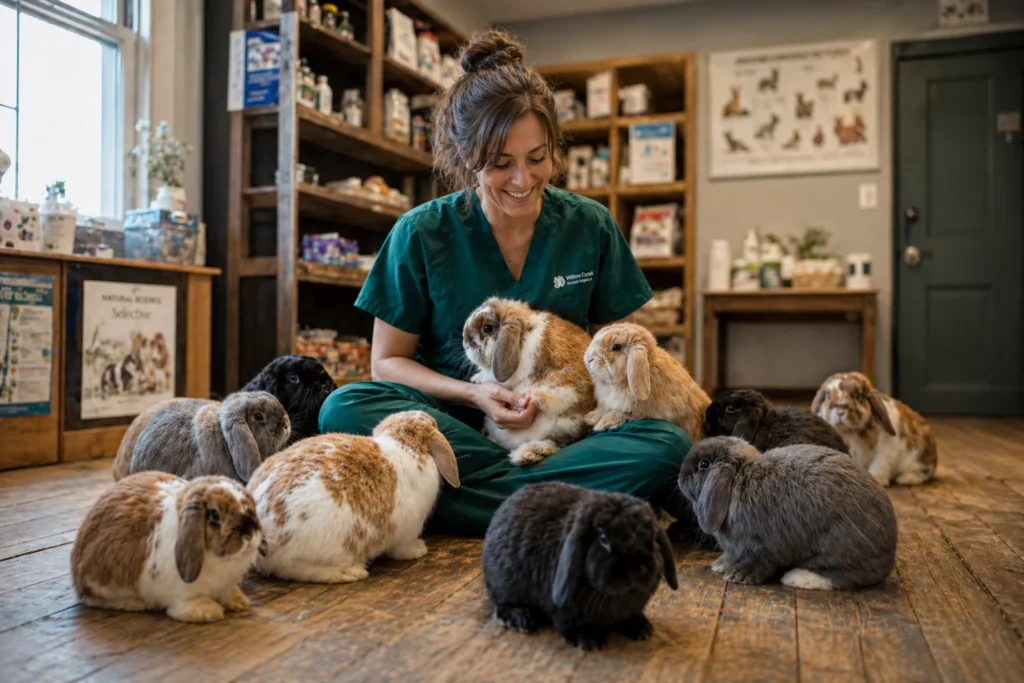
A reputable holland lop rabbitry will have pedigree documentation going back at least three generations. They will know the birth dates, weights, and health records of the breeding parents. They will not sell kits before 8 weeks of age, and a genuinely responsible breeder usually holds them until 10 to 12 weeks.
Lop Bunnies for Sale: Understanding the Price Range
The price variation for lop bunnies for sale is genuinely wide, and understanding why matters before you hand anyone money.
Rescue adoption fees typically run between $20 and $75 and almost always include spay or neuter, initial health screening, and sometimes microchipping. This is almost always the best value available.
Pet quality Holland Lops from a registered breeder typically run $50 to $150 depending on region, color, and the breeder’s reputation. Show quality animals with full pedigrees and championship lines can go $200 to $500 or higher.
After six years of keeping Holland Lops specifically, I spent close to $400 in the first year alone between the purchase price, initial cage setup, the first vet wellness visit, spay surgery, and the emergency GI stasis visit that happened when I did not understand hay consumption requirements. None of that was extravagant. It was just the baseline reality of responsible rabbit ownership.
Do not let anyone sell you the idea that rabbits are cheap pets. They are not. Budget for a rabbit-savvy exotic vet before you buy the rabbit, because regular small animal vets often have limited training in rabbit medicine.
Dutch Lop Rabbit for Sale vs. Holland Lop: Are They the Same?
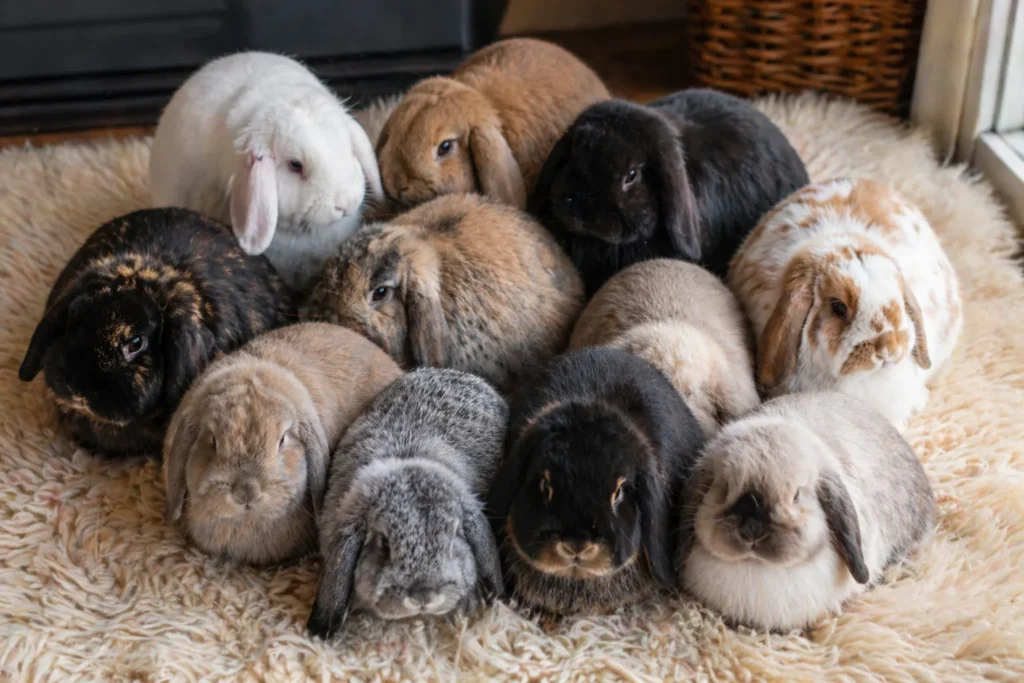
No, and this mix-up happens constantly. If you are searching for a dutch lop rabbit for sale, you are technically looking for a larger breed with a different body structure than the Holland Lop.
The Dutch Lop (also called the French Lop in some regions) is a significantly larger animal, weighing 10 to 15 pounds at maturity compared to the Holland Lop’s 2 to 4 pounds. They share the lopped ear trait but differ substantially in size, temperament, and housing needs.
Some sellers incorrectly use “Dutch Lop” and “Holland Lop” interchangeably, particularly on general classified sites. If size matters to your household situation, always confirm adult weight with the seller and ask to see a parent animal in person. A friend of mine drove two hours to pick up what she was told was a Holland Lop kit, and brought home an animal that grew to 12 pounds. Not a disaster, but not the apartment-sized rabbit she had planned for.
If you live in a smaller space and are considering rabbit ownership, the article on the best pets for flats covers size considerations in detail and is worth a read before you commit.
Mini Holland Lop: What “Mini” Actually Means
The term mini holland lop gets thrown around a lot, and it is worth clarifying what you are actually looking at when you see it used.
Holland Lops are already the smallest lop breed recognized by ARBA. There is no separate “mini” Holland Lop breed recognized by any major rabbit registry. When breeders or sellers use the term “mini Holland Lop,” they are usually referring to a Holland Lop that is at the lower end of the breed’s weight range (2 to 2.5 pounds), or they are selling a mixed breed small rabbit with lop characteristics.
Occasionally, the term appears for animals bred selectively from the smallest Holland Lops over several generations in an attempt to produce below-standard weight. These ultra-small animals carry elevated health risks including dental crowding, fragile bone structure, and reproductive complications. I have seen owners lose animals over this exact mistake of chasing the smallest possible rabbit without understanding what genetic corners got cut to produce it.
If a seller advertises a Holland Lop under 2 pounds as a fully grown adult, ask very specific questions about the parents’ weights and health history.
Lop Rabbit for Sale: The Real Setup Costs Nobody Prepares You For
Housing
A single Holland Lop needs at minimum 12 square feet of living space, and that is the absolute floor, not the ideal. The House Rabbit Society recommends a minimum pen size of 4 feet by 4 feet for a rabbit this size, with multiple additional hours of out-of-pen time daily.
Wire-bottom cages are a documented cause of sore hocks in rabbits and should be avoided. Solid-floor exercise pens or bunny-proofed rooms are far superior options and often cheaper than dedicated rabbit cages.
Food
A Holland Lop’s diet is 80% grass hay, primarily Timothy hay for adults. Pellets are a supplement, not a staple. Fresh leafy greens are a daily addition. This sounds simple and inexpensive until you realize that a rabbit this size goes through hay fast, and cheap hay causes GI problems that cost far more at the vet than quality hay ever would at the feed store.
It took me almost a full year to finally figure out that the brand of hay I was buying at a chain pet store was too dusty and causing my rabbit minor respiratory irritation. Switching to a reputable direct-to-consumer hay company made a visible difference in both respiratory health and consumption rate within two weeks.
Veterinary Care
Before I even start any rabbit’s care routine, my first step is always to identify a rabbit-savvy exotic vet within a reasonable driving distance. Not every town has one, and this matters enormously when GI stasis hits at 9pm on a Sunday.
Annual wellness exams, spay or neuter surgery (which is medically recommended for unentered does due to the extremely high rate of uterine cancer in unspayed female rabbits), and emergency care for GI stasis are the three primary cost categories to budget for. Spay surgery alone typically runs $200 to $500 depending on the practice.
10 Holland Lop Bunny Products on Amazon Worth Buying
These are products I have personally used or that come consistently recommended across rabbit owner communities and rabbit-savvy vet recommendations. Prices vary and should be verified at time of purchase.
1. MidWest Homes for Pets Wabbitat Folding Rabbit Home
A solid starter enclosure with a removable divider panel and easy-clean plastic pan. Not large enough as a permanent single enclosure for an active Holland Lop but useful as a sleep space within a larger pen setup. View on Amazon Price range: $50 to $80 Key detail: Folds flat for storage, includes a hay guard
2. Small Pet Select 2nd Cutting Timothy Hay
Consistently one of the highest-rated timothy hay options available online, with a noticeably softer stem and good leaf-to-stem ratio that most rabbits prefer. Ships in compressed boxes that stay fresh. View on Amazon Price range: $25 to $55 depending on weight Key detail: No added preservatives, sourced from the Pacific Northwest, third-party tested
3. Oxbow Essentials Adult Rabbit Pellets
The pellet brand most frequently recommended by rabbit-savvy vets. Plain, uniform, and timothy-based. No seeds, no dried fruit, no colorful extras that cause GI disruption. View on Amazon Price range: $10 to $22 depending on bag size Key detail: ARBA and House Rabbit Society endorsed formulation, consistent quality lot to lot
4. Kaytee Clean and Cozy White Small Animal Bedding
A soft paper-based bedding that controls odor without cedar or pine oils, which are harmful to rabbit respiratory systems. Works well for litter box fill as a base layer under hay. View on Amazon Price range: $15 to $30 depending on bag size Key detail: 99.9% dust-free claim, highly absorbent, safe for rabbit respiratory systems
5. Living World Teach N Treat Toy
An actual enrichment tool rather than just a “toy,” this flip-door puzzle feeder makes rabbits work for their pellet portion. Holland Lops are intelligent and boredom-driven chewers. This redirects that energy productively. View on Amazon Price range: $15 to $25 Key detail: Three difficulty levels, dishwasher safe, suitable for rabbits 2 pounds and up
6. Niteangel Wooden Rabbit Hideout
Rabbits need a place to hide for psychological safety. This solid wood hideout is chew-safe, untreated, and sturdy enough to actually hold up to a Holland Lop’s determined gnawing. Most plastic alternatives get destroyed in weeks. View on Amazon Price range: $20 to $40 Key detail: Natural wood, no paint or varnish, fits rabbits up to 5 pounds comfortably
7. Lixit No-Drip Water Bottle
A reliable drip-free water bottle that attaches to pen bars. Not a replacement for a heavy crock bowl (many rabbits strongly prefer drinking from open vessels), but useful as a backup water source. View on Amazon Price range: $8 to $15 Key detail: Ball-bearing nozzle reduces leaking, wide bottle opening for cleaning, 32-oz capacity
8. Ware Manufacturing Chew-proof Corner Litter Pan
Corner litter pans use less space than rectangular ones, and the high back wall reduces hay scatter into the surrounding pen area. Holland Lops will almost always choose a corner for elimination, which makes corner pan placement very effective. View on Amazon Price range: $12 to $20 Key detail: Removable grate keeps rabbit feet out of soiled bedding, fits most standard pen corners
9. Oxbow Simple Rewards Baked Treats with Apple and Banana
If you are going to use treats for bonding and training, these are one of the safer options. They are baked rather than sugar-coated, and the ingredient list does not include anything that would disrupt a Holland Lop’s sensitive gut microbiome. View on Amazon Price range: $4 to $8 Key detail: No added sugar, no artificial preservatives, appropriate serving size guidance on label
10. Kaytee Woodland Get-A-Way House Large
A chew-safe hideaway made from real wood that doubles as a climbing platform for active Holland Lops. The flat roof gives rabbits an elevated perch, which many lops use as their preferred observation spot in a pen. View on Amazon Price range: $18 to $35 Key detail: Solid enough to support rabbit weight on top, natural wood, no glues or synthetic finishes

What the Internet Gets Completely Wrong About Holland Lops
The Rabbit Advice That Is Everywhere and Gets Animals Killed
The single most dangerous piece of advice I see repeated endlessly, particularly in beginner rabbit Facebook groups and in several wildly popular YouTube rabbit care videos from channels with hundreds of thousands of subscribers, is that rabbits can eat a wide variety of fresh vegetables daily from the moment you bring them home.
They cannot. And this mistake sends more Holland Lops into GI stasis, a life-threatening condition where the digestive system slows or stops, than almost anything else in the new owner period.
Young rabbits, particularly those under 12 weeks, have extremely sensitive gut flora that has not fully established. Introducing fresh vegetables too early, or introducing them too quickly in an adult rabbit transitioning from a poor diet, causes gas, bloating, and GI slowdown that can kill a rabbit within 24 to 48 hours if not treated. I almost lost my first Holland Lop by doing this. She stopped eating at about 10pm on a Tuesday. By midnight she was grinding her teeth and pressing her belly to the floor, which are both pain indicators. Emergency vet visit, subcutaneous fluids, gut motility drugs, and a very expensive lesson about proper dietary transition timelines.
The House Rabbit Society’s official feeding guidelines specify that fresh vegetables should not be introduced until a rabbit is at least 12 weeks old, and even then should be added one type at a time over two-week intervals. Dr. Dana Krempels at the University of Miami’s biology department has written extensively on rabbit GI physiology and confirms that the gut flora of young rabbits is genuinely not ready for vegetable variety before the 12-week mark.
If you can’t afford emergency exotic vet care, don’t panic about preventative strategies. I have had great results with the basics: unlimited timothy hay at all times, limited pellets, zero vegetables until 3 to 4 months, and clean water daily. That alone prevents the majority of new-owner GI disasters, because it is not the absence of vegetables that causes problems. It is the premature or hasty introduction of them.

Holland Lop Temperament: The Honest Version
Holland Lops have a reputation for being calm, friendly, and easy to handle. That reputation is earned over time and with consistent, respectful socialization. It is not a factory setting you receive when you take one home.
A Holland Lop that has not been properly socialized from kithood will thump, lunge, and bite. A Holland Lop that has been handled incorrectly will develop fear aggression that can take months to reverse. Someone in my local rabbit rescue group asked me once why her Holland Lop, which she had bought from a pet store at 7 weeks old, seemed terrified of human contact even after three months, and the honest answer is that pet store rabbits are often handled carelessly and repeatedly by strangers during a critical socialization window, and they associate human hands with stress rather than safety.
A well-socialized Holland Lop will seek out your company, flop over dramatically when relaxed (a “dead bunny flop” that will give you a heart attack the first time you see it), and communicate clearly through body language. They are genuinely engaging animals. But you earn that relationship by sitting on the floor at their level, letting them approach you, and never grabbing or chasing.
Holland Lops also do well as class pets or as companions in supervised household environments, provided their housing requirements for space, temperature, and stress management are properly met.
Holland Lop Health Issues You Need to Know Before You Buy
Dental Malocclusion: The compact skull of a Holland Lop packs a lot of teeth into a small jaw. Malocclusion, where the teeth do not align correctly and grow unchecked, is the single most common hereditary health problem in the breed. It ranges from manageable with regular dental trims to severe enough to require euthanasia in extreme cases. Always ask about the dental history of both parents before purchasing.
GI Stasis: As covered above, this is the number one killer of pet rabbits across all breeds and is largely preventable with proper diet. Unlimited hay access is non-negotiable, not optional.
Sore Hocks: Wire-floored cages cause pressure sores on a Holland Lop’s relatively small feet. These become infected and painful. Solid flooring or soft mats in all rest areas prevent this entirely.
Uterine Cancer: Unspayed female Holland Lops face a uterine adenocarcinoma risk that the House Rabbit Society estimates at 50 to 80% by age 5. Spaying before age 2 is medically recommended, not optional, for any rabbit owner who is serious about their animal’s long-term health.
Before bringing a Holland Lop home, if you are also researching other pets or comparing breeds for your lifestyle, the beginner rabbit care guide lays out the daily time commitment in detail that most pet sites skip.
Harnesses, Walks, and Outdoor Time: What to Know First
Holland Lops can be trained to walk on harnesses and many enjoy supervised outdoor time in secure areas. If you plan to take yours outside, a properly fitted rabbit harness (not a cat harness, which does not account for rabbit body proportions) is worth the investment.
The difference between a poorly fitted harness and a quality one is a rabbit that can slip free in a panic versus one that stays safely with you. A frightened rabbit that bolts can sustain a spinal injury from a sudden lunge. A proper rabbit harness guide covers the fit differences and top-rated options in detail.
Never leave a Holland Lop outdoors unattended, even in a secure hutch. Predator presence alone, even without physical contact, can cause a rabbit to die of cardiac stress. I have seen owners lose animals over this exact scenario. A fox does not need to get inside a hutch to kill a rabbit.
Frequently Asked Questions About Holland Lop Bunnies for Sale
How much does a Holland Lop rabbit cost? Rescue adoption fees run $20 to $75. Breeder prices for pet quality animals typically range from $50 to $150. Show quality Holland Lops from championship lines can cost $200 to $500 or more.
Where can I find a reputable lop rabbit breeder? Start with the ARBA breeder database at arba.net and the House Rabbit Society adoption listings at rabbit.org. State and regional rabbit breeders associations also maintain member directories.
How long do Holland Lops live? With proper care, Holland Lops typically live 7 to 12 years. Some have been documented living beyond 14 years. This is a significant, decade-long commitment, not a short-term pet.
Are Holland Lops good for apartments? Yes, with conditions. Their size is appropriate for smaller living spaces, they are quiet animals (no vocalizations that would bother neighbors), and their exercise needs can be met in a properly configured indoor setup. For a fuller breakdown of what makes a rabbit work in a smaller space, see the best pets for flats guide.
Do Holland Lops need a companion? Rabbits are social animals and many do better with a bonded partner. Two properly bonded Holland Lops are generally happier and less destructive than a single rabbit. The bonding process requires a gradual, supervised introduction protocol and is not as simple as placing two rabbits together.
What is the difference between a Holland Lop and a Mini Lop? Mini Lops are a separate, larger ARBA-recognized breed that weighs 4.5 to 6.5 pounds at maturity. They are not a smaller version of the Holland Lop. Holland Lops (2 to 4 pounds) are actually the smaller breed of the two.

Final Word Before You Buy
Holland Lops are genuinely wonderful animals. They are intelligent, personable, and can form real bonds with their owners over years of consistent interaction. They are also fragile, expensive to maintain properly, and nothing like the “low maintenance starter pet” framing that unfortunately follows small animals around in popular pet culture.
I have done this with a perfectly set up enclosure and with a rabbit I pulled from a hoarding situation in genuinely terrible shape, and here is what actually mattered in both cases: consistent hay access, a rabbit-savvy vet already identified before any emergency happened, and the patience to let the rabbit define the pace of the relationship rather than forcing handling on their timeline.
If that sounds like something you can commit to for the next decade, the search for holland lop bunnies for sale is absolutely worth pursuing. Just go in with your eyes open and your vet’s number already saved.



Pingback: Best Rabbit Harnesses: Top Picks with Reviews - Animal Sound
Pingback: 10 Best Class Pets for a Fun and Engaging Classroom - Animal Sound
Pingback: Beginner Rabbit Care: The Complete Guide to Everything You Need to Know - Animal Sound