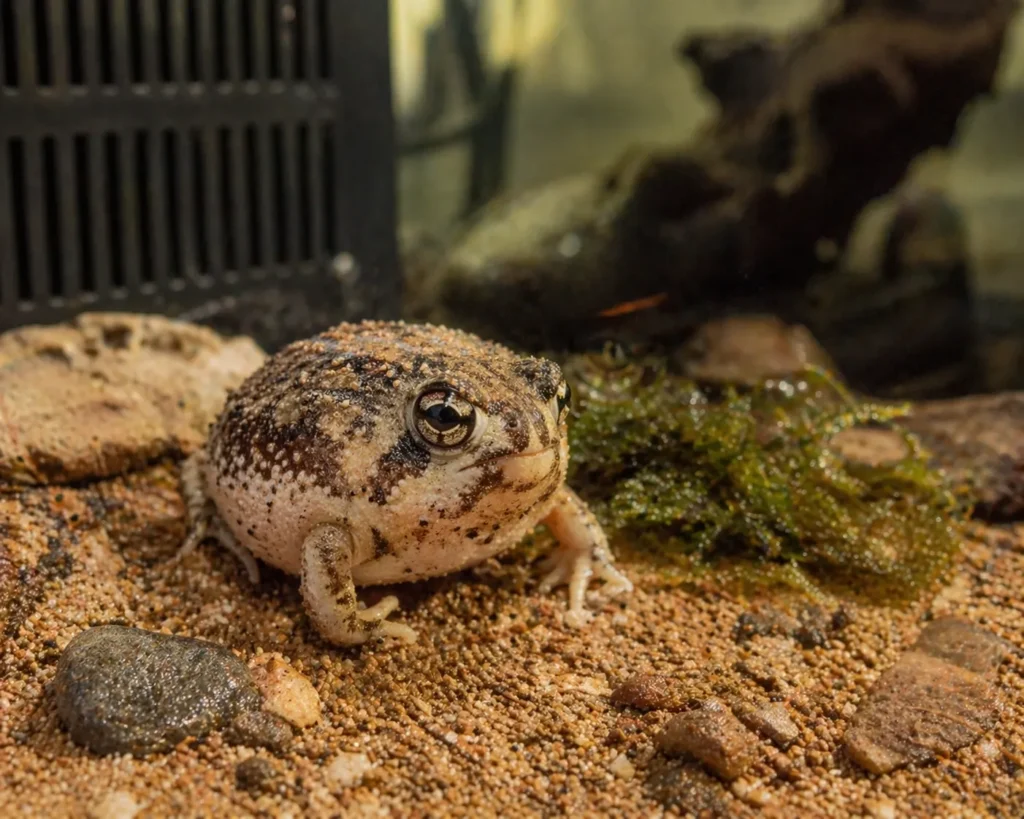
I get a message about this animal at least twice a week since that squeaking video went viral. Someone watched a tiny round frog make the most absurd noise they had ever heard and immediately thought: I want one of those.
I understand completely. But what comes after that feeling is exactly what this post is about.
The Short Answer
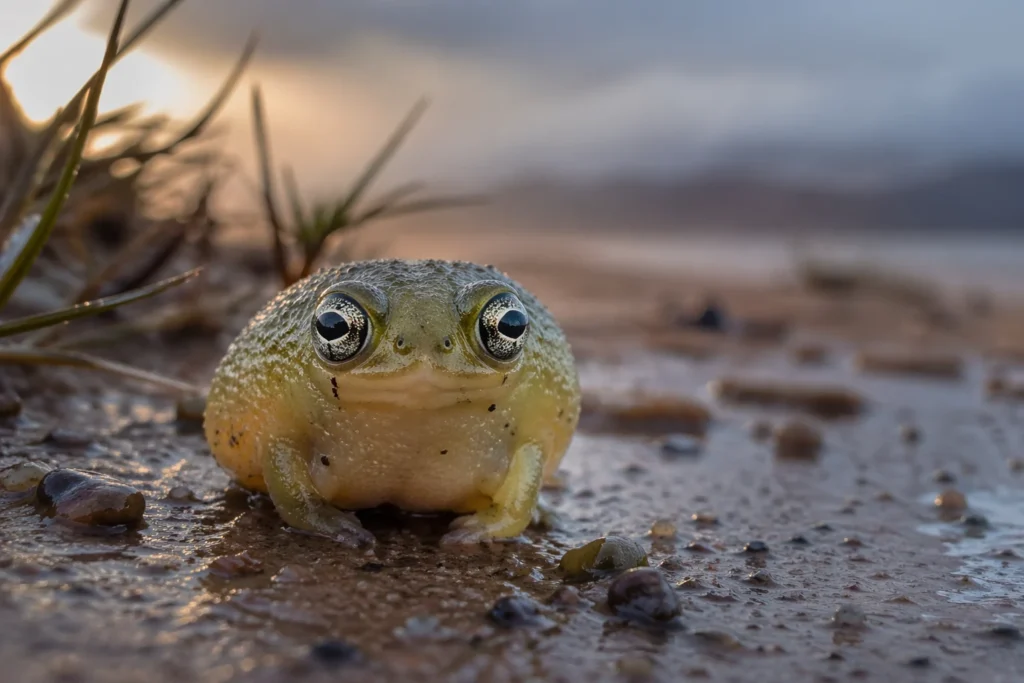
Keeping a desert rain frog as a pet is legal in some countries but extremely difficult to do ethically. These animals are nearly impossible to breed in captivity, almost always wild-caught, and require environmental conditions most households cannot realistically maintain. Before you search for a desert rain frog price or try to find one for sale, read what you are actually getting into.
What You Are Actually Signing Up For
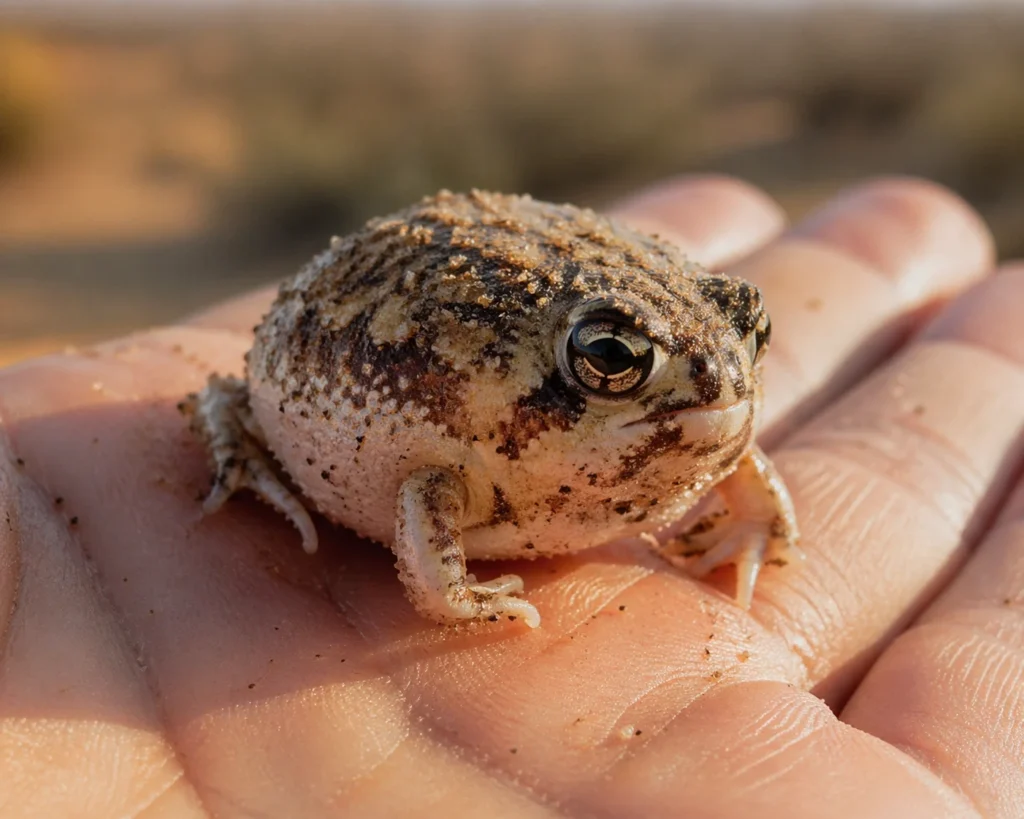
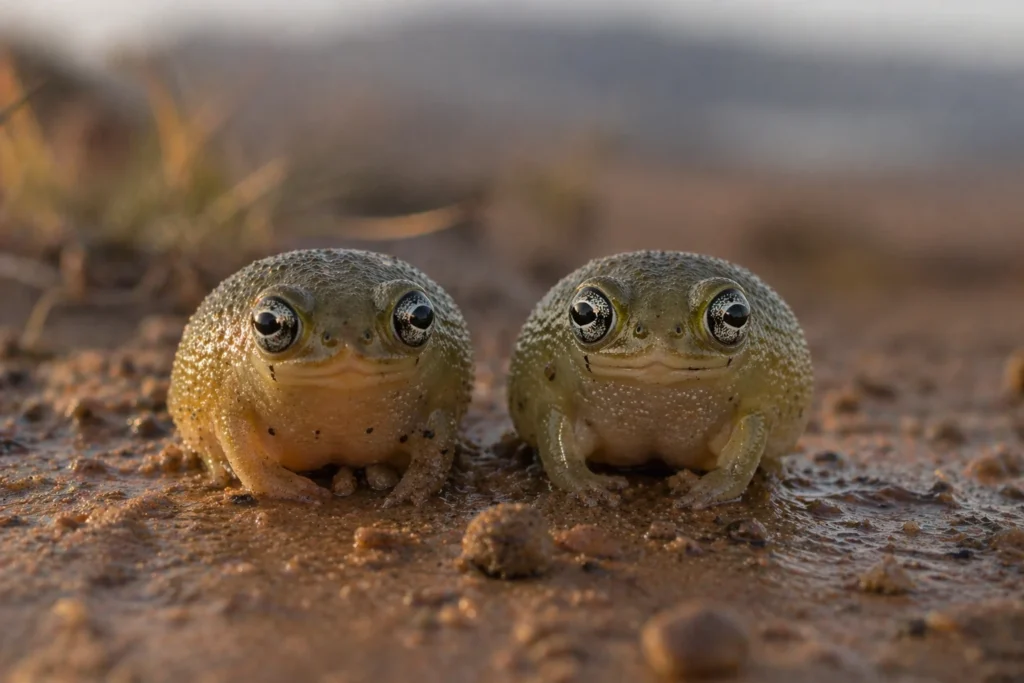
The desert rain frog (Breviceps macrops) is a burrowing frog native to a roughly 10-kilometer coastal strip of sand dunes between South Africa and Namibia. That habitat is cool, damp, foggy, and sandy, which makes it about as specific as it gets in the animal world.
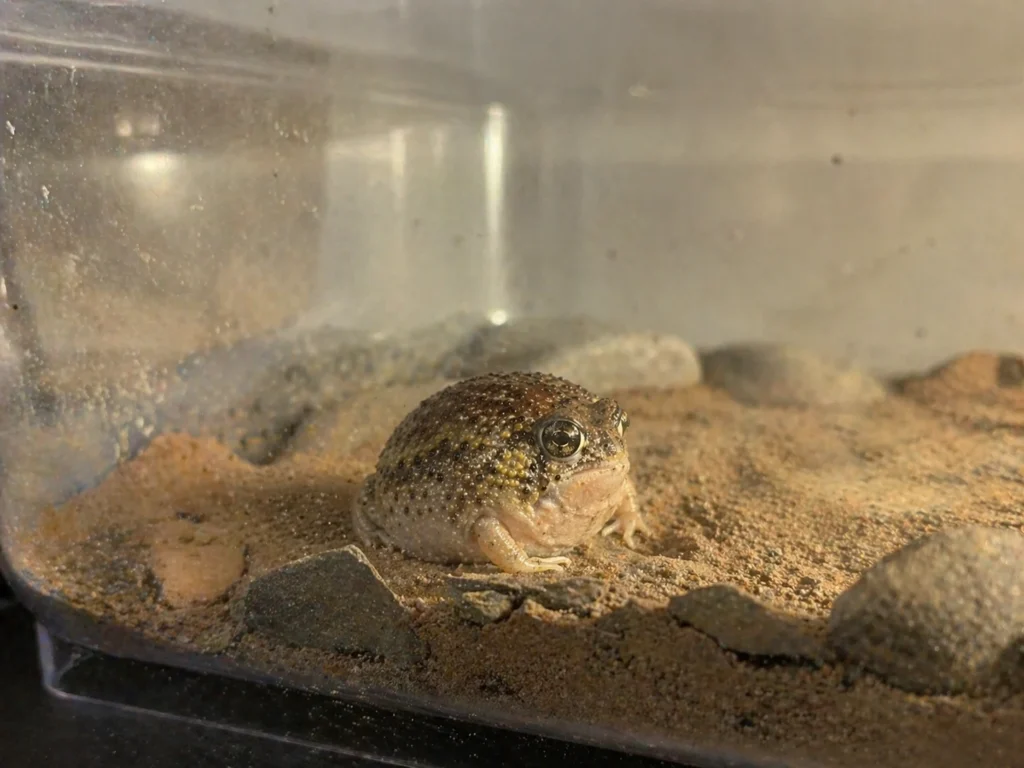
Owning this species means committing to humidity between 70 and 80 percent at all times, nighttime temperatures between 55°F and 65°F (13°C to 18°C), and a deep sand substrate at least 6 to 8 inches thick for burrowing. During the day, they will be underground. You may not see them for days at a stretch.
Desert Rain Frog Price
The financial reality is specific. After spending close to $3,000 on exotic frog setups over 15 years, I can tell you that a proper desert rain frog enclosure will run you $200 to $350 upfront, not counting the animal, food, or vet costs. Budget an additional $150 to $250 per year for substrate replacement, feeder insects, and routine exotic vet checkups.
Most captive specimens do not survive past 12 months. That is not a scare tactic. That is what I have seen repeatedly in every exotic amphibian community I have been part of for over a decade.
What the Internet Gets Completely Wrong About Desert Rain Frogs
- The single most dangerous piece of advice spread across amphibian Facebook groups and beginner Reddit threads is this: they are basically the same as African dwarf frogs or other small pet frogs, just get a basic humid setup and you will be fine.
- This comes primarily from newer hobbyists who see “frog” and assume generic amphibian care applies. It does not.
- The desert rain frog is not a tropical species. Room temperature in most homes, around 70°F to 75°F, is already dangerously high for this animal.
- Research published by the South African National Biodiversity Institute has flagged this species as Vulnerable, partly due to its extremely restricted range and sensitivity to environmental change. That sensitivity does not disappear in captivity.
- I have seen owners lose animals over this exact mistake. They set up a warm, humid tropical-style vivarium because that is what most frog care guides describe, and the animal dies within weeks from heat stress. The frog looks fine for a while because these animals tolerate stress quietly, and then they are just gone.
- The cold, damp, coastal fog environment these frogs evolved in is not optional. It is everything.
Desert Rain Frog Buy: The Legal and Ethical Reality
Here is where it gets uncomfortable.
Most desert rain frogs available for purchase are wild-caught. South Africa regulates collection under the Nature Conservation Ordinance, and international trade falls under CITES appendix listings, but enforcement and documentation vary significantly by country.
After 15 years of working with exotic amphibians, I have found that sellers who cannot immediately produce documentation of captive-bred origin or legal importation paperwork are almost always moving wild-caught animals. Wild-caught animals arrive stressed, parasitized, and dehydrated, often in much worse shape than the seller’s photos suggest.
If you see a rain frog buy listing online, the question is not the price. It is where the animal came from and whether the seller can prove it.
Desert Rain Frog Price: What You Will Actually Spend
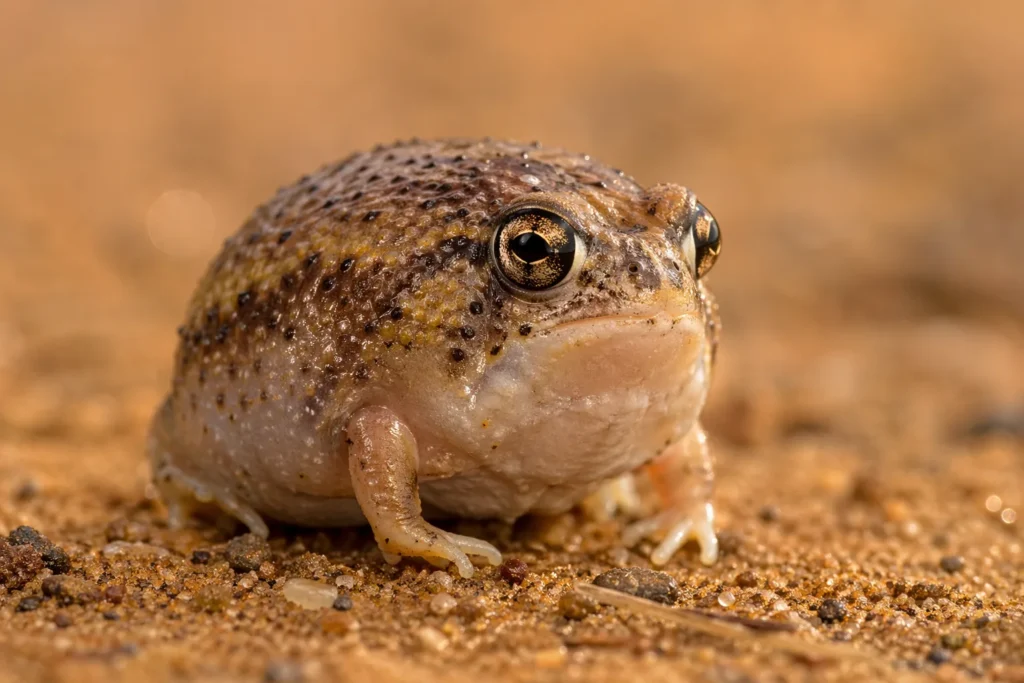
Pricing ranges from roughly $150 to $400 or more depending on country and source. That number tells you nothing about whether the animal is healthy or legally obtained.
Sellers who cannot answer questions about breeding origin, feeding records, or legal importation paperwork are not worth engaging with. A legitimate operation will ask YOU questions first, about your setup, your experience level, and your climate. A seller who just wants payment details is not someone you want to buy a Vulnerable wild animal from.
Captive-bred specimens from documented breeders are extraordinarily rare. When you do find one, the price reflects the real infrastructure cost of ethical breeding programs.
Questions to Ask Before You Commit
These are the non-negotiable questions to put to any seller before money changes hands.
- Is this animal captive-bred? Ask for the breeder’s name and breeding records going back at least two generations. If they cannot answer specifically, you have your answer.
- What is the animal’s country of origin? You want documentation for CITES compliance, not verbal assurance.
- What is this animal currently eating, and how often? A healthy specimen should be eating small live insects. A seller who does not know the feeding history is a red flag.
- Can you provide a veterinary health certificate? For any legally imported exotic amphibian, this should exist.
- Many sellers will not have one. That tells you something important.
- Someone in my rescue community asked me once why I always push people toward official channels instead of finding a good home privately. The honest answer is that private rehoming of exotics very often just moves the problem one step sideways. The next person is usually no better prepared than the person before them.
If you are drawn to small exotic animals but want something with an established captive breeding pipeline, this overview of chinchilla as a pet covers a species that is genuinely rewarding without the legal and sourcing minefield.
Desert Rain Frog Diet: What They Actually Eat
What the Rain Frog Eats in the Wild
In their native habitat, desert rain frogs eat small invertebrates including beetles, moth larvae, termites, and small caterpillars. They are nocturnal hunters that emerge from their sandy burrows after dark, particularly when coastal fog provides the moisture they need.
Feeding a Desert Rain Frog in Captivity
In captivity, the most practical diet is small crickets (one quarter inch or smaller for adults), waxworms as an occasional treat, and small mealworms. Every insect should be gut-loaded for 24 hours before being offered and dusted with calcium supplement at each feeding and a multivitamin supplement every third feeding.
Most pet sites will tell you to feed every two to three days, but after 15 years of working with small burrowing amphibians, I have found that offering food every other night during active hours after 9pm, with uneaten prey removed by morning, produces noticeably better long-term results. Uneaten live insects stress nocturnal frogs significantly more than most guides acknowledge.
Before I even start any feeding session with a burrowing frog, my routine is always to first check the humidity and temperature readings and confirm the animal was active the previous night. A frog that did not surface overnight may be starting an illness cycle, and feeding a sick animal does not help.
If you cannot afford premium gut-load products, do not panic. I have had great results with simple oats, leafy greens, and orange slices as gut-load for crickets because the nutritional transfer is what matters, not the brand name on the package.
The Rescue Reality Nobody Posts on Instagram
There is no real rescue pipeline for desert rain frogs in most countries. Unlike dogs, cats, or even some reptiles, there are no shelters with surrendered Breviceps macrops waiting for homes. What exists occasionally are confiscated animals seized by wildlife authorities from illegal importers.
These animals are in rough shape when they arrive.
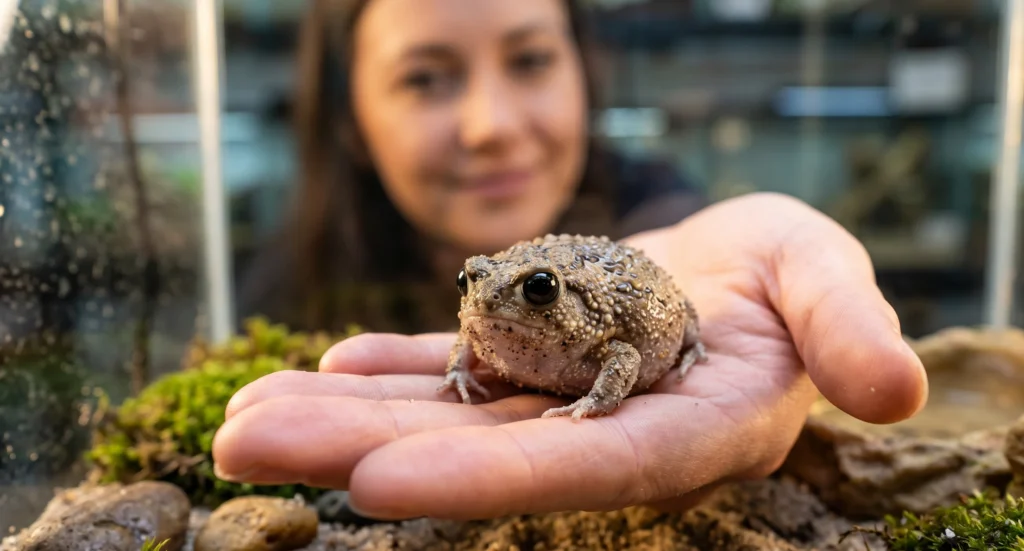
When you hold a frog that has been through international shipping in poor conditions, it does not feel like the round, firm animal in the viral videos. It feels lighter than it should, almost hollow, and it may not react much to handling at all.
A frog that does not protest being held has often stopped protesting. That is more worrying than the squeak.
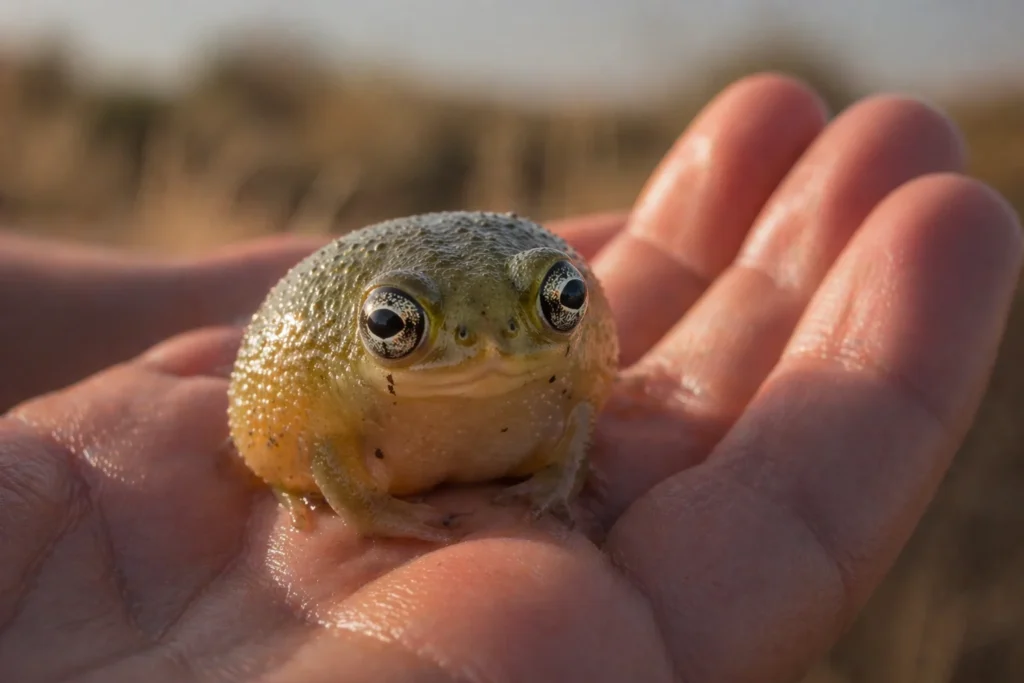
When you hold a healthy specimen, it feels cool and firm, almost like a cold stress ball that breathes, and the skin is smooth with a faintly grainy texture. The squeak, when it comes, is louder than you expect from something this small.
It is a high-pitched wheeze that sounds genuinely indignant. It is endearing for about four seconds, and then you realize the animal is frightened, and that changes things.
The biggest mistake I made when I got into exotic amphibians was underestimating how much the transport experience damages these animals before they ever arrive in your care. You are often not starting with a healthy animal that just needs a good enclosure. You are starting with a compromised animal that needs weeks of careful management before it is even stable.
Most people who want a desert rain frog because of the video are not prepared for what comes next. The honeymoon period with an exotic amphibian is often just the two weeks before stress-related illness shows up. That is when the appetite drops, the skin starts looking wrong, and the vet visits start.
If you are exploring which small mammals might be a more manageable starting point for exotic pet ownership, this honest breakdown of mole as a pet covers similar sourcing challenges in a different species.
When Rehoming Is the Responsible Choice
This section needs to exist. Reading it does not make you a bad person.
If you purchased or received a desert rain frog and cannot consistently maintain nighttime temperatures under 65°F because of your climate or your housing situation, rehoming is the responsible choice. That is the animal’s biology, and it does not negotiate.
The same applies if maintaining that cool, humid environment requires running an air conditioner 24 hours a day year-round at a cost you cannot sustain. An animal living in a chronically warm enclosure will have a shortened, stressful life regardless of how well-intentioned the owner is.
Responsible rehoming means contacting a herpetological society in your country, not listing the animal on Craigslist or Facebook Marketplace. Reach out to a zoo with an amphibian program.
Contact a wildlife authority if the animal may have been illegally imported, even if that conversation is uncomfortable. It is the right outcome for the animal.
Do not release a captive desert rain frog into local wild spaces. A non-native species released into any local ecosystem causes damage that cannot be undone, regardless of intention.
Is a Rain Frog Pet Right for You?
This is the honest checklist most sites skip.
A desert rain frog pet is a realistic option if you live in a cool coastal climate, have at least two years of experience successfully keeping other exotic amphibians or reptiles, can source legal captive-bred animals with full documentation, can maintain sub-65°F temperatures year-round without unsustainable cost, and are genuinely comfortable with a pet you will almost never see or handle.
A rain frog pet is not a good fit if you watched a viral video and thought the squeak was adorable and want one, if this would be your first exotic animal, if you live in a warm climate without climate control infrastructure, or if you are hoping for an animal that recognizes you or responds to handling.
I have done this with a perfectly set up enclosure that cost significant time and money to build correctly, and the daily reality is still a frog visible for maybe 15 minutes every few days. That is fine if you understand it going in. It is a real disappointment if you expected something different.
If you are looking for a small, unusual pet that actually fits apartment life and offers more visible interaction, this guide on the best pets for flats covers realistic options for limited spaces.
Questions I Actually Get Asked About This
Can I keep a desert rain frog in a tropical vivarium?
No. Tropical conditions, warm temperatures combined with high humidity, are the opposite of what this frog evolved for. Cool humidity at 55°F to 65°F and 70 to 80 percent relative humidity is non-negotiable. This is one of the most common setups people try, and one of the fastest ways to kill this species.
Is the desert rain frog endangered?
It is currently listed as Vulnerable by the IUCN Red List, with population decline linked to coastal development and habitat loss within its narrow range. Wild collection of a Vulnerable species with an extremely restricted geographic range is not a trivial concern. That is why sourcing documentation matters so much.
How long do desert rain frogs live in captivity?
The honest answer is that the data is poor because successful long-term captive keeping is rare. In the wild, similar Breviceps species live 4 to 15 years depending on conditions. In captivity, most do not survive past 12 months, not because it is impossible, but because the husbandry requirements are routinely underestimated.
I already bought one. What do I do now?
Get the temperature down immediately. That is the most immediately life-threatening variable for this species.
Then get it eating. Then find a herpetological vet in your area, ideally one with amphibian experience, for a health check.
If you are struggling with the setup and considering giving up, please rehome through a reptile and amphibian society rather than back into the pet trade.
If you are a teacher or group leader looking for an animal that sparks curiosity without the care complexity of exotic amphibians, this list of best class pets covers animals that work well in shared settings.
Where to Go From Here
If you came here genuinely curious about this animal and you are now rethinking it, that is a good outcome. For you and for the frog. Understanding what an animal actually needs before you acquire it is the most responsible thing an owner can do.
If you are still drawn to small animals that burrow, explore, and behave in genuinely interesting ways, take a look at the European hamster as a pet, a species with its own real challenges but where captive breeding is established and the husbandry is actually achievable for most people.
For anyone still exploring the full range of unusual small pet options before committing, this rundown of best mouse breeds for pets covers animals that are ethically sourceable, genuinely captive-bred, and far better understood in captivity.
The desert rain frog is a remarkable animal. It deserves to be understood honestly, not bought on impulse because a video made you laugh.
This post reflects 15 years of personal animal care experience and research. It is not a substitute for professional veterinary advice. When in doubt, call your vet.


Pingback: How to Care for a Rat for Beginners? - Animal Sound
Pingback: Can you Have a Mole as a Pet? The Shocking Truth - Animal Sound
Pingback: Exotic Animal Experiences: Your Guide to Ethical Wildlife Encounters - Animal Sound