The North American beaver is one of the most remarkable animals in North America. It is a fascinating rodent that is known for its impressive engineering skills and ability to transform ecosystems. But what makes this rodent so special? Let’s dive into its diet, habitat, behavior, and fascinating facts.
An Overview of the North American Beaver
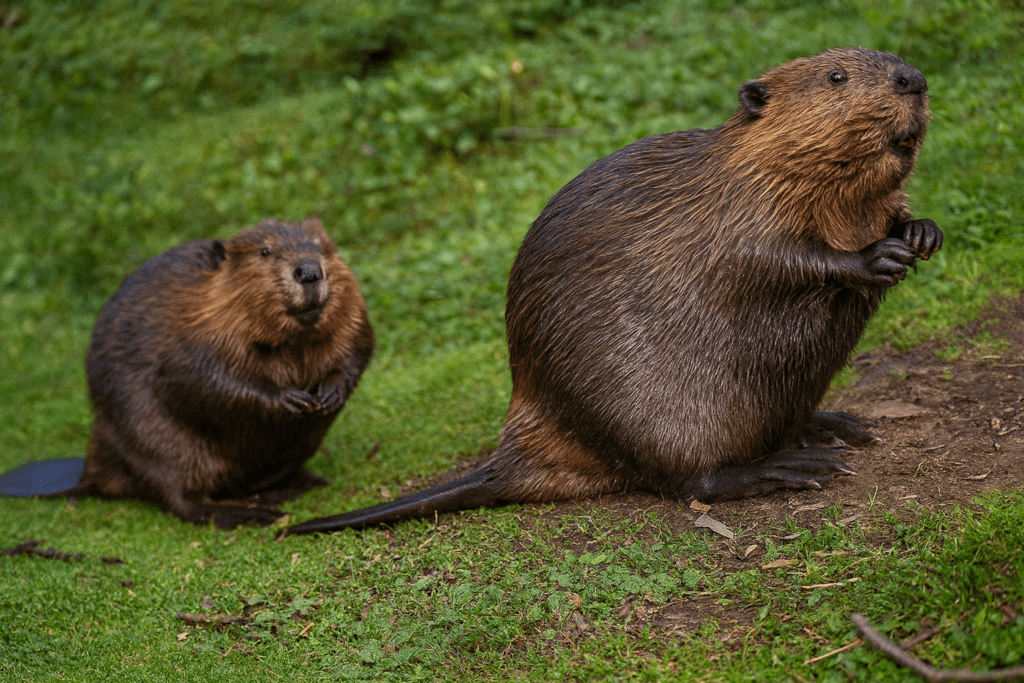
The North American beaver (Castor canadensis), also called the American beaver, is the largest rodent in North America. Native to Canada, the United States, and parts of northern Mexico, beavers are known for their engineering skills, which transform landscapes by creating ponds and wetlands.
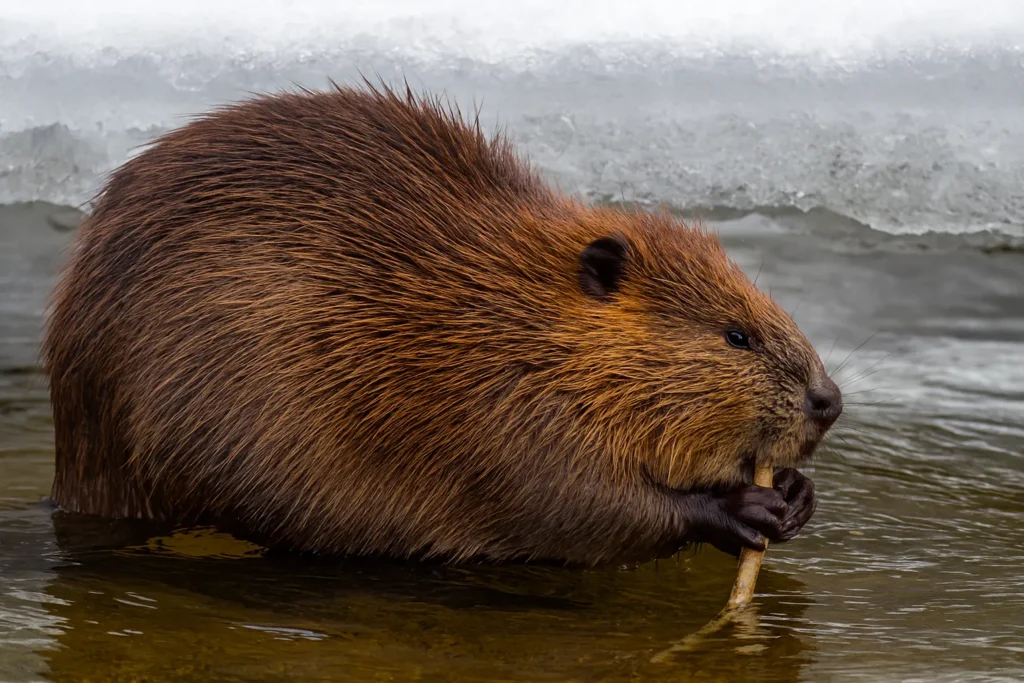
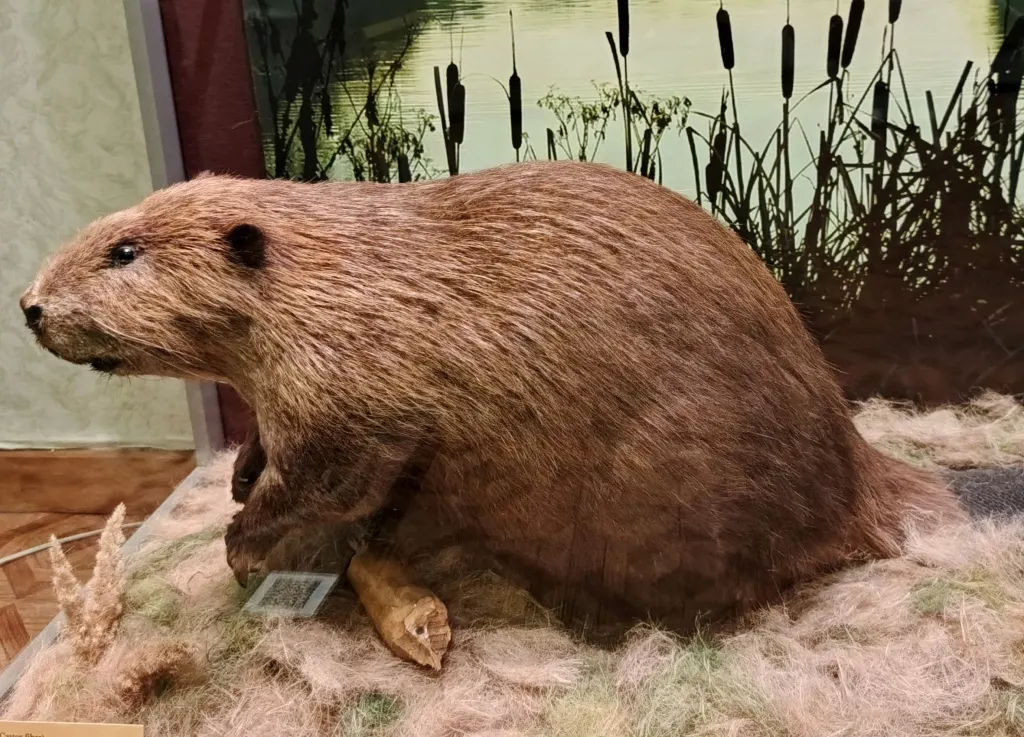
They have thick brown fur, webbed hind feet for swimming, and a distinctive flat, paddle-shaped tail. Their large, continuously growing front teeth are used to cut down trees, and their eyes and nostrils are positioned high on the head for swimming.
People are drawn to North American beavers for their intelligence, industriousness, and the ecological benefits they provide, including habitat creation for other wildlife.
Can You Own a North American Beaver in the USA?
While fascinating, owning a North American beaver is generally restricted. Laws vary by state, but in most areas, it is illegal to keep a wild beaver as a pet due to:
Federal and state wildlife protection regulations
Potential risks of aggressive behavior
Specialized care and habitat requirements
Some states may issue permits for orphaned beavers or for wildlife rehabilitation purposes, but for the average person, keeping a beaver is not recommended.
How American Beavers Behave
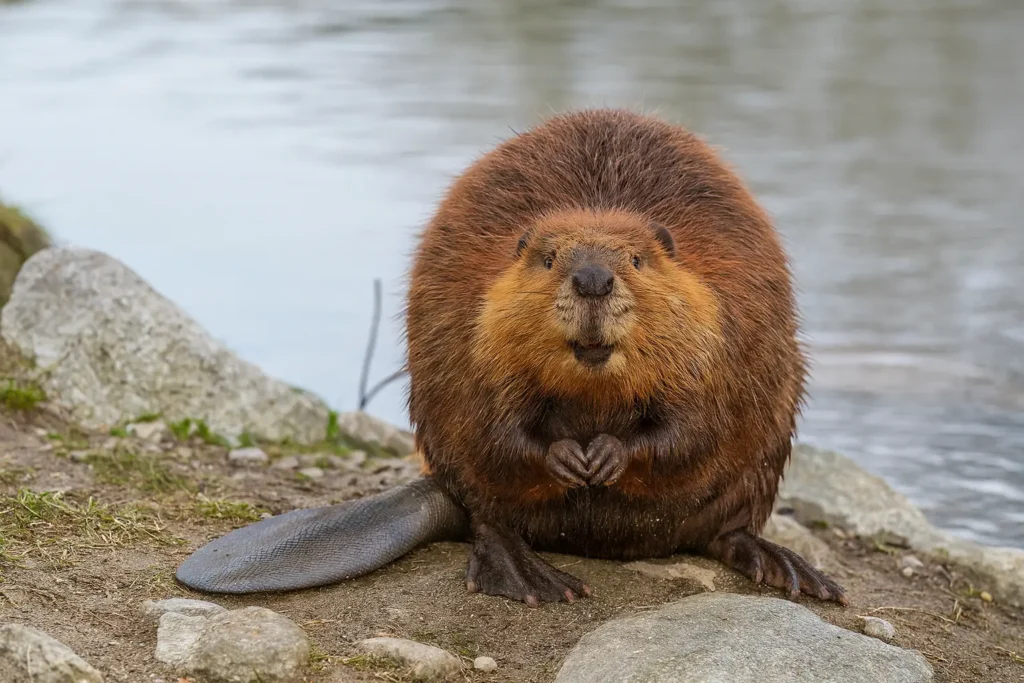
Beavers are intelligent, social, and highly territorial animals. They live in family groups called colonies, consisting of a mating pair and their offspring. Beavers are mostly nocturnal and communicate using tail slaps, vocalizations, and scent markings.
In the wild, beavers display their natural behaviors fully: they build dams and lodges, mark territories, and forage over large areas for trees and aquatic plants. Their social structure is stable, with colonies cooperating to maintain their habitat. Wild beavers are generally cautious around humans and predators, relying on water and lodges for safety.
In captivity, however, these behaviors can be altered. Limited space can restrict their ability to build dams or forage naturally, which may lead to boredom or stress. Captive beavers may become more tolerant of human presence, but they can also show heightened aggression if they feel confined or threatened. Tail-slapping, gnawing, and vocalizations are often used more defensively than in the wild.
Beavers are builders at heart. Their dam- and lodge-making behavior modifies rivers and streams, creating wetlands that help other species thrive. Regardless of environment, they remain industrious and highly territorial, especially around their young or resources.
Interaction with Children and Pets
While beavers are fascinating animals, they are not suitable for households with children or pets. Even semi-tame beavers retain strong natural instincts to defend themselves. They may bite or slap their heavy tails if they feel threatened, which can easily cause injury.
Beavers are powerful animals with sharp teeth and strong jaws, designed for gnawing through wood, not for playing safely with humans or other animals. Their natural behaviors, such as chewing, digging, and territorial defense, make them unpredictable in a domestic environment.
Because of these traits, North American beavers should only be appreciated in the wild, in wildlife sanctuaries, or through observation programs. Attempting to keep one in a household setting puts both the children, pets, and the beaver at serious risk.
North American Beaver Habitat Needs
A North American beaver habitat in the wild consists of freshwater ecosystems such as rivers, streams, lakes, and ponds, surrounded by forests or areas with plenty of trees and shrubs. These natural environments provide everything a beaver needs: food, shelter, and space to build their iconic dams and lodges.
In captivity, however, replicating this environment is extremely difficult. Beavers are not just swimmers—they are natural builders and need space and materials to express their instincts. To attempt housing a beaver, you would need:
- Large water areas for swimming: Beavers spend a significant portion of their lives in water. They require deep water to escape predators, maintain hygiene, and support their dam-building activities. Small ponds or artificial tanks cannot replicate the natural environment, leading to stress and behavioral issues.
- Trees or branches for gnawing: A key part of the American beaver diet is tree bark and woody vegetation. In captivity, constant access to trees or branches is necessary for nutrition and to prevent their teeth from overgrowing. Without this, captive beavers can develop serious health problems.
- Space to build lodge-like structures: Beavers instinctively construct lodges and dams. In limited spaces, this natural behavior is restricted, which can cause frustration, boredom, or aggression. Proper lodges require room, natural materials, and a water source—conditions nearly impossible to recreate in most households or small enclosures.
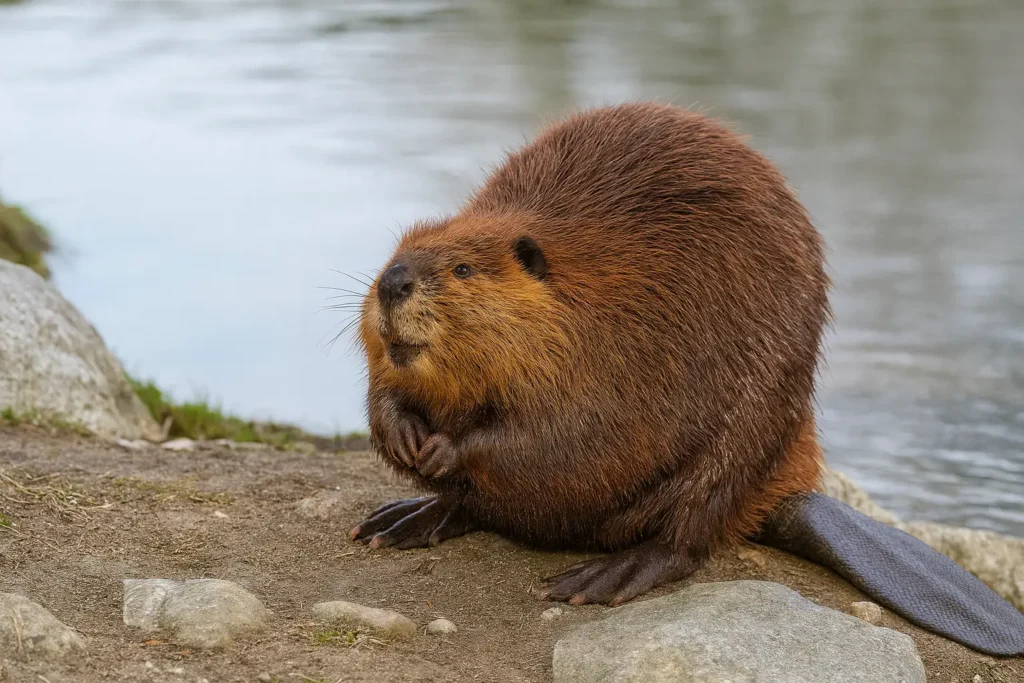
Because of these complex needs, North American beavers are best appreciated in their natural habitat or through wildlife conservation programs. Attempting to keep one as a pet is not only impractical but can also negatively affect their health and behavior. Observing them in the wild allows people to enjoy the fascinating aspects of their American beaver habitat and natural instincts safely and responsibly.
The North American beaver diet
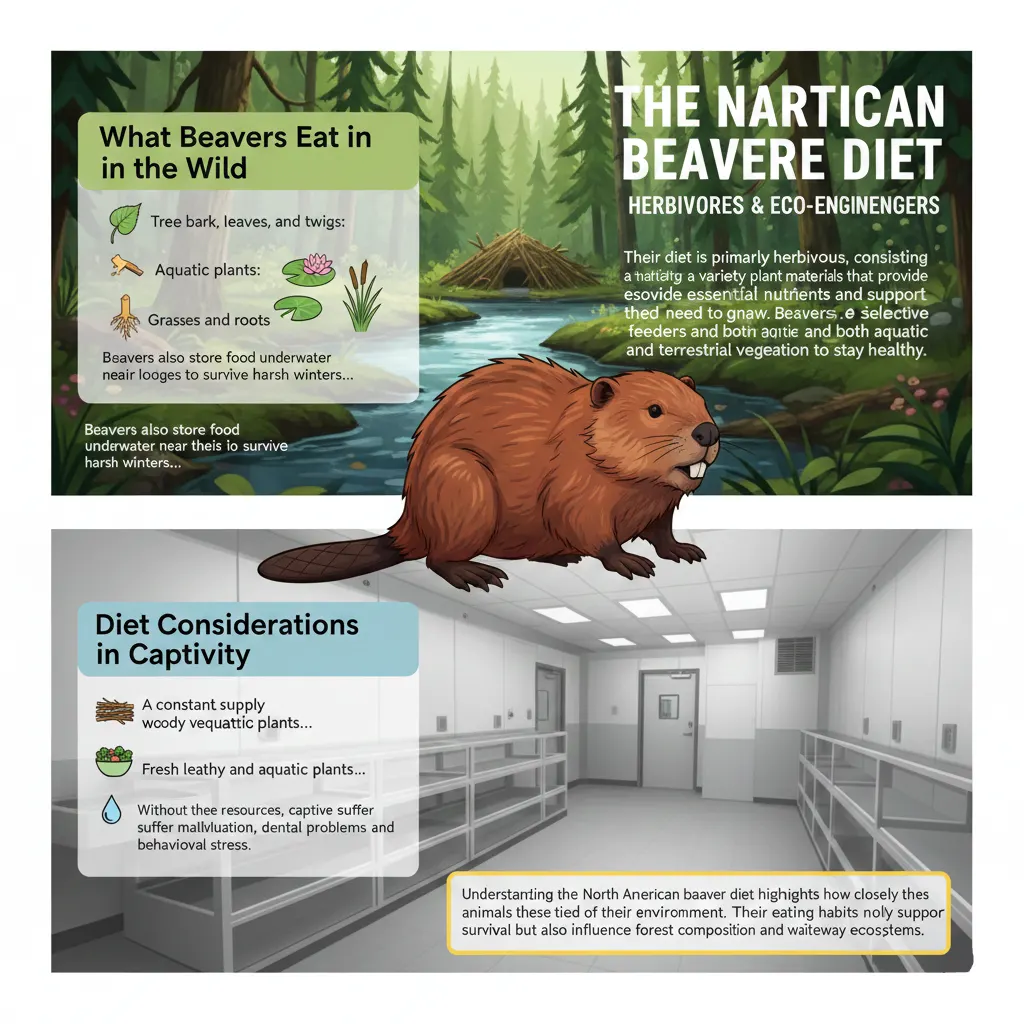
Their diet is primarily herbivorous, consisting of a variety of plant materials that provide essential nutrients and support their constant need to gnaw. Beavers are selective feeders and rely on both aquatic and terrestrial vegetation to stay healthy.
What Beavers Eat in the Wild
In the wild, beavers have access to a wide range of foods within their habitat. Their diet mainly includes:
- Tree bark, leaves, and twigs: Beavers prefer trees such as aspen, willow, birch, maple, and cottonwood. The bark and cambium layer under the bark are particularly important for nutrition.
- Aquatic plants: Water lilies, cattails, pondweed, and other submerged plants provide variety and hydration.
- Grasses and roots: These supplement their diet, especially during the growing season.
Beavers also store food underwater near their lodges to survive harsh winters when fresh vegetation is scarce. This storage behavior is an important part of the American beaver diet and a unique adaptation to seasonal changes.
Diet Considerations in Captivity
Replicating the natural American beaver diet in captivity is extremely challenging. Beavers require:
- A constant supply of woody vegetation for gnawing, which helps control their continuously growing teeth.
- Fresh leafy and aquatic plants to provide essential nutrients.
- Adequate space and access to water to mimic natural foraging behaviors.
Without these resources, captive beavers can suffer from malnutrition, dental problems, and behavioral stress. This is why even experienced wildlife rehabilitators face difficulties providing a proper diet outside of a natural habitat.
Understanding the North American beaver diet highlights how closely these animals are tied to their environment. Their eating habits not only support their survival but also influence forest composition and waterway ecosystems, demonstrating why observing them in the wild is the safest and most rewarding way to appreciate their natural behavior.
Health and Vet Care
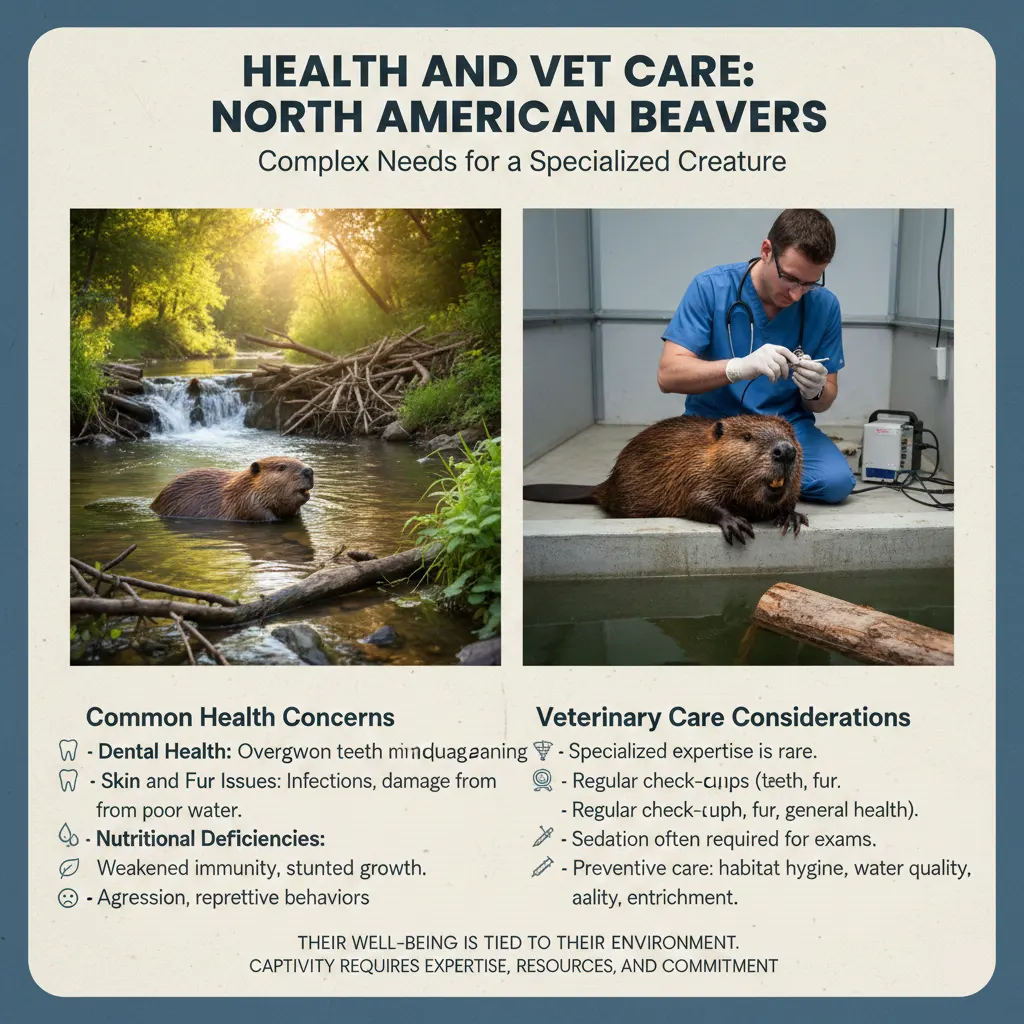
Caring for a North American beaver’s health is complex, especially in captivity, because they have specialized needs that are difficult to meet outside their natural environment. In the wild, beavers are hardy animals, but in confined or artificial habitats, they can face several health challenges.
Common Health Concerns
- Dental Health: Beavers’ front teeth grow continuously throughout their lives. Inadequate gnawing opportunities can lead to overgrown teeth, which can cause pain, difficulty eating, and other complications.
- Skin and Fur Issues: Beavers spend a lot of time in water, which keeps their fur waterproof and healthy. In captivity, poor water quality or limited swimming space can result in skin infections, fur damage, or hypothermia.
- Nutritional Deficiencies: Beavers have specific dietary requirements that are difficult to replicate in captivity. Lack of proper nutrition can lead to weakened immunity, stunted growth, or metabolic disorders.
- Stress and Behavioral Problems: Limited space, absence of natural building materials, and social isolation can cause stress, leading to aggression, repetitive behaviors, or refusal to eat.
Veterinary Care Considerations
- Few veterinarians have experience treating beavers, so finding specialized care can be challenging.
- Regular check-ups should focus on teeth, fur condition, and general health.
- Beavers are sensitive to human handling, so exams may require sedation to minimize stress.
- Preventative care, including habitat hygiene, proper water quality, and enrichment, is critical to maintaining health.
Because of these specialized needs, the health of a North American beaver is closely tied to its environment. They thrive best in their natural habitats, where their behaviors, diet, and social structure naturally support their well-being. Attempting to care for them in captivity requires significant expertise, resources, and commitment.
Interesting North American Beaver Facts
- Beavers are the largest rodents in North America and can weigh up to 60 pounds.
- They are excellent swimmers, capable of holding their breath underwater for up to 15 minutes.
- Their flat, paddle-shaped tails are used for swimming, balance, storing fat, and communication via tail slaps.
- Beavers’ gnawing behavior helps maintain their constantly growing teeth and shapes forests by felling trees.
- They are highly social animals, living in colonies consisting of a monogamous pair and their offspring.
- North American beaver habitat includes rivers, ponds, lakes, and wetlands, where they create dams and lodges that benefit other wildlife.
- Approximate Cost:
- Keeping a beaver as a pet is generally not recommended, but for those permitted to keep them (rare, such as wildlife rehabilitators), the costs are extremely high:
- Habitat setup: $5,000–$15,000 for a large water enclosure with natural materials.
- Food and enrichment: $100–$300 per month for branches, aquatic plants, and fresh vegetation.
- Veterinary care: $500+ per year for specialized exams, preventive care, and emergencies.
These costs highlight why observing beavers in the wild or in conservation programs is far more practical than keeping one in captivity.
Pros and Cons of a North American Beaver
Pros
- Fascinating to observe, showcasing incredible intelligence and building skills.
- Play a critical role in ecosystem health by creating wetlands.
- Can live long lives in the wild, up to 10–12 years, allowing extended observation of natural behavior.
Cons
- Not suitable as household pets due to aggressive behavior and strong territorial instincts.
- Require specialized care, large water areas, and natural materials to thrive.
- High costs make them impractical for private ownership.
- Legal restrictions in most states limit private ownership, even for wildlife enthusiasts.
What People Say About the North American Beaver
Reddit users often have strong, honest opinions about the North American beaver, especially in wildlife, homesteading, and nature-related communities. The general consensus is consistent: beavers are incredible animals to observe, but not animals to own.
- Beavers are great for the environment, not for homes.
Many Redditors admire the beaver’s ability to reshape landscapes, create wetlands, and support biodiversity. They frequently call beavers “ecosystem engineers” and point out how their dams help reduce floods and support wildlife. But they also emphasize that these same behaviors make them completely unsuitable as pets. - People say beavers are extremely destructive.
Users who have encountered beavers on private land often talk about how quickly they can chew through trees, reroute water flow, or flood areas. These stories highlight why a household or backyard environment can’t meet the complex needs of a beaver. - Wildlife rehabilitators warn that beavers are hard to care for.
Several Reddit threads include comments from rehabbers who temporarily care for injured or orphaned beavers. They mention:- Beavers need constant access to water
- They chew everything
- They become territorial as they mature
- These experts often stress that caring for a beaver is closer to managing a large, semi-aquatic wild animal than keeping a typical pet.
- Many say adult beavers become aggressive.
People who have raised beavers in rescue settings report that even the friendliest young beavers turn territorial and may bite, slap with their tails, or defend their space strongly once they reach adulthood. - Redditors agree: enjoy them in the wild.
Whether they’re hikers, kayakers, biologists, or just nature lovers, Reddit users overwhelmingly say that North American beavers are best admired from a distance—where they can build, swim, and live naturally.