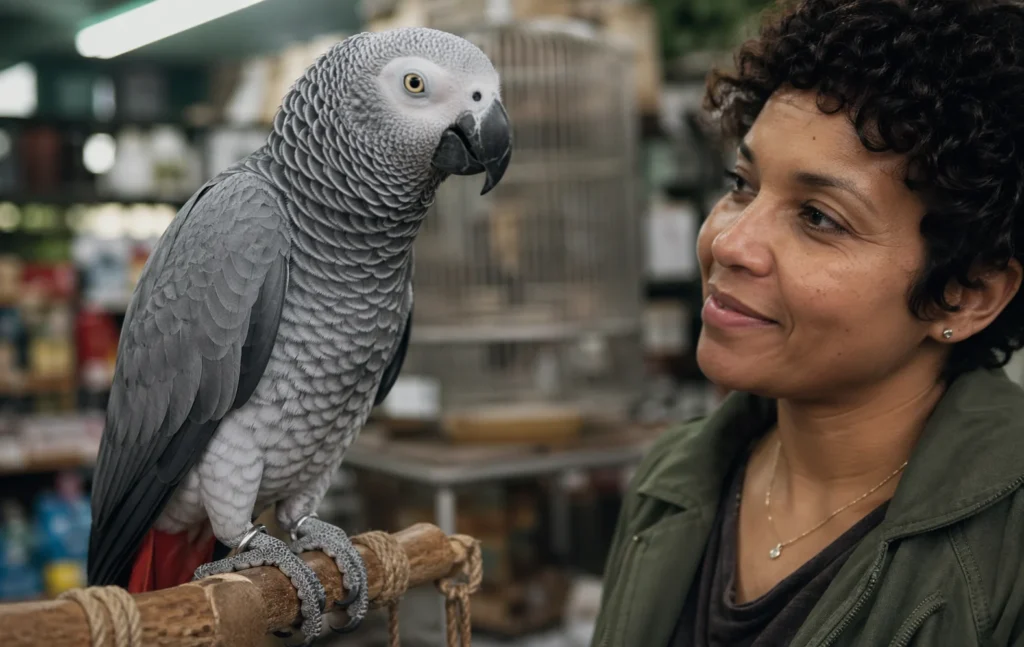
The first time I held an African Grey, I expected it to feel like holding a parrot. What I wasn’t prepared for was the weight of it, a surprisingly dense, compact animal around 400 grams, that gripped my arm with uncomfortable force and then turned one orange-rimmed eye directly at my face and stared like it was running diagnostics. It smelled faintly of warm feathers and something almost dusty, like old books in a sunny room. That was 18 years ago, and I’ve been working with this species ever since.
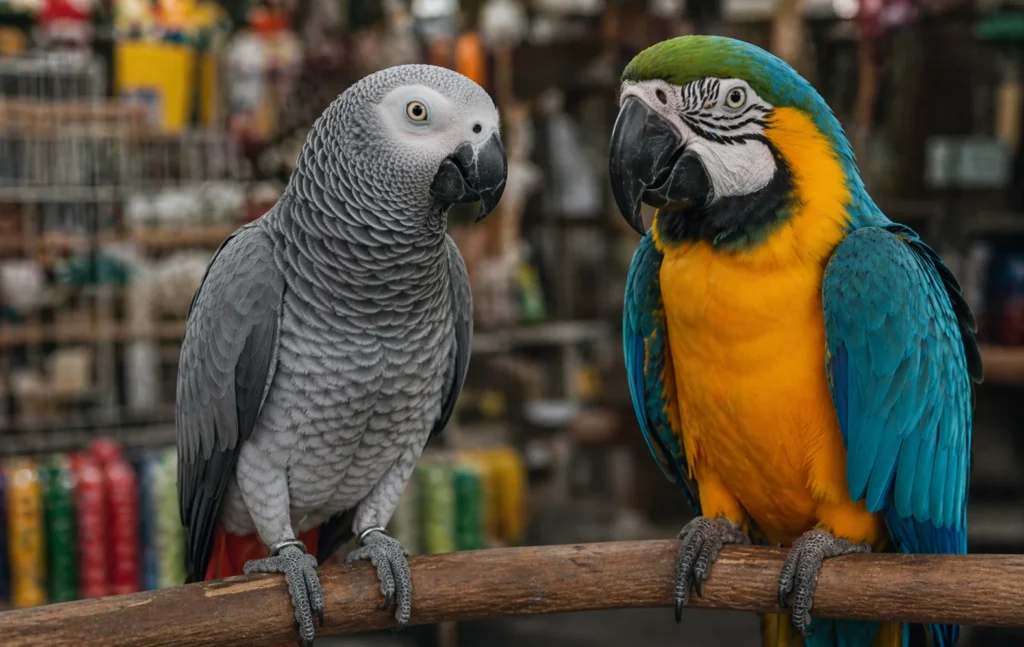
⬛ THE SHORT ANSWER An african grey parrot for sale from a reputable breeder in the US or UK will cost between $1,500–$3,500 (£1,200–£2,800), but the purchase price is the least expensive part of owning one. These birds live 50–70 years in captivity, require 3–4 hours of active daily interaction, and are cognitively on par with a 4–5 year-old child according to Dr. Irene Pepperberg’s research at Harvard. Before you buy, search parrot rescue near me first. Thousands of surrendered African Greys in the US and UK need placement right now, ike many exotic animal experiences, the reality of daily care is more demanding than the initial excitement.
What You’re Actually Signing Up For (No Sugarcoating)
The Lifespan Nobody Warns You About
The number that stops most people cold: 50 years. That’s the low end of a captive African Grey’s lifespan. The high end is 70+. You are not getting a pet. You are making a decision that will almost certainly outlive your current relationship, your current home, your current career, and possibly you. That means you also need a plan for what happens to this bird after you’re gone. many owners find that keeping a large bird is far more complex than keeping the best pets for flats, such as small rodents or fish.
The Daily Time Commitment
African Greys need a minimum of 3–4 hours of genuine, active interaction per day. Not “being in the same room while you scroll.” They need foraging enrichment, puzzle toys rotated out weekly, time outside the cage, and real conversation.
A bored African Grey doesn’t sit quietly and feel sad. It screams. It plucks its own feathers out. It develops phobias so severe that some birds never fully recover.
What It Actually Costs
Budget $800–$1,500 per year in baseline costs for a healthy bird: quality pellets and fresh food, cage maintenance, annual avian vet wellness exams, and enrichment. The moment something goes wrong medically, and it will over a 50-year lifespan, you’re looking at $200–$700 per specialist visit before any diagnostics or treatment. There is no such thing as a cheap African Grey. just as you would seek out a specialized exotic animal hospital for a sick reptile
What “Talking Birds for Sale” Ads Won’t Tell You
The Intelligence Trap
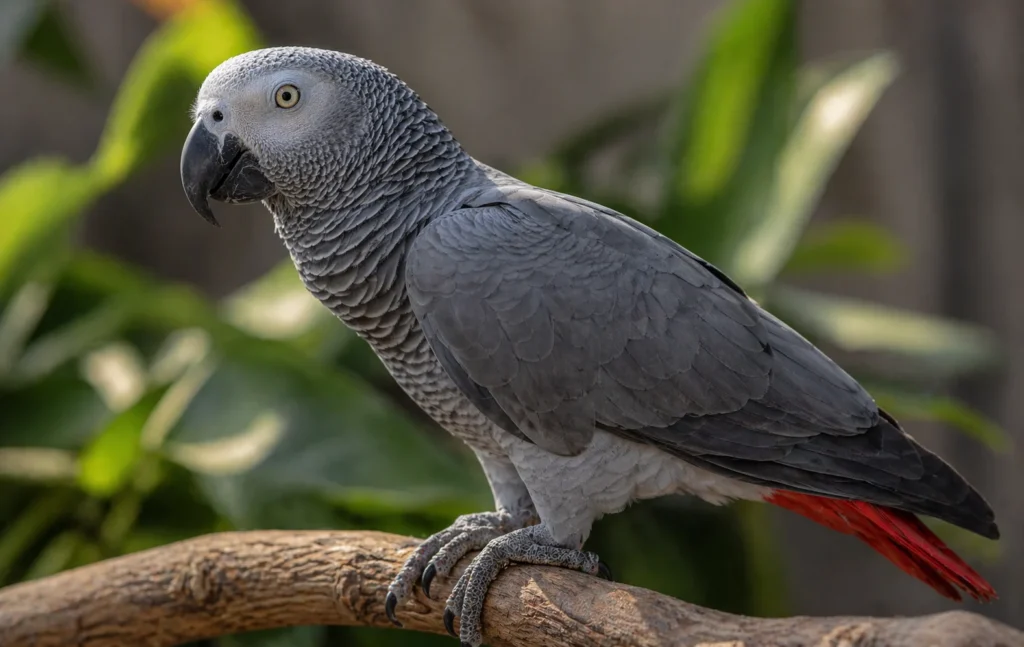
Every week, someone finds an ad for talking birds for sale in the USA or UK, sees a video of an African Grey saying full sentences, and makes their decision in about 45 seconds. The ads show you the highlight reel. Here’s what the highlight reel leaves out.
The same intelligence that makes African Greys capable of learning 1,000+ words in context, documented by Dr. Pepperberg in over 30 years of research with a bird named Alex, also makes them capable of developing severe psychological disorders when their needs aren’t met. Dr. Susan Orosz, a board-certified avian vet and past president of the Association of Avian Veterinarians, has stated publicly that feather destructive behavior in greys is almost always a husbandry failure, not a medical one.
What Grief Looks Like in a Parrot
Most pet sites will tell you African Greys are “sensitive birds that need patience,” but after 18 years of working with this species, I’ve found that framing dramatically undersells the reality.They are among the 10 most loyal animals to their owners, but that loyalty means they do not handle routine disruptions well.
These birds grieve. A grey that loses its primary person, through divorce, a move, a death, or a change in work schedule, can stop eating. Some develop stereotypic behaviors like repetitive rocking and pacing within weeks of a routine disruption. I’ve seen it happen. This is not a pet that tolerates “I’m busy this week.”
The Sound Nobody Warns You About
A happy, settled African Grey makes a soft, muttering contact call throughout the day. You’ll hear it from the next room, a kind of low conversational chatter that becomes the background soundtrack of your house.
A stressed one screams. Not a parrot squawk, but a shriek that lands somewhere between a smoke alarm and a toddler in genuine distress. At full volume, a screaming grey registers around 106 decibels. In an apartment, that’s not just your problem.
Questions to Ask Before You Commit
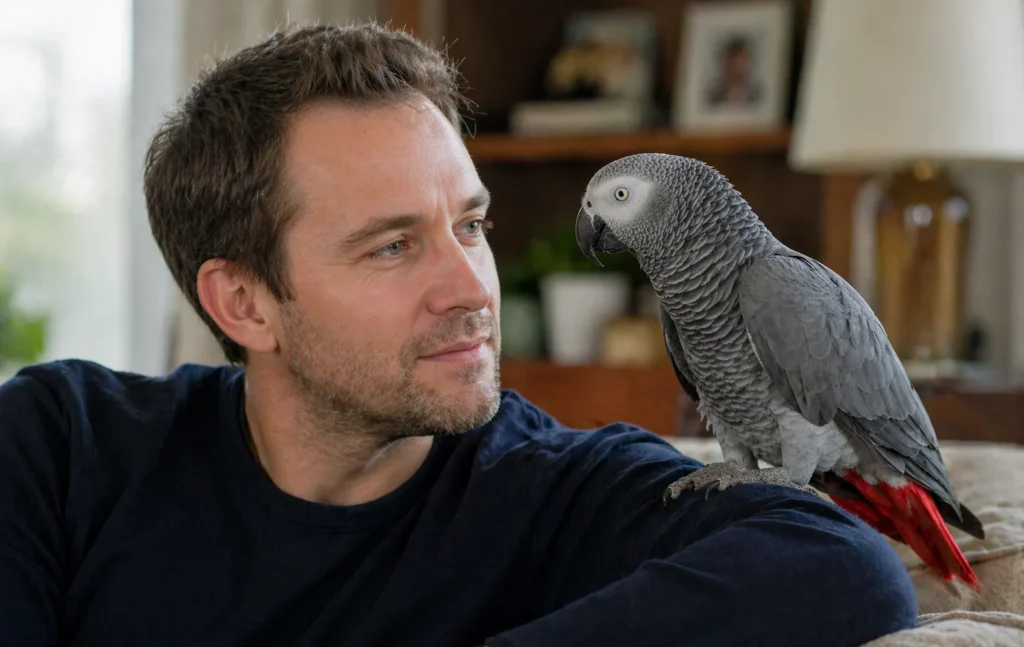
Whether you’re looking at an african grey parrot for sale from a breeder or checking out a parrot rescue near me, the questions you ask before you commit will tell you almost everything about the source and the bird.
If You’re Buying from a Breeder
- Is the bird parent-raised or pulled for hand-feeding, and at what age? Greys pulled before 8–10 weeks are significantly more likely to develop psychological issues, a red flag most buyers never think to ask about.
- What does the bird’s current diet consist of, and do you have records?
- Can I see the parent birds and visit the aviary before purchase?
- What vet do you use, and can I have the bird’s medical records?
A reputable breeder welcomes every one of those questions. The single clearest green flag is a breeder who asks you hard questions about your home, schedule, and experience level before they even discuss price.
If You’re Going the Rescue Route
- What is the bird’s known history, how many previous homes, and why was it surrendered?
- Has it been evaluated by an avian vet since arriving? Can you see those records?
- What are its known triggers? Every rescue grey has them.
- Does the rescue offer post-adoption support if behavioral issues come up?
The Cost Reality
After six years of navigating the captive-bred parrot market, I’ve spent upwards of $2,000 on a single breeder bird and adopted rescue greys for a $350 adoption fee. The rescue fee covers the rescue’s operating costs, not the bird’s value. In many cases, a rescue bird has already been assessed, vetted, and observed for months, which tells you far more than a single breeder visit ever will.
The Rescue Reality Nobody Posts on Instagram
The Scale of the Problem
Rescues and rehoming groups for African Greys in both the US and UK are overwhelmed. The World Parrot Trust regularly reports that African Greys are among the most commonly surrendered medium-to-large parrots in English-speaking countries, largely because people drastically underestimated the commitment when they bought them. That bird in the rescue loved someone, and that someone handed it over. That matters when you’re in week two and things are hard.
Decompression Takes Months, Not Days
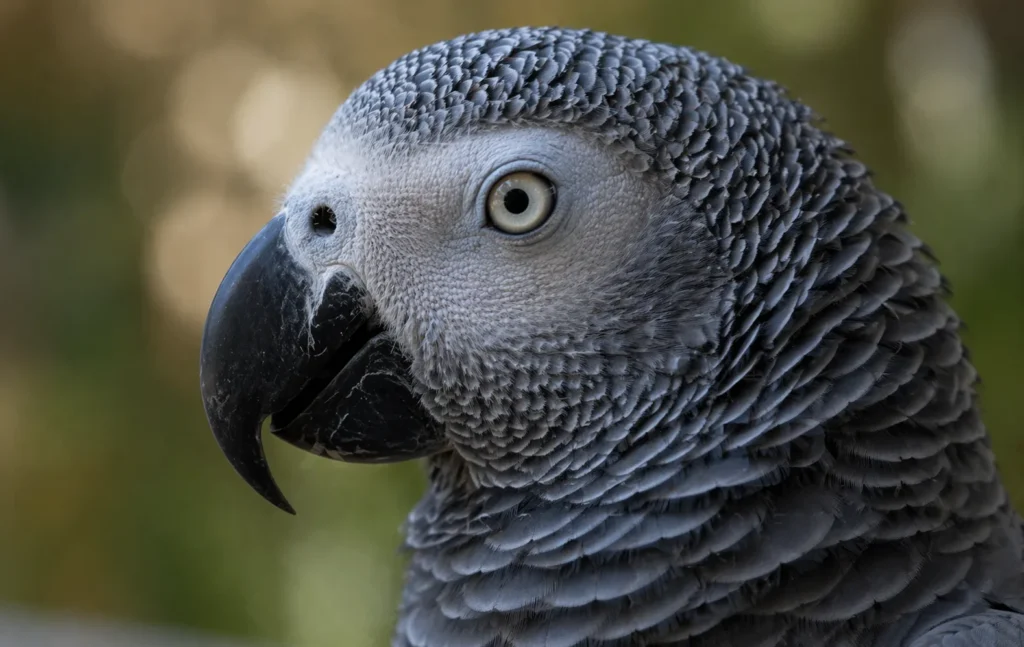
The biggest mistake I made when I first rescued a grey was expecting a decompression period of a few days. Avian behavior consultant Barbara Heidenreich, who has published extensively on positive reinforcement training in parrots, notes that a rescued African Grey may take 3–6 months to show anything close to its true personality.
What you get in week one is a frightened, shut-down animal that may scream, refuse food, or sit motionless for hours. This is normal. It is not a sign that you made a mistake.
What Week One Actually Looks Like
When you first approach a newly arrived rescue grey, you’ll notice it tracking your movements with one eye while keeping its body perfectly still. The feathers will be slicked tight against the body. It may make a low, repetitive clicking sound with its beak. That’s not contentment. That’s assessment.
Before I even start any introduction process with a new foster bird, my routine is always to first spend 3–7 days simply existing near the cage, reading, working, talking normally, without any direct approaches or eye contact. I’ve done this with a beautifully set up custom aviary and with a bird in a borrowed cage on a folding table in a spare room, and here’s what actually mattered in both cases: the consistency of your presence, not the quality of the setup.
Budget for Health Surprises
Feather condition issues, Psittacine Beak and Feather Disease (PBFD), aspergillosis, and heavy metal toxicity are all things I’ve encountered in rescue greys within the first month of placement. Get an avian vet appointment within the first two weeks, regardless of what health paperwork the rescue provides.
If you can’t afford a full specialist workup right away, don’t panic. I’ve had great results starting with a general wellness exam from an avian-competent vet and prioritizing bloodwork, because early bloodwork catches the two most dangerous conditions before they become emergencies that cost ten times more.
[Photo: Theo at week eight versus six months in, the difference in feather quality and body language is dramatic, and I took these photos specifically to remind myself that decompression is real and slow]
When Rehoming Is the Responsible Choice
First: Remove the Shame
The shame around surrendering a parrot, especially one you’ve had for years, is genuinely harmful to birds. People hold onto animals they can no longer adequately care for because they don’t want to be judged. The bird pays for that with years of inadequate care instead of going to a home where it could actually thrive.
When It’s the Right Call
Rehoming is the responsible choice when:
- Your life has changed and you can no longer provide 3–4 hours of daily interaction.
- Your bird’s needs are triggering anxiety or stress that is affecting your own health.
- You’ve developed an allergy. African Grey feather dust is a genuine respiratory hazard, and hypersensitivity pneumonitis from prolonged parrot exposure is a documented medical condition.
- The bird’s behavioral issues require a specialist level of skill you genuinely don’t have and can’t develop.
Why People Wait Too Long
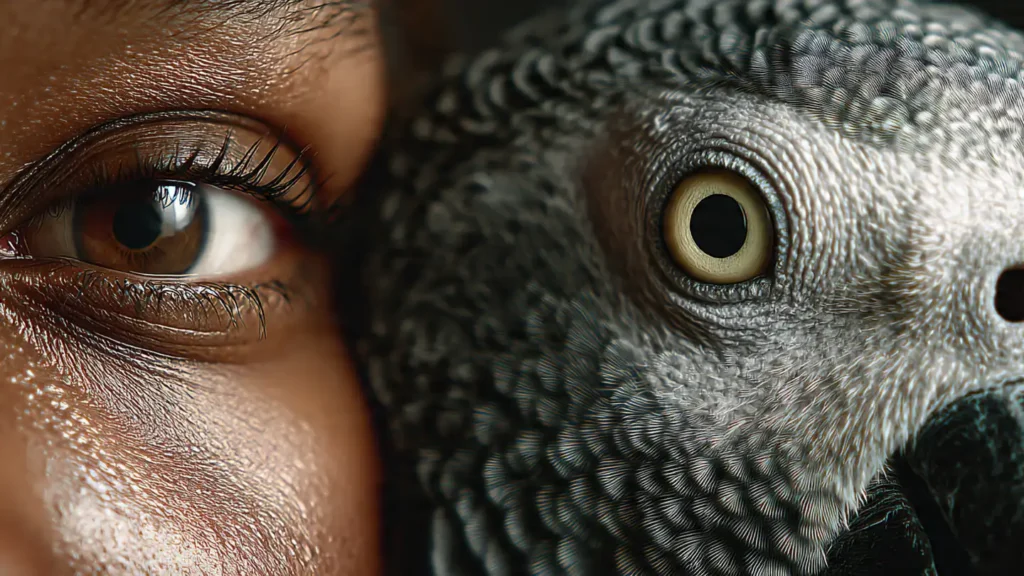
Someone in my rescue community asked me once why people hold on so long when they know the situation isn’t working, and the honest answer is that we’ve attached our worth as animal owners to whether we “gave up.” That framing is backwards. Giving a bird to someone who can genuinely meet its needs is an act of care for the bird, full stop.
How to Rehome Responsibly
Do it through an established parrot rescue, not Facebook Marketplace or Craigslist. A responsible rescue will screen the new adopter, provide behavioral history, and follow up. Handing an African Grey to a stranger with no screening is how these birds end up in a third home within a year. The parrot rescue near me search is your first step. Most US and UK rescues accept owner surrenders, and many won’t charge you for it.
If you have existing lung issues or allergies, you might be better suited for an animal with a hard shell like a tortoise, which doesn’t produce dander.
Questions I Actually Get Asked About This
Can I buy a wild-caught African Grey?
No, and run from anyone trying to sell you one. The African Grey (Psittacus erithacus) has been listed on CITES Appendix I since 2016, which prohibits commercial international trade. BirdLife International estimated that over 1.5 million birds were exported from Africa between 1994 and 2003 before that listing. Any adult grey sold as “wild-caught” in the US or UK is either illegally obtained or misrepresented. Walk away.
I’ve heard African Greys bond to one person and attack everyone else. Is that true?
It’s real, but it’s not inevitable. It’s almost entirely a product of how the bird was socialized early in life. Birds raised in homes with multiple people are significantly more likely to be generally social. I almost lost my first grey to this mistake when I didn’t socialize him broadly during his first year with me. He bonded to me completely and became genuinely dangerous with other people. It took 14 months of deliberate counter-conditioning, and it never fully resolved.
Are African Greys from the UK the same species as US ones?
Yes. The Congo African Grey (Psittacus erithacus erithacus) is the primary subspecies sold in both countries. The Timneh African Grey (Psittacus timneh), now recognized as a separate species, is smaller, slightly darker, and generally considered temperamentally more stable, though many avian behaviorists contest that generalization. Both are CITES Appendix I listed and must be captive-bred with documentation.
Is a rescue grey harder to live with than a hand-raised baby?
Not necessarily. A rescue bird that has already been evaluated and observed by experienced people for months is often the lower-risk choice. It’s not the comparison people expect when searching talking birds for sale in USA and UK marketplaces, but I’ve seen plenty of hand-raised babies develop serious behavioral issues by year three. The variable isn’t where the bird came from. It’s whether its needs are being met once it’s with you.
Where to Go From Here
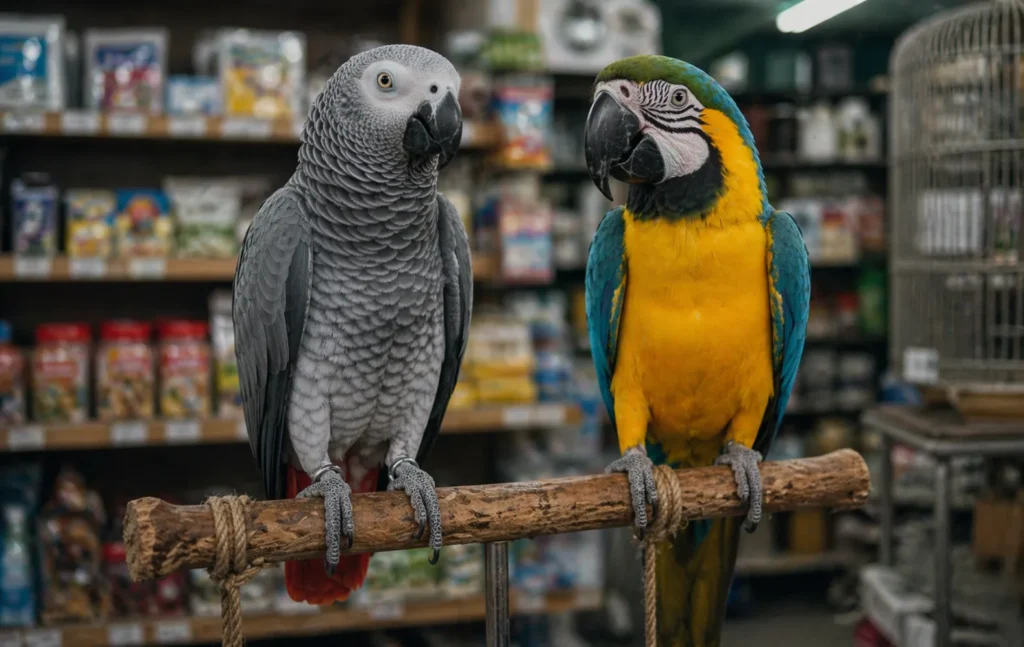
If you’re seriously considering an African Grey, take six months before you decide. Six months is enough time to genuinely audit your schedule, your living situation, your budget, and your next 50 years. Talk to actual grey owners, not just breeders. Visit a parrot rescue even if you’ve already decided to buy. It will reframe your entire understanding of this species.
US Resources
The Gabriel Foundation, the Mickaboo Companion Bird Rescue, and the Parrot Garden at Best Friends Animal Society all work with African Greys. The American Federation of Aviculture publishes a member breeder directory with standards attached.
UK Resources
The World Parrot Trust (based in Cornwall) maintains rehoming resources and connects adopters with vetted rescues across the UK. The Parrot Society of the UK publishes a member directory for those going the breeder route.
[Photo: Theo today, eleven years after his rescue intake photo, the same bird, completely different animal]
This is one of the most extraordinary animals you can share your life with. It’s also one of the most demanding. Both things are true at the same time. Go in with open eyes.
This post reflects 15+ years of personal experience fostering, rescuing, and working with African Grey parrots, alongside research from Dr. Irene Pepperberg (Harvard University), Dr. Susan Orosz (Association of Avian Veterinarians), Barbara Heidenreich (Good Bird Inc.), and the World Parrot Trust. It is not a substitute for professional veterinary or behavioral advice. If you have questions about your bird’s health or behavior, consult a board-certified avian veterinarian.



Pingback: The Best Pets for Flats: A Practical Guide with Prices and Care Tips - Animal Sound
Pingback: Is it Legal to Own a Platypus? - Animal Sound
Pingback: Meet the 10 Most Loyal Animals to Their Owners - Animal Sound
Pingback: Ollie’s Place – A Cat Adoption Haven in New York City - Animal Sound
Pingback: Best Care Pet Service, LLC - Animal Sound