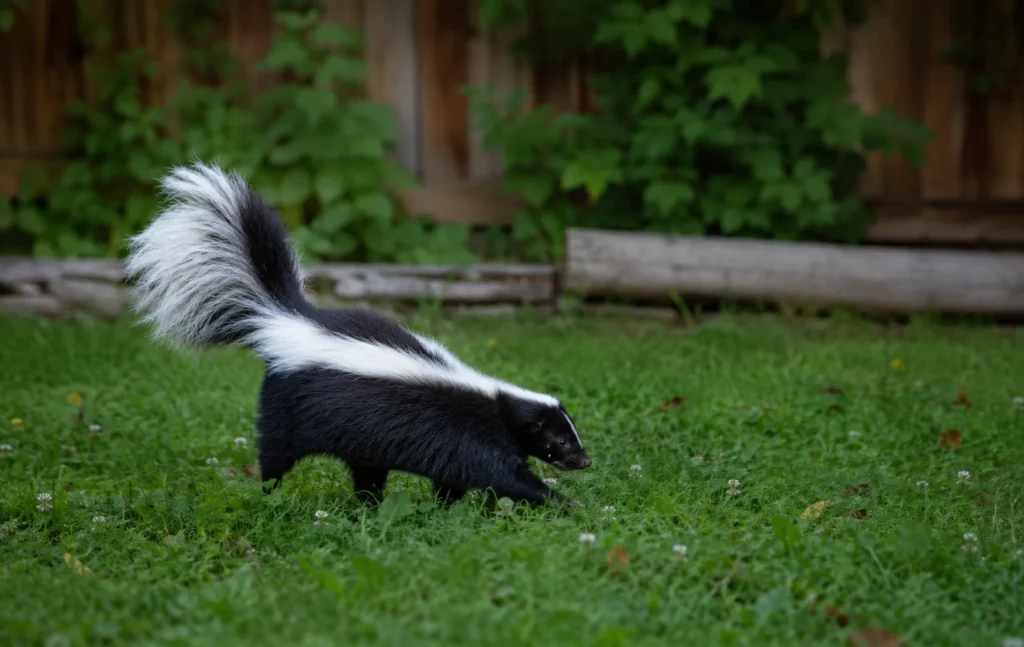
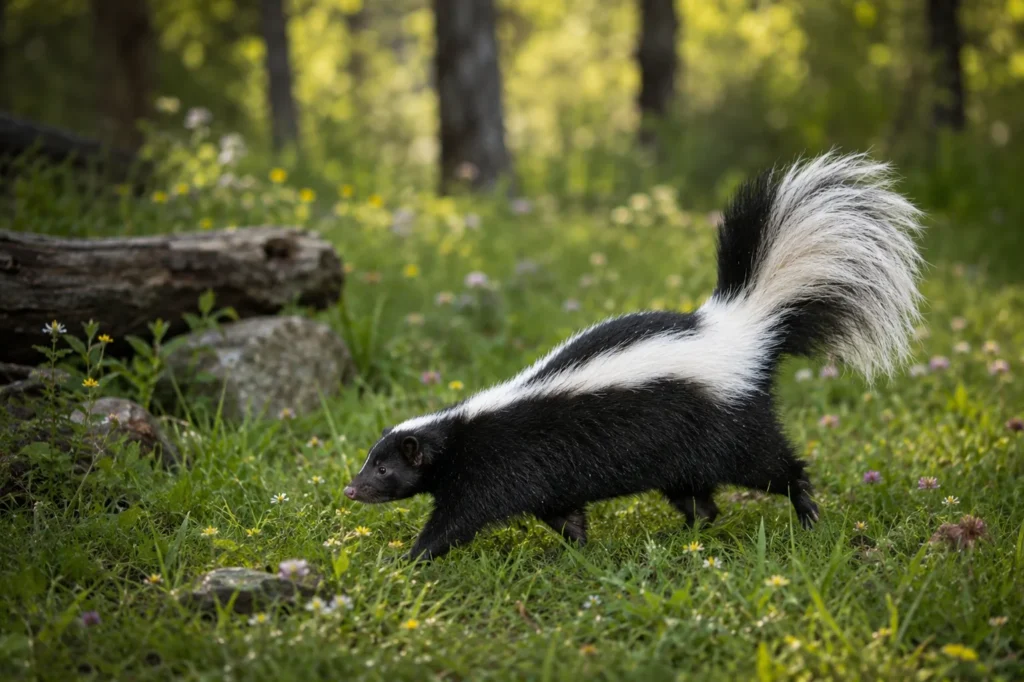
Nobody tells you that a domestic skunk smells like warm soil and dried grass when it’s healthy and content. They also don’t tell you it smells like a burning tire factory when it’s scared, even after descenting. I know this because Carbon, my current black skunk, introduced me to both ends of that spectrum within her first two weeks in my home. Eleven years, five skunks, and more vet bills than I care to calculate later, here’s what actually matters.
The Short Answer
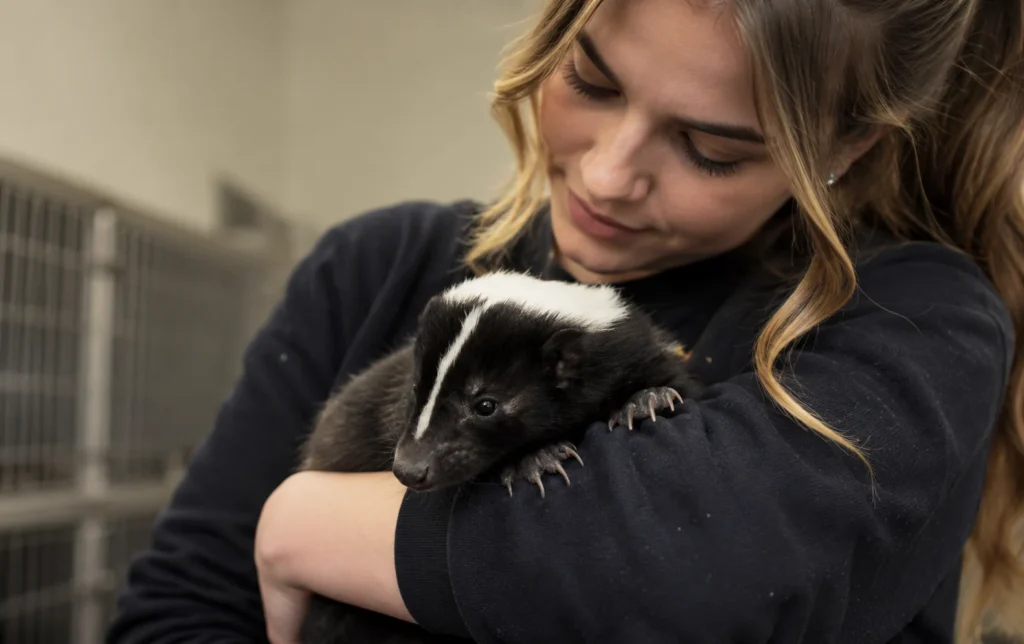
Skunks as a pet can work for a prepared, patient owner. A domestic skunk is a striped skunk (Mephitis mephitis) raised from a kit with scent glands surgically removed, called descenting. They’re social, trainable, and bond closely with their owners. They also require exotic vet care, a precisely managed diet, and are illegal in roughly half of U.S. states. Confirm legality in your state before anything else.
What a Domestic Skunk Is Actually Like to Live With
The Daily Reality Nobody Posts About
A domestic skunk is not a novelty. It’s a full-commitment exotic animal that happens to be small enough to live indoors. They’re crepuscular, most active at dawn and dusk, so you will hear the skunk at night, pawing at enclosure walls and rearranging whatever you put in their space, every single night.
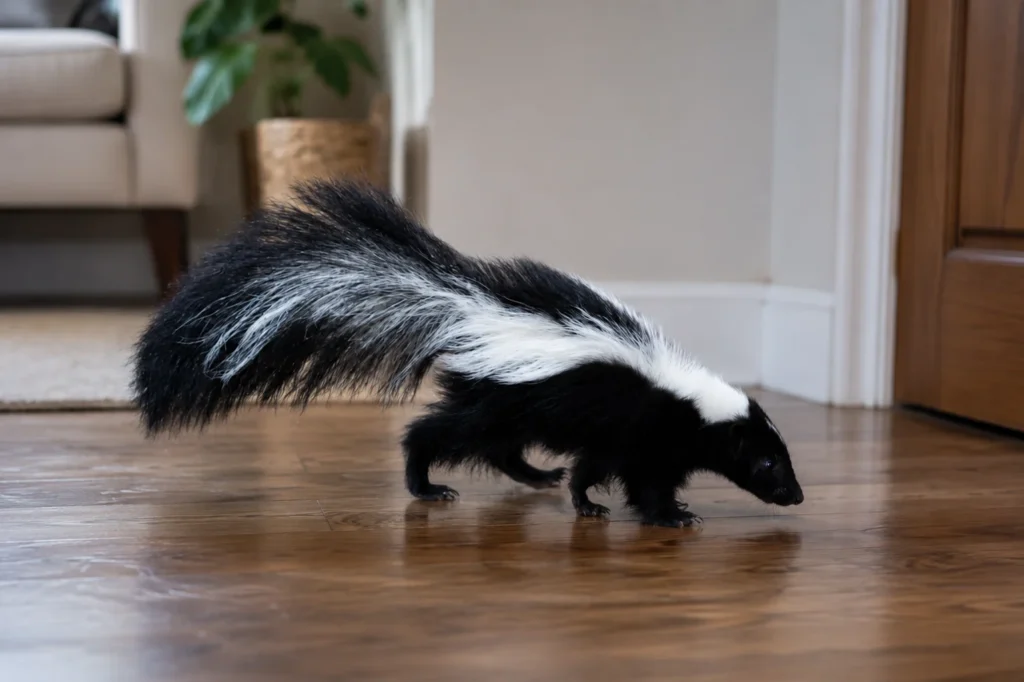
They’re problem-solvers in a way that most people underestimate. Mine have opened childproof cabinet latches, unzipped travel bags left on the floor, and excavated every planter in my house down to the bare root. That behavior isn’t random destruction. It’s foraging instinct running on hardware that was never designed for a living room.
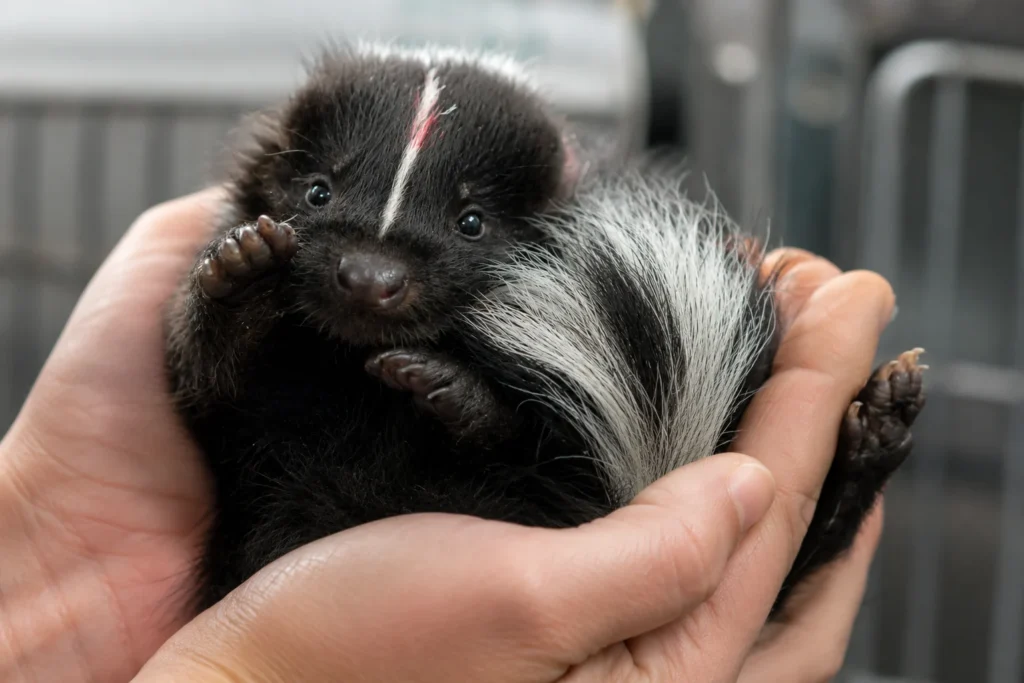
When you first hold a healthy weaned kit at eight to ten weeks old, you’ll immediately notice how dense and solid they feel, nothing like the fluffy appearance suggests. A well-fed kit at that age weighs between 200 and 350 grams and moves with constant, muscular purpose, nosing into every crease of your clothing. If it feels limp or passive, that’s not calm, that’s a red flag.
What Cats and Skunks Actually Do Together
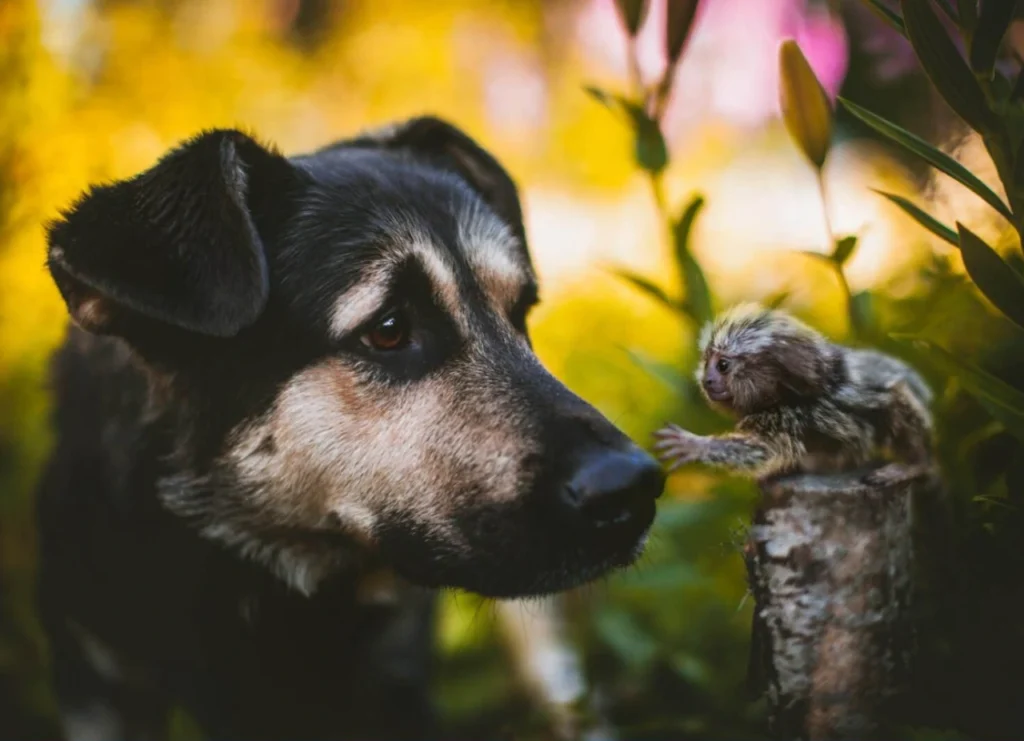
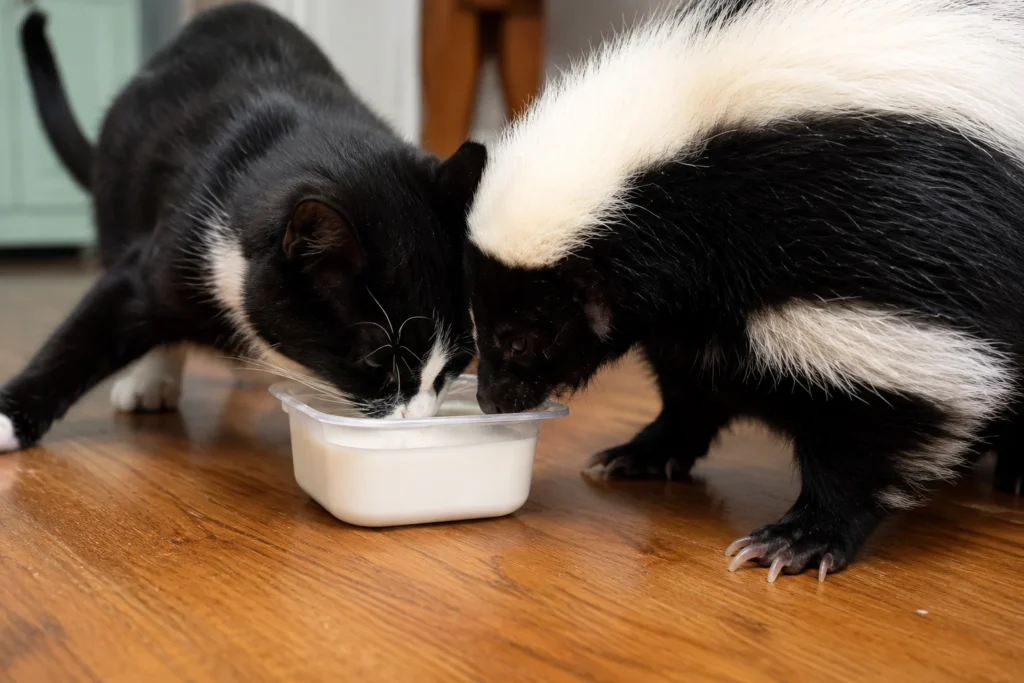
Cats and skunks coexist constantly in photos online and unpredictably in real life. Carbon has lived with my 10-year-old tabby without serious incident for three years. A friend of mine who breeds ferrets tried the same introduction without a structured quarantine period and spent eight weeks managing territorial marking from both animals before things stabilized.
Before I even start any introduction between a skunk and another animal in my home, my routine is always to first run two full weeks of complete separation, then seven days of scent-swapping bedding, then neutral-space visual contact before any free-roaming access. Skip any part of that and you’re resetting the clock, not shortcutting it. People exploring whether their existing cat household could accommodate another exotic should read through what happens with raccoon ownership and multi-animal dynamics because the territorial stress patterns are closely parallel.
The YouTube Skunk Diet Advice That’s Sending Animals to the Vet
Channels with hundreds of thousands of views are showing domestic skunks eating fruit bowls, raisins, bread, and grapes daily and calling them treats. This is one of the most specific, documentable ways captive skunks end up with hepatic lipidosis (fatty liver disease) before age two.
According to Dr. Christina Mariani, an exotic small mammal veterinarian at the Wildlife Center of Virginia, captive skunks develop metabolic syndrome at rates she described at the 2021 Association of Exotic Mammal Veterinarians conference as “disproportionately high compared to wild counterparts, largely driven by owner-sourced dietary errors.” The mechanism is simple. Striped skunks in the wild eat insects, grubs, small rodents, eggs, and seasonal plant material. Fruit is incidental, not a staple. Load them with sugar in captivity and their liver can’t process the chronic glucose load.
I almost lost Peppercorn, my second skunk, doing exactly this. At month fourteen her coat went dull, her activity dropped, and by the time I got her to an exotic vet it was an 11pm emergency and a $900 bill for bloodwork, fluids, and a dietary overhaul. The vet was direct: the fruit treats I’d been feeding daily based on a popular video were the primary cause. After six weeks of corrected feeding and two follow-up appointments, she recovered. Not every owner catches it that early.
This is not a minor variation in feeding philosophy. A skunk raised on an improper diet for the first two years of its life accumulates liver damage that shortens its lifespan and creates chronic behavioral problems from metabolic discomfort. If the skunk in a video looks healthy eating whatever it’s eating, understand that you’re seeing a single moment, not the bloodwork from month eighteen.
What Skunks as a Pet Actually Need
Space and Enclosure
A single adult skunk needs a minimum enclosure of 4 feet wide by 4 feet deep by 4 feet tall. That is a floor, not a ceiling. Beyond the enclosure, they need two to three hours of daily supervised free-roaming in a skunk-proofed space. Skunk-proofing means no gaps under doors larger than two inches, no accessible electrical cords or cables, and nothing toxic within reach of an animal that will dig through anything it can fit its nose under.
Skunk Diet Basics
A properly structured skunk diet runs 60 to 70% protein (cooked unseasoned chicken thigh, turkey, eggs, mealworms, earthworms), 20 to 25% fresh vegetables (leafy greens, peas, green beans, limited carrots), and 10 to 15% complex carbohydrates. The Skunk Haven rescue organization in Ohio, which has placed domestic skunks with qualified owners since 1999, publishes a diet rotation protocol that I’ve used as a baseline for years. Mazuri Exotic Skunk Diet works as a supplement but should not be the sole food source.
Most pet sites will tell you skunks are easy to feed omnivores, but after 15 years working with small exotics, I’ve found that framing is what drives owners straight into the YouTube fruit-bowl problem described above. Treat food variety and protein quality seriously from week one.
Veterinary Requirements
Find an exotic vet before you bring the skunk home, not after something goes wrong. Skunk care means annual distemper and rabies vaccinations (state protocol varies), wellness bloodwork annually after age three, and dental checks because captive skunks accumulate tartar faster than their wild counterparts due to softer diets. Plan $400 to $700 per year for routine care. Keep $1,500 liquid for emergencies and understand that number is the minimum, not the ceiling. I’ve cleared $2,000 in a single vet visit.
If you’re still calibrating what “exotic vet access” actually requires in terms of location, availability, and cost, the breakdown at exotic animal hospital gives a realistic picture of what you’re working with in terms of finding qualified care.
Scent Gland Removal
Every legitimate domestic skunk available for sale in the U.S. has been surgically descented before leaving the breeder, typically before eight weeks. Do not buy a skunk from any seller who cannot confirm this with documentation. Even a properly descented skunk produces a mild musky skin secretion when stressed. A healthy, relaxed skunk’s coat should smell like warm earth, faintly animal, not offensive. A stressed skunk in the same room smells unmistakably different within minutes, even without functional glands.
Skunk Diet: What Will Hurt Them and Why
Foods That Cause Documented Harm
Onions and garlic both contain thiosulfate compounds that damage red blood cells and cause hemolytic anemia in skunks with repeated exposure. Grapes and raisins have caused acute kidney injury in mustelid-adjacent small mammals and should be treated as completely off-limits. Avocado contains persin, a fungicidal toxin that causes cardiovascular damage in small mammals. Chocolate contains theobromine, which causes seizures and cardiac arrhythmia. Any product containing xylitol causes rapid blood sugar crash and liver failure.
Kit vs. Adult Feeding
Kits under twelve weeks need a milk replacement formula if weaned early, transitioning to soft cooked proteins by week six. Adults need protein as the primary component at every meal. I supplement three times per week with live mealworms because skunks that have to work for part of their food show measurably lower stress behavior. I tracked Carbon’s behavior patterns for a full two months after introducing foraging feeding, and the midday pacing she’d been doing dropped almost entirely within three weeks.
Hydration matters more than most owners track. Fresh water daily in a heavy ceramic bowl. I offer both a bowl and a bottle because Peppercorn consistently drank more when both were available, and I’ve kept that as my standard ever since.
The Stuff Nobody Mentions Until You Already Own One
The 10 to 12 Year Commitment
Domestic skunks live 10 to 12 years in captivity. This is not a starter exotic. It is a decade-plus commitment to an animal with complex behavioral, dietary, and veterinary needs. If you’re comparing this to a shorter-lived small pet, the comparison is closer to a dog than a hamster.
What Under-Stimulation Does
Skunks left without sufficient enrichment develop stereotypic pacing, become destructive beyond their baseline level, and sometimes stop eating. They need foraging opportunities, novel smells, varied textures, and something to dig into daily. I fill a $15 cement mixing tub from a hardware store with two inches of chemical-free potting soil and hide mealworms in it twice a week. If you can’t afford a commercial foraging setup, don’t panic. That tub works identically to an expensive commercial version because what the skunk cares about is the activity, not the container.
Travel and Coverage
You cannot leave a skunk with a neighbor who “loves animals.” You need someone who has physically handled an exotic small mammal and knows what stress behavior looks like versus relaxed behavior. The biggest mistake I made when I first kept skunks was assuming a willing pet-sitter was a capable one. That gap cost me two weeks of behavioral regression in an animal I’d spent months socializing.
People who are weighing this specific commitment level against other high-bonding exotic options might find the sugar glider care and cost breakdown useful for comparison, since sugar gliders sit in a nearly identical category in terms of bonding intensity and coverage requirements.
Where to Find a Pet Skunk for Sale or Skunk for Adoption
What a Legitimate Source Looks Like
A reputable skunk breeder provides documentation of descenting procedure, USDA licensing where applicable, vaccination records, a health guarantee, and they ask you questions. If a seller listing deskunked skunks for sale doesn’t ask about your state laws or your housing setup, that’s not a laid-back breeder, that’s a red flag. Responsible breeders screen buyers. The ones who don’t are selling inventory, not animals.
Where to Actually Start
Skunk Haven in Ohio and the National Skunk Association are the two most reliable starting points for sourcing both skunks for sale from vetted breeders and skunk for adoption through rescue placement. A rescue skunk is typically older with an established personality, which I genuinely prefer. You know what you’re working with. State-specific exotic animal groups on Facebook can also surface pet skunk for sale near me listings, but run every seller through the documentation checklist before sending any money.
Someone in my rescue group once asked me why a kit from a reputable breeder costs $300 to $600 when you can find them for $100 in local listings, and the honest answer is that the price difference is descenting surgery, early socialization work, proper dam nutrition during pregnancy and weaning, and initial health screening. The cheap listing skips most of that. You pay for it later.
Is a Domestic Skunk Actually Right for You?
Who This Works For
You’re a realistic candidate if: you’re in one of the roughly 17 states where domestic skunks are legal as of 2025 (Texas, Florida, Indiana, Michigan, and others, not California, New York, or Arizona), you have an exotic vet already identified and within driving range, you have $2,000 or more in accessible emergency funds, you’re home consistently enough for daily interaction, and you have no gaps under your exterior doors.
Who Should Step Back
If you rent without explicit landlord approval, travel regularly without a qualified exotic-experienced care plan in place, have children under five who aren’t yet reading animal body language, or you’re looking for a low-effort exotic that will impress people, this animal will disappoint you and suffer for it. That’s not a judgment, it’s just the honest fit assessment.
I’ve done this with the ideal setup and with a genuinely difficult rescue situation where I had almost nothing prepared, and what actually mattered in both cases came down to time, attention, and feeding discipline. The expensive gear matters less than people think. The daily consistency matters more than almost anything else.
If you’re drawn to exotic companions with strong owner bonds but aren’t locked in on a skunk specifically, the profile of chinchilla ownership lays out a useful comparison for commitment level and what a demanding small exotic actually requires day to day.
Questions I Actually Get Asked About Skunks as a Pet
Is it legal to own a pet skunk in the U.S.?
As of 2025, domestic skunk ownership is legal in approximately 17 states, including Texas, Florida, Indiana, and Michigan. It is illegal in California, New York, Arizona, and others. Some states permit ownership with a wildlife license. Contact your state’s department of wildlife resources directly. Local municipal ordinances can be stricter than state law, so verify both. Do not take a breeder’s word on legality in your state.
How do skunks behave around cats and dogs?
Skunks are territorial, and introductions with resident pets require a structured multi-week protocol to succeed. Most owners who report peaceful skunk-and-cat households ran a four to six week introduction process with full quarantine and scent-swapping before any contact. Introductions rushed past that window consistently produce stress behaviors from both animals. Dogs with high prey drive are generally not a good match regardless of introduction protocol.
What does a pet skunk eat?
A domestic skunk’s diet is 60 to 70% lean protein (cooked chicken, turkey, eggs, mealworms), 20 to 25% fresh vegetables (leafy greens, peas, green beans), and 10 to 15% complex carbohydrates. Fruit is an occasional treat, not a daily food. Onions, garlic, grapes, raisins, avocado, chocolate, and xylitol-containing products are all toxic and must be completely excluded. Mazuri Exotic Skunk Diet works as a base supplement but should not replace whole-food feeding.
Can you buy a pet skunk for sale near me?
Skunks for sale are available through USDA-licensed breeders, the National Skunk Association, and Skunk Haven rescue in Ohio. Local exotic Facebook groups sometimes list skunks available near you, but verify descenting documentation, vaccination records, and USDA licensing before purchasing from any private seller. Never buy from a seller who doesn’t ask about your state laws or housing setup.
Where to Go From Here
A skunk is one of those animals where the people who do the research before buying almost always end up successful owners, and the people who impulse-buy based on a video almost never do. If you’ve read this far and you’re still in, that’s the right first signal.
Carbon makes a low, loose chuffing sound in the mornings when she’s settled and content. It took about four months before I heard it regularly. That timeline is honest. It’s also worth it.
For anyone weighing a skunk against other bonded exotics, the binturong ownership profile covers another animal in the same ownership tier in terms of complexity and commitment.
If you want a broader picture of what owning less common animals actually looks like across species before committing, exotic animal experiences runs through the practical realities that don’t make it into the highlight reels.
This post reflects 15+ years of personal animal care experience and research. Veterinary and nutritional claims are attributed to Dr. Christina Mariani and the Skunk Haven rescue organization. This content is not a substitute for professional veterinary advice. If your skunk is unwell, contact an exotic animal veterinarian or emergency clinic directly.