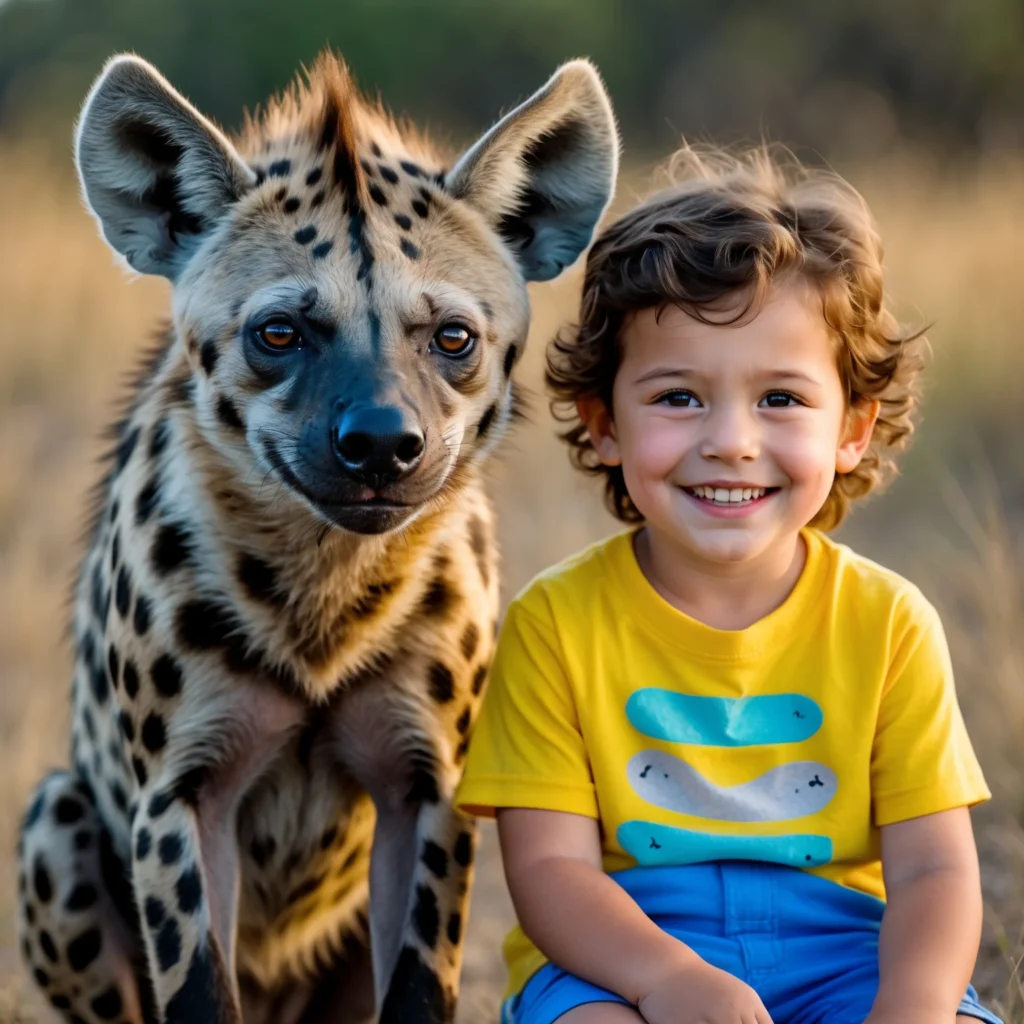
Owning exotic pets has become a trend in some parts of the world, and one of the most controversial animals people consider is the hyena as a pet. While these wild predators are intelligent and social, keeping them as pets is extremely challenging and, in most cases, impractical. In this article, we will explore whether you can have a hyena for a pet, the cost of owning one, and the legal and ethical considerations.
Overview of Hyenas
Hyenas are fascinating and unique animals, often misunderstood due to their portrayal in popular culture. Known for their strong social structures, intelligence, and distinctive vocalizations, they are primarily found in Africa and parts of Asia. Despite their wild nature, some people have considered keeping a hyena as a pet, drawn to their intriguing behavior and striking appearance.
Historically, hyenas have played various roles in human societies, from being symbols in folklore to being hunted or tamed in rare cases. Unlike domesticated animals such as dogs or cats, hyenas are wild predators with specific needs that make them extremely challenging to keep in a home environment. Their social and territorial instincts, combined with strong physical capabilities, mean that owning a hyena as a pet is not only difficult but often discouraged by experts.
Understanding the background of hyenas, both their natural behavior in the wild and the risks associated with domestication, is essential before considering the possibility of having a hyena as a pet. These animals require specialized care, a controlled environment, and legal permissions in most countries, highlighting why they remain primarily wild creatures rather than traditional pets.
Is it Legal to Own a Hyena as a Pet?
There is no single U.S. federal law that universally bans owning a hyena as a pet. Instead, the legality is mostly governed by state and local laws.
Federal laws such as the Lacey Act can apply, particularly if a hyena is obtained illegally or transported across state lines.
Variation by State
Because each state has its own regulations, the legality of owning a hyena can vary dramatically:
| Category | Description | Examples of States (often) |
|---|---|---|
| Bans (private ownership illegal or heavily restricted for dangerous exotics) | These states have laws that broadly prohibit private citizens from owning dangerous wild/exotic animals (includes hyenas). | California, Colorado, Georgia, Hawaii, Illinois, Iowa, Kentucky, Maryland, Massachusetts, New Hampshire, New Jersey, New Mexico, New York, Ohio, Oregon, South Carolina, Utah, Vermont, Washington, and several others. |
| Partial bans / restricted list | The state law prohibits some (but not necessarily all) dangerous/exotic animals; prohibited species are often explicitly listed (which may include hyenas). | Arkansas, Florida, Kansas, Louisiana, Michigan, Minnesota, Nebraska, Tennessee, Virginia, West Virginia, Wyoming, etc. |
| Permit / licensing required for exotic/dangerous species | Private possession is not automatically banned — but requires a permit or license; those permits are often granted only to institutions (zoos, sanctuaries, research facilities), not typical pet owners. | Arizona, Delaware, Idaho, Indiana, Maine, Mississippi, Missouri, Montana, North Dakota, Oklahoma, Pennsylvania, Rhode Island, South Dakota, Texas, Wisconsin (in some listings). |
| Little or no state-level restrictions (but could still have local restrictions / other caveats) | Some states reportedly have no broad state-wide ban or licensing requirement. But that doesn’t guarantee hyena ownership is truly legal — local laws, zoning, public safety rules still often apply. | Alabama, Nevada, North Carolina, South Carolina (though South Carolina recently banned many exotic pets), Wisconsin (and other less restrictive states) in older summaries. |
Important Considerations
Even if a state appears permissive, you must first check state law where you live (or where you plan to keep a hyena as a pet). Local ordinances, zoning rules, and permit requirements can further restrict ownership. Obtaining a permit ( if possible ) is often a lengthy process, and most are granted only to licensed institutions such as zoos or wildlife sanctuaries.
Beyond legality, owning a hyena comes with serious responsibilities and ethical concerns. These animals are wild by nature, with complex social, behavioral, and environmental needs that are difficult to meet in a home setting. Potential risks include safety hazards, liability issues, and challenges in providing proper veterinary care and housing. Considering the welfare of the hyena and the safety of people around it is essential, which is why many experts and animal welfare organizations strongly discourage keeping hyenas as pets.
Keeping a hyena as a pet is not legal in many places due to its unpredictable nature, similar to the restrictions on owning a bear as a pet, which is considered dangerous.
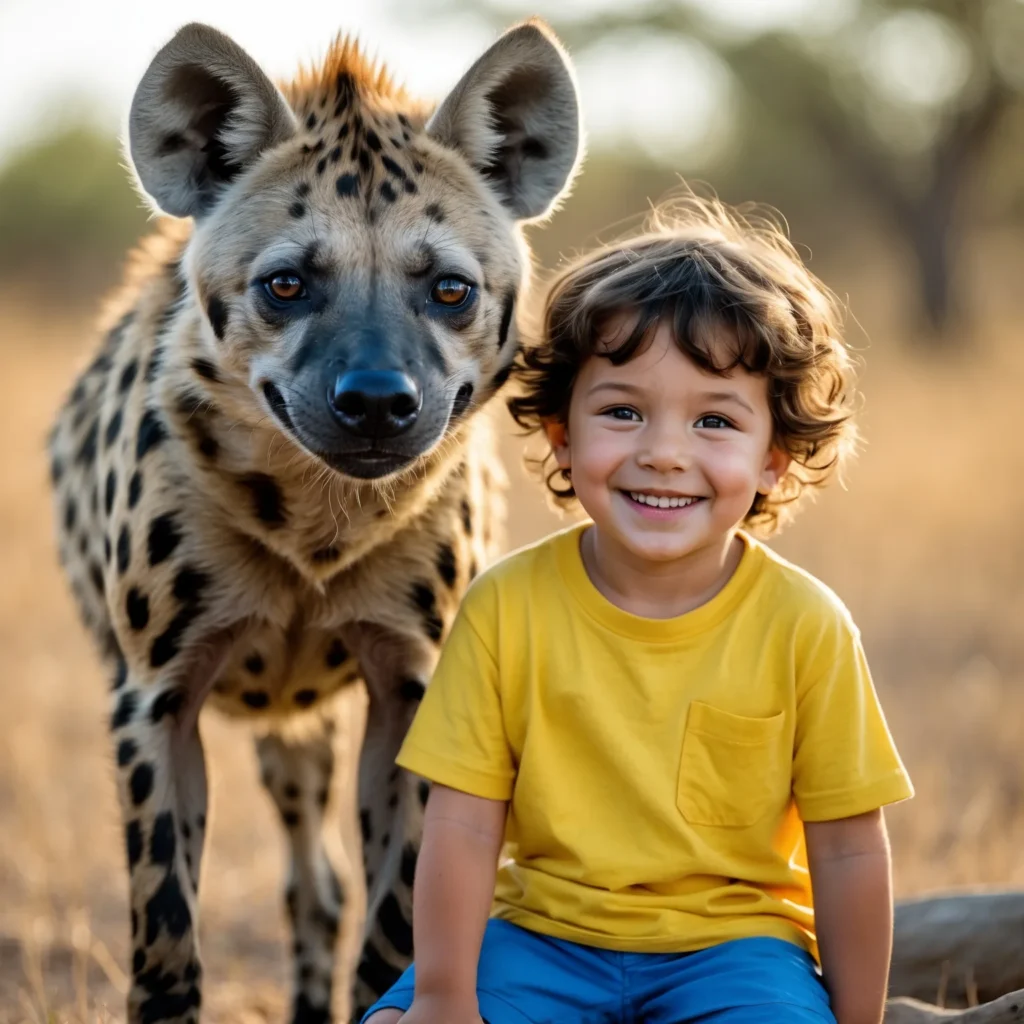
Hyenas are social animals that thrive in structured packs, making them difficult to manage as pets. Their pack mentality is somewhat similar to an African wild dog as a pet, which also relies on strong social bonds.
Behavior and Temperament of the Hyena as a Pet
Behavior of Hyenas in the Wild vs. Captivity
Hyenas are highly intelligent, social, and resourceful animals. In the wild, they live in structured clans, often dominated by females, and rely on teamwork for hunting and raising their young. Their natural behaviors include roaming large territories, vocalizing to communicate with clan members, and displaying strong problem-solving skills. These traits make them fascinating to observe but also highlight why keeping a hyena as a pet is extremely challenging.
A hyena as a pet often exhibits a mix of its wild instinct and behavior shaped by its environment in captivity. They can become attached to their human caretakers but may also display unpredictable aggression, destructive tendencies, and intense curiosity. Their intelligence means they require constant mental and physical stimulation, and a lack of proper enrichment can lead to stress and behavioral problems.
Common Personality Traits of Hyenas
Hyenas are curious, bold, and independent. They are not naturally affectionate like dogs or cats, and their interactions can be cautious or defensive, especially around strangers. Some individuals may form bonds with humans, but these relationships require extensive experience, knowledge, and time.
The Level of Tameness Possible in Hyenas
Many people wonder, Can a hyena be tamed? Hyenas are wild animals, and while some can be conditioned to tolerate human interaction, true domestication is nearly impossible. Unlike dogs or cats, hyenas have strong predatory instincts and social hierarchies that make them unpredictable.
Hyenas are highly intelligent and social animals that require extensive training, much like a beetle as a pet, which demands careful handling despite its small size.
Can Hyenas Live Alone?
Hyenas are highly social animals that live in structured packs known as clans. Keeping a hyena alone is unnatural and would cause stress and behavioral problems. Can hyenas live alone? No, they need the company of other hyenas to thrive.
How Hyenas Interact With Humans
Hyenas are often misunderstood animals. While they are social and have complex social structures, they are not domesticated. Are hyenas friendly to humans? Generally, no. Hyenas are opportunistic predators and can be aggressive, especially when they feel threatened. Some people have raised hyenas from birth, but they remain unpredictable.
Keeping a Hyena as a Pet in a Household With Children and Other Pets
Hyenas are wild predators, and even in captivity, they should not be considered safe to live with other pets or young children. Their hunting instincts and strong jaws pose serious risks. While some exotic animal trainers may manage interactions in controlled environments, for the average household, a hyena as a pet is incompatible with other domestic animals and can be hazardous around kids.
Overall, hyenas are fascinating and complex, but their behavior and social needs make them unsuitable for typical pet ownership. Understanding these differences between wild and captive behavior underscores why hyenas are best appreciated in their natural habitats or professional care settings rather than as pets.
Habitat Requirements for a Hyena as a Pet
Keeping a hyena as a pet is extremely demanding because these animals have very specific habitat and environmental needs. Unlike domesticated animals, hyenas are wild by nature, and replicating the conditions they require in the wild is very difficult in a home setting.
- Space Requirements: Hyenas are highly active and territorial. In the wild, they roam vast areas — often several square kilometers — in search of food and social interaction. Captive enclosures must be very large, securely fenced, and enriched with climbing structures, hiding spaces, and areas for running and exploration. A small backyard or standard pet enclosure is absolutely insufficient.
- Cage and Enclosure: The enclosure must be extremely secure, as hyenas are powerful and can easily break through weak fencing. Double-layered fences, reinforced gates, and tall barriers are necessary to prevent escapes. The flooring should allow for natural digging behavior, and the habitat should provide shaded areas, dens, and elevated platforms to mimic natural resting spots.
- Temperature and Climate: Hyenas are adapted to warm climates. While they can tolerate a range of temperatures, captive environments should maintain moderate warmth and avoid prolonged exposure to extreme cold. Indoor heating may be required in colder regions, and the enclosure should offer cool, shaded areas during hot weather to prevent overheating.
- Humidity: Hyenas do not have highly specific humidity requirements, but a well-ventilated environment is essential to prevent respiratory issues and maintain overall health. Enclosures should also allow for access to water for drinking and bathing.
- Enrichment Needs: Beyond physical habitat, hyenas require mental stimulation and social interaction. Toys, puzzles, and activities that encourage natural behaviors like foraging and problem-solving are crucial to prevent stress and destructive behavior.
Diet and Feeding Requirements for a Hyena as a Pet
Feeding a hyena as a pet is another major challenge because their natural diet is complex, nutrient-dense, and difficult to replicate correctly. Hyenas are not just scavengers — they are powerful hunters with specific nutritional needs that support their muscle mass, bone structure, and high activity levels.
- Natural Diet in the Wild
In the wild, hyenas eat a wide variety of animal-based foods, including:
- Large prey (antelope, wildebeest calves, zebra parts, small mammals)
- Bones (they can crush and digest them fully)
- Organs and muscle meat
- Occasionally birds, reptiles, and insects
Their strong jaws and acidic stomachs allow them to consume parts of animals that domestic pets could never tolerate, including bones, hooves, and sometimes carrion. This high-calcium, high-protein diet supports their powerful build.
- Recommended Diet in Captivity (Weekly Plan)
A hyena in captivity needs a balanced, raw-based carnivore diet. A typical weekly plan includes:
- Raw meat: beef, goat, lamb, turkey, or venison
- Raw bones: large, dense bones 3–4 times per week for calcium and mental stimulation
- Organs: liver, kidney, heart 1–2 times per week (crucial for vitamins)
- Whole-prey items: such as rabbits or chickens, if legal and available
- Occasional variety: fish, eggs, or small game animals
Hyenas also need “feeding enrichment,” meaning food hidden or scattered to mimic natural foraging and prevent boredom.
Important: Hyenas eat large quantities, several kilograms of food per day depending on age, sex, and activity level. Feeding them is expensive.
- Supplements (If Necessary)
Captive hyenas may require supplements, especially if the diet lacks variety or whole-prey feeding is not possible. Common additions include:
- Calcium supplements (if bone feeding is limited)
- Taurine (critical for carnivores)
- Omega-3 fatty acids for joint and coat health
- Multivitamin formulations designed for exotic carnivores
A veterinarian experienced in wild carnivores must supervise supplement plans.
- Foods That Are Toxic or Unsafe for Hyenas
Even though hyenas are hardy animals, some foods can cause severe health issues:
- Chocolate
- Grapes and raisins
- Onions, garlic, and leeks
- Cooked bones (they splinter and can be deadly)
- Highly processed human foods (chips, sweets, fast food)
- Xylitol-containing products
- Alcohol or caffeine
Hyenas should also never be fed spoiled meat intentionally, their stomachs can handle some bacteria, but foodborne illnesses are still possible in captivity.
Lifespan of a Hyena as a Pet
Keeping a hyena as a pet is not just a short-term responsibility — it is a commitment that can last over two decades. In the wild, hyenas typically live 12–15 years, but in captivity, with proper care, stable access to food, and veterinary support, they can reach 20–25 years. This long lifespan means anyone considering a hyena must be prepared for a lifetime of care, cost, and responsibility.
Hyenas mature slowly, both mentally and physically. Their behavior changes as they age, which requires continuous adaptation from the caregiver. A young hyena may be playful and curious, but adults often become more territorial, dominant, and unpredictable. This makes long-term ownership very challenging, especially as the animal reaches full strength.
Because caring for a hyena requires large enclosures, specialized diets, constant enrichment, and trained personnel, the long-term commitment is far beyond what most people can realistically manage. This is one of the main reasons experts and professionals strongly advise against keeping a hyena as a pet.
Veterinary Care for Hyenas
Hyenas are hardy animals in the wild, but in captivity they are vulnerable to health issues that require specialized veterinary care. Exotic animal veterinarians experienced with large carnivores are necessary, and they are rare and expensive.
Common Health Problems Seen in Captive Hyenas
Nutritional Deficiencies
Hyenas need a diet rich in bones, organs, and whole prey. When fed only muscle meat or processed foods, they may develop:
- Calcium deficiency
- Weak bones or fractures
- Muscle wasting
- Poor coat and skin health
Dental Problems
Even though hyenas have extremely strong jaws, they can suffer from:
- Broken teeth
- Gum infections
- Wear from chewing on inappropriate materials
A proper diet with raw bones helps prevent these problems.
Obesity and Metabolic Issues
Captive hyenas are not as active as wild ones. Lack of space and enrichment can lead to:
- Obesity
- Diabetes
- Joint stress and arthritis
Behavioral Stress and Psychological Problems
Hyenas are social, intelligent animals. In captivity, they may develop:
- Anxiety and pacing behavior
- Aggression due to frustration
- Destructive tendencies
- Depression if kept isolated
Parasites and Infections
- Hyenas require regular checks for:
- Intestinal parasites
- Ticks and fleas
- Bacterial infections
- Viral diseases similar to those affecting dogs (distemper, rabies)
Veterinary Care Needs
Caring for a hyena as a pet requires:
- A specialized exotics veterinarian, often far from home
- Annual full exams, including blood work
- Vaccinations, often adapted from canine protocols
- Parasite control programs
- Emergency plans for injuries; hyenas can severely hurt themselves or others
- Dental check-ups
- Behavioral assessments
Finding vets trained for hyenas is extremely difficult and costly. Transportation to wildlife facilities may be required for procedures, which adds even more logistical challenges.
Taking Care of a Hyena: Costs and Requirements
Hyenas require a vast territory to roam freely, making them less suitable for captivity than a Quokka pet, which is significantly smaller and easier to house. If you somehow acquire legal permission to own a hyena, you must be prepared for significant costs and responsibilities.
Hyena Price by Type
- Spotted Hyena: $10,000 – $20,000 (rarely sold legally)
- Striped Hyena: $5,000 – $15,000
- Brown Hyena: $8,000 – $18,000
- Aardwolf (small hyena-like species): $3,000 – $7,000
Hyena Puppy Price
The price of a hyena puppy (also known as a hyena cub) can vary widely depending on factors like the breeder, location, and the animal’s lineage. In general, hyenas are not common pets and may be difficult to find for sale through legal or ethical breeders. Additionally, hyenas are wild animals and are subject to legal restrictions in many areas.
In regions where they are legally available, prices could range anywhere from $1,000 to $10,000 or more. However, it’s important to check local laws and regulations before considering owning one, as keeping a hyena as a pet can be challenging and potentially dangerous.
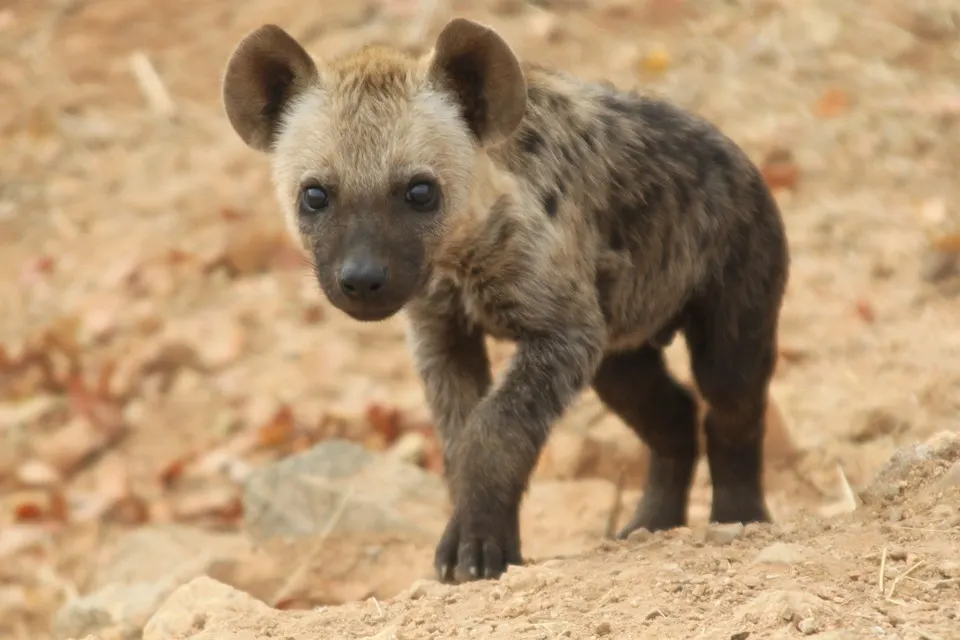
If you’re interested in adopting or supporting hyenas, you may want to consider donating to wildlife conservation efforts or supporting sanctuaries.
What Does a Hyena Need?
A pet hyena requires:
- A large, reinforced enclosure (cost: $5,000 – $15,000 to build)
- Specialized diet (cost: $3,000 – $6,000 per year)
- Veterinary care (cost: $1,500 – $5,000 per year)
- Social interaction (you may need more than one hyena, doubling costs)
Total Cost of Owning a Hyena
If legal in your area, keeping a hyena as a pet could cost $20,000 – $50,000+ per year, including food, medical care, and enclosure maintenance.
Are Hyenas Legal Pets in the US?
In the US, hyenas are not considered domestic animals. Are hyenas legal pets in the US? In most of the United States, hyenas as pets are illegal. Some states have strict exotic animal laws that prohibit private ownership of wild animals, including hyenas. A few states may allow ownership with special permits, but these are rare and come with significant regulations. Before considering a hyena for a pet, it is crucial to research state and local laws.
Hyena as a Pet in Africa
In some African regions, hyenas have been kept by people, particularly in Nigeria, where certain groups use them for performances and as status symbols. However, keeping a hyena as a pet in Africa is still rare, and the practice is often tied to cultural traditions rather than pet ownership in the traditional sense.
Are There Hyenas in Morocco?
Yes, there are hyenas in Morocco, specifically striped hyenas. However, they are considered rare and are often threatened by habitat destruction and hunting.
Are Hyenas Friendly to People?
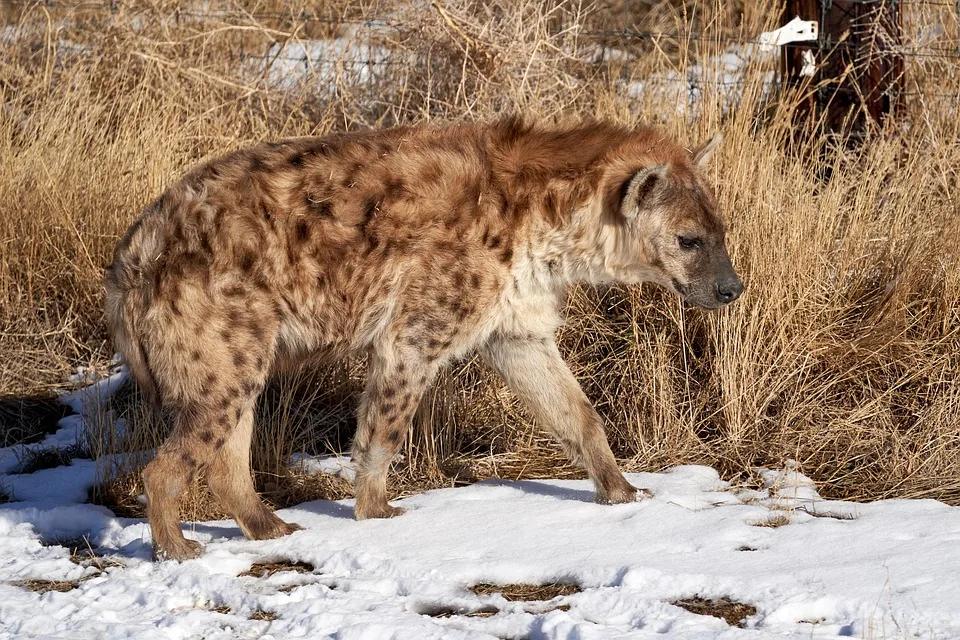
Hyenas are not naturally friendly to humans. In the wild, they are territorial and can be aggressive if threatened. While some hyenas raised in captivity may tolerate human presence, they do not form the same affectionate bonds as domesticated animals like dogs. Their powerful bite and unpredictable nature make them unsafe as pets. Due to their strong jaws and unpredictable nature, hyenas pose a risk to their owners and other animals. This is a concern shared with a Bear pet, as both species retain their predatory instincts.
Hyenas and Other Pets
Hyenas do not coexist well with other pets. Their natural hunting instincts and aggressive behavior make them a danger to smaller animals, including cats and dogs. Unlike domesticated pets that can be trained to live together, hyenas see other animals as either competition or prey. Even in captivity, they require strict supervision and separation from household pets to prevent conflicts or fatal encounters.
Conclusion
Owning a hyena as a pet is not practical or ethical in most cases. While fascinating creatures, hyenas for pets require immense resources, legal permits, and an understanding of their wild nature. If you love hyenas, consider supporting conservation efforts instead of trying to own one.


Appreciate the recommendation. Let me try it out.