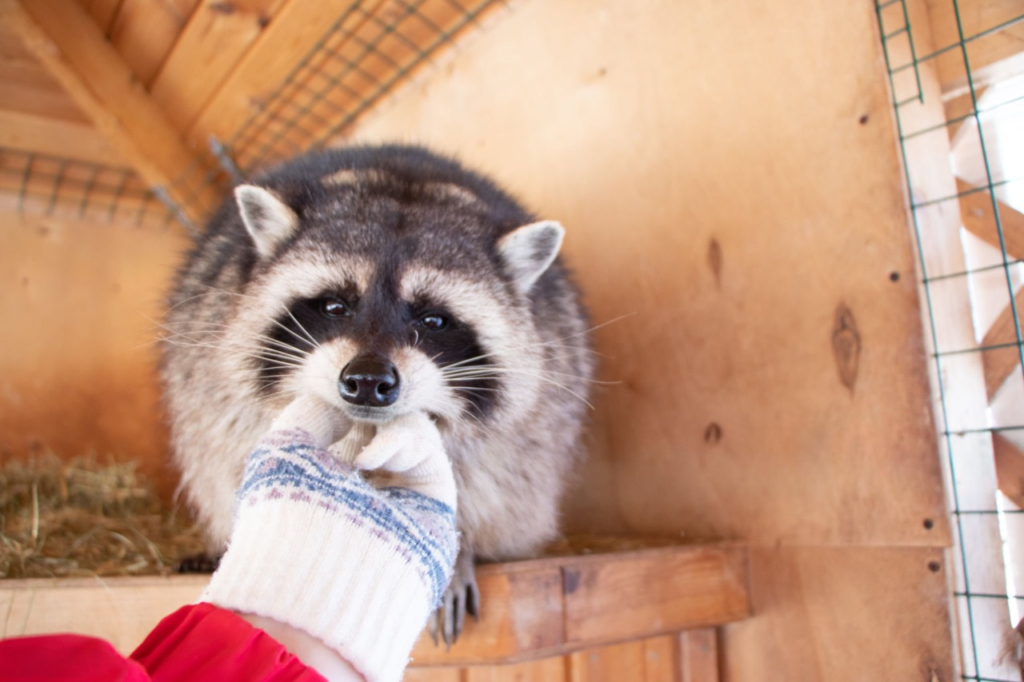
Raccoon as a Pet may sound like a fun and quirky idea, but the reality is a lot more complicated. In many places, it’s either illegal or requires special permits, and even when allowed, raccoons are not easy to care for. Their wild instincts, high energy, and curious nature make them far more demanding than a typical pet.
That being said, it’s easy to see why people are fascinated by them. With their bandit-like faces, clever little paws, and playful personalities, raccoons can be downright charming. You’ve probably seen videos online of pet raccoons cuddling with their owners or getting into all kinds of funny antics. But the question remains—should you really keep a raccoon as a pet?
If you’re seriously considering adopting one, you’ll need to understand the reality. While raccoons can sometimes be affectionate and entertaining, they’re still wild animals with complex needs and behaviors. Let’s take a closer look at what life with a raccoon is really like—and whether it’s the right choice for you.
What Makes Raccoons Unique?
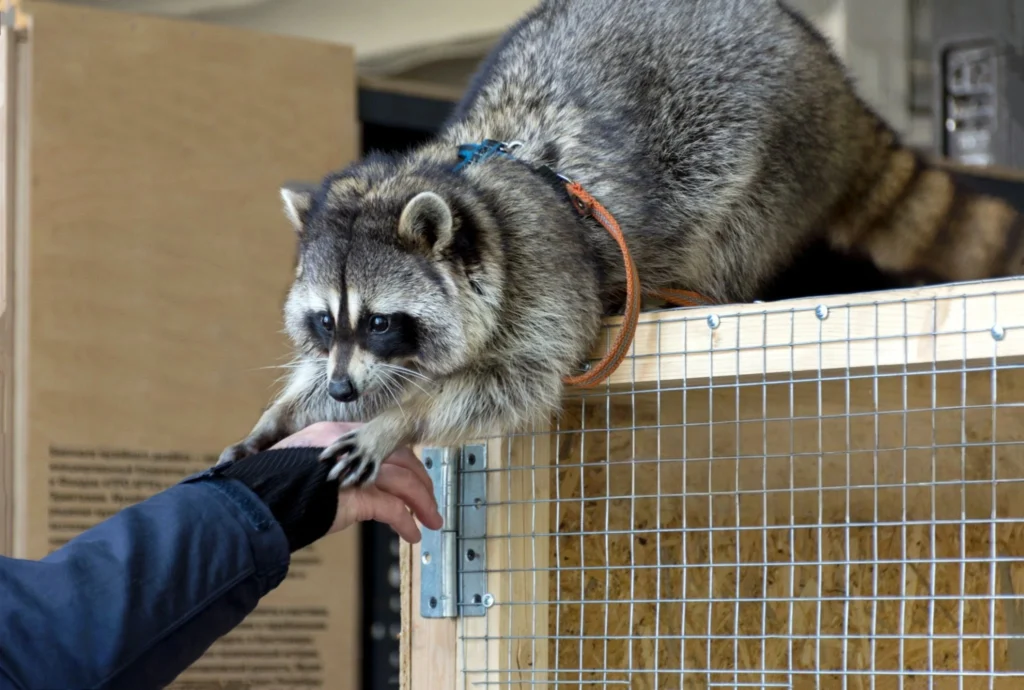
Raccoons are incredibly intelligent creatures. Known for their solution-oriented thinking, they can solve puzzles, remember solutions, and even figure out how to break into tricky containers. Raccoons share many similarities with coatimundi pets. These brainy animals love to explore, climb, and open things using their dexterous hands, which makes them both fascinating and mischievous.
Domesticated raccoons can form strong bonds with their owners, but they retain many of their wild instincts. Unlike dogs or cats, they haven’t been bred over generations to live alongside humans. This means they require more attention, training, and patience to thrive in a human household.
Are Raccoons Legal Pets?
Before you start daydreaming about getting a raccoon as a pet, it’s crucial to check your state’s laws. Raccoons are only legal as pets in 16 U.S. states, and even then, there are specific regulations to follow. Some states require permits, and others restrict raccoon ownership entirely. It’s also worth noting that you should never attempt to capture a wild raccoon to keep as a pet—it’s not only illegal in most places but also dangerous for both you and the raccoon.
If owning a raccoon as a pet is legal in your state, the next step is finding a reputable breeder. Domestic raccoons bred in captivity are more likely to adapt to life as pets than their wild counterparts. Never try to domesticate a wild raccoon—it’s nearly impossible and can lead to serious behavioral and safety challenges.
Raccoon as a Pet in Florida
Florida is one of the states that does allow the possession of certain exotic wildlife, including the raccoon as a pet, under strict regulations. Raccoons are classified as Class III wildlife by the Florida Fish and Wildlife Conservation Commission (FWC).
- Permit Required: To own a raccoon as a pet in Florida, you need a Permit to Possess Class III Wildlife for Personal Use (PPNC). This permit is typically free and valid for two years.
- Experience Requirements: While some Class I and II wildlife permits require extensive documented experience (e.g., 1000 hours over a year with similar species), the FWC lists raccoons under Class III, which can be permitted for personal use. However, the FWC’s focus is heavily on public safety and animal welfare, and they may require applicants to demonstrate sufficient knowledge and facilities.
- Facility Inspections: Facilities housing raccoons must meet specific caging and safety standards, and inspections are required before a permit is issued. These standards are designed to prevent escape and ensure the animal’s welfare.
- Local Ordinances: Even with a state permit, local city or county ordinances might impose further restrictions or outright prohibit raccoon ownership. It is crucial to check local laws in addition to state regulations.
Raccoon as a Pet in Texas
Texas also permits raccoon ownership, but similar to Florida, it’s not a straightforward process and is subject to state and local regulations.
- Exotic Animal Permit: In Texas, raccoons fall under the category of furbearing animals, and an exotic animal permit from the Texas Parks and Wildlife Department (TPWD) is generally required.
- Health Certificates and Authorization: Importation of raccoons into Texas requires a health certificate from a veterinarian in the state of origin and a letter of authorization from the Texas Department of Health.
- Facility and Safety Standards: Facilities for housing raccoons must meet specific safety standards to prevent escape and ensure public safety.
- Local City Ordinances: Crucially, many cities and counties within Texas have their own ordinances that may outright prohibit or severely restrict exotic animal ownership, even if allowed at the state level. For example, some major cities in Texas have strict bans on wild animal ownership.
Raccoon as a Pet in California
California has some of the strictest exotic animal laws in the United States, and owning a raccoon as a pet generally forbidden without highly specialized and rare permits.
- Restricted Species: Raccoons are listed as “Restricted Species” under Title 14 of the California Code of Regulations (CCR). This classification means they are considered detrimental to native wildlife, agriculture, or public health and safety.
- Advanced Wildlife Permits: Obtaining a permit for a restricted species is exceptionally difficult and usually reserved for zoos, scientific research institutions, or licensed wildlife rehabilitators, not for personal raccoon as a pet ownership. Such permits come with stringent requirements for experience, facility standards, and often significant fees and inspections.
- Grandfathered Animals: There may be very limited exceptions for animals legally possessed prior to certain regulatory changes (e.g., January 1992), but new personal permits for raccoons are generally not issued.

If raccoons fascinate you, you may also want to check out keeping a beaver as a pet
Raccoon as a Pet in Pennsylvania (PA)
In Pennsylvania, the situation regarding a raccoon as a pet is quite restrictive.
- Prohibited Species: Pennsylvania law generally prohibits the importation, possession, selling, or release of certain species, including raccoons, without specific permits.
- Wildlife or Exotic Pet License: While the state does issue permits for “menageries,” “exotic wildlife possession,” or “propagation purposes” from the Game Commission, these are typically not for general personal raccoon as a pet ownership. The focus is on ensuring proper housing, care, and public protection.
- USDA Regulations: If a raccoon is acquired from out-of-state or for commercial purposes, USDA (United States Department of Agriculture) regulations may also apply, adding another layer of complexity. Local ordinances must also be checked.
Raccoon as a Pet in Tennessee
Tennessee law takes a cautious approach to raccoon as a pet ownership.
- Captive Wildlife Permit: Tennessee law allows possession of wildlife, including raccoons, under a captive wildlife permit from the Tennessee Wildlife Resources Agency (TWRA).
- Strict Compliance and Inspection: While permits exist, they are often geared towards rehabilitation, education, or display purposes, rather than casual personal pet ownership. Strict compliance with facility and care standards is required, and inspections are mandatory.
- No Wild Raccoons as Pets: It is explicitly illegal in Tennessee to take a wild raccoon as a pet.
Raccoon as a Pet in Canada
In Canada, the authority to govern exotic pet ownership, including a raccoon as a pet, largely rests with individual provinces.
- Provincial Authority: Each province has its own set of regulations.
- Ontario: Ontario generally bans pet raccoons, with exceptions typically made only for zoos or scientific research purposes.
- Alberta: Alberta specifically prohibits keeping raccoons, bats, and skunks as pets due to the risk of rabies.
- British Columbia: British Columbia allows them, but under strict exotic pet licensing and caging requirements.
- Quebec and Other Provinces: Regulations vary, but the trend across Canada is towards stricter controls on wild animal ownership due to public safety, animal welfare, and ecological concerns.
Raccoon as a Pet UK
The United Kingdom has a clear stance on raccoon as a pet ownership.
- Prohibited Invasive Species: The UK classifies raccoons (Procyon lotor) as a prohibited invasive alien species under the Invasive Alien Species (Enforcement and Permitting) Order 2019. This makes private ownership illegal in the vast majority of circumstances.
- No Domestic Pet Keeping: While wildlife professionals might hold specific licenses for conservation, research, or rehabilitation, keeping a raccoon as a pet for domestic purposes is forbidden. This is part of a broader effort to protect native UK wildlife and ecosystems from non-native species that could cause significant harm.
The Challenges of Owning a Pet Raccoon
Raccoons are highly intelligent and curious, often displaying problem-solving abilities similar to a Quokka as a pet, which is also known for its playful nature. raccoons can be fun and affectionate, they aren’t easy pets. Here’s why:
1. Unpredictable Temperament
Raccoons are naturally curious animals, which can make them adventurous and engaging. However, their behavior can also be unpredictable. Some raccoons are friendly and playful, while others are skittish or aggressive. Even a well-behaved raccoon can suddenly lash out if it feels stressed or threatened. This is especially true of adult raccoons, which often become territorial as they mature.
2. Health and Disease Risks
Raccoons are known carriers of diseases that can be transmitted to humans and other animals, including rabies, distemper, leptospirosis, and salmonella. They may also host parasites like fleas and roundworms, which can pose significant health risks. If a raccoon bites or scratches someone, authorities may require the animal to be euthanized for testing, as there’s no approved rabies vaccine for raccoons.
3. Difficulty Finding Veterinary Care
Even in states where raccoon ownership is legal, finding a veterinarian who’s willing and qualified to care for exotic pets can be a challenge. Not all vets are familiar with the unique needs of raccoons, so you’ll need to do your research to find one with expertise in exotic animal care. Routine care like vaccinations and check-ups may also be more expensive than it would be for conventional pets.
4. High Maintenance Needs
Raccoons are escape artists. Their clever paws can open doors, unscrew jars, and even bypass some locks. This means you’ll need to raccoon-proof your home to prevent them from getting into trouble. Additionally, they’re incredibly active animals that require plenty of mental and physical stimulation. Without enough attention and enrichment, a bored raccoon can quickly become destructive.
Caring for a Pet Raccoon
If you’ve determined that you can legally and responsibly own a raccoon, here’s what you’ll need to provide:
1. Adequate Living Space
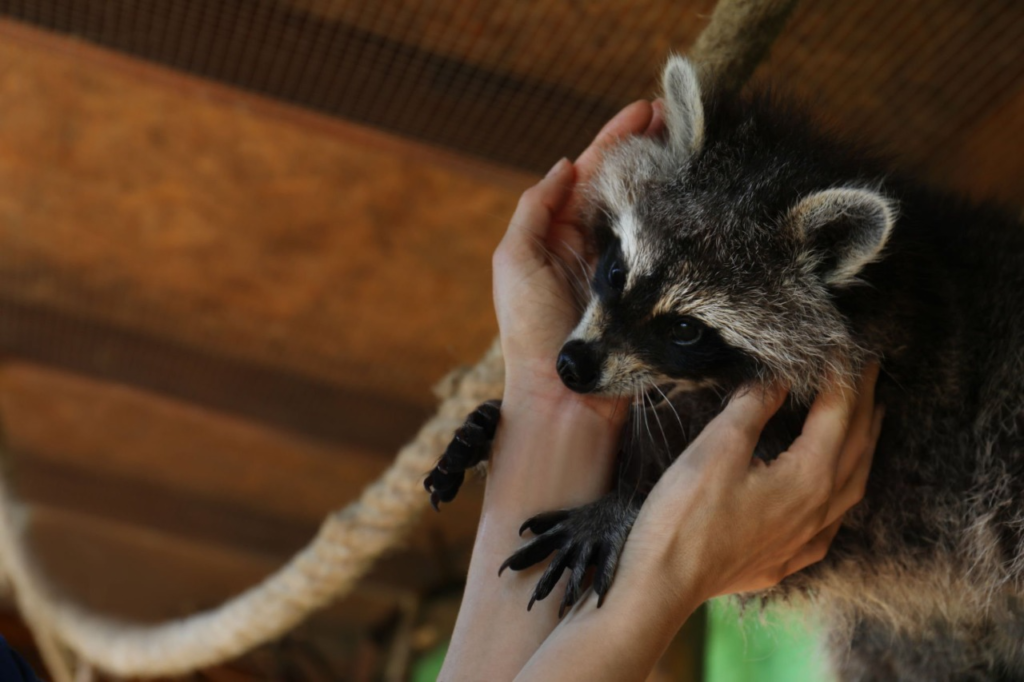
Raccoons need plenty of room to roam, climb, and play. If you’re keeping your raccoon indoors, you’ll need to child-proof your home to keep them safe. A large dog crate can serve as a temporary containment area, but they shouldn’t be confined for long periods. Outdoor enclosures should be spacious, secure, and equipped with toys, climbing structures, and plenty of shade.
2. Proper Nutrition
Raccoons are omnivores, which means their diet includes both plant and animal-based foods. A healthy raccoon diet can include:
- Poultry, fish, and eggs
- Fresh fruits and vegetables
- Commercial dog food as a dietary staple
Raccoons also enjoy dipping their food in water before eating, so provide a shallow water dish alongside their meals.
Cost of Taking Care of a Raccoon as a Pet
Caring for a pet raccoon can be expensive and time-consuming. Here’s an estimate of the potential costs:
- Initial Setup Costs:
- Cage or enclosure: $300–$1,000+ (a large, secure, raccoon-proof area is required).
- Bedding and accessories: $50–$200.
- Toys for mental stimulation: $50–$100.
- Veterinary care for initial checkups and vaccinations: $150–$500.
- Ongoing Costs:
- Food: $50–$100/month (raccoons eat a varied diet of fruits, vegetables, proteins, and specialized food).
- Veterinary care: $200–$500/year or more (raccoons need regular checkups and may require exotic animal vets, which can be pricier).
- Miscellaneous (toys, repairs, cleaning supplies): $50–$100/month.
- Unexpected Costs:
- Repairs to your home (raccoons are destructive and may damage walls, furniture, or wiring).
- Emergency veterinary care, which can cost $500–$1,000+.
Estimated Annual Cost: $1,000–$3,000+ depending on your setup and local prices.
Price for a Pet Raccoon
The cost of acquiring a pet raccoon varies:
- From breeders: $300–$700.
- From rescues: Some rescue organizations may charge a rehoming fee, typically $50–$200.
The price depends on factors such as the raccoon’s age, health, and whether it is captive-bred.
Where to Find a Raccoon as a Pet
- Breeders: In regions where it is legal, some breeders specialize in raccoons. Ensure they follow ethical breeding practices.
- Exotic Animal Rescues: Some rescue organizations rehome raccoons to approved individuals.
- Online Classifieds: Websites like Craigslist or specialized exotic animal forums may list raccoons for sale, but these sources can be unreliable.
- Exotic Animal Auctions or Pet Stores: Rare, but in some locations, these venues may sell raccoons.
Important Considerations Before Buying a Raccoon
- Legal Issues: Many states and countries have laws regulating or banning raccoon ownership. Check local and state regulations, and obtain any required permits.
- Ethical Concerns: Wild animals often face challenges adapting to domestic life, and improper care can harm both the animal and its owner.
- Veterinary Care: Exotic animal vets are not always readily available and may be costly.
- Lifespan: Raccoons live 10–15 years in captivity, requiring a long-term commitment.
3. Dedicated Time and Attention
Caring for a raccoon is a big commitment. They require significant time and effort for feeding, playtime, and training. Additionally, to keep their minds sharp and their bodies healthy, raccoons need mental stimulation. Puzzle feeders, interactive toys, and climbing challenges are essential to keeping your raccoon happy.
Cost of Taking Care of a Raccoon as a Pet
Caring for a pet raccoon can be expensive and time-consuming. Here’s an estimate of the potential costs:
- Initial Setup Costs:
- Cage or enclosure: $300–$1,000+ (a large, secure, raccoon-proof area is required).
- Bedding and accessories: $50–$200.
- Toys for mental stimulation: $50–$100.
- Veterinary care for initial checkups and vaccinations: $150–$500.
- Ongoing Costs:
- Food: $50–$100/month (raccoons eat a varied diet of fruits, vegetables, proteins, and specialized food).
- Veterinary care: $200–$500/year or more (raccoons need regular checkups and may require exotic animal vets, which can be pricier).
- Miscellaneous (toys, repairs, cleaning supplies): $50–$100/month.
- Unexpected Costs:
- Repairs to your home (raccoons are destructive and may damage walls, furniture, or wiring).
- Emergency veterinary care, which can cost $500–$1,000+.
Estimated Annual Cost: $1,000–$3,000+ depending on your setup and local prices.
Price for a Pet Raccoon
The cost of acquiring a pet raccoon varies:
- From breeders: $300–$700.
- From rescues: Some rescue organizations may charge a rehoming fee, typically $50–$200.
The price depends on factors such as the raccoon’s age, health, and whether it is captive-bred.
Where to Find a Raccoon as a Pet
- Breeders: In regions where it is legal, some breeders specialize in raccoons. Ensure they follow ethical breeding practices.
- Exotic Animal Rescues: Some rescue organizations rehome raccoons to approved individuals.
- Online Classifieds: Websites like Craigslist or specialized exotic animal forums may list raccoons for sale, but these sources can be unreliable.
- Exotic Animal Auctions or Pet Stores: Rare, but in some locations, these venues may sell raccoons.
Important Considerations Before Buying a Raccoon
- Legal Issues: Many states and countries have laws regulating or banning raccoon ownership. Check local and state regulations, and obtain any required permits.
- Ethical Concerns: Wild animals often face challenges adapting to domestic life, and improper care can harm both the animal and its owner.
- Veterinary Care: Exotic animal vets are not always readily available and may be costly.
- Lifespan: Raccoons live 10–15 years in captivity, requiring a long-term commitment.
Weighing the Pros and Cons
They require secure enclosures, as they are skilled escape artists, much like a Hedgehog as a pet, which can squeeze through small spaces if not properly contained.
Pros of Owning a Pet Raccoon:
- Highly intelligent and engaging animals
- Can be affectionate and form strong bonds
- Unique and rewarding companionship for the right owner
Cons of Owning a Pet Raccoon:
- High maintenance and significant time commitment
- Legal restrictions in many states
- Potential health and safety risks
- Difficulty finding veterinary care

Is a Raccoon the Right Pet for You?
Ultimately, raccoons are not ideal pets for most people. They require a level of care, patience, and commitment that goes far beyond what’s needed for traditional pets like dogs or cats. While owning a raccoon can be rewarding for a small group of dedicated and experienced owners, they’re not a practical choice for everyone.
If you’re captivated by the idea of a raccoon but realize they’re not the right fit for your home, consider volunteering at a wildlife rescue center. You’ll get valuable hands-on experience with these fascinating animals while contributing to their care and conservation.
More about Raccoon as a pet
Raccoons are fascinating creatures, but interacting with them as pets or in the wild requires careful consideration. Here’s a breakdown of your questions:
Can raccoons be house trained?
Raccoons can be house trained to some extent, but they are not as reliable as cats or dogs. They are highly intelligent and can learn specific behaviors, but they may still have accidents and cause damage due to their curious nature.
Can you domesticate raccoons?
Raccoons are not domesticated animals. While they can be tamed and raised in captivity, they retain their wild instincts. Domestication is a process that happens over generations through selective breeding, which raccoons have not undergone.
Are raccoons friendly to people?
Raccoons are naturally wary of humans in the wild. Tamed raccoons may become friendly with their caregivers but are often unpredictable and may bite or scratch if startled or stressed.
How can I get a raccoon as a pet?
In some places, owning a raccoon as a pet is legal with proper permits, but many jurisdictions prohibit it due to health and safety concerns. Check your local laws, and remember that keeping a raccoon requires specialized care and a secure environment.
Do raccoon bites hurt?
Yes, raccoon bites can hurt. They have sharp teeth and strong jaws designed for chewing tough food. Raccoon bites can also carry a risk of infection, including rabies.
Is it OK to touch a raccoon?
Touching a wild raccoon is not safe. They can carry diseases like rabies and leptospirosis, and they may scratch or bite if they feel threatened. Tamed raccoons may tolerate touch, but they are still unpredictable.
Do pet raccoons cuddle?
Some pet raccoons enjoy cuddling, especially when they bond with their owner. However, this behavior varies by individual and their mood. They might be affectionate one moment and distant or aggressive the next.
Are raccoons aggressive?
Raccoons can be aggressive, especially if they feel cornered, threatened, or are protecting their young. Wild raccoons may also act aggressively if they are sick or injured.
What to do if a raccoon approaches you?
If a raccoon approaches you:
- Stay calm and avoid sudden movements.
- Do not feed or try to touch it.
- Back away slowly to give it space.
- If the raccoon appears unusually friendly or aggressive, it may be sick; report it to local wildlife authorities.
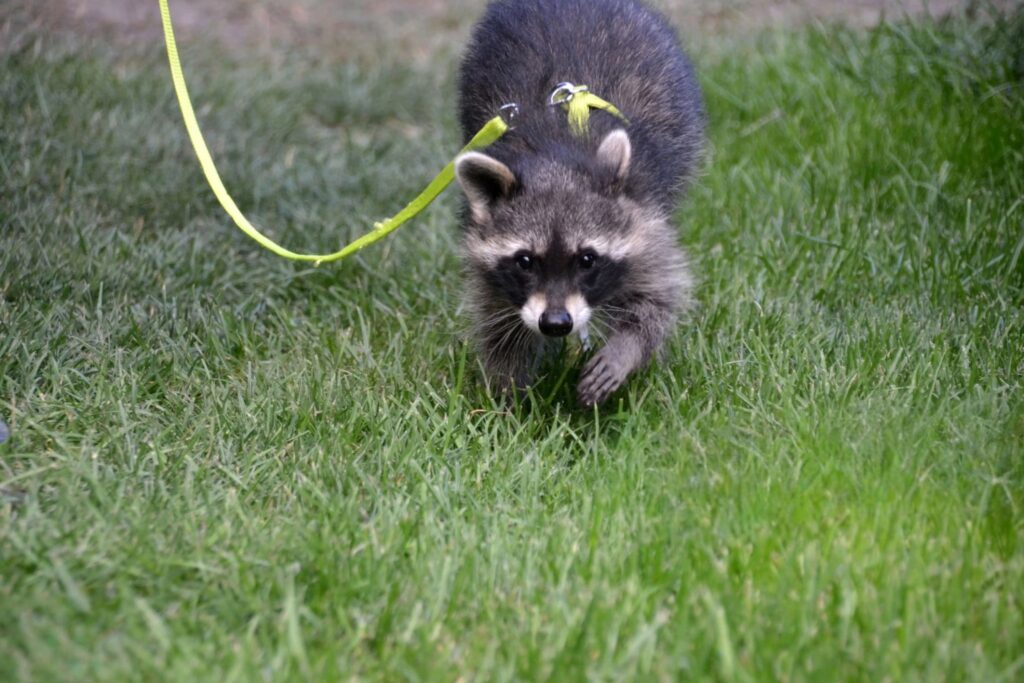
Raccoon and other Pets
Owning a raccoon means dealing with its unpredictable behavior, a trait also seen in a Kangaroo as a pet, which requires careful handling to prevent aggression.
1. With Dogs
- Potential Issues:
- Raccoons and dogs may have trouble coexisting, as dogs may see raccoons as prey or threats, especially in the case of hunting breeds.
- Raccoons can become defensive or aggressive if they feel intimidated.
- Possible Harmony:
- If introduced young, a raccoon and a calm, non-aggressive dog may learn to coexist or even bond.
- Supervision is essential to prevent injuries to either animal.
2. With Cats
- Potential Issues:
- Raccoons are curious and may bother cats by chasing or playing too roughly.
- Cats may become defensive and swipe at a raccoon, leading to conflicts.
- Possible Harmony:
- Cats and raccoons can coexist peacefully if introduced gradually and with supervision, especially if both animals are calm and the raccoon isn’t overly playful.
3. With Small Pets (Rabbits, Guinea Pigs, Birds, etc.)
- High Risk:
- Raccoons have strong predatory instincts and may view small pets as prey.
- Their curiosity can lead to injuries or stress for smaller animals, even if the raccoon isn’t intentionally aggressive.
- Precautions:
- Keep small pets in secure enclosures that raccoons cannot access.
- Avoid allowing direct interactions.
4. With Other Raccoons
- Potential Issues:
- Raccoons can be territorial, especially if they haven’t been raised together.
- Males may become aggressive, particularly during mating seasons.
- Possible Harmony:
- Raccoons raised together from a young age may bond and play well.
5. Key Considerations for Multi-Pet Households
- Supervised Introductions: Always introduce a raccoon to other pets gradually and in a controlled, supervised setting.
- Monitor Interactions: Never leave a raccoon unsupervised with other animals, as their behavior can be unpredictable.
- Raccoon Behavior: Raccoons are playful but can play roughly, which might scare or injure smaller or less tolerant pets.
- Space Needs: Ensure all pets have their own space to retreat to if they feel stressed or overwhelmed.
- Health Concerns: Raccoons can carry diseases that may affect other pets, so regular veterinary checkups are crucial.
Important Note: Wild raccoons are best left in their natural habitat, and owning a raccoon as a pet is a significant commitment that requires careful thought and preparation.


I think the admin of this web page is actually working hard in support of his website,
for the reason that here every information is quality based stuff.