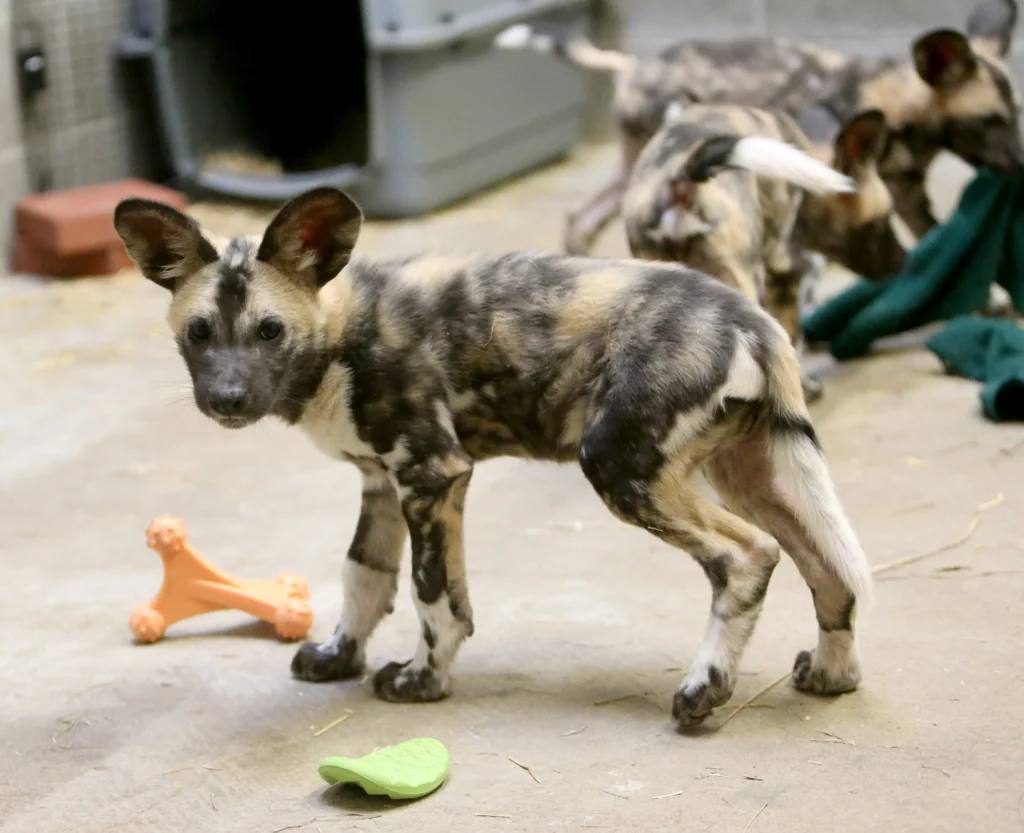
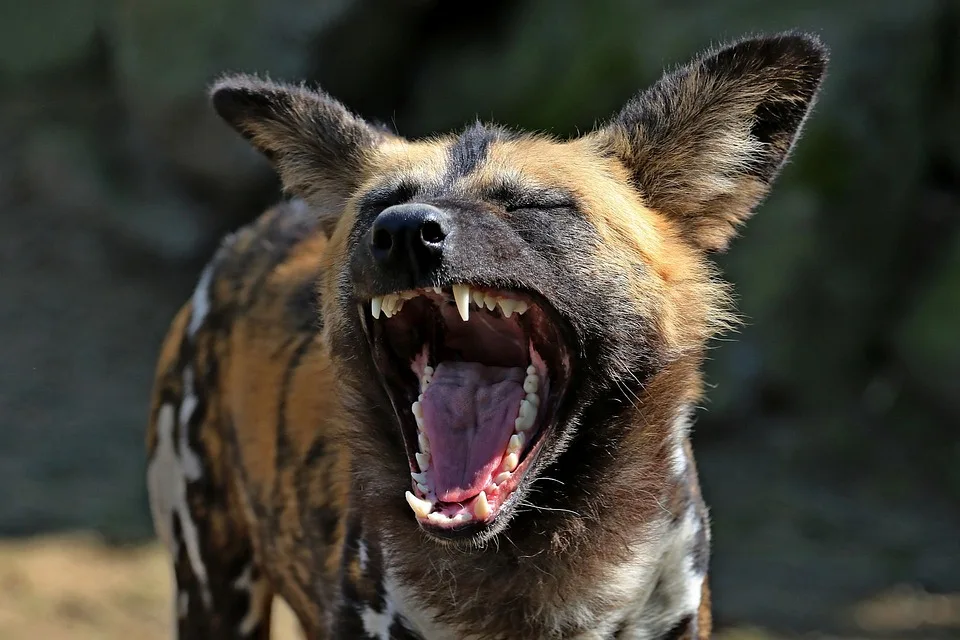
No, you cannot keep an African wild dog as a pet; they are wild, endangered animals with complex social structures and innate hunting behaviors that cannot be domesticated. They are also legally protected in many areas due to their endangered status. While some African wild dogs have been raised by humans in captivity for conservation purposes, they are not tame or domesticated and remain dangerous, with high levels of stamina and speed that make them relentless hunters
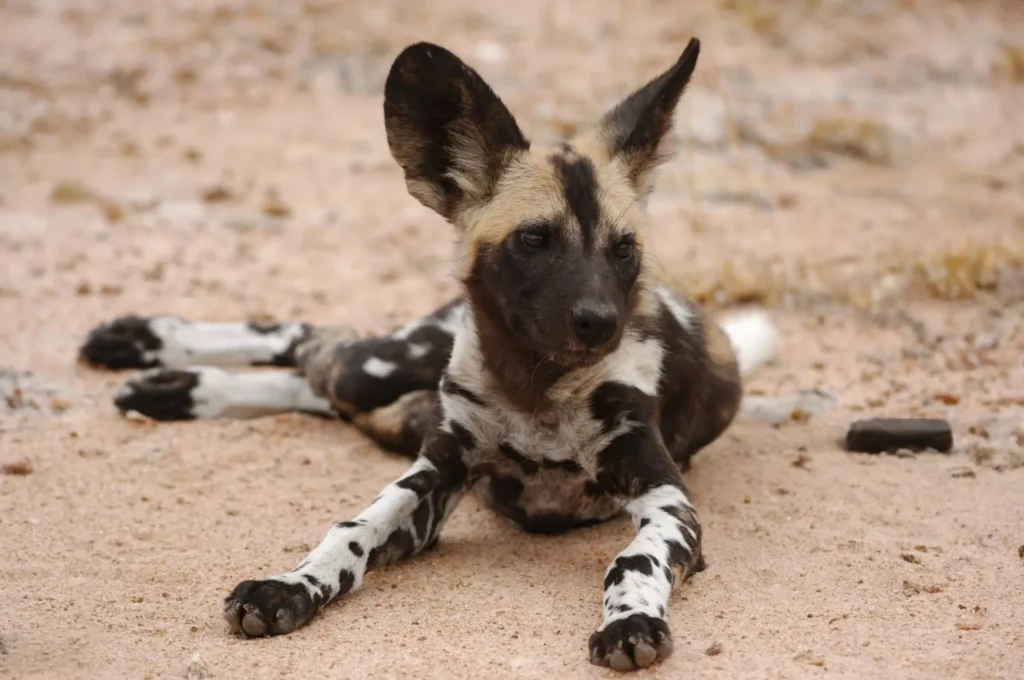
African Wild Dog
The African Wild Dog (Lycaon pictus), also known as the African Painted Dog or Spotted Dog of Africa, is a fascinating and endangered predator native to sub-Saharan Africa. With its striking patchy coat, powerful hunting abilities, and tight-knit pack dynamics, it has captured the curiosity of many animal enthusiasts. This raises a controversial question: Can the African Wild Dog be kept as a pet?
Despite the growing trend of exotic pet ownership, keeping an African Wild Dog as a pet comes with numerous challenges, from legal restrictions to ethical concerns and the difficulty of domestication. This article explores all aspects of owning an African Wild Dog, including legal considerations, care requirements, the pet trade, and why these animals are best left in the wild.
African wild dogs are endangered and unsuitable for captivity, despite their dog-like appearance. If you’re exploring unique dog breeds, see how they differ from the Labradoodle vs Goldendoodle.
Can You Own an African Wild Dog as a Pet?
The short answer is no, and for good reasons.Just like hyenas, African wild dogs have strong pack instincts and are not easy to domesticate African Wild Dogs are not domesticated animals, meaning they have not been selectively bred to live alongside humans like domestic dogs. They are also a protected species, making their ownership illegal in most countries.
Legal Status of African Wild Dogs as Pets
African Wild Dogs are classified as endangered by the International Union for Conservation of Nature (IUCN). Laws in Africa and other parts of the world prohibit the capture, sale, or private ownership of these animals. Here’s what you need to know:
- United States: It is illegal to own an African Wild Dog as a pet. Wildlife protection laws prohibit their import, trade, or private ownership.
- Australia: Strict wildlife protection laws make it illegal to own or sell African Wild Dogs.
- Europe: Most countries ban the private ownership of African Wild Dogs due to their conservation status.
- Africa: While native to Africa, it is illegal in most countries to keep them as pets due to conservation efforts.
While raccoons are sometimes allowed as pets with permits, African wild dogs are almost always illegal to own.
If you see African Wild Dogs for sale, be wary—it is likely illegal or part of the illegal wildlife trade.
The Wild Nature of African Wild Dogs
African Wild Dogs are fascinating animals, but they are wild by nature, not bred for life with humans therefore can not be domisticated. Their natural behavior and temperament make them unsuitable as pets. Here’s why:
- Pack Mentality and Social Behavior
In the wild, African Wild Dogs live in tight-knit packs with complex social hierarchies. They rely on cooperation and communication to hunt and survive. Separating them from a pack—or keeping them alone—causes extreme stress and can lead to destructive or anxious behaviors in captivity.
- Boundless Energy and Need for Space
These dogs are built to run tens of kilometers each day, chasing prey across large territories. Confined to a backyard or home, they can become restless, frustrated, or even aggressive because their natural drive to roam is blocked.
- Strong Hunting Instincts
African Wild Dogs are born hunters. Even if raised from a pup, their predatory instincts remain strong. They may see smaller animals—or even humans’ pets—as prey, making their behavior unpredictable and potentially dangerous in a domestic setting.
- Specialized Diet
In the wild, their diet is mostly fresh, raw meat, which is difficult and expensive to replicate in captivity. Improper nutrition can lead to health and behavioral problems, further highlighting why they are best suited to the wild.
Care for African Wild Dog Pets
Housing and Habitat Requirements
The African Wild Dog as a pet needs vast open spaces to roam, as they are highly active and social animals. In sanctuaries and conservation centers, they are housed in large, natural enclosures that replicate their wild habitat. These enclosures must have:
- Space and Terrain
- African Wild Dogs are highly active and roam over vast territories in the wild. They need:
- Large, open spaces to run and explore.
- Terrain with natural features like grassy areas, shrubs, and dirt patches to mimic hunting environments.
- Confined spaces, like typical backyards, are extremely stressful and unsuitable for them.
- Temperature and Humidity
- They are adapted to African savannas, which means they tolerate warm, dry climates best.
- Extreme cold or high humidity can cause stress, illness, or behavioral problems.
- In captivity, a controlled outdoor environment with shaded areas and sun exposure is ideal—but replicating this accurately is nearly impossible for a private owner.
- Diurnal rhythm
- African Wild Dogs are diurnal, active mostly during the day.
- They need natural daylight cycles for normal activity and behavior. Artificial lighting can disrupt sleep patterns and stress levels if not managed correctly.
- Toys and Enrichment
- While no toys can replace their natural hunting and social environment, enrichment can help stimulate their instincts in captive settings:
- Scent trails or scent-marked objects to mimic hunting and tracking.
- Puzzle feeders that hide meat or treats to encourage problem-solving.
- Large balls or safe chew objects for physical exercise and jaw stimulation.
- Social interaction with other dogs (ideally pack members) is essential for their mental health.
Diet & Nutrition
- Natural Diet
African Wild Dogs are obligate carnivores, meaning they thrive on a diet that is almost entirely meat-based:
- Fresh raw meat from small to medium mammals is ideal.
- Occasionally, birds or other protein sources mimic their natural prey.
- Feeding should encourage natural hunting and foraging behaviors whenever possible.
- Supplements
- In the wild, their diet naturally provides most vitamins and minerals.
- In captivity, calcium and vitamin supplements might be needed if their diet is not fully balanced.
- Any supplementation must be carefully calculated, as excessive vitamins or minerals can cause serious health problems.
- Most pet owners cannot replicate a balanced wild diet, which is one reason these animals are so hard to keep.
- Foods That Are Toxic or Unsafe
The African Wild Dog as a pet should never eat foods designed for humans or domestic pets. Commonly toxic items include:
- Chocolate, onions, garlic, and grapes – all toxic to canines.
- Cooked bones – can splinter and cause internal injuries.
- Dairy products – many wild canids are lactose intolerant.
- Processed foods – high salt, sugar, or preservatives can cause illness.
- Feeding Considerations
- Meals should mimic hunting and scavenging, not just be left in a bowl.
- Improper feeding can lead to nutritional deficiencies, obesity, or behavioral issues.
Lifespan
African Wild Dogs typically live around 10 to 12 years in the wild, though many face challenges such as predation, disease, and scarcity of food that can shorten their lives. In captivity, with proper nutrition, veterinary care, and attention to their social needs, the African wild dog as a pet may live slightly longer—sometimes up to 14 years. However, even in captivity, their lifespan is closely tied to their environment and social structure, and lack of space, stimulation, or companionship can lead to stress, health issues, and a reduced life expectancy.
Health & Veterinary Care
The African wild dog as a pet requires specialized veterinary care from professionals experienced in exotic wildlife. Regular health monitoring includes:
- Vaccinations for rabies, distemper, and other canine diseases
- Parasite control to prevent fleas, ticks, and intestinal worms
- Routine check-ups to monitor for injuries or infections
- Emergency care access, as wild dogs are prone to injuries from social interactions
Common Health Problems in African Wild Dog as a Pet
African Wild Dogs are generally hardy in the wild, but in captivity they can develop several health issues due to stress, limited space, or improper diet. Common problems include nutritional deficiencies, obesity from lack of exercise, and dental issues such as broken or worn teeth. They are also susceptible to infectious diseases like canine distemper and parvovirus, especially if exposed to domestic dogs or inadequately vaccinated. Even with careful care, replicating their natural diet and environment is extremely challenging, making these animals prone to health complications in captivity.
Signs of Disease in African Wild Dogs as a Pet
Because African Wild Dog as a pet is a wild animal, they often hide signs of illness. Early detection is crucial. Key signs to watch for include lethargy, loss of appetite, weight loss, vomiting, diarrhea, coughing, sneezing, changes in coat condition, or unusual aggression and anxiety. Behavioral changes, such as withdrawal or restlessness, can also indicate stress or underlying health problems. Prompt veterinary attention is essential, though managing their health fully outside their natural habitat is very difficult.
Social Needs & Behavior
African Wild Dogs are highly social and thrive in packs. Captivity settings must respect their natural behaviors by ensuring:
- They live in family groups of at least 6 individuals
- Social interactions to maintain pack hierarchy
- Limited human contact to avoid stress and unnatural behaviors
- Space for hunting simulations to encourage teamwork
For a comparison with domestic wolf-dog hybrids, check Akita Wolf Dog behavior and care.
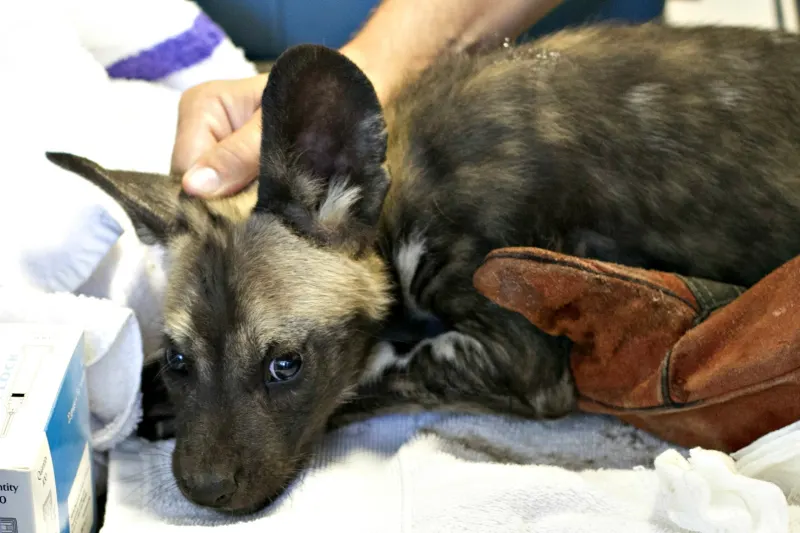
African Wild Dogs as a Pet: Price, Availability, and Considerations
African Wild Dog Pet Price
African Wild Dogs, also known as Painted Dogs or African Hunting Dogs, are not legally sold as pets due to their status as an endangered species. However, if they were available for sale, the cost would likely be extremely high, ranging anywhere from $5,000 to $15,000 or more per dog, considering their rarity, care requirements, and the legal complexities surrounding their ownership.
African Wild Dog Puppy Price
Since African Wild Dog puppies are not bred for commercial sale, their price is not officially listed. However, in black-market wildlife trade (which is illegal and highly discouraged), some exotic wild animals have been reported to sell for tens of thousands of dollars.
Caring for an African Wild Dog puppy is exceptionally difficult, as they require specialized diets, large enclosures, and social structures that mimic their natural pack dynamics.
African Wild Dogs for Sale
Legally, African Wild Dogs are not available for sale anywhere in the world. They are classified as an endangered species, protected under the Convention on International Trade in Endangered Species (CITES) and various national laws. Most countries strictly prohibit the capture, trade, or private ownership of African Wild Dogs. If you come across a seller offering them, it is almost certainly illegal and unethical.
Why You Can’t Buy an African Wild Dog
- Legal Restrictions – Owning an African Wild Dog as a pet is illegal in most parts of the world.
- Endangered Status – Their populations are declining, and they need conservation efforts rather than private ownership.
- Social and Behavioral Needs – These animals thrive in packs and cannot live alone.
- Ethical Concerns – Removing them from the wild disrupts ecosystems and conservation efforts.
Alternatives to Owning an African Wild Dog
- Support Conservation Efforts – Donate to wildlife organizations that protect African Wild Dogs.
- Visit Wildlife Sanctuaries – Experience these animals in their natural environment or in conservation-focused zoos.
- Adopt a Domestic Dog Breed – If you’re looking for a dog with a unique coat, breeds like the Catahoula Leopard Dog or Australian Cattle Dog share some visual similarities with African Wild Dogs.
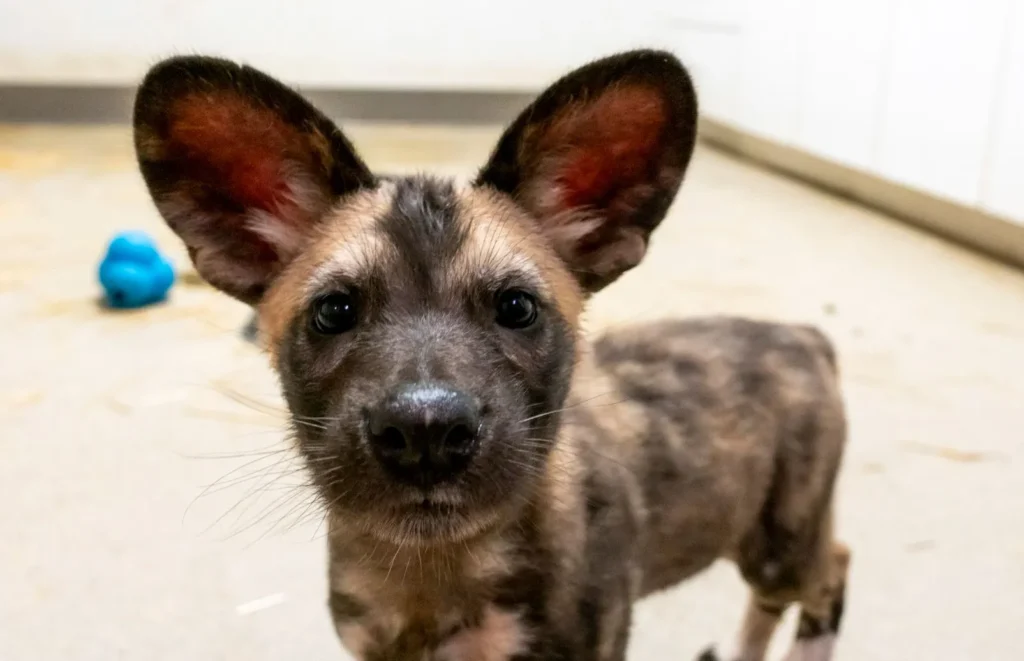
Challenges of Owning an African Wild Dog
Even if ownership were legal, keeping an African Wild Dog as a pet would be extremely challenging. Here are the key factors to consider:
1. African Wild Dog Cost
- African Wild Dog for sale listings are usually illegal or scams.
- Caring for an African Wild Dog would cost thousands of dollars per year, including food, enclosures, and vet care.
2. Space and Enclosure Requirements
- A secure, large outdoor enclosure (several acres) would be needed to meet their activity levels.
- They can jump fences and chew through barriers, making containment difficult.
3. Social Needs
- African Wild Dogs live in packs, meaning keeping a single one would cause stress and loneliness.
4. Veterinary Care
- Most vets lack experience with exotic predators.
- Specialized medical care is rare and expensive.
Their high energy and wild instincts require space and stimulation. For more domestic energy, consider fun options like Best Class Pets.
Pros of Owning an African Wild Dog as a Pet
Keeping an African Wild Dog as a Pet comes with very few advantages, but there are some aspects that may appeal to highly experienced exotic animal enthusiasts. African Wild Dogs as a Pet are intelligent, social, and fascinating to observe, displaying complex pack behaviors and interactions that are rarely seen in domestic dogs. For those with specialized facilities, African Wild Dogs as a Pet can provide opportunities to study wild canid behavior, hunting strategies, and social dynamics up close. They can form strong bonds within their pack, which may be rewarding for caretakers who can meet their social and environmental needs. However, it’s important to stress that these pros only apply in professional or conservation-focused settings—African Wild Dogs as a Pet are not suitable for typical home ownership.
Can African Wild Dogs Be Tamed?
Taming and domestication are two different things:
- Taming: Training an individual animal to tolerate human presence.
- Domestication: Selective breeding over generations to create a human-compatible species.
While some wild dogs in South Africa have been raised in captivity, they remain unpredictable and cannot be tamed like domestic dogs.
FAQs: People Also Ask
Can You Have an African Wild Dog as a Pet?
No. They are protected by law, difficult to care for, and unsuitable as pets.
Are African Wild Dogs Aggressive?
They are not aggressive towards humans unless threatened, but their strong prey drive makes them unpredictable.
Are African Wild Dogs Loyal?
They are loyal to their pack, not humans. Unlike domestic dogs, they do not form bonds with humans in the same way.
Can African Wild Dogs and Domestic Dogs Breed?
No. African Wild Dogs and domestic dogs cannot interbreed due to genetic differences.
Are Wild Dogs Friendly to Humans?
They are curious but not domesticated and should not be approached in the wild.
Do African Wild Dogs Bark?
No. Instead of barking, they use high-pitched twittering sounds and vocalizations to communicate with their pack.
Conclusion: Should You Own an African Wild Dog as a Pet?
No. African Wild Dogs should never be kept as pets. They are wild, endangered, and legally protected. Instead of trying to own one, consider supporting conservation efforts to protect them in their natural habitat.
If you love African Wild Dogs, you can:
- Donate to wildlife conservation organizations
- Visit African reserves and sanctuaries
- Raise awareness about their endangered status
By keeping these animals in the wild, we preserve their natural behaviors and ensure future generations can admire these incredible creatures in their rightful home.

Thanks for finally talking about > African Wild Dog as a Pet: Laws, Care,
and Challenges – Animal Sound < Loved it!
I think that everything posted was actually very reasonable.
But, consider this, what if you typed a catchier title?
I mean, I don’t wish to tell you how to run your website, but what if you added
something that makes people desire more? I mean African Wild Dog as a Pet: Laws, Care, and Challenges – Animal Sound is kinda vanilla.
You should peek at Yahoo’s front page and note how they create article titles to
grab people to click. You might add a related video or a pic or two to get people excited about what you’ve got
to say. In my opinion, it might bring your website a little
livelier.