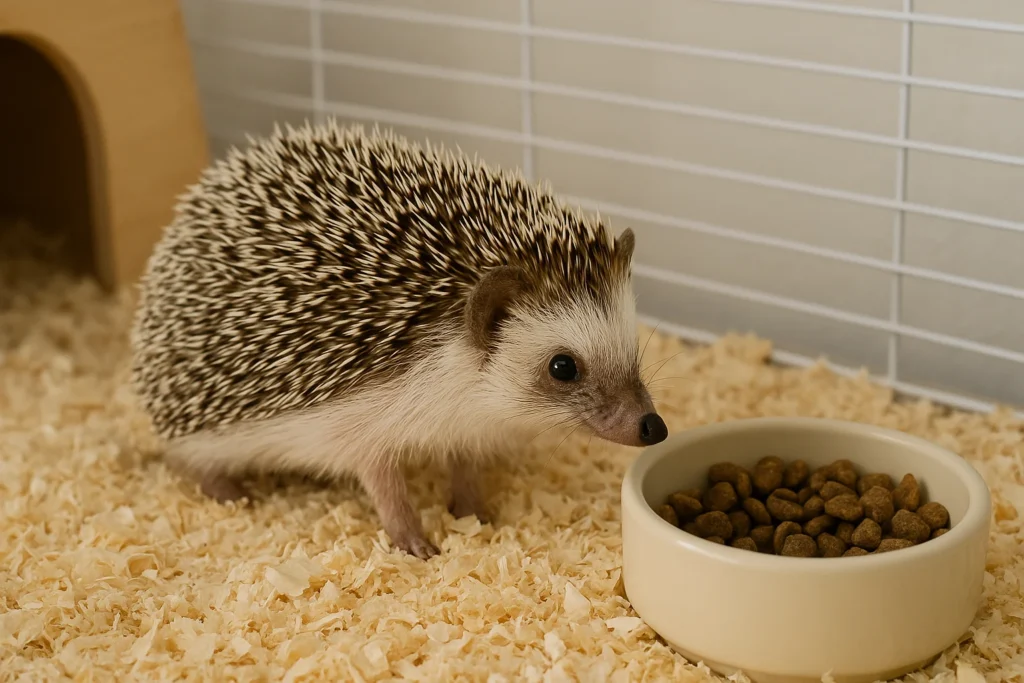
Your pet hedgehog may not be eating because of stress, illness, dental problems, digestive issues, or changes in environment or diet. Newly adopted hedgehogs often skip meals while adjusting, but if it refuses food for more than 24–48 hours, becomes lethargic, or shows other symptoms, it could indicate a serious health problem and you should contact a veterinarian immediately.
Stress and Habitat Changes
Hedgehogs are very sensitive to their surroundings. Stress from a new home, new cage, or changes in routine can cause a hedgehog to skip meals or eat less. For instance, it’s not uncommon for a newly adopted hedgehog to skip its first meal or two while it adjusts. Loud noises, bright lights, or excessive handling can also stress a hedgehog and reduce its appetite. Keep your hedgehog’s environment calm and consistent: minimize sudden changes and provide a quiet, dim space with hiding spots.

- Maintain a calm habitat. Keep the cage in a quiet area, away from loud noises and pets.
- Keep routine stable. Introduce any new items (toys, wheels, bedding) slowly so your hedgehog can adjust.
- Minimize handling. Give your hedgehog time to feel secure; avoid too much handling or travel right after bringing it home.
Sometimes appetite differs by sex — see male vs female hedgehog to gain more knowledge.
Diet and Water Changes
Hedgehogs can be picky about food and water. Sudden diet changes often make them refuse to eat. Always introduce new foods gradually by mixing a small amount into the old diet over several days. Also check their water source: many hedgehogs refuse unfamiliar water (such as mineral or well water). Offer filtered or bottled water to see if it helps, and provide water both in a hanging bottle and a shallow dish, since bottles can get clogged. Remember, most dehydrated animals will not eat, so it’s crucial to ensure constant access to clean water. If your hedgehog seems reluctant to drink, try adding a bit of low-sodium chicken broth or Pedialyte (half mixed with water) to encourage hydration.
- Keep diet consistent. Feed the same quality hedgehog or insectivore food; introduce any new food slowly.
- Use both water bottle and bowl. Check that the bottle isn’t clogged and that the hedgehog drinks from both.
- Offer palatable water. If it won’t drink, try filtered or bottled water or flavoring lightly with broth/Pedialyte.
- Monitor dehydration. Watch for symptoms like dry gums or lethargy – dehydration will shut down appetite.
Temperature and Hibernation
Unlike wild hedgehogs, pet African pygmy hedgehogs don’t truly hibernate, but they will go into a torpor if they get too cold. If the cage temperature drops (below about 75°F/24°C), a hedgehog may become lethargic, curl into a ball, and stop eating. Experts recommend keeping the enclosure warm – around 75–85°F (24–29°C) – to prevent this. A cool-feeling hedgehog that won’t eat may simply be trying to “hibernate.” Warm it gradually (using a low-heat pad or warm towels) and keep the room properly heated. Avoid heat rocks or hot lamps that can burn it. Proper warmth helps maintain normal feeding.
- Maintain ideal warmth. Use a thermostat or reliable heat source to keep the cage around 75–85°F.
- Provide safe heat. Place a heating pad under part of the cage (low setting) or add extra fleece bedding. Check the temperature with a thermometer.
- Watch for torpor signs. If the hedgehog is curled tight, very still, or feels cool, gently warm it under supervision (no direct heating).
Health and Dental Issues
A lack of appetite is often the first sign of illness in hedgehogs as a pet. Many health problems—such as infections, respiratory disease, parasites, or even cancer—can cause weight loss and reduced appetite. Hedgehogs are also prone to dental disease: tartar buildup, gum infection, or oral tumors can make eating painful. Signs of dental problems include refusing food, bad breath, or traces of blood near the mouth. Oral blockages are another concern—hard treats or large pieces of food (like whole peanuts or oversized kibble) can get stuck in the mouth or throat, causing sudden refusal to eat.
Gently check your pet hedgehog’s mouth (after it’s warm and alert) for swelling, ulcers, or debris. If you notice anything abnormal or see other illness signs—such as nasal discharge, wheezing, or green runny stool—contact a veterinarian promptly.
- Monitor for illness signs. Watch for sneezing, eye or nose discharge, and weight loss, which often accompany appetite changes.
- Check the mouth. Dental disease is common; drooling or pawing at the face may indicate a sore tooth or something lodged in the mouth.
- Avoid hard foods. Do not give large nuts or bones, as they can break teeth or become stuck.
- Consider spaying. Female hedgehogs over about 2 years old frequently develop uterine tumors, which can lead to weight loss and reduced appetite.
Digestion and Hydration Issues
Digestive problems can also stop a hedgehog from eating. Constipation or impaction (when the gut is blocked) is common if hedgehogs ingest bedding, bedding fibers, or too many insect shells. If your hedgehog hasn’t pooped in a day, or has very small, dry droppings, try giving it a warm shallow bath (3–5 minutes) — this gentle “swim” can stimulate bowel movements. Offering a bit of canned pure pumpkin (plain) or a drop of probiotic yogurt can help soften stool.
However, any hedgehog not eating or drinking at all for over 24–48 hours is in danger. Dehydration worsens impaction and will cause a hedgehog to refuse food. If there is no improvement or your pet becomes very weak, go to the vet immediately, as severe blockages require medical treatment.
- Try a warm bath. Soaking the hedgehog in 2–3 inches of warm water can often relieve mild constipation.
- Dietary aid. Feed a teaspoon of plain pumpkin or a dab of yogurt to encourage soft stools.
- Hydrate it. Offer wet foods (like diluted broth or fruit juice) on a spoon. Remember: most dehydrated hedgehogs will not eat.
- Vet if stuck. If no stool passes in 1–2 days, or the hedgehog won’t eat or drink at all, see a veterinarian for fluids and an examination.

Encouraging Eating
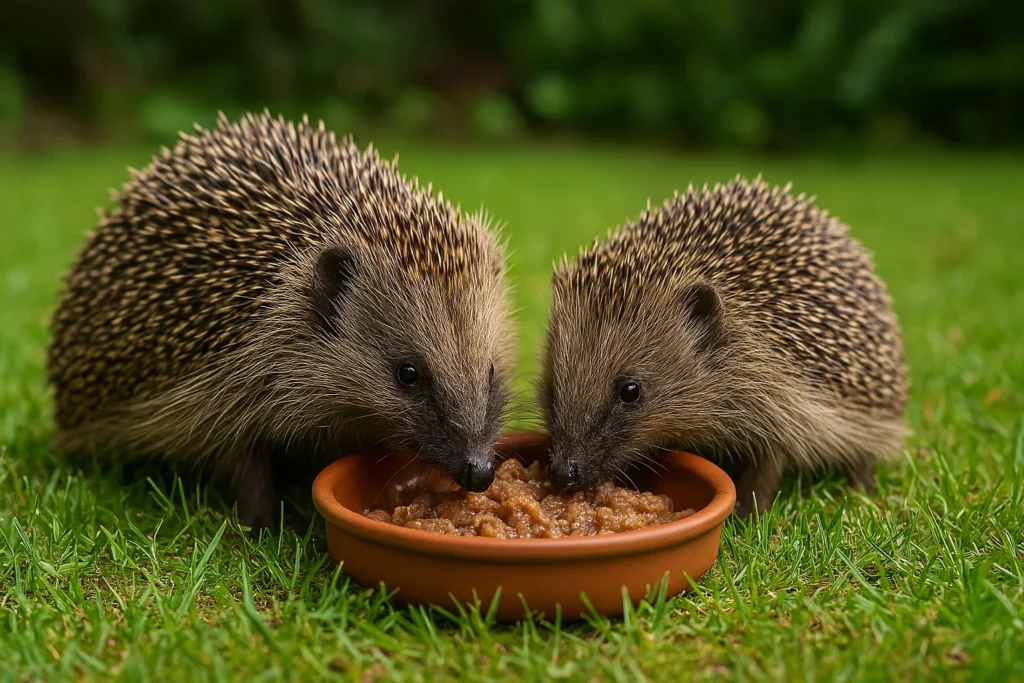
If your hedgehog is off food, entice it with favorite and easy-to-eat foods. Warm, soft foods are often more appealing: try unsalted chicken baby food (meat flavors), cooked chicken or turkey pieces, or a bit of canned cat food. Hedgehog experts recommend offering a variety of tastes and textures, as sick hedgehogs can be picky. Live insects (such as mealworms or crickets) can trigger the hunting instinct and prompt eating. You can also hand-feed or syringe-feed a high-calorie diet if needed. Place food on the floor of the cage (not only in bowls) so it’s easy to find during their active night hours. Always keep fresh water available nearby. Continue offering food frequently — hedgehogs that stop eating even for one day should be encouraged consistently until their appetite returns.
- Offer special treats. Try plain boiled chicken, egg, or fish; small amounts of fruits or veggies (like banana or cooked pumpkin); and high-protein insects.
- Hand/syringe feeding. If it still refuses, mix a bit of hedgehog or feline kibble with warm water to make a soft gruel and feed gently with a syringe (no needle).
- Keep it warm and calm. Remove the exercise wheel temporarily and keep lights off during feeding time to minimize stress.
- Monitor food intake. Weigh your hedgehog daily. If it loses more than a few grams or continues refusing food, consult your veterinarian.
When to See a Vet
Because pet hedgehogs can hide signs of illness, any prolonged loss of appetite is serious. You should not wait more than 24–48 hours without taking action. Veterinary guidance indicates that if symptoms such as inappetence or lethargy last more than a couple of days, or if you notice severe signs like significant weight loss or weakness, you should contact a veterinarian immediately. Be sure to describe any other changes you’ve observed in your pet hedgehog — including stool consistency, energy level, or breathing.
At the clinic, the vet can check for infections, organ problems, or blockages. They may administer subcutaneous fluids (under the skin) to rehydrate your hedgehog and may use appetite stimulants. One commonly used medication, Metoclopramide (Reglan), can help improve gut movement and stimulate appetite in anorexic hedgehogs. Early intervention greatly improves the chances of recovery.
- Do not wait. Even if your pet hedgehog seems only slightly off, if it won’t eat or drink overnight, call your vet the next day.
- Provide all details. Tell the vet how long your hedgehog hasn’t eaten and mention any other symptoms, such as weight loss, lack of stool, or breathing issues.
- Follow professional advice. The vet may force-feed, give fluids, or guide you on a feeding schedule and appropriate diet adjustments.
If symptoms worsen, review the hedgehog dying signs article to know when to seek urgent help
Read More : Hedgehog For Sale: Hedgehog Breeder
FAQs
Q: How long can a hedgehog go without eating?
A: Hedgehogs have fast metabolisms and normally eat nightly. It’s not normal for them to skip more than a day. If a hedgehog stops eating and drinking for 24–48 hours, it is in danger. Contact a vet immediately if there’s no improvement, as hedgehogs weaken quickly.
Q: What should I do if my hedgehog isn’t eating or drinking?
A: First, check its environment and health. Make sure the cage is warm (75–85°F) and quiet. Offer tempting foods (chicken baby food, diluted broth, favorite treats) to encourage eating. Give both a water bottle and a bowl; try offering a bit of Pedialyte or broth to coax drinking. Remove distractions like the exercise wheel and keep lights off. If it still won’t eat or drink after a day, seek veterinary care immediately.
Q: My hedgehog is not eating or pooping – what does that mean?
A: This combination often means constipation or an intestinal blockage. Causes can include eating too much bedding or insect shells. Try giving it a warm shallow bath and a small spoonful of plain canned pumpkin to stimulate its bowels. If it hasn’t pooped in over 24 hours, seems distended, or remains off food and water, take it to the vet. Blockages can be life-threatening.
Q: Could my hedgehog be trying to hibernate?
A: Pet African hedgehogs will attempt torpor (a hibernation-like state) if they get too cold. In this state they stop eating and become very lethargic. This is dangerous for pet hedgehogs. To prevent it, keep the room warm (above 75°F) and use heating pads or warm bedding. If you suspect torpor, gently warm the hedgehog and see if it becomes active enough to move and eat.
Q: What foods can help tempt a sick hedgehog to eat?
A: Soft, high-protein foods work best. Try unsalted meat baby food, cooked chicken or turkey (finely shredded), boiled egg, or low-sodium canned fish. Wet cat or dog food is often accepted. Offering live insects (mealworms or crickets) can also stimulate appetite. Always avoid onions, garlic, and unapproved seasonings. Once your hedgehog starts eating again, gradually transition back to its regular diet.
Author: Dr. Jane Peterson, DVM – Exotic Pet Veterinarian with 12+ years of experience treating pet hedgehogs.
Reviewed by: Dr. Rick Axelson, DVM – Co-author of the VCA Animal Hospitals hedgehog care guide and specialist in small mammal health.
What People on Reddit Are Saying About Pet Hedgehogs Refusing Food
- u/UnknownUser
- Their 2.5-year-old hedgehog stopped eating dry food for several nights. They started offering wet cat food and mealworms, and eventually the hedgehog ate off their finger.
- Commenters noted that loss of appetite could be due to dental pain, so switching to very soft foods helped.
- u/plane_pie_7689
- A newly adopted hedgehog wasn’t eating at first. They suggested keeping the environment calm and offering treats like worms.
- Food placement mattered: putting food on the floor of the cage helped the hedgehog start eating again.
- u/Redditor writing about “Bagel”
- Their hedgehog, named Bagel, became very weak and barely ate. The user was concerned because the hedgehog had lost weight and seemed lethargic.
- They shared that a recent vet visit for mites didn’t resolve the issue, highlighting that loss of appetite can indicate serious illness.
- u/_
- Their hedgehog went on a “hunger strike” for 5 days after adoption. They used protein-rich treats like worms and high-calorie cat food to encourage eating.
- Gradually, the hedgehog resumed eating and regained appetite.
- u/AnotherRedditor
- A 6-month-old hedgehog stopped eating kibble but would eat mealworms and wet cat food.
- They found that wetting the kibble or mixing in protein-rich treats encouraged eating.
- Temperature and lighting affected appetite; removing a red-light heat lamp helped the hedgehog eat again.
Common Takeaways from Reddit Owners
- Stress/Adjustment: New environments can cause a temporary loss of appetite.
- Soft or Wet Foods Work Best: Baby food, wet cat food, mealworms, or cooked meat often entice eating.
- Health Issues Matter: Dental problems or illness can prevent eating.
- Environment: Temperature, lighting, and cage placement affect appetite.
- Vet Intervention: If a pet hedgehog stops eating for more than 24–48 hours or becomes weak, see a veterinarian immediately.
Final Thoughts
A hedgehog not eating is not something to ignore, but it’s often solvable with care, patience, and proper attention to their environment and health needs. Always monitor their behavior closely, keep their living conditions optimal, and consult a veterinarian if necessary. With love and care, your hedgehog can regain its appetite and thrive again.
For those considering adding a hedgehog to their family, our guide on “The real Hedgehog Cost” outlines all the expenses involved.