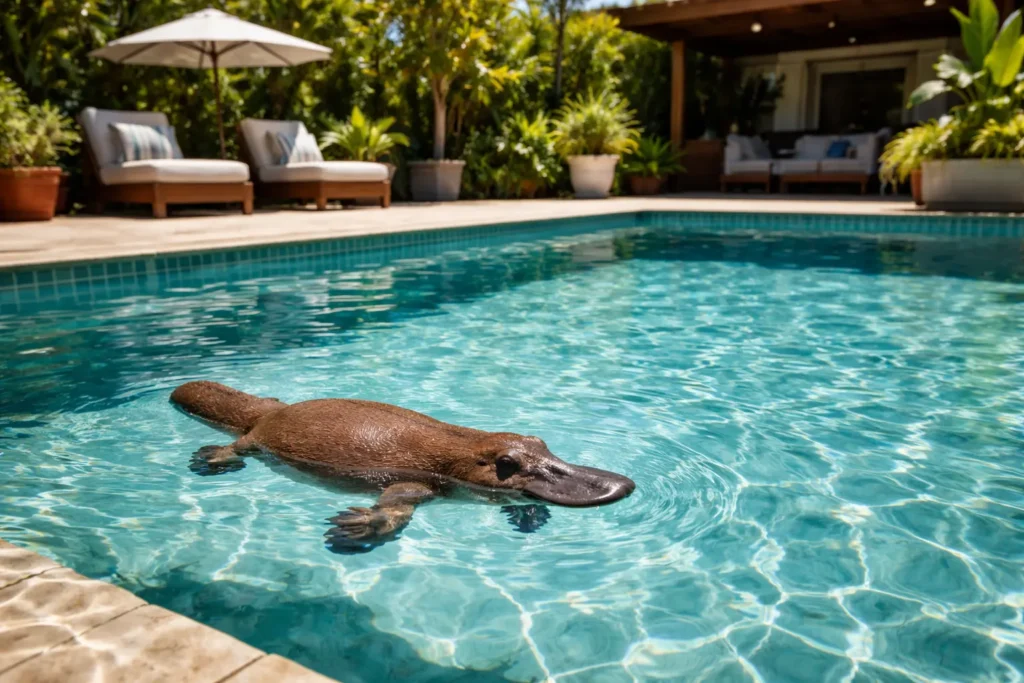
You might be thinking, “Can I really keep a platypus as a pet?” Let’s get that answered up front: no it’s basically out of the question. Platypuses are wild Australian mammals, and governments treat them as protected wildlife. In fact, it’s illegal to own one anywhere in the world. Even zoos have a heck of a time keeping them alive. So unless you’re planning to build a mini-river in your backyard and fund it out of your own pocket, this isn’t happening. Besides, just hypothetically, if platypuses were for sale (spoiler: they’re not), an adult might cost on the order of $50,000 to $300,000 – and a baby one could top half a million dollars. That’s not counting the even larger annual bills for upkeep.
What Does a Platypus Need to Survive
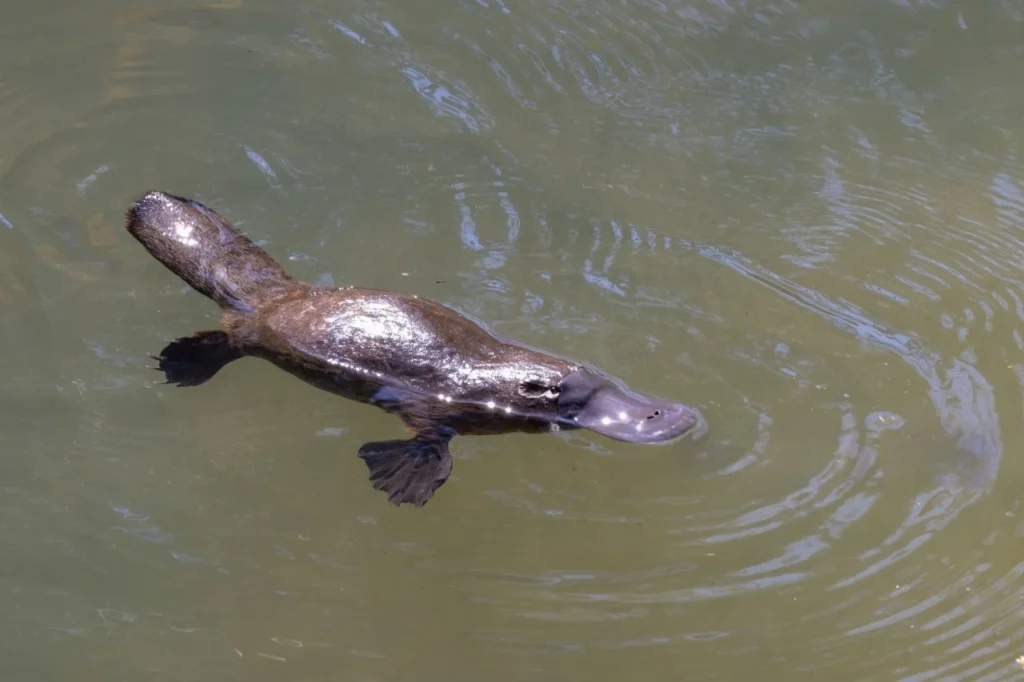
In the wild, platypuses are found only in eastern Australia – in rivers, streams and wetlands from tropical Queensland all the way down to Tasmania. They’re shy, semi-aquatic creatures that live alone and only come out at night. Think of them as elusive river otters mixed with ducks. By day they snooze in long burrows dug into stream banks; by night they paddle and dig on river bottoms for hours on end. Each one ranges over acres of waterways – on the order of 90–170 acres in the wild. They need lots of clean, fresh water and plenty of hiding spots like logs and rocks. In other words, their “habitat” requirements are extreme. To give them the run of their territory would mean replicating a big river ecosystem in your yard – something very few people can build or afford.
- Large territory: A wild platypus may cover 90–170 acres each night.
- Pristine water: They need unpolluted, flowing freshwater – no chlorinated or stagnant pools.
- Burrows & hiding spots: They sleep in tunnels by riverbanks and hide among logs and rocks.
- Platpuses Diet supply: Plenty of invertebrates and small aquatic critters in the water.
Platypus Care
Even if you somehow built a perfect mini-river, keeping the water just right is a full-time job. In nature, platypuses feast on the riverbed – worms, insect larvae, small snails, shrimps and the like. They literally eat 20–50% of their body weight daily, all live food. In captivity they won’t touch anything canned or processed – no fish flakes or pellets. Zoos have to stock live insects and crustaceans constantly to keep them alive. Healesville Sanctuary in Australia estimates it spends about $13,000 per year per platypus just on their food and basic care. It’s not exactly the low-maintenance goldfish diet most pet owners know.
Keeping them fed is only part of the challenge. Platypuses also have unusual habits. They hunt with their eyes and ears shut, sensing prey with their bill. (In case you were wondering, yes – a platypus literally electroreceptors everything at the bottom of the river). They carry food in special cheek pouches, and shockingly, they have no stomach. They grind food against tough plates in their bill and rely on a long intestine to absorb nutrients. Any small change in their diet or routine can make them sick. In fact, many captive platypuses refuse to eat or even become listless and ill.
Zoo Tales: Platypuses in Captivity
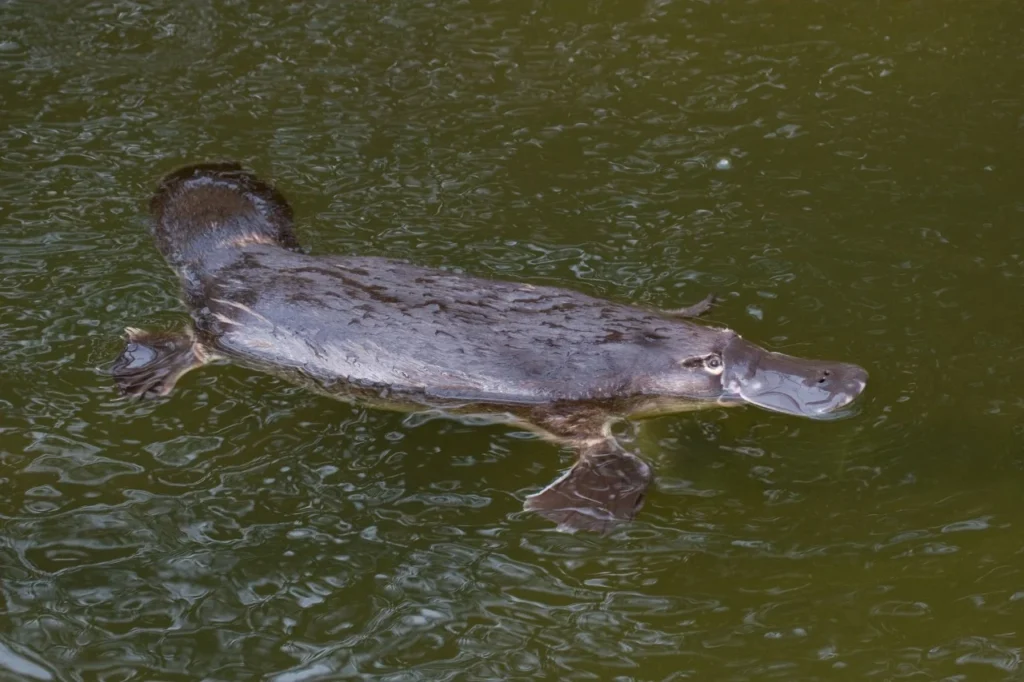
So if they’re so high-maintenance, maybe just let the professionals handle it… right? Even zoos struggle with platypuses. Very few institutions worldwide have ever successfully kept and bred them. Up until 2019, no zoo outside Australia had living platypuses in over 50 years. (The Bronx Zoo’s last ones in the 1950s didn’t survive long.) In late 2019, the San Diego Zoo Safari Park did make headlines by receiving two from Australia – an 8-year-old male named Birrarung and a 15-year-old female named Eve. Today they are still the only platypuses outside Australia. Even Americans and Brits have to travel to California to catch a glimpse. (Sorry, London Zoo fans – they’ve got none.)
These “ambassadors” in zoos live in highly specialized enclosures: multi-pool river setups with filtration, seasonal light and temperature cycles, even eucalyptus branches in the water. San Diego staff had to train for months in Australia just to learn how to handle them. And successes are rare: very few babies have ever been born in captivity. If seasoned zookeepers can barely manage one or two at a time, it tells you how unfit they are for typical pet life.
In short, “platypus in a zoo” is about as rare as a fish on a bicycle. Only a handful of facilities worldwide keep them, and each animal requires a team of experts. The challenges are constant: even a tiny mistake in water quality or diet can be fatal. Many captive platypuses have died from gastrointestinal issues or stress. Zookeepers even note that these animals tend to “hibernate” or hide most of the time because the tank life is so hard on them. With the Platypus Endangered status becoming a growing concern among conservationists, every loss whether in the wild or in captivity brings this extraordinary species closer to the brink. The bottom line: if the zoo folks say no, you definitely shouldn’t try it at home.
Read More : Platypus Venom: What It Does, How Dangerous It Is!
Diet and Daily Grind
Okay, let’s talk food. A platypus can eat up to half its weight every single day. Their menu is strictly an “underwater bug buffet”: think crayfish, shrimp, freshwater insect larvae, worms, and the occasional small fish or mussel. Never ever processed food. They forage by scooping up bottom-dwelling prey, shutting eyes and nostrils, and relying on the electric signals in the water.
To keep one alive, you’d need a living larder. Zookeepers prepare trays of mealworms, ghost shrimp, crayfish and the like, ensuring it’s all alive. In fact, a Sydney zoo reported spending tens of thousands of dollars on invertebrate diets each year. For a backyard enthusiast, collecting and culturing that much live food would quickly become a full-time, $10K+ hobby. No dry kibble or tuna can substitute. This picky diet is another reason our best odds at seeing a platypus are on a screen, not in a pet bowl.
Danger: The Venomous Male
Are Platypuses Dangerous to Humans? Here’s something no one tells you about cuddly platypuses: the males are venomous. Yes, male platypuses sport a sharp spur on each hind leg, connected to venom glands. They use it in fights over mates (those wrestling males literally lock legs and sting each other). Humans aren’t their intended target, but if a grumpy male hooks you, it’s excruciating. The venom isn’t lethal to us, but it can cause swelling and agonizing pain lasting days or months. Imagine being stung in the leg and not being able to use it for a week. Not exactly ideal pet behavior. So unless you want your new friend to occasionally try to poison you (which, to be fair, most toddlers do too – but this is on another level), keep your distance.
Needless to say, handling even a docile-seeming platypus is risky. Adult males in particular should be treated like wild porcupines with attitude. Playful? Nope. They are not lap animals, and your local insurance probably doesn’t cover “crazy platypus attack.”
The Price Tag: Astronomical Costs
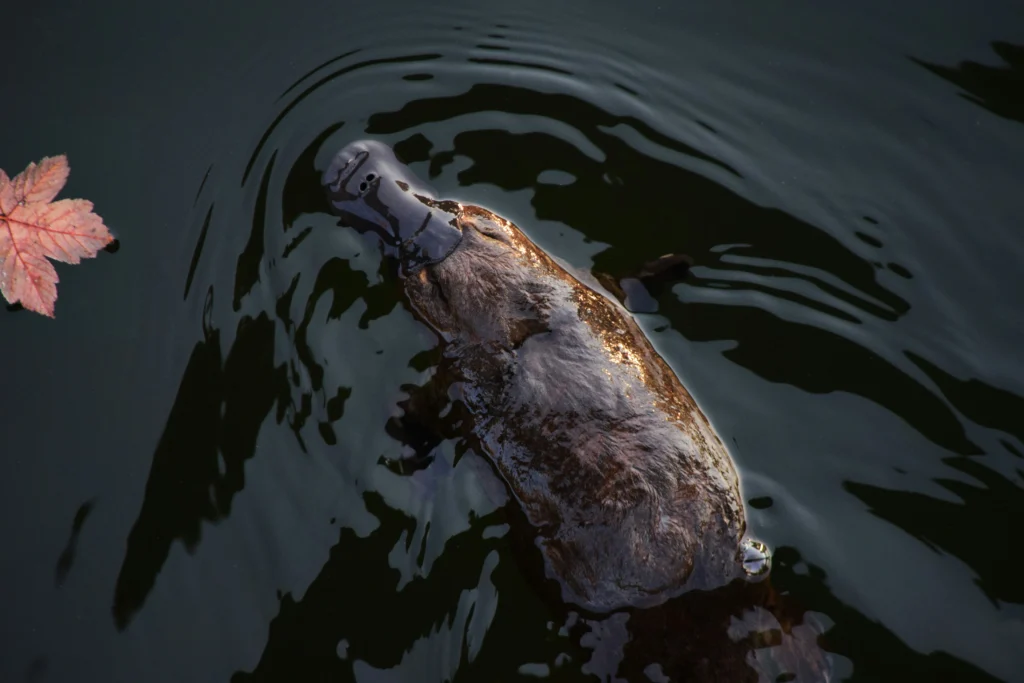
Let’s talk dollars. Even if nothing else stopped you, the price would. First, know this: you won’t find a platypus for sale at any price. As KoalaPets bluntly puts it, “If you want to buy a platypus, you are out of luck…You won’t be able to find one for sale at any cost”. They aren’t sold to the public, plain and simple.
But for fun, let’s dream up the impossible. Experts estimate that if they were ever legal, a single platypus might run $50,000–$300,000 apiece. A baby “puggle” could easily be over $500,000, since even wild breeding is extremely difficult. Remember, these critters aren’t mass-produced – every single one is precious and rare.
Then there’s the care cost, which is just as staggering. Even with top-notch equipment and expertise, keeping one alive in captivity is pricey:
- Aquatic Habitat: Building a river-like tank big enough to let it swim freely could easily start at $50,000 or more. Think excavation, lining, pumps, landscaping – it’s a major project.
- Water Filtration: Platypus water must mimic a clean stream. A commercial filtration and purification system (or staff to constantly change the water) will run $10,000+ upfront and ongoing.
- Live Food: Feeding one platypus its daily half-body feast of live invertebrates and crustaceans is expensive – roughly $3,000–$10,000 per year, depending on supply. (Even top zoos handle this with dedicated invertebrate labs.)
- Veterinary Care: Specialized vet checks and treatments could be $5,000–$20,000 per year (if you can even find a vet experienced with monotremes!).
In practice, places like Healesville Sanctuary report spending at least $13,000 every single year per platypus on food and care. And that’s just one animal in a multi-million-dollar conservation facility. So multiply that by how many you’d need – and realize you’re still falling short of their normal range and social needs.
In short, a pet platypus would cost more than a luxury car just to set up, and then tens of thousands per year to maintain. It’s basically wild animals on a whole new level of expense.
Legal & Ethical Wrap-Up
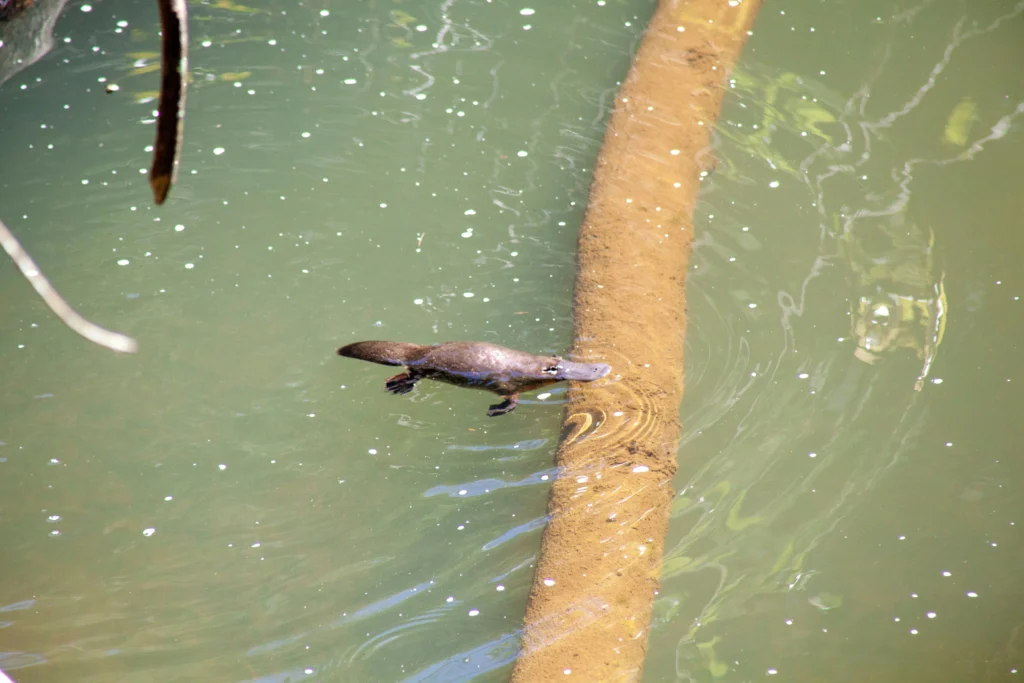
Is it legalal to keep platypuses!, By now you’re probably thinking, “Okay, enough already, definitely not getting one.” And good for you! Remember, aside from the crazy logistics, platypuses are protected by law. In Australia (and by extension, internationally), they’re classified as near-threatened or vulnerable. Removing one from the wild would be both illegal and ecologically disastrous. Huge fines or even jail time can come with trying to keep one as a pet. The laws exist for a reason: these creatures need to stay in their natural habitat, where they’re already under pressure from climate change, habitat loss and other threats.
They’re far from extinct, but scientists are worried. Recent reports show platypuses have lost about 22% of their habitat over 30 years, and many experts urge listing them as threatened. WWF warns of “localised extinction” in parts of their range due to droughts and fires. So the real question is: do we want to add to their troubles by treating them like exotic pets?
The bottom line is: enjoy platypuses from afar – on documentaries, zoo visits, or in nature if you’re lucky enough to encounter one. As one conservationist put it, they’re “flagship species” – we should protect their rivers and support them, not try to make them live on our couches. In other words, stick with dogs or cats for pets. Platypuses? They’re better off wild.




Pingback: Is it Legal to Own a Platypus? - Animal Sound
Pingback: Can Platypus live in Captivity? - Animal Sound
Pingback: How Do Platypuses Live? - Animal Sound
Pingback: What Do Platypus Eat? - Animal Sound
Pingback: Are Platypuses Dangerous to Humans? - Animal Sound
Pingback: Can You Own a Pet Platypus? - Animal Sound
Pingback: Platypus Venom: What It Does, How Dangerous It Is! - Animal Sound
Pingback: Platypuses for Sale: Can You Actually Buy One as a Pet? - Animal Sound