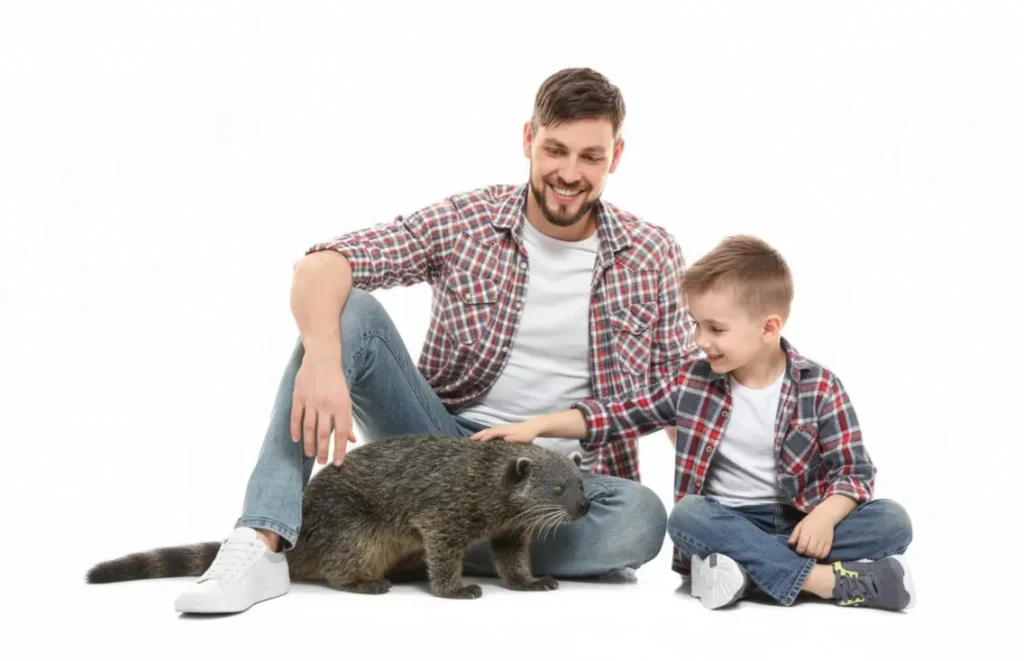
Do binturongs make good pets? No, they don’t and I bet it’s even impossible to get one. The animal which is also known as bearcat is endangered and protected by most countries in the world. Additionally, only very little is known about the species which makes it difficult to take proper care of.
I know binturongs are cute animals but they are wild and should stay in their natural habitat. They aren’t meant to be pets. But before we go into the details of what it would be like to keep a bearcat as a pet, you might ask what a binturong actually is.
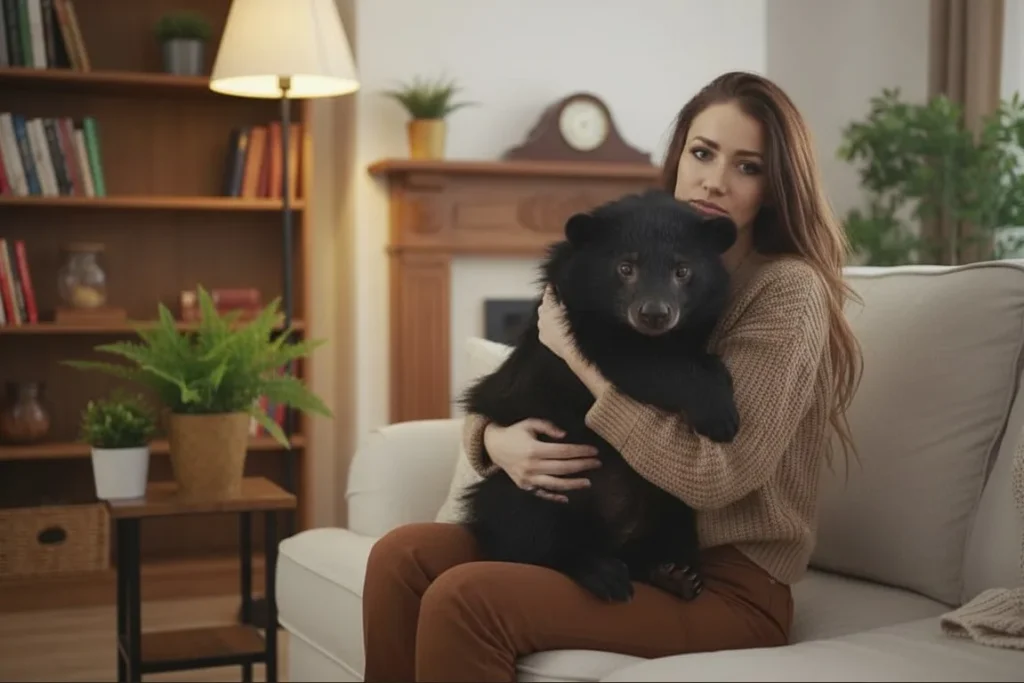
Are Binturongs Good Pets?
Do Binturongs make a good pet? , Multiple facets indicate that binturongs do not make good pets. They are wild, not domesticated animals, requiring specialized care, diet, and space. They carry risks (bites, scratches, and diseases such as staph or pasteurella). The legal and ethical issues loom large as well. Even if someone could overcome the practical challenges, experts emphasize that one should only keep a binturong for genuine conservation or research purposes, not as a novelty or status symbol.
Binturong Profile
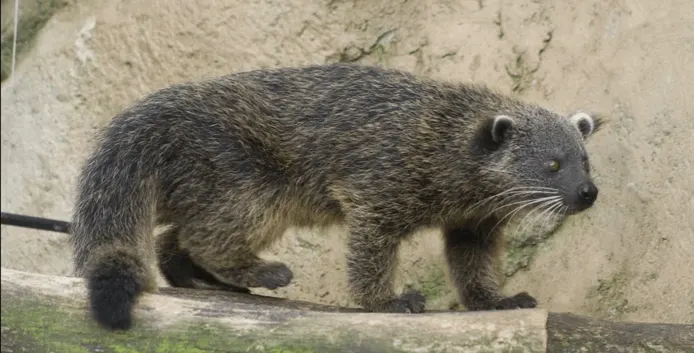
Binturongs (Arctictis binturong), also known as bearcats, are unusual Southeast Asian mammals that resemble a cross between a bear and a cat. They have thick black fur, long whiskers and a long prehensile tail used for climbing. Adults typically measure about 60–90 cm in body length (not counting the tail) and weigh between 9 and 20 kg. These nocturnal, tree-dwelling animals naturally inhabit tropical rainforests of Southeast Asia. They are solitary and generally shy, preferring the upper canopy and rarely interacting with humans.
Binturong Size
Binturongs are among the largest members of the civet family (Viverridae). Body length ranges ~60–96 cm with a similarly long tail, and typical weight is 9–20 kg.
Binturong Appearance
They have coarse black fur (sometimes with gray tips), a bear-like face, rounded tufted ears, and a prominent prehensile tail that helps them navigate branches.
Binturong Diet
Binturongs are omnivores. Although often described as primarily frugivorous, they eat a wide variety of foods. Their diet includes fruits (especially figs), leaves, insects, eggs, small mammals, birds, fish and even carrion. This opportunistic diet makes them important seed dispersers in their ecosystem.
Binturong Habitat
Wild binturongs live in the rainforests of South and Southeast Asia (India, Myanmar, Thailand, Malaysia, the Philippines, etc.). They are mostly arboreal, spending much of their time in the trees.
Binturong Lifespan
In the wild, binturongs can live up to about 18 years, and in captivity they often reach 22–25 years or more. They typically begin reproducing around 2.5 years of age and may have 1–3 offspring per litter.
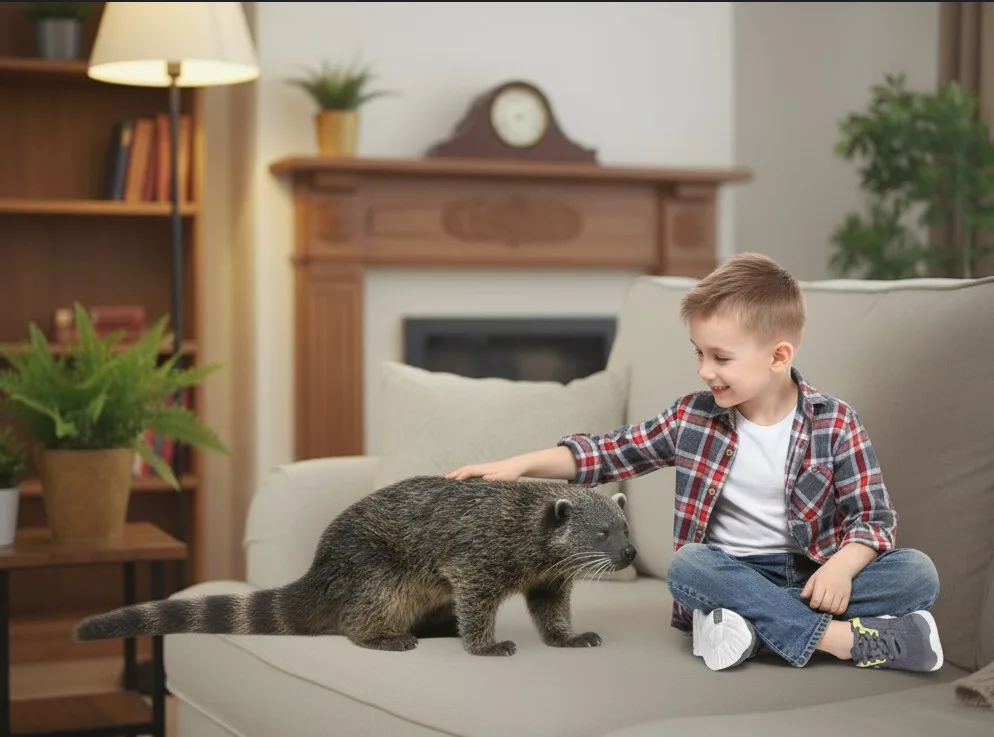
Keeping a Binturong as a Pet
When people talk about a “pet binturong,” they should understand that binturongs are fundamentally wild animals, not domesticated like cats or dogs. All expert sources stress that binturongs do not make good pets. Here are the main considerations:
Legal Issues:
In almost all Western countries, owning a binturong is illegal or heavily regulated. In most states of the US as well as in Canada and many Western countries it’s illegal to keep bearcats as pets. For example, U.S. states like California ban them outright, while other states might require special exotic-animal permits. The UK includes the binturong under its Dangerous Wild Animals Act, meaning private ownership would need a special license (and likely be refused). Because binturongs are listed as IUCN vulnerable, international trade is banned, so importing one is essentially impossible. In summary, “can you have a pet binturong?” – in nearly every case the answer is no unless you are a certified zoo or research facility.
Enclosure and Care:
Binturongs require enormous, specialized enclosures. They are excellent climbers and need tall structures and lots of climbing space. They also need a warm, humid climate similar to their tropical home. Indoor cages are generally too small and inappropriate. They are not litter-trained and have powerful scent glands. Like related civets, they habitually mark their territory by rubbing and urinating, which can lead to very strong odors in a home or enclosure. Even if tamed, taking care of such an animal means a lot of stress for both owner and animal.
Behavior and Temperament:
Binturongs are intelligent but also shy and largely nocturnal. They may tolerate humans if raised from infancy, but they can still be unpredictable. They aren’t domestic pets; they may look cute but are essentially wild, and keeping one is very high-maintenance. They can become agitated or stressed if not given proper stimulation. If they are bored or frightened, they may lash out. Interactions often involve illegally trafficked animals kept in poor conditions, leading to fear, mistreatment, and health problems.
Health and Vet Care: Finding a veterinarian experienced with binturongs is extremely difficult. Exotic vets may be scarce, and routine or emergency care for a binturong can be very expensive. They have many potential health issues (dental problems, arthritis, skin diseases), and treatment for any exotic pet is pricey and specialized. Their diet and enrichment needs are complex, and mistakes can cause malnutrition or illness.
Lifespan and Commitment:
A pet binturong could live 20+ years, which is a very long commitment. The lifespan of binturongs in captivity is far above 15 years. So this isn’t only a time investment, but a financial one too. Few people can commit to caring for such an animal for that span, especially with its special needs.
Ethical Concerns:
Beyond practical issues, there are ethical considerations. Binturongs are endangered; their numbers have dropped by over 30% since the 1980s. Taking individuals from the wild (often illegal poaching) further imperils the species. Even captive breeding is aimed at conservation, not the pet trade. Conservation organizations state emphatically that binturongs are not pets: keeping them for “human satisfaction” is unethical. Owners may unwittingly contribute to a cruel wildlife trade if they buy from unscrupulous sources.
Cost of taking care of a Binturong Pet
If someone were to acquire a binturong (illegally or through an exotic dealer), the price would be extremely high. You would have to be prepared to pay around $10,000 or more for an animal in the U.S. market. This is just the purchase price—it does not include setting up a proper enclosure, ongoing food, veterinary care, and enrichment. The real costs of owning a pet are only about to start when you buy it.
In short, questions like “Are binturongs good pets?” or “Can you keep a binturong as a pet?” have clear answers from experts: No. Both legal restrictions and animal welfare experts advise strongly against private ownership. Binturongs require care and conditions that most people simply cannot provide, and acquiring one often involves illegal activities.
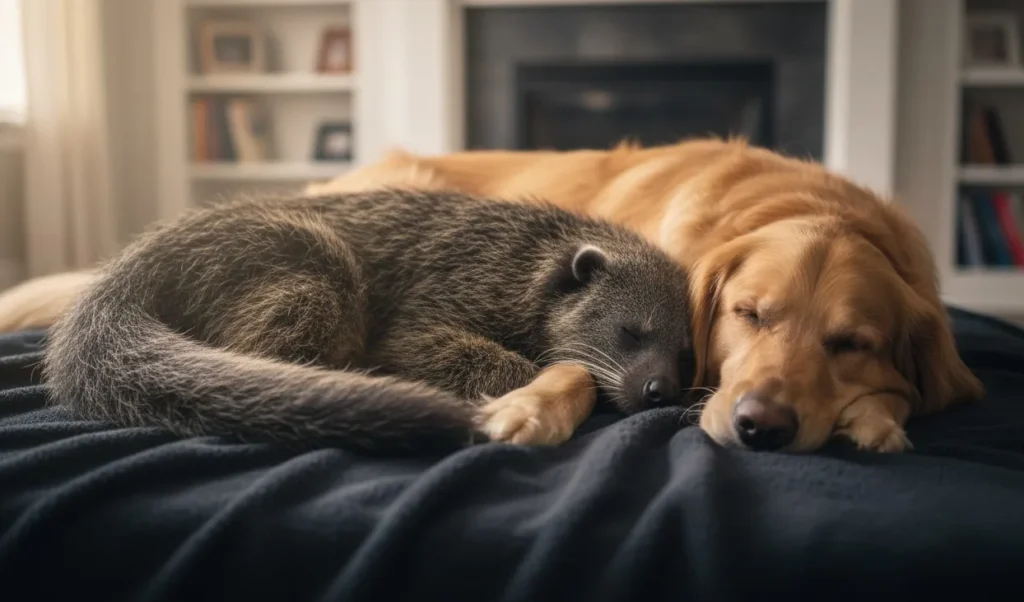
Binturong Pet Price
The cost of a pet binturong is extremely high compared to most exotic pets. Prices usually depend on age, health, and whether the animal is truly captive-bred or illegally taken from the wild. Because binturongs are rare and heavily protected, most sales are either underground or connected to conservation breeding programs.
- Baby / Juvenile Binturong: Often advertised for $2,500 – $5,000, sometimes a little higher. Younger animals are seen as more “desirable” because they are easier to handle from an early age.
- Young Adult Binturong: Typically costs $7,000 – $12,000. This is the most common range for animals appearing on exotic animal classifieds.
- Adult or Older Binturong: Usually less expensive, around $5,000 – $8,000, depending on condition, health, and whether the owner simply wants to rehome the animal.
- Breeding Pairs or Captive-Bred Stock: Can go well above $10,000 per animal, especially if they are proven breeders with paperwork.
Factors That Influence Price
- Age – Babies are marketed higher, while older animals are less expensive.
- Captive-Bred vs. Wild-Caught – Captive-bred animals are far more valuable and legally safer, though still difficult to obtain. Wild-caught individuals are sometimes sold cheaply, but this is usually illegal.
- Location & Legality – In countries where ownership is prohibited, prices rise sharply because of the risk involved.
- Health & Temperament – An animal raised in captivity and accustomed to people can cost more.
- Transport & Documentation – Import, quarantine, and permits (where possible) all add thousands of dollars on top of the purchase price.
Beyond the Price Tag
Buying a binturong is only the beginning. Housing, food, and vet care quickly multiply the cost. Proper enclosures need to be tall and complex, designed for climbing and enriched with vegetation. Their diet must be varied with fruits, vegetables, and protein sources, which can be expensive to maintain. Specialized veterinary care for an exotic species adds significant ongoing costs.
When all these expenses are factored in, the true cost of keeping a pet binturong can easily exceed tens of thousands of dollars over its 20-year lifespan.
Pet Binturong for Sale
Finding a binturong pet for sale is extremely rare and usually tied to the exotic animal trade. In the USA, prices often range from $6,000 to over $10,000 depending on age and health, with babies sometimes advertised for around $2,500–$5,000. Some dealers in Southeast Asia and Indonesia may list them cheaper, but many of those animals are wild-caught and sold illegally.
Is it legal to have a pet binturong
Because of their conservation status, owning or trading binturongs is highly restricted worldwide. In most of Europe, North America and Australia, it is illegal to buy or sell them as pets. Any sale or import would breach CITES regulations (they are in Appendix III) and often national wildlife laws. Even where local laws don’t outright ban them, you would need a special wild animal license (for example, under the UK Dangerous Wild Animals Act, or similar exotic pet permits). In practice, permits are very rarely granted to private individuals for such animals.
In the USA, states differ, but in most states it’s illegal to keep bearcats as pets. Some states like California ban them completely; a few states without big-cat laws might not specifically address binturongs, but importing one would violate the Endangered Species Act and CITES. Canada and most European nations similarly forbid it. The bottom line: searches for “is it legal to have a pet binturong” or “are binturong legal pets” will show that virtually everywhere, private ownership is prohibited or requires formal exemption.
Because of these laws, finding a binturong “for sale” in the exotic pet market is not straightforward. Legitimate breeders and pet shops do not offer them. People talking about “pet binturong for sale” online are typically referring to black-market trades, which are illegal and risk severe penalties. If one did find a dealer (often via internet forums or underground networks), the asking prices are enormous and buyers face legal jeopardy. One quote sums it up: “Do binturongs make good pets? No… The animal which is also known as bearcat is endangered and protected by most countries in the world,” making it “even impossible to get one” legally.
Interestingly, there is one exception: in Indonesia there are legal breeding programs. For example, licensed facilities breed binturongs to reduce pressure on wild populations. They aim to produce captive-born generations (F2 and beyond) that might eventually be placed into private hands legally. However, these programs are small, tightly regulated, and still not selling to the general public; their priority is conservation. In short, aside from rare cases like that, there is effectively no legitimate channel to “get a pet binturong” for private individuals.
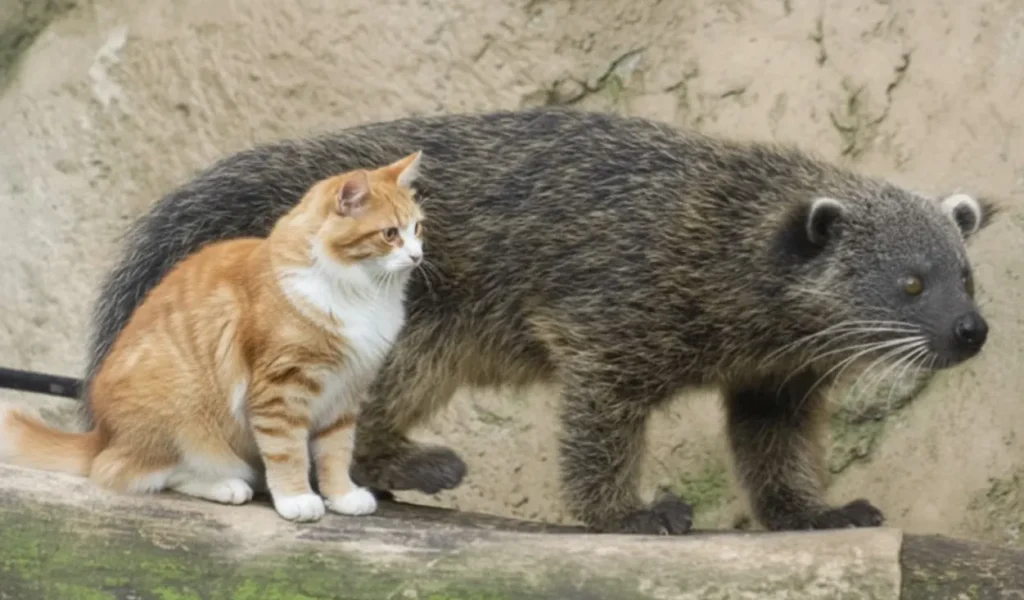
Binturong Care and Cost
If, hypothetically, a binturong were to be kept in captivity, its care requirements are complex. Their diet must be varied. In zoos, keepers feed them fruits (figs, bananas, etc.), vegetables, and protein sources (special prepared carnivore diet or cooked meat) to meet nutritional needs. They also need fresh water always available.
Their enclosure must be large and enriched. Given their arboreal nature, an ideal habitat is like a small indoor rainforest: tall climbing structures, platforms, ropes and vegetation. A mere cage is usually too small – owners would have to build huge custom enclosures, which is very expensive and time-consuming. Climate control may be needed in temperate regions, since binturongs prefer warm, humid conditions. Security is also important: as wildlife, they are adept climbers and diggers.
Binturongs are nocturnal, so they are active at night. This means an owner might mostly see them while trying to sleep! They can be vocal (howls and hisses) and may roam around making noise. Their odor-marking habits mean they will rub and urinate on everything, and their musk can be overpowering. Regular cleaning and ventilation would be required.
Veterinary care adds another layer of cost and difficulty. Exotic animals often require specialists, and routine check-ups or emergencies (dental work, injuries, illnesses) are far more expensive than for a cat or dog. With binturongs being so rare as pets, very few veterinarians have any experience treating them.
All of this translates to a high ongoing cost. Combined with the purchase price (around $10,000+), the initial and monthly expenses are huge. Many experts emphasize that the financial burden of owning a binturong is extremely high and far beyond that of common pets.
Where Can You Pet a Binturong?
In most cases, the answer is: you can’t, and you shouldn’t. Binturongs are wild animals, not domesticated pets. They are protected by law in many countries, and close contact is restricted to professionals such as zookeepers, wildlife carers, or researchers.
That said, there are a few scenarios where people may have the chance to get close:
- Accredited Zoos and Sanctuaries
- Some zoos in the USA, Asia, and Europe house binturongs. A handful of facilities occasionally offer “animal encounters” where guests can see one up close, sometimes even touch under supervision. These are controlled environments with trained staff, and interaction is usually brief.
- Educational Programs
- Certain wildlife centers run outreach programs where ambassador binturongs are used for conservation education. Visitors might be allowed to stroke the animal’s back or tail while learning about their ecology. This depends entirely on the animal’s temperament and the rules of the facility.
- Illegal or Unethical Encounters
- In some parts of Southeast Asia, tourist attractions may let visitors hold or pet a binturong for photos. While tempting, these situations are problematic: animals are often stressed, poorly cared for, or taken from the wild. Supporting this trade contributes to their decline.
Why Petting Is Rare
- Health and Safety: Binturongs can bite, scratch, and transmit diseases.
- Animal Welfare: Being handled by strangers is stressful for them.
- Legality: In most countries, interacting with a binturong outside a zoo setting is illegal.
✅ Bottom line: If you want to “pet a binturong,” the only responsible way is through a licensed, educational program at a reputable zoo or sanctuary. Even then, opportunities are rare, and the focus is usually on conservation education rather than cuddling.
For most people, the only way to encounter a binturong is at a zoo or wildlife sanctuary. A few accredited zoos (for example, Zoo Atlanta in the U.S., many Asian wildlife parks, and some European zoos) have binturongs on display. These institutions have the facilities to care for them. Visitors can observe binturongs in their enclosures (and maybe sniff a whiff of “popcorn” in the air), but handling or petting is not part of normal zoo interaction. Binturongs are not typical petting-zoo animals.
The question “where can I pet a binturong?” unfortunately has no safe answer. Because of their wild nature and disease risk, almost no programs allow the public to touch them. Conservationists stress that content on social media showing people holding binturongs usually involves illegally trafficked animals raised in poor conditions. Interacting with a binturong outside of professional settings is strongly discouraged. Only licensed professionals working under strict safety protocols (for health or educational reasons) should ever handle a bearcat.
Binturong as a Pet in the USA
When people search for “binturong pet USA”, they’re usually curious whether it’s possible to own one in America. The reality is complicated, but the short answer is: in most states, it’s illegal.
Legality
- Federal laws: Binturongs are listed under CITES (Convention on International Trade in Endangered Species). That means importing, exporting, or trading them across borders is heavily restricted and requires special permits.
- State laws: Many U.S. states — including California, New York, and others — ban private ownership of binturongs outright. A few states may technically allow them with an exotic animal permit, but those permits are usually granted only to zoos, sanctuaries, or research facilities.
- Practical reality: Even in states without explicit bans, the paperwork, enclosure requirements, and vet oversight make it nearly impossible for a private individual to legally own one.
Availability
Some exotic animal classifieds in the USA occasionally list binturongs for sale, often with very high prices (from $6,000 to over $10,000). However, these are rare, and in most cases, buyers would face serious legal issues if they attempted to purchase one.
Care Challenges
Even if it were legal, keeping a pet binturong in the USA would be extremely difficult:
- They need large, tropical-style enclosures with tall climbing structures.
- Their diet is varied (fruits, protein, eggs, small animals), and not easy to replicate perfectly at home.
- They are nocturnal, scent-mark heavily, and can be aggressive when stressed.
- Finding a vet experienced with binturongs is nearly impossible outside of major zoos.
Bottom Line
While it’s technically possible to find a binturong pet in the USA through exotic animal dealers, for most people it is not legal, not practical, and not ethical. These animals belong in the rainforest or in accredited zoos and sanctuaries, not private homes.
Conclusion
In conclusion, binturongs are fascinating, popcorn-scented creatures of the rainforest – but they are not suitable as household pets. Their large size, special needs, legal protections and conservation status make private ownership impractical and unethical. Anyone interested in binturongs is far better off supporting their conservation or observing them in accredited zoos, rather than attempting to keep one at home. By understanding their diet, size, habitat and lifespan – as well as the strict laws around them – readers can see why the overwhelming consensus of experts and veterinarians is that a “pet binturong” is largely a non-starter.
pet binturong
binturong pet for sale
pet binturong for sale
pet binturong uk
binturong pet usa
binturong pet price
peternakan binturong
are binturong good pets
binturong make good pets
are binturong legal pets
where can i pet a binturong
can you pet a binturong