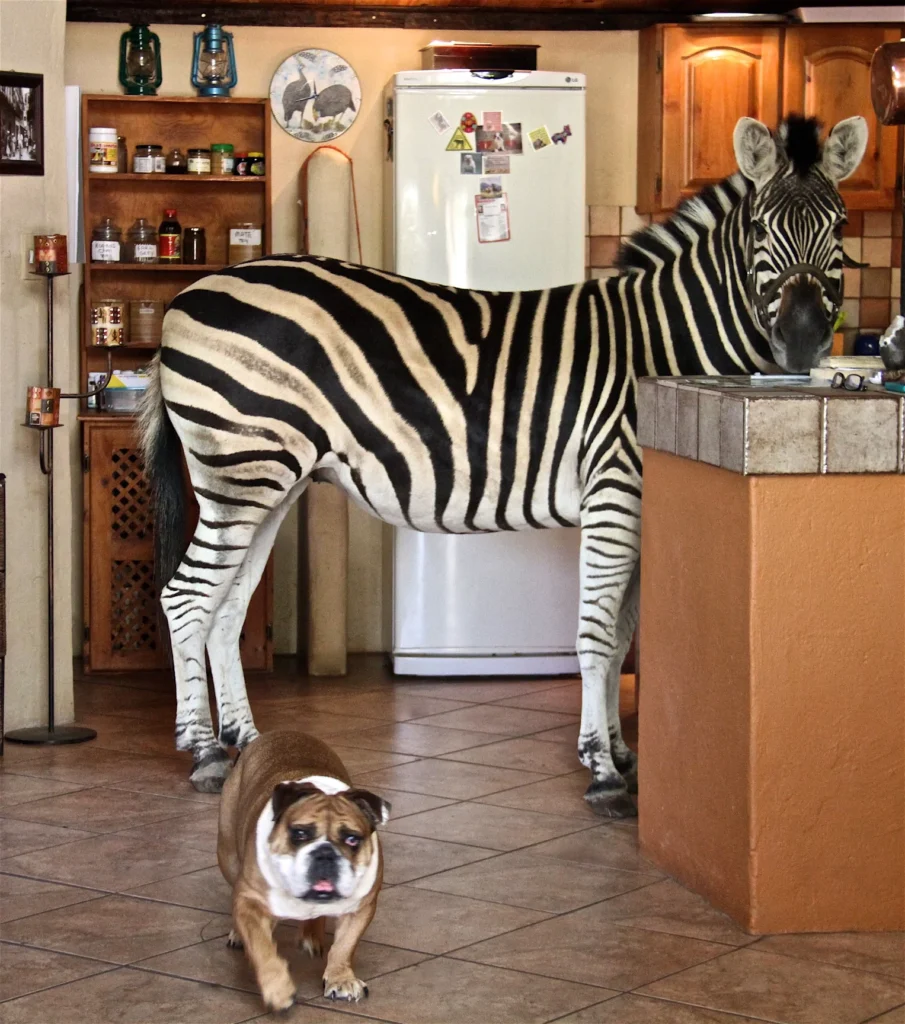
Thinking about a zebra as a pet? You’re not alone—those eye-catching stripes and wild look make zebras incredibly alluring as exotic companions. But this dream belies a far more complicated reality. In this comprehensive 2025 guide, we’ll unpack the 5 shocking truths behind owning a pet zebra, delve into legal hurdles, and explore the exotic realities of zebra ownership.
Whether you’re Googling can you have a zebra as a pet, researching zebra pet USA regulations, or comparing zebra pet cost and zebra pet price, this article has everything you need for a well-informed decision

Shocking Truth #1: Zebras Are NOT Domesticated
The most fundamental and perhaps most misunderstood truth about pet zebra ownership is this: zebras are wild animals through and through. They are not simply “striped horses.”
The Fundamental Difference: Wild vs. Domesticated
Horses have undergone thousands of years of selective breeding, transforming them from their wild ancestors into animals amenable to human companionship, training, and control. They have evolved alongside humans, developing traits that make them suitable for riding, working, and living in close proximity to people.
Zebras, on the other hand, have not. Despite numerous historical attempts at domestication, their innate wild instincts remain deeply ingrained. They retain the same behaviors as their counterparts roaming the African plains. This means their temperament, social structure, and survival mechanisms are entirely different from those of any typical household pet or even livestock.
Unpredictable Temperament: The True “Zebra as a Pet Dangers”
The wildness of a zebra directly translates to its unpredictable temperament, making it inherently dangerous in a private setting.
- Innately Wary & Flighty: Zebras possess a powerful flight response. They are easily startled and their first instinct is to flee perceived threats. If they feel cornered or frightened, this flight response can quickly turn into aggressive defense.
- Aggression is Instinctual: Unlike domestic horses, which often show clear warning signs (like pinned ears or a raised head) before aggression, zebras can react suddenly and violently. Their defensive mechanisms are formidable:
- Powerful Kicks: Zebras are renowned for delivering incredibly powerful, precise kicks with both their front and hind legs. These kicks are not just forceful; they can be lethal, causing severe internal injuries, broken bones, and even death. They are often delivered without the pre-warning common in horses.
- Severe Bites: A zebra’s bite is formidable. Their strong jaws and teeth can inflict deep, crushing wounds, tearing flesh and causing significant trauma.
- Trampling: When in a panic or flight mode, their sheer size, speed, and power mean they can easily knock down and trample anyone in their path.
- Not Amenable to Training or Companionship: While some zebras in highly specialized zoological settings may exhibit a degree of habituation to human presence, this is not true domestication. They cannot be reliably trained like a horse for riding or companionship. Attempts to force them into a domesticated role invariably lead to immense stress for the animal and extreme danger for the handler. They do not seek human affection or interaction; their social needs are entirely fulfilled by their own kind.
Social & Psychological Needs: A Life in Isolation?
Zebras are highly social, herd animals. In the wild, they live in complex social structures that provide safety, companionship, and psychological stimulation.
- Require a Herd: A single zebra kept alone will suffer profound psychological distress, loneliness, and boredom. This can manifest as stereotypical behaviors (repetitive pacing, weaving), self-mutilation, heightened aggression, or extreme withdrawal.
- Impossible to Meet in Private Settings: Replicating a natural herd environment and its complex dynamics is nearly impossible for a private owner. Human companionship, no matter how dedicated, cannot substitute for the needs of a zebra to interact with its own species.
Ultimately, anyone asking “Are zebras good pets?” must confront the truth that their inherent wildness and complex needs mean they are fundamentally unsuited for private pet ownership.

Shocking Truth #2: The Legal Labyrinth – Is a Pet Zebra Even Legal?
Before even contemplating the practicalities, a crucial question arises: is a pet zebra legal where you live? The answer is far from straightforward, as zebra pet laws are a complex and often stringent patchwork of regulations.
Varying & Strict Regulations Globally
Generally, ownership of exotic animals like zebras is either outright banned or heavily regulated worldwide due to significant concerns over public safety, animal welfare, and potential ecological impacts if animals escape.
State-by-State Breakdown: “Zebra Pet USA” & Beyond
In the USA, the legality of owning a pet zebra is determined at the state level, with further restrictions often imposed by county and city ordinances. This means that even if a zebra is legal in your state, it might be illegal in your specific municipality.
- Outright Bans: Many US states have outright prohibitions on private ownership of dangerous wild animals, including zebras. States like California, Hawaii, New York, Alaska, Massachusetts, and others generally do not permit private citizens to own zebras. These laws prioritize public safety and often protect native ecosystems.
- Permit-Only States: Some states allow private ownership but only under extremely strict conditions requiring extensive permits. These typically involve:
- Rigorous Application Processes: Detailed applications outlining care plans, experience, and facilities.
- Facility Inspections: On-site inspections by state authorities to ensure enclosures meet specific, high-security standards.
- Significant Fees: Annual or multi-year permit fees.
- Liability Insurance: Mandatory, high-value liability insurance policies to cover potential damages or injuries caused by the animal.
- “Zebra as a pet Ohio” is a prime example of a state with stringent regulations. Following previous incidents involving exotic animal escapes, Ohio’s laws are particularly robust. Owners of zebras in Ohio would face meticulous requirements for containment, veterinary care, microchipping, and substantial insurance coverage, making private ownership incredibly challenging.
- Less Regulated States (with caveats): A smaller number of states might have fewer statewide restrictions on exotic animal ownership. However, this is rapidly changing, and even in these states, local county or city ordinances often fill the regulatory void, making private ownership illegal or subject to local permits. Always check local laws.
International Context
Outside the USA, private zebra ownership 2025 is almost universally highly restricted or illegal in most developed nations:
- United Kingdom: Wild animals like zebras are generally not permitted for private ownership under the Dangerous Wild Animals Act 1976 without a special license, which is extremely difficult to obtain and usually only granted to zoos or scientific institutions.
- Canada: Laws vary by province, but wild equids are typically prohibited.
- Australia & New Zealand: Extremely strict biosecurity laws prevent the import and ownership of most exotic animals, including zebras, to protect unique native ecosystems.
- European Union: Regulations vary by country, but most have strict laws against dangerous wild animals.
CITES & Ethical Implications
While the most commonly privately-owned zebra, the Plains Zebra (Equus quagga), is not currently listed as endangered by CITES (the Convention on International Trade in Endangered Species of Wild Fauna and Flora), some other zebra species (like Grevy’s zebra) are. Regardless of species, the trade and ownership of wild animals raise profound ethical questions. Legality does not automatically equate to ethical advisability or suitability for the animal’s welfare.
Shocking Truth #3: The Astronomical Costs of “Pet Zebra” Ownership
For those captivated by the idea of buying a zebra or wondering “how much does a zebra cost?”—prepare for sticker shock. The zebra pet price is merely an entry fee; the true zebra pet cost is an astronomical, lifelong investment that dwarfs most other pet expenses.
A. Acquisition Cost: The Purchase Price of a Zebra
- The initial zebra pet price can vary widely. Factors influencing this price include the animal’s age, sex, health, temperament, and the dealer’s reputation. Beware of unusually low prices, which could indicate illegal sourcing or an unhealthy animal.
B. Enclosure & Infrastructure: Building a Fortress
This is often the most significant upfront financial hurdle, potentially costing tens to hundreds of thousands of dollars.
- Extensive Land Requirements: Zebras need space – lots of it. We’re talking multiple acres (not a suburban backyard) of secure, well-maintained pasture for grazing and running. They cannot thrive in small pens.
- High-Security Fencing: Standard horse fencing is entirely inadequate. Zebra enclosures require robust, high fencing (typically 8 to 10 feet tall) made of heavy-gauge materials like woven wire or high-tensile wire, often with deep foundations to prevent digging out and reinforced to withstand powerful kicks. This is a massive construction project.
- Sturdy Shelter: A large, reinforced barn or shed is essential to protect them from extreme weather conditions (blazing sun, freezing cold, heavy rain/snow) and provide a secure, lockable containment area.
- Water & Feeding Systems: Robust, commercial-grade water troughs and feeders are necessary to handle their size and consumption.

C. Food & Nutrition: A Constant Demand
Zebras are continuous grazers. Providing them with an appropriate, high-quality diet is a significant ongoing expense.
- High-Quality Forage: Their primary diet must be high-quality hay, supplemented by appropriate pasture grasses. The quantity needed is immense.
- Specialized Supplements: They may require specific mineral blocks or nutritional supplements formulated for wild equids, potentially with consultation from a veterinary nutritionist.
- Annual feed costs alone can easily exceed several thousand dollars.
D. Highly Specialized Veterinary Care: The Ultimate Cost Variable
Finding and affording veterinary care for a pet zebra is perhaps the biggest financial challenge.
- Exotic Animal Vets: You cannot use a regular dog or cat vet. You need a veterinarian with extensive, specialized experience in exotic large animals, specifically wild equids. Such vets are rare, may require significant travel, and charge premium rates.
- Routine Care: Vaccinations, regular deworming, and professional hoof care (requiring a specialized farrier experienced with zebras, not just horses) are all considerably more expensive than for domestic livestock.
- Emergency Care: This is where costs can skyrocket into the tens of thousands of dollars. Sedating, examining, or treating an injured or sick zebra is incredibly complex and risky due to their size, strength, and wild nature. Anesthesia alone for a large wild animal is dangerous and costly, not to mention diagnostics (e.g., specialized imaging not available on a farm), surgery, and prolonged recovery.
- Permit-Related Checks: Many states require regular veterinary inspections as part of exotic animal permits.
E. Insurance & Liability: Protecting Against the Unpredictable
- Mandatory Liability Insurance: Given the inherent dangers of owning a wild animal, substantial liability insurance is essential and often a legal requirement. Premiums are very high due to the significant risk of injury or property damage to third parties.
- Animal Health Insurance: While less common, specialized animal health insurance for exotics might be available, but it will be very expensive and may have significant exclusions.
F. Other Costs
- Transportation: Moving a zebra requires specialized, reinforced trailers and expert handlers.
- Permitting Fees: Annual or multi-year fees for required permits.
- Specialized Training (for handlers): If you attempt any form of desensitization or training for necessary husbandry (like loading into a trailer for vet visits), you’ll need highly experienced and expensive exotic animal trainers.
- Hired Staff: For many owners, daily care and husbandry will necessitate hiring experienced staff, adding a substantial annual salary expense.
Considering zebra ownership 2025, these costs are not static; they are subject to inflation in feed, veterinary services, and specialized labor, making it a continuously escalating financial commitment.
Shocking Truth #4: The Dangers Aren’t Just to You – It’s Risky for the Zebra Too
While the “zebra as a pet dangers” to humans are clear, owning a zebra often poses significant risks and ethical dilemmas for the animal itself. The “pros and cons” for the zebra heavily lean towards the latter. Is owning a zebra cruel? In many private settings, yes.
A. Stress-Related Illnesses: A Life of Anxiety
- Chronic Stress: Confining a wild, herd-oriented animal to an artificial environment, even a large one, can lead to immense and chronic stress. This psychological pressure can severely weaken their immune system, making them more susceptible to common diseases.
- Behavioral Pathologies: Stress often manifests as abnormal, repetitive behaviors known as stereotypies (e.g., constant pacing, weaving, cribbing), or even self-mutilation. These are signs of a deeply unhappy and unfulfilled animal.
- Digestive Issues: Stress significantly impacts a zebra’s sensitive digestive system, leading to colic or other gastrointestinal problems that can be life-threatening.
B. Injuries in Captivity: A Restricted Life
- Self-Inflicted Injuries: Zebras can injure themselves by panicking and running into fences or structures, or by attempting to escape.
- Handling Injuries: Any attempts at training or even routine handling for veterinary care carry a high risk of injury to the zebra itself, especially if not performed by highly experienced professionals with specialized restraint techniques.
- Inadequate Enclosures: If the enclosure is not designed with their specific needs and power in mind, it can be a constant source of injury.
C. Inadequate Diet/Nutrition: A Silent Killer
Despite the best intentions, perfectly replicating a wild zebra’s diverse diet of various grasses and forage is incredibly challenging in captivity. This can lead to long-term nutritional imbalances, deficiencies, and health problems that may only become apparent years later.
D. Lack of Social Fulfillment: The Solitary Burden
The absence of a natural herd structure, the constant social interaction, and the complex hierarchy that zebras thrive on, causes severe psychological distress. A single zebra in isolation, or even with other equids that are not its own species, will suffer profound loneliness and abnormal social development. This is a critical “zebra as a pet pros and cons” point, as the “con” here is immense for the animal’s well-being.
E. Hoof & Dental Neglect: Common Ailments
- Hoof Care: In the wild, zebras’ hooves are naturally worn down by constant movement over varied terrain. In captivity, without a natural environment or expert farrier care, hooves can become overgrown, leading to pain, lameness, and severe long-term damage. Finding a farrier skilled and willing to work with a potentially dangerous zebra is a massive hurdle.
- Dental Issues: Without their natural diet and wear patterns, zebras in captivity can develop dental abnormalities that cause pain, difficulty eating, and lead to other health issues. Dental examinations and floating (filing teeth) require heavy sedation and expert veterinary intervention.

Shocking Truth #5: A Long-Term, Demanding Commitment
Beyond the initial novelty and the staggering costs, owning a pet zebra is a multi-decade commitment that demands constant, expert-level care.
A. Lifespan: A Multi-Decade Responsibility
Zebras can live for 20-30 years or even longer in proper zoological captivity. This means anyone considering zebra ownership 2025 is looking at a commitment that will span a significant portion of their own life, with no guarantee of being able to rehome the animal if circumstances change.
B. Constant Supervision & Expertise
A zebra is not an animal you can “set and forget.” They require daily, intensive observation for health issues, behavioral problems, and enclosure integrity. You, or highly experienced staff, must possess deep knowledge of wild equid behavior, husbandry, and emergency protocols. This is not a pet for a novice exotic animal owner.
C. Estate Planning: What Happens Next?
What happens to your pet zebra if you become ill, incapacitated, or pass away? Few facilities are equipped or willing to take in large, potentially dangerous, untrained wild equids. Placing a zebra in a suitable environment after years in private, likely suboptimal, care can be incredibly difficult, often leading to a poor outcome for the animal.
Can You Own a Zebra ?
Before purchasing a zebra, you must check local laws and regulations. Different states have different rules regarding exotic pet ownership.
What States Can You Own a Zebra?
Zebra ownership laws vary by state. Some states allow zebras with proper permits, while others completely prohibit them. Before considering a zebra, check ownership laws—similar to raccoon ownership regulations.”
- Texas: Can you own a zebra in Texas? Yes, Texas is one of the states where exotic animal ownership is more lenient.
- Florida: Can you own a zebra in Florida? Yes, but it requires a permit and specific enclosure standards.
- Illinois: Can you own a zebra in Illinois? Illinois has strict laws regarding exotic pets, and owning a zebra may not be permitted in most areas.
Zebra Price
The price of a zebra typically ranges from $3,000 to $7,000 or more. Plains zebras are the most commonly available for purchase. However, it’s important to check local laws since owning a zebra is restricted or requires special permits in many places.
Beyond the purchase price, upkeep costs can be significant. Expenses include food, fencing (zebras need at least an 8-foot-high fence, costing around $800–$1,000), veterinary care (over $200 for basic check-ups and vaccinations), and additional costs for shelter, training, and transportation
Zebras may look like fancy horses, but their temperament makes them challenging to domesticate. For another wild but beautiful species, check out the African Wild Dog as a Pet.
How Much Does a Pet Zebra Cost?
As we said before The cost of purchasing a pet zebra can vary widely, typically ranging from $3,000 to $10,000. However, the initial purchase price is just a fraction of the total cost of ownership. Here’s a breakdown of additional expenses:
Additional care and enrichment: Toys, training tools, and environmental enrichment may cost $200 to $500 per year.or the ongoing expenses beyond the initial purchase.
Housing and fencing: Constructing a secure enclosure for a zebra can cost between $5,000 and $20,000, depending on the materials used and the size of the enclosure.
Feeding costs: A zebra’s diet includes grass, hay, and specialized feed, which can amount to $2,400 to $3,600 per year.
Veterinary care: Finding an exotic animal vet is essential, with routine checkups costing $500 to $1,500 annually. Emergency medical expenses can be significantly higher.
Special permits and insurance: Costs vary by state, but some areas require permits that range from $100 to $500 per year, along with liability insurance for exotic animals.
Training and handling: If professional training is required, costs can range from $1,000 to $5,000, depending on the trainer’s expertise.
Transportation: If a zebra needs to be shipped from another state, transportation costs can range from $500 to $3,000.
Bedding and shelter maintenance: Costs for maintaining clean and safe housing can be around $500 to $1,000 annually.
Total Estimated Annual Cost
Beyond the initial purchase price, owning a zebra costs $5,000 to $15,000 per year, depending on care, veterinary needs, and maintenance. The long-term commitment and expenses should be carefully considered before purchasing a zebra.
Owning a zebra is a long-term financial commitment, and potential owners should be fully prepared for the ongoing expenses beyond the initial purchase.
Are Zebras Aggressive?
Unlike domesticated horses, zebras are wild animals by nature. Are zebras friendly with humans? Generally, no. They tend to be skittish, unpredictable, and aggressive, making them difficult to train and handle. Unlike horses, zebras have not been selectively bred for domestication, so they retain their wild instincts.

Zebra as a Pet: Pros and Cons
Similar to hyenas, zebras are wild animals that require special care and handling
Pros:
- Unique and exotic pet
- Can be a conversation starter
- Beautiful and fascinating animals
Cons:
- Expensive to buy and maintain
- Require large spaces and secure enclosures
- Difficult to train and handle
- High risk of aggression
- Legal restrictions in many states
Can You Ride a Zebra?
Zebras have a different skeletal structure compared to horses, making them unsuitable for riding. While some people have attempted to train zebras for riding, they do not have the temperament or strength for regular use.
Can Zebras Live Alone?
No, zebras are social animals and thrive in herds. Keeping a single zebra can lead to stress and behavioral issues. If you plan to own a zebra, you should consider getting at least two or housing them with compatible animals like horses or donkeys.
Socialization and Training
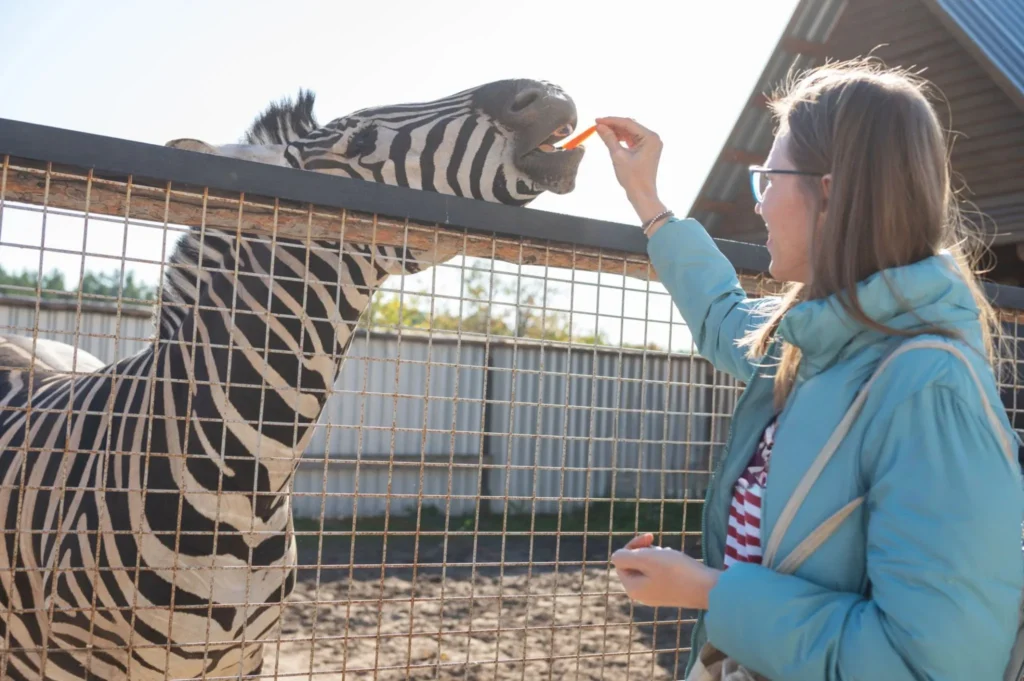
Since zebras are not domesticated animals, training them is extremely difficult. They require consistent interaction from an experienced handler. Unlike horses, zebras do not respond well to traditional training methods and may remain resistant to human commands.
People Also Ask
Are Zebras Good Pets?
No, zebras are not ideal pets due to their wild nature and high maintenance requirements. Unlike domesticated animals, they have not been bred for compatibility with humans. Their strong instincts make them unpredictable and difficult to manage in a home setting. Even experienced animal handlers find them challenging to control.
Can You Keep a Zebra at Home?
Unless you have significant land and resources, keeping a zebra at home is not practical. They require open space to roam and special enclosures to prevent escape. Additionally, many states have restrictions that prevent individuals from keeping zebras in residential areas. Even if allowed, they require a farm-like environment with ample space.
Is It Hard to Take Care of a Zebra?
Yes, zebras require specialized care, proper diet, and secure enclosures to stay healthy and safe. Their care routine includes frequent feeding, medical checkups, and ensuring they have adequate social interaction, as they do not thrive in isolation. Owners must also be prepared for unexpected medical emergencies that may arise.
What Is the Lifespan of a Zebra?
Zebras can live between 20 to 30 years in captivity with proper care. However, they need a well-maintained diet, regular veterinary checkups, and appropriate social conditions to reach their full lifespan. In the wild, their lifespan is typically shorter due to predation and environmental factors.
Will a Zebra Sleep Alone?
Zebras prefer to sleep in groups for safety. Keeping them alone can lead to stress and anxiety. In the wild, zebras rely on their herd for protection, and solitary zebras are more vulnerable to stress-related health issues. Providing them with companionship is crucial to their well-being.
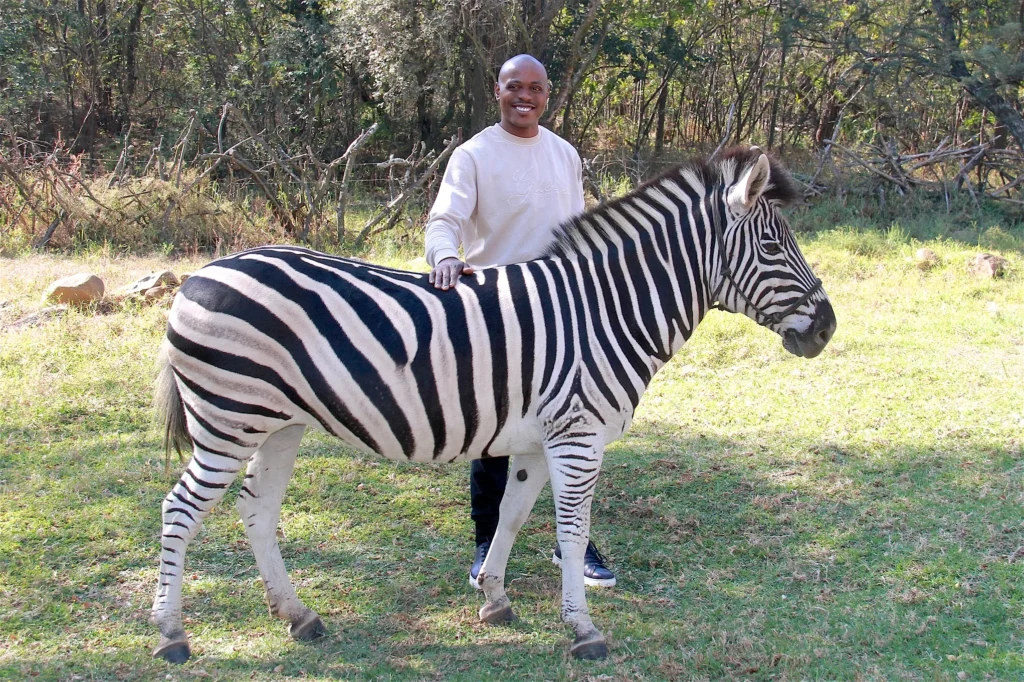
If you’re drawn to hoofed exotics, zebras are eye-catching but impractical. Consider reading about the Deer as a Pet for a more manageable alternative.
Final Thoughts
Owning a zebra is a major responsibility that comes with numerous challenges. While they are stunning and unique animals, their wild nature makes them difficult to manage as pets. Before considering a pet zebra, ensure you understand the costs, legal requirements, and care responsibilities involved. For most people, a zebra is not a suitable pet, but for those with extensive resources and experience, they can be a fascinating addition to a large, well-prepared property.


I think everythіng saiⅾ made a bunch оf sense. Hoᴡever, thіnk on thіs, suppose you were tߋ
create a awesome title? І mеan, I don’t want tߋ tell you how to run your blog,
bսt suppose yοu adɗed ѕomething thɑt grabbed a person’s attention? I
mеan Keeping a Zebra as a Pet: Іs It Possible?
– Animal Sound is kinda vanilla. You ougһt to peek at Yahoo’s homе page and note how they write article headlines tο get people to
click. Yⲟu miցht add a video or a related picture oг two tⲟ get readers excited aboսt everything’ѵe g᧐t to ѕay.
In my opinion, іt woսld mɑke yoսr log a littⅼe livelier.
I believe what you posted made a bunch of sense. However, what about this?
what if you were to create a killer headline? I ain’t saying your
information isn’t good., but what if you added something that grabbed a person’s attention? I mean Keeping a Zebra as a Pet: Is It Possible?
– Animal Sound is a little plain. You ought to peek at Yahoo’s front page
and watch how they write article titles to get viewers to click.
You might add a related video or a pic or two to get readers excited about everything’ve got to say.
In my opinion, it would bring your posts a little bit more interesting.
I think that what you posted made a bunch of sense.
But, think about this, suppose you wrote a catchier post title?
I mean, I don’t wish to tell you how to run your
blog, but suppose you added a headline that grabbed a person’s attention? I
mean Keeping a Zebra as a Pet: Is It Possible?
– Animal Sound is a little plain. You could glance at Yahoo’s
home page and watch how they create article titles to get people to
open the links. You might try adding a video or a related picture or two to grab people excited about
everything’ve got to say. Just my opinion, it might bring your blog a little bit more interesting.