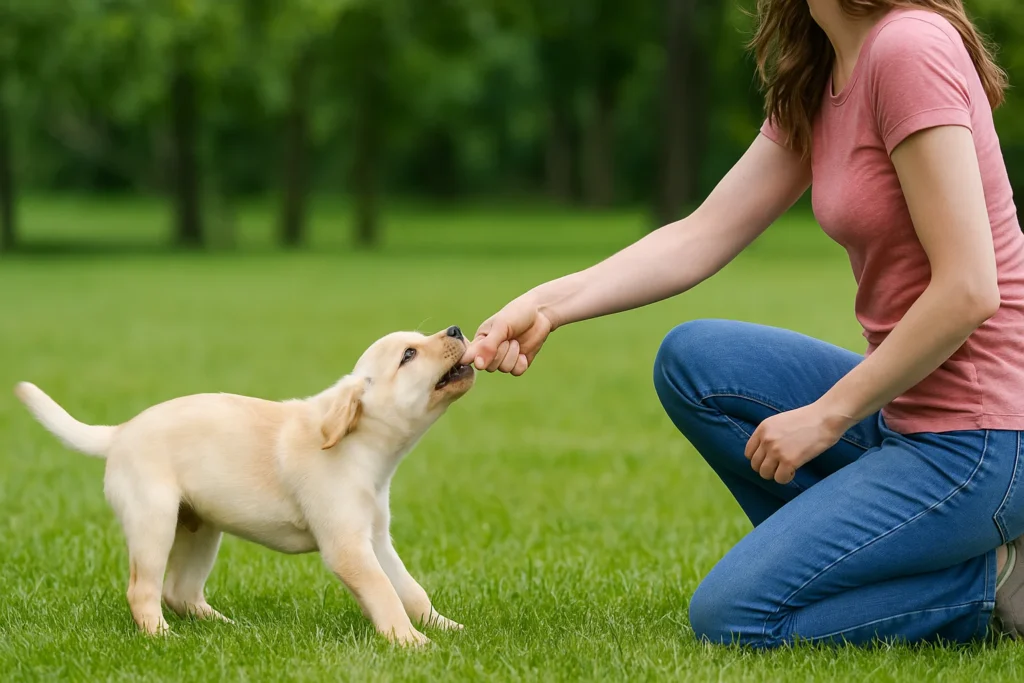
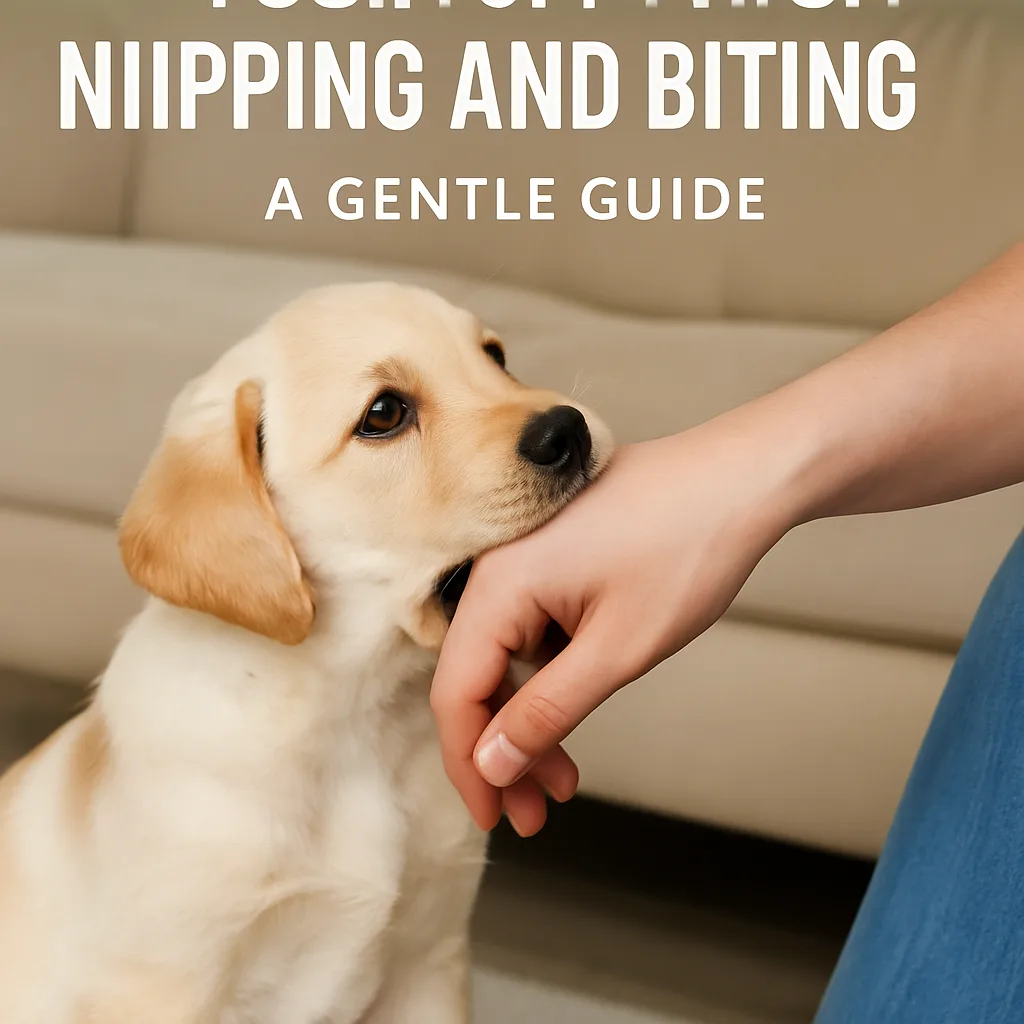
Puppies explore the world with their mouths. Whether they’re playing, teething, or just curious, it’s common for them to nip at hands, feet, or clothes. While playful nipping might seem cute at first, it can quickly become a problem as your puppy grows.
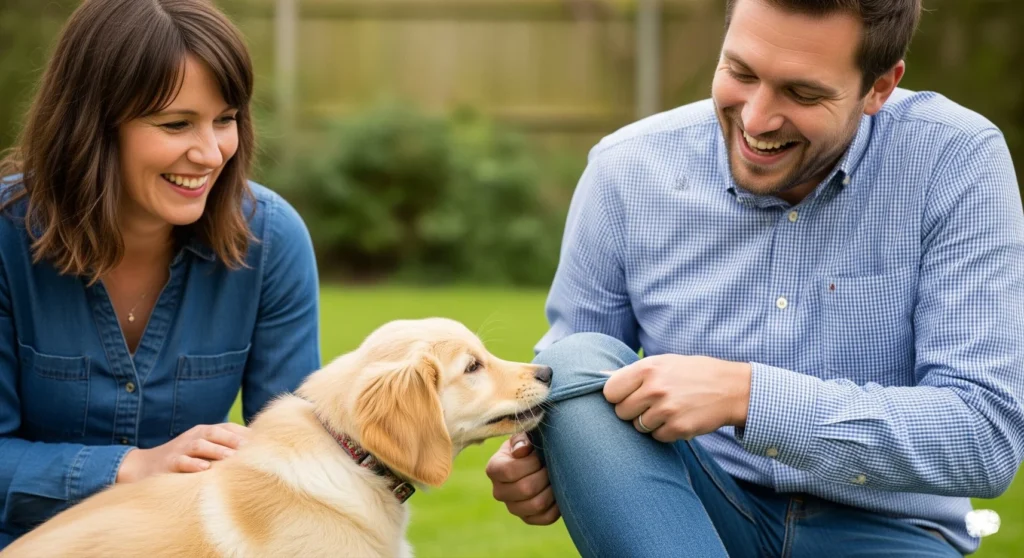
So, how do you stop a puppy from nipping you? With patience, consistency, and gentle training, you can teach your puppy to be gentle and redirect their energy to appropriate outlets. This guide will walk you through each step of the process.
Understanding Why Puppies Nip
- Puppies use their mouths to explore and play.
- They also nip as part of teething and learning social boundaries.
- It’s completely normal—but it needs guidance to prevent bad habits.
Step 1: Teach Bite Inhibition First
Before stopping mouthing entirely, your first goal should be teaching your puppy bite inhibition—the ability to control the force of their bite.
Why It Matters:
A puppy with poor bite inhibition may unintentionally bite hard in play—or worse, react poorly when frightened or in pain.
How Puppies Learn It:
Bite inhibition refers to a dog’s ability to control the force of their mouthing. A puppy or dog who hasn’t learned bite inhibition with people doesn’t recognize the sensitivity of human skin, and so they bite too hard, even in play. Many trainers believe that a dog who has learned to use their mouth gently when interacting with people will be less likely to bite hard and break skin if they ever bite someone in a situation apart from play—like when they’re afraid or in pain.
Puppies typically learn bite inhibition during play with other puppies. If you observe puppies playing, you’ll notice plenty of chasing, pouncing, and wrestling, often involving playful biting. Every now and then, a pup will bite a playmate too hard. The recipient of the painful bite yelps and usually stops playing. The offender is often startled by the yelp and also pauses play for a moment. Soon enough, both playmates are back in the game. Through this kind of interaction, puppies learn to control the intensity of their bites so that no one gets hurt and the play can continue without interruption. If puppies can learn how to be gentle from each other, they can certainly learn the same lesson from people.
How You Can Teach It:
- Play with your hands like a puppy’s littermate might.
- When your puppy bites too hard, let out a high-pitched yelp or say “Too bad!” in a firm voice.
- Let your hand go limp. Don’t pull away.
- Praise your puppy when they stop or lick you instead.
- Repeat up to 3 times in 15 minutes.
- If biting continues, move on to a time-out method (see below).
Step 2: Use Time-Outs for Hard Biting
Time-outs teach that rough play ends the fun.
- After a hard bite, yelp and stop interaction.
- Either turn away and ignore your puppy for 10–20 seconds, or leave the room briefly.
- Return and resume gentle play.
- Repeat this process consistently.
Step 3: Gradually Tighten the Rules
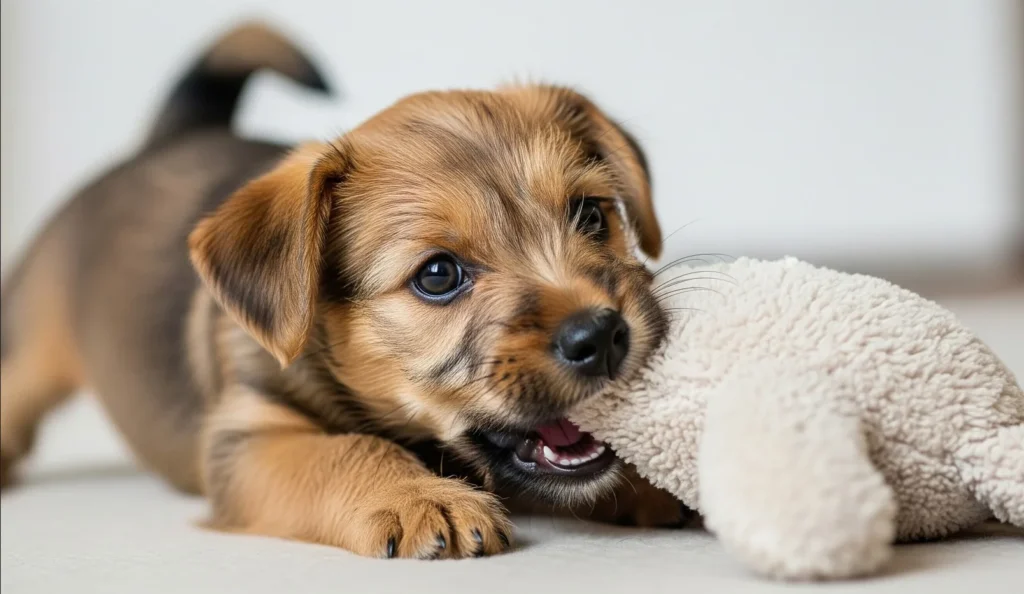
As your puppy learns not to bite hard:
- Begin reacting to moderately hard bites.
- Eventually, react to any teeth touching skin.
- Keep tightening the standard until your puppy plays with gentle, inhibited mouthing—or none at all.
Step 4: Redirect Nipping to Appropriate Behaviour
Once your puppy understands how to be gentle, the next goal is teaching them not to mouth people at all.
Try These Methods:
- Offer toys immediately when they try to chew fingers or feet.
- Feed treats during petting to reduce nipping during affection.
- Play fetch or tug-of-war (with rules), not rough-hand play.
- Carry a tug toy in your pocket if they nip your ankles—redirect and reward.
- Freeze if they bite feet, then reward once they stop.
Step 5: Provide Healthy Outlets
- Offer a wide variety of chew toys.
- Rotate new textures and shapes to keep things interesting.
- Let them play with other dogs—it burns energy and teaches bite boundaries.
What Not to Do
While training your puppy, it’s equally important to know what not to do, as some common reactions can inadvertently worsen the problem:
- Avoid Enticing Play: Do not wave your fingers or toes in your puppy’s face or slap the sides of their face to entice them to play. Doing these things can actually encourage your puppy to bite your hands and feet.
- Don’t Discourage All Play: Do not discourage your puppy from playing with you in general. Play builds a strong bond between a dog and their human family. You want to teach your puppy to play gently, rather than not at all.
- Avoid Jerking Away: Avoid jerking your hands or feet away from your puppy when they mouth. This will encourage them to jump forward and grab at you. It’s much more effective to let your hands or feet go limp so that they aren’t much fun to play with.
- Never Use Physical Punishment: Slapping or hitting puppies for playful mouthing can cause them to bite harder. They usually react by playing more aggressively. Physical punishment can also make your puppy afraid of you—and it can even cause real aggression. Avoid scruff shaking, whacking your puppy on the nose, sticking your fingers down their throat, and all other punishments that might hurt or scare them.
When to Seek Professional Help
Most puppy mouthing is normal behavior. However, some puppies bite out of fear or frustration, and this type of biting can signal problems with future aggression.
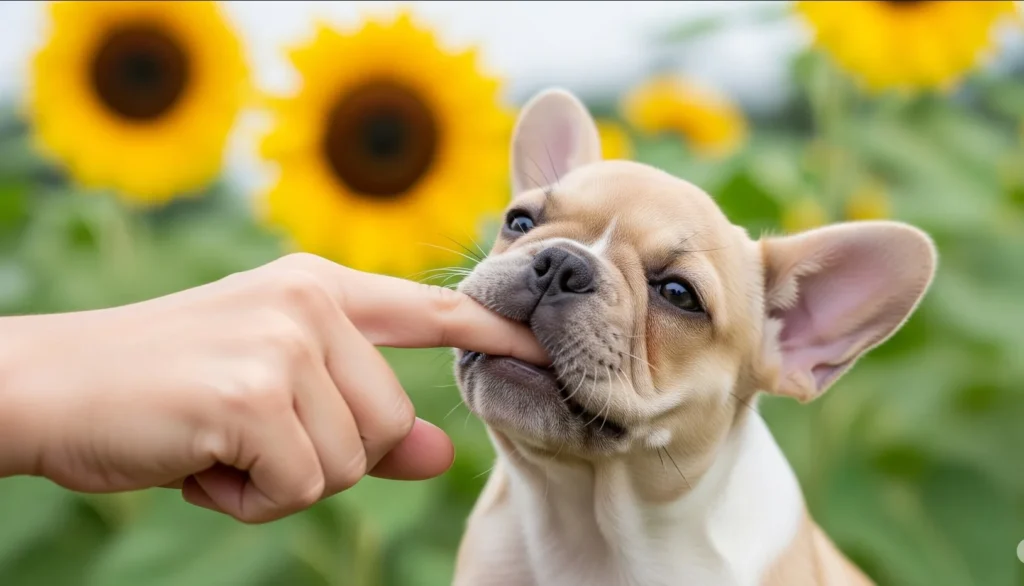
Puppy “Temper Tantrums” Puppies sometimes have temper tantrums. Usually, tantrums happen when you’re making a puppy do something they don’t like. Something as benign as simply holding your puppy still or handling their body might upset them. Tantrums can also happen when play escalates. A puppy temper tantrum is more serious than playful mouthing, but it isn’t always easy to tell the difference between the two. In most cases, a playful puppy will have a relaxed body and face. Their muzzle might look wrinkled, but you won’t see a lot of tension in their facial muscles. If your puppy has a temper tantrum, their body might look very stiff or frozen. They might pull their lips back to expose their teeth or growl. Almost always, their bites will be much more painful than normal mouthing during play.
If you’re holding or handling your puppy and they start to throw a temper tantrum, avoid yelping like you’re hurt. Doing that might actually cause your puppy to continue or intensify their aggressive behavior. Instead, be very calm and unemotional. Don’t hurt your puppy, but continue to hold them firmly without constriction, if possible, until they stop struggling. After they’ve quieted down for just a second or two, let them go. Then make plans to contact a qualified professional for help. Repeated bouts of biting in frustration are not something that the puppy will simply grow out of, so your puppy’s behavior should be assessed and resolved as soon as possible.
When and Where to Get Help
A trained professional can help you determine whether or not your puppy’s mouthing is normal, and they can guide you through an effective treatment plan. If you suspect that your puppy’s biting fits the description of aggressive or fearful behavior, please seek consultation with a qualified professional, such as a Certified Applied Animal Behaviorist (CAAB or ACAAB) or a Diplomate of the American College of Veterinary Behavior (Dip ACVB). If you can’t find a behaviorist in your area, you can seek help from a Certified Professional Dog Trainer (CPDT)—but be sure to determine whether they have professional training and experience in successfully treating fear and aggression problems, as this expertise isn’t required for CPDT certification.
FAQ: Puppy Nipping
Why does my puppy keep biting me?
Puppies bite to play, explore, and soothe teething pain. Without guidance, they won’t know it’s not okay to bite people.
At what age do puppies stop nipping?
Most puppies begin to outgrow it between 5–7 months, but consistent training is key to speeding the process.
What is the fastest way to stop nipping?
Teaching bite inhibition first, then using consistent redirection, time-outs, and positive reinforcement is the most effective approach.
Should I punish my puppy for biting?
No. Physical punishment can backfire and lead to fear-based aggression. Use time-outs and redirection instead.
Final Thoughts
Playful mouthing is a normal part of puppy development, but with patience, consistency, and the right techniques, you can gently guide your puppy to understand appropriate play and interaction. Remember, the goal is to teach them how to be gentle and to redirect their natural chewing instincts to appropriate toys, fostering a stronger, more enjoyable bond between you and your furry companion.
Need more help?
Subscribe to our newsletter for weekly puppy tips, training advice, and gear recommendations—or download our free Puppy Biting Quick Guide PDF!