
Homemade low protein dog food for kidney disease is more than just a recipe it’s a lifeline for dogs struggling with kidney problems. When a dog’s kidneys start to weaken, harmful waste like urea and creatinine builds up in the blood, making them feel tired, nauseous, and less like themselves. While there’s no cure for chronic kidney disease, the right diet can make a huge difference. By preparing gentle, low-protein meals at home, you can help your dog feel better, eat well again, and slow down the disease’s progress naturally. The best part? You don’t need to be a chef just a caring owner who wants to give their furry friend comfort, health, and a better quality of life.
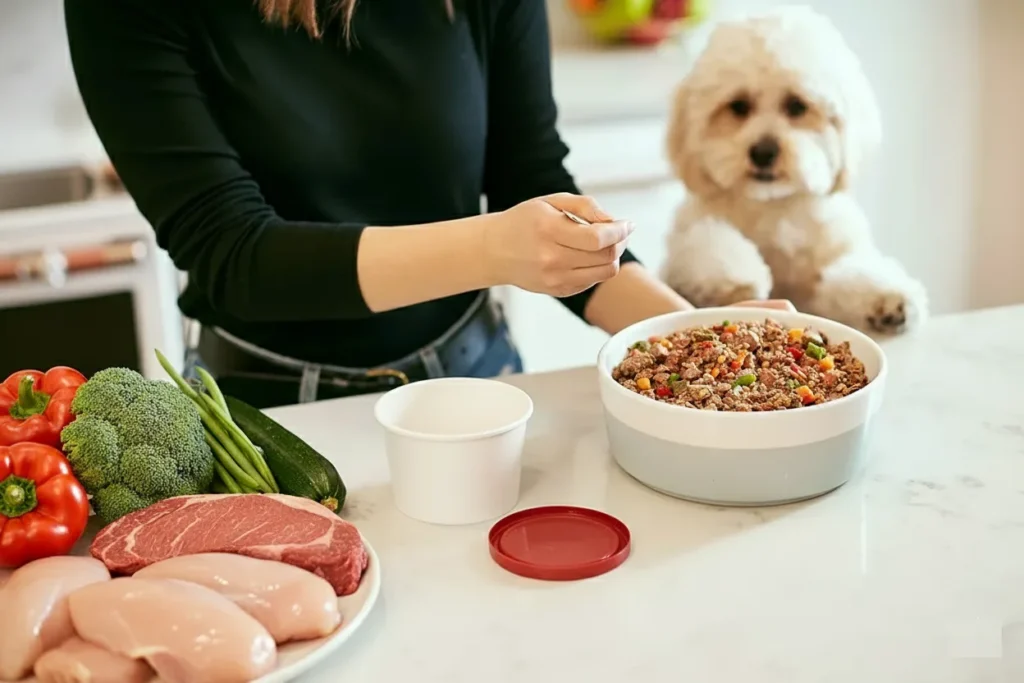
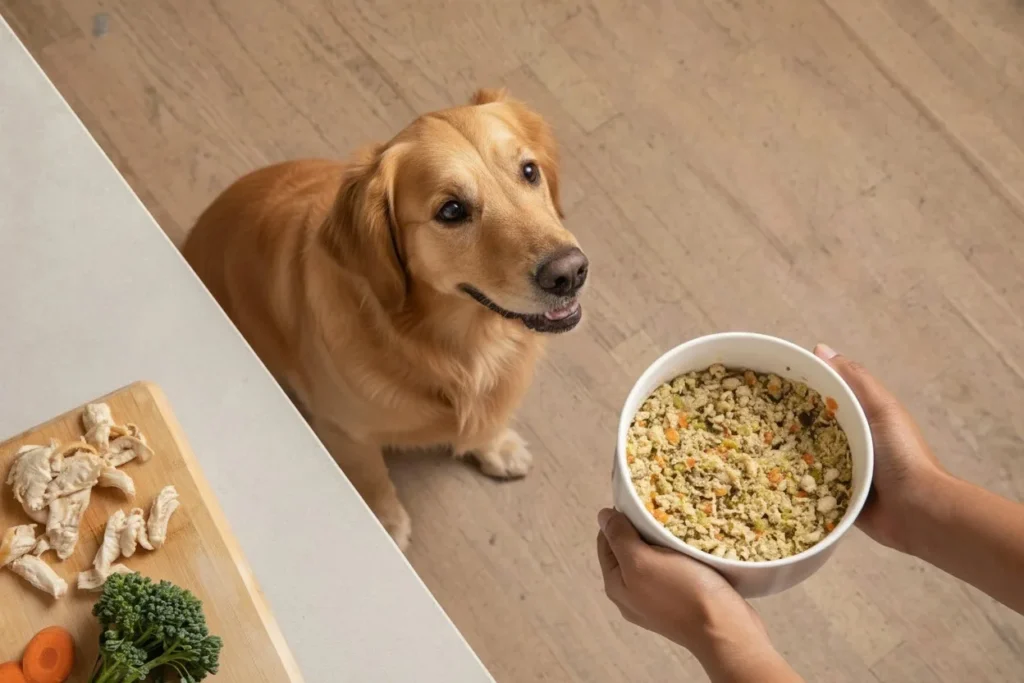
Figure: Carefully preparing a homemade meal. Homemade recipes can be more palatable to pets, but they must be balanced for a dog with CKD. Always double-check the nutrition with your vet or a pet nutritionist before feeding a homemade low-protein diet
Building a Kidney-Friendly Kitchen: Safe Ingredients for Your Dog
When embarking on the journey of preparing food for a dog with kidney disease, the kitchen transforms into a place of healing. Selecting the right ingredients is the first and most important step. The guiding principles are simple but strict: choose foods that are low in phosphorus and sodium, contain highly digestible protein, and provide energy primarily from healthy fats and low-phosphorus carbohydrates. By sourcing calories from fats and carbs, the body is less likely to convert precious protein into energy, a process that creates the very waste products you are trying to minimize.
Guiding Principles for Ingredient Selection
Before looking at specific foods, it is crucial to internalize the “rules” of a renal-friendly kitchen. Every ingredient should be evaluated for its phosphorus content first and foremost. Fresh, whole foods are preferable to processed ones, as they give you complete control over every component of the meal. All seasonings, especially salt, are to be avoided. This framework will empower you to make smart, safe choices for your dog’s health.
Table 1: Kidney-Safe Foods at a Glance
To simplify the process of grocery shopping and meal planning, the following table categorizes common foods based on their suitability for a canine renal diet. This table should serve as a quick reference guide, but it is not a substitute for a detailed discussion with a veterinarian, who can provide recommendations based on a dog’s specific stage of disease and any concurrent health issues.
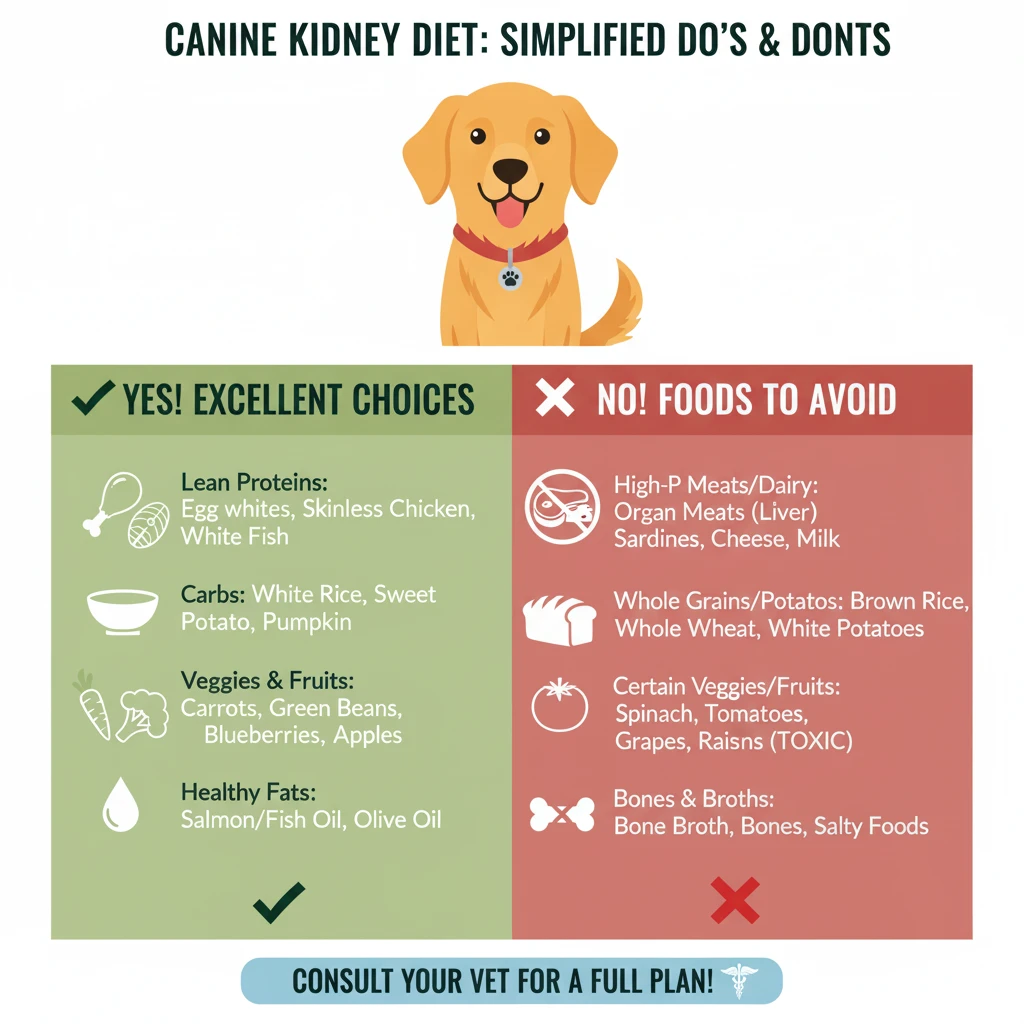
| Food Category | ✅ Excellent Choices (Low Phosphorus) | ⚠️ Use in Moderation (Consult Vet) | ❌ Foods to Avoid (High Phosphorus/Risk) |
| Proteins | Egg whites, Lean ground beef (sirloin) , Skinless chicken breast, White fish (cod, pollock) , Green tripe. | Egg whites , Lean ground beef (sirloin) , Skinless chicken breast, White fish (cod, pollock) , Green tripe. | High-fat ground beef , Dark meat chicken w/ skin, Ground pork , Whole eggs (yolks are high in phosphorus). |
| Carbohydrates | White rice , Sweet potatoes (boiled) , Pumpkin , Acorn/Winter squash , Pearled barley. | Pasta , White bread. | Brown rice (higher phosphorus than white) , Whole grains , White potatoes (high potassium). |
| Vegetables | Carrots , Green beans , Bell peppers (red) , Zucchini , Cabbage (steamed) , Cucumber. | Broccoli (in small amounts) , Peas , Kale (in small amounts). | Spinach (high in oxalates) , Tomatoes (high in potassium) , Beets (high in oxalates). |
| Fruits | Apples (no seeds/core) , Blueberries , Watermelon (seedless) , Cranberries , Strawberries. | Bananas (high in potassium). | Grapes and Raisins (toxic to kidneys) , Avocado (persin toxin, high fat). |
| Fats & Oils | Omega-3 Fish Oil (from salmon/cod) , Coconut oil , Olive oil. | Grass-fed butter , Flaxseed oil. | Cod liver oil (high in Vit. D), Vegetable oils (corn, soy). |
This professional guidance is critical not only for managing a medical condition but also for meeting the unique needs of certain breeds, which is why many seek advice when creating a homemade German Shepherd food to support their active lifestyle and joint health.
Simple Recipes: Preparing Homemade Low-Protein Dog Food for Kidney Disease
This section provides actionable, easy-to-follow recipes that serve as excellent starting points for crafting a diet tailored to a dog’s needs. The focus is on simplicity, digestibility, and adherence to the core nutritional principles outlined above.
A Critical Warning: Your Vet Is Your Co-Pilot
Before presenting any recipes, it is imperative to state a critical and non-negotiable warning. Preparing a homemade diet for any dog, especially one with a serious medical condition like kidney disease, carries significant risks if not done correctly. An unbalanced diet can lead to severe nutritional deficiencies or excesses that can worsen a dog’s health.
The recipes provided below are intended to be illustrative examples and starting points for a conversation with a veterinarian or a board-certified veterinary nutritionist. They are not a prescription. Any decision to switch to a homemade diet must be made in partnership with a veterinary professional who can approve the recipe, recommend specific supplements, and ensure the diet is complete and balanced for a dog’s individual needs. Regular bloodwork and check-ups are essential to monitor the dog’s response to the diet and make adjustments as the disease progresses. As our companions age, their nutritional needs change, leading many owners to look into homemade dog food recipes for senior dogs.
Recipe 1: The Beginner’s Chicken and Rice Medley
This recipe is a foundational option, using simple, highly digestible ingredients that are well-tolerated by most dogs. It is an excellent introduction to preparing a homemade low protein dog food for kidney disease.
- Ingredients:
- 1 cup cooked boneless, skinless chicken breast, shredded
- 2 cups cooked white rice
- 1/2 cup finely chopped or pureed carrots, steamed or boiled
- 1/4 cup green beans, steamed or boiled
- 1 tablespoon Omega-3 fish oil (from salmon or other cold-water fish)
- Step-by-Step Instructions:
- Cook the Components: Boil or bake the chicken breast until thoroughly cooked through. Avoid using any salt or seasonings. Once cooled, shred the meat into small, manageable pieces. Cook the white rice according to package directions, again omitting any salt.
- Prepare the Vegetables: Steam or boil the carrots and green beans until they are very soft and easily mashed with a fork. This improves their digestibility. A helpful tip is to discard the water used for boiling the vegetables, as this can help leach out a small amount of minerals like potassium and phosphorus, further reducing the load on the kidneys.
- Combine and Cool: In a large mixing bowl, combine the shredded chicken, cooked rice, and soft vegetables. Mix thoroughly. Allow the entire mixture to cool completely to room temperature.
- Add Supplements: Once the food is cool, stir in the tablespoon of fish oil. If a veterinarian has recommended other supplements, such as a calcium source or B-vitamin complex, add them at this stage. It is important not to add supplements to hot food, as the heat can degrade the potency of certain vitamins and fatty acids.
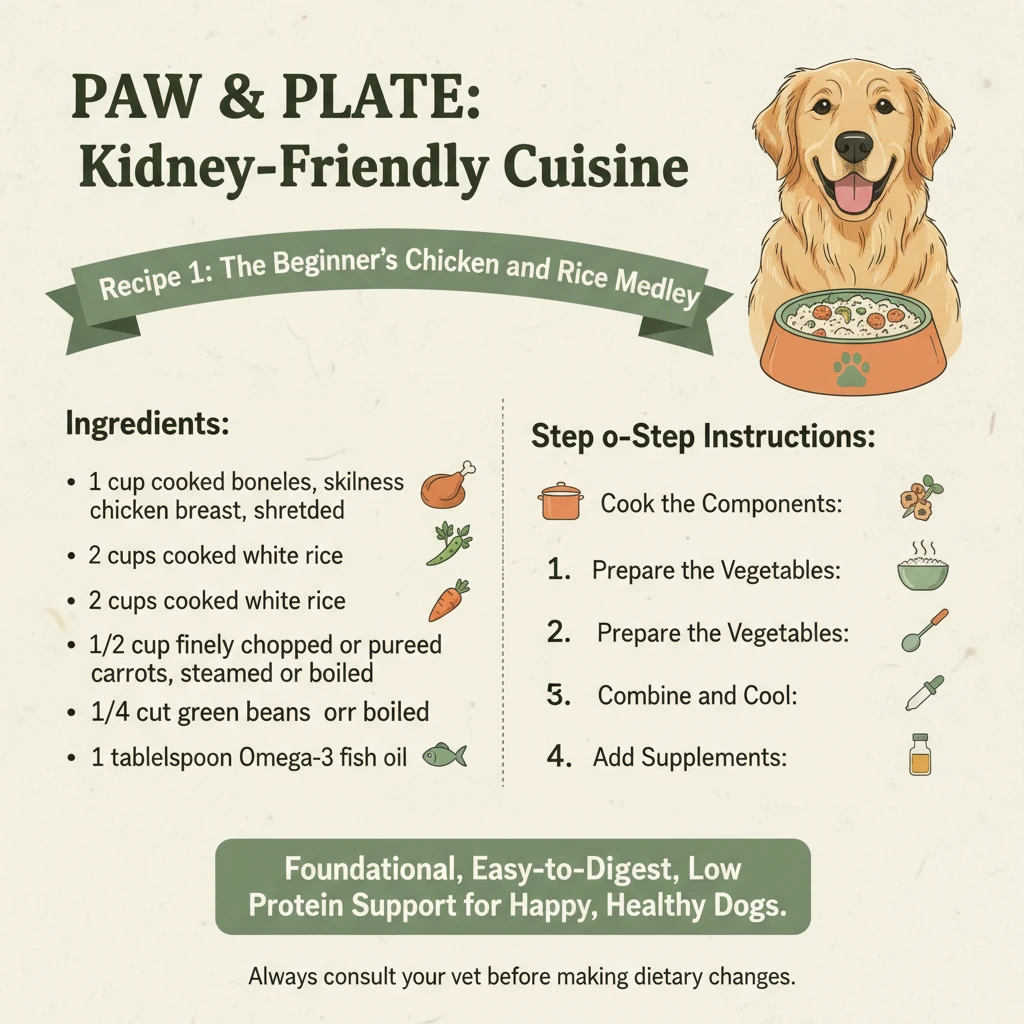
Diet is a cornerstone of managing long-term health, and some conditions may require options like vet-approved homemade dog food recipes for kidney disease.
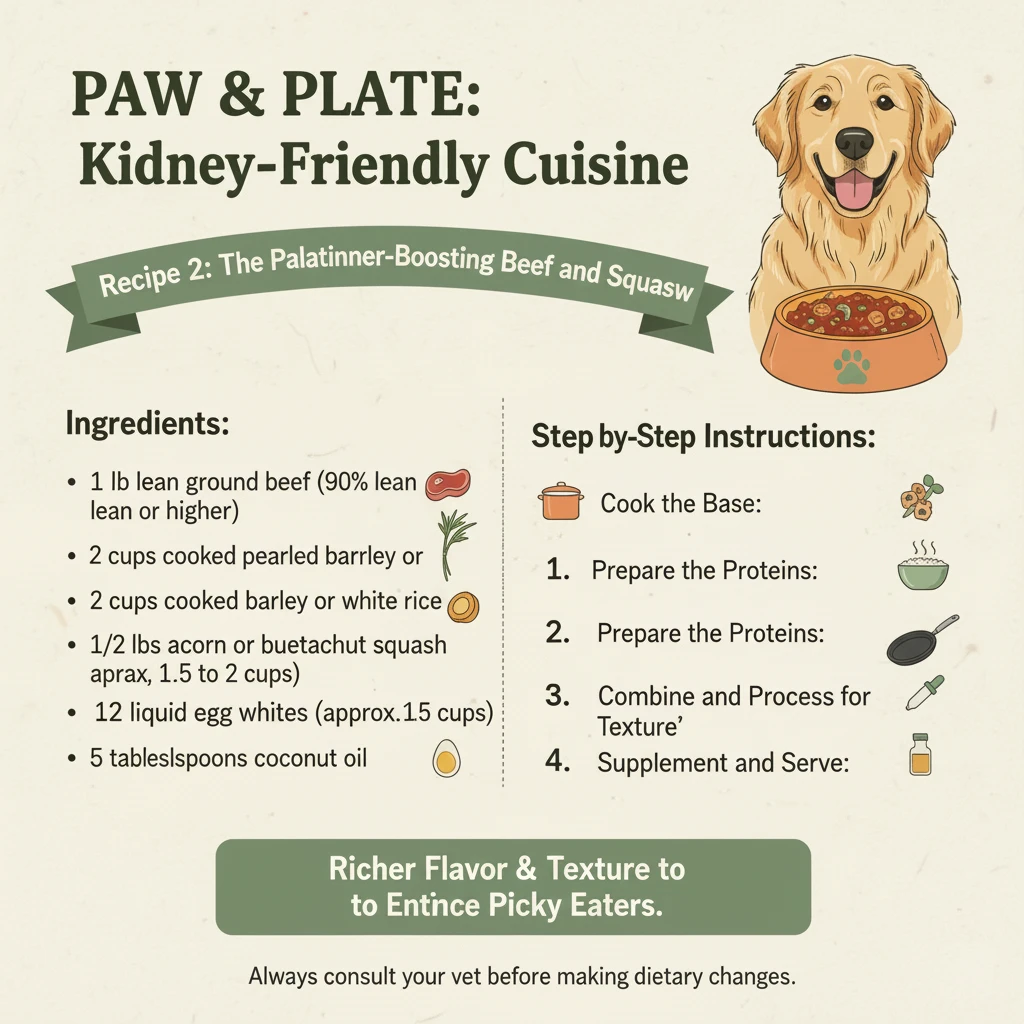
Recipe 2: The Palatability-Boosting Beef and Squash Stew
For dogs who have become picky eaters or are struggling with a poor appetite a common issue in later-stage kidney disease this recipe offers a richer flavor profile and varied texture to entice them to eat.
- Ingredients:
- 1 lb lean ground beef (90% lean or higher)
- 2 cups cooked pearled barley or white rice
- 2 lbs acorn or butternut squash
- 12 liquid egg whites (approximately 1.5 to 2 cups)
- 2 tablespoons coconut oil
- Step-by-Step Instructions:
- Prepare the Base: Cook the pearled barley or white rice according to package instructions without salt. To prepare the squash, peel it, remove the seeds, and cut it into one-inch cubes. Boil the cubes in water until they are fork-tender, then drain thoroughly, discarding the cooking water.
- Cook the Proteins: In a large skillet over medium heat, cook the ground beef until it is no longer pink. Unlike very fatty meats, it is acceptable to leave some of the fat from lean beef in the mixture, as fat is a crucial source of calories for dogs with kidney disease. In a separate, clean pan, use the coconut oil to scramble the liquid egg whites until they are fully cooked.
- Combine and Process for Texture: To enhance digestibility and appeal to picky eaters, a food processor can be used to create a more uniform stew. Combine half of the cooked ground beef, half of the boiled squash, and all the scrambled egg whites in the food processor. Pulse a few times until a smooth puree is formed. In a large bowl, mix this puree with the remaining whole ingredients: the rest of the ground beef, the remaining squash cubes, and the cooked rice or barley. This creates a meal with a varied and interesting texture that can encourage eating.
- Supplement and Serve: Allow the stew to cool completely to room temperature before stirring in any vet-approved supplements.
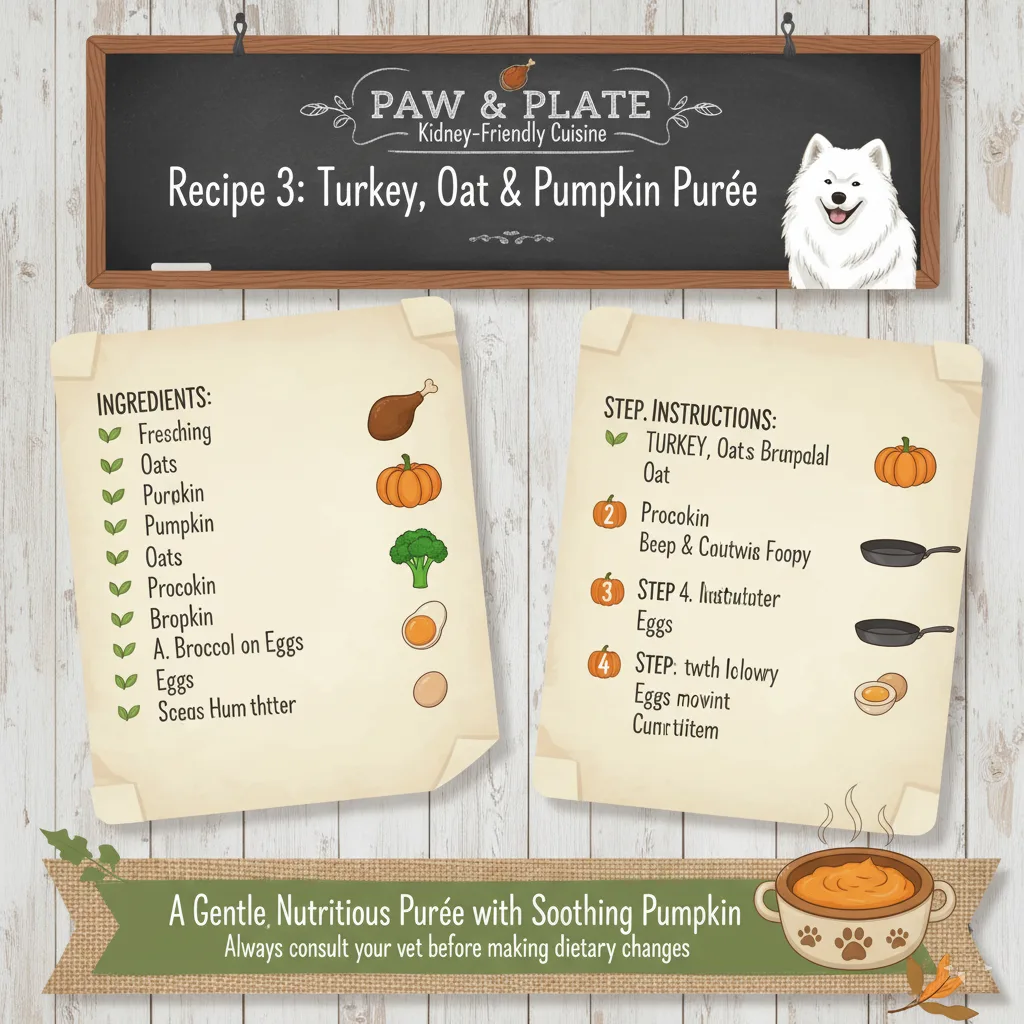
Recipe 3: Turkey, Oat & Pumpkin Purée
This recipe uses lean turkey and the soothing properties of pumpkin, making it a gentle yet nutritious option.
- Ingredients:
- 1 lb 93% lean ground turkey
- 3 oz rolled oats
- 4 oz 100% pure pumpkin puree (not pie filling)
- 2 egg whites
- 1/2 cup broccoli, finely chopped
- 1/2 cup water
- Step-by-Step Instructions:
- Cook the Turkey: In a large non-stick pan, cook the ground turkey over low-to-medium heat until lightly browned.
- Simmer the Oats: Add the water and rolled oats to the pan with the turkey. Bring to a simmer and cook until the oats are tender and have absorbed most of the water.
- Combine Ingredients: Stir in the pumpkin puree, raw egg whites, and finely chopped broccoli. Continue to cook, stirring constantly, until the egg whites are fully cooked and opaque.
- Cool and Supplement: Remove from the heat and let the mixture cool completely before adding any vet-prescribed supplements.
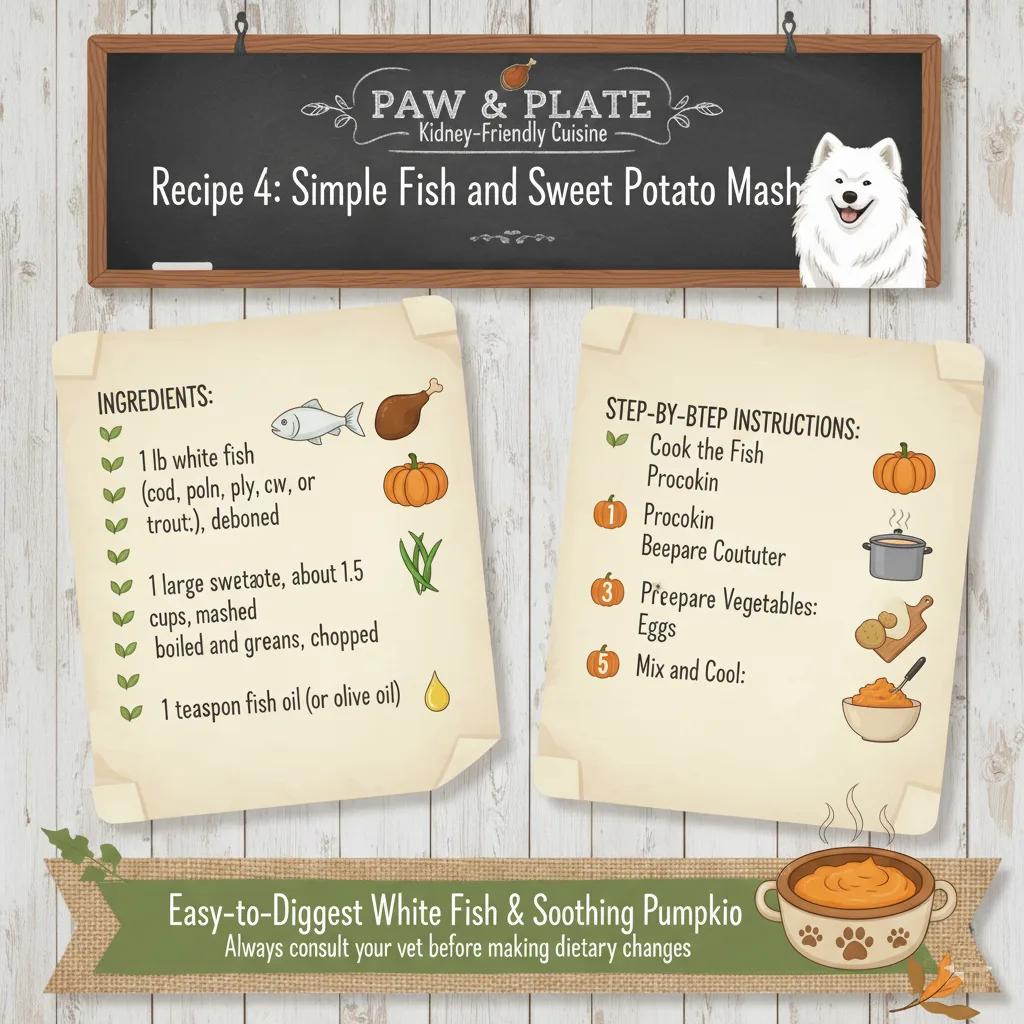
Recipe 4: Simple Fish and Sweet Potato Mash
White fish is an excellent, easily digestible protein, and this simple recipe is often a hit with dogs who enjoy its flavor.
- Ingredients:
- 1 lb white fish (cod, pollock, or trout), deboned
- 1 large sweet potato (about 1.5 cups), boiled and mashed
- 1/2 cup steamed green beans, chopped
- 1 teaspoon fish oil (or olive oil)
- Step-by-Step Instructions:
- Cook the Fish: Bake or poach the fish until it is cooked through and flakes easily with a fork.
- Prepare Vegetables: Boil or steam the sweet potato until very soft, then remove the skin and mash it. Steam the green beans until tender and chop them into small pieces.
- Mix and Cool: In a bowl, gently combine the flaked fish, mashed sweet potato, and chopped green beans.
- Add Healthy Fats: Once the mixture has cooled to room temperature, stir in the fish oil or olive oil along with any other necessary supplements.
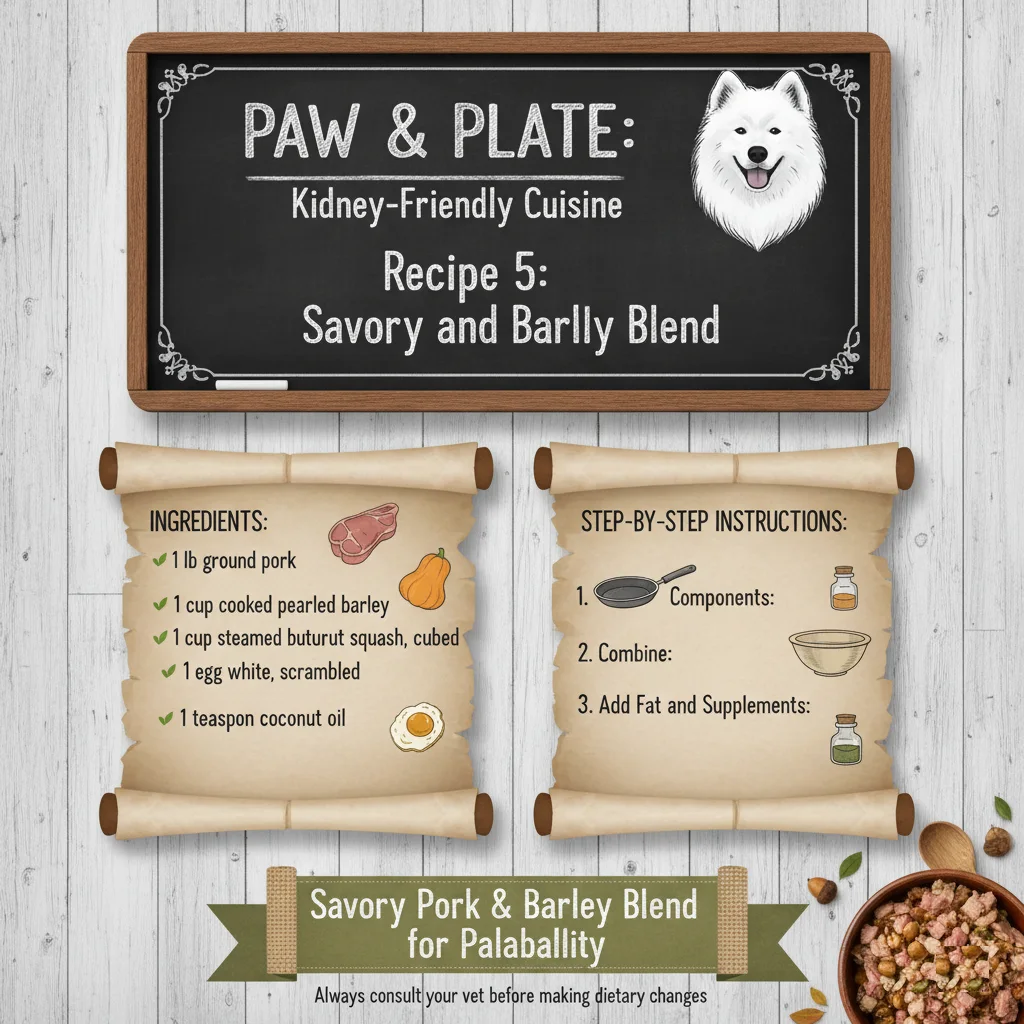
Recipe 5: Savory Pork and Barley Blend
Pork can be a palatable option for picky eaters, and pearled barley is a kidney-friendly carbohydrate source.
- Ingredients:
- 1 lb ground pork
- 1 cup cooked pearled barley
- 1 cup steamed butternut squash, cubed
- 1 egg white, scrambled
- 1 teaspoon coconut oil
- Step-by-Step Instructions:
- Cook Components: In a skillet, cook the ground pork until no longer pink. Cook the pearled barley according to package directions (without salt). Steam or boil the butternut squash until tender. Scramble the egg white separately.
- Combine: In a large mixing bowl, combine the cooked pork, barley, squash, and scrambled egg white.
- Add Fat and Supplements: Mix thoroughly and allow to cool completely. Stir in the coconut oil and any other supplements recommended by your veterinarian before serving.
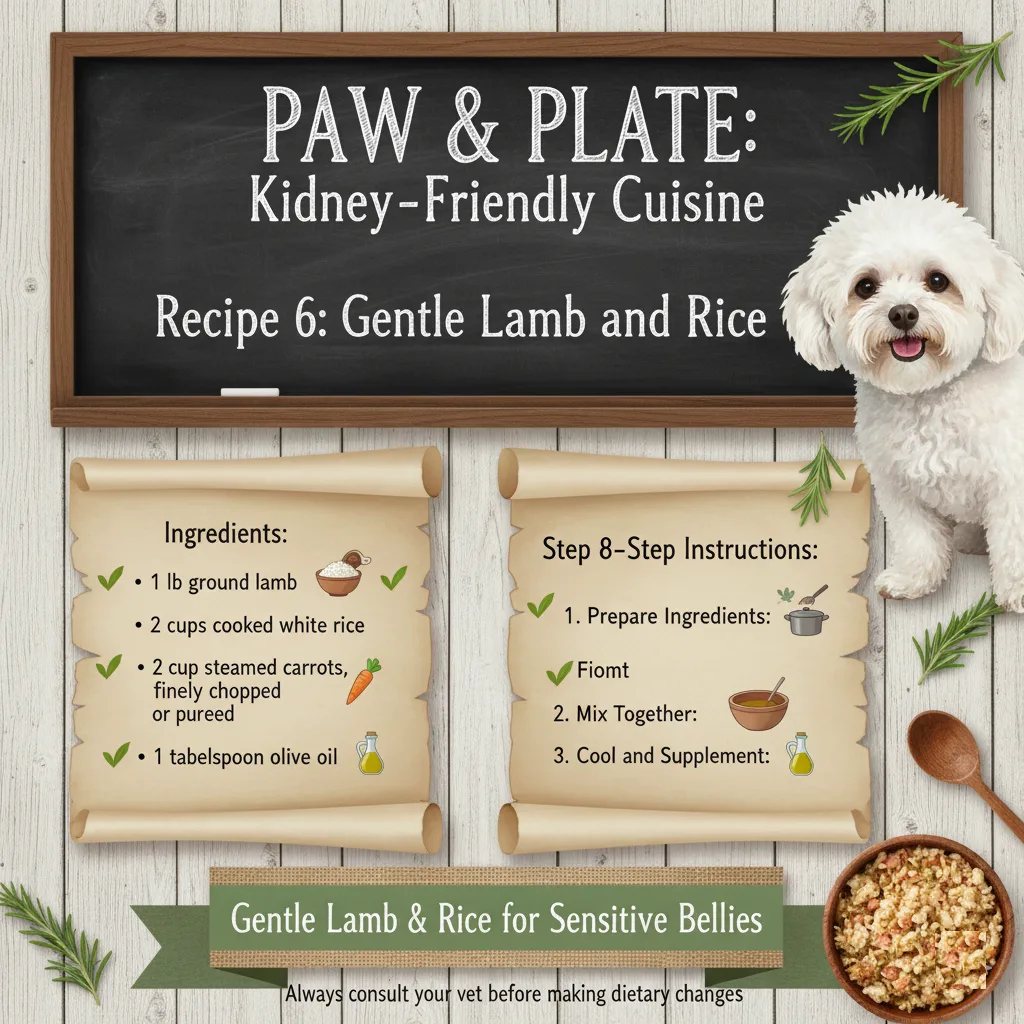
Recipe 6: Gentle Lamb and Rice
For dogs with sensitivities to poultry or beef, lamb offers a nutritious alternative. High-fat ground lamb is a good choice to increase calories without increasing protein.13
- Ingredients:
- 1 lb ground lamb
- 2 cups cooked white rice
- 1 cup steamed carrots, finely chopped or pureed
- 1 tablespoon olive oil
- Step-by-Step Instructions:
- Prepare Ingredients: Cook the ground lamb in a skillet. Do not drain all the fat, as it provides needed calories. Cook the white rice according to package directions without salt. Steam the carrots until very soft.
- Mix Together: Combine the cooked lamb (with its fat), rice, and carrots in a large bowl.
- Cool and Supplement: Let the food cool to room temperature before stirring in the olive oil and any vet-approved supplements.
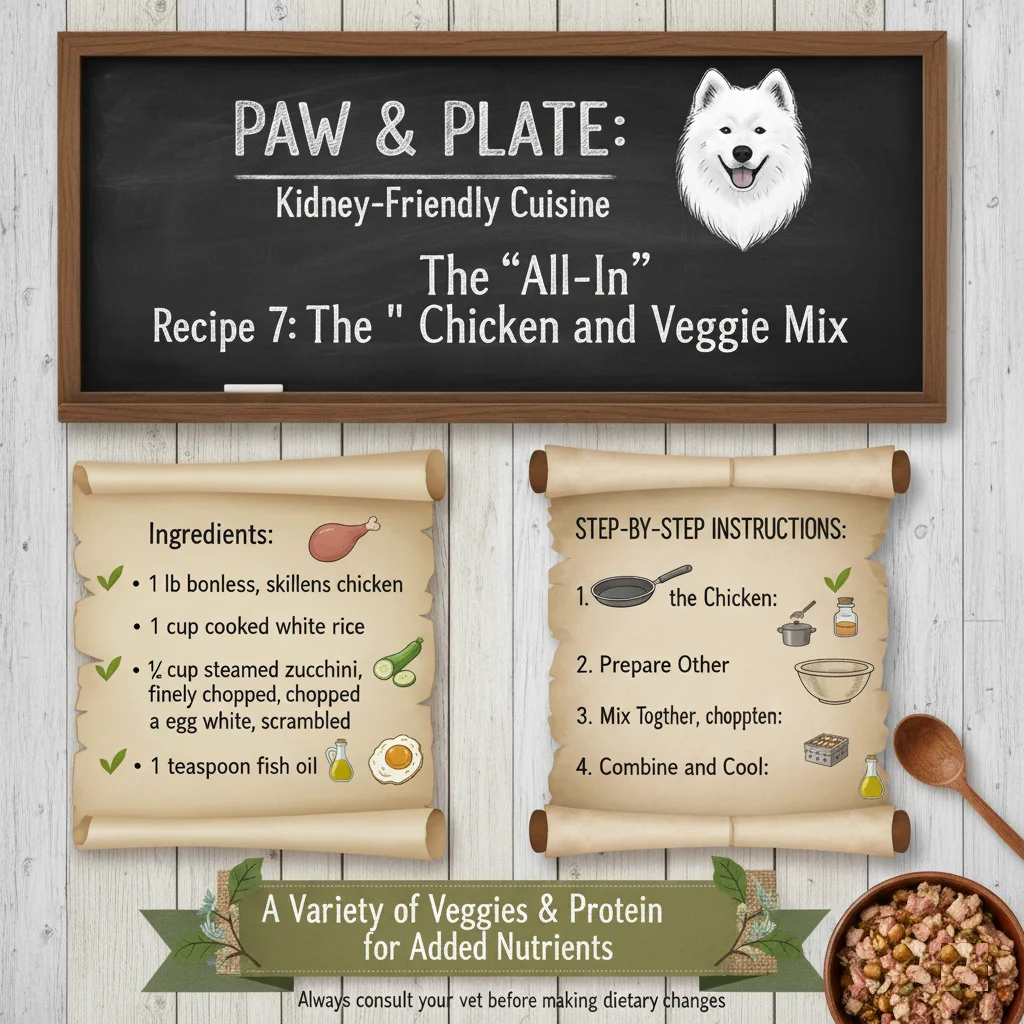
Recipe 7: The “All-In” Chicken and Veggie Mix
This recipe provides a variety of vegetables for added nutrients and fiber, using highly digestible chicken as the protein base.
- Ingredients:
- 1 lb boneless, skinless chicken (dark meat with skin can be used for higher fat)
- 1 cup cooked white rice
- 1/2 cup steamed zucchini, chopped
- 1/2 cup steamed carrots, chopped
- 1 egg white, scrambled
- 1 teaspoon fish oil
- Step-by-Step Instructions:
- Cook the Chicken: Boil or bake the chicken until cooked through, then shred or chop it into bite-sized pieces.
- Prepare Other Ingredients: Cook the rice. Steam the zucchini and carrots until soft. Scramble the egg white.
- Combine and Cool: In a large bowl, mix the chicken, rice, vegetables, and scrambled egg white.
- Add Supplements: Allow the mixture to cool completely before adding the fish oil and any other prescribed supplements.
Essential Preparation & Storage Tips
Proper handling and storage are vital to ensure the safety and nutritional integrity of homemade dog food.
- Preparation: Always cook protein sources thoroughly to eliminate harmful bacteria. Vegetables should be steamed or boiled to increase digestibility, which eases the strain on the entire digestive system.Under no circumstances should salt, garlic, onions, or other seasonings be added, as these can be harmful to dogs, especially those with compromised kidney function.
- Storage: Since homemade food lacks preservatives, it is highly perishable. Store freshly made batches in airtight, BPA-free containers in the refrigerator for a maximum of 3 to 5 days. For longer-term storage, portion the food into individual meal sizes in freezer-safe bags or containers. It can be safely frozen for up to 3 months.
- Thawing and Serving: Thaw frozen portions overnight in the refrigerator. To serve, allow the food to come to room temperature or warm it slightly by adding a small amount of hot water. Never use a microwave to reheat food that already contains supplements, as the high heat can destroy sensitive nutrients like vitamins and omega-3 fatty acids.
Key Precautions
Always work with a vet. Your veterinarian will consider your dog’s weight, CKD stage, and overall health before making any diet changes. They can help plan correct portions, recommend safe supplements like calcium or B vitamins, and monitor your dog’s bloodwork as the diet is used.
Beware of nutrient gaps. Even with a homemade low protein dog food for kidney disease, dogs still need balanced amounts of protein, fat, vitamins, and minerals. A CKD diet often requires added calcium (to balance phosphorus), omega-3 fatty acids, and other key nutrients. Never assume a recipe is complete without professional review.
Avoid harmful ingredients. Some foods that seem healthy can actually harm a dog with kidney disease. Avoid salt, organ meats, bone broth, and fatty meats. Skip egg yolks (they are high in phosphorus) and stick only to egg whites if using eggs. Choose low-phosphorus vegetables such as green beans, zucchini, or carrots.
Transition gradually. If you’re switching your dog from regular food to a kidney-support diet, do it slowly. Gradual changes prevent digestive upset and help your dog adjust to new flavors and textures. This gentle approach is the foundation for managing any digestive issue, forming the core principle behind selecting the best dog food for sensitive stomach and diarrhea.
Monitor your pet. Keep an eye on your dog’s appetite, weight, and hydration. If your dog refuses food or shows signs of nausea, weakness, or worsening symptoms, contact your vet right away. They may recommend appetite enhancers, medication, or adjustments to the recipe.
Ensuring your older pet gets the right nutrients is crucial, which is why finding the best homemade dog food for senior dogs is a top priority.
Essential Supplements and Additions (With Vet Approval)
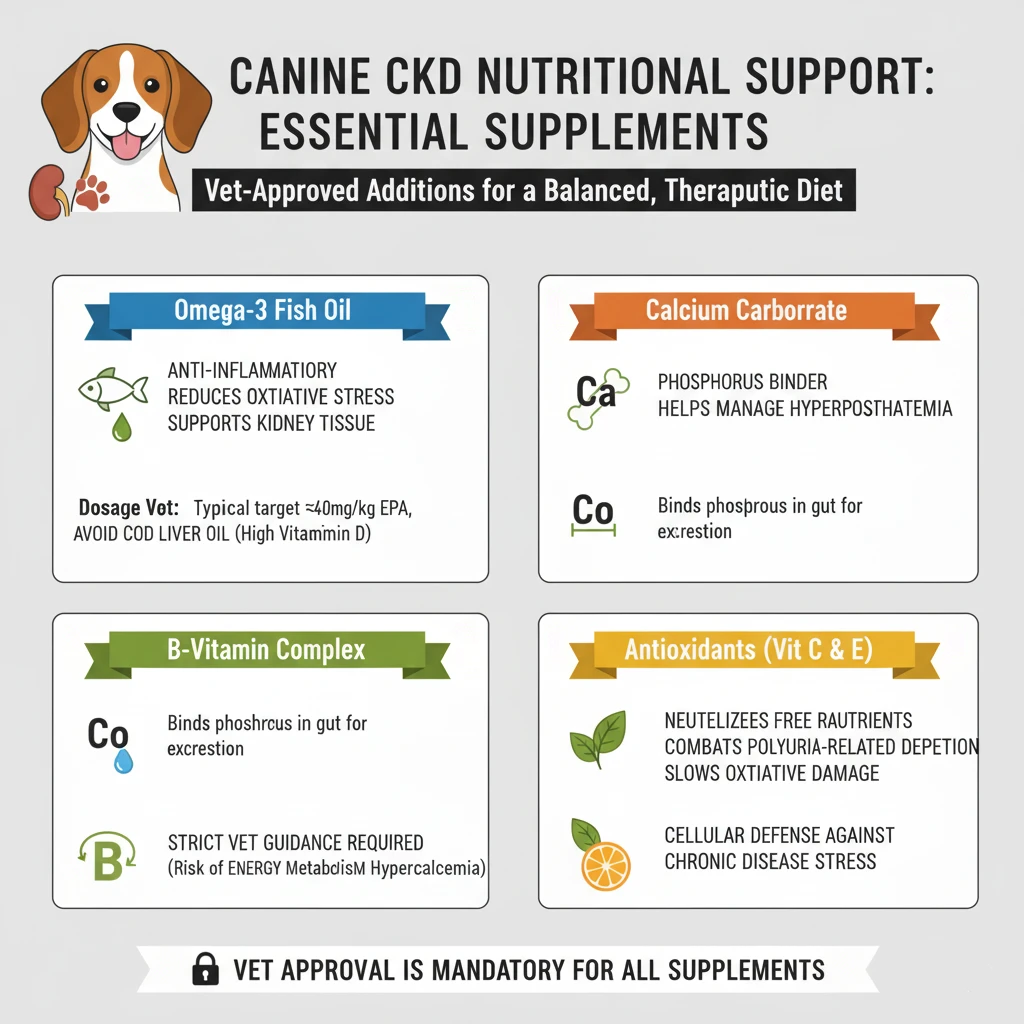
A homemade diet, no matter how carefully prepared with whole-food ingredients, is almost never nutritionally complete on its own. Specific supplements are required to balance the diet and provide targeted therapeutic benefits for kidney disease. The addition of any supplement must be directed and supervised by a veterinarian.
Omega-3 Fish Oil (EPA & DHA)
As previously mentioned, Omega-3 fatty acids are a cornerstone of nutritional support for CKD. They work by reducing the production of inflammatory compounds that cause oxidative stress and damage to kidney tissue. When discussing this with a veterinarian, a well-researched starting dosage to propose is 40 mg/kg of Eicosapentaenoic Acid (EPA) combined with 25 mg/kg of Docosahexaenoic Acid (DHA) per day. It is crucial to use a high-quality fish body oil (like salmon oil) and not cod liver oil, which is excessively high in vitamin D and can be harmful to dogs with kidney disease.
Calcium Carbonate (as a Phosphorus Binder)
For dogs whose blood phosphorus levels remain elevated despite a phosphorus-restricted diet, veterinarians may recommend a phosphate binder. Calcium carbonate is a common choice. When mixed with food, it binds to phosphorus in the intestinal tract, forming an insoluble compound that is then excreted in the feces, preventing the phosphorus from being absorbed into the bloodstream.This is a powerful tool but must be used with caution and only under strict veterinary guidance, as incorrect dosing can lead to dangerously high calcium levels (hypercalcemia). A common source for this supplement is plain, finely ground eggshells.13
B-Vitamin Complex
Dogs with CKD experience polyuria, or increased urination, as their kidneys lose the ability to conserve water. This frequent flushing of the system leads to the loss of water-soluble vitamins, most notably the B-complex vitamins.2 A B-vitamin supplement helps replenish these essential nutrients, which are vital for energy metabolism and overall cellular function.
Antioxidants (Vitamins C & E)
The process of chronic disease, including CKD, creates oxidative stress in the body from an excess of free radicals. This cellular damage can contribute to the progression of kidney disease. Supplementing the diet with antioxidants like vitamin E and vitamin C can help neutralize these free radicals, potentially protecting kidney cells from further damage and slowing the decline in function.
Why a Low-Protein Diet Helps
When kidneys are damaged, they can’t filter protein waste efficiently. High-protein foods normally break down into nitrogenous wastes. In chronic kidney disease (CKD), reducing protein dramatically cuts the amount of waste the kidneys must filter. In other words, less dietary protein means less buildup of uremic toxins (like creatinine and BUN) and fewer clinical symptoms. Restricting protein means the kidneys don’t have to work as hard and helps preserve kidney function. Lowering protein also naturally lowers phosphorus, since protein and phosphorus are linked in most foods. Studies have shown that limiting phosphorus and protein intake in CKD can slow disease progression and even extend a dog’s lifespan.
Reduced protein = less kidney stress. Every protein-rich meal generates waste. By using smaller amounts of high-quality protein, the kidneys filter fewer toxins.
Less phosphorus = slower CKD. Phosphorus is especially hard on the kidneys. Limiting phosphorus has been shown to delay CKD progression. Choosing proteins naturally low in phosphorus like chicken breast, egg whites, or fish, is important.
Add omega-3 fats and fiber. Anti-inflammatory fats such as omega-3s from fish oil or flaxseed help protect the kidneys. Fiber sources like oatmeal or pumpkin help bind nitrogenous waste so the dog can tolerate a bit more protein safely.
Hydration is critical. Dogs with CKD need lots of water. Feeding canned foods or adding water or broth to recipes helps keep your dog hydrated and kidneys flushing properly.
These principles guide the recipes below. Each recipe uses lean protein, plenty of low-phosphorus vegetables, and gentle carbohydrates like rice, oats, or potato. The goal is a balanced, kidney-friendly meal. (Always avoid adding salt or seasoning to kidney-disease diets, which must be low sodium as well.)
The goal is a balanced, kidney-friendly meal that is highly digestible, a key principle also found in creating homemade dog food for senior dogs.
Your Questions Answered: A Practical FAQ
Navigating a new diagnosis and a new diet can bring up many questions. This section addresses some of the most common concerns voiced by owners of dogs with kidney disease, and can be customized for dogs that have multiple health conditions (e.g., kidney disease and pancreatitis), which is why owners often need to research everything from the best dog food for Pitbulls with skin allergies to diets for liver support.
How much homemade food should I feed my dog?
There is no universal feeding chart for a homemade diet. The correct amount depends on a multitude of factors, including the specific caloric density of the recipe, as well as a dog’s age, ideal body weight, and daily activity level. A general guideline often used as a starting point is to feed approximately 2-3% of the dog’s ideal body weight in food per day. For example, a 25-pound dog might start with around half a pound (8 ounces) of food daily. However, this is only an estimate. It is critical to work with a veterinarian to calculate the precise caloric needs and to monitor the dog’s weight and body condition closely, adjusting the feeding amount as necessary to prevent weight loss.16 It is also highly recommended to divide the total daily amount into two, three, or even more small meals throughout the day. This approach is gentler on the kidneys and digestive system compared to one or two large meals.
This approach of providing smaller, more frequent meals is similar in principle to a structured puppy eating schedule, which is designed to provide steady energy and support healthy development
My dog with kidney disease has no appetite. What can I do?
Loss of appetite (inappetence) is one of the most common and distressing challenges of managing kidney disease. It is typically a direct result of the buildup of uremic toxins, which cause persistent nausea. The first and most important step is to speak with a veterinarian. They can prescribe medications to control nausea (antiemetics) or an appetite stimulant, such as Entyce. Managing the underlying medical cause of the inappetence is far more effective than simply trying to entice a sick dog to eat.
Once medical support is in place, several strategies can help encourage eating:
- Gently warm the food: Heating the food slightly can enhance its aroma, making it more appealing.
- Add a palatable topper: With veterinary approval, a small amount of a low-phosphorus, low-sodium “enticer” can be mixed in. Options include a splash of low-sodium chicken or beef broth, pureed baby food (ensure it contains no onion or garlic), or a tiny bit of maple syrup.
- Create a calm environment: Hand-feeding or simply sitting quietly with a dog during mealtimes can provide comfort and reduce anxiety, which can sometimes encourage them to eat.
What treats are safe for a dog with kidney disease?
Commercial dog treats are often high in protein, phosphorus, and sodium, making them unsuitable for a dog on a renal diet. Avoid items like jerky, rawhide, bully sticks, cheese, and deli meats. The safest and healthiest treats are typically kidney-friendly fruits and vegetables. Excellent choices from the table in Section 2 include small pieces of apple (with seeds and core removed), blueberries, strawberries, fresh carrot sticks, cucumber slices, or green beans. These provide a satisfying crunch or a sweet taste without compromising the goals of the therapeutic diet.
Is a prescription diet a better option than making homemade low-protein dog food for kidney disease?
This is a deeply personal decision that should be made in close consultation with a veterinarian. Both options have distinct advantages and disadvantages.
- Prescription Renal Diets: These diets are the product of extensive research and are scientifically formulated to be complete and balanced. Clinical studies have shown that dogs with CKD who eat a therapeutic renal diet live longer and have a better quality of life compared to those on a standard maintenance diet.6 They offer convenience, consistency, and the peace of mind that comes with a professionally balanced food. The primary drawback is that some dogs find them unpalatable and may refuse to eat them, especially as their illness progresses.
- Homemade Diets: A well-formulated homemade low protein dog food for kidney disease can offer superior palatability, which can be a lifesaver for a dog with a poor appetite. It also provides complete control over ingredient quality and can be customized for dogs that have multiple health conditions (e.g., kidney disease and pancreatitis) that cannot be managed with a single commercial diet. The significant risk, however, is the high potential for the diet to be nutritionally unbalanced, which can do more harm than good if not formulated by an expert.
- If your dog is showing signs of digestive distress, it might be time to look for the best dog food for sensitive stomach and diarrhea.
Ultimately, the best diet is the one that meets the therapeutic goals and that the dog will eat consistently. A perfectly formulated prescription diet provides no benefit if the dog refuses to eat it. In such cases, a properly balanced homemade diet becomes the superior choice. This decision represents a partnership between the owner and the veterinary team, working together to find the best possible solution for the individual dog.
Conclusion: A Partnership for Your Dog’s Health
Managing chronic kidney disease in a dog is a journey that requires commitment, patience, and a strong partnership with a veterinary team. Diet is the cornerstone of this management, a powerful tool that can directly impact a dog’s well-being and longevity. The core principles of a successful renal diet are clear: strict phosphorus restriction, optimized intake of high-quality protein, increased moisture to ensure hydration, and supplementation with anti-inflammatory Omega-3 fatty acids.
Embarking on the path of creating a homemade low protein dog food for kidney disease can be a profoundly rewarding way to care for a sick pet, offering control over ingredients and often improving a picky dog’s willingness to eat. However, this path should never be walked alone. The complexities of nutritional science and the risks of an unbalanced diet are too great. This guide should serve as a resource to facilitate an informed, productive conversation with a veterinarian or veterinary nutritionist. By working together, you can create a nutritional plan that is safe, effective, and tailored to the unique needs of your dog, ensuring they receive the best possible care on their journey.