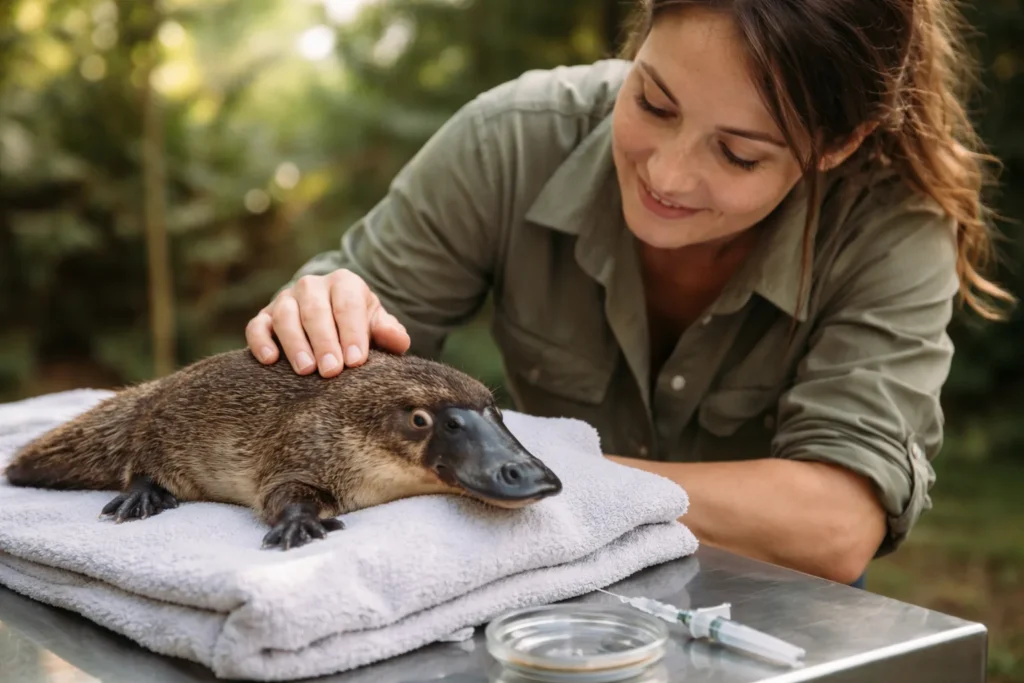
Yes Platypus Can live in Captivity, but only under extraordinary conditions. Platypuses have been kept alive in zoos and sanctuaries, yet nearly all captive platypuses struggle. In fact, a study of 228 zoo platypuses found only 22.4% survived beyond one year. In other words, for most platypuses captivity is very unforgiving. While an occasional individual can live for decades (one even reached 30 years), this is the exception, not the rule.
As one expert notes, these creatures demand far more than a typical pet: “no place in Australia where a platypus can be legally kept as a pet,” and zoos spend tens of thousands annually just to keep one alive. In short, a platypus can survive behind glass – but it’s not a life anyone would wish to imitate.
Why a Platypus Isn’t Your Ideal Pet
Think “platypus as a pet” and cute YouTube videos might come to mind, but the reality is stark. These oddball monotremes are wild in every sense. They need huge amounts of live food (up to 20% of their weight each day!) and very specific habitat conditions. For context, imagine eating 20 pounds of crickets and tiny shrimp every day if you weighed 100 pounds. That’s what an adult Platypus does. On top of that, no amount of cheese or kibble will work – they only eat live aquatic bugs and crustaceans (think insect larvae, worms, crayfish). Here’s a quick breakdown of the challenges:
- Insatiable appetite: A male or lone female platypus eats about one-fifth of its body weight daily, mostly in live insect larvae, worms and freshwater shrimp. That translates to hours of foraging or feeding each night.
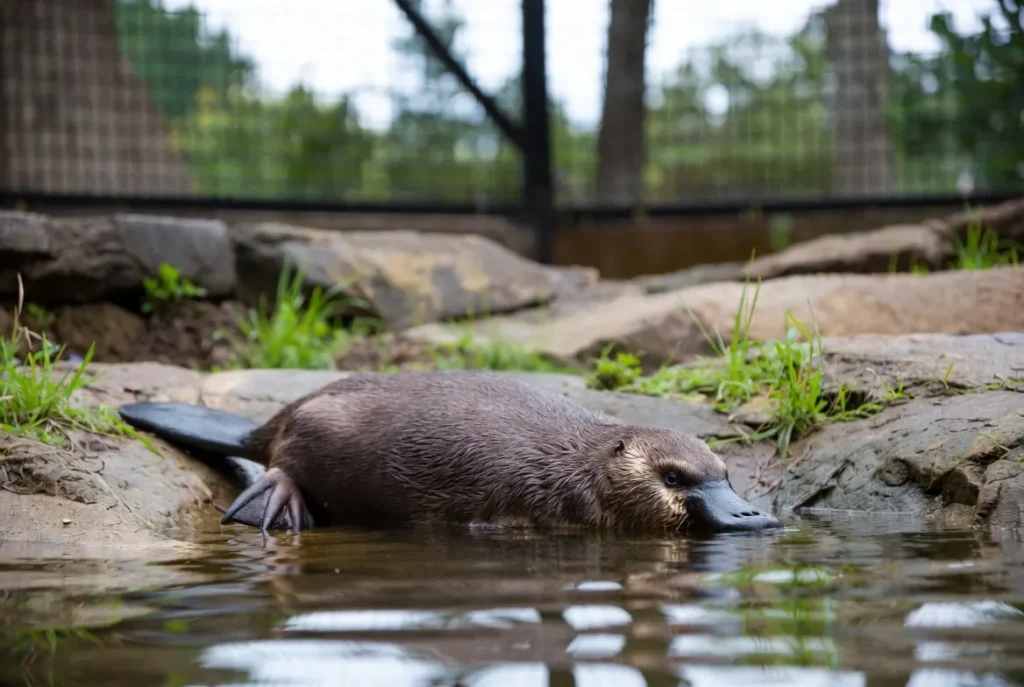
- Huge habitat needs: In the wild, a single platypus roams up to a kilometer of stream each day. Captive tanks and ponds must be vast and clean. Experts say tanks should be as roomy as possible, with automatic filtration or daily water changes. A cramped, murky tank can spell disaster.
- Picky about water: Platypus water must mimic a clear stream – no chlorinated pools. The aquatic environment needs constant maintenance, or the animal quickly falls ill.
- Venomous “birthday gift”: Male platypuses sport spurs on their hind legs that deliver painful venom. While not usually deadly to humans, it causes excruciating pain and swelling lasting days. This makes handling them risky even for trained keepers. You definitely don’t want one on your lap as a cuddle buddy.
These factors make “platypus as a pet” a total non-starter. Even if you ignore legal issues, you’d need a custom-built, filtered river in your backyard and a live-bait delivery service. No wonder wildlife professionals always say: Don’t try this at home.
The Platypus Diet and Daily Grind
So, what exactly is on the menu for a platypus? Their platypus diet is basically an underwater bug buffet. The bulk of their meals are benthic aquatic insects – things like caddis-fly larvae, mayflies, water beetles and dragonfly nymphs. They’ll also scoop up shrimp, snails, small mussels and worms. In short, almost any little critter at the bottom of streams is fair game.
Platypuses are skilled foragers: they paddle along with eyes closed, sensing prey with their sensitive bills, then stash everything in cheek pouches. (They literally carry their dinner around to eat later.) Because their meals are so soft-bodied, platypuses have no stomach. They grind food with bill plates and absorb nutrients along an extra-long intestine.
In captivity, imitating this diet is a nightmare. Every day zookeepers must provide live insect larvae, worms and crustaceans. Canned or frozen substitutes just won’t do; platypus would rather starve. Even top zoos struggle – Healesville Sanctuary (Australia) estimated it spends around $13,000 per year per animal on food and care. So if you were dreaming of a “platypus as a pet”, remember: it’s more like an unemployed chef’s worst nightmare than a low-maintenance goldfish diet.
Homesick: Wild vs. Captive Life Platypus
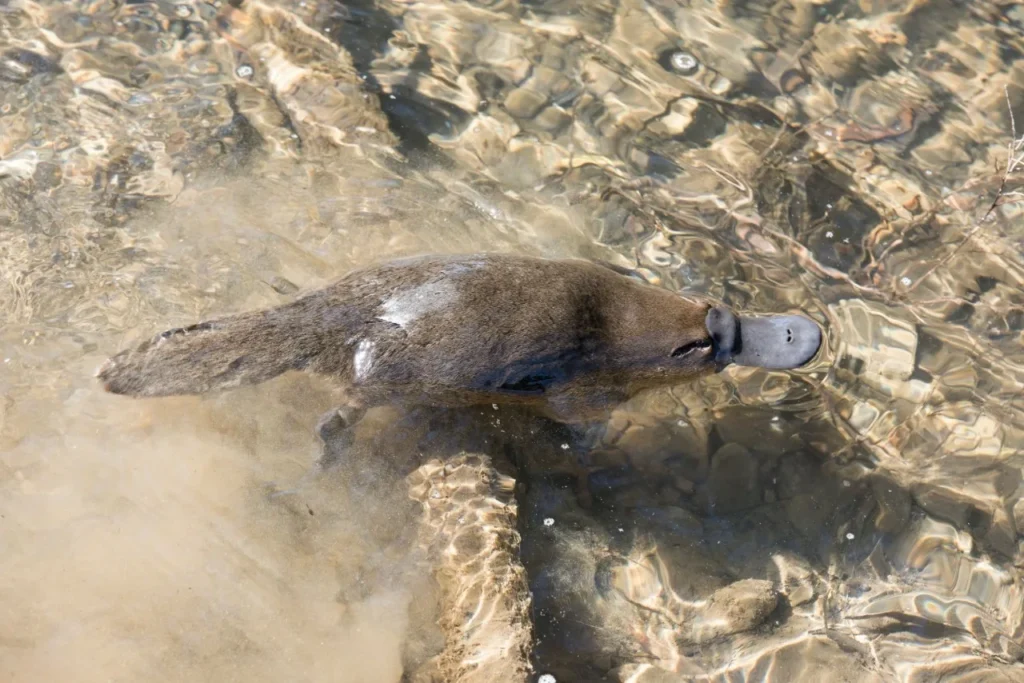
Ever wonder how platypus live in nature? By night, these shy, semi-aquatic critters swim and dig along river bottoms. By day, they snooze in long burrows dug into stream banks. They cover several acres in a night, swimming constantly to hunt. In captivity, by contrast, they’re stuck in one spot with human schedules. No wonder many become listless or ill.
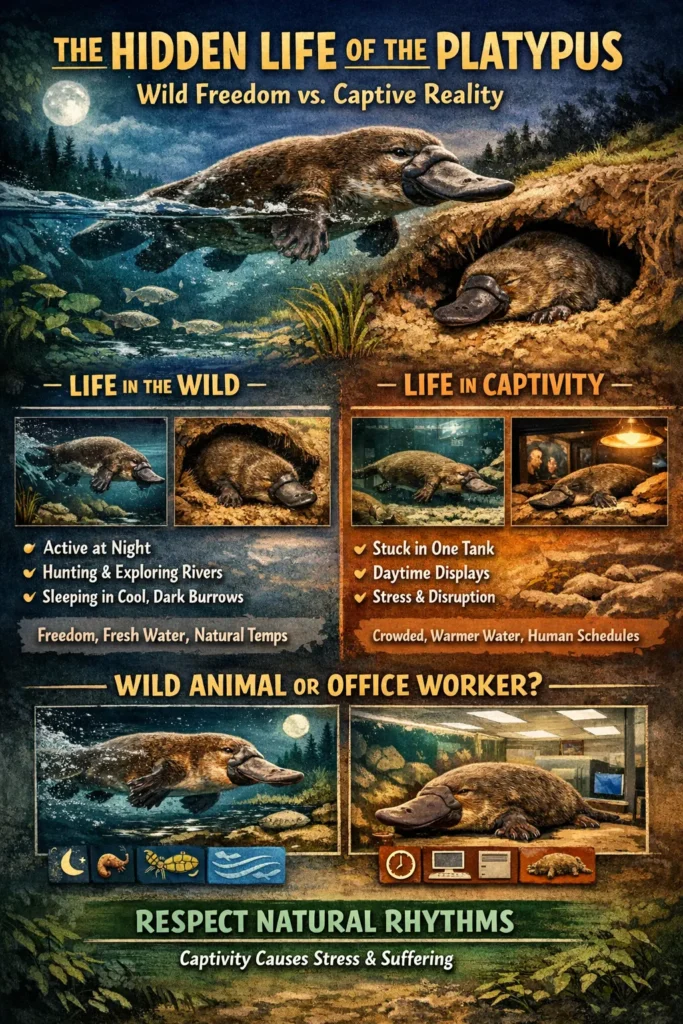
Compare wild life to any cubicle worker: in nature, a platypus gets constant exercise, fresh water and its favorite snacks. In a tank, even the best efforts fall short. For example, their routine is ”in the dark of night” hunting alone (see their name origin in Aboriginal lore), but a zoo setting flips the schedule. They’re often on display during the day when they should be sleeping. This sleep disruption can add stress. Also, in the wild their body temperature is naturally lower (around 32°C), but in captivity keepers might keep water a bit warmer – a subtle mismatch that can impact health.
No wonder experts say that platypuses must effectively “hibernate” much of the time in captivity. Young or unadapted individuals often refuse to eat, become overly inactive, and tragically may die from what looks like depression or stress.
Law & Lore: Why Platypuses Stay Wild
In Australia, the law makes it very clear: platypuses aren’t pets. You cannot legally own one. Huge fines and even jail time await anyone caught with one. The same legal strictness effectively bans exporting platypuses overseas. As of 2019, there are literally zero legal platypuses kept privately outside Australia. The only exceptions are a few licensed zoo programs (like San Diego Safari Park in California).
Why such strict rules? Because platypuses are vulnerable and specialized. They’re protected species, and home-grown Aussie conservationists rightly argue that removing even a few animals would hurt wild populations. On top of that, the practical hurdles are so high that any attempt to smuggle one out would probably kill it.
Historical Example: Platypus “Winston” and the Challenges of Transport
Even historical attempts illustrate the point. In World War II, Australia famously sent a platypus (nicknamed “Winston” after Winston Churchill) to Britain as a diplomatic gift. The team built him a custom aquatic crate and stocked it with live worms. The poor little fellow boarded a heavily armed ship bound for Liverpool. Four days out, a German U-boat was detected and the crew set off depth charges. Tragically, the heavy concussion killed the platypus then and there. One of the scientists noted, “a small animal… cannot hope to cope with man-made enormities such as violent explosions”. That anecdote is bizarre, but it underscores a truth: platypuses are super-sensitive creatures. A captive life — let alone a warship voyage — can easily overwhelm them.
Zoo Tales and Scattered Successes
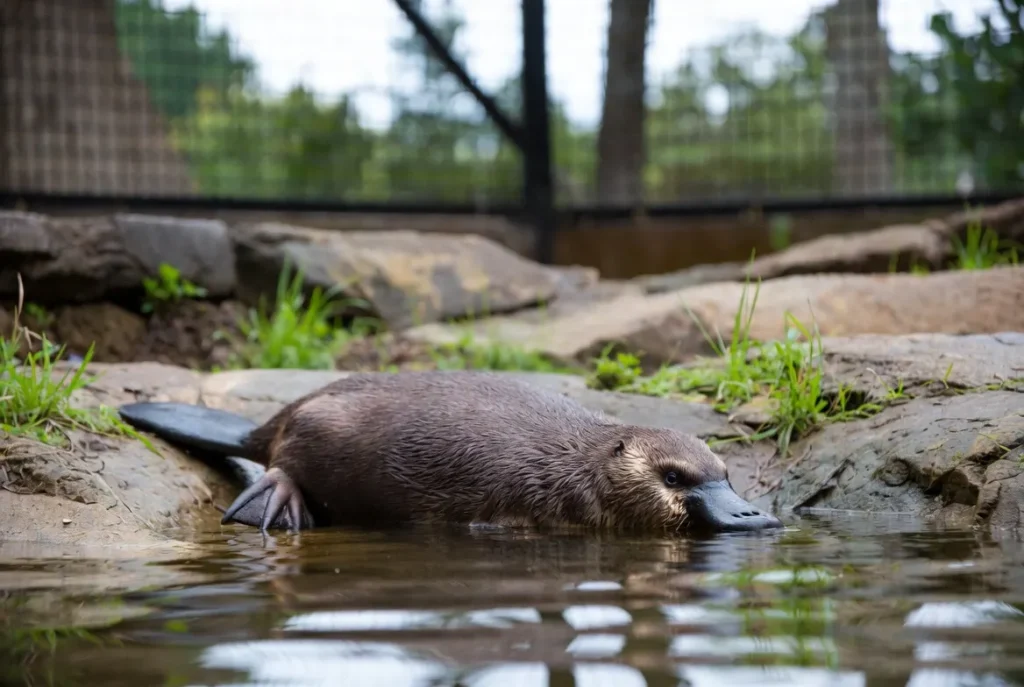
Still, for science and conservation, a handful of institutions have tried. In Australia, Healesville Sanctuary and Taronga Zoo have managed occasional platypus breeding. In fact, platypuses were first bred in captivity in 1943 at Healesville (name one of the first babies Corrie!). Since then, only a few litters have been born, and it’s always a headline event. Even today, a new platypus hatching is cause for celebration.
Outside Australia, the story is sparse. The San Diego Zoo Safari Park houses three platypuses (as of 2019) and they’re under constant study. No other North American or European zoos have tried recently — it’s just too demanding. This means if you live in the USA or UK, you basically can’t go see a platypus in person anywhere near you except maybe traveling to California. (Sorry, Londoners — no platypuses at London Zoo!)
In those special zoos, veterinary staff follow strict protocols: double-tanked pools, 24/7 feeding schedules of live prey, controlled breeding programs and extra stress-relief measures. Even then, health issues crop up. Many captive platypuses have been known to die from gastrointestinal problems, bone density loss or severe dehydration in captivity (the above study found 28% of deaths were linked to inadequate care). Over the decades, zookeepers have learned to try things like mimicking seasonal temperature changes and light cycles, but it’s still a delicate balancing act.
What We Think !
- Technically possible, but extremely rare. Only a handful of zoos worldwide have ever kept platypuses alive and bred them.
- Huge commitment: A captured platypus needs a specialized aquatic habitat, constant water quality maintenance, and a daily banquet of live invertebrates.
- Not a pet, ever: It’s flat-out illegal (and ethically condemned) to keep one as a pet. These animals belong in the wild or very special sanctuaries.
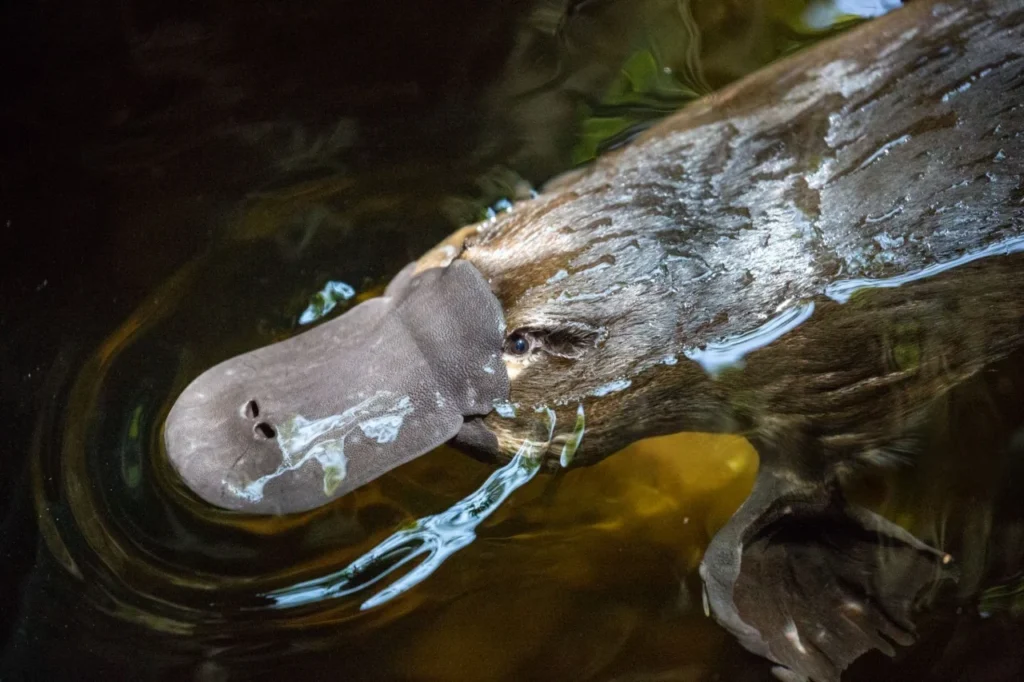
- Sensitive and wild: Platypuses are shy, nocturnal, and stress-prone. Even trivial disturbances (bright lights, loud noise, jerky travel) can seriously harm them.
- Respect their limits: If you adore platypuses, the best support is protecting their wild habitat and supporting conservation centers. That way, more platypuses can live healthy lives in rivers — not cramped tanks.
In conclusion, the question “can a platypus live in captivity?” is nuanced. Yes, they can survive if all their complex needs are met (as some lucky ones have). But no, captivity is far from a thriving life for them. For every one that might limp along in a top-tier zoo, dozens more would perish. So as tempting as it sounds, a platypus will never be a cuddly pet or an easy zoo animal. They’re simply too extraordinary — and too wild — for that. If you want to appreciate these duck-billed enigmas, there are better ways than trying to keep one in your house. Let them bounce along riverbanks where they belong, and give them some space (and a lot of respect) in the wild.