
Best dog food for sensitive stomach and diarrhea is a common concern for many dog owners who struggle with their pet’s sensitive stomach and digestive issues. As a veterinarian, I emphasize the importance of choosing the right diet to soothe the gut. Diets formulated for this purpose typically focus on highly digestible proteins and added fiber to normalize stool.
For example, they often include simple carbohydrates (like white rice or oats) and prebiotic fibers to bulk up loose stools. It’s critical to read labels and rely on science-backed advice, not just marketing claims. Many veterinary sources agree that a properly balanced diet with added fiber and probiotics can greatly improve digestion and fecal quality.
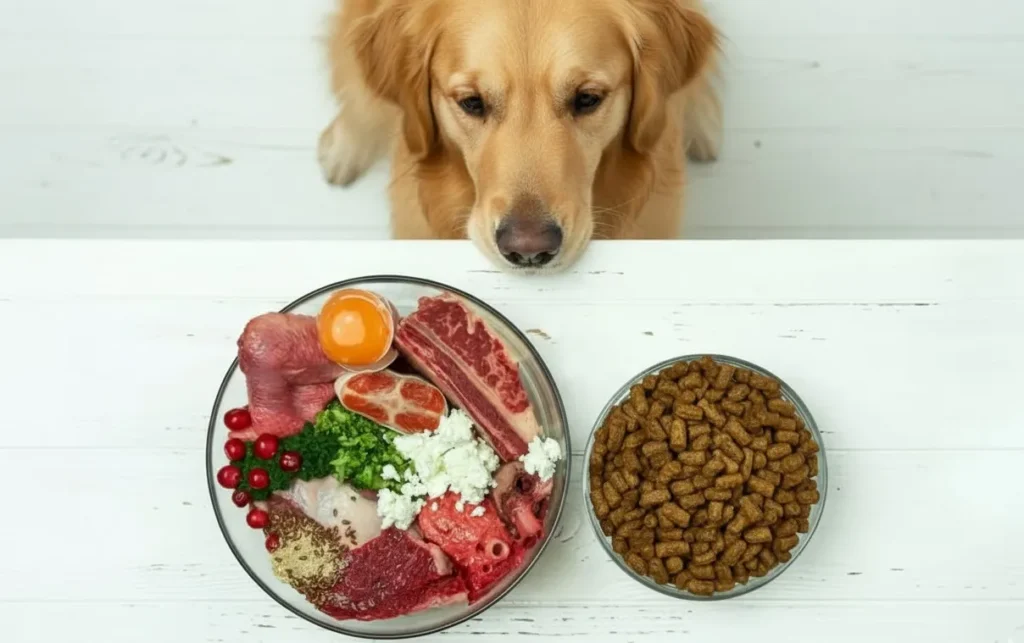
Understanding Sensitive Stomach and Diarrhea in Dogs
Dogs with a sensitive stomach may show a range of gastrointestinal signs. These include occasional vomiting, loose or frequent stools, gas, lack of appetite, and general lethargy. By itself, a single bout of diarrhea is not unusual, but repeated or persistent diarrhea often signals an underlying issue. Symptoms like chronic diarrhea or vomiting can sometimes indicate serious medical conditions (endocrine disease, food allergies, or exocrine pancreatic insufficiency). In other words, what seems like a “sensitive stomach” might require veterinary diagnosis. Persistent diarrhea usually means a deeper problem – your veterinarian may recommend prescription gastrointestinal diets or specially formulated dog food for sensitive stomach and diarrhea rather than home remedies.
Because of this, I always advise dog owners to work closely with their vet. Step one is often an exam and possibly fecal tests, to rule out parasites, infections, or organ issues. If no other cause is found, an elimination diet or novel-protein trial may be used to identify food sensitivities. In an elimination diet, common allergenic ingredients (such as beef, chicken, or dairy) are removed and replaced with a single unfamiliar protein (like duck or lamb). For many dogs, this identifies or rules out food allergies as a cause of diarrhea.
Diet is a cornerstone of managing long-term health, and some conditions may require options like vet-approved homemade dog food recipes for kidney disease.
Key Dietary Strategies
Once serious conditions are addressed or ruled out, dietary management is the main approach. The goal is to feed foods that are easy to digest and gentle on the gut. This often means a combination of:
- Highly digestible proteins (like chicken, turkey, lamb, or fish) – ideally novel or single-source proteins. Switching to a novel protein (duck, venison, or fish) can avoid triggering allergies. Proteins from lean meats (chicken breast, cottage cheese, lean ground beef) are staples of a “bland diet.”
- Easily digestible carbohydrates (white rice, cooked oatmeal, potatoes). These bland carbs help firm stools by absorbing water in the intestines. For example, boiled white rice is a classic home remedy for diarrhea.
- Added fiber. Moderate fiber helps bulk up diarrhea. Gentle fiber sources like beet pulp or canned pumpkin can improve stool quality. Many sensitive-stomach diets include beet pulp or psyllium.
- Low fat content. High-fat meals can exacerbate diarrhea, especially in dogs with pancreatitis. Diets lower in fat (often found in gastrointestinal veterinary diets) are recommended for dogs with chronic diarrhea or pancreatic issues.
- Probiotics and prebiotics. Beneficial bacteria help restore gut balance. Ingredients such as chicory root or inulin (prebiotics) feed those good bacteria. In practice, many owners add a bit of canned plain pumpkin (a natural prebiotic fiber) and a vet-approved probiotic to each meal, as studies and experts note this can soothe diarrhea.
Choosing the right dog food for sensitive stomach and diarrhea often combines these strategies, ensuring meals are gentle on the digestive system while still providing balanced nutrition.
When shopping for dog food, check labels carefully. Choose foods that list a named meat (e.g. “Chicken” or “Lamb”) as the first ingredient and have a short, simple ingredient list. Avoid foods with known irritants: common allergens (chicken, beef, soy, dairy), fillers (corn, wheat, soy), artificial colors/preservatives, and high-fat content. For example, many experts advise steering clear of BHA/BHT preservatives, meat by-products, and dairy, all of which can trigger stomach upset. Instead, look for formulas specifically labeled “Sensitive” or “Digestive Care,” which usually meet these criteria and can serve as reliable dog food for sensitive stomach and diarrhea.
Key ingredients to include: easily digestible protein (e.g. lamb, fish, or turkey), complex carbs (rice, oatmeal), prebiotic fiber (pumpkin, beet pulp), and probiotics.
Avoid: high-fat foods, dairy, artificial additives, and unidentified meat meals. For some dogs, a specialized homemade low-protein dog food for kidney disease is a critical part of their veterinarian-prescribed care plan.
Quick Tips:
- Fiber first. Add a spoonful of canned pumpkin or plain canned dog food with fiber to firm stools.
- Hydration. Always provide fresh water; diarrhea can cause dehydration. Consider adding a bit of water or broth to meals if dry food is used.
- Small frequent meals. Feed 3–4 smaller meals per day rather than one large meal; smaller amounts are gentler on a sensitive gut.
Bland Diets and Probiotic Support
In the short term, if a dog develops diarrhea but is still active and not vomiting, many veterinarians recommend a bland diet while the gut heals. This often means plain boiled chicken breast (no skin, no seasoning) with white rice. These foods are low fat and easy to digest. In fact, for a non-vomiting dog, it’s usually safe to feed a bland diet (like boiled chicken and rice) along with probiotics. Start with a small portion and gradually increase the amount as the stool firms up. Adding a probiotic supplement can help repopulate the gut with friendly bacteria.
However, bland diets are not complete nutrition if used long-term. They should be short-term (days) or to bridge during recovery. For chronic or recurrent diarrhea, switching to a specialized commercial formula is better. Studies also support this approach: a clinical trial found that a fiber-rich, prebiotic-boosted therapeutic diet rapidly improved stool consistency in dogs with chronic diarrhea. In that study, 68% of dogs had complete resolution of symptoms after several weeks on the diet. This highlights that for ongoing diarrhea, a dietetically managed food—often marketed as dog food for sensitive stomach and diarrhea—is a first-line therapy.
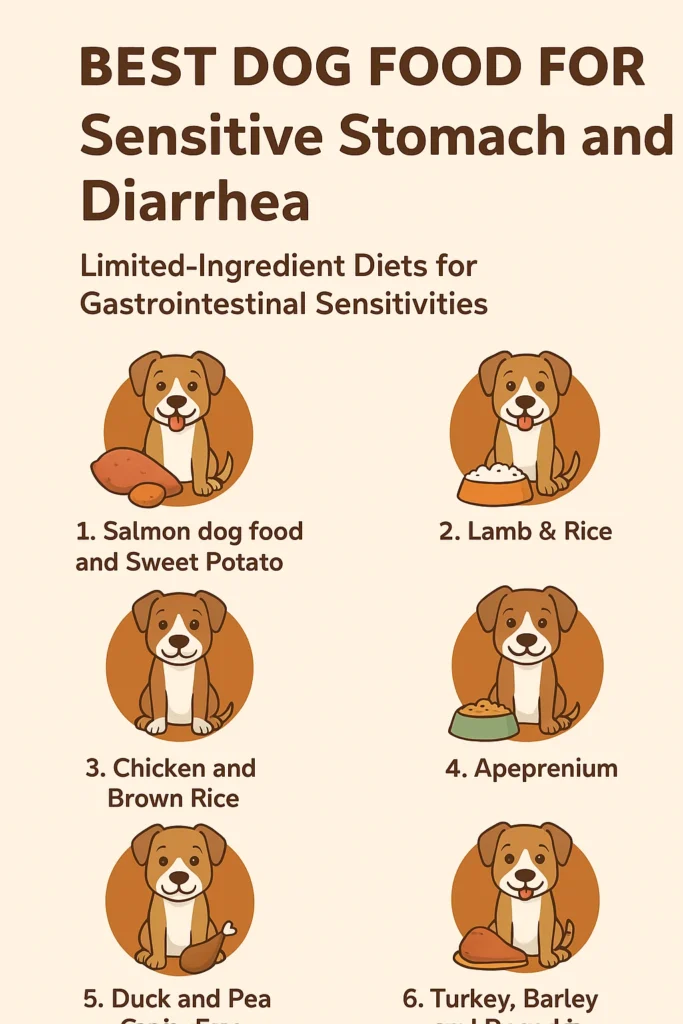
Ensuring your older pet gets the right nutrients is crucial, which is why finding the best homemade dog food for senior dogs is a top priority.
Transitioning to a New Food
When changing a dog’s food (even to a “sensitive stomach” formula), do so gradually over 7–10 days. Sudden diet switches often cause stomach upset. A typical transition plan is to start with ~90% old food + 10% new food, and slowly shift the ratio each day. Monitor your dog’s stool during this period. If diarrhea worsens, slow down the transition. Patience is key: take time to find the right formula through trial and error, under vet guidance. A careful transition is especially important when switching to dog food for sensitive stomach and diarrhea, as the goal is to ease digestion while avoiding further irritation.
Home made food for sensitive stomach and Diarrhea
Some dogs with chronic digestive issues respond best to carefully prepared home made food for sensitive stomach and diarrhea. This approach allows you to fully control the ingredients, avoid common triggers, and provide gentle nutrition during recovery.
Why homemade diets can help
- Simple ingredients – fewer items mean fewer chances of allergies or intolerance.
- Gentle cooking methods – boiling or steaming makes proteins and carbs easier to digest.
- Flexibility – you can avoid chicken, beef, or grains if your dog is sensitive to them.
Vet-recommended bland diet for diarrhea
A classic short-term recipe includes:
- Lean protein: boiled skinless chicken breast, turkey breast, or lean ground beef (if chicken isn’t tolerated, choose turkey or fish).
- Digestible carbohydrate: plain white rice or boiled potatoes.
- Optional fiber: a spoon of plain canned pumpkin (not pie filling) to firm stools.
Feed in small, frequent meals (3–4 times daily). Once your dog’s stools return to normal, gradually transition back to a balanced commercial diet, or consult your vet for a complete long-term homemade recipe.
Long-term homemade diets
If you plan to keep your dog on homemade food, it’s important to make it nutritionally complete. A long-term diet should include:
- Protein source (turkey, lamb, salmon, or eggs).
- Carbohydrate (oats, sweet potato, brown rice).
- Healthy fat (fish oil or small amounts of olive oil).
- Fiber (pumpkin, green beans, carrots).
- Veterinary-approved vitamin/mineral supplements.
Important reminder
While home made food for sensitive stomach and diarrhea can soothe your dog’s gut, it should not be used long-term without veterinary guidance. Dogs need specific nutrients like calcium, taurine, and essential fatty acids that aren’t always present in basic home recipes. Always consult your vet or a veterinary nutritionist before committing to a permanent homemade diet plan.

Dog food for sensitive stomach and Diarrhea no Chicken
Many dogs with digestive problems also have chicken sensitivities or allergies. Since chicken is one of the most common protein sources in commercial kibble, it can easily trigger diarrhea, gas, or vomiting in dogs with sensitive stomachs. For these pets, choosing dog food for sensitive stomach and diarrhea no chicken is often the best approach.
Instead of chicken, look for formulas based on:
- Lamb – gentle on the stomach, often used in sensitive-digestion diets.
- Turkey – a lean, low-fat alternative protein that is easier to digest.
- Fish (salmon, whitefish, trout) – rich in omega-3 fatty acids that also support skin and coat health.
- Duck or venison – excellent novel proteins for dogs with food allergies.
When selecting a no-chicken recipe, also make sure it includes:
- Digestible carbohydrates like rice, oatmeal, or sweet potato to help firm stools.
- Moderate fiber such as beet pulp or pumpkin, which supports normal bowel movements.
- Added probiotics and prebiotics to stabilize gut bacteria and reduce diarrhea episodes.
Brands that offer no chicken dog food for sensitive stomach and diarrhea often market them as “limited ingredient diets” or “allergy-friendly formulas.” These diets avoid common triggers (chicken, beef, dairy, soy) and keep the ingredient list simple, making them easier to tolerate for sensitive dogs.
If your dog frequently suffers from diarrhea and you suspect chicken may be the cause, consult your veterinarian about starting a chicken-free elimination diet. Many vets recommend switching to a single-protein lamb or fish-based diet for at least 8–12 weeks to see if symptoms improve.

Natural Food for Sensitive Stomach and Diarrhea
Many pet owners prefer natural diets for dogs with digestive issues, avoiding artificial additives, fillers, and overly processed ingredients. Choosing the best dog food for sensitive stomach and diarrhea natural means focusing on whole-food ingredients that are easy to digest and gentle on the gut.
What “natural” really means
- No artificial colors, flavors, or preservatives (avoid BHA, BHT, ethoxyquin).
- Limited-ingredient formulas with short, clean labels.
- High-quality protein such as lamb, salmon, turkey, or venison.
- Wholesome carbohydrates like brown rice, oatmeal, or sweet potato instead of corn or soy.
- Added probiotics and prebiotic fibers (pumpkin, beet pulp, chicory root) to stabilize stool quality.
Examples of natural food choices
- Limited-ingredient diets (LID): Brands often offer single-protein formulas with minimal ingredients, which help avoid allergens.
- Grain-inclusive natural diets: Brown rice or oatmeal provide fiber without irritating the stomach.
- Novel protein natural diets: Duck, salmon, or venison can replace chicken or beef, which are common causes of diarrhea.
Why natural can help sensitive dogs
Artificial additives and fillers can irritate the digestive tract. Studies in veterinary nutrition have shown that simplified diets with natural fiber and probiotics improve stool consistency and reduce episodes of diarrhea in sensitive dogs. Choosing the best dog food for sensitive stomach and diarrhea natural ensures your dog receives balanced nutrition without unnecessary extras that may upset the stomach.
Key tip from vets
Not all “natural” diets are automatically complete and balanced. Always check for the AAFCO nutritional adequacy statement on the bag to ensure your dog is getting all essential nutrients. Natural should never mean nutritionally incomplete.
Commercial Diet Options
Veterinary nutritionists and organizations list several formulas that are frequently recommended:
Prescription gastrointestinal diets:
For dogs with chronic or severe diarrhea, vets often prescribe Hill’s i/d Digestive Care (especially the Low-Fat version for pancreatitis or chronic GI issues) or Royal Canin Gastrointestinal formula. These diets are clinically tested to manage diarrhea and include added prebiotics and very controlled nutrient levels. For example, Hill’s i/d Low-Fat was shown to “reduce fat-responsive digestive upsets” and contains ActivBiome+ prebiotic fibers to rebalance gut flora. Royal Canin Gastrointestinal Low Fat similarly contains prebiotics and fish oil to support gut health, and is indicated for acute or chronic diarrhea and related disorders. These foods usually require a prescription from your vet.
As our companions age, their nutritional needs change, leading many owners to look into homemade dog food recipes for senior dogs.
Sensitive-stomach commercial formulas:
Over-the-counter diets labeled for sensitive digestion can be very helpful for milder cases. Popular options include Purina Pro Plan Sensitive Skin & Stomach and Hill’s Science Diet Sensitive Stomach & Skin (both in various flavors). These contain novel proteins (like salmon or lamb), easily digested carbs (oatmeal, rice), and added fiber. Other veterinarian-recommended brands are Wellness Simple (limited-ingredient diets) and JustFoodForDogs Sensitive fresh meals (which offer gentle proteins like turkey and rice). In summary, many high-quality pet food brands now have a sensitive or digestive health line. The key is verifying that they meet nutrient needs and exclude irritants, making them useful as dog food for sensitive stomach and diarrhea.
Novel/hydrolyzed diets:
If a food allergy is suspected, a novel protein diet (fish, rabbit, venison, etc.) or a hydrolyzed protein diet (protein broken into tiny pieces) may be used. Hypoallergenic formulas like Hill’s d/d or Royal Canin Hydrolyzed Protein are designed to eliminate immune reactions. Similarly, single-protein limited-ingredient diets (e.g. turkey & potato) can be tried under vet supervision.
Probiotic-fortified foods:
Some foods come with probiotics or prebiotics included. For instance, Royal Canin’s Digestive Care diet contains added probiotic fibers. You might also sprinkle a vet-grade probiotic on meals.
Whatever food you choose, ensure it’s “complete and balanced,” meaning it meets all nutritional requirements. A deficient diet could itself cause stomach issues. And no diet is a miracle – if one formula doesn’t work, another might. Keep track of what helps and consult your vet throughout.

Shopping Tips: Retail and Regional Options
Owners often ask specifically about best dog food for sensitive stomach and diarrhea in certain regions or stores. Here are some pointers:
Best dog food for sensitive stomach and diarrhea uk
Searches for best dog food for sensitive stomach and diarrhea UK often lead to Pets at Home, the country’s largest pet retailer. Pets at Home’s own AVA Optimum Health Sensitive Skin & Stomach diet (chicken & potato) is formulated for easy digestion. Its ingredient list – chicken, tapioca, sweet potato and beet pulp – reflects a focus on fiber and gentle carbs. Pets at Home also carries vet brands like Royal Canin Gastrointestinal and Hill’s sensitive formulas. Using “Pets at Home” as a keyword reminds owners that these specialized diets are widely available in UK pet shops.
Best dog food for sensitive stomach and diarrhea Walmart
Walmart’s house brand Pure Balance Sensitive Skin & Stomach line is budget-friendly. The Dog Food Advisor rates Pure Balance Chicken & Brown Rice and Lamb & Brown Rice formulas at 4–4.5 stars, noting they are relatively high quality for the price. Walmart also stocks national brands like Purina Pro Plan Sensitive and Hill’s Science Diet Sensitive in its pet aisle. So best dog food for sensitive stomach and diarrhea Walmart might simply mean picking one of these proven formulas at Walmart.
Best dog food for sensitive stomach and diarrhoea Canada
Canadian shoppers have access to the same major brands (Hill’s, Purina, Royal Canin) through vets and pet stores. Canadians also have popular local premium brands. For example, Orijen and Acana (Canadian-made biologically-appropriate foods) are grain-free and high in protein, which some owners find helps sensitive dogs. Moreover, a vet-formulated dog food from grocery chains – like Kroger’s ABOUND Pro – is available in Canada, though under different chains (similar products appear in Canadian grocery stores too). In general, seeking out formulas with added probiotics or novel proteins is advised when choosing dog food for sensitive stomach and diarrhea.
Best dog food for sensitive stomach and diarrhea Australia
Pet Circle and Petbarn carry similar options. Australian vets often recommend prescription and commercial diets too. Hill’s i/d and Royal Canin Gastrointestinal Low Fat are top picks for GI issues in Australia. Many Australian formulas are the same (e.g. Hills, RC, Purina) or local (Advance, Black Hawk). If searching best dog food for sensitive stomach and diarrhea Australia, you’d likely encounter those prescriptions and high-end pet store foods.
Natural and No-Chicken Options
Some owners insist on natural or grain-free diets (e.g. fish-based or vegetarian) to soothe a sensitive gut. Be careful: “natural” is a loose term. Look for formulas that actually avoid common allergens and additives. For instance, a lamb & rice formula marketed as “natural” and gluten-free with no wheat, corn, soy, or artificial preservatives reflects what natural can mean in practice: premium protein (lamb) and gentle carbs, plus probiotics and no fillers. If the keyword no chicken is used, focus on lamb, beef, or fish diets (for example, a Salmon & Rice recipe instead of chicken). Always read ingredients – a diet can be grain-free yet still have dairy or eggs, which could bother some dogs.
In every region and store, compare labels and consult local reviews. Forums or vet blogs can offer insights, but remember that every dog is different. Ultimately, work with your vet to interpret any region-specific recommendation.

Final Word: Partnering with Your Veterinarian
Finding the best dog food for sensitive stomach and diarrhea is a process that requires patience, observation, and a solid understanding of canine nutrition. While this guide provides a comprehensive overview of the principles and products that can help, the most effective approach is always a partnership between the owner and a trusted veterinarian. A vet can accurately diagnose the underlying cause of the issue and recommend a dietary plan tailored to the dog’s specific needs, ensuring a path toward a healthier, happier life.