
Let’s get straight to it: you cannot legally find platypuses for sale in the United States, the UK, or Australia. Platypuses are protected wildlife in Australia, their natural habitat, and exporting them is strictly prohibited under Australian law. No licensed breeder, exotic animal dealer, or zoo supplier can sell you one. If you’re looking to buy a platypus as a pet and came across a site claiming to have them for sale, forget it, close that tab. It’s either a scam or wildly misleading.
That said, there’s a lot more to know about these bizarre, fascinating creatures. And honestly, once you understand what a platypus actually is, you might feel a little relieved you can’t own one.
What Even Is a Platypus?
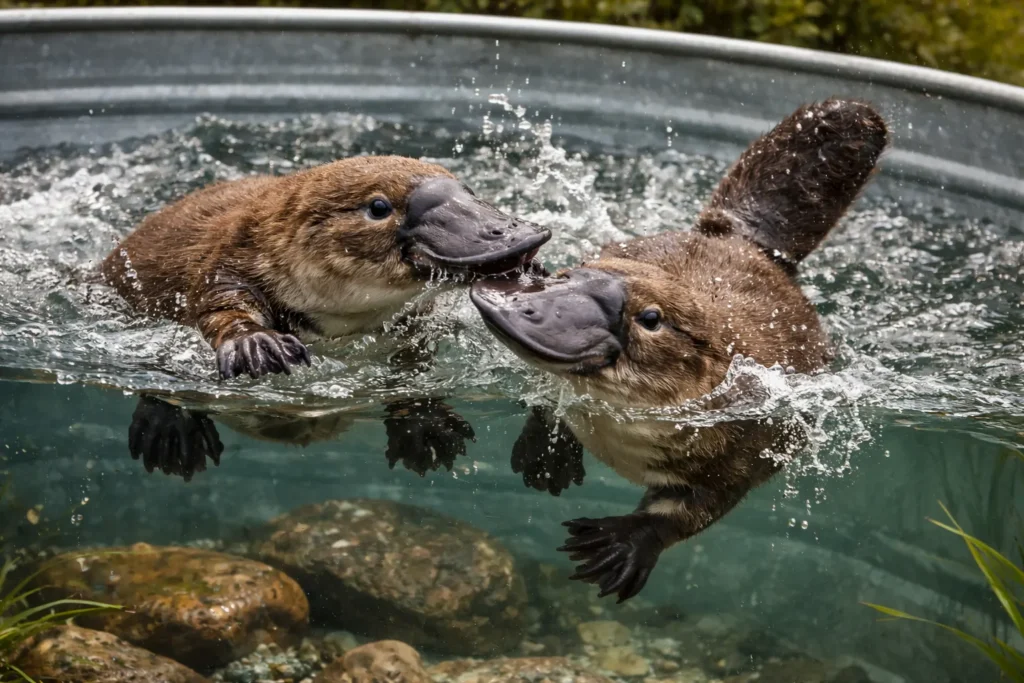
The platypus sits in a category all by itself. It’s a mammal, but it lays eggs. It has fur, but it also has a bill like a duck. The relationship between duck and platypus actually confused scientists for years when the species was first discovered. When specimens were sent to Europe in the late 1700s, researchers thought it was a taxidermy hoax.
You’ve probably seen the comparisons floating around platypus and duck side by side, and yeah, the resemblance is real. But that’s pretty much where it ends. The platypus is far more complex, and far more weird, than any duck you’ve ever met.
It’s also one of the very few venomous mammals on the planet.
Is the Platypus Poisonous?
Here’s where things get interesting. The platypus is not poisonous in the traditional sense, you can’t get sick from eating one. But the male platypus carries venom. On the hind legs of a male platypus, there are sharp spurs connected to venom glands. This venom can cause severe pain in humans. Not lethal, but described by people who’ve experienced it as excruciating and long-lasting, resistant to standard painkillers.
So is the platypus dangerous? For a small, cute-looking animal, yes, surprisingly so. The female platypus doesn’t have functional spurs, so she doesn’t carry venom. But you still wouldn’t want to mishandle one.
The venom isn’t just defensive either. Male platypuses use their spurs during competition with other males, especially in the breeding season. It’s one of the more unusual weapons in the animal kingdom.

Pet Platypus: Why This Will Never Be Your Backyard Animal
People google “pet platypus” constantly, and it’s easy to see why. They’re pure platypus energy: pudgy, low to the ground, with that ridiculous bill and a tail that looks borrowed from a beaver. But keeping one is essentially impossible, even if the laws somehow allowed it.
Here’s why:
- Platypuses are semi-aquatic. They need clean, flowing freshwater habitats with burrows on the bank. Recreating that at home isn’t practical.
- They eat roughly their own body weight in food each day. The platypus diet consists mainly of insects, worms, larvae, shrimp, and crayfish, all foraged underwater using electroreception (basically, they sense the electric fields of prey). You can’t replicate that with a bowl of food.
- They are extremely sensitive to environmental changes, water quality, and stress.
- They don’t bond with humans the way dogs or even some reptiles do.
Even zoos struggle. Only a handful of zoos worldwide have successfully kept platypuses. Platypus in a zoo setting requires specialized pools, specific water temperatures, precise diets, and constant monitoring. The San Diego Zoo, for example, maintained a special exhibit for years with significant resources dedicated to it.
So, if you’re looking for platypuses for sale to fulfill your pet platypus dream, it’s understandable, but completely unrealistic for multiple reasons.
Platypus Eggs: Yes, They’re a Mammal That Lays Eggs
This never gets old. The platypus eggs are small, soft-shelled, and usually laid in clutches of one to three. The female lays them in a burrow she digs along a riverbank, then incubates them by curling her body around them. After about ten days, they hatch.
The babies, called puggles (yes, really), then nurse on milk that seeps through the mother’s skin, since platypuses don’t have traditional nipples. It’s one of the most unique reproductive strategies in the entire animal kingdom.
The platypus belongs to a group called monotremes, shared only with echidnas. These are the only egg-laying mammals alive today. Everything about their biology is a little bit of a scientific curveball.
Platypuses for Sale
If you’ve ever searched for platypuses for sale, you’re definitely not alone, these fascinating creatures are one of the most unique animals on the planet, and it’s easy to understand why someone would want one as a pet! With their duck-like bill, beaver tail, and otter feet, the platypus feels like something straight out of a fantasy novel. However, here’s the honest answer: platypuses are not available for sale anywhere in the world.
They are fully protected under Australian law, and it is illegal to own, breed, or export them. No licensed breeder, exotic pet store, or private seller can legally offer a platypus for sale, and any website claiming otherwise should be treated as a serious red flag. The reason platypuses can’t be kept as pets goes beyond just legal protection. They have highly specialized dietary needs, requiring large quantities of live prey like worms and yabbies daily, and they need access to natural stream environments to truly thrive.
Where to Buy a Platypus ?
While you won’t find platypuses for sale at any pet store or breeder, there are still some wonderful ways to get up close with these incredible animals. Your best option is visiting an accredited zoo or wildlife sanctuary, particularly in Australia, where facilities like Healesville Sanctuary in Victoria offer unforgettable up-close platypus experiences.
Some zoos outside of Australia, including a small number in the United States, have historically housed platypuses under very strict conservation agreements though these are incredibly rare. If visiting Australia isn’t on the cards right now, another meaningful way to connect with platypuses is by adopting one symbolically through a wildlife conservation organization. Programs like WWF Australia allow you to sponsor a platypus, support its habitat, and even receive updates about the animal, the closest thing to ownership you’ll ever get, and one that genuinely makes a difference!
Are Platypus Feet Webbed? How They Move on Land vs. Water
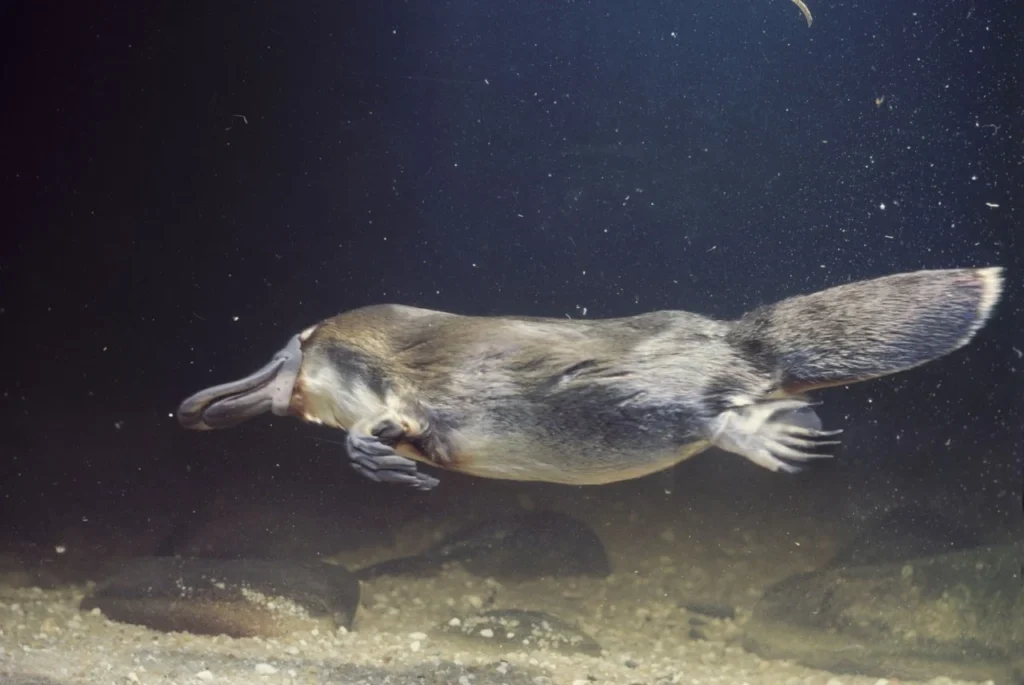
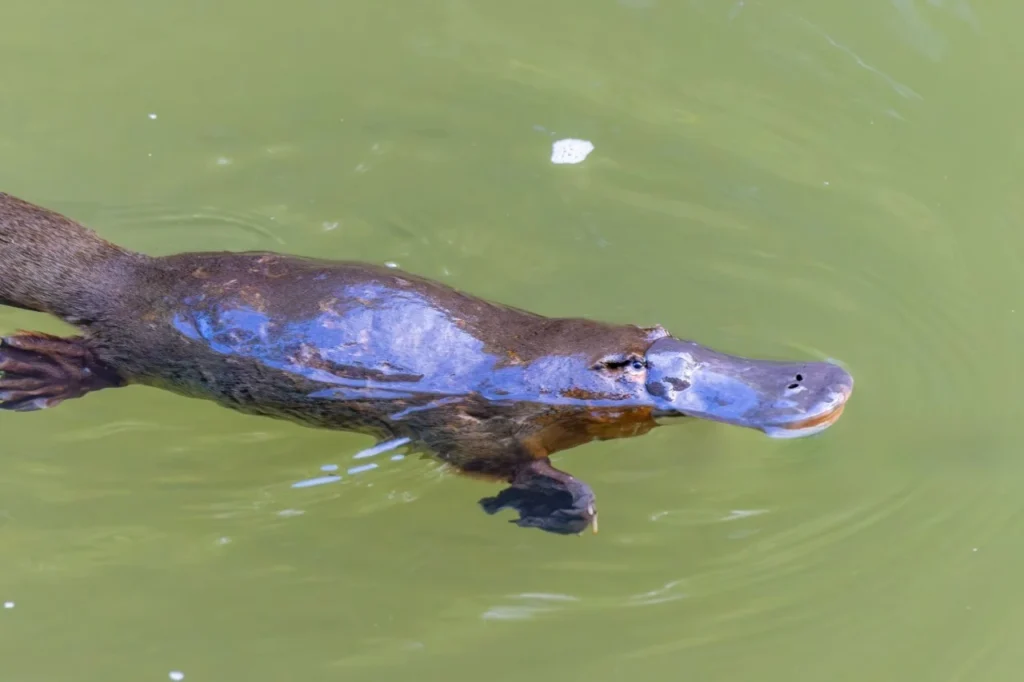
The platypus foot is another thing worth talking about. Their front feet are webbed, designed for swimming, with the webbing extending beyond the claws. On land, the webbing folds back so the claws can grip the ground. It’s a clever bit of biological engineering.
Watching a platypus on land is actually a little clumsy. They waddle. In water, though, they’re graceful. They use their front limbs to propel themselves and their hind limbs to steer, and they close their eyes and ears when submerged, navigating entirely through that electroreception system.
The back foot of a male platypus also carries that venomous spur mentioned earlier. So even the platypus foot has layers to it.
Platypus Diet: What Do They Actually Eat?
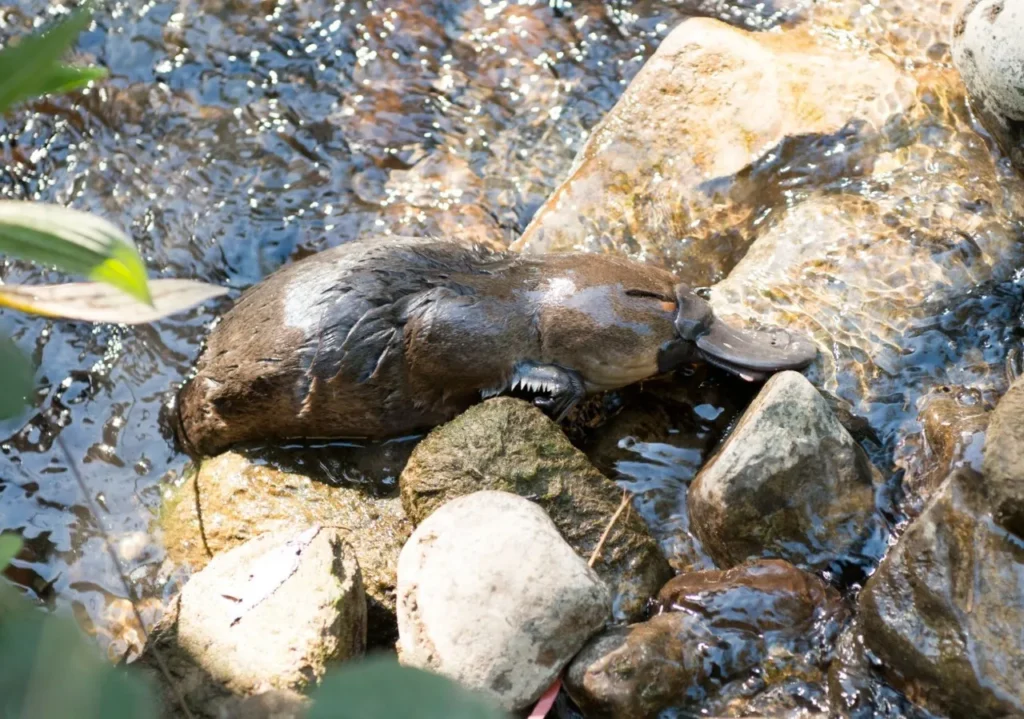
The platypus diet is entirely carnivorous and almost exclusively aquatic. They hunt at dawn and dusk primarily, spending long stretches underwater searching stream beds for food. Their bill is loaded with electroreceptors and mechanoreceptors that detect movement and electrical signals from small invertebrates hiding in the mud.
A single platypus can consume between 20% and 30% of its body weight in food per day. That’s a significant amount for an animal that typically weighs between 0.7 and 2.4 kg. Their diet includes:
- Aquatic insect larvae
- Freshwater shrimp
- Crayfish
- Worms
- Small fish occasionally
They store food in cheek pouches while diving, then surface to crush and eat it. Adults don’t have teeth, they use hard, keratinous pads to grind their food. This is another reason why replicating their diet in captivity is so difficult. You’d need a continuous, live supply of aquatic invertebrates in a clean freshwater environment.
Platypus Price: What Would One Even Cost?
Since you can’t legally find platypuses for sale, there’s no real market price. But in illegal wildlife trade circles, which we strongly advise against, exotic protected animals can command prices in the thousands to tens of thousands of dollars. That’s not an endorsement. It’s a warning. Purchasing illegally trafficked wildlife funds poaching operations that push already vulnerable species closer to extinction.
The platypus price in any legal sense is simply: not for sale.
Are Platypuses Endangered?
The platypus is listed as “Near Threatened” on the IUCN Red List. Platypus endangered status has become a more serious conversation in recent years. Their population has declined significantly due to habitat loss, drought, climate change, and land degradation that affects the freshwater streams they depend on.
The Australian bushfires of 2019 and 2020 hit platypus habitat hard. Researchers have flagged that without active conservation, the species could face more serious population decline. Platypus in the wild are now harder to find in many parts of their historical range.
There’s genuine concern among conservation groups about their future. Which makes the idea of removing them from the wild for the pet trade even more irresponsible.
What Does a Platypus Look Like? The Full Picture
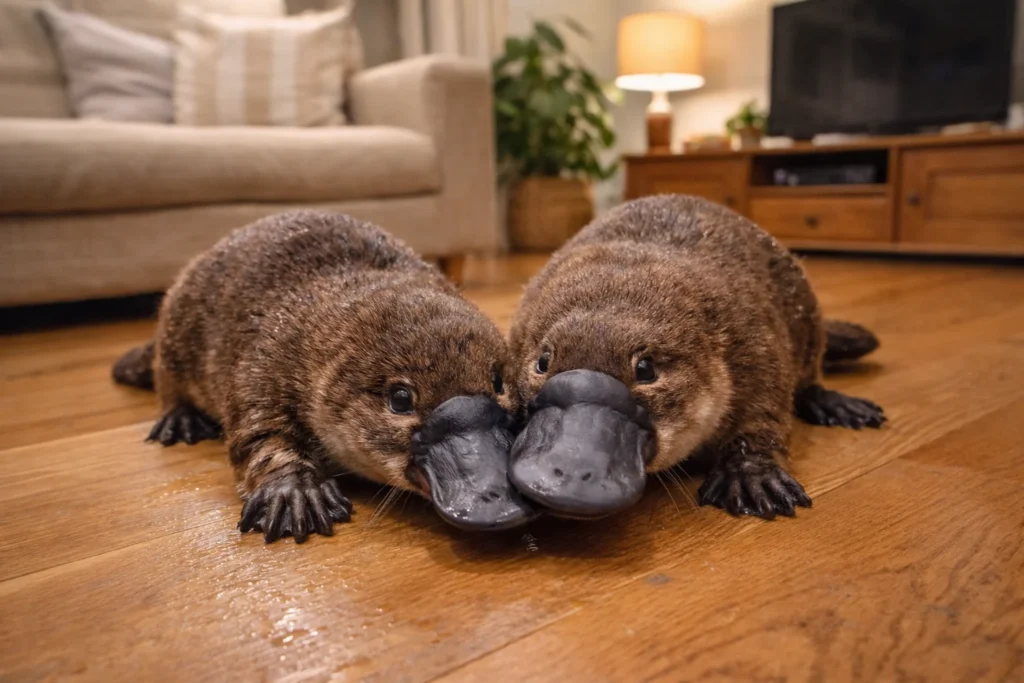
People often ask about variations, is there a green platypus? A black platypus? The answer is no. Natural platypus fur is typically brown on the back, with a lighter, silver or cream tone underneath. Platypus fur is incredibly dense and water-resistant, designed to keep the animal warm in cold streams. Under UV light, the fur actually fluoresces, it glows a blue-green color, which was a discovery made in 2020 that genuinely surprised researchers. Interestingly, studies of platypus in captivity have helped confirm that this biofluorescence is a consistent trait across the species, not just a quirk of wild individuals.
So while there’s no actual green platypus in nature, under ultraviolet light, their fur does emit a blue-green glow. Biofluorescence in mammals was already known in flying squirrels and opossums, but finding it in platypuses was unexpected, a fact further validated by observations of platypus in captivity, where controlled lighting conditions made the phenomenon even easier to study. There’s no confirmed black platypus either. The variation in coat color is subtle, mostly staying within shades of brown.
Platypus in the Wild vs. Platypus in a Zoo
Platypus in the wild live in eastern Australia and Tasmania. They prefer cool, clean freshwater streams and rivers, making burrows in the riverbanks for shelter and nesting. Their range has shrunk considerably from historical distributions.
Platypus in a zoo is a much rarer thing to see than people realize. Most zoos outside Australia don’t have them at all. Within Australia, places like Healesville Sanctuary in Victoria and the Australian Platypus Conservancy have successful programs. Outside of Australia, they’ve been almost impossible to maintain long-term in captivity, which is part of why so few international zoos keep them.
If you want to see one in person, Australia is essentially your only option, and even in the wild, they’re elusive. Dawn and dusk near clean rivers in eastern Australia gives you the best chance.
So, What Can You Do Instead?
If you’re genuinely passionate about platypuses, the best thing you can do is support conservation. The Australian Platypus Conservancy runs research and advocacy programs. Adopting symbolically through wildlife organizations is one real way to contribute.
And if you just love the look of a cute platypus, there’s no shortage of stuffed animals, art, and wildlife documentaries to scratch that itch without contributing to wildlife exploitation.
People Also Ask
Can you own a platypus as a pet in the US? No. Platypuses are protected wildlife. They cannot be legally imported, sold, or kept as pets in the United States or virtually anywhere outside Australia.
How much does a platypus cost? There is no legal price for a pet platypus. They are not available for sale to the public anywhere in the world.
Is a platypus poisonous to humans?I’ve spoken with wildlife researchers who have described the recovery from a spurring as weeks of nerve pain that doesn’t respond to standard over-the-counter medication. It’s a sobering reminder that ‘cute’ doesn’t mean ‘harmless The male platypus has venomous spurs on its hind legs that can cause severe pain in humans. It is not lethal, but the venom is powerful and medically significant.
What do platypuses eat? Platypuses eat aquatic invertebrates including insect larvae, shrimp, crayfish, and worms, which they find by sensing electrical signals underwater using their bill.
Are platypuses endangered? They are currently listed as “Near Threatened” and their population is declining due to habitat loss, drought, and climate change.
How do platypuses lay eggs? The female platypus lays one to three small, soft-shelled eggs in a burrow. She incubates them for about ten days until they hatch.
What does platypus fur look like? Platypus fur is dense, water-resistant, and brown on the back with lighter coloring underneath. Under UV light, it glows blue-green due to biofluorescence.
Do platypuses have feet or flippers? They have webbed feet that function like flippers in water. On land, the webbing folds back so the claws can grip the ground.
Pingback: Can Platypus live in Captivity? - Animal Sound
Pingback: What Do Platypus Eat? - Animal Sound
Pingback: Can You Own a Pet Platypus? - Animal Sound
Pingback: Are Platypuses Extinct? Here's What's Actually Going On - Animal Sound
Pingback: Is it Legal to Own a Platypus? - Animal Sound
Pingback: Platypus Care and Price Tags - Animal Sound
Pingback: Are Platypuses Dangerous to Humans? - Animal Sound
Pingback: How Do Platypuses Live? - Animal Sound