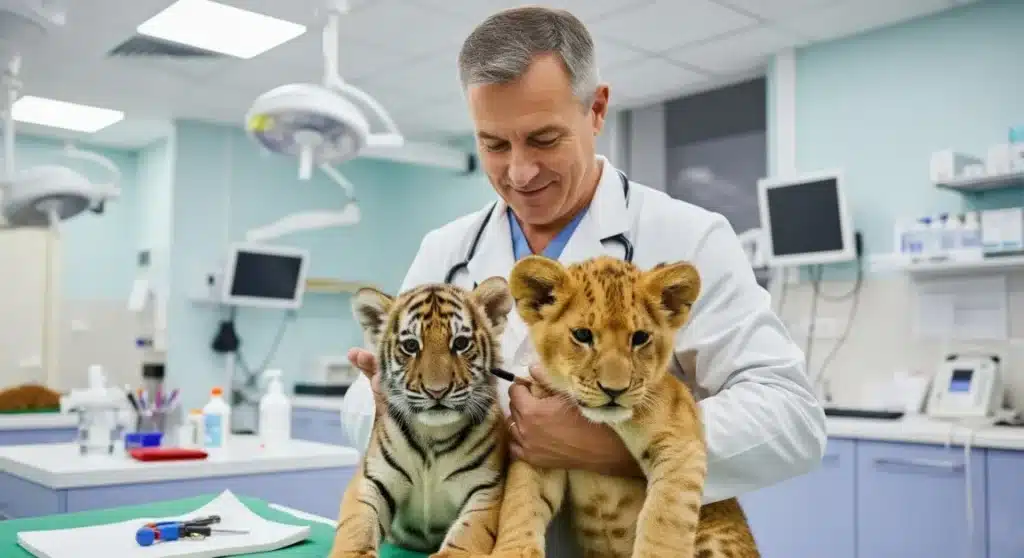
As an experienced exotic veterinarian, I’ve treated everything from sugar gliders and snakes to parrots and tortoises. Over the years, I’ve seen one clear truth: exotic pets are not just unusual—they’re wonderfully unique, and they deserve equally unique care. That’s where an exotic animal hospital comes in.
What Is an Exotic Animal Hospital?
An exotic animal hospital is a veterinary clinic dedicated to treating pets outside the realm of cats and dogs. These include birds, reptiles, amphibians, ferrets, rabbits, chinchillas, hedgehogs, and other small mammals. Some clinics also treat fish and invertebrates.
Unlike a general veterinary clinic, an exotic animal clinic is equipped with the tools, technology, and expertise needed to care for a wide range of species—each with its own anatomy, physiology, and environmental needs.
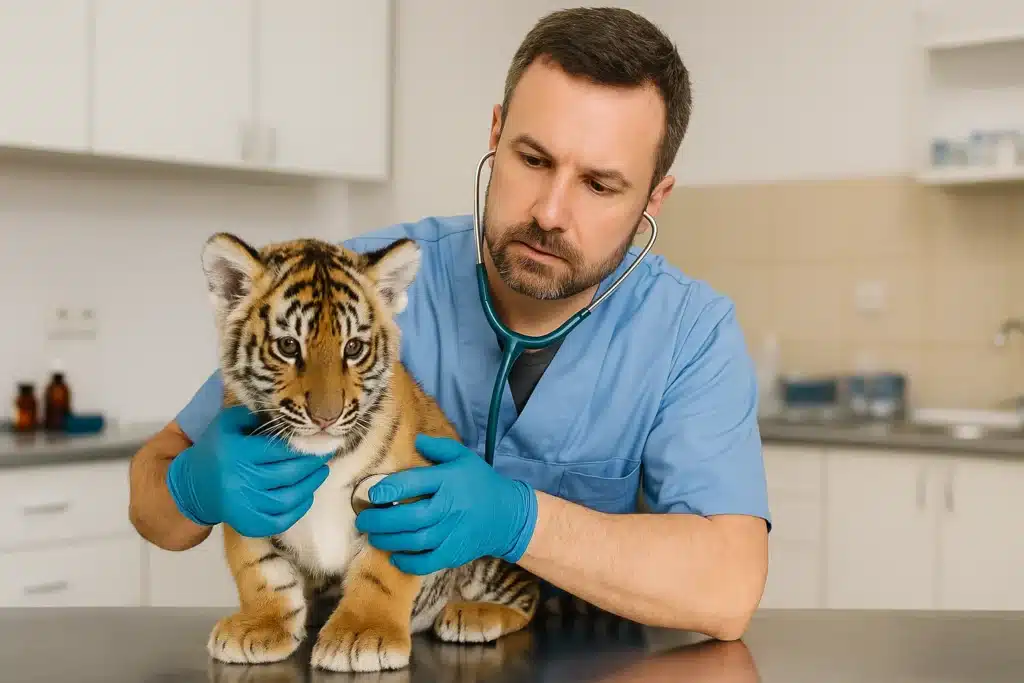
Examples of Exotic Pets We Commonly Treat:
- Reptiles & amphibians: Iguanas, bearded dragons, ball pythons, turtles, frogs.
- Avian species: Parrots, finches, cockatiels, canaries, chickens, ducks.
- Small mammals: Rabbits, ferrets, guinea pigs, chinchillas, hedgehogs, sugar gliders
- Others: Tarantulas, exotic fish, mini pigs, beavers and even moles
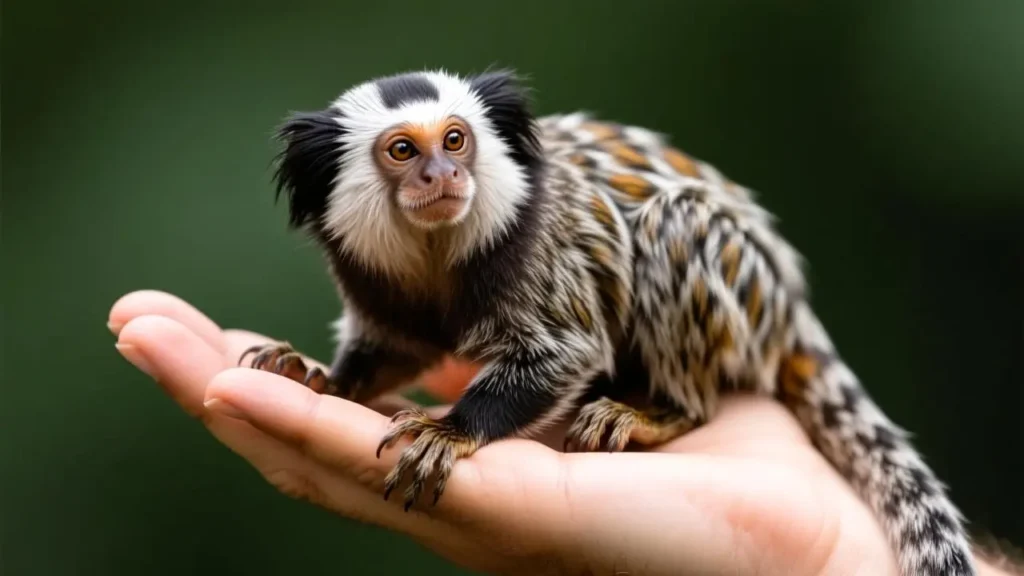
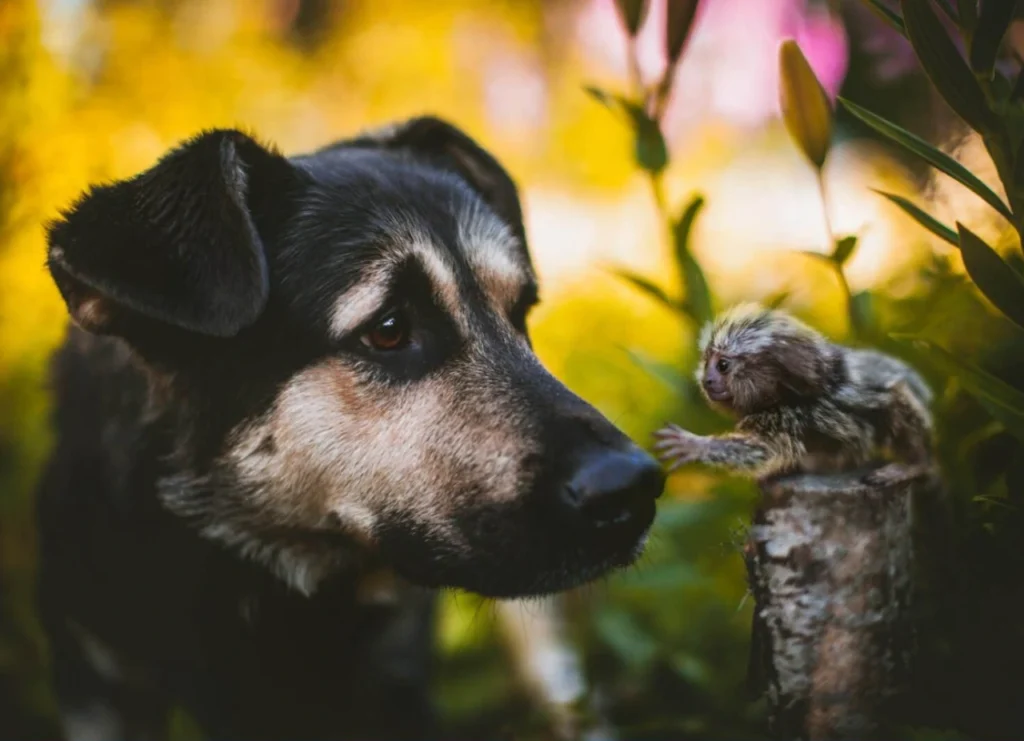
- other wild animals :
These animals require highly specific handling and medical care—making an exotic vet the ideal professional for the job.
Why Exotic Pets Need Specialized Care
Treating an exotic pet isn’t simply a smaller version of treating a cat or dog. It’s an entirely different approach to veterinary medicine.
- Unique biology: A rabbit’s digestive system functions completely differently from a dog’s. Birds have air sacs and require specific anesthesia techniques. Reptiles need thermal support during procedures.
- Subtle symptoms: Exotic pets are masters at hiding illness, owners should be especially aware of this. For example, African wild dogs instinctively conceal weakness as a survival strategy, and this behavior often carries over in captivity. By the time these animals (or any exotic pet) begin to show visible signs of distress, the condition may already be advanced or critical
- Specialized diets: A guinea pig needs vitamin C in its diet; a bearded dragon’s nutritional balance changes with age. Missteps in diet can lead to serious health problems.
- Stress sensitivity: Improper handling, noise, or temperature changes can severely stress exotic animals. Clinics must be designed to reduce environmental stress.
A true exotic pet vet understands these nuances and tailors care accordingly.
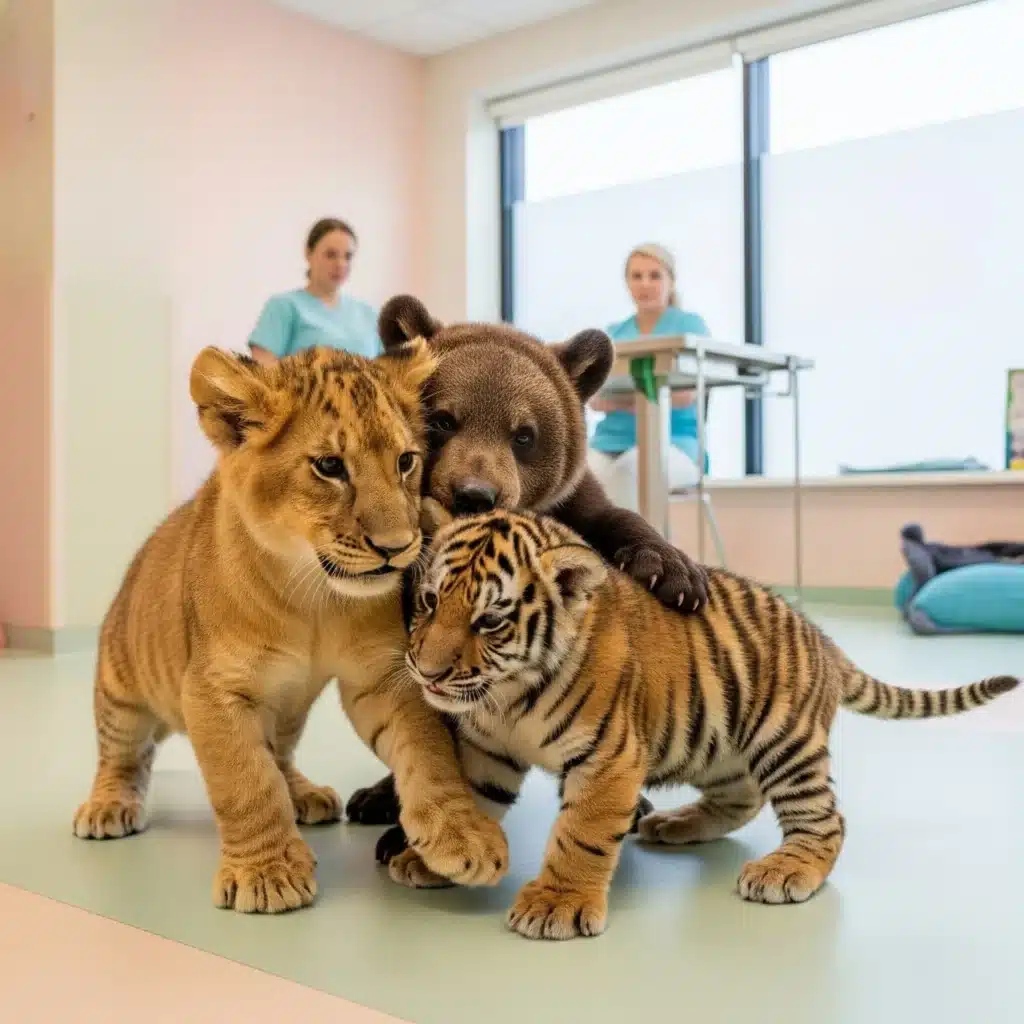
Services Offered by an Exotic Animal Hospital
A comprehensive exotic pet hospital provides more than just emergency care. We offer a full range of services designed to keep your pet healthy throughout their life:
1. Wellness Exams & Preventive Care
Routine exams help us catch issues early—often before they become life-threatening. During a wellness check, we evaluate:
- Weight and body condition
- Nutrition and hydration
- Husbandry setup (lighting, temperature, enclosure)
- Behavior and mental stimulation
We’ll also review your pet’s habitat, diet, and routine to help prevent disease.
2. Advanced Diagnostics
Because exotic pets can’t tell us what’s wrong, diagnostics are essential. Our exotic animal clinic offers:
- Bloodwork and fecal analysis
- Radiology (X-rays)
- Ultrasound and endoscopy
- Cytology and biopsy
Each diagnostic tool is adapted for the unique size and biology of exotic species.
3. Surgery and Anesthesia
Performing surgery on an exotic pet is delicate work. At our exotic animal hospital, we use:
- Miniature surgical instruments
- Precision anesthesia for small or cold-blooded species
- Warming tables and oxygen cages for recovery
Whether it’s a tumor removal, wound repair, or spay/neuter procedure, we prioritize safety and comfort.
4. Emergency & Critical Care
Exotic pets can deteriorate quickly. That’s why many avian and exotic animal hospitals offer emergency services:
- Trauma treatment (falls, injuries)
- Gastrointestinal blockages
- Respiratory distress
- Egg binding in birds and reptiles
If your pet is in distress, don’t wait—seek an exotic veterinarian immediately.
5. Dental Care
Species like rabbits and guinea pigs have continuously growing teeth. Without proper care, they can develop painful abscesses or malocclusion. We offer trimming, X-rays, and dental surgery when needed.
6. Behavioral & Husbandry Counseling
Improper husbandry (cage setup, diet, enrichment) is one of the top causes of exotic pet illness. We help you correct these issues through:
- Custom habitat design advice
- Handling and taming tips
- Feeding schedules and nutritional guidance
Curious about meeting exotic species outside a clinical setting? Check out our guide on ethical wildlife experiences.
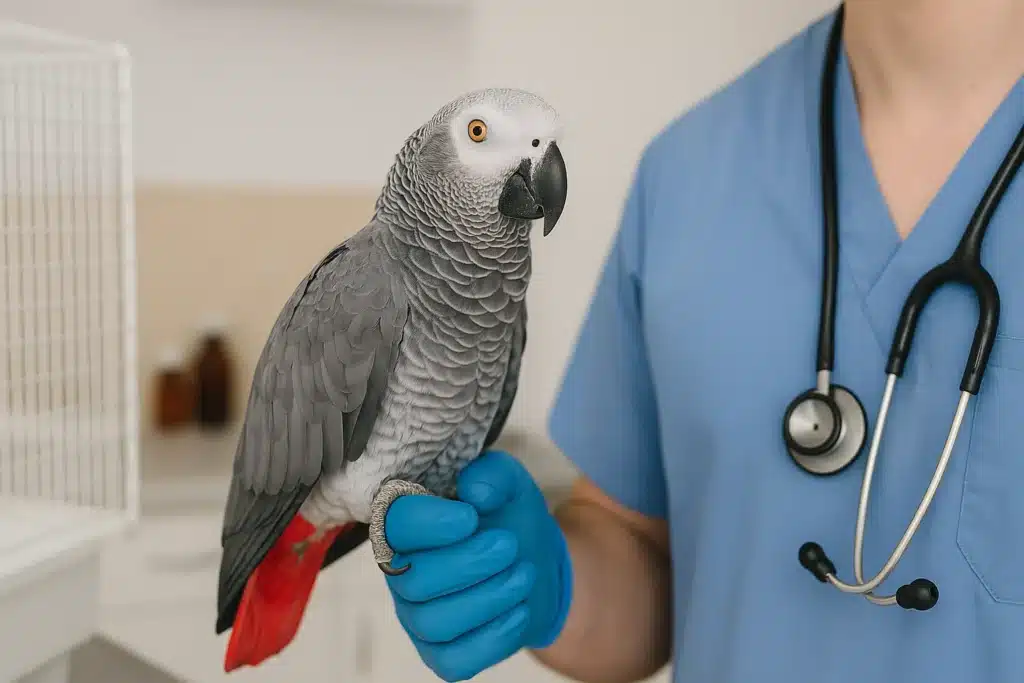
Choosing the Right Exotic Vet
Finding the right exotic pet vet can make all the difference in your pet’s life. Here’s what to look for:
- Specialized training: Look for DVMs with credentials or experience in exotic medicine.
- Professional memberships: Members of the Association of Avian Veterinarians (AAV), Association of Exotic Mammal Veterinarians (AEMV), or the Association of Reptilian and Amphibian Veterinarians (ARAV) are a good sign.
- Facility readiness: The best clinics have species-specific exam rooms, smaller equipment, and a stress-minimized environment.
- Clear communication: An excellent exotic veterinarian will educate you, answer your questions, and offer follow-up care.
Avian and Exotic Animal Hospital vs. General Clinics
You may see the term avian and exotic animal hospital—this indicates a clinic with advanced training in birds and other non-traditional pets. While some general veterinarians may see the occasional exotic, only a dedicated exotic animal hospital has the knowledge and tools to manage these pets fully.
If your ferret is losing weight, or your iguana is acting lethargic, it’s crucial to get them to a veterinarian who knows their species—not just any vet.
Final Thoughts
Exotic pets bring joy, challenge, and fascination into our lives. Whether you have a vibrant parrot, a chilled-out tortoise, or a bouncy ferret, they deserve care tailored to their species—not a one-size-fits-all approach.
A trusted exotic animal hospital is your partner in keeping your unique companion healthy for years to come. With the right exotic vet by your side, you’ll have peace of mind knowing your pet is in expert hands.


Pingback: Can you Own a Capybara as a Pet? - Animal Sound
Pingback: Fennec Fox for Sale Near You – USDA-Licensed Breeder - Animal Sound