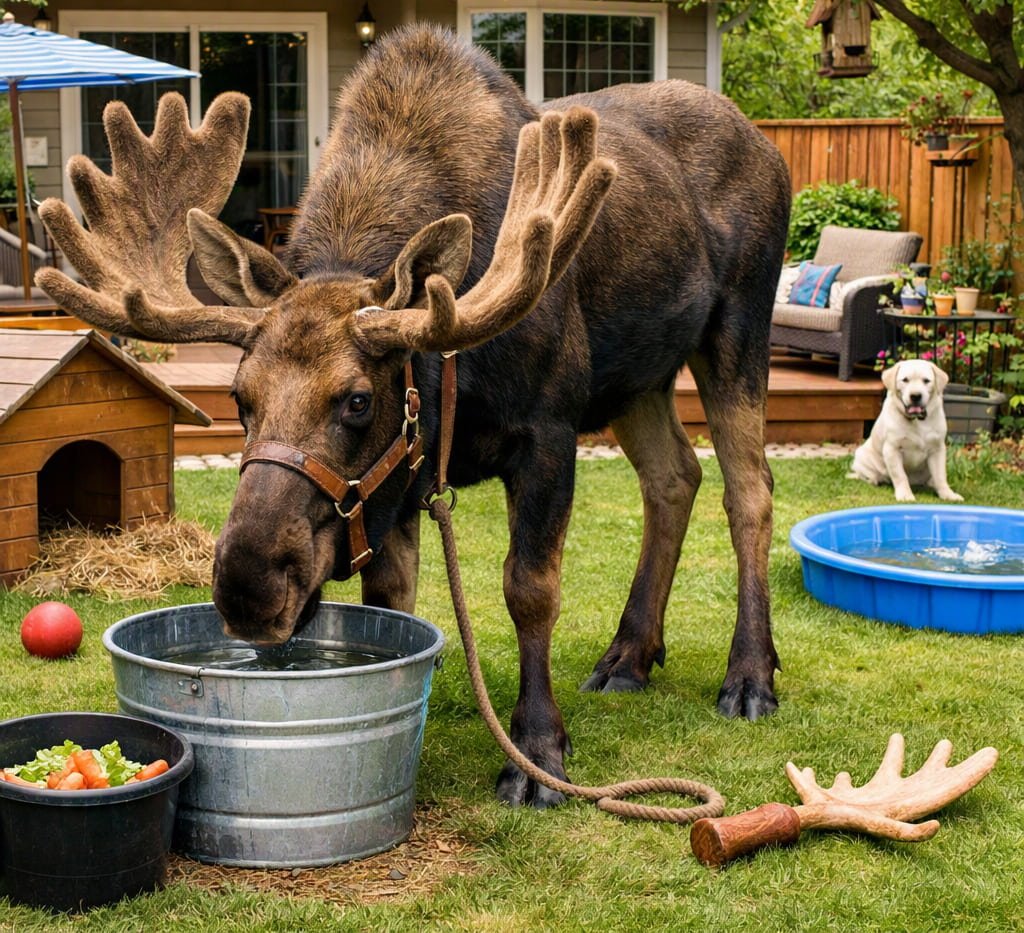
Moose as a pet refers to keeping a moose outside its natural habitat, typically after it has been rescued, orphaned, or raised in captivity. Unlike dogs, horses, or cattle, moose have never undergone selective breeding for life alongside humans. Their instincts remain those of a wild herbivore, no matter how they were raised.
What Is a Moose Actually Like to Live With?
Many people imagine moose as oversized deer with gentle personalities. I think that’s the first assumption worth dropping before anything else. Wildlife biologists describe something far more complicated: Alaska’s Department of Fish and Game, which fields more moose-related public safety calls than almost any other agency in the world, notes that moose can become aggressive when surprised, during the fall rut, or when cows are protecting calves.
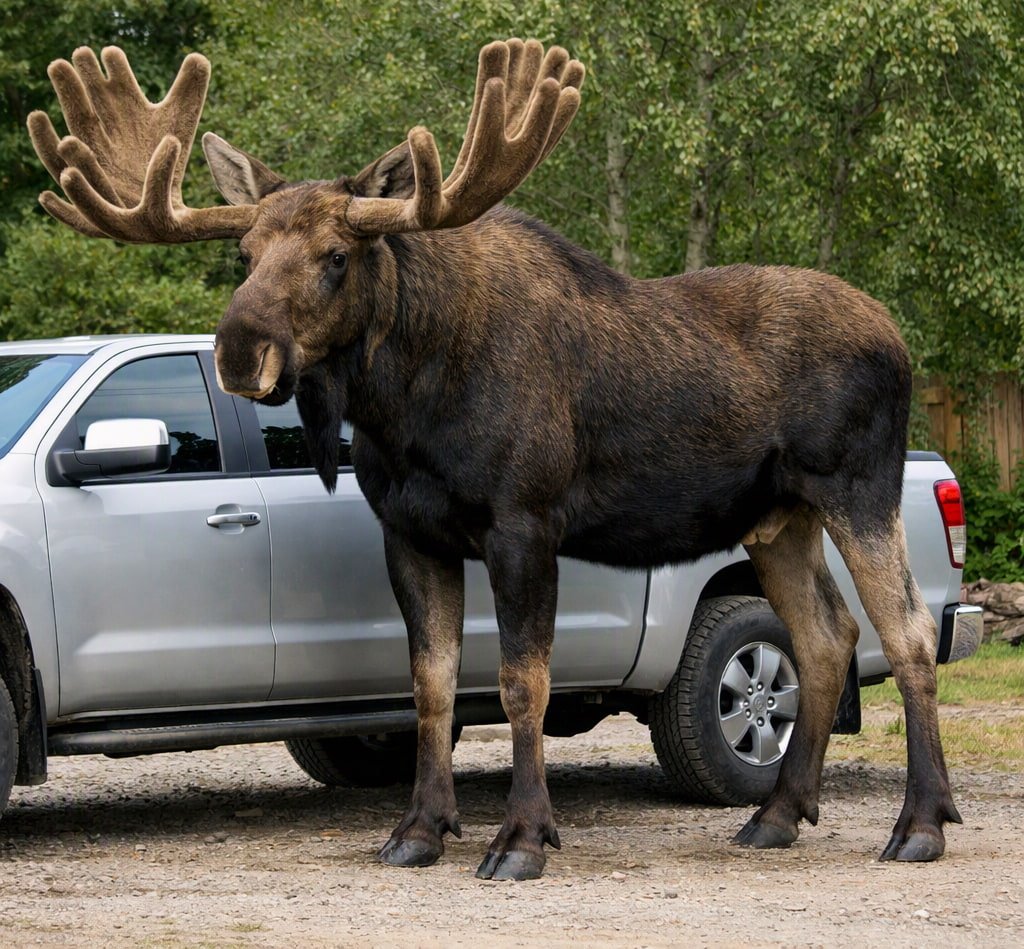
Here’s the detail most articles on this topic leave out: despite bears having the scarier reputation, Alaska’s own wildlife agency reports that moose injure more people in the state each year than bears do. Most of those encounters involve wild moose that wandered too close to people — but it’s a useful reality check on how much size and unpredictability matter, regardless of how “tame” an individual animal seems.
An adult bull can exceed 1,200 pounds (540 kg), while cows commonly weigh between 800 and 1,000 pounds. Their height lets them browse vegetation other deer can’t reach — but it also means fencing, shelters, and handling equipment become far more demanding than most people expect.
Their daily needs include:
- Access to large areas for movement
- Fresh browse such as willow, birch, and aspen
- Constant access to clean water
- Protection from excessive heat, since moose are built for cold climates
- Veterinary care from professionals experienced with large wild ungulates
These aren’t requirements an average backyard, or even most private farms, can realistically meet.
Why Do People Want a Moose as a Pet?
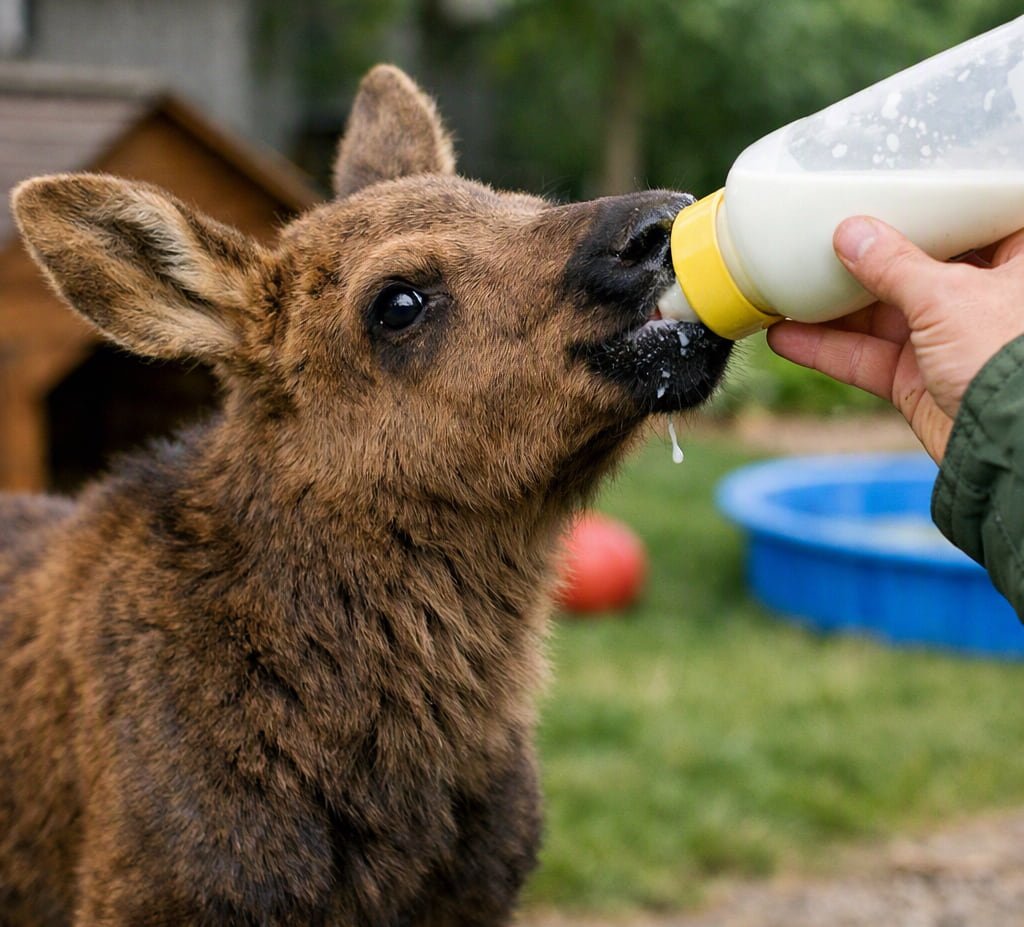
Interest in a moose pet usually starts with viral videos of orphaned calves being bottle-fed or following wildlife rehabilitators around. Those clips capture only a brief stage of the animal’s life.
A newborn calf may weigh 25 to 35 pounds, but healthy calves grow fast. By adulthood, even a moose raised by humans since birth keeps the instincts that come with its size and strength. Wildlife rehabilitation centers that raise orphaned calves generally aim to return them to the wild; permanent human care is reserved for animals that genuinely can’t survive on their own.
What the Internet Gets Wrong About Owning a Moose as a Pet
The most common myth on social media is that a bottle-fed moose becomes “domesticated.” It doesn’t, and wildlife biologists have said so for decades: habituation (getting used to people) and domestication (a trait bred into a species over many generations) are not the same thing.
The clearest illustration of that difference isn’t a general warning — it’s a specific, well-documented case. In New Brunswick, a man remembered locally as the “Moose Man” raised and trained a moose named Tommy well enough that the animal wore a saddle and worked like a horse. I think it’s a genuinely remarkable story — and exactly the exception that proves the rule. It took one exceptionally patient handler, one individual animal, and constant hands-on management, and it was never repeated at any scale. That’s what habituation looks like. It’s not evidence that moose, as a species, can be kept the way a horse or a dog can.
A mature bull entering the autumn rut can respond aggressively with very little warning, regardless of how calm it behaved as a calf or how many years of apparently easy behavior came before.
Want to learn about another unconventional pet? See our guide to keeping a red panda as a pet.
What a Moose Actually Needs (Non-Negotiables)
A moose as a pet isn’t comparable to keeping a horse, cow, or even a captive deer. Every part of its care is built around the needs of a large wild browser — needs that are difficult to reproduce outside professional wildlife facilities.
Space Requirements
The biggest challenge isn’t finding room for a moose to stand — it’s giving it enough space to behave naturally. Wild moose can travel several miles a day searching for food, water, and seasonal habitat. A fenced pasture that looks enormous for livestock can be inadequate for a healthy adult moose. Professional wildlife parks typically provide several acres per animal, with wooded areas, ponds, and natural vegetation — an ordinary backyard or hobby farm can’t offer the same environment.
Diet: A Moose Doesn’t Eat Like Other Livestock
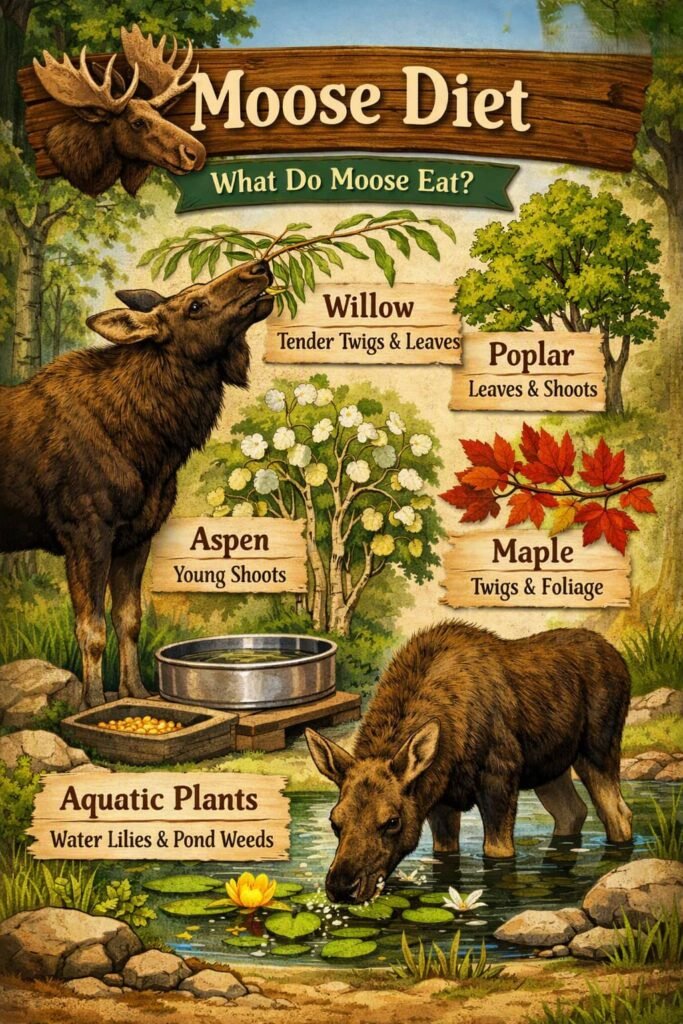
Many people assume hay and grass are enough, since moose are herbivores. That’s only part of the story: moose are browsers, not grazers. Rather than grazing on grass like cattle, they naturally feed on woody plants — willow, aspen, birch, poplar, maple, and aquatic vegetation in warmer months.
This is where the numbers get real. Zoos that care for moose report that a single adult can browse through more than 40 pounds of woody vegetation in a day, and that most of a moose’s waking hours are spent eating. Commercial deer pellets can supplement a captive moose’s diet, but they can’t replace that volume of fresh browse — and wildlife guides consistently note that moose have difficulty adjusting to foods outside their natural diet, which means improper nutrition can quickly lead to poor body condition and digestive problems.
Water Is More Important Than Most People Realize
Moose spend a surprising amount of time around water. Lakes, ponds, marshes, and slow-moving streams help regulate body temperature in warm weather while providing aquatic plants that make up part of their seasonal diet. Without regular access to water and ways to cool off, captive moose can develop significant heat stress — one reason wildlife facilities in northern climates generally manage moose more successfully than facilities in hotter regions.
Veterinary Care Isn’t Easy to Find
Ask anyone who has actually tried to arrange veterinary care for a large exotic species and you’ll hear the same thing: most companion-animal veterinarians never treat moose, and even vets experienced with horses or cattle may have limited experience with large wild cervids. Procedures like hoof exams, imaging, or blood draws often require specialized equipment and carefully planned restraint protocols to protect both the animal and the veterinary team. The American Association of Zoo Veterinarians represents the professionals trained for exactly this kind of species-specific care — and access to someone with that training, not just a general large-animal vet, is essential.
The Financial Reality Most People Underestimate
Buying food is only one small part of the cost. A realistic annual budget includes reinforced fencing construction and upkeep, specialized shelter, large volumes of browse and supplemental feed, veterinary exams, emergency transport equipment, habitat maintenance, and insurance where it’s even available. Even before an unexpected medical expense, maintaining one adult moose can run into many thousands of dollars a year — especially if fresh browse has to be purchased or transported in. Unlike traditional livestock, most of these supplies can’t be picked up at a local farm store.
Lifespan and Long-Term Commitment
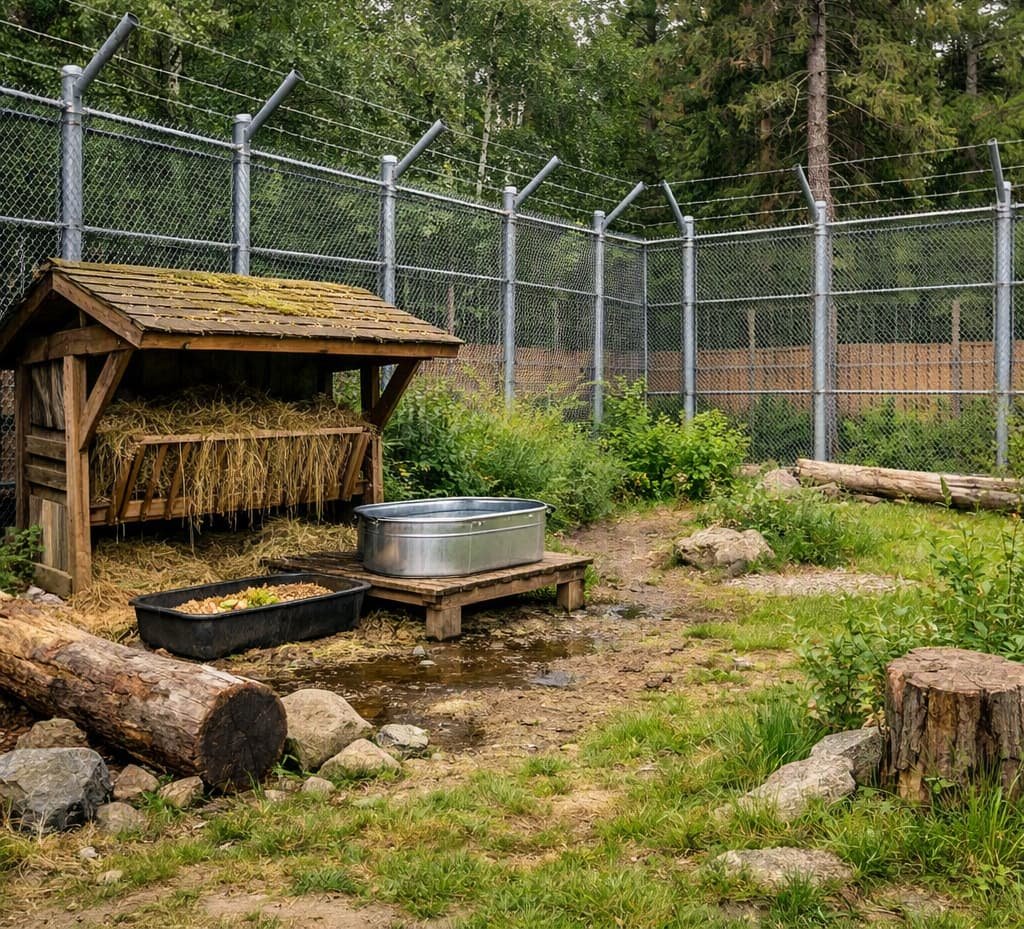
Healthy moose commonly live 15 to 20 years in favorable conditions. That makes a pet moose a commitment that can last close to two decades, with resource needs that grow as the animal reaches full adult size. Unlike a dog or cat, rehoming an adult captive moose is extremely difficult — accredited zoos and sanctuaries rarely have space, and releasing a captive-raised adult into the wild is usually neither legal nor successful.
Since moose and deer are both cervids, you may also want our guide on keeping a deer as a pet.
Legal Restrictions You Should Check First
Before anyone considers acquiring a moose, local law should be the first thing they check — not the last. Many jurisdictions prohibit private ownership of native wildlife outright, or restrict it to permits issued to accredited zoos, licensed rehabilitators, or research institutions.
To make this concrete: Alabama’s wildlife code classifies the entire deer family — deer, elk, moose, and caribou — as restricted species that can’t be possessed without a state permit, and several other states have similarly strict cervid-specific rules. Regulations that do exist typically also cover enclosure specifications, veterinary oversight, identification, transport, and breeding. Ignoring them can mean confiscation, substantial fines, or criminal charges. Because the rules genuinely differ by state and province, contact your state or provincial wildlife authority directly before making any plans — a general web search isn’t a substitute for confirming your specific jurisdiction’s current rule.
What People Don’t Expect Once the Novelty Wears Off
Most discussions about a moose as a pet focus on how impressive the animal looks. Far fewer talk about what everyday life becomes once the novelty fades — but talk to the rehabilitators and small wildlife facilities who actually live this, and the same handful of realities come up every time.
From their experience, the first surprise is always how much a moose eats — not a quick morning-and-evening routine, but an ongoing task of sourcing fresh branches and maintaining a year-round browse supply. Then there’s the property damage: moose don’t destroy things on purpose, but their size makes ordinary fences, gates, and landscaping almost irrelevant when one decides to rub against them or walk through.
Seasonal behavior is its own challenge. During the fall rut, bull moose can become markedly more aggressive, and cows with calves defend them vigorously regardless of how calm the animal has seemed for years. And travel is harder than most people expect — finding someone qualified to care for a captive moose while you’re away isn’t like hiring a pet sitter or boarding a horse. Very few people have the facilities, experience, or legal authorization to do it.
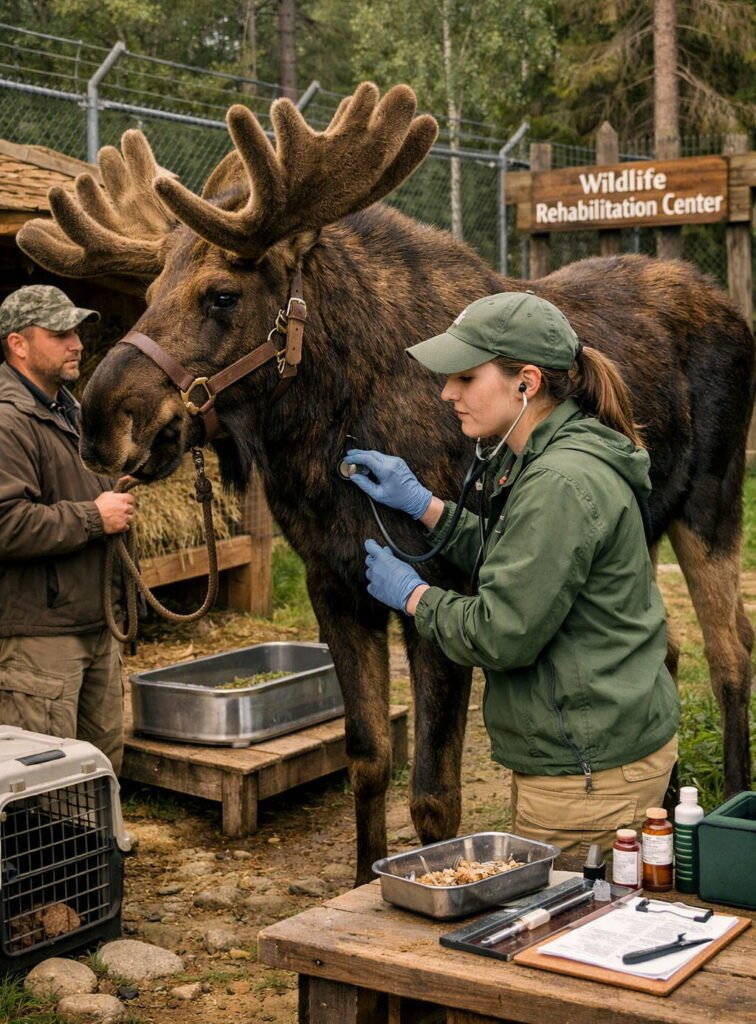
[Callout for the site owner: this is the strongest spot in the article to add a short, real quote from an actual wildlife rehabilitator, exotic-animal vet, or agency contact — something like “the thing people never plan for is X.” A genuine named quote here would do more for both reader trust and search performance than anything else in this piece.]
Is a Moose Actually Right for You? (Honest Assessment)
I think for almost everyone, the honest answer is no — and that’s not a knock on moose. They’re remarkable animals, well adapted to their natural environment. The same qualities that let them thrive in forests and wetlands are exactly what makes them unsuitable as household pets.
A moose is probably not a practical choice if:
- You live in a suburban or urban area
- You have only a few acres of land
- You expect livestock-like behavior
- You don’t have year-round access to appropriate browse
- You can’t line up specialized veterinary care
- Local regulations prohibit ownership
Captive moose are typically managed well only at accredited zoos, licensed rehabilitation centers, or conservation and educational facilities with experienced staff, extensive habitat, and specialized veterinary support. If your real goal is to experience these animals up close, responsible wildlife tourism, photography, or volunteering with a conservation organization is a safer and more ethical route than private ownership.
Moose aren’t the only giant mammal people consider keeping — see how they compare in our guide to buffalo as pets.
Common Questions About Owning a Moose as a Pet
Can a baby moose become fully domesticated?
No. Raising a calf around people can make it more accustomed to human presence, but that’s habituation, not domestication. Domestication happens over many generations through selective breeding — something that has never happened with moose.
Are moose dangerous if they’re raised by humans?
Yes, they can be. Even hand-raised moose keep natural behaviors around territory, breeding, and self-defense. Wildlife agencies advise treating them as wild animals for their entire lives, not just when they’re calves.
Is it legal to keep a pet moose?
It depends entirely on where you live. Many jurisdictions prohibit private ownership of native wildlife, or limit it to permits generally reserved for licensed facilities. Always check with your state, provincial, or national wildlife authority before considering it.
Would a moose make a better pet than a deer?
don’t think so, generally. Moose are larger, need more space, eat more, and present bigger handling challenges than most deer species. Neither is a realistic pet for the average person.
The Honest Bottom Line on Moose as a Pet
A moose as a pet sounds appealing after a video of a friendly, bottle-fed calf — but that clip shows only a tiny slice of the story. Adult moose stay wild animals, with specialized dietary needs, extensive space requirements, and instincts that hand-raising doesn’t remove.
I think, for most people, the responsible choice is to admire moose where they belong: in protected habitats, wildlife parks, or accredited conservation facilities that can actually provide what these animals need.
Sources
- Alaska Department of Fish and Game, “Living With Moose”
- Alaska Department of Fish and Game, “Aggressive Moose”
- Columbus Zoo, “Moose”
- National Wildlife Federation, “Moose”
- American Association of Zoo Veterinarians, aazv.org
- CBC News, “The Miramichi ‘Moose Man’ and how he domesticated a moose named Tommy”
- Born Free USA, “State Laws: Private Possession of Exotic Animals”