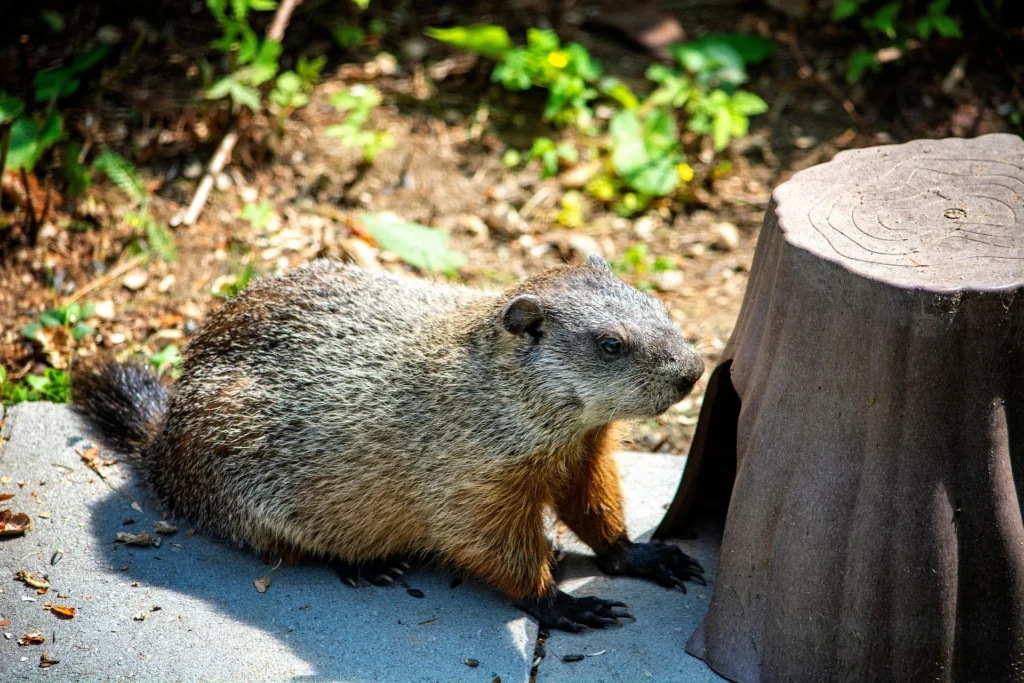
Have you ever watched a chubby groundhog waddle around, perhaps munching on clover or expertly digging a burrow, and thought, “Could I keep a groundhog as a pet?” You’re certainly not alone. The intriguing idea of owning one of these industrious rodents seems to be gaining traction online, as evidenced by climbing search queries for “keeping groundhog as pet,” “groundhog pet price,” and even “groundhog pet UK.”
But before you decide to hop on the burrowing bandwagon and consider a groundhog as a pet, it’s crucial to understand the profound differences between these wild animals and domesticated companions. This comprehensive guide will break down the essential facts about the legality, challenging behavior, true cost, and realistic expectations of keeping a groundhog as a pet, ultimately showing why a groundhog is almost always best admired from a respectful distance in their natural habitat.

Is a Groundhog the Right Pet for You?
Have you ever wondered what it would be like to have a groundhog as a pet? These fascinating creatures, also known as woodchucks, are intelligent, curious, and have unique behaviours that set them apart from traditional pets. However, owning a groundhog is not as simple as adopting a dog or cat. Before you consider bringing one into your home, it’s essential to understand their needs, legal restrictions, and the challenges of keeping them as pets.
In this guide, we’ll explore everything you need to know about keeping a groundhog as a pet, including costs, behavior, legal considerations, and care requirements.
Groundhogs are burrowing animals that thrive with lots of space and natural environments. If you like low-maintenance pets, the Best Mouse Breeds might offer better options.
Is It Legal to Keep a Groundhog As A Pet?
The short answer to “Is it legal to keep a groundhog as a pet?” is, in most places, generally no, or at least not without highly specialized permits. Groundhogs – also known as woodchucks or Marmota monax – are wild animals, and the vast majority of jurisdictions worldwide have strict regulations or outright bans on keeping native or non-native wildlife as pets, making the concept of a groundhog as a pet challenging from the outset.
United States’s Laws for owning a Groundhog As A Pet
The legality of a groundhog as a pet varies significantly from state to state:
- Some States May Allow (with Permits): In a very limited number of states, such as Pennsylvania and Wisconsin, it might be permissible to keep a groundhog, but this almost invariably requires a specific wildlife possession permit, a rehabilitation license, or a permit for educational display. These are not typical “pet ownership” permits and come with stringent requirements for caging, care, and inspections for any potential groundhog as a pet.
- Mostly Illegal: In the majority of U.S. states, including populous ones like California, New York, Florida, and many others, owning a groundhog as a pet is strictly illegal. These laws are in place to protect both public safety (due to potential for bites and disease transmission like rabies) and animal welfare (as groundhogs have complex needs that cannot be met in a home environment), thereby discouraging a groundhog as a pet.
International Regulations: Groundhog Pet UK, Canada & Australia
The restrictions extend globally, often with even stricter rules for non-native species for a groundhog as a pet:
- Groundhog Pet UK: The groundhog is not native to the United Kingdom. Keeping exotic or non-native wild animals like groundhogs is heavily restricted under legislation such as the Dangerous Wild Animals Act 1976 and various wildlife import/export laws. Obtaining permission for a groundhog pet UK is exceptionally rare and usually reserved only for licensed zoos or specific research facilities, not private individuals seeking a groundhog as a pet.
- Canada & Australia: In Canada and Australia, generally, owning a groundhog without specialized wildlife licenses is illegal, making a groundhog as a pet largely unattainable. Both countries have robust wildlife protection acts that aim to prevent the import and keeping of non-native species that could become invasive or native species that are not meant for domestication.
Always consult your local state’s wildlife authority or country’s relevant environmental agency before even considering groundhog ownership. Misinformation or assumptions can lead to significant legal penalties, including fines and confiscation of the animal, making the pursuit of a groundhog as a pet a risky endeavor
Is It Safe to Touch a Groundhog?
Groundhogs are intriguing creatures that require a spacious outdoor enclosure to thrive. They are known for their burrowing habits, which means potential owners must prepare their yards accordingly. If you’re interested in small, burrowing animals, you might also find European Hamsters as Pets to be a fascinating alternative.
Can You Touch a Baby Groundhog?
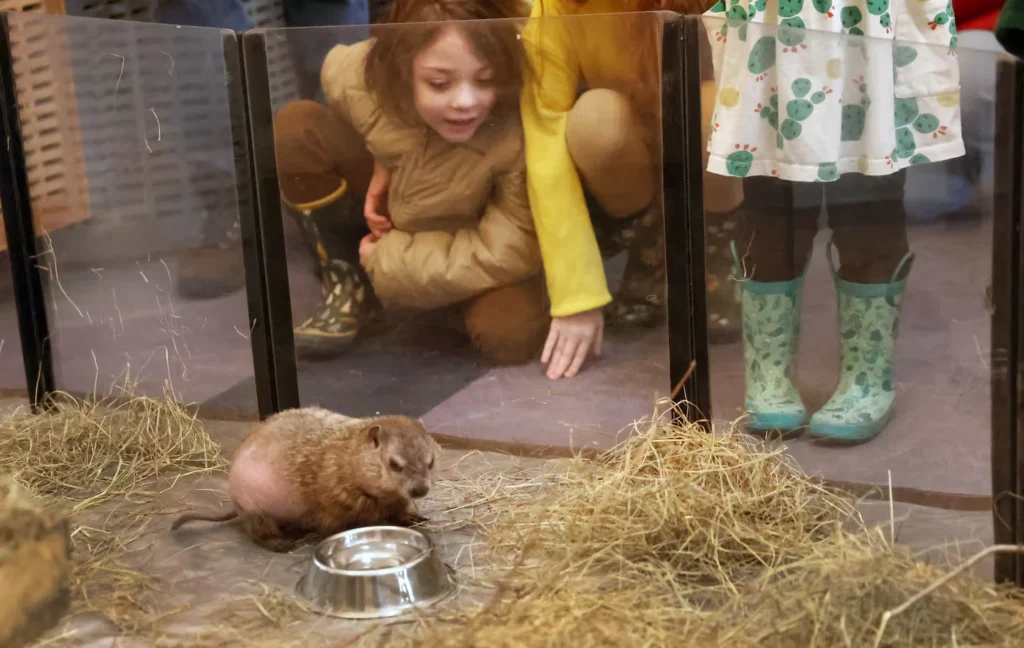
Many people wonder, “Is it safe to touch a groundhog?” or “Can you touch a baby groundhog?” While baby groundhogs may appear cute and harmless, they are still wild animals with strong survival instincts. If not properly socialized, they may bite or scratch when handled.
Adult groundhogs have powerful teeth and claws designed for digging, which means handling them requires caution. If you choose to keep a groundhog as a pet, proper training and socialization from an early age are crucial.
Does a Groundhog Make a Good Pet?
Beyond legality, understanding the inherent nature of groundhogs reveals why keeping a groundhog as a pet is an incredibly challenging, often unrewarding, and potentially dangerous endeavor. These animals are simply not bred for domestic life, which is a critical point when evaluating a groundhog as a pet.
Perceived “Pros”
- Intelligent and Curious: Groundhogs are intelligent and naturally curious, which can make observing them fascinating.
- Fun to Watch: Their natural behaviors, like burrowing, foraging, and exploring, are captivating to witness.
- Unique Pet: For a dedicated wildlife enthusiast with appropriate resources, the idea of a truly unique pet might be appealing, though a groundhog as a pet presents unique challenges.
Overwhelming “Cons”
- Aggressive & Destructive: Groundhogs can be highly aggressive, especially when feeling threatened, cornered, or during mating seasons. They possess powerful teeth and claws capable of inflicting serious bites and scratches, making a groundhog as a pet potentially dangerous. Their instinct to dig is incredibly strong, leading to destructive behavior if not given vast, secure outdoor spaces. They will dig incessantly, potentially damaging property or even escaping, a common problem with a groundhog as a pet.
- Solitary and Territorial: Groundhogs are naturally solitary animals. They do not seek companionship from humans or other animals. Attempting to force social interaction can lead to stress for the groundhog and aggressive responses, making the ideal of a cuddly groundhog as a pet unrealistic. They are fiercely territorial and will defend their space.
- Not Litter-Trainable: Unlike cats or dogs, groundhogs are not easily litter-trainable. They will typically relieve themselves wherever they happen to be, making indoor living unhygienic and difficult for a groundhog as a pet.
- Require Large Outdoor Enclosures: Their digging instincts and need for space mean they cannot be kept in a typical cage. They require vast, escape-proof outdoor enclosures with deep substrates for burrowing, often requiring concrete or mesh foundations to prevent tunneling out. This is a significant requirement for a groundhog as a pet.
- Hibernation: Groundhogs naturally hibernate for 3–4 months during the colder parts of the year. This complex physiological process requires specific environmental conditions (temperature, substrate, undisturbed space) that are difficult to replicate safely and healthily in a typical home setting for a groundhog as a pet.
- Intense Enrichment Needs: Their high intelligence and active nature demand constant, varied enrichment to prevent boredom and stress, which can manifest as destructive or aggressive behaviors. Providing this for a groundhog as a pet is a full-time commitment.
- Specialized Vet Care: Finding a veterinarian with expertise in exotic wildlife, specifically groundhogs, can be extremely challenging and expensive. Routine check-ups, emergency care, and vaccinations (where applicable or necessary) would be complex and costly for a groundhog as a pet.
In essence, a groundhog as a pet is not suitable for apartment living or casual pet owners. Their welfare demands immense space, specialized care, and a deep understanding of wild animal behavior.
Where Can I Buy a Groundhog as a Pet?
Finding a groundhog as a pet for sale can be challenging. Most pet stores and breeders do not sell groundhogs due to legal restrictions. However, exotic pet breeders or wildlife rehabilitators may occasionally have them available. Before purchasing one, always ensure it is legal in your area.
Groundhog Pet Price: How Much Does It Cost?
The groundhog pet price varies based on availability, location, and breeder. If you can legally obtain one, expect to pay between $300 and $1,000. Additional costs include:
- Habitat setup
- Veterinary care
- Specialized diet
- Enrichment and toys
Groundhog Pet for Sale UK, US & India – Can You Even Buy One?
The search for a “groundhog pet for sale UK,” or in the US and India, often leads to dead ends or illegal avenues when seeking a groundhog as a pet.
Groundhog Pet for Sale UK
- Groundhogs are not listed in common UK exotic pet listings because they are not native and fall under strict regulations regarding dangerous or invasive wild animals.
- Importing one would necessitate complex legal paperwork, extensive quarantine periods, and specific wildlife clearance from authorities like DEFRA (Department for Environment, Food & Rural Affairs). This process is almost impossible for a private individual seeking a groundhog as a pet and is generally only granted for zoological or scientific purposes.
- If you see a groundhog pet for sale UK, it’s highly likely to be illegal or from an unethical source.
Groundhog Pet for Sale in the U.S
- In the select few states where it might be legal to own a groundhog, you would need to find a licensed breeder or a wildlife rehabilitator who is authorized to offer them for private possession. This is rare, as most rehabbers aim to release healthy animals back into the wild, not facilitate a groundhog as a pet.
- Any other source for a groundhog as a pet is almost certainly illegal.
Groundhog Pet Price in India
- Groundhogs are not native to India and are not legally available for sale as pets.
- Any listing or advertisement offering a “groundhog pet price in India” is highly suspicious and likely involves illegal activity, specifically for a groundhog as a pet.
- The Indian Wildlife (Protection) Act strictly prohibits importing or trading exotic wildlife without a license, and the emphasis is heavily on conservation and preventing the introduction of non-native species.
5. Groundhog Pet UK
For those in the UK specifically, the idea of a groundhog pet UK runs directly counter to established wildlife and animal welfare legislation.
- Dangerous Wild Animals Act (DWA): Owning exotic mammals such as groundhogs generally requires compliance with the Dangerous Wild Animals Act. This involves obtaining a license from the local authority, which will conduct rigorous inspections of the proposed enclosure, diet plans, and the owner’s experience. Given groundhogs’ wild nature, digging capabilities, and potential for aggression, obtaining such a license for private ownership for a groundhog as a pet is extremely difficult.
- Import Licenses if Non-Native: As a non-native species, significant import licenses and quarantine procedures would be mandatory if one were even to consider bringing a groundhog into the UK.
- DEFRA Inspection: The Department for Environment, Food & Rural Affairs (DEFRA) would be involved in inspecting the enclosure and diet plans to ensure welfare and public safety. Given their non-native status, complex needs, and hibernating behavior, approval for private ownership as a groundhog as a pet is rarely, if ever, granted.
6. Groundhog Pet Price in India
As mentioned, considering a groundhog as a pet in India is simply not a legal or feasible option.
- Groundhogs are not native to India and are not legally available for sale as pets.
- Any listing offering a “groundhog pet price in India” is highly suspicious and likely involves illegal activity when it pertains to a groundhog as a pet.
- The Indian Wildlife (Protection) Act strictly prohibits importing or trading exotic wildlife without a license, and the emphasis is heavily on conservation and preventing the introduction of non-native species.
Legal Alternatives in India:
If you are interested in a small, interesting pet in India, consider legally available and domesticated alternatives such as:
- Indian palm squirrels (often seen locally)
- Guinea pigs
- Hedgehogs (where permitted and from legal sources)
- Various species of domesticated hamsters or mice.
Keeping a Groundhog as a Pet: Care and Maintenance
Housing and Environment
Groundhogs are natural diggers and require a secure enclosure with plenty of space to roam. Keeping a groundhog in a small cage is not suitable for their well-being. If kept indoors, they need a designated play area with digging opportunities.
Diet and Nutrition
A pet groundhog’s diet should consist of:
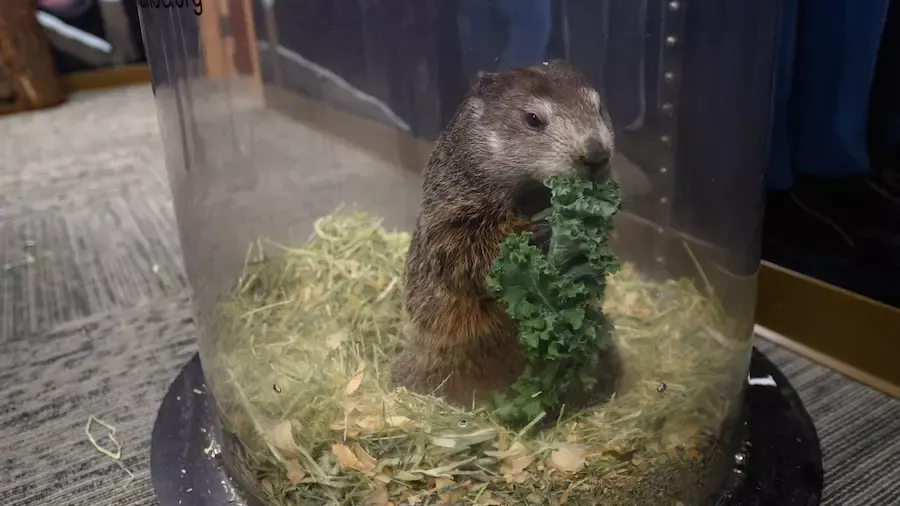
- Fresh vegetables (carrots, lettuce, sweet potatoes)
- Fruits (apples, berries, melons)
- Grains
- Occasional protein sources like insects
Enrichment and Training
To prevent boredom and destructive behavior, groundhogs need mental and physical stimulation. Providing toys, tunnels, and training exercises can help keep them entertained.
Challenges of Keeping a Groundhog as a Pet
- Legal Restrictions – Many states and countries have laws prohibiting the ownership of wild animals, including groundhogs. You may need a special permit.
- Destructive Behavior – Groundhogs are natural diggers and can destroy furniture, carpets, and even walls in an attempt to burrow.
- Space Requirements – They need a large outdoor enclosure with soil for digging, which is difficult to replicate in a home.
- Dietary Needs – They eat a mix of fruits, vegetables, and grasses, but they require proper nutrition to stay healthy.
- Aggression & Socialization – Groundhogs are not domesticated and can be aggressive, especially when scared or stressed. They have sharp claws and teeth.
- Hibernation – In the wild, they hibernate during the winter. In captivity, this can be difficult to manage and could lead to health problems.
- Veterinary Care – Exotic animals like groundhogs may be hard to find a vet for, and they can carry diseases such as rabies.

Though cute, groundhogs can be destructive indoors. For a more structured pet choice, check out our guide to DIY Hamster Cages.
People also ask about: Groundhog Pet
Are groundhogs friendly?
Not usually. Groundhogs are wild animals and tend to be shy or defensive around humans. While some may become tolerant of people, they are not naturally social or affectionate like domesticated pets.
Is it safe to touch a groundhog?
No, it’s not generally safe. Groundhogs have sharp teeth and claws and may bite or scratch when they feel threatened. They can also carry diseases such as rabies.
Can you raise a groundhog?
While it’s possible to raise a groundhog, it is not recommended. They have specific needs, require a lot of space, and are difficult to care for in captivity.
How long do groundhogs live as pets?
In the wild, groundhogs live about 3–6 years. In captivity, with proper care, they might live up to 10–14 years. However, they can develop health issues if not given the right environment and diet.
Does a groundhog make a good pet?
No, they are not good pets. They require a lot of space, can be destructive, and are not naturally domesticated.
Are groundhogs smart?
Yes! Groundhogs are intelligent animals. They are good problem solvers and have been observed avoiding traps and remembering locations of food sources.
Can groundhogs bite?
Yes, groundhogs have strong teeth and can bite if they feel threatened. Their bite can be painful and potentially transmit diseases.
Do groundhogs like human hair?
There are some reports of people leaving human hair around gardens to repel groundhogs, as the scent may deter them. However, there’s no strong scientific evidence proving this works.
What do groundhogs fear?
Groundhogs fear predators such as foxes, coyotes, dogs, and birds of prey. Loud noises, sudden movements, and certain scents (like predator urine) can also scare them away.
What do groundhogs love?
They love to eat fresh vegetables, fruits, and flowers. They also enjoy digging burrows and sunbathing.
Can a groundhog hurt me?
Yes, they can bite or scratch if they feel threatened. They are strong for their size and can be aggressive if cornered.
Why are groundhogs so special?
Groundhogs play an important role in the ecosystem by aerating soil with their burrowing and serving as prey for larger animals. They are also famous for Groundhog Day, a tradition where they supposedly predict the weather!
What is a Groundhog Pet in Wizard101?
For many, the first exposure to the idea of a “groundhog pet” comes not from real life, but from the digital world. In Wizard101, a popular fantasy online role-playing game, the Groundhog Pet is a mythical companion that:
- Boosts your stats (e.g., health, resistance) and provides in-game advantages.
- Is used in battle strategies within the game.
- Can be leveled up through mini-games and interactions.
While it’s a charming digital companion, it’s part of why the search term “groundhog pet Wizard101” trends online. This virtual pet offers all the fun without any of the real-world challenges. Remember: the game version is infinitely easier to care for than a real-life groundhog as a pet!
Conclusion: Should You Get a Groundhog as a Pet?
While the idea of having a groundhog as a pet may be intriguing, it is not a practical choice for most people. Groundhogs require specialized care, legal permits, and a suitable habitat. If you’re fascinated by these animals, consider visiting a wildlife sanctuary or participating in Groundhog Day celebrations instead of keeping one as a pet.
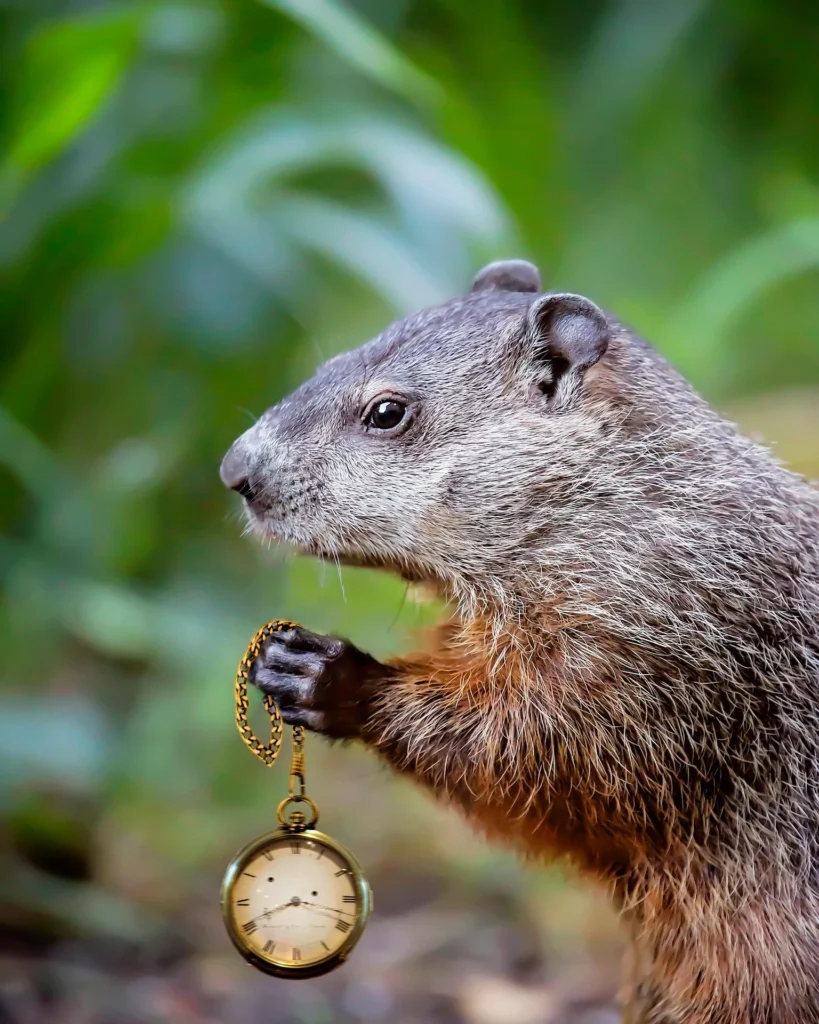
Before making any decision, always research local laws, consult exotic pet experts, and consider if you can meet the long-term needs of a groundhog. Owning a groundhog is a serious commitment, and their needs should never be overlooked.
“If you’re interested in small, exotic pets, you might also enjoy learning about Hedgehogs as pets.”


Keeping a Groundhog as a Pet its not bad idea but its really hard
I think everything said was actually very reasonable. But, what about this?
what if you typed a catchier post title? I mean, I don’t want to tell you how to run your
blog, however what if you added something to possibly get people’s attention? I
mean Keeping a Groundhog as a Pet – Animal Sound
is a little plain. You should glance at Yahoo’s front page and see how they write news headlines to grab people to click.
You might try adding a video or a picture or two to get people interested about everything’ve written. Just my opinion, it could
bring your blog a little livelier.