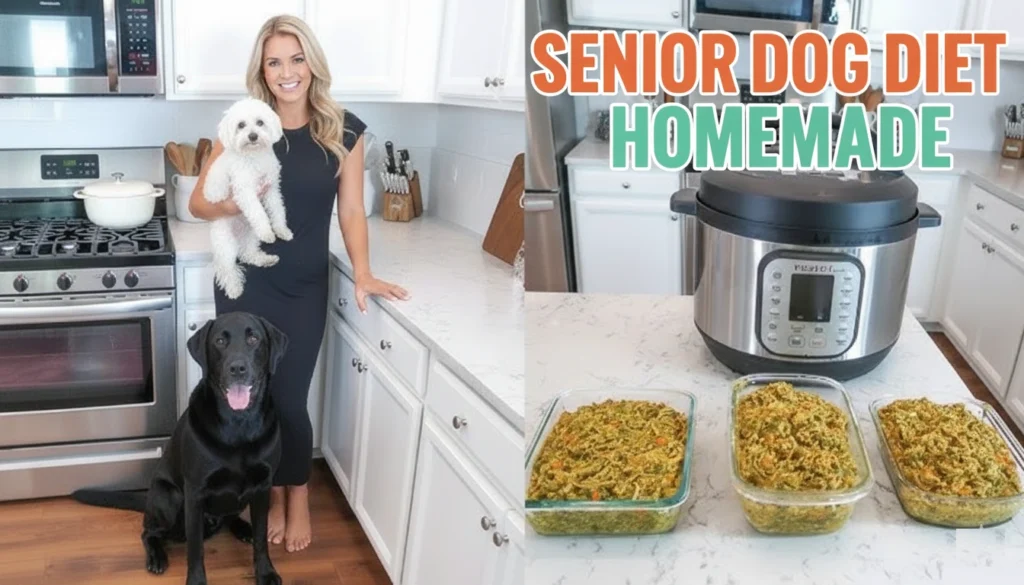
Caring for a senior dog is a journey marked by a deep, evolving bond and a profound desire to provide comfort and quality of life in their golden years. As a loyal companion ages, their needs change, and nutrition emerges as one of the most powerful tools an owner has to support their health and longevity. The consideration of a homemade dog food for senior dogs often stems from this place of love—a wish to provide the very best, with fresh ingredients and tailored care.
This guide explores the world of homemade diets for older dogs. It is designed to honor the loving intention behind this choice while grounding it in the critical principles of veterinary science. Preparing meals for a senior dog can be a rewarding act of devotion, but it carries significant responsibilities. The path to a successful and safe homemade diet is not one to be walked alone; it requires a strong partnership with a veterinary team to ensure that every meal is not only made with love but is also nutritionally complete, balanced, and perfectly suited to the unique needs of an aging canine companion.
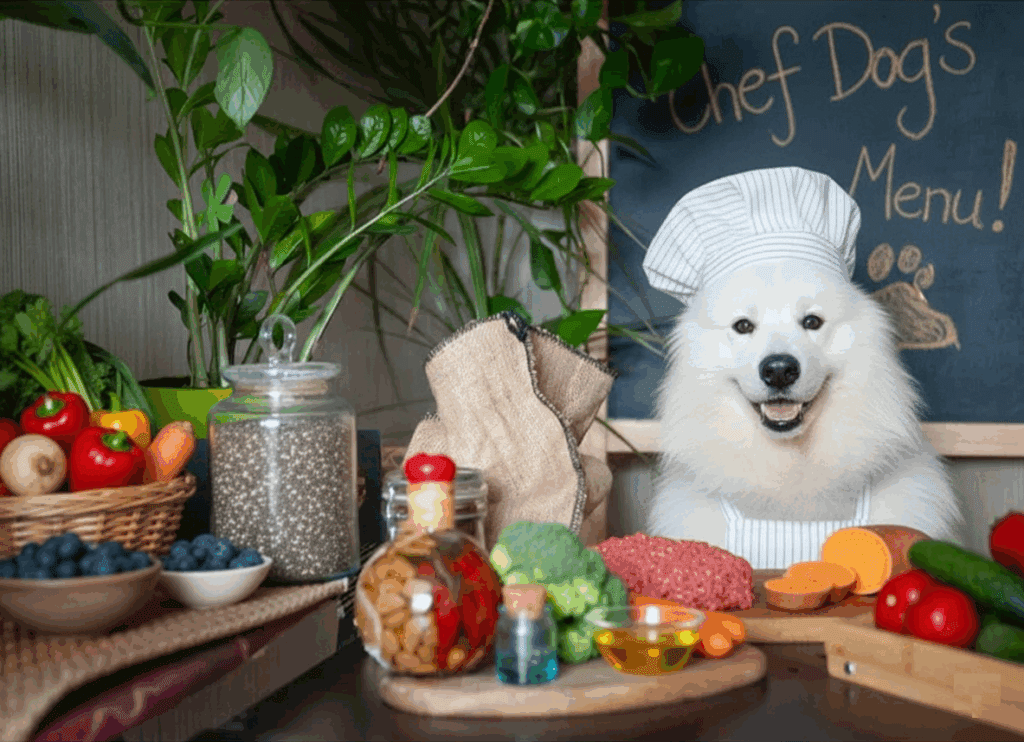
For some dogs, a specialized homemade low-protein dog food for kidney disease is a critical part of their veterinarian-prescribed care plan.
Crafting a Safe and Balanced Homemade Dog Food for Older Dogs
Once the decision has been made to explore a homemade diet in partnership with a veterinarian, the next step is to understand the fundamental components of a healthy meal. This knowledge is not a substitute for professional advice but serves as a foundation for an intelligent and productive conversation with a veterinary professional. It involves learning about the best building blocks for a senior diet, which beneficial “superfoods” can be included, and, just as importantly, which common human foods are toxic and must be avoided at all costs.
The Building Blocks: Choosing the Right Proteins, Carbs, and Fats
A balanced homemade meal for a senior dog is built upon a foundation of carefully selected macronutrients.
- Proteins: As established, high-quality, easily digestible protein is the most important component. Excellent choices include skinless chicken or turkey breast, lean ground beef (90% lean or higher), fish rich in omega-3s like salmon or herring, and eggs. These provide the essential amino acids necessary to maintain muscle mass and support bodily functions.
- Carbohydrates & Fiber: Complex carbohydrates provide a steady source of energy and crucial dietary fiber. Highly digestible options are best for a senior’s digestive system. Good choices include cooked brown rice, quinoa, oats, and vegetables like sweet potatoes and pumpkin. These ingredients help with satiety, regulate blood sugar, and ensure healthy digestion.
- Fats: Healthy fats are essential for skin and coat health, cellular function, and providing concentrated energy. The focus should be on fats rich in beneficial fatty acids. Top choices include fish oil (specifically for its high concentration of EPA and DHA), flaxseed oil, and, in moderation, coconut oil.
Diet is a cornerstone of managing long-term health, and some conditions may require options like vet-approved homemade dog food recipes for kidney disease.
Superfoods for Seniors: Beneficial Fruits and Vegetables
Many fruits and vegetables can be safely incorporated into a senior dog’s diet to provide a boost of vitamins, minerals, and antioxidants.
- Berries: Blueberries and raspberries are antioxidant powerhouses that help fight cellular damage. Raspberries also have anti-inflammatory properties, which can be particularly beneficial for dogs with arthritis.
- Apples: A great low-calorie snack, apples provide vitamins A and C and fiber. It is critical to remove the core and seeds before feeding, as seeds contain trace amounts of cyanide.
- Pumpkin and Squash: Canned 100% pure pumpkin (not pie filling) and cooked butternut squash are excellent for digestive health. Their high soluble fiber content can help regulate both constipation and diarrhea.
- Root and Green Vegetables: Carrots and green beans are low in calories and high in fiber, making them a great way to add bulk and nutrients to a meal. Leafy greens like spinach and kale are packed with antioxidants but should be cooked to improve digestibility and fed in moderation. Broccoli also offers anti-inflammatory benefits but can cause gas, so it should be served cooked and in small quantities.
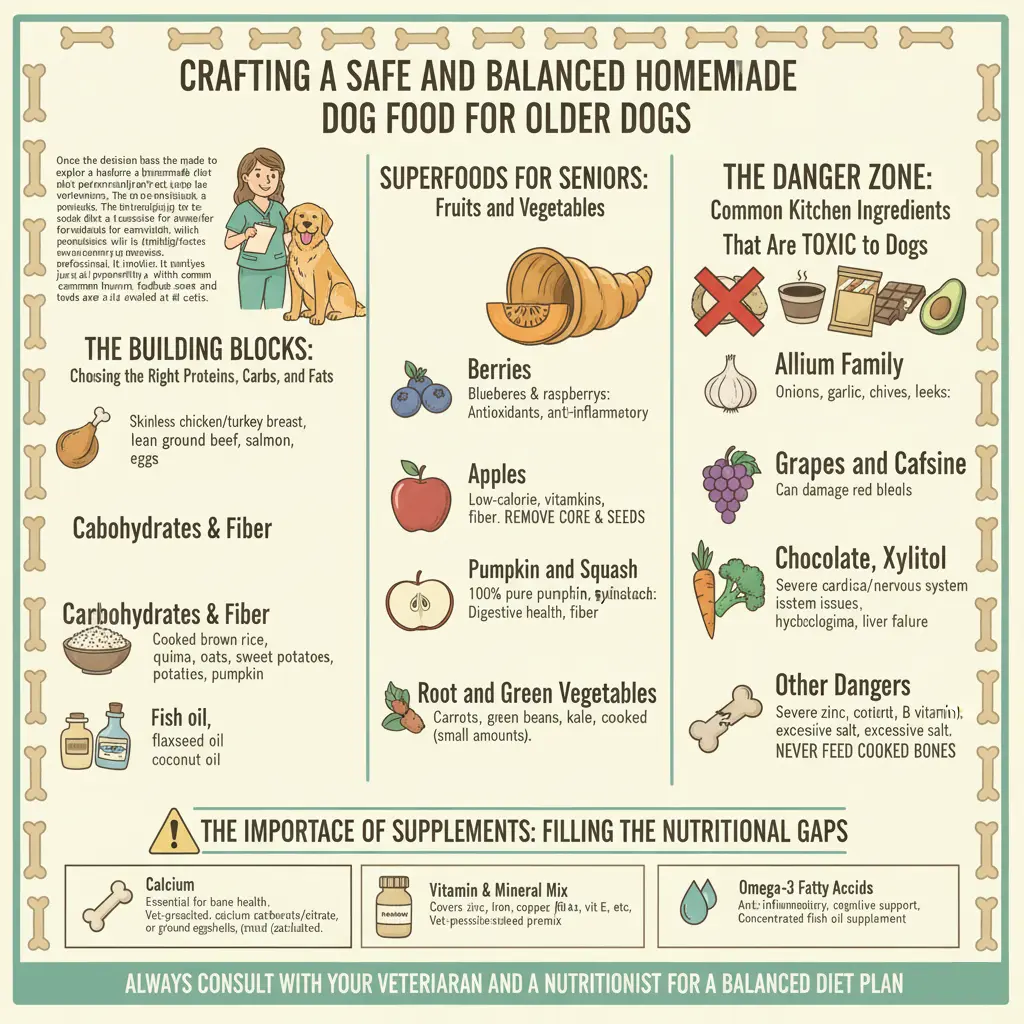
The Danger Zone: Common Kitchen Ingredients That Are Toxic to Dogs
A critical part of preparing homemade food is knowing which human foods are dangerous. The following ingredients should never be included in a dog’s diet.
- Allium Family: Onions, garlic, chives, and leeks are highly toxic to dogs. They contain compounds that can damage red blood cells, leading to anemia.
- Grapes and Raisins: These are extremely toxic and can cause sudden, acute kidney failure, even in small amounts.
- Chocolate, Caffeine, and Xylitol: These substances are well-known toxins. Chocolate and caffeine contain methylxanthines that can cause severe cardiac and nervous system issues. Xylitol, an artificial sweetener found in many products (including some peanut butters), causes a rapid release of insulin, leading to life-threatening hypoglycemia and liver failure.
- Other Dangers: Macadamia nuts, avocados (specifically the pit and skin), raw yeast dough (which can expand in the stomach), and excessive salt are also dangerous and should be avoided. It is also imperative to never feed cooked bones, which can splinter and cause choking or severe internal injury.
- Ensuring your older pet gets the right nutrients is crucial, which is why finding the best homemade dog food for senior dogs is a top priority.
The Importance of Supplements: Filling the Nutritional Gaps
It is virtually impossible to create a nutritionally complete and balanced homemade diet for long-term feeding using food ingredients alone. Veterinary-prescribed supplements are not optional; they are an essential component of a safe homemade diet plan.
- Calcium: This is the most critical and commonly overlooked supplement. Meat is very high in phosphorus but low in calcium. Without a dedicated calcium source to balance this ratio, a dog’s body will pull calcium from its own bones, leading to severe skeletal issues over time. A veterinarian will recommend a specific source, such as calcium carbonate or calcium citrate, and provide a precise dosage. Ground eggshells can be used, but the amount must be calculated carefully.
- Vitamin and Mineral Mix: To cover all other micronutrient needs, a veterinary nutritionist will typically prescribe a specific vitamin-mineral premix. This ensures the diet contains adequate levels of zinc, iron, copper, B vitamins, vitamin E, and other trace nutrients that are difficult to supply in correct amounts from food alone.
- Omega-3 Fatty Acids: While fatty fish provides some omega-3s, achieving the therapeutic doses needed to effectively manage joint inflammation or support cognitive function often requires a concentrated fish oil supplement. The veterinarian will recommend a specific product and dosage based on the dog’s weight and condition.
If your dog is showing signs of digestive distress, it might be time to look for the best dog food for sensitive stomach and diarrhea.
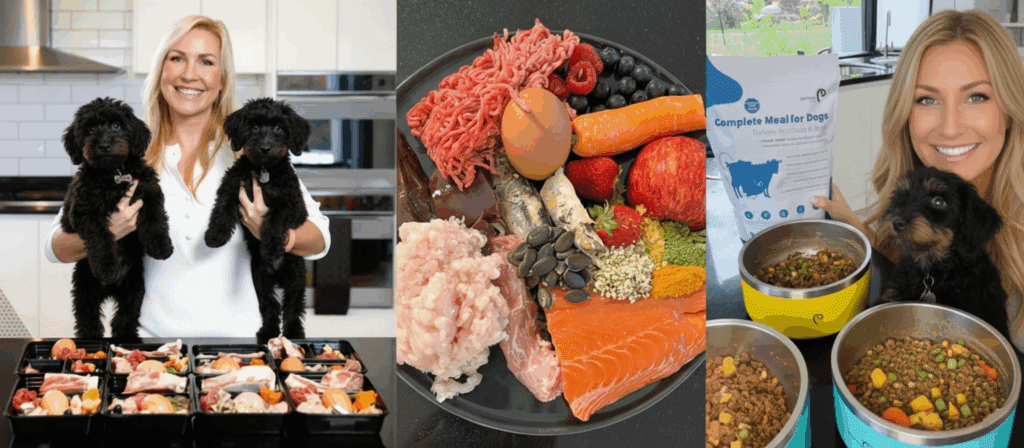
Vet-Informed Dog Food Recipes for Senior Dogs
IMPORTANT VETERINARY NOTE: The following recipes are illustrative examples of balanced ingredient combinations. They are intended to serve as a starting point for a discussion with a veterinarian or board-certified veterinary nutritionist. They are NOT nutritionally complete without specific supplements and precise portioning advice tailored to an individual dog’s health needs. Do NOT feed these recipes long-term without professional consultation and the addition of prescribed supplements.
A Foundational Recipe for a Homemade Dog Food Senior Diet
This basic recipe focuses on providing high-quality, digestible protein and beneficial fiber, making it a good general-purpose foundation for a healthy senior dog.
Rationale: This recipe uses lean ground turkey, which is highly digestible and excellent for maintaining muscle mass. Quinoa provides a complete plant-based protein and fiber, while carrots and broccoli offer essential vitamins and support gut health. A small amount of fish oil is included to provide a baseline of anti-inflammatory omega-3 fatty acids.
Ingredients:
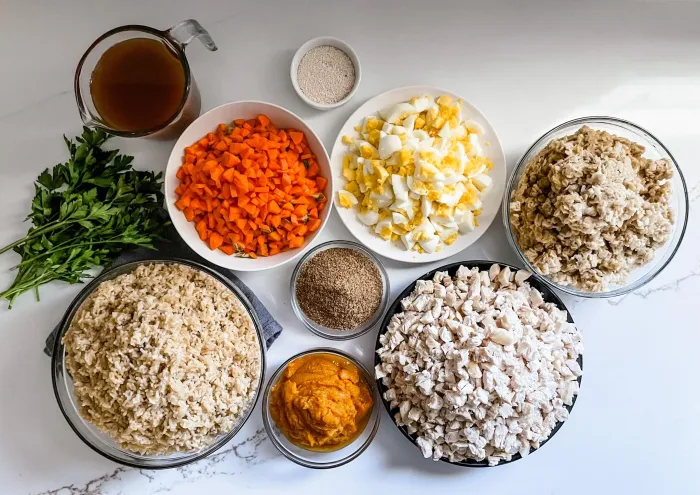
- 3 pounds 85% lean ground turkey
- $1 \frac{2}{3}$ cups uncooked quinoa
- $3 \frac{1}{3}$ cups water or low-sodium bone broth
- $\frac{3}{4}$ pound carrots, diced
- $\frac{3}{4}$ pound broccoli florets
- 2 tablespoons coconut oil
- 2 teaspoons fish oil
- Essential Addition: A veterinarian-prescribed calcium source and vitamin-mineral supplement, added after cooking and cooling.
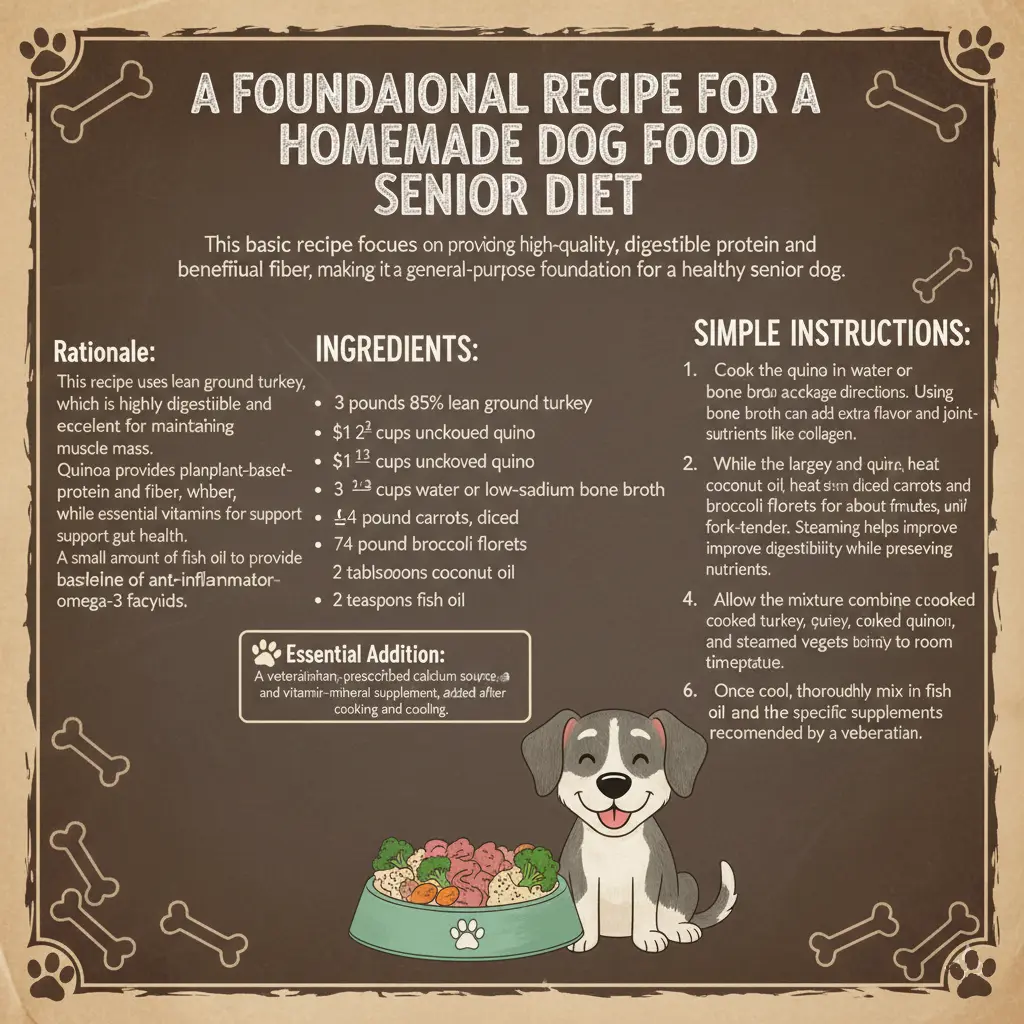
Simple Instructions:
- Cook the quinoa in water or bone broth according to package directions. Using bone broth can add extra flavor and joint-supporting nutrients like collagen.
- In a large skillet, heat the coconut oil and cook the ground turkey until browned.
- While the turkey and quinoa are cooking, steam the diced carrots and broccoli florets for about 10-12 minutes, until they are fork-tender. Steaming helps improve digestibility while preserving nutrients.
- In a large bowl, combine the cooked turkey, cooked quinoa, and steamed vegetables.
- Allow the mixture to cool completely to room temperature.
- Once cool, thoroughly mix in the fish oil and the specific supplements recommended by a veterinarian.
Joint-Support Recipe: A Soothing Homemade Dog Food for Elderly Dogs
This recipe is designed with a focus on anti-inflammatory ingredients to help support the joints of a senior dog struggling with arthritis or stiffness.
Rationale: This recipe features salmon, a fatty fish naturally rich in the omega-3 fatty acids EPA and DHA, which are known to reduce joint inflammation. Sweet potato provides antioxidants and fiber, while turmeric is a well-regarded natural anti-inflammatory. Blueberries are included for their powerful antioxidant properties, which help combat oxidative stress associated with aging and inflammation.
Ingredients:
- 2 pounds salmon, cooked and flaked (canned in water with no salt added, or baked fresh with bones removed)
- 2 large sweet potatoes, baked or boiled and mashed
- 1 cup steamed peas
- 1 cup cooked spinach, chopped
- 1 tablespoon concentrated fish oil (for a therapeutic dose of EPA/DHA)
- 1 teaspoon ground turmeric
- $\frac{1}{2}$ cup blueberries
- Essential Addition: A veterinarian-prescribed calcium source and vitamin-mineral supplement, added after cooking and cooling.
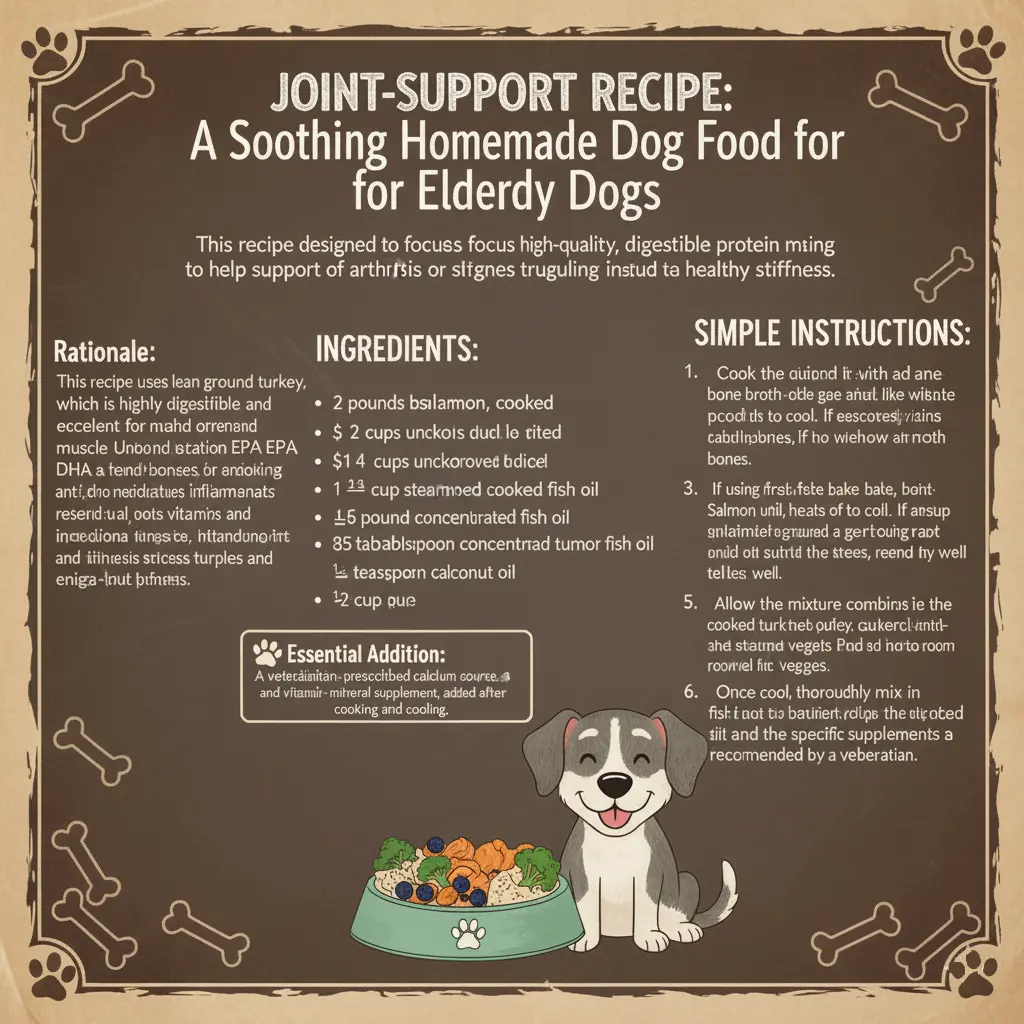
Simple Instructions:
- If using fresh salmon, bake it until cooked through, then allow it to cool and flake the meat, being meticulous about removing all bones. If using canned salmon, drain it well.
- Cook the sweet potatoes until very soft, then mash them.
- Steam the peas and cook the spinach until wilted.
- In a large bowl, combine the flaked salmon, mashed sweet potato, peas, and spinach.
- Allow the mixture to cool completely to room temperature.
- Once cool, gently stir in the fish oil, turmeric, blueberries, and the specific supplements prescribed by a veterinarian.
Special Considerations for a Home Made Dog Food for Senior Dogs with Kidney Disease
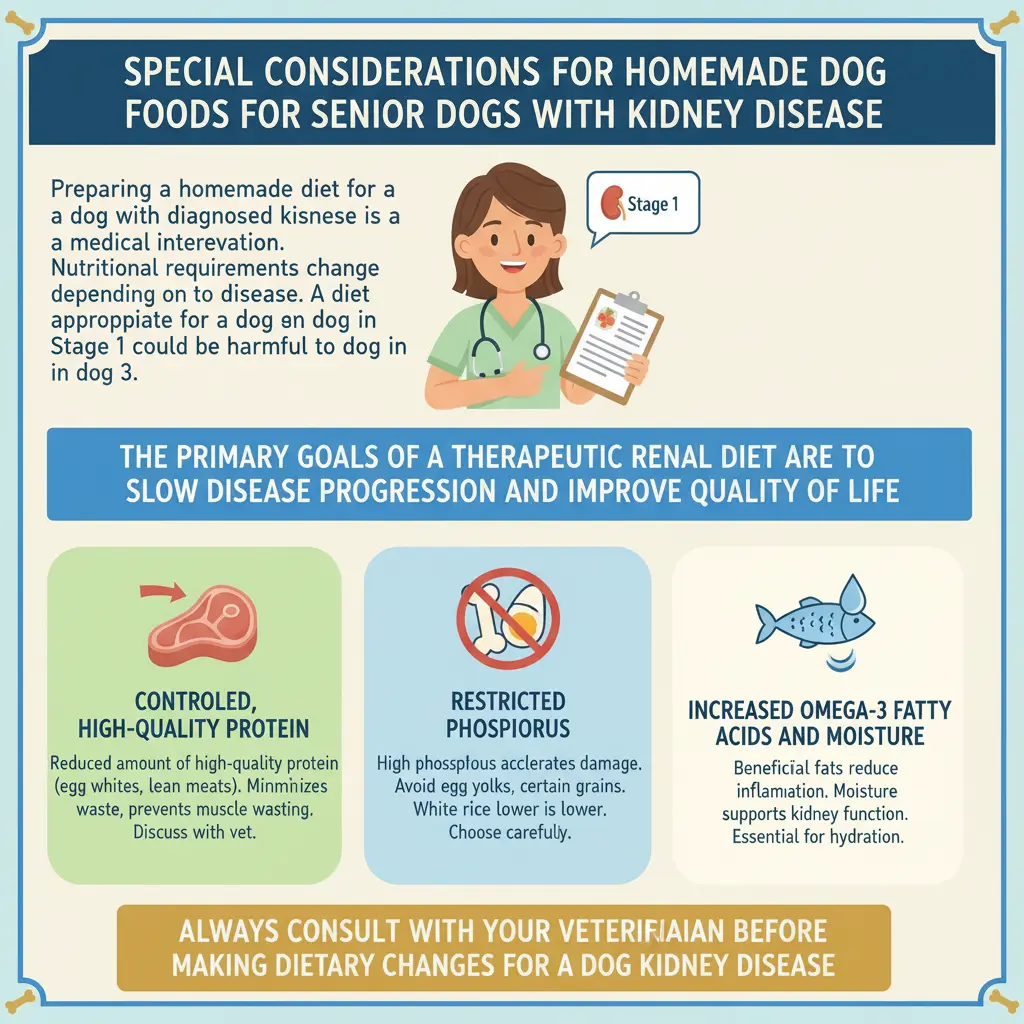
Preparing a homemade diet for a dog with diagnosed kidney disease is a medical intervention, not just a dietary choice. For this reason, providing a generic, one-size-fits-all recipe would be medically irresponsible and potentially dangerous. The nutritional requirements for a dog with kidney disease change drastically depending on the stage of the disease, which is determined by a veterinarian through blood and urine tests. A diet appropriate for a dog in Stage 1 could be harmful to a dog in Stage 3.
The primary goals of a therapeutic renal diet are to slow the progression of the disease and improve the dog’s quality of life. This involves a delicate balancing act that must be overseen by a veterinarian. The key principles include:
- Controlled, High-Quality Protein: The goal is not to eliminate protein but to provide a reduced amount of very high-quality protein. This minimizes the production of nitrogenous waste products that the failing kidneys struggle to filter, while still providing the essential amino acids needed to prevent muscle wasting. Good protein sources to discuss with a vet include egg whites and certain lean meats.
- Restricted Phosphorus: Phosphorus restriction is one of the most critical elements in managing kidney disease. High levels of phosphorus can accelerate damage to the kidneys. Meats, egg yolks, and certain grains are high in phosphorus, so ingredients must be chosen very carefully. White rice is often used instead of brown rice because it is lower in phosphorus.
- Increased Omega-3 Fatty Acids and Moisture: Beneficial fats can help reduce inflammation in the kidneys, and increasing the moisture content of the food helps keep the dog hydrated and supports kidney function.
Any owner of a dog with kidney disease who is considering a homemade diet must work directly with their veterinarian or a veterinary nutritionist to obtain a custom-formulated recipe. This is a critical component of their pet’s medical treatment plan.
Successfully Transitioning and Monitoring Your Dog’s New Diet
After receiving a professionally formulated recipe and preparing the first batch of food, the final steps are to introduce the new diet safely and establish a routine for monitoring the dog’s health. A successful transition is gradual, and careful observation is key to ensuring the new diet is having the desired positive effects.
The Slow and Steady Switch: How to Introduce New Food
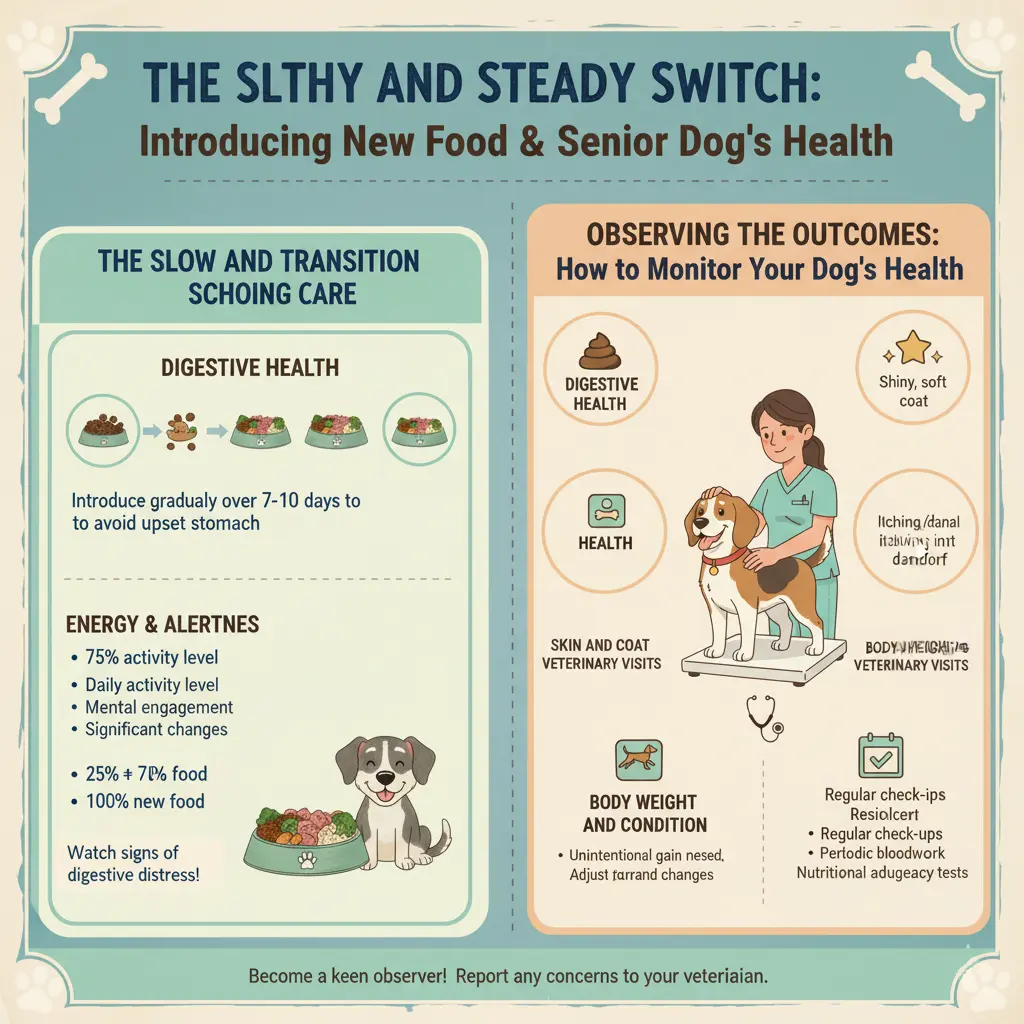
Abruptly changing a dog’s diet can lead to gastrointestinal upset, such as diarrhea or vomiting. To avoid this, the new homemade food should be introduced gradually over a period of 7 to 10 days. This allows the dog’s digestive system time to adapt to the new ingredients and nutrient profile. A typical transition schedule looks like this:
- Days 1-2: Mix 75% of the old food with 25% of the new homemade food.
- Days 3-4: Adjust the ratio to 50% old food and 50% new food.
- Days 5-7: Mix 25% of the old food with 75% of the new food.
- Day 8 and beyond: Feed 100% of the new homemade food.
Throughout this process, it is important to watch for any signs of digestive distress and slow down the transition if needed.
Observing the Outcomes: How to Monitor Your Dog’s Health
Once the dog is fully transitioned to the new diet, ongoing monitoring is crucial to ensure it is meeting all their needs. Owners should become keen observers of their dog’s physical condition and behavior, keeping a close eye on several key indicators.
- Digestive Health: Pay close attention to stool quality. Stools should be firm, well-formed, and consistent. Any persistent diarrhea, constipation, or excessive gas should be reported to the veterinarian.
- Energy and Alertness: A well-balanced diet should support or even improve a senior dog’s energy levels and mental alertness. Note any significant changes, either positive or negative, in their daily activity and engagement.
- Skin and Coat Condition: The dog’s skin and coat are often a visible reflection of their internal health. A healthy diet should result in a shiny, soft coat and healthy skin. Any new signs of excessive itching, dandruff, or dullness could indicate an issue.
- Body Weight and Condition: Regular weigh-ins are essential. A veterinarian can help determine the correct daily portion size, but this may need to be adjusted over time. Monitoring weight ensures the dog is not unintentionally gaining or losing pounds, which could signal that the caloric content of the meals needs to be modified.
- Follow-Up Veterinary Visits: A homemade diet necessitates regular check-ups with the veterinarian. They may recommend periodic bloodwork or other diagnostic tests to confirm that the diet is nutritionally adequate and that there are no subclinical deficiencies or excesses developing over the long term.
Your Senior Dog’s New Nutritional Blueprint: Why an Old Dog Diet Homemade Requires a Different Approach
As dogs enter their senior years, their bodies undergo a series of physiological changes that fundamentally alter their dietary requirements. These are not the same active adult dogs they once were; their metabolism, muscle mass, and organ function have all shifted. Simply feeding a smaller portion of their adult food is often insufficient and can even be detrimental. Understanding these changes is the first and most critical step in designing a diet that truly supports their well-being.
A significant challenge for owners is navigating the conflicting information surrounding senior dog nutrition. Many commercial diets and long-held beliefs are based on outdated science, particularly concerning protein intake. This confusion often propels well-meaning owners toward homemade options in search of better, more targeted nutrition. While a homemade dog food for older dogs can be superior to some commercial foods, its success hinges entirely on whether it is formulated according to modern veterinary science. An improperly designed homemade diet, especially one based on old myths, can cause more harm than the commercial food it was intended to replace, making a clear understanding of a senior dog’s true needs paramount.
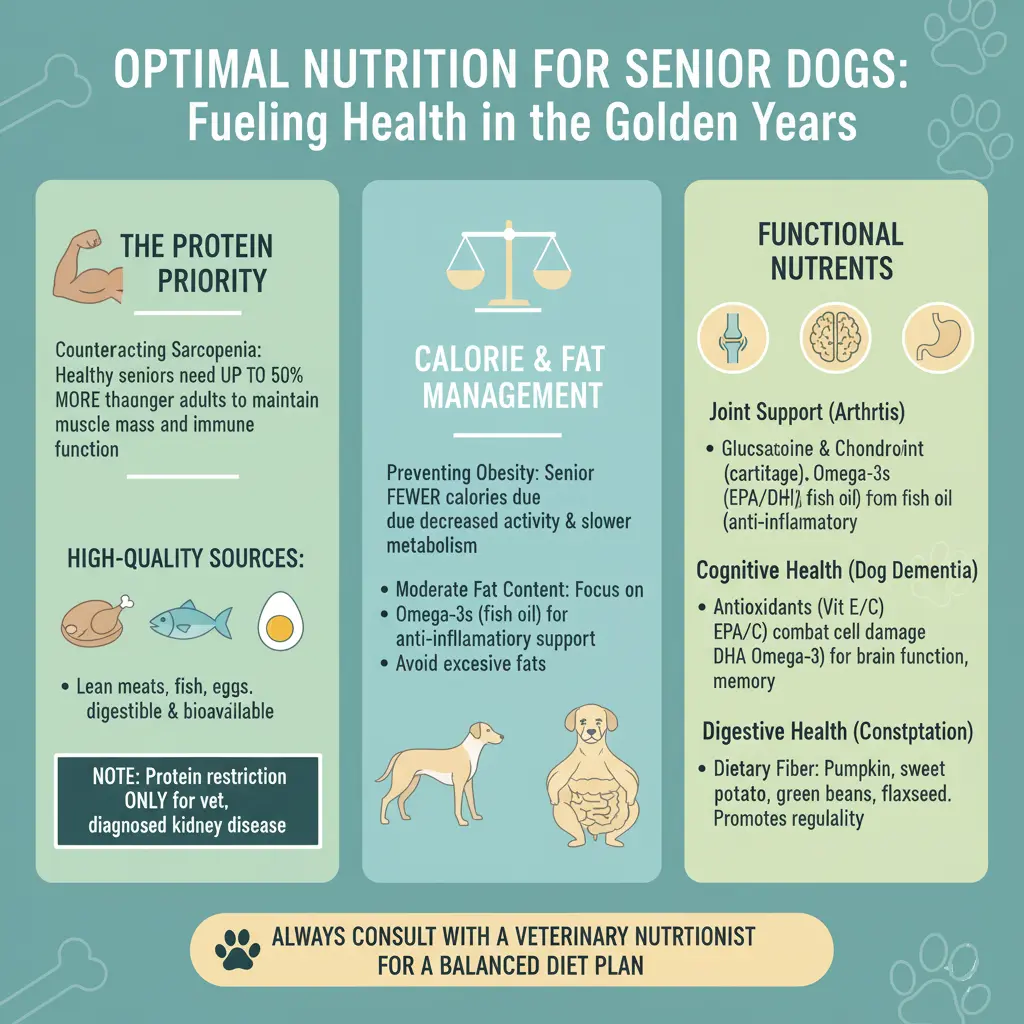
The Protein Priority: Fueling Muscle in the Golden Years
One of the most defining characteristics of aging in dogs, as in humans, is the gradual loss of lean muscle mass, a condition known as sarcopenia. This decline in muscle contributes directly to weakness, decreased mobility, and a lower quality of life. For years, a pervasive and dangerous myth suggested that senior dogs require less protein to protect their kidneys. Modern veterinary science has proven the opposite to be true for healthy seniors.
Studies now indicate that healthy senior dogs may require up to 50% more protein than younger adult dogs to effectively counteract sarcopenia and maintain their strength and immune function. The concern about protein harming the kidneys is only valid for dogs with a pre-existing, veterinarian-diagnosed kidney disease. For a healthy older dog, unnecessarily restricting protein can accelerate muscle wasting, leaving them frail and vulnerable.
Therefore, the cornerstone of a proper senior dog diet is an adequate supply of high-quality, highly digestible protein. “High-quality” refers to protein sources with high bioavailability, meaning the body can efficiently absorb and utilize the essential amino acids. Excellent sources include real meats like chicken, turkey, lamb, fish, and eggs. When preparing a homemade diet, ensuring these ingredients are the primary component is essential for supporting muscle maintenance through the senior years.
Calorie and Fat Management: Preventing Obesity and Supporting Health
As dogs age, their activity levels naturally decline, and their metabolism slows down. They spend more time resting and less time running and playing, which means their daily energy requirements decrease significantly. If their caloric intake is not adjusted to match this new, slower pace of life, they are at a high risk of becoming overweight or obese.
Weight gain in a senior dog is not a benign issue; it is a serious health concern that can dramatically impact their quality of life. The extra pounds place immense strain on aging joints, worsening the pain and inflammation associated with common conditions like arthritis. Obesity also increases the risk of developing other serious diseases, including diabetes, heart disease, and respiratory problems.
A well-formulated old dog diet homemade must be carefully controlled for calories. This typically involves using a moderate fat content. While fat is a necessary source of energy and helps with palatability, it is very calorie-dense. The focus should be on providing beneficial fats, such as the omega-3 fatty acids found in fish oil, which have anti-inflammatory properties, rather than excessive fats that contribute only to weight gain. A veterinarian can help determine the ideal daily calorie target for a specific dog based on their breed, current weight, and health status.
Functional Nutrients: Aiding Joints, Brains, and Digestion
Beyond the core macronutrients of protein, fat, and calories, a senior dog’s diet should be enriched with functional ingredients that target the specific challenges of aging.
- Joint Support: Arthritis and degenerative joint disease are incredibly common in older dogs, causing pain, stiffness, and reduced mobility. A supportive diet should include nutrients that help maintain cartilage health and reduce inflammation. These include glucosamine and chondroitin, which are building blocks for cartilage, and long-chain omega-3 fatty acids like EPA and DHA, found in fish oil, which are known for their potent anti-inflammatory effects. High doses of fish oil may be necessary to see a clinical improvement in mobility.
- Cognitive Health: Just like humans, dogs can experience age-related cognitive decline, often referred to as Canine Cognitive Dysfunction (CDS) or “dog dementia”. Symptoms can include disorientation, changes in sleep patterns, and confusion. Nutrition can play a role in supporting brain health. Antioxidants, such as vitamins E and C, help combat cellular damage from free radicals, which contributes to the aging process. The omega-3 fatty acid DHA is also crucial for preserving cognitive function, learning, and memory.
- Digestive Health: The digestive system can become more sluggish with age, making senior dogs prone to issues like constipation. A diet with an appropriate amount of dietary fiber is essential for promoting regular bowel movements and supporting a healthy gut microbiome. Excellent sources of fiber to include in a homemade diet are pumpkin, sweet potatoes, green beans, beet pulp, and flaxseed. These ingredients help add bulk to the stool and feed the beneficial bacteria in the gut, ensuring smooth digestive function.
The Pros and Cons of an Old Dog Diet Homemade
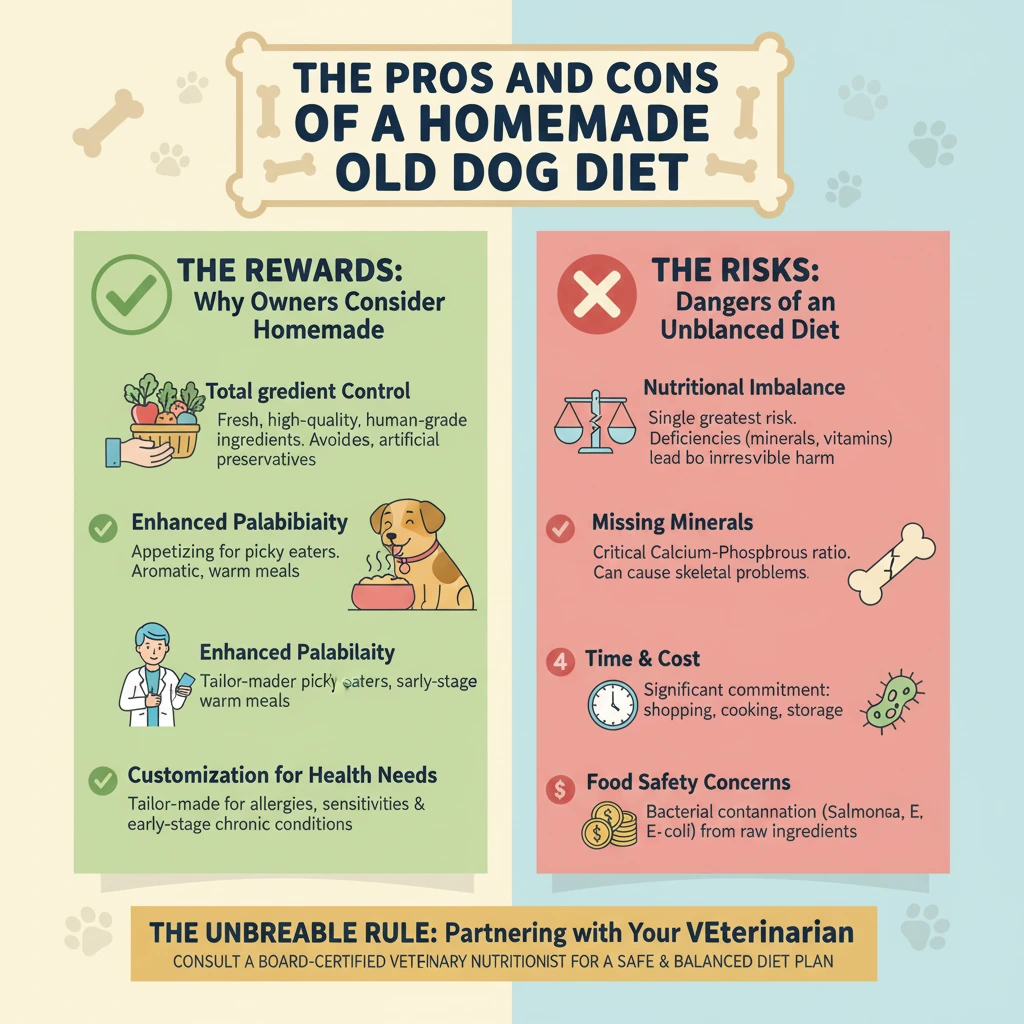
The decision to prepare meals for a senior dog is often driven by a deep sense of love and a desire to provide the most natural, wholesome care possible. While the intentions are noble, it is crucial to approach this commitment with a clear understanding of both the potential benefits and the significant, potentially severe, risks involved. The perceived advantages of a homemade diet are often emotional and qualitative, focusing on freshness and control. In contrast, the risks are scientific and quantitative, carrying serious medical consequences if not properly managed. This disparity underscores why the emotional satisfaction of cooking for a pet must be balanced with the scientific rigor required to ensure their health and safety.
The Rewards: Why Owners Consider a Home Made Dog Food for Senior Dogs
There are several compelling reasons why a dedicated owner might choose to embark on the journey of preparing a home made dog food for senior dogs.
- Total Ingredient Control: One of the primary advantages is having complete authority over every ingredient that goes into the dog’s bowl. This allows owners to select fresh, high-quality, human-grade ingredients and completely avoid the fillers, artificial preservatives, colors, and low-quality by-products that may be present in some commercial foods.
- Enhanced Palatability: Senior dogs often experience a decline in their senses of smell and taste, which can lead to a decreased appetite or pickiness. Freshly cooked, warm meals are significantly more aromatic and appetizing than dry kibble. For a dog who has lost interest in eating, the enticing smell of a homemade meal can be a game-changer, ensuring they receive the calories and nutrients they need to thrive.
- Customization for Health Needs: Every senior dog is an individual with a unique health profile. A homemade diet offers unparalleled flexibility to tailor meals to specific medical needs. This is particularly beneficial for dogs with known food allergies or sensitivities, as triggering ingredients can be completely eliminated. It also allows for precise nutritional management for dogs in the early stages of chronic conditions, where specific nutrient adjustments can support their health.
The Risks: The Critical Dangers of an Unbalanced Diet
Despite the benefits, the potential for harm with an improperly formulated homemade diet is immense and cannot be overstated. Love alone does not create a nutritionally complete meal, and a diet that appears healthy to a human can be dangerously deficient for a dog.
- The Specter of Nutritional Imbalance: This is the single greatest risk and the most common pitfall of homemade diets. A landmark 2013 study from the University of California, Davis, analyzed 200 homemade dog food recipes from various books and online sources and found that the vast majority were deficient in one or more essential nutrients. These deficiencies are often invisible, causing no immediate symptoms. The damage occurs slowly over months or even years, and by the time signs of illness appear, the harm may be irreversible.
- Missing Minerals are a Major Threat: A simple meal of meat, rice, and vegetables might seem wholesome, but it will almost certainly be dangerously imbalanced in its mineral content. The ratio of calcium to phosphorus is particularly critical for bone health, and without precise supplementation, this ratio will be incorrect, potentially leading to skeletal problems. Deficiencies in other essential minerals like zinc, copper, and iron are also common and can lead to issues with skin, coat, and immune function.
- Time, Cost, and Consistency: Preparing a nutritionally balanced diet from scratch is a significant commitment. It requires careful planning, shopping for specific ingredients, precise measuring, cooking, and proper storage. This can be far more time-consuming and expensive than feeding a high-quality commercial diet, and consistency is key. An occasional homemade meal is one thing; providing a complete and balanced diet every single day is another level of dedication.
- Food Safety Concerns: When handling raw ingredients, especially meat, there is always a risk of bacterial contamination from pathogens like Salmonella and E. coli. Improper food handling and storage can lead to foodborne illnesses that can sicken not only the dog but also the human members of the household through cross-contamination.
The Unbreakable Rule: Partnering with Your Veterinarian
Given the profound risks associated with nutritional imbalances, undertaking a homemade diet without professional guidance is a gamble with a dog’s health. This step is not merely a recommendation; it is an absolute, non-negotiable requirement for responsible pet ownership.
The ideal approach is to work with a board-certified veterinary nutritionist (a diplomate of the American College of Veterinary Nutrition, or ACVN). These specialists have advanced training in formulating customized diets that are precisely balanced for an individual pet’s needs. They can take into account a dog’s age, weight, breed, activity level, and any existing medical conditions to create a recipe that is complete, balanced, and safe for long-term feeding. A primary care veterinarian can provide a referral and work in partnership with the nutritionist to monitor the dog’s health. This professional collaboration is the only way to bridge the gap between the loving intention of a homemade diet and the scientific necessity of complete nutrition.
Conclusion
Choosing to prepare a homemade dog food for senior dogs can be a deeply meaningful way to enhance a beloved companion’s health and happiness during their later years. It offers the ability to provide fresh, palatable meals tailored to their specific needs, turning every mealtime into an act of dedicated care. However, this act of love must be guided by a foundation of scientific knowledge and professional expertise.
The nutritional landscape of a senior dog is complex, with increased protein requirements to fight muscle loss and specific needs for joint, cognitive, and digestive support. The single greatest danger of a homemade diet is the risk of nutritional imbalance, which can cause silent, long-term harm if not formulated correctly. The evidence is clear: the vast majority of recipes found in books or online are nutritionally inadequate for long-term feeding.
Therefore, the success and safety of any old dog diet homemade are entirely dependent on a collaborative partnership between a committed owner and a knowledgeable veterinary team. A veterinarian or a board-certified veterinary nutritionist can provide a recipe that is complete, balanced, and perfectly suited to an individual dog’s unique physiology. By combining the owner’s love and dedication with the veterinarian’s scientific rigor, a homemade diet can truly be one of the best gifts to give an aging friend, ensuring their golden years are as healthy and comfortable as possible. The first step on this rewarding journey should always be a conversation with a trusted veterinarian.