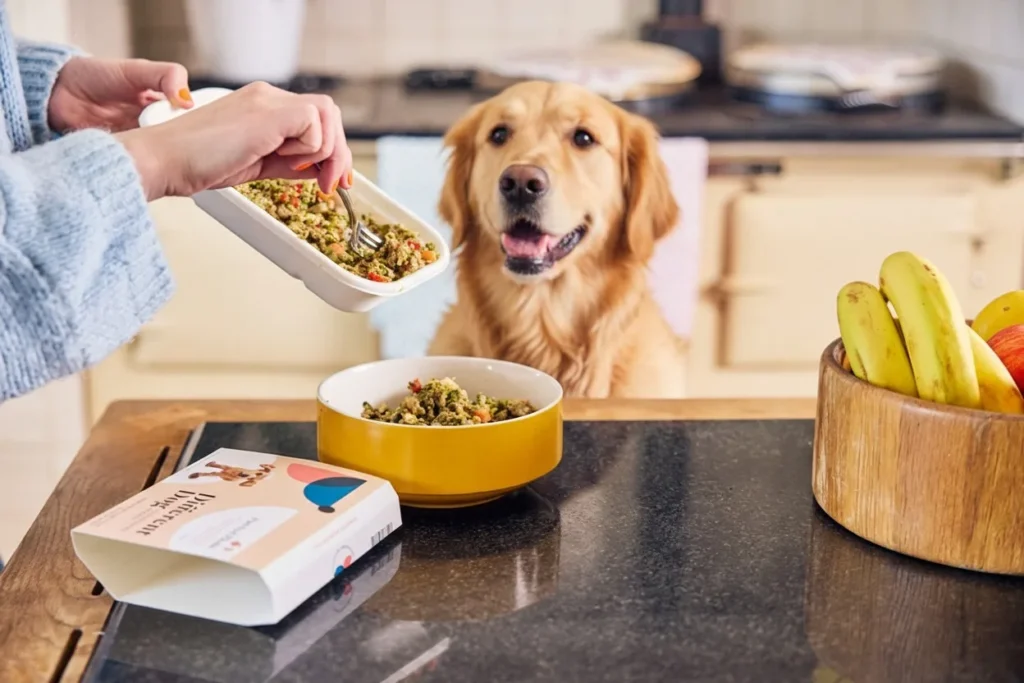
Senior dogs have unique dietary needs. With age they often become less active, develop sensitive stomachs, and may need extra joint support. Preparing homemade dog food for senior dogs lets you tailor meals to these needs using high-quality, fresh ingredients. Before starting, consult your veterinarian or a veterinary nutritionist to ensure your recipe is balanced and appropriate.
Nutrient needs change with age, so a homemade diet should include quality proteins (like chicken or fish), healthy fats, and fiber-rich vegetables, while avoiding fillers and artificial additives. For dogs prone to digestive issues, you can follow a gentle formula similar to those labeled Dog Food for Sensitive Stomach and Diarrhea, emphasizing bland, easily digestible ingredients and added fiber.

Why Choose Homemade Food for Senior Dogs?
Making your own dog food lets you control exactly what’s in each meal. You can boost flavors and nutrients that appeal to picky older dogs, and include supplements (like fish oil or bone broth) for joint and bone health. Homemade recipes often use fresh meats, vegetables, and grains free from fillers or excessive salt. According to the AKC and veterinary experts, every dog’s needs vary by age, size, health, and breed.
For example, a senior Labrador and a German Shepherd have different concerns: you might design a Homemade German Shepherd Food diet with extra glucosamine-rich ingredients (like bone-in chicken or cartilage) to support hips and joints. This level of customization isn’t possible with generic kibble. Just remember that unbalanced homemade meals can be risky, so follow nutrition guidelines and vet advice. Homemade senior diets can improve coat and energy when done right, while commercial senior formulas often have lower protein and higher carbs.
Quality control: You pick lean meats (chicken, turkey, beef, or fish) and add fresh vegetables (carrots, green beans, peas, pumpkin) instead of fillers.
Digestive health: By cooking ingredients (for example, boiled rice and pureed pumpkin) you make nutrients easy to digest for sensitive seniors. Canned pumpkin, in particular, is high in soluble fiber and can help firm up diarrhea or relieve constipation.
Joint and bone support: You can include natural sources of glucosamine (like cartilage in bone broth) and omega-3 fats (fish oil or flaxseed) to ease arthritis and inflammation.
Nutritional Needs of Senior Dogs
As dogs enter their golden years (around 7–10+ years depending on breed), their metabolism slows and muscle mass naturally declines. Senior dogs still need high-quality protein to maintain muscle, just as senior humans do. In fact, one veterinary expert argues that dogs over age 5–6 begin losing muscle steadily, so “eating more protein in his senior years” is important. Choose lean proteins (chicken breast, turkey, lean beef, or fish) and prepare them without bones or excessive fat. Aim for multiple amino acid sources to cover all essentials.
High-Quality Proteins for Aging Dogs
Protein is crucial for seniors to preserve muscle and vitality. If your dog is healthy (no kidney issues), keep protein fairly high. (Commercial “senior” kibbles often drop protein to protect kidneys, but only about 10% of older dogs get kidney disease.) Good sources include cooked chicken, turkey, lean beef, pork (small amounts), eggs (with shell for calcium), and fish (salmon or whitefish). Always cook meat thoroughly and chop or shred it.
Joint & Bone Support (Glucosamine, Omega-3)
Many older dogs suffer arthritis and joint pain. Including nutrients that support joints can help. Omega-3 fatty acids (from fish oil or ground flaxseed) are proven to reduce inflammation and support joint health. Fish oil is often recommended for dogs’ joints (about 1 teaspoon per 20 lbs of body weight). Natural glucosamine (from simmered bones or cartilage) and added supplements like chondroitin can help maintain cartilage.
For example, long-simmered chicken bones (to make broth) release collagen and glucosamine into the broth. Add a splash of this in your dog’s meal (ensure bones are fully cooked and then removed to avoid splinters). Generally, aim for a balance of calcium (eggshell powder or bone meal) and phosphorus for strong bones.
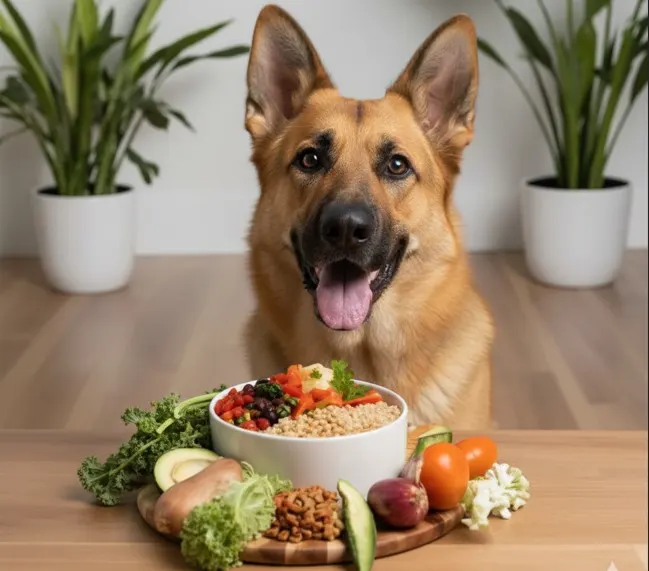
For some dogs, a specialized homemade low-protein dog food for kidney disease is a critical part of their veterinarian-prescribed care plan.
Digestibility: Fiber & Gentle Carbs
Older dogs often have sensitive stomachs or slower digestion. Easily digestible carbohydrates and fiber are key. Cooked grains like brown rice, oatmeal, or barley provide energy without upsetting stomachs. Fiber from vegetables helps regulate stools: sources include pumpkin, sweet potato, carrots, green beans, and squash.
In particular, canned plain pumpkin is high in soluble fiber and vitamins, which promotes a healthy digestive tract. Pumpkin can both firm up loose stool and ease constipation. Other vegetables like steamed broccoli, zucchini, peas, and leafy greens are also nutritious for dogs.
However, some ingredients are never safe: onions, garlic, grapes/raisins, chocolate, and macadamia nuts are toxic and must be avoided. Limit simple starches—choose whole grains or starchy veggies (like sweet potato) in moderation.
Vitamins & Minerals
A balanced diet must include vitamins and minerals. Meat and veggies provide most basics, but you may need to add supplements or specific foods:
- Vitamin A & beta-carotene: Found in carrots and pumpkin.
- Vitamin C & antioxidants: Berries and green veggies.
- Calcium & phosphorus: Crushed eggshell, bone meal, or plain yogurt (for seniors that tolerate dairy).
- Omega-6 & zinc: For skin and coat health, use a small amount of flaxseed or fish oil.
Variety helps cover these nutrients. If feeding homemade exclusively, ask your vet about a balanced dog multivitamin to avoid deficiencies.
In general, monitor your dog’s weight and bloodwork as you adjust their diet. If your senior has kidney issues, the diet may need altering—vets often recommend a lower-protein, lower-phosphorus diet in that case. Otherwise, most healthy seniors benefit from adequate protein and joint-supportive nutrients.
Healthy Ingredients for DIY Senior Dog Food
When choosing ingredients, focus on whole, nutrient-dense foods that support your senior dog’s health.
- Lean proteins: Boneless chicken (thigh or breast), turkey, lean ground beef, lamb (if no allergy), pork (in small amounts), or fish (such as salmon or whitefish) — all cooked and chopped.
- Carbohydrates: Brown rice, oatmeal, barley, quinoa, or cooked sweet potato provide energy and fiber.
- Vegetables: Carrots, green beans, peas, spinach, pumpkin or squash, and zucchini — cooked or pureed — add fiber and essential vitamins. For example, pumpkin is a great source of fiber that supports healthy digestion in senior dogs.
- Fruits (in moderation): Blueberries, apple slices (no seeds), and bananas offer antioxidants and vitamins.
- Oils and fats: Small amounts of fish oil (for omega-3s), olive oil, or coconut oil can improve coat quality and support joint health. Use sparingly (about 1–2 teaspoons per meal, depending on size).
- Supplements: Crushed eggshell (for calcium), plain yogurt or kefir (for probiotics and calcium if your dog tolerates dairy), or a veterinarian-approved canine multivitamin can help ensure a balanced diet.
- Safe broths: Low-sodium chicken or beef broth — ideally homemade — adds flavor, hydration, and nutrients.
Always avoid known toxins such as onions, garlic, grapes/raisins, coffee, and chocolate. If your senior has allergies or sensitivities (for example, some breeds like Pitbulls may develop skin issues), choose hypoallergenic ingredients. In such cases, you might follow an approach similar to diets designed for dogs with skin allergies, using novel proteins (like fish or lamb) and limited, simple ingredients to reduce flare-ups.
Maintaining hydration is crucial, too — always offer fresh water and consider adding a bit of broth or pureed pumpkin to meals if your dog drinks less water.

Diet is a cornerstone of managing long-term health, and some conditions may require options like vet-approved homemade dog food recipes for kidney disease.
Easy Homemade Dog Food Recipes
Chicken & Brown Rice Recipe
- Ingredients: 1 cup brown rice (dry), 2 cups water; 1 lb boneless chicken breast or thigh; ½ cup carrots (chopped); ½ cup green beans (chopped); 1 tbsp fish oil (optional); ½ tsp crushed eggshell or calcium supplement (if needed).
- Instructions:
- Cook the rice: In a pot, bring 2 cups water to a boil, add rice, then simmer on low until fully cooked (about 30–40 mins).
- Prepare chicken: Boil or bake the chicken until it’s fully cooked (juices run clear). Chop or shred into small pieces.
- Cook veggies: Steam or boil the carrots and green beans until soft. Drain.
- Combine: In a bowl, mix cooked rice, chicken, and vegetables. Stir in the fish oil and eggshell powder (for calcium) thoroughly. Cool before serving.
- Serve & store: Portion according to your dog’s size (see guidelines below). Refrigerate leftovers (they’ll last 3–4 days) or freeze portions for up to 2 weeks.
Beef, Sweet Potato & Veggie Recipe
- Ingredients: 1 lb lean ground beef; 1 medium sweet potato (peeled, cubed); 1/2 cup peas; 1/2 cup chopped carrots; 1 tsp olive oil; pinch of salt-free seasoning (like turmeric or parsley).
- Instructions:
- Cook beef: In a pan over medium heat, cook ground beef thoroughly. Drain excess fat.
- Cook sweet potato: Boil or steam the cubed sweet potato until soft (about 15 minutes). Mash lightly.
- Add veggies: In the last few minutes of cooking beef, add peas and carrots to heat through (or steam them separately if you prefer).
- Combine: Mix mashed sweet potato into the beef along with veggies and olive oil. Season lightly if desired (turmeric and parsley are safe herbs with anti-inflammatory benefits).
- Cool & serve: Let mixture cool, then serve as part of your dog’s meal plan. Store leftovers in fridge or freezer.
Salmon & Oatmeal Meal
- Ingredients: 1 cup rolled oats; 2 cups water; 1 can (6 oz) salmon (boneless, in water) or 1 fillet of cooked salmon; 1/2 cup cooked pumpkin or squash; 1 tsp flaxseed oil.
- Instructions:
- Cook oats: Boil the oats in water until soft. Drain any excess.
- Prepare salmon: If using canned salmon, drain and flake into pieces. If fresh, bake or poach a fillet until fully cooked, then flake.
- Mix together: In a bowl, combine cooked oats, salmon, and pumpkin. Stir in flaxseed oil for omega-3s.
- Serve or store: Once cooled, this meal can be served or portioned and stored.
These recipes can be fed as entire meals or mixed with a bit of your dog’s regular kibble if you’re transitioning diets. Always ensure the food is at room temperature.
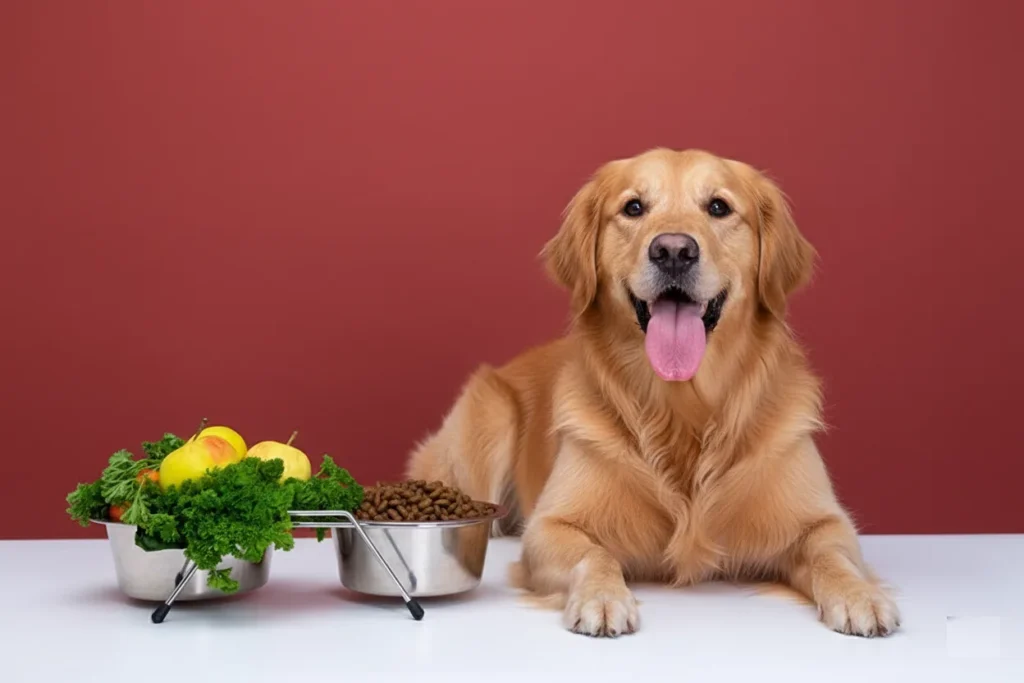
Feeding Guidelines & Safety Tips
When introducing homemade food:
Transition slowly to avoid digestive upset. Gradually replace your dog’s current food with homemade meals over 7–10 days — start with 25% homemade and 75% old food, then increase the ratio each day until fully transitioned.
Meal frequency:
Most senior dogs thrive on two balanced meals per day. Puppies often eat 3–4 times daily, but older dogs generally do better with 1–2 meals. A consistent schedule — such as morning and evening feedings — helps regulate appetite and prevents overeating.
Portion control:
Follow your veterinarian’s guidance or use a calorie calculator to determine how much to feed based on your dog’s ideal weight. Senior dogs typically need fewer calories than active adults. You should be able to feel (but not see) your dog’s ribs, and there should be a slight “tuck” above the hips. Adjust portion sizes as needed to maintain a healthy weight. As our companions age, their nutritional needs change, leading many owners to look into homemade dog food recipes for senior dogs.
Food safety:
Cook all meats thoroughly to safe internal temperatures and avoid raw meats, as older dogs often have weaker immune systems. Store homemade meals in the refrigerator for up to 3–4 days, or freeze in meal-sized portions. Reheat gently on the stove (avoid microwaving, which can create hot spots) and serve lukewarm. Always provide plenty of fresh water.
If your dog is showing signs of digestive distress, it might be time to look for the best dog food for sensitive stomach and diarrhea.
Check for spoilage:
If food smells sour, looks discolored, or your dog experiences vomiting or diarrhea, discard the food and consult your veterinarian.
Vet oversight:
Schedule regular veterinary check-ups and bloodwork (especially kidney and liver panels) when feeding a homecooked diet. Each dog’s needs differ — for example, dogs with kidney disease may require a lower-protein, lower-phosphorus diet.
By providing balanced, homemade meals and monitoring your senior dog’s weight, coat, and energy, you can fine-tune their diet to support long-term health and vitality.
Frequently Asked Questions (FAQs)
Can homemade diets meet senior dogs’ nutritional needs?
Yes — if done carefully. Homemade meals must be complete and balanced. Ideally, recipes should be reviewed by a veterinary nutritionist to ensure they meet your dog’s unique needs. Work with your vet to cover all nutrient groups. You may need to add supplements (like a multivitamin or omega-3) if ingredients alone aren’t sufficient.
How should I store and serve homemade dog food?
Allow meals to cool completely before serving. Store them in airtight containers in the refrigerator for 3–4 days, or freeze in portion sizes for longer storage. Thaw frozen meals overnight in the fridge and reheat gently on the stove (avoid microwave hot spots). Never leave food out for more than an hour or two, and always provide plenty of fresh water.
My dog has a sensitive stomach. What should I do?
Choose gentle, bland ingredients such as cooked white rice, boiled chicken, and pumpkin. Use limited-ingredient recipes and avoid fatty or spicy foods. Adding probiotics (like plain yogurt or kefir) can help support gut health. If stomach issues persist, consult your veterinarian — they may recommend a specialized bland diet designed for dogs with sensitive stomachs and diarrhea.
Are there breeds or life stages with special needs?
Yes. Large breeds (such as German Shepherds) often benefit from extra joint support, including glucosamine-rich foods or supplements. Breeds prone to allergies (like some Pitbulls) may do better on novel-protein or limited-ingredient diets to avoid allergic reactions. Puppies, on the other hand, require more frequent meals and different nutrient ratios — typically 3–4 smaller meals per day. Senior dogs usually do best with 1–2 balanced meals daily, adjusted for calorie needs.
Should I give supplements?
Supplements can be beneficial for senior dogs when used properly. Common examples include omega-3 fish oil for joint and skin health, glucosamine for cartilage support, and a balanced multivitamin to cover potential gaps. Always consult your veterinarian before starting supplements — excessive amounts of certain vitamins or minerals (such as A or D) can be toxic.
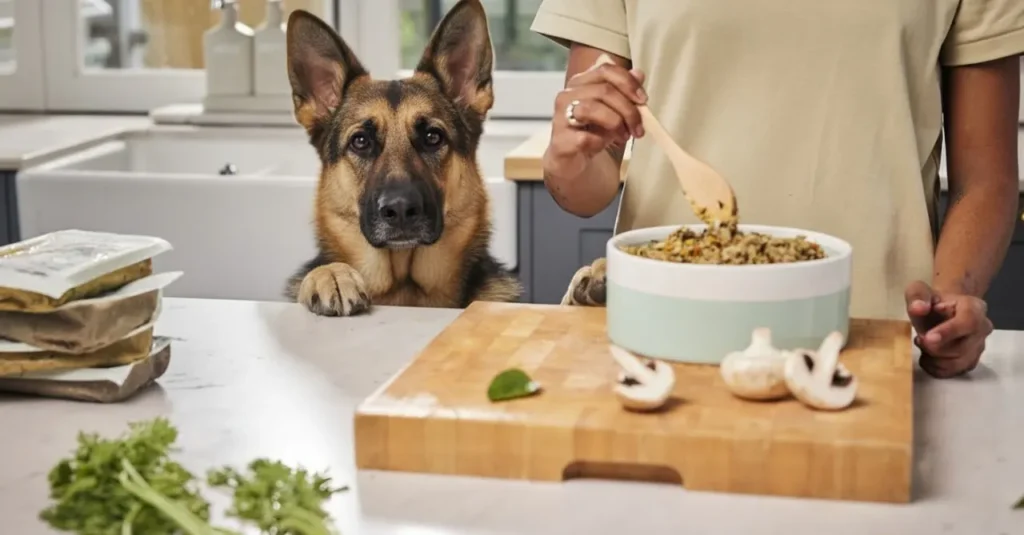
Crafting homemade food for a senior dog takes effort, but it can be very rewarding. You’ll know exactly what goes into each meal, and your dog may enjoy improved digestion, better coat health, and more energy. By following safe recipes, balanced ingredients, and vet advice, you can treat your aging companion to meals made with love and care.