Feline Upper Respiratory Disease (FURD), often colloquially referred to as cat cold or cat flu, is a highly common and contagious illness affecting a cat’s nose, sinuses, mouth, and throat. This complex condition, also known as feline upper respiratory infection (URI) or feline infectious respiratory disease, is primarily caused by specific viral agents, predominantly Feline Herpesvirus-1 (FHV-1) and Feline Calicivirus (FCV), which together account for an estimated 80-90% of cases. While these viruses initiate the disease, secondary bacterial infections are a frequent complication, contributing to the range of symptoms such as sneezing, nasal discharge, conjunctivitis, and lethargy. Understanding FURD is crucial for cat owners, as early recognition and appropriate care can significantly impact a cat’s comfort, recovery, and long-term health, helping manage this prevalent feline health concern.

The common use of terms like “cat cold” might lead some to perceive FURD as a minor, transient ailment, similar to a human common cold. However, this colloquialism can inadvertently mask the true complexity and potential severity of the disease. Unlike human colds, which are typically self-limiting and caused by a wide array of viruses, FURD is predominantly driven by specific feline viruses with significant implications for chronic health and transmission. This distinction is vital for cat owners to grasp, as it underscores the necessity for veterinary consultation and prevents the inappropriate use of human medications, which can be toxic to felines. A comprehensive understanding shifts the focus from simple symptomatic relief to targeted veterinary care and proactive management strategies.
What Causes Feline Upper Respiratory Disease? Unraveling the Culprits
Feline Upper Respiratory Disease is a multifactorial syndrome, but its primary drivers are highly contagious viral agents. Understanding these underlying causes is paramount for effective treatment and robust prevention strategies.
The Viral Dominance: Feline Herpesvirus-1 (FHV-1) and Feline Calicivirus (FCV)
The vast majority—approximately 80-90%—of feline upper respiratory infections are attributed to two highly contagious viruses: Feline Herpesvirus-1 (FHV-1), also known as feline viral rhinotracheitis (FVR), and Feline Calicivirus (FCV). These viruses are ubiquitous in cat populations, particularly in multi-cat environments like shelters or catteries, where close contact facilitates their rapid spread. Both FHV-1 and FCV are species-specific, meaning they are not transmissible to humans.
The overwhelming prevalence of FHV-1 and FCV as the primary causes of FURD means that prevention and management efforts must heavily concentrate on these two pathogens. Recognizing their specific characteristics, such as their modes of transmission and their ability to establish long-term presence within the feline host, is fundamental to devising effective control measures. This understanding guides the strategic focus on vaccination and environmental management to mitigate the impact of these prevalent viral threats.
Understanding Latency and Carrier States
Feline Herpesvirus-1 (FHV-1), like other herpesviruses, establishes a state of latency within the cat’s body, meaning the virus remains dormant after the initial infection. Approximately 80% of infected cats become permanent carriers of FHV-1. During these dormant periods, the virus is not actively reproducing, and the cat may appear perfectly healthy. However, periods of physiological or psychological stress can trigger the reactivation of the dormant virus, leading to recurrent clinical signs like sneezing or runny eyes. Common stressors include boarding, grooming, surgeries, the introduction of new cats, or moving to a new environment. When the virus reactivates, the cat becomes a “shedder,” capable of transmitting the infection to other susceptible felines. FHV-1 can survive for less than 18 hours outside the host.
Feline Calicivirus (FCV) infection also results in a carrier state, with infected cats continuously shedding the virus for variable periods. Cats recovering from FCV infection can shed the virus for months afterwards.
The concept of FHV-1 latency and stress-induced flare-ups has profound implications for long-term management and prevention, especially in multi-cat households or high-stress environments. It means that even seemingly healthy cats can harbor the virus and become a source of infection under stressful conditions. This establishes a direct link between environmental and psychological factors and the manifestation of physical illness. Consequently, prevention extends beyond mere vaccination to encompass creating a low-stress environment. For settings such as shelters or multi-cat homes, this translates into strategic housing, providing environmental enrichment, and actively minimizing stressors to reduce the frequency and severity of outbreaks. This also explains why some cats appear to suffer from recurrent “colds” throughout their lives.
The differing environmental persistence of FCV compared to FHV-1 also carries significant implications for biosecurity. FCV can survive for up to ten days in the environment and is more resistant to common disinfectants than FHV-1, which survives for less than 18 hours. This necessitates more rigorous and specific disinfection protocols, such as the use of dilute bleach solutions, to effectively break the chain of FCV transmission. This detail underscores the importance of specific knowledge about pathogen survival for effective disease control, moving beyond generic “cleanliness” to targeted disinfection strategies.
Bacterial Co-Infections: Chlamydophila felis, Mycoplasma spp., and Bordetella bronchiseptica
While viruses are the primary instigators of FURD, bacteria frequently play a significant role, often acting as secondary invaders that worsen clinical signs or cause chronic disease. Primary bacterial agents identified in FURD include
Bordetella bronchiseptica, Mycoplasma species, and Chlamydophila felis.
Bordetella bronchiseptica, commonly associated with canine kennel cough, can be found as a commensal organism in cats without causing illness, but it can become pathogenic under certain conditions.
Mycoplasma species are frequently cultured from acutely affected cats and are believed to contribute to chronic respiratory syndromes.
Chlamydophila felis characteristically causes chronic, low-grade conjunctivitis, though infected cats may occasionally sneeze and can progress to mucopurulent conjunctivitis.
The observation that cats often show clinical improvement when treated with antibiotics, yet their symptoms may recur, suggests that bacteria are a significant component of the illness, often secondary to an underlying viral or structural issue. This highlights the importance of a thorough diagnostic work-up if initial antibiotic therapy fails to achieve resolution.
The frequent occurrence of secondary bacterial infections explains why antibiotics are commonly prescribed for what is predominantly a viral disease. This is not a contradiction but a critical aspect of managing the complex nature of FURD. The initial viral infection compromises the respiratory tract’s natural defenses, creating an environment conducive to the proliferation of opportunistic bacteria, which may even be naturally occurring commensals like Bordetella. Antibiotics target these bacterial complications, providing symptomatic relief and preventing more severe issues like pneumonia, but they do not eliminate the underlying viral cause. This explains the common veterinary approach of combining supportive care for the viral infection with antibiotics for the bacterial component, and why chronic or recurring cases often necessitate deeper investigation beyond just treating symptoms.
Less Common but Important Factors: Fungal Infections, Foreign Bodies, Dental Disease, Neoplasia, and Environmental Stressors
Beyond the common viral and bacterial culprits, other factors can contribute to or mimic signs of upper respiratory disease, particularly in chronic or unresponsive cases. A thorough diagnostic approach is essential to rule out these possibilities. Fungal infections, such as those caused by
Cryptococcus neoformans var neoformans and gattii, are important causes, especially relevant in specific geographic regions. Neoplasia, or tumors, are more likely to be a cause of respiratory signs in older cats.
Any factor that contributes to alterations in the structure or function of the upper airways can predispose a cat to chronic damage if the underlying issues are not resolved. These include physical trauma, congenital anomalies (birth defects), conformational characteristics (such as the short or convoluted nasal passages and very small nostrils seen in brachycephalic breeds like Persians, Himalayans, and Burmese), inflammatory polyps, periodontal disease, and foreign bodies lodged in the nasal passages.
Furthermore, environmental stressors and underlying immunocompromise can significantly influence a cat’s susceptibility to and ability to clear infectious agents. Suboptimal nutrition, social distress, general environmental factors, or outright immune suppression (e.g., due to retroviruses like Feline Leukemia Virus) increase the likelihood of infectious agent involvement and hinder the cat’s immune system from resolving the infection effectively.
The inclusion of these less common but significant factors highlights the nuanced diagnostic process and the necessity for a comprehensive veterinary workup, particularly in cases that are chronic or do not respond to initial treatments. This extends the diagnostic scope beyond a simple “cat cold” and emphasizes that a veterinarian’s role involves ruling out a broad range of possibilities to identify the true root cause, ensuring appropriate and potentially life-saving interventions.
Table 1: Common Causes of Feline Upper Respiratory Disease
| Primary Cause Category | Specific Agents/Conditions | Key Characteristics/Notes | Relevant Sources |
| Viral (80-90% of cases) | Feline Herpesvirus-1 (FHV-1) / Feline Viral Rhinotracheitis (FVR) | Highly contagious, lifelong latency, stress-induced flare-ups, causes severe conjunctivitis, corneal ulcers, pharyngitis. | |
| Feline Calicivirus (FCV) | Highly contagious, carrier state, often causes oral ulcers, can lead to pneumonia or limping syndrome, more environmentally resistant. | ||
| Bacterial (Often Secondary) | Chlamydophila felis (C. felis) | Causes chronic conjunctivitis, occasional sneezing. | |
| Mycoplasma spp. | Common in acute cases, causes conjunctival edema, less severe rhinitis. | ||
| Bordetella bronchiseptica | Can be commensal, but causes URI, implicated in kennel cough. | ||
| Other Etiologies (Less Common, Chronic Cases) | Fungal Infections (e.g., Cryptococcus) | Geographic relevance, requires specific diagnosis. | |
| Neoplasia (Tumors) | More common in older cats. | ||
| Foreign Bodies | Can cause chronic inflammation. | ||
| Inflammatory Polyps, Periodontal Disease, Trauma, Congenital Anomalies | Factors altering airway structure/function. | ||
| Predisposing Factors | Stress, Overcrowding, Immunocompromise (e.g., FeLV, FIV), Young/Old Age, Brachycephalic Breeds | Increase susceptibility and severity. |
This table provides a clear, organized, and digestible summary of the numerous and sometimes complex causes of Feline Upper Respiratory Disease. For cat owners, it simplifies the information, allowing them to quickly grasp the primary viral culprits while also recognizing that other, less common but significant, factors can contribute to or mimic the disease. This structured presentation enhances readability and serves as a quick reference, reinforcing the comprehensive nature of the report.
Recognizing the Signs: Symptoms of Feline Upper Respiratory Disease
Understanding the symptoms of feline upper respiratory disease is crucial for early detection and timely veterinary intervention. While often resembling a human cold, certain signs can indicate more severe illness or specific underlying causes.
Common “Cold-Like” Symptoms: Sneezing, Nasal Discharge, Eye Discharge, and Congestion
The initial presentation of FURD often mirrors familiar human cold symptoms, reflecting inflammation and irritation of the upper airways and mucous membranes.
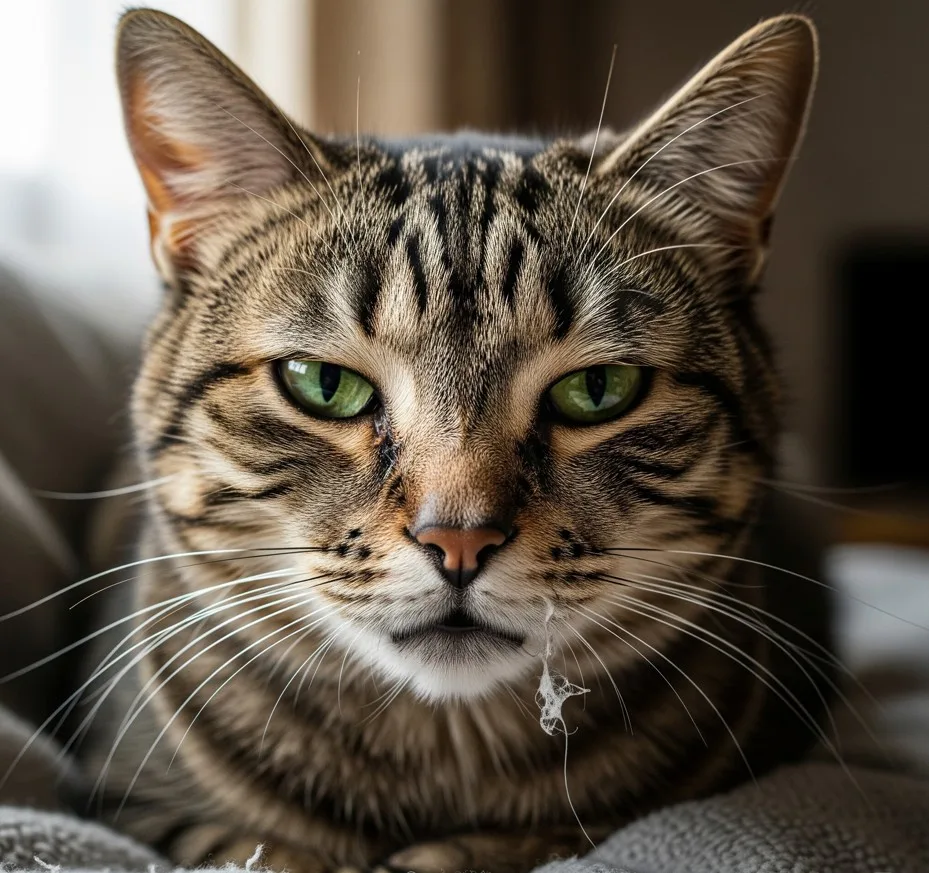
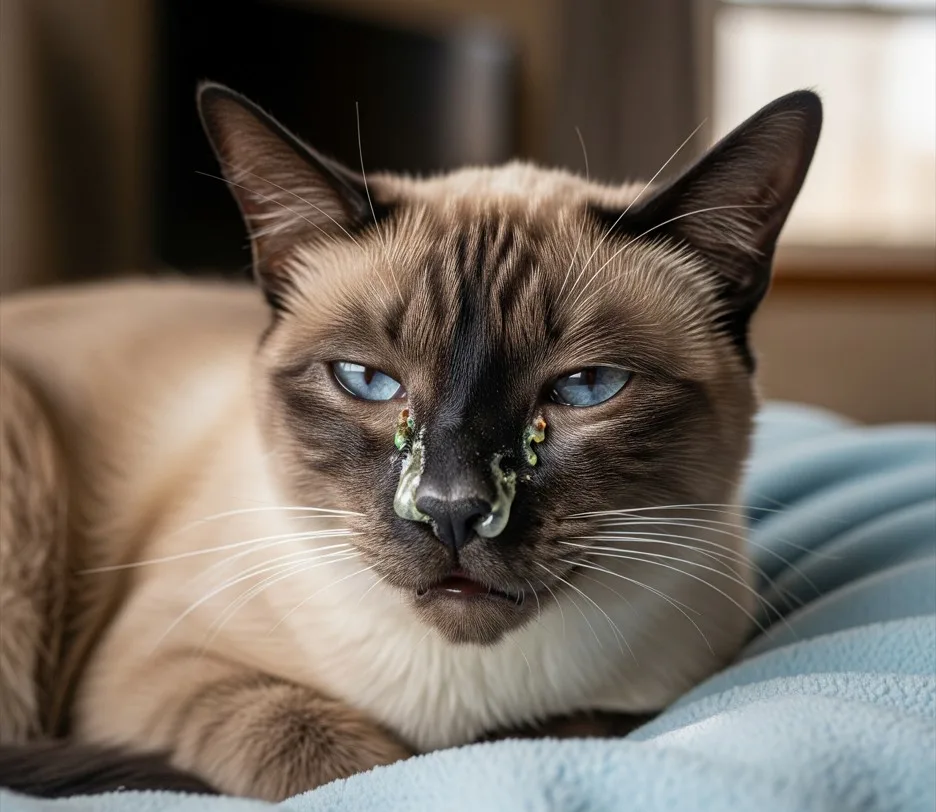
Frequent sneezing is a hallmark sign, as the cat’s body attempts to expel infectious organisms. Nasal discharge can vary; it may be clear (serous) initially, but can progress to cloudy, yellow, or green (mucopurulent) if secondary bacterial infections develop. A blocked or stuffy nose is a common complaint. Eye discharge (lacrimation) also ranges from clear and watery (epiphora) to thick and purulent. Additionally, conjunctivitis, characterized by redness, swelling, and inflammation of the membranes lining the eyelids, is frequently observed and may involve frequent blinking (blepharospasm) or swelling of the conjunctiva (chemosis).
The progression of nasal and ocular discharge from clear to purulent (yellow-green) is a key indicator for cat owners that a secondary bacterial infection may be present. This color change is a crucial observable marker, as clear discharge is typical of the initial viral onset, while yellow-green discharge strongly suggests bacterial involvement, which can complicate the viral infection and necessitate specific veterinary treatment, such as antibiotics. This empowers owners to monitor their cat’s condition effectively and recognize when to seek professional veterinary help, preventing unnecessary visits for mild cases while ensuring timely intervention for worsening ones.
More Severe and Specific Indicators: Coughing, Lethargy, Fever, Oral Ulcers, and Difficulty Breathing
While many cases of FURD are mild and self-limiting, the disease can manifest with more severe signs, particularly in vulnerable populations such as young kittens, senior cats, or immunocompromised individuals.
Cats with URIs often feel unwell, leading to reduced activity and a reluctance to eat, especially if congestion impairs their sense of smell. Anorexia (loss of appetite) and hypersalivation (excessive drooling) can also occur. An elevated body temperature, or fever, reaching up to
40.5∘C (105∘F), is a common systemic sign. Painful sores or ulcers on the tongue, hard palate, or lips are particularly characteristic of FCV infection. In severe instances, cats may develop ulcerative stomatitis, a more widespread inflammation and ulceration of the mouth.
While less common than sneezing, coughing can occur, especially if the infection extends to the lower respiratory tract or leads to pneumonia. Signs such as open-mouth breathing, panting, or labored respiration are serious indicators of pneumonia or severe congestion, necessitating immediate veterinary attention. Feline Herpesvirus-1 (FHV-1) can cause ulceration of the cornea (the clear outer layer of the eye), leading to squinting (blepharospasm). Other signs of infection include enlarged lymph nodes and, less commonly, skin or footpad ulcers with FCV infection.
The emphasis on appetite loss and difficulty breathing as critical “red flags” highlights the urgent need for nutritional support and immediate veterinary care in severe cases. These are not merely uncomfortable symptoms but can quickly become life-threatening, particularly in vulnerable cats such as young kittens or seniors, who can rapidly become dehydrated and malnourished without adequate food and water. Nasal congestion directly impairs a cat’s sense of smell, which is crucial for stimulating appetite, creating a dangerous cycle of declining health. Respiratory distress is an obvious medical emergency. This understanding provides crucial guidance for owners on when to transition from home care to emergency veterinary intervention, preventing severe complications or even fatalities and underscoring the fragility of sick felines.
Differentiating FHV-1 and FCV Symptoms: Key Distinctions
While the clinical signs of FHV-1 and FCV often overlap, some distinctions can provide clues about the predominant viral cause, though definitive diagnosis typically requires laboratory testing.
Feline Herpesvirus-1 (FHV-1) infection tends to be more severe, frequently causing marked conjunctivitis and ulceration of the cornea. It can also lead to severe pharyngitis (throat inflammation), which often contributes to appetite loss, as well as inflammation in the trachea and coughing. Occasionally, FHV-1 infection can also cause skin problems on the face.
In contrast, Feline Calicivirus (FCV) infection tends to be milder, with less severely affected eyes. However, FCV is commonly associated with painful tongue ulceration, and sometimes ulcers on the palate or lips, along with pharyngitis (sore throat). FCV may also cause transient arthritis, often referred to as “limping syndrome,” particularly in young kittens. In very young kittens, FCV can, in severe cases, cause viral pneumonia.
The subtle differentiation of symptoms between FHV-1 (with its ocular focus and often more severe presentation) and FCV (characterized by oral ulcers and the potential for limping syndrome) provides a more nuanced understanding of the disease’s varied presentations. While a veterinarian cannot definitively diagnose the specific virus based on symptoms alone, these distinctions offer valuable clinical clues that can guide initial suspicion and treatment approaches. For instance, if prominent oral ulcers are present, FCV would be highly suspected, influencing decisions regarding pain management. This level of detail demonstrates expert knowledge, helping owners understand that their veterinarian is looking for specific patterns, even when using the general term “cat cold.”
When to Seek Immediate Veterinary Attention: Red Flags and Emergency Symptoms
While many cases of FURD resolve on their own with supportive care, certain symptoms warrant immediate veterinary consultation. These critical indicators include:
- Not eating for more than 24 hours.
- Green or yellow discharge from the nose or eyes, which strongly suggests a secondary bacterial infection.
- Difficulty breathing, especially panting or breathing through an open mouth.
- A depressed or unresponsive cat, or a significant decrease in activity level.
- Vomiting or diarrhea lasting more than 24 hours.
- Little or no improvement after a week of diligent home supportive care.
Table 2: Feline Upper Respiratory Disease Symptoms & Severity
| Symptom Category | Mild/Common Signs | Moderate/Concerning Signs | Severe/Emergency Signs | Associated Pathogens/Notes | Relevant Sources |
| Nasal | Sniffles, Sneezing, Clear Nasal Discharge | Blocked Nose, Mucopurulent (Yellow/Green) Nasal Discharge | Severe Congestion, Difficulty Breathing, Open-Mouth Breathing, Panting | All common; Yellow/Green discharge suggests bacterial infection. | |
| Ocular | Red/Watery Eyes, Mild Eye Discharge, Blinking | Red/Swollen Eyes (Conjunctivitis), Purulent Eye Discharge, Squinting (Blepharospasm) | Corneal Ulcers, Severe Conjunctivitis, Decreased Vision/Blindness (kittens) | FHV-1 often causes severe ocular signs, including corneal ulcers. C. felis causes chronic conjunctivitis. | |
| Oral | Salivation | Oral Ulcers (Tongue, Palate, Lips), Ulcerative Stomatitis, Pharyngitis (Sore Throat) | Refusal to Eat due to Oral Pain | FCV is highly associated with oral ulcers. | |
| Systemic | Mild Lethargy | Fever (39∘C-40.5∘C / 103∘F-105∘F), Reduced Appetite, Enlarged Lymph Nodes | Severe Lethargy, Anorexia (>24 hrs), Severe Weight Loss, Depression, Unresponsiveness | All common; severe signs indicate need for immediate vet care. | |
| Other | Coughing, Transient Arthritis (“Limping Syndrome”) | Pneumonia, Difficulty Breathing, Severe Systemic Disease | Coughing can indicate lower respiratory involvement. FCV can cause limping syndrome and pneumonia. |
This table provides a structured, at-a-glance guide for cat owners to quickly assess their cat’s symptoms and understand their potential severity and implications. It helps differentiate between common mild signs that can be managed at home and red flags that warrant immediate veterinary attention. This clear organization of symptom data enhances readability and serves as a vital tool for informed decision-making regarding a cat’s health.

Diagnosing Feline Upper Respiratory Disease: A Veterinary Perspective
Accurate diagnosis of Feline Upper Respiratory Disease is crucial, evolving from initial clinical assessment to targeted laboratory testing, particularly for persistent or complex cases.
The Initial Assessment: Clinical Signs and Comprehensive Medical History
The presumptive diagnosis of FURD is often based on the characteristic clinical signs observed by the veterinarian, such as sneezing, conjunctivitis, rhinitis, lacrimation (watery eyes), salivation, and oral ulcers. A comprehensive medical history provided by the owner, detailing the onset, nature, and progression of symptoms, is vital for the veterinarian’s assessment. During the examination, the veterinarian will perform a thorough physical assessment, checking for fever, lymph node enlargement, and evaluating the severity and type of respiratory and ocular discharge.
The primary reliance on clinical signs and a detailed history for an initial diagnosis in most typical cases highlights that veterinary diagnosis is not always about immediate, expensive lab tests. Instead, it is a blend of keen observational skill, effective communication with the owner, and a deep understanding of disease progression. This emphasizes that an owner’s thorough account of their cat’s symptoms is invaluable, as it helps the veterinarian piece together the diagnostic puzzle, especially when attempting to differentiate between FHV-1 and FCV based on subtle symptom patterns. This approach underscores the collaborative nature of veterinary care, where owner input is a critical component of the diagnostic process.
Advanced Diagnostic Tools: PCR Panels, Swabs, and Imaging
When the illness is severe, recurrent, or lasts longer than 10 days, or if an outbreak involves multiple cats, further diagnostic tests may be recommended to pinpoint the specific causative agents or rule out other conditions.
PCR (Polymerase Chain Reaction) Panels: These are highly sensitive molecular tests that identify viral DNA or bacterial DNA/RNA from samples. An upper respiratory PCR panel can help pinpoint the specific virus or bacteria causing symptoms. Samples are typically collected via swabs from the oropharyngeal mucosa (back of the throat), external nares (nostrils), or conjunctival sacs (eyes). It is important to note that diagnosing FHV-1 infection can sometimes be challenging because the virus is shed intermittently, and seroprevalence (presence of antibodies) and virus isolation rates can be similar in both ill and clinically normal cats.
Culture and Sensitivity Testing: For suspected bacterial infections, cultures of nasal lavage (flushing the nasal passages) or brushings can identify specific bacteria and determine their susceptibility to various antibiotics. This information is crucial for guiding appropriate and effective antimicrobial treatment. However, interpreting bacterial culture results from the nasal cavity can be challenging, as healthy cats can naturally harbor various bacteria without showing signs of infection.
Cytologic Examination: Microscopic examination of Giemsa-stained conjunctival smears or scrapings can aid in identifying specific pathogens. For instance, Chlamydiae may be identified by their intracytoplasmic elementary bodies, while Mycoplasmas appear as extracellular coccoid bodies often seen on the surface of conjunctival epithelial cells.
Imaging (X-rays, CT scans): For chronic or severe cases, especially those with suspected pneumonia, foreign bodies, or neoplasia (tumors), diagnostic imaging techniques like chest X-rays or more advanced imaging such as rhinoscopy (endoscopic examination of the nasal passages) or CT scans may be recommended. These tools help evaluate the extent of the disease, identify structural abnormalities, or rule out non-infectious causes.
The strategic escalation of diagnostics, from initial clinical assessment to advanced tools like PCR panels, based on disease progression and context, reflects a practical and patient-centric approach to veterinary medicine. For most self-limiting cases, extensive and costly testing may be unnecessary. However, for chronic, severe, or epidemiologically significant situations (e.g., in a cattery or shelter), identifying the exact pathogen is crucial for targeted treatment, accurate prognosis, and effective prevention strategies. This demonstrates the critical thinking involved in choosing the most appropriate diagnostic path, balancing thoroughness with resource efficiency.
Ruling Out Other Conditions: A Crucial Step in Diagnosis
A logical and comprehensive diagnostic plan is essential not only to identify probable etiologies but also to meticulously rule out non-viral causes, particularly in chronic cases where the initial diagnosis of a “cat cold” may not fully explain the persistent symptoms. This may involve investigating a range of conditions that can mimic or contribute to upper respiratory signs:
- Non-infectious causes: These include allergic diseases, foreign bodies lodged in the respiratory tract, nasopharyngeal stenosis (narrowing of the passage between the nose and throat), oronasal fistulas (abnormal openings between the oral and nasal cavities), nasopharyngeal polyps (benign growths), and trauma to the facial or nasal structures.
- Systemic diseases: While Feline Infectious Peritonitis (FIP) typically causes a more generalized condition, it can sometimes present with mild upper respiratory tract infection signs. Additionally, underlying systemic diseases like Feline Leukemia Virus (FeLV) and Feline Immunodeficiency Virus (FIV) can significantly weaken a cat’s immune system, making them more susceptible to recurrent or severe URIs.
- Conformational anomalies: Certain cat breeds with shortened or “smushed” faces, known as brachycephalic breeds (e.g., Persians, Himalayans, Burmese), have shortened bones in the skull that can lead to convoluted nasal passages or very small nostrils. These anatomical characteristics predispose them to unresolving inflammation and a higher risk of complications from respiratory infections.
The statement that “bacterial culture results can be difficult to impossible to interpret as bacteria can be cultured from the nasal cavity of healthy cats” is a critical nuanced point in diagnosis. It implies that simply identifying bacteria on a culture from a chronic “URI” case does not automatically confirm them as the primary cause of the
chronic problem. This challenges a common assumption and emphasizes the need for a holistic diagnostic approach that considers underlying structural issues, allergic conditions, or even neoplasia, rather than solely focusing on treating bacterial overgrowth symptomatically. This comprehensive perspective is vital for preventing misdiagnosis and ensuring effective, long-term treatment.
Comprehensive Treatment Approaches for Your Cat’s Recovery
Treatment for Feline Upper Respiratory Disease is multifaceted, focusing primarily on supportive care to help the cat’s immune system fight the infection, coupled with targeted medical interventions when necessary. The overarching goal is to alleviate symptoms, prevent complications, and ensure adequate nutrition and hydration.
Supportive Care at Home: Comfort and Recovery
For many cats, especially those with mild cases, supportive home care is the cornerstone of recovery, allowing the cat’s immune system to resolve the infection naturally.
Maintaining Hydration and Nutrition: Congested cats often experience a diminished sense of smell, which significantly impacts their appetite. It is absolutely vital to keep them well-fed and hydrated throughout their illness. Owners should offer highly palatable, strong-smelling foods such as canned food, canned chicken, tuna, salmon, or meat-flavored baby food. Warming the food can enhance its aroma and appeal, further encouraging consumption. Ensuring constant access to fresh water is also crucial, as adequate hydration helps to thin mucus, making it easier for the cat to clear its nasal passages. In severe cases, if oral lesions make eating too painful or if the cat refuses to eat for extended periods, a feeding tube might be necessary to ensure adequate nutritional intake.
Steam Therapy and Humidification: A steamy environment can significantly help loosen mucus and relieve nasal congestion, providing much-needed comfort. Owners can achieve this by taking their cat into the bathroom while running a hot shower for 10-15 minutes. Alternatively, using a humidifier in the room where the cat rests can help maintain moist air and relieve airway irritation. For a more concentrated steam treatment, placing the cat in a carrier next to a sink, covering both with a thick towel, and running hot water (possibly with a couple of drops of eucalyptus oil for added benefit, though caution is advised) can create a localized steam tent.
Gentle Cleaning and Comfort Measures: Regularly and gently cleaning discharge from the cat’s nose and eyes with a soft cloth moistened with warm water can significantly improve their comfort and ability to breathe and see. Providing a warm, quiet, and comfortable resting place is also essential for recovery. Reducing stress during recovery is paramount, as stress can worsen symptoms, especially for FHV-1 carriers. This may involve confining the cat to a smaller, quiet room with all its essentials nearby (litter box, food, water, warm bed) and using feline pheromone products to promote a sense of calm. Applying a warm compress to the cat’s face for a few minutes, a few times a day, can help reduce inflammation and promote drainage of the sinuses.
Over-the-Counter Decongestants: While caution is always advised, “Little Noses,” an over-the-counter decongestant designed for infants, has been mentioned as potentially helpful for kittens, with a suggested dosage of one drop in each nostril twice a day. However, it is crucial to
always consult a veterinarian before administering any over-the-counter medication to a cat.
The detailed home care instructions, encompassing hydration, nutrition, steam therapy, cleaning, and stress reduction, highlight that much of FURD management relies on diligent owner participation. This underscores the partnership between the veterinarian and the owner in achieving successful outcomes. By providing specific, actionable home care advice, the report empowers owners to actively contribute to their cat’s recovery. This also subtly helps alleviate some burden from veterinary clinics for mild cases, allowing veterinarians to focus their resources on more severe ones. The emphasis on stress reduction directly connects to the understanding of FHV-1 latency, reinforcing that environmental management is a key therapeutic component.
Table 3: Home Care Tips for Cats with FURD
| Category | Tip | Rationale/Benefit | Relevant Sources |
| Nutrition & Hydration | Offer warmed, strong-smelling, palatable foods (e.g., canned food, tuna, chicken baby food). | Congestion impairs smell, leading to anorexia. Warming enhances aroma and appeal, encouraging eating. | |
| Ensure constant access to fresh water. | Prevents dehydration; adequate hydration helps thin mucus. | ||
| Congestion Relief | Provide steam therapy (e.g., bathroom with hot shower, humidifier). | Loosens mucus, relieves nasal congestion, eases breathing. | |
| Apply warm compress to face. | Helps reduce inflammation and promote sinus drainage. | ||
| Hygiene | Gently clean nasal and eye discharge with warm, moist cloth. | Improves comfort, prevents crusting, allows better vision and breathing. | |
| Environment & Comfort | Reduce stress (quiet environment, pheromones, consistent routine). | Stress can worsen symptoms and trigger FHV-1 flare-ups, suppressing the immune system. | |
| Provide a warm, comfortable resting place. | Supports overall well-being and recovery. |
This table provides a practical, actionable checklist for cat owners to implement home care. It consolidates various tips into an easy-to-follow format, empowering owners to actively participate in their cat’s recovery. This structured information is also valuable for search engines, potentially leading to its inclusion in “how-to” or “tips” snippets, thereby increasing visibility for users searching for home remedies or care instructions.
Veterinary Medical Interventions: Targeted Therapies
Beyond supportive home care, veterinarians may prescribe specific medications to address various aspects of FURD, particularly in more severe or complicated cases.
Antibiotics: These medications are primarily used to control secondary bacterial infections that commonly occur alongside viral infections like FVR and FCV. For bacterial infections caused by
Chlamydophila felis, systemic antibiotics like doxycycline or amoxicillin/clavulanic acid are generally effective, often more so than topical applications to the eye. It is crucial to understand that antibiotics target bacteria and do not directly cure viral infections; they manage the complications arising from bacterial overgrowth.
The repeated emphasis that antibiotics treat secondary bacterial infections rather than the primary viral cause is a crucial distinction for owners. This explains why symptoms might recur even after a course of antibiotics, as the underlying virus remains present. This understanding reinforces responsible antibiotic stewardship, preventing their overuse for purely viral infections and managing owner expectations about a “cure.” It also highlights the importance of completing the full course of antibiotics as prescribed, even if the cat appears to be improving, to prevent antibiotic resistance and ensure complete resolution of the secondary infection.
Antiviral Medications: For severe cases of Feline Herpesvirus-1 (FHV-1) infection, human antiviral medications like Famciclovir can be prescribed. Famciclovir has been shown to help reduce clinical signs and decrease virus shedding in the secretions of infected cats. Its use in cats is considered “off-label” (extra-label), meaning it is prescribed for a species or condition not specifically listed on the drug’s approved label, a common practice in veterinary medicine. These antiviral drugs may be particularly helpful in treating corneal lesions and upper respiratory signs in acute cases in young cats. Unfortunately, available antiviral drugs for Feline Calicivirus (FCV) are generally considered either ineffective or associated with significant side effects in cats.
The strategic application of antivirals for FHV-1, typically reserved for severe cases or those with specific complications like corneal lesions, implies that antiviral therapy is not a universal first-line treatment for all FURD cases. Its “off-label” status further suggests that veterinarians carefully weigh the potential benefits against any risks. This highlights that while specific antiviral options exist, they are applied judiciously, reflecting the complexity of viral disease management in veterinary medicine. This approach helps manage owner expectations, preventing the belief that a “magic bullet” antiviral exists for every sniffle.
Ocular and Nasal Medications: If the eyes are affected by the URI, eye ointment may be prescribed to reduce inflammation and infection. Nasal decongestants may be helpful in some cases to alleviate congestion. Nebulization with saline solution is another effective method to clear nasal passages and provide moisture to the airways.
Pain Management and Anti-Inflammatory Drugs: Non-steroidal anti-inflammatory drugs (NSAIDs) can be used to minimize oral pain, which is particularly common and severe with FCV infections due to oral ulcers.
When Hospitalization is Necessary: In severe cases, if a cat is profoundly sick, experiencing difficulty breathing, or refusing to eat for an extended period, hospitalization for one to two days may be required. During hospitalization, cats receive intensive supportive care, including intravenous fluids for hydration, oxygen therapy if breathing is severely compromised, and nutritional support, which may involve the placement of a feeding tube until oral lesions subside and the cat is stable enough to continue treatment at home.
Controversial Treatments: The L-Lysine Debate and Other Supplements
The landscape of feline health supplements includes various products marketed for respiratory support, some of which are subject to ongoing scientific debate.
The L-Lysine Debate: Lysine supplementation is sometimes recommended by some sources for feline herpesvirus infection, but it remains quite controversial within the veterinary community. Several studies have suggested that lysine supplementation may not be effective in reducing FHV-1 symptoms or viral shedding, and some research even indicates it might potentially worsen symptoms or promote viral shedding.
The explicit mention of the L-Lysine controversy is a critical expert point. It directly addresses a widely promoted but scientifically debated supplement, demonstrating a commitment to evidence-based veterinary medicine. This transparency serves as a warning against potentially ineffective or even harmful treatments, a common pitfall for concerned pet owners seeking quick solutions. By highlighting this controversy, the report educates owners on the importance of critically evaluating health information and reinforces the necessity of consulting a veterinarian for all treatment advice, rather than self-prescribing supplements based on anecdotal evidence.
Other Natural Supplements: Some natural supplements are suggested to support overall health and immune function in cats with respiratory issues. Probiotics, particularly those containing Enterococcus faecium SF68, are believed to support the immune system by restoring the balance of the gut microbiome. This is especially important if a cat has been on antibiotics or steroids, as these medications can disrupt the natural balance of beneficial gut bacteria. Olive leaf extract, containing a compound called oleuropein, is touted for its natural antiviral and antibacterial properties, with animal studies suggesting its effectiveness against various pathogens causing respiratory infections. Colloidal or ionic silver is another suggested supplement, with claims of antimicrobial effects against bacteria, viruses, and fungi, though traditional colloidal silver carries risks of silver accumulation in tissues. Certain natural homeopathies from the
Penicillium genus are also mentioned for potential antimicrobial properties, distinct from the antibiotic penicillin. As with any supplement, owners should discuss their use with a veterinarian to ensure safety and appropriateness for their cat’s specific condition.
Prevention is Key: Protecting Your Feline Friend from FURD
Proactive prevention is the most effective strategy to safeguard cats from Feline Upper Respiratory Disease, encompassing both vaccination and comprehensive environmental management.
Vaccination Strategies: The FVRCP Vaccine and Its Role in Protection
Vaccination against feline herpesvirus and calicivirus is strongly recommended for all cats. The FVRCP vaccine is considered one of the two core vaccines for cats, meaning it is highly recommended for all felines regardless of whether they are indoor or outdoor pets. The FVRCP vaccine provides protection against three highly contagious and potentially life-threatening feline diseases: Feline Viral Rhinotracheitis (FVR, caused by FHV-1), Feline Calicivirus (FCV), and Feline Panleukopenia (feline distemper).
While current vaccines do not prevent infection in all cases, they significantly decrease the severity of the disease and reduce the shedding of the virus. This reduction in viral shedding is particularly beneficial for other susceptible cats, especially those living in the same environment as a vaccinated cat. Both modified live (MLV) injectable subcutaneous vaccines (FVRCP) and intranasal MLV two-way (FVRC) or three-way (FVRCP) vaccines are available. MLV vaccines generally provide more rapid protection (5-7 days for parenteral, 3-5 days for intranasal) but may cause mild clinical signs that can be difficult to distinguish from a natural infection, especially with intranasal vaccines. For appropriate protection, cats typically receive their first combination vaccine starting at 6-9 weeks of age, followed by booster vaccines every 3-4 weeks until 16 weeks of age, requiring at least two vaccines.
The nuanced understanding that FVRCP vaccines reduce disease severity and viral shedding rather than providing complete sterilizing immunity is crucial for managing owner expectations. This explains why a vaccinated cat might still exhibit some symptoms if exposed to the virus, but will likely experience a much milder course of illness and pose less of a transmission risk to other cats. This understanding is vital for promoting ongoing vaccine compliance, as owners might otherwise feel the vaccine is “ineffective” if their cat still shows any signs of illness. It also highlights the broader community health benefit of vaccination, contributing to a form of herd immunity by reducing the overall viral load in a population.
Table 4: FVRCP Vaccine Protection Overview
| Vaccine Component | Disease Protected Against | Key Benefit | Important Note | Relevant Sources |
| FVR (Feline Viral Rhinotracheitis) | Feline Herpesvirus Type 1 (FHV-1) | Significantly decreases disease severity and viral shedding; prevents severe illness. | Core vaccine for all cats; does not prevent infection entirely. | |
| C (Calicivirus) | Feline Calicivirus (FCV) | Reduces likelihood of severe disease and symptoms like oral ulcers, pneumonia, limping. | Core vaccine for all cats; does not prevent infection entirely. | |
| P (Panleukopenia) | Feline Panleukopenia (Feline Distemper) | Protects against a highly contagious and often fatal gastrointestinal and immune disease. | Core vaccine for all cats; highly effective. |
This table clearly outlines what the FVRCP vaccine protects against, addressing a common question for cat owners. It simplifies the complex vaccine name into understandable components and highlights the key benefits of vaccination. This structured information is highly relevant for search engines, potentially leading to its inclusion in featured snippets for queries like “what does FVRCP vaccine protect against,” thereby enhancing the content’s visibility and utility.
Environmental Management: Minimizing Stress, Overcrowding, and Exposure
Prevention of FURD extends significantly beyond vaccination to encompass comprehensive environmental management. This holistic approach is crucial for minimizing a cat’s risk of exposure and reducing the likelihood of disease flare-ups, especially for FHV-1 carriers.
Minimizing stress is a cornerstone of prevention. Stressful events, such as being boarded, groomed, undergoing surgery, the introduction of new cats, or moving to a new home, can suppress a cat’s immune system and trigger the reactivation of dormant FHV-1, leading to clinical symptoms. Therefore, creating a stable, predictable, and enriching environment is a primary preventative measure.
Keeping cats indoors significantly lowers their risk of exposure to infected animals, as direct contact is a major mode of transmission. Avoiding crowded living conditions and overcrowding is also vital, as high cat density increases stress levels and facilitates the rapid spread of contagious agents. When an infection is present, properly isolating infected cats is essential to protect other pets living in the same environment, preventing further transmission.
The emphasis on environmental factors like stress reduction, avoiding overcrowding, and isolation demonstrates that FURD prevention is not solely reliant on medical intervention like vaccination. Given the strong link between stress and FHV-1 flare-ups, managing a cat’s psychological and physical environment becomes a primary preventative measure, particularly for known carriers. This expands the concept of “prevention” to encompass responsible pet ownership and comprehensive environmental management, which is especially crucial for multi-cat households or breeding facilities.
Hygiene and Disinfection: Preventing Spread in Multi-Cat Households
The viruses and bacteria responsible for FURD are highly contagious and are readily shed in saliva and secretions from the nose and eyes of infected cats. Transmission occurs predominantly through direct contact with an infected cat or through environmental exposure to objects (fomites) that have been contaminated with infectious secretions, such as food and water bowls, litter boxes, toys, and bedding. While most cases are associated with direct contact, understanding the environmental persistence of these pathogens is crucial for effective hygiene.
Feline Calicivirus (FCV) is particularly resilient, capable of surviving for up to ten days on surfaces, whereas Feline Herpesvirus-1 (FHV-1) survives for less than 18 hours outside the host’s body. This difference in environmental tenacity has significant implications for disinfection protocols. A dilute bleach solution is effective in destroying both viruses, but it is noteworthy that FCV can withstand washing with bleach-free laundry detergents. Therefore, for effective prevention, particularly in multi-cat environments or where FCV is a concern, rigorous disinfection practices using appropriate virucidal agents are essential.
The differing survival times of FHV-1 and FCV on surfaces is a critical detail for effective disinfection strategies. This implies that while general hygiene is always important, protocols for FCV contamination need to be more rigorous and sustained, often requiring specific disinfectants like bleach and longer contact times, compared to FHV-1. This nuanced understanding allows for more targeted and efficient hygiene strategies in multi-cat environments, shelters, or veterinary clinics, playing a crucial role in preventing ongoing transmission from environmental reservoirs.
Living with Chronic FURD: Management and Long-Term Care
For cats that develop chronic Feline Upper Respiratory Disease, often due to persistent viral infections or underlying structural issues, long-term management becomes a continuous effort focused on symptom control, preventing flare-ups, and maintaining quality of life.
Understanding Flare-Ups: Triggers and Recurrence
Cats infected with Feline Herpesvirus-1 (FHV-1) carry the virus for their entire lives. The virus remains dormant within their system until triggered by stress, at which point it reactivates and causes a flare-up of clinical signs. Feline Calicivirus (FCV) also establishes a carrier state in infected cats, leading to intermittent or continuous shedding of the virus. Recurring cases of ocular or nasal symptoms, such as keratitis or conjunctivitis, can often be managed by actively limiting stress caused by factors like crowded living conditions, surgeries, the introduction of new cats, or moving.
Chronic rhinitis, a persistent inflammation of the nasal passages, may be a direct consequence of acute rhinitis or a separate condition altogether, often representing an ineffective immune response to persistent viral infection. FHV-1, in particular, can initiate turbinate resorption, a process where the delicate bony structures within the nasal cavity are damaged. This damage can lead to subsequent secondary bacterial infections and unchecked inflammation, exacerbating the problem and contributing to chronic respiratory issues.
The information that FHV-1 can initiate “turbinate resorption, with subsequent secondary bacterial infections and unchecked inflammation exacerbating the problem” reveals a deeper understanding of chronic FURD. This is not merely about recurrent symptoms; it highlights the potential for progressive structural damage to the nasal passages. This damage creates a permanent predisposition to chronic inflammation and opportunistic bacterial infections, explaining why some cats become “chronic snufflers” and require ongoing management rather than a definitive “cure”. This underscores the long-term consequences of the initial viral insult and the importance of early, effective management to mitigate these chronic changes.
Ongoing Supportive Measures and Lifestyle Adjustments
For cats living with chronic FURD, ongoing supportive care is vital for managing recurring bouts of illness. Maintaining adequate nutrition and hydration remains paramount, as these cats may experience intermittent periods of reduced appetite due to congestion or oral pain. Steam therapy and humidification continue to be helpful tools for loosening mucus and relieving congestion, providing comfort during flare-ups.
For cats experiencing chronic oral ulcers, often associated with FCV, a rigorous dental cleaning regimen combined with immune-modulating drugs, antibiotics (for secondary infections), and pain-relieving medications may be recommended. Natural supplements like probiotics and olive leaf extract are also suggested by some sources to support the immune system in cats with chronic URIs. If antimicrobial therapy of 7-10 days’ duration fails to resolve chronic rhinitis or sinusitis, a thorough diagnostic work-up is recommended to investigate underlying causes beyond simple bacterial infection.
For chronic FURD, the approach shifts from “curing” an acute infection to “managing” a lifelong condition. This involves ongoing supportive care, consistent stress reduction, and potentially long-term medication or supplements to control symptoms and prevent severe flare-ups. This implies that owners of cats with chronic respiratory issues need to be prepared for continuous care, regular veterinary check-ups, and a proactive approach to environmental management to maintain their cat’s quality of life.
When to Re-evaluate with Your Veterinarian
If antimicrobial therapy, administered for 7-10 days, fails to resolve the disease, a thorough diagnostic work-up should be recommended by the veterinarian. This is a critical point for intervention. Referral to a specialist, such as a veterinary internal medicine specialist or a veterinary dentist, is often recommended if advanced imaging (e.g., CT scans) or specialized procedures like rhinoscopy are required but not available at the primary veterinary clinic. Furthermore, if multidrug-resistant organisms (bacteria resistant to three or more drug classes) are isolated from nasal lavage cultures, consultation with an internal medicine specialist with expertise in infectious disease, a clinical pharmacologist, or a clinical microbiologist is highly recommended before initiating treatment.
The recommendation for an escalated diagnostic work-up and specialist referral when standard treatments fail for chronic FURD is a critical aspect of expert veterinary care. It underscores that persistent symptoms are not simply “normal” for a chronic condition but rather a signal that the initial diagnosis or treatment plan may be incomplete or ineffective. This approach pushes for a deeper investigation to identify underlying non-infectious causes or resistant pathogens, emphasizing that comprehensive veterinary care involves adapting strategies based on the patient’s response to treatment.
Frequently Asked Questions (FAQs) About Feline Upper Respiratory Disease
This section addresses common questions cat owners have, providing concise and authoritative answers that reinforce key takeaways from the report.
Can humans catch cat colds?
Generally, cats do not get the same types of colds that humans do, and the primary viral causes of FURD, Feline Herpesvirus-1 and Feline Calicivirus, are species-specific and not contagious to people. Most infectious diseases are specific to their host species and pose no risk to humans. However, in rare cases, certain bacterial agents involved in feline URIs, such as
Bordetella bronchiseptica and Chlamydophila felis, can potentially affect people with compromised immune systems. Therefore, good hygiene practices, such as thorough handwashing after handling a sick cat, are always advised. This information aims to reassure owners while still promoting general hygiene.
How long does a typical FURD infection last?
For many healthy cats, the symptoms of an uncomplicated FURD infection will typically resolve on their own within about 7 to 10 days. While signs can persist for up to 21 days in some uncomplicated cases , in milder situations, symptoms may even clear within 5-10 days. For herpes viral outbreaks, the recovery period is typically around two weeks. It is important for owners to monitor their cat’s progress, as little or no improvement after a week of home supportive care, or a worsening of symptoms by the fourth day, warrants veterinary re-evaluation. This sets realistic recovery expectations and helps owners identify when an infection is not resolving as expected, signaling the need for further veterinary intervention.
Are certain cat breeds more susceptible to FURD?
Yes, certain cat breeds are indeed more susceptible to FURD or are at a higher risk of developing complications. Cats with conformational characteristics that affect their respiratory passages, such as short or convoluted nasal passages and very small nostrils, are predisposed to unresolving inflammation. This includes brachycephalic breeds like Persians, Himalayans, and Burmese, whose flattened faces can lead to chronic respiratory issues. Beyond breed, age plays a significant role: young kittens and very old cats are generally more susceptible to contracting upper respiratory infections and are at a higher risk for more severe cases due to their developing or compromised immune systems. Additionally, immunocompromised cats, such as those with underlying retroviruses like Feline Leukemia Virus (FeLV) or Feline Immunodeficiency Virus (FIV), are at an elevated risk of contracting and experiencing more severe FURD. This highlights the importance of tailored preventative care and increased vigilance for these specific cat populations.
Can I give my cat over-the-counter human cold medicine?
No, it is critically important that cat owners never administer cold medication or any other medication intended for human use to their cat without explicit consultation and guidance from a veterinarian. Medications formulated for humans can contain ingredients that are highly toxic to cats due to differences in feline metabolism, potentially leading to severe illness, organ damage, or even death. While “Little Noses,” an infant decongestant, has been mentioned as a potential aid for kittens in some contexts, its use should only be considered under strict veterinary supervision and recommendation. The dangers of self-medication underscore the unique physiological differences in cats compared to humans, making what is safe for one species potentially lethal for another. This reinforces the indispensable role of veterinary expertise in prescribing safe and effective treatments for felines.
Conclusion: Ensuring Your Cat’s Respiratory Health and Well-being
Feline Upper Respiratory Disease, while common, is a complex condition that demands a comprehensive and informed approach from cat owners. The analysis reveals that the vast majority of cases stem from highly contagious viral agents, primarily Feline Herpesvirus-1 and Feline Calicivirus, which can establish lifelong carrier states and cause recurrent flare-ups, often triggered by stress. This understanding underscores that management extends beyond immediate symptom relief to encompass environmental control, stress reduction, and long-term vigilance.
The spectrum of symptoms, from mild sniffles to severe complications like pneumonia or persistent anorexia, necessitates careful monitoring and a clear understanding of when to seek professional veterinary attention. While supportive home care is fundamental for recovery, veterinary interventions, including antibiotics for secondary bacterial infections and targeted antivirals for specific viral causes, play a crucial role in managing more severe or complicated cases.
Proactive prevention, centered on core vaccinations like the FVRCP vaccine, is paramount. It is important to recognize that while vaccines may not prevent infection entirely, they significantly reduce disease severity and viral shedding, benefiting both the individual cat and the broader feline community. Complementing vaccination with rigorous hygiene, environmental management, and stress reduction strategies forms a holistic approach to minimizing FURD incidence and impact.
In essence, ensuring a cat’s respiratory health and overall well-being in the face of FURD requires an informed partnership between the owner and their veterinarian. By empowering oneself with knowledge about the disease’s nuances, understanding the importance of early intervention for critical symptoms, adhering to professional veterinary advice, and committing to ongoing preventative measures, cat owners can significantly enhance their cherished feline companion’s quality of life, helping them breathe easy and thrive.