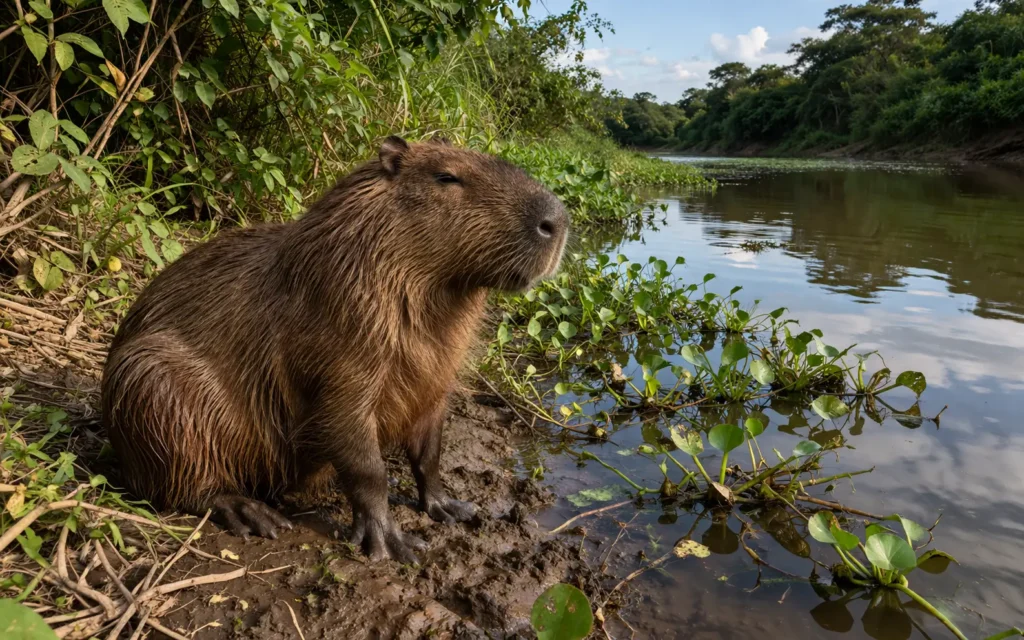
The first time I saw a capybara in person, I was at a small exotic animal sanctuary outside Leeds. A man named Derek had brought one in after two years of ownership, looking quietly defeated. The animal, roughly the size of a Labrador but shaped like a barrel with legs, sat in the corner of my examination area and regarded me with the calm indifference of something that has never needed to impress anyone in its life.
A capybara as a pet is not a fantasy, but it is not a simple thing either. They are the world’s largest rodents, native to South America, and they are genuinely sociable, gentle animals when kept correctly. The problem is that kept correctly requires more space, more company, more water, and more specialist knowledge than most people anticipate when they fall for a photograph on the internet.
What Does a Capybara Actually Need to Live Well?
Water Access
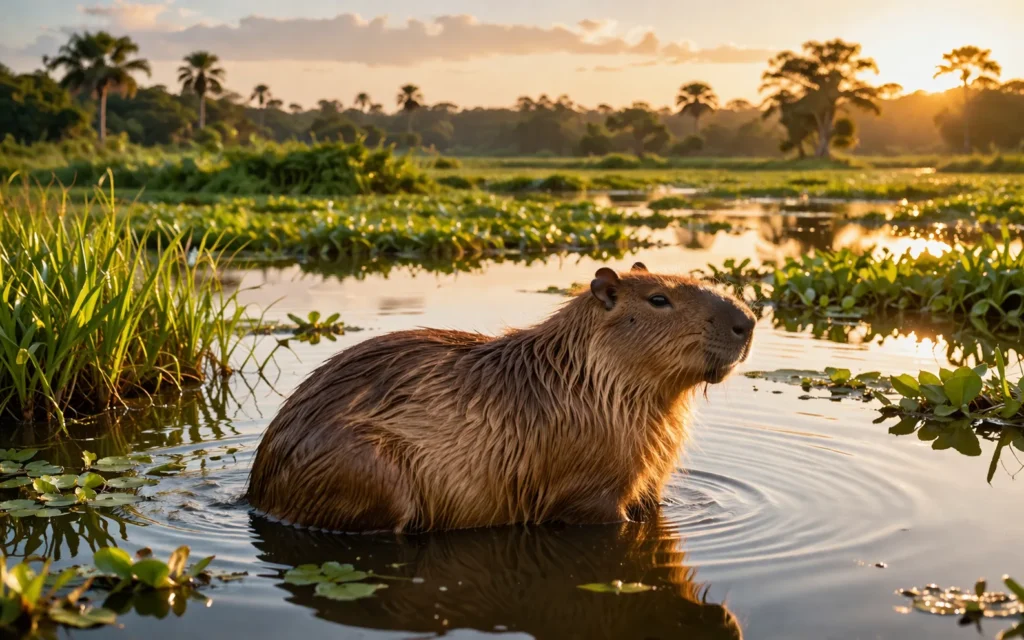
Capybaras are semi-aquatic animals. A capybara without access to deep water, deep enough to fully submerge itself, is a capybara under constant stress. A paddling pool is not sufficient. You need a proper pond or a purpose-built pool at least 1 metre deep with a ramp for easy entry and exit. The water must be changed or filtered regularly to prevent bacterial buildup, which causes serious skin infections.
Space and Grazing
They graze all day like sheep. A minimum outdoor space of 20 square metres per animal is a starting point, though more is always better. The enclosure must have secure fencing at least 1.5 metres high. Derek’s capybara had worked through two fence panels, a garden bench, and a considerable length of hosepipe before he understood the scale of what he had taken on.
Temperature
Capybaras tolerate warmth well but struggle in cold climates. In the UK and northern US states, they need a heated shelter to retreat to when temperatures drop below 10°C. A waterproof, insulated enclosure with bedding is not optional in those climates. It is the difference between a healthy animal and a sick one by January.
Company
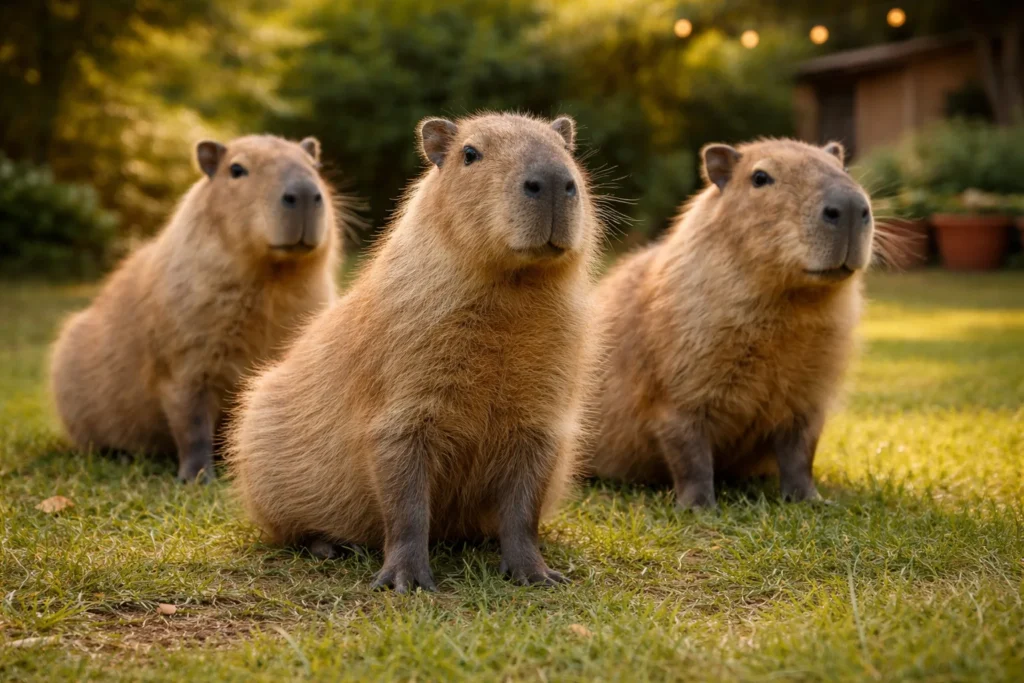
Never keep one alone. Capybaras are herd animals and a solitary one is an unhappy one. You are committing to at least two from the start. That doubles every cost, every challenge, and every square foot of space. If you enjoy reading about animals with similarly demanding social needs, the guide on a zebra as a pet covers the same pattern well.
Daily Care Routine
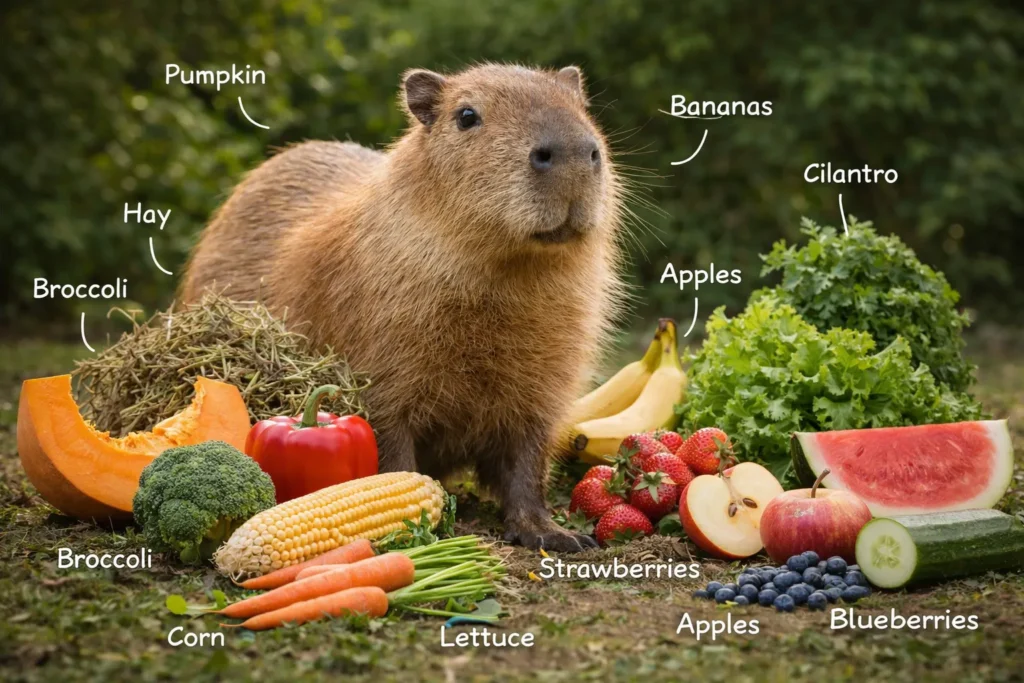
Capybaras need fresh water, fresh hay, and fresh vegetables every single day. Their enclosure needs spot cleaning daily and a full clean weekly. Their skin and coat need checking regularly for parasites, cuts, and fungal issues, all of which are common in animals that spend time in water. This is not a pet you can leave for a long weekend without proper arrangements in place.
Enrichment
They need things to do. Logs to gnaw, objects to investigate, and space to roam. A bored capybara is a destructive capybara. Rotating enrichment items weekly keeps them engaged and reduces stress-related behaviours like repetitive pacing.

Is It Legal to Own a Capybara?
In the United Kingdom
Capybaras are not listed under the Dangerous Wild Animals Act 1976, so no special licence is required to own one in the UK. However, your local council may have its own rules about keeping exotic animals in residential areas. Always check with your local authority before purchasing. Planning permission may also be required if you are building a pool or large outdoor enclosure on your property.
Animal Welfare Act
Even without a licence requirement, you are still bound by the Animal Welfare Act 2006. This means you are legally required to meet all five welfare needs of the animal: a suitable environment, a suitable diet, the ability to exhibit normal behaviour, housing with or apart from other animals as appropriate, and protection from pain, suffering, injury and disease. Failing to meet these is a criminal offence in the UK, regardless of whether a licence is needed.
In the United States
Legality varies significantly by state and sometimes by county. States that currently allow capybara ownership include Texas, Pennsylvania, and New York, among others. States that ban or heavily restrict them include California, Georgia, and Hawaii. Several states sit in a grey area where the law is ambiguous or where permits are required but rarely granted.
Permit Requirements
Even in states that allow capybaras, some counties require an exotic animal permit. These permits often come with inspections of your enclosure, proof of veterinary care, and annual renewal fees. Contact your state’s Department of Fish and Wildlife and your county clerk’s office separately, because they operate independently and one approval does not guarantee the other.
Finding Veterinary Care
Regardless of where you live, find an exotic animal hospital before you bring the animal home. Ring ahead and ask specifically whether they have treated capybaras. A practice that treats rabbits and guinea pigs is not the same as one with genuine exotic mammal experience. Your capybara’s health may one day depend on that distinction.
How Much Does It Cost to Keep a Capybara?
Purchase Price
A capybara from a reputable breeder typically costs between $500 and $1,500 in the United States. In the UK, where they are rarer, prices can be higher and availability is limited. Always buy from a licensed, reputable breeder who can provide health records and evidence of proper early socialisation. Never buy from a source that cannot answer basic questions about the animal’s history.
Setup Costs
This is where most people underestimate badly. A proper outdoor enclosure with secure fencing runs from $500 to $2,000 or more depending on size and materials. A suitable pool or pond, properly constructed and plumbed, costs between $1,000 and $5,000 depending on your setup. A heated indoor shelter for colder months adds further. Budget a minimum of $3,000 to $8,000 for a proper initial setup, and that is before you buy the animal.
Food Costs
Food is modest compared to setup but ongoing. Hay, grasses, and fresh vegetables cost roughly $50 to $100 per month for two animals. They also need a Vitamin C supplement or vitamin-rich vegetables daily since, like humans and guinea pigs, they cannot produce it themselves. A deficiency causes scurvy-like symptoms and progresses quickly if not caught early.
Veterinary Costs
This is the cost that surprises people most. A standard exotic mammal consultation costs between $100 and $200 in the US, more for specialists. Annual health checks, parasite control, and dental monitoring are all necessary. If surgery is ever required, costs can reach several thousand dollars. Pet insurance for exotic animals exists but is limited, so a financial reserve specifically for vet bills is strongly advisable.
Emergency Vet Fund
Before you buy, set aside at least $2,000 as an emergency fund for veterinary care. Capybaras can develop respiratory infections, skin conditions, and dental problems, all of which require prompt specialist treatment. Having that money available before you need it is not pessimism. It is responsible ownership. If you would like to spend time with a capybara before committing to these costs, booking an exotic animal experience at a wildlife sanctuary is a practical and sensible first step.
Annual Running Costs
Once set up, the realistic annual cost of keeping two capybaras, including food, bedding, routine vet care, and enclosure maintenance, sits between $2,000 and $4,000 per year. Higher if health issues arise. This is not a cheap pet. It is, however, a manageable one for someone who has planned honestly and budgeted properly from the beginning.
Are Capybaras Friendly and Can They Bond with Humans?
Their Temperament
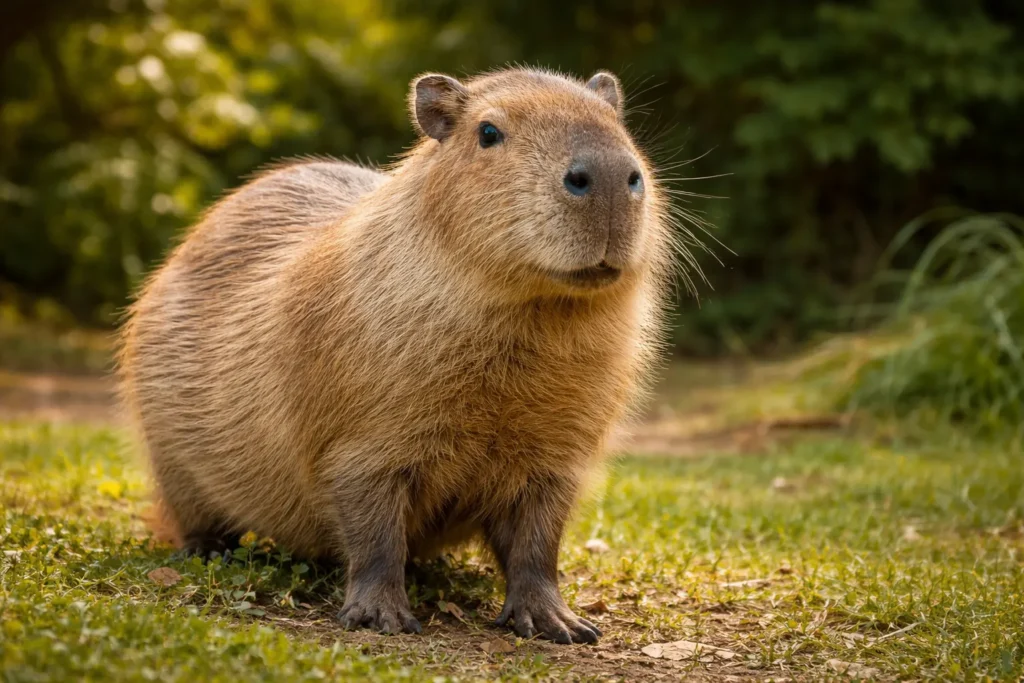
Derek’s capybara, whose name I eventually learned was Bernard, was not aggressive. In two years he had never bitten anyone. He had simply been profoundly indifferent to human company in a way Derek had not anticipated. Capybaras handled gently and consistently from a young age can become genuinely calm and tolerant. They vocalise in soft clicks and purrs when relaxed. But they bond more strongly with their own kind than with people. They are not in the same category as the most loyal animals to their owners when it comes to human attachment.
Are They Right for You?
If you have the outdoor space, the climate, the budget, and access to specialist vet care, a capybara can be a genuinely rewarding animal to keep. If any one of those four things is missing, the animal will suffer for it. Reading about a raccoon as a pet or a beaver as a pet gives a useful sense of what other semi-wild animals actually demand. The most rewarding exotic pets are rarely the most glamorous ones.
Final Thought
Bernard went to a wildlife sanctuary in North Yorkshire. Derek visited twice. Bernard had joined a group of four others and was, by all accounts, entirely himself at last. There is something worth knowing in that ending, if you are honest about what it tells you.