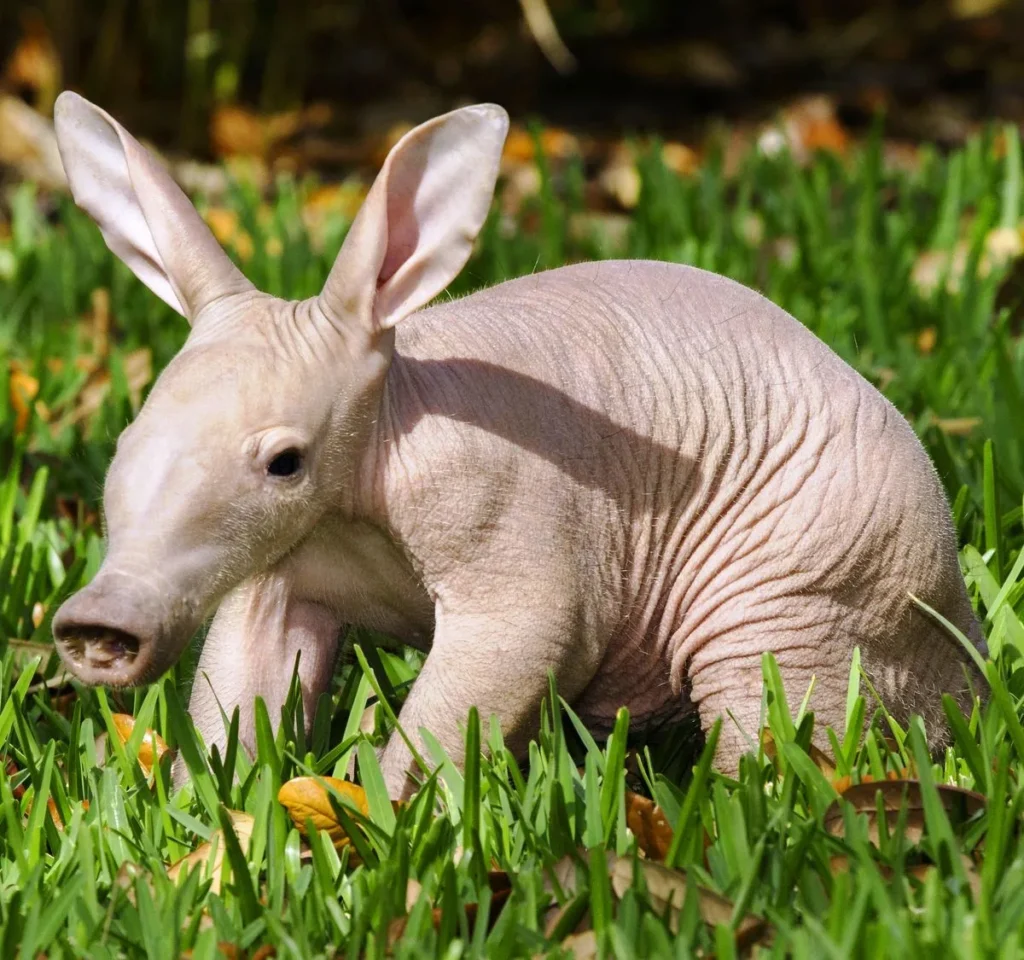
The idea of an Aardvark as a Pet is a strange one, but it’s a question that comes up more often than you’d think. Maybe you’ve seen a video of a baby aardvark and thought it was cute, or maybe you’re just curious about exotic animals. But what would it really take to own one?
The short answer is: it’s practically impossible. While the fantasy is fun, the reality is a wall of legal, financial, and logistical problems. Let’s dig deep into the facts.
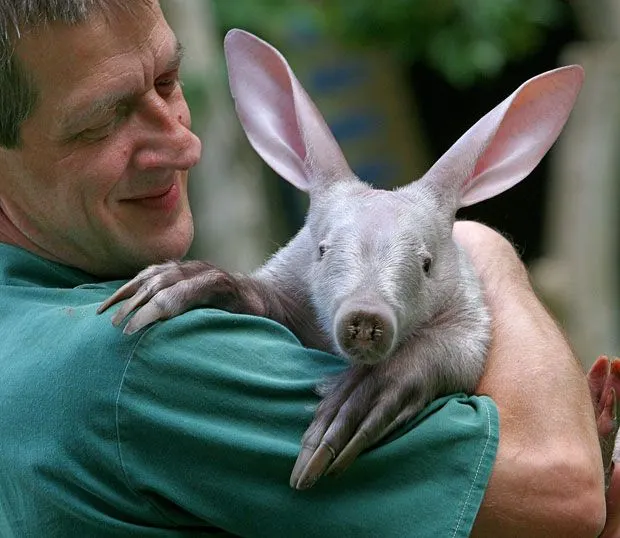
Aardvarks Profile
Origins and Natural Habitat
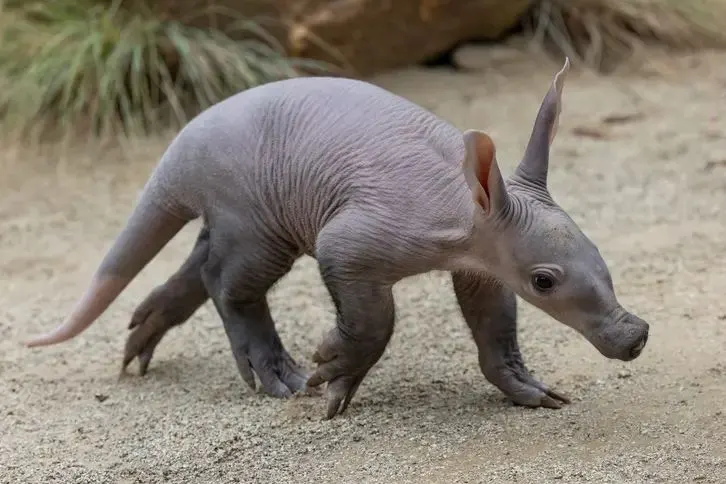
Aardvarks originate from Africa and are found in a range of environments, from savannas and grasslands to arid deserts. They are nocturnal and spend their nights searching for food, using their strong claws to dig burrows. These burrows not only serve as shelter but also provide protection for other animals in the aardvark biome.
Physical Characteristics and Behaviors
Aardvarks are unique mammals with some interesting features:
- Aardvark size: They typically weigh 60-80 kg and grow up to 1.3 meters long.
- Aardvark teeth: Unlike other mammals, they have tubular teeth that continuously grow and lack enamel.
- Elongated snout and long tongue: Their 30 cm tongue helps them collect termites and ants.
- Shy yet solitary nature: Aardvarks tend to be reserved and prefer isolation except during mating season.
Their ability to dig extensive burrows makes them vital for their ecosystem. But, does this mean they make good pets? Let’s explore further.
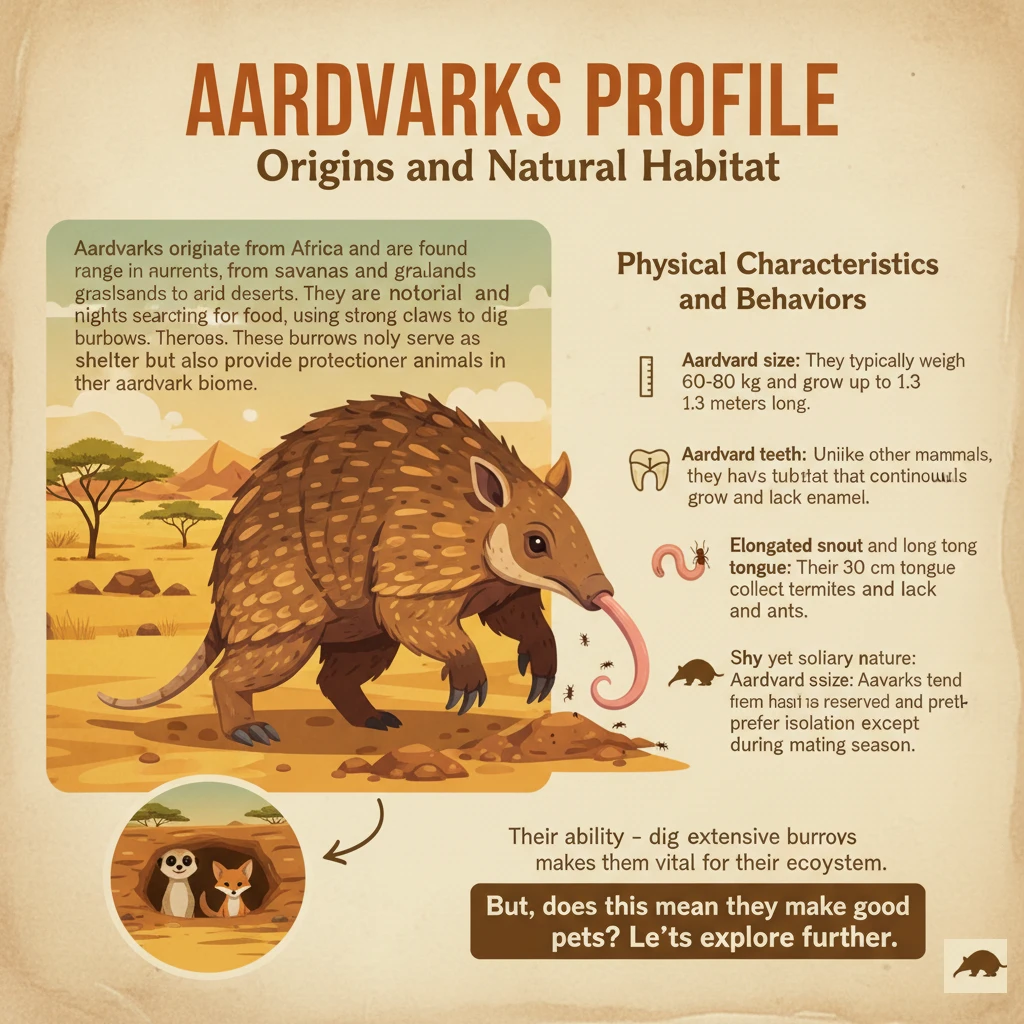
Is It Even Legal to keep Aardvark as a Pet?
Before even considering the animal’s needs, the legal framework for exotic animals must be understood. For an animal like an aardvark, the law is not a hurdle to clear; it is a definitive wall.
International Law (CITES)
The international trade in wildlife is regulated by the Convention on International Trade in Endangered Species of Wild Fauna and Flora, known as CITES.
The aardvark (Orycteropus afer) is listed on CITES Appendix II. This is not a “pet license.” Appendix II is a strict category for species that are not currently threatened with extinction but “may become so without trade controls.”
This listing effectively ends the pet trade before it can begin.
To move an aardvark from its native Africa, an individual would need a series of government-to-government permits, including an export permit from the origin country and an import permit to the destination country. This system is not designed for private individuals; it exists exclusively for legitimate zoological institutions, scientific research, and conservation programs.
The European Union, for example, applies even more stringent protections, placing CITES II species in its own “B” category to enhance regulation.
Federal Law (USA)
In the United States, the federal Animal Welfare Act (AWA), enforced by the USDA, regulates the use of animals for certain purposes. A hopeful owner might assume they could simply get a USDA license. This is a critical misunderstanding of the law. The AWA sets standards for “exhibitors” (zoos), “dealers,” and research facilities. It does not have a category for private pet owners.
In fact, the regulations explicitly state that “Pet animals kept solely for companionship are not regulated” by the AWA. This isn’t a loophole that allows ownership; it’s a void. It shows that, at a federal level, the private ownership of an aardvark is not a recognized or sanctioned activity. The law assumes such an animal is either in the wild or in a professional zoological facility.
State and Local Law
The final, and most definitive, barrier is at the state level. Many U.S. states have “comprehensive bans” on the private ownership of exotic or dangerous animals. These laws group animals like wild cats, large carnivores, and non-human primates together, making them illegal to keep.
While some state laws are vague, others are explicit. The Georgia Department of Natural Resources, for example, keeps a “no” list of wild animals it is illegal to keep. Elephants, rhinoceros, and hippopotamus are all named on that list. So is “Aardvark; all species.”
An aardvark does not find itself on such a list by happenstance. It is in the same category as elephants and rhinos because, as an Afrotherian, it is related. More importantly, it’s there because like them, it is a large animal with immensely demanding care requirements and wild behaviors that make it unmanageable and potentially dangerous in a private home. The law is a direct reflection of the animal’s biology
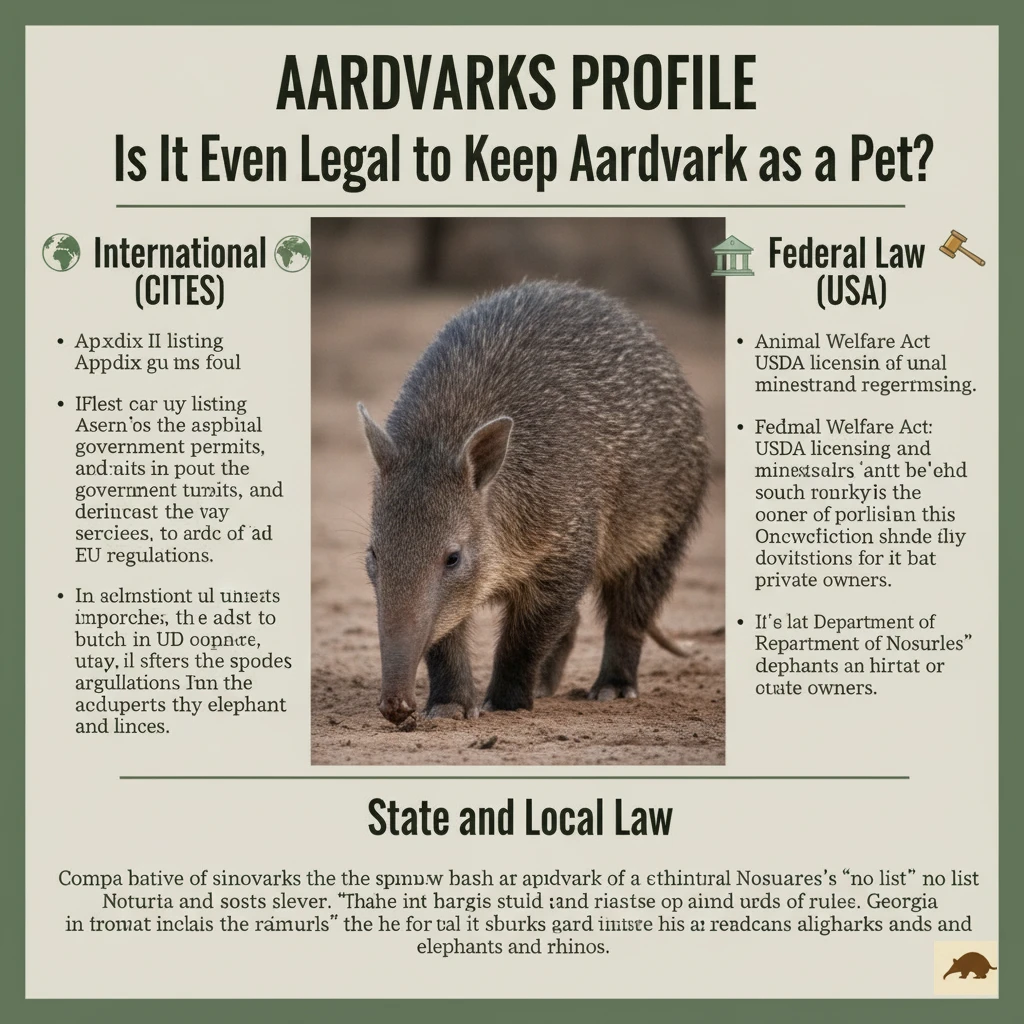
Aardvark as a Pet Care: The Impossible Task
If one were, in some magic manner, to get around the above unbreakable laws, the burden of care is really where the fantasy breaks down. An aardvark is not a pet; it is a full-time, zoological-level infrastructure project. Its entire being is defined by two primary biological facts: it is fossorial-it is an animal that digs-and it is nocturnal-active at night.
The Indomitable Need to Dig
This is the most important single concept to understand: aardvarks are not animals that like to dig; they are animals that are diggers. Their powerful, muscular limbs and massive, spade-like claws are built for one purpose. They are “ecosystem engineers” that reshape their environment.
Their digging speed is astonishing, since an aardvark can move about 2 feet, or around 60 cm, of soil in a record 15 seconds. They dig for everything: to find termite mounds, to escape predators, and to create their homes. These burrows are not simple holes; they are enormous, complex systems which can be “up to 40 ft. in length” or “more than 12 m,” often with multiple entrances.
A private owner may view this digging as a “bad behavior” to be trained out. This is a profound, welfare-destroying error. One study of the aardvarks at the Detroit Zoo used infrared cameras to monitor their behavior. What they found was that when the aardvarks engaged in “investigative behaviors” (such as digging and foraging), their levels of FGMs-a scientific marker for stress-were lower.
Simplified: digging relieves stress. An aardvark which cannot dig is an animal in a continuous state of high stress and poor welfare. This is not a “pet”; it is a biological excavation machine. It has been mentioned that an aardvark burrow can “effectively and rapidly engineer the destruction of a vehicle”. If an aardvark’s digging can disable a 4×4, it will destroy the foundation, drywall, and flooring of a human home in one night.
Building the “Fortress”: The Reality of Housing
Since an aardvark cannot live in a house, it would require a custom-built, professional-grade habitat that meets zoological standards (as set by groups like the AZA and EAZA). This enclosure would need to be massive; based on professional zoo-planning data, a minimum space of 390-450 square meters is required.
This “fortress” would need to be “burrow-proof,” requiring deep concrete or steel footers to prevent escape. It would need to be filled with “deep burrow mounds, sandy soils” to allow for natural digging behavior.
But the single most impossible barrier, hidden in zoological management guides, is humidity. Aardvarks, despite living in arid regions, spend their days in the high humidity of their deep burrows. To prevent their skin from “drying and cracking,” their indoor housing must provide a constant humidity of 50% to 70%. A standard U.S. home has a humidity of 30-50%. Attempting to maintain 70% humidity in a conventional building would cause catastrophic structural failure: toxic black mold, rotting wood, and collapsing drywall.
Therefore, an aardvark requires a separate, sealed, mechanically-controlled building (a “night house”) with its own industrial-grade HVAC system, just to survive without pain.
The “Night Shift” Pet
Aardvarks are strictly nocturnal. They emerge at sunset and forage for kilometers every night. They are also “solitary” creatures. They are described as “a little anti-social” and “only come together for mating”. They are shy, using their long ears to listen for predators, and will flee or defend themselves with their powerful claws if cornered.
The owner is imagining an interactive companion. The reality is a “ghost pet.” The owner will be asleep for 100% of the animal’s active life. The animal will be asleep for 100% of the owner’s active life.
Even professional zookeepers at the Detroit Zoo struggled to know what their aardvarks were doing. They had to install infrared cameras just to observe them. An aardvark does not want social contact; its natural behaviors are to “locomote, rest, forage”. It will spend its entire life either hiding from its owner or sleeping.
The Specialised Medical Crisis
An aardvark can live for over 23 years in captivity. Over those two decades, it will have serious health problems. You cannot take an aardvark to a normal veterinarian. Most “exotic vets” are equipped to handle reptiles, birds, and “small mammals” like rabbits, ferrets, and guinea pigs. They are not equipped to handle a 180-pound (82 kg) Afrotherian with tube-like teeth.
Research on captive aardvarks is clear: dental disease is “by far the most common medical problem”. Other major issues include skin problems from incorrect humidity and digestive issues.
A procedure on “Ali,” an aardvark at the Cincinnati Zoo, illustrates this crisis perfectly. To access her infected teeth, vets had to make an incision in her cheek. The infection had caused nosebleeds, making her anemic. She needed a life-saving blood transfusion. The blood had to be sourced from the Columbus Zoo. This is not a “pet” medical issue. It is a multi-institution, high-risk, specialist zoological procedure. A private owner would be faced with an animal in agonizing pain, with no veterinarian in their state capable of helping, leading to inevitable suffering.
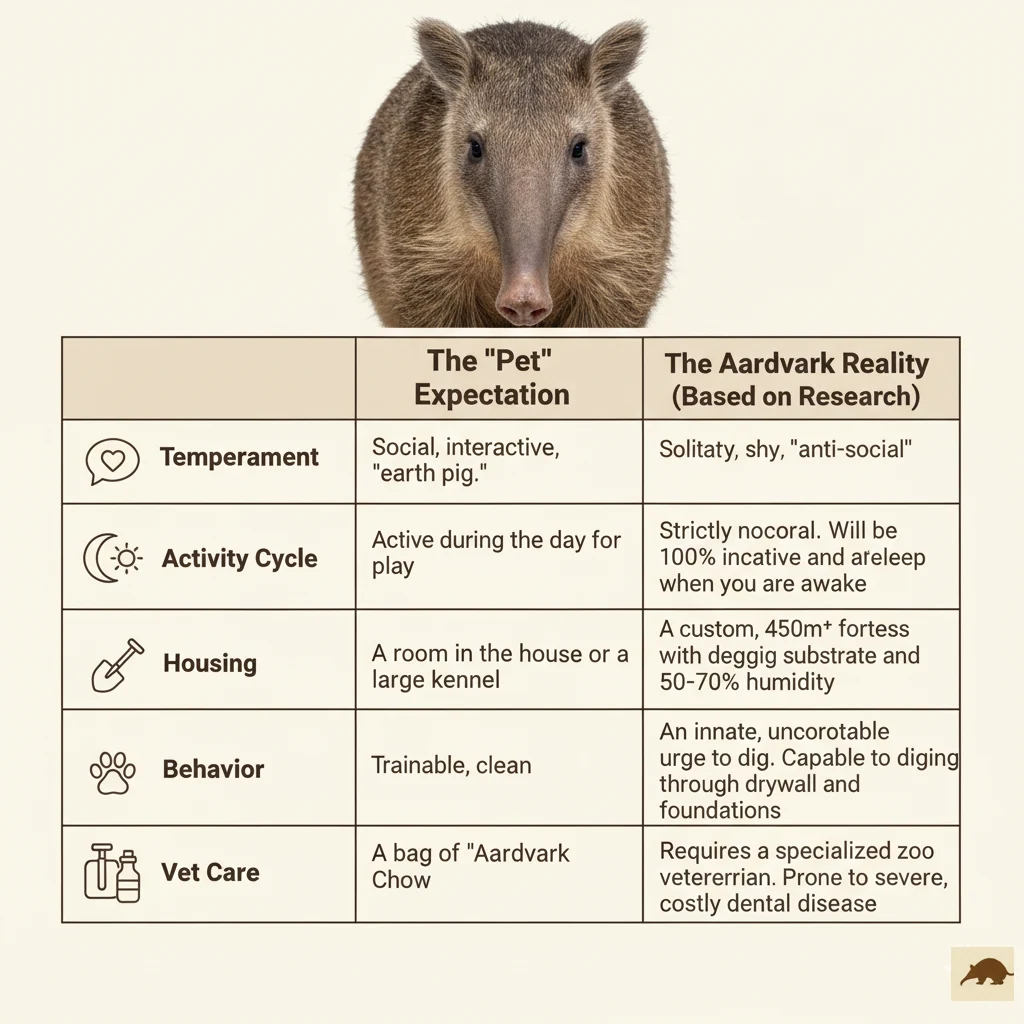
Table 1: Aardvark Pet Ownership: Expectation vs. Reality
| Feature | The “Pet” Expectation | The Aardvark Reality (Based on Research) |
| Temperament | Social, interactive, “earth pig.” | Solitary, shy, “anti-social”. |
| Activity Cycle | Active during the day for play. | Strictly nocturnal. Will be 100% inactive and asleep when you are awake. |
| Housing | A room in the house or a large kennel. | A custom, 450m²+ fortress with deep digging substrate and 50-70% humidity. |
| Behavior | Trainable, clean. | An innate, uncontrollable urge to dig. Capable of digging through drywall and foundations. |
| Diet | A bag of “Aardvark Chow.” | A complex, blended “slurry” of commercial insectivore meal, supplements, and produce. |
| Vet Care | A visit to an exotic pet vet. | Requires a specialized zoo veterinarian. Prone to severe, costly dental disease. |
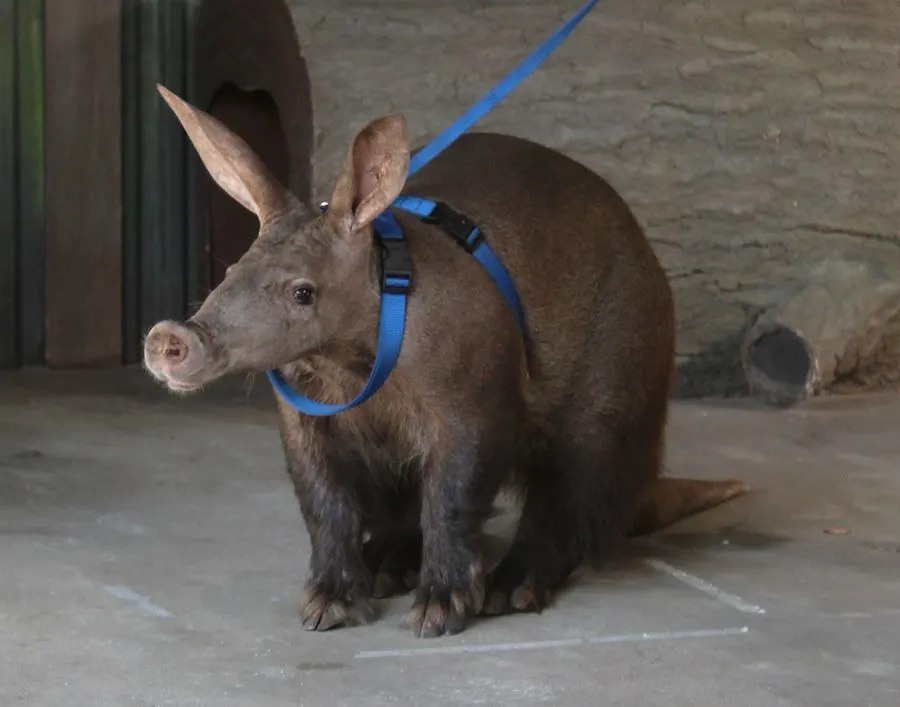
Aardvark Diet: Replicating 50,000 Termites
In the wild, an aardvark’s diet is simple: ants and termites. The scale is not. An aardvark can consume up to 50,000 insects in a single night. They also get most of the moisture they need from their food, meaning they rarely have to drink water. Replicating this is a challenge of nutritional science.
The “Live Insect” Fallacy
A hopeful owner might look at suppliers of live ants or termites. These suppliers exist, but they are for the “ant keeping” hobby or for feeding small reptiles. These are micro-scale operations. An 180-pound (82 kg) mammal that needs 50,000 insects per night would require an industrial-scale insect farm. The logistics and cost of providing 1.5 million insects per month are astronomical and entirely impractical.
The Zoological “Slurry”
So, what do zoos do? They replace the insects with a high-protein, low-carbohydrate “gruel”. The core of this diet is a specialized commercial product, such as Mazuri® Insectivore Diet.
This powder is not a complete, “just add water” meal. It is a base. It is mixed with water to form a “slurry” and is often supplemented with other items like ground meat, high-quality cat food, avocado, or melon.
Even with this, the diet is not a “solved” science. It is a high-level, experimental nutritional project. A report from the Cincinnati Zoo describes how they began milking their lactating aardvark (“Ali”) to send samples to the Smithsonian. The goal? To “create a recipe for synthetic aardvark milk” and “develop an aardvark formula” because the current ones are not perfect. This proves that feeding an aardvark is a task for a team of professional nutritionists. An improper diet, as seen in related animals, leads directly to “malnutrition, poor skin and coat problems, and anemia”—the very health issues that become a crisis later.
Aardvark Price: The Six-Figure “Pet”
This is the most common question, and its answer is the most revealing. What is the “price” of an aardvark?
The “Purchase Price” Myth
An exhaustive search for the purchase price of a pet aardvark yields the following:
- $10,000 “CC” (a video game currency) for a “gold aardvark” in the game Planet Zoo.
- $250.20 – $292.50, also the price in the Planet Zoo game.
- $33.89 – $104.33, the price for antique lithograph prints of aardvarks on Etsy.
- $1,008, the winning bid for a prop aardvark from a movie.
- $3,500 – $8,000, the estimated price for a tamandua (a smaller, different species of anteater).
The fact that there is zero data on a real aardvark “price” is the answer. It confirms everything learned in the “Legality” section. There is no legal, commercial market for pet aardvarks. They are not “for sale.” The only transfers are conservation-based loans between AZA-accredited zoos, not commercial sales.
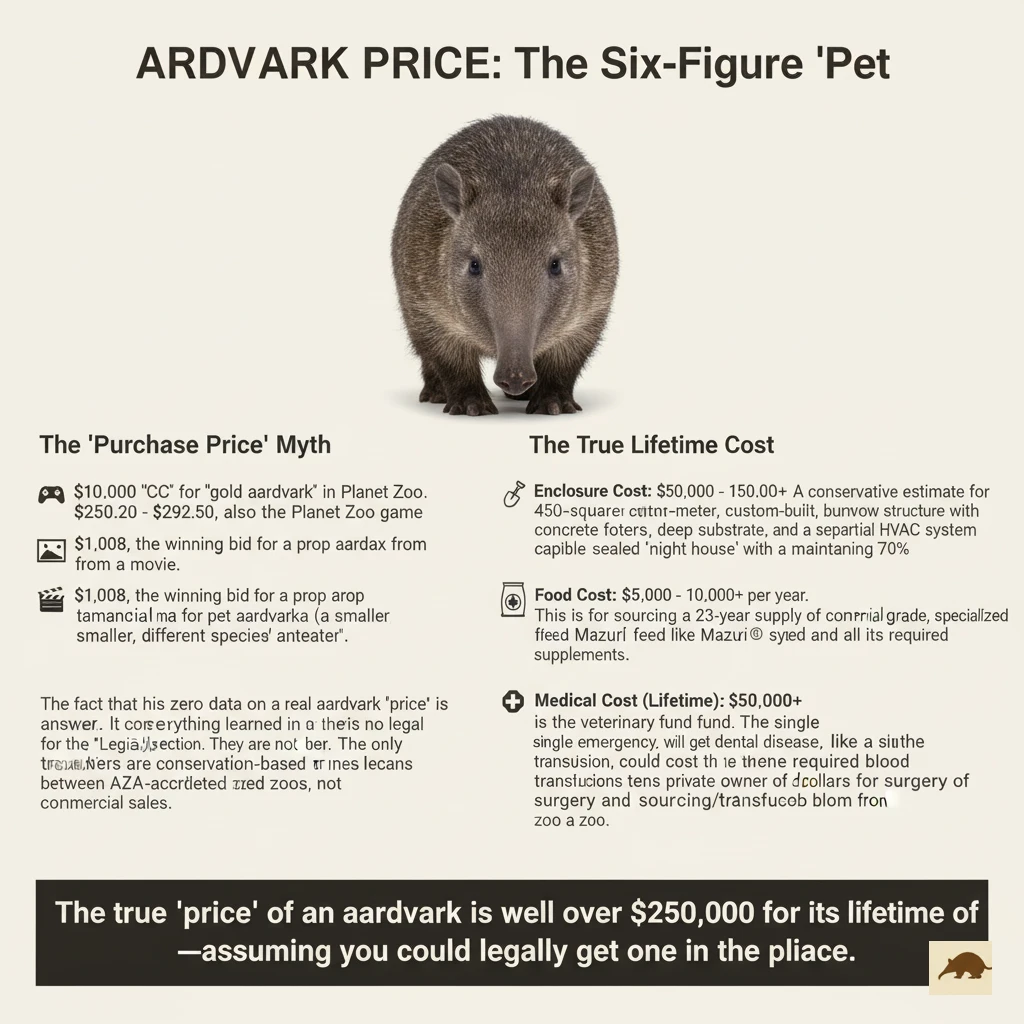
The True Lifetime Cost
The “price” is not the non-existent purchase tag; it is the astronomical lifetime cost of care. Based on the needs identified, we can estimate the true bill:
- Enclosure Cost: $50,000 – $150,000+. This is a conservative estimate for a 450-square-meter, custom-built, burrow-proof structure with concrete footers, deep substrate, and a separate, sealed “night house” with an industrial HVAC system capable of maintaining 70% humidity.
- Food Cost: $5,000 – $10,000+ per year. This is for sourcing a 23-year supply of commercial-grade, specialized feed like Mazuri® and all its required supplements.
- Medical Cost (Lifetime): $10,000 – $50,000+. This is the veterinary fund. The animal will get dental disease. A single emergency, like the one that required a blood transfusion, could cost a private owner tens of thousands of dollars for the surgery and sourcing/transfusing blood from a zoo.
The true “price” of an aardvark is well over $250,000 for its lifetime of care—assuming you could legally get one in the first place.
Comparing Aardvarks with Traditional Pets
Differences From Cats and Dogs
Aardvarks have very different needs compared to traditional pets:
- Diet: Unlike cats and dogs, their food requirements are highly specific.
- Activity levels: They are nocturnal and require digging opportunities.
- Socialization: Unlike dogs and cats, they do not seek human companionship.
- Housing requirements: They need large, outdoor spaces, making them impractical for most homes.
The Pros and Cons of Exotic Pet Ownership
Owning an exotic pet like an aardvark can be rewarding but also highly challenging.
Pros:
- Unique and rare pet experience (What is the rarest pet to own? Aardvarks are among them.)
- Increased awareness and appreciation for wildlife
Cons:
- High costs for food, care, and housing
- Difficult to find exotic pet veterinarians
- Legal and ethical concerns
Personal Stories and Case Studies
Insights From Aardvark Owners
Some owners have shared their experiences with aardvarks as pets:
- A Texas couple found their aardvark digging through furniture at night.
- A Florida owner loved their aardvark’s curious nature but struggled with the care requirements.
Expert Opinions and Wildlife Advocates
Wildlife experts warn against keeping aardvarks as pets:
- National Geographic highlights their specialized diet and environmental needs.
- World Wildlife Fund stresses the ethical concerns of taking aardvarks from the wild.
- Exotic vets caution that most households cannot provide proper care for an aardvark.
Aardvarks are also phenomenally powerful animals. Indeed, their digging muscles are among the most powerfully developed among mammals for their body size. When scared, this strength is used to burrow rapidly, often in seconds, or to break free from restraint. In confined or domestic situations, such behavior could easily lead to damaged enclosures, injuries to handlers, or property destruction.
Caring for an aardvark is not a typical pet experience—it requires commitment and space. If you’re curious about large exotic mammals, explore our post on Zebra as a Pet.
More about Aardvark pet
Are Aardvarks Dangerous to Humans?
Generally speaking, aardvarks never behave in an aggressive way toward humans and are considered to be shy, reclusive animals that live in solitude. In the wild, they avoid contact with people and spend most of their time underground or foraging at night. However, their natural behaviors, size, and physical power may make them potentially dangerous in certain situations, such as in captivity or when threatened.
A full-grown aardvark weighs 130-180 pounds (60–80 kg) and is equipped with large, sharp claws that are perfect for ripping open termite mounds and hard soil. While these are not deadly or meant for fighting, they can inflict serious injury on anyone if the animal feels threatened or under stress. When on the defensive, an aardvark can strike suddenly, swiping or raking at a perceived threat with its forelimbs and claws in fast motions.
Though there have been no recorded cases of aardvarks deliberately attacking humans, the danger arises from misunderstanding their nature. They are wild animals, not socialized companions. Attempts to treat them as pets or manage them in home settings inevitably lead to stress-related aggression or unpredictable reactions.
What Do Aardvarks Eat?
Aardvarks are obsessed with insects, especially ants and termites. They’ve got these strong claws that rip open termite mounds and anthills with no problem. Then, out comes their long, sticky tongue—about a foot long—to scoop up thousands of bugs in one night. Their sense of smell is wild, too. It helps them sniff out termite colonies hidden underground. Most of what they eat is ants and termites, but sometimes they’ll snack on other small invertebrates. And they’ve got a thing for one fruit: the aardvark cucumber (Cucumis humifructus).
The relationship is pretty cool. Aardvarks eat the fruit, digest it, and then bury the seeds in their droppings—which helps new plants grow. So, aardvarks and this cucumber plant actually help each other out. Nature’s got some clever tricks up its sleeve.
Aardvark vs. Anteater
Aardvarks and anteaters might seem like twins at first sight – they both have long snouts, strong claws, and eat ants and termites. But guess what? They aren’t even close relatives. Aardvarks are from Africa and have their own special group called Tubulidentata. Anteaters, on the other hand, chill in Central and South America. They’re part of the Pilosa group, just like sloths.
How can they look so similar with different origins? It’s like when species that aren’t related come up with similar features because they live in similar environments and have similar needs. So, even though they look and eat alike, aardvarks and anteaters are as unrelated as cats and kangaroos.
Are Aardvarks Dangerous?
Aardvarks are not naturally dangerous to humans, but they are powerful wild animals that should never be approached or kept as pets. They are solitary, shy, and nocturnal creatures that avoid conflict whenever possible. However, when threatened or cornered, an aardvark can defend itself using its massive claws and muscular limbs, which are capable of digging through hardened earth — or causing injury if used in defense.
Are Aardvarks and Anteaters Related?
Despite their similar feeding habits, aardvarks and anteaters are not related. Aardvarks belong to a completely different evolutionary lineage. Their closest living relatives are part of a group called the Afrotheria, which includes some of Africa’s most unexpected mammals such as elephants, manatees, hyraxes, and tenrecs.
This surprising connection highlights how unique the aardvark truly is — it’s the only surviving species in its entire order (Tubulidentata). Every other relative in that branch of the evolutionary tree has gone extinct.
What Are Aardvarks Related To?
So, get this: aardvarks are actually related to elephants and manatees! Crazy, right? They don’t look anything alike, but studies of their genes show they share a common ancestor way back in Africa. That puts aardvarks in the Afrotherian group, which is just a bunch of mammals that all started out in Africa a long, long time ago.
Are Aardvarks Endangered?
Right now, aardvarks are listed as Least Concern by the IUCN. So, they’re not endangered, but their numbers are dropping in some places. What’s hurting them? Stuff like their homes getting destroyed, the climate changing, and not enough food – especially termites and ants, because of pesticides.
Since aardvarks are only out at night and really hard to spot, it’s tough to count how many there are. And when there’s a drought, they can’t find enough to eat, and their numbers really drop in those areas.
Are Aardvarks Carnivores?
Aardvarks eat insects, so you could say they’re carnivores because insects are animals. Still, they don’t hunt big animals. Instead, they quietly munch on ants, termites, and sometimes little grubs. They mostly eat soft bugs, which they digest in their strong stomach without much chewing. Their teeth are small and weird, without enamel.
Are Aardvarks Mammals?
Yep, aardvarks are mammals. They’re warm-blooded, have fur, and give birth to live babies that drink milk. Usually, a female has one baby (a cub) after about seven months of pregnancy. The cub stays in the burrow for weeks before going out with its mom at night to find food. Like other mammals, aardvarks have a heart with four chambers, some hair, and mammary glands. They’re a cool mix of mammal stuff and old history, making them one of the most interesting animals around.
Conclusion: An Expert’s View on the “Earth Pig”
The fantasy of a pet aardvark is just that. The reality is that the entire professional and welfare community is aligned against it. The American Veterinary Medical Association (AVMA), the USDA, and the CDC all oppose the private ownership of such exotic animals. As organizations like Born Free USA state, these animals “belong in their natural habitats,” “do not make good companions,” and “suffer due to poor care” when in private hands.
Even for professionals, aardvarks are not simple. At the time of one review, the Association of Zoos and Aquariums (AZA) only housed 33 aardvarks across 20 institutions. This small number shows they are a “specialist” animal, difficult to manage even for the world’s best-funded experts. Zoos are still actively researching their welfare and diet because they remain “understudied”.
An aardvark is not a pet to be “owned.” It is a keystone species. As an “ecosystem engineer”, its abandoned burrows provide “protection from the heat and predators” for dozens of other animals, from porcupines to African wild dogs. The desire to own one is the opposite of conservation. If you are fascinated by this unique, incredible “earth pig,” the best way to show that love is to support the organizations working to protect its African savanna habitat. This ensures the “ecosystem engineer” can continue its vital, solitary, and wild work, just as nature intended.


Pingback: Can You Own a Pet Platypus? - Animal Sound
Pingback: What Do Platypus Eat? - Animal Sound