
Vet Approved Homemade Dog Food Recipes for Kidney Disease represent a personalized and powerful approach to managing Chronic Kidney Disease (CKD) in canines. When formulated correctly, dietary modification is arguably the single most important intervention available, capable of profoundly influencing longevity and quality of life. However, this therapeutic path requires rigorous adherence to specific nutritional metrics, necessitating expert consultation to avoid dangerous nutritional deficiencies. For older pets who also experience age-related dietary changes, you can explore our guide on Homemade Dog Food for Senior Dogs to better understand how nutrition impacts aging canine health.
The Critical Role of Therapeutic Nutrition in Canine Chronic Kidney Disease (CKD)
Defining CKD and the IRIS Staging System
Chronic kidney disease is a common, progressive condition observed frequently in both dogs and cats, with reports suggesting a prevalence between 0.5% and 7% in the canine population, increasing markedly with age. The kidneys are essential organs responsible for filtering waste, regulating blood pressure, and producing vital hormones and red blood cells. When function declines, waste products build up, leading to a toxic metabolic state known as uremia.
To standardize diagnosis and treatment, the International Renal Interest Society (IRIS) developed a staging method (Stage I through Stage IV) based primarily on fasting plasma creatinine concentrations, complemented by substaging based on proteinuria and systemic blood pressure. This staging is essential because the nutritional strategy must be precisely calibrated to the specific stage of disease. For instance, the therapeutic requirements for a dog in early Stage I CKD are vastly different from those for a dog struggling with advanced Stage IV disease.
For some dogs, a specialized homemade low-protein dog food for kidney disease is a critical part of their veterinarian-prescribed care plan.

Scientific Proof: The Efficacy of a Homemade Kidney Diet for Dogs
Nutritional management is recognized by veterinary global nutrition guidelines as a crucial component of therapy for animals with CKD . Numerous studies confirm that specialized dietary therapy significantly prolongs survival time and improves clinical metrics. One landmark study tracking 38 dogs in kidney failure over two years showed that dietary management reduced the risk of dying by an impressive 69% compared to dogs maintained on a regular diet .
The efficacy of a properly formulated homemade kidney diet for dogs lies in its ability to correct metabolic imbalances and slow disease progression. Research has shown that initiating the renal diet early, when blood creatinine levels are stable but between 2.0 and 3.1 mg/dL, can delay the onset of a uremic crisis by an average of five months . Furthermore, clinical data confirms that diets restricted in protein (to a moderate level) and phosphorus effectively reduce elevated serum urea, creatinine, and phosphorus levels, often normalizing these blood chemistry parameters within four weeks in surviving patients. The overarching goal of feeding a specialized diet is to provide enough energy to prevent muscle wasting, minimize electrolyte and acid-base disturbances, improve quality of life by reducing clinical signs (especially in advanced stages), and ultimately slow down the rate of disease progression.
Illustrative Vet Approved Homemade Dog Food Recipes for Kidney Disease
The following recipes are provided to illustrate the ingredient ratios and types of components necessary to create low-P, moderate-protein meal bases.
CRITICAL WARNING: These examples are unbalanced base formulations and must be balanced and reviewed by a board-certified veterinary nutritionist (DACVN) before feeding long-term. You must add the required calcium and other supplements specified in the section above for the meal to be nutritionally complete. These recipes are highly customizable, which is why owners choose home cooked food for dogs with kidney disease, but they are not ready to feed without expert supplementation.
As our companions age, their nutritional needs change, leading many owners to look into homemade dog food recipes for senior dogs.
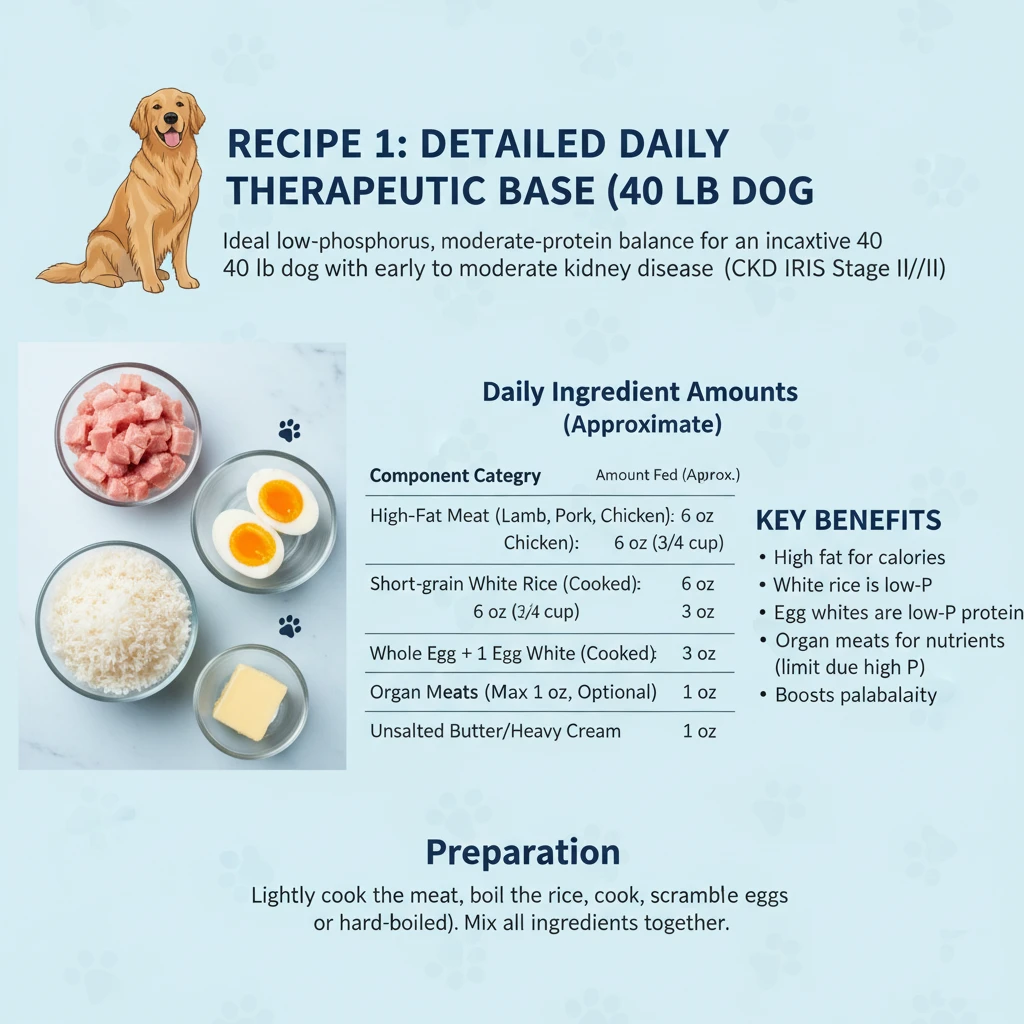
Recipe 1: Detailed Daily Therapeutic Base (40 lb Dog)
This formula illustrates the ideal low-P, moderate-protein balance needed for an inactive 40 lb dog with early to moderate kidney disease (CKD IRIS Stage I/II).
Daily Ingredient Amounts (Approximate)
| Component Category | Ingredient Example | Amount Fed (Approx.) | Notes |
| Controlled Protein Source | High-Fat Lamb, Pork, or Dark Chicken Meat | 6 ounces (3/4 cup) | High fat content provides necessary calories. |
| Low-P Carbohydrate Base | Short-grain White Rice (Cooked) | 6 ounces (3/4 cup) | White rice is low in phosphorus. |
| Supplemental Protein/Nutrients | 1 Whole Egg + 1 Egg White (Cooked) | 3 ounces | Egg whites are a low-P protein source. |
| Organ Meats (Max 1 oz) | Liver/Kidney (Rotation, optional) | 1 ounce | Provides vital nutrients but is high P; must be strictly limited. |
| Fat/Extras (Flavor/Energy) | Unsalted Butter or Heavy Cream | 1 ounce | Boosts palatability and energy density. |
Preparation: Lightly cook the meat (do not overcook), boil the rice, and cook the eggs (scrambled or hard-boiled). Mix all ingredients together. Add water or low-sodium broth to increase moisture. Do not forget the required Calcium Carbonate and Omega-3 supplements when serving.
Ensuring your older pet gets the right nutrients is crucial, which is why finding the best homemade dog food for senior dogs is a top priority.
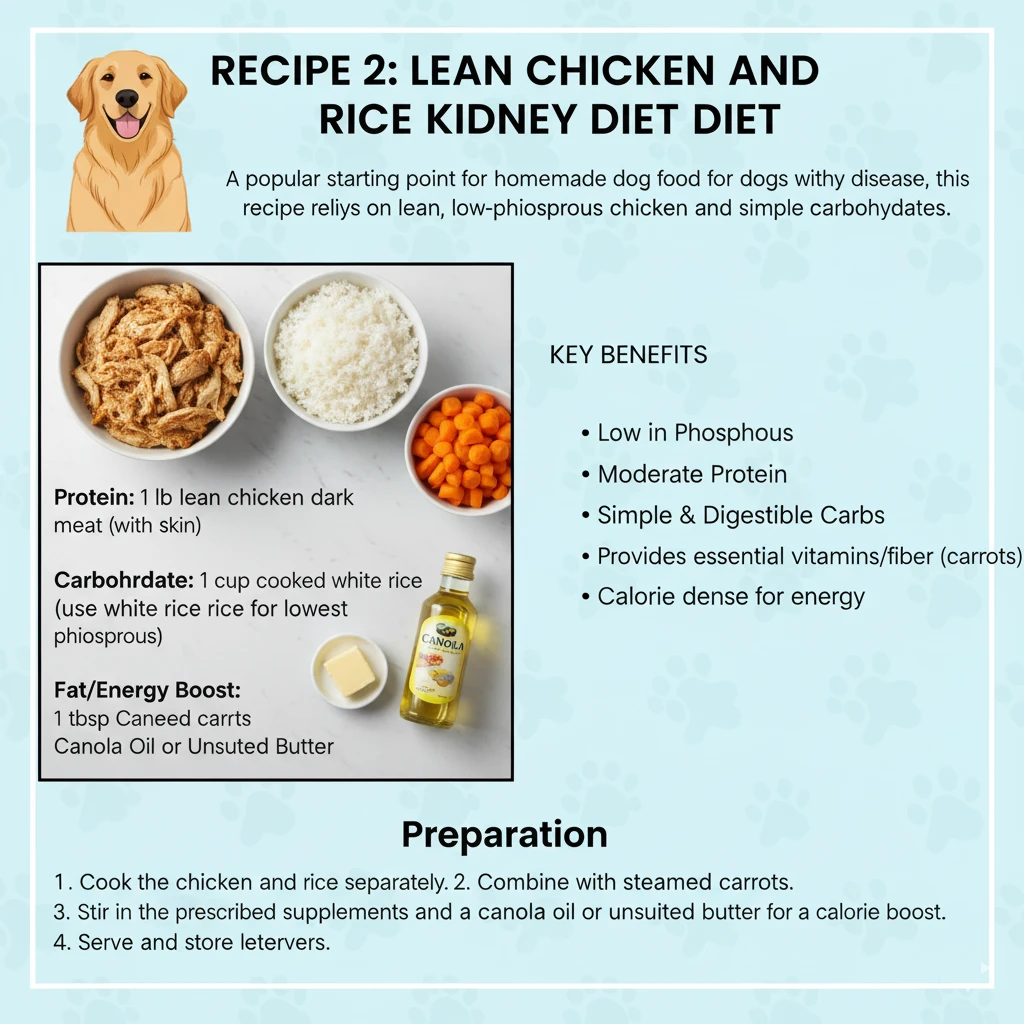
Recipe 2: Lean Chicken and Rice Kidney Diet
A popular starting point for homemade dog food for dogs with kidney disease, this recipe relies on lean, low-phosphorus chicken and simple carbohydrates.
- Protein: 1 lb lean chicken dark meat (with skin)
- Carbohydrate: 1 cup cooked white rice (use white rice for lowest phosphorus)
- Vegetables: 1/2 cup steamed carrots (chopped or puréed)
Preparation: Cook the chicken and rice separately. Combine with carrots. Add the prescribed supplements and a tablespoon of canola oil or unsalted butter for calorie boost.
If your dog is showing signs of digestive distress, it might be time to look for the best dog food for sensitive stomach and diarrhea.
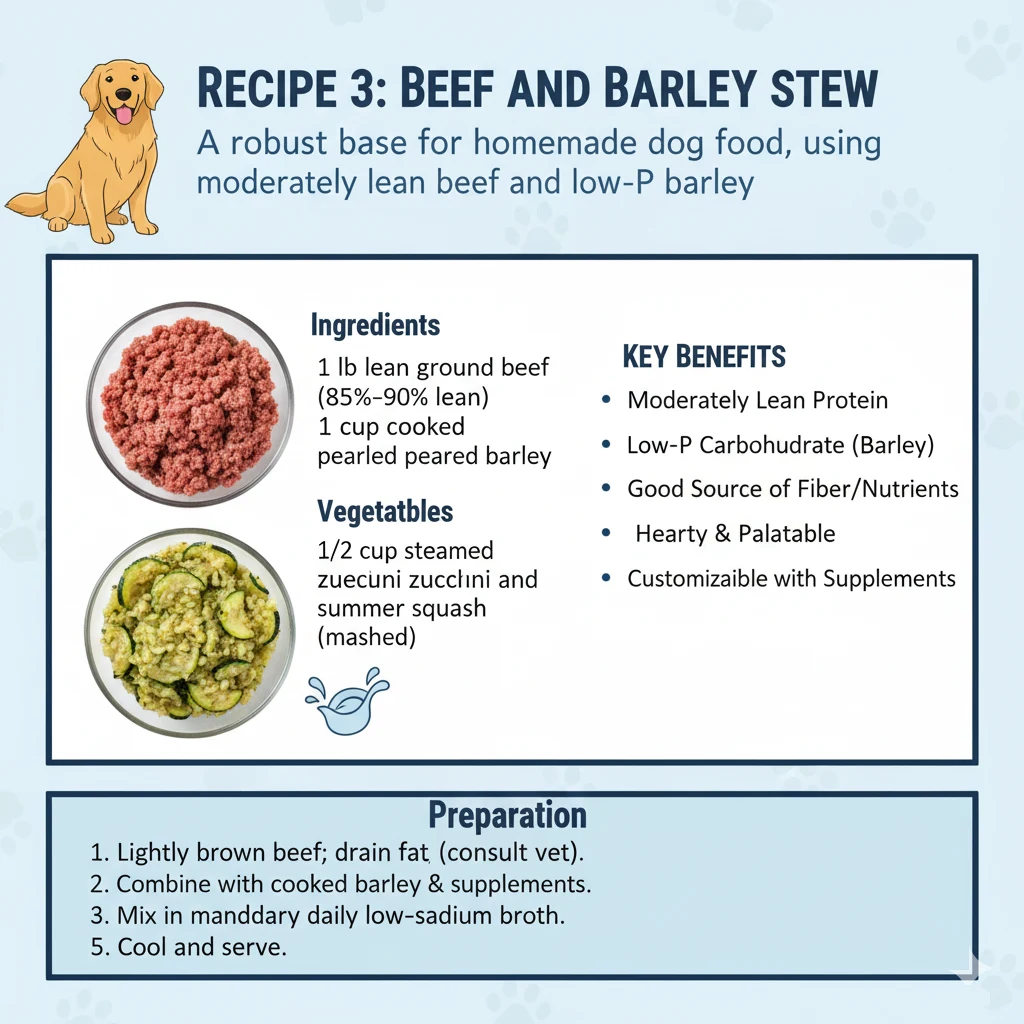
Recipe 3: Beef and Barley Stew
This robust base for recipes for dogs with kidney disease uses moderately lean beef and low-P barley.
- Protein: 1 lb lean ground beef (85%–90% lean)
- Carbohydrate: 1 cup cooked pearled barley (cooked until soft)
- Vegetables: 1/2 cup steamed zucchini and summer squash (mashed)
Preparation: Brown the beef lightly and drain any excess fat (the DACVN may recommend adding this back or supplementing with another fat source). Combine with cooked barley and squash. Mix in the mandatory daily supplements and a splash of low-sodium broth.
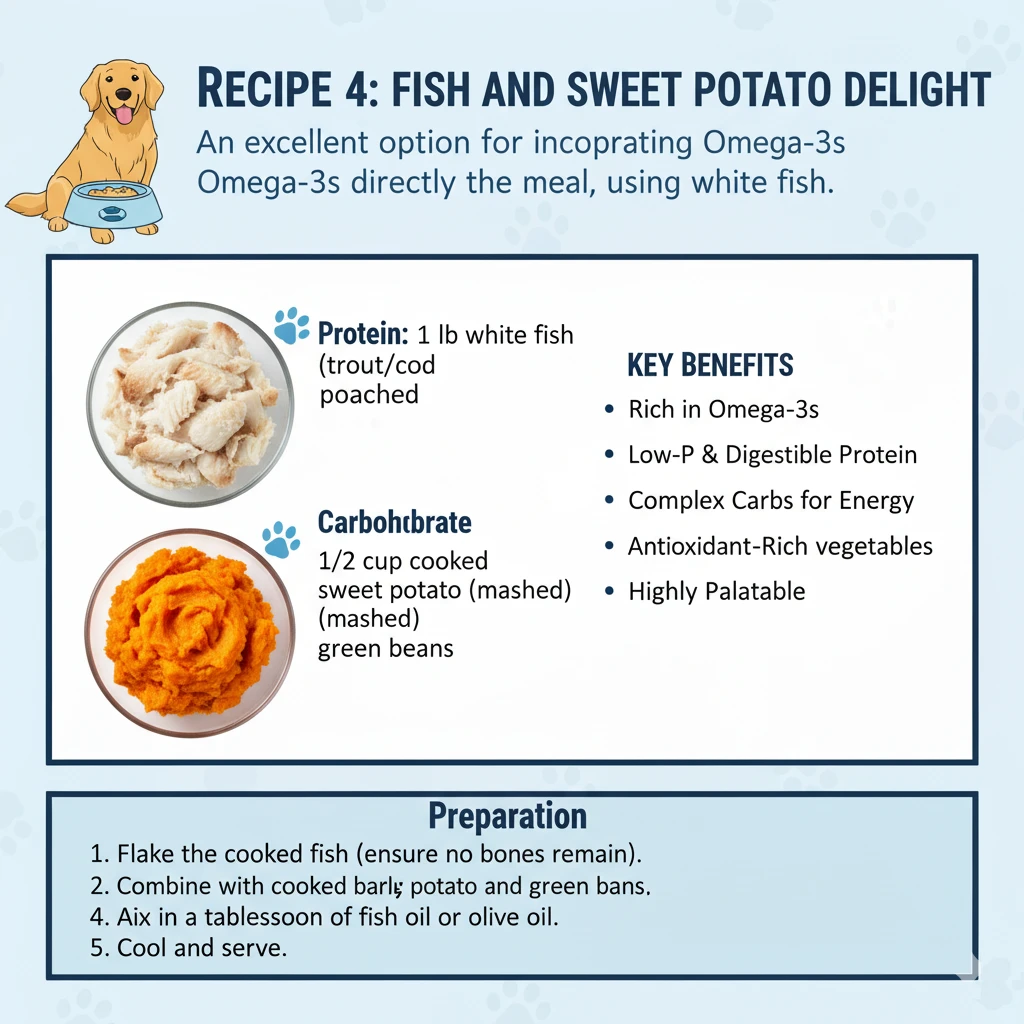
Recipe 4: Fish and Sweet Potato Delight
An excellent option for incorporating Omega-3s directly into the meal, this dog food recipes for kidney disease base uses white fish.
- Protein: 1 lb white fish (trout or cod, baked or poached)
- Carbohydrate: 1 cup cooked sweet potato (mashed)
- Vegetables: 1/2 cup steamed green beans
Preparation: Flake the cooked fish (ensure no bones remain). Combine with mashed sweet potato and green beans. This recipe is naturally higher in Omega-3s, but full supplementation (especially calcium) is still required.
Homemade Treats for Dogs with Kidney Disease
Even dogs on a strict renal diet deserve treats! The key to safe homemade treats for dogs with kidney disease is adhering to low-phosphorus, low-sodium, and low-protein ingredients.
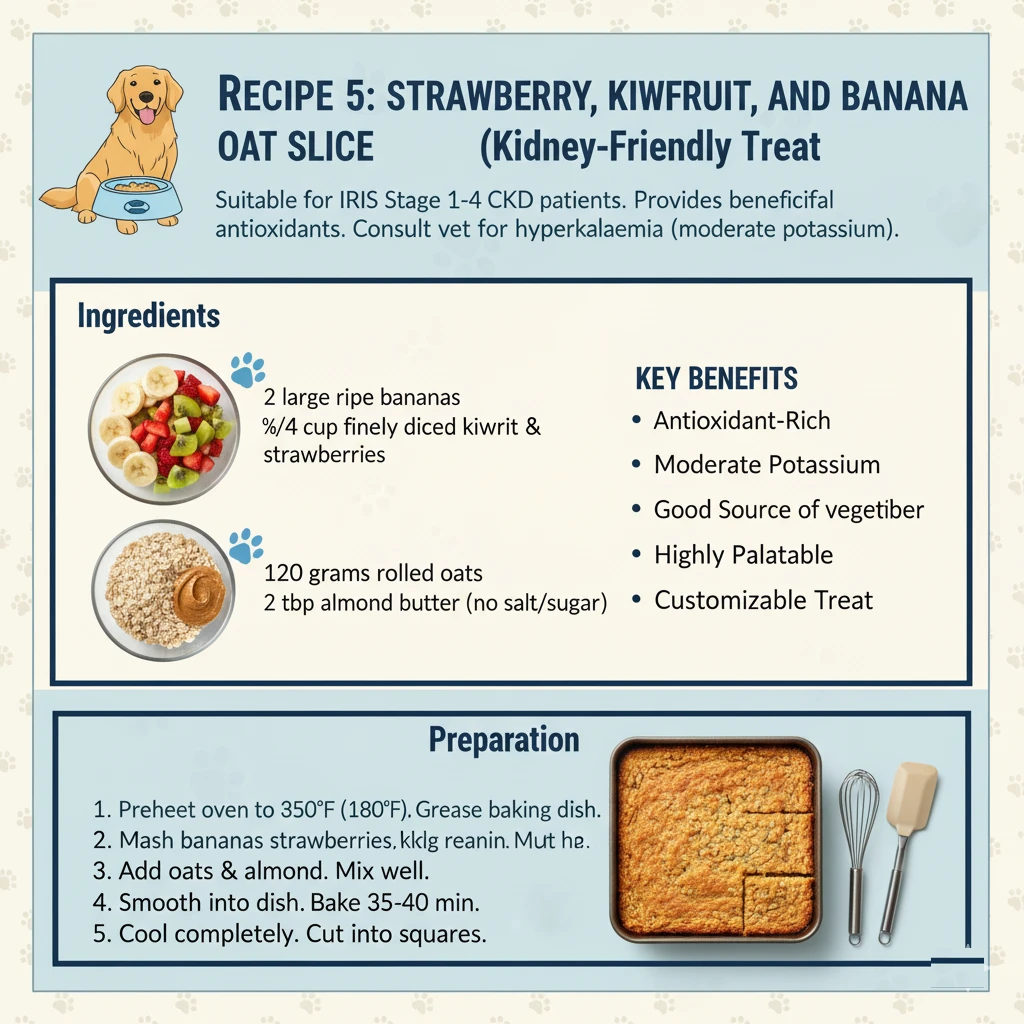
Recipe 5: Strawberry, Kiwifruit, and Banana Oat Slice (Kidney-Friendly Treat)
This treat is suitable for IRIS Stage 1-4 CKD patients and provides beneficial antioxidants. If your dog is hyperkalaemic (high serum potassium), consult your veterinarian before feeding, as this recipe is moderate in potassium.
Ingredients:
- 2 large ripe bananas
- 3/4 cup finely diced kiwifruit and strawberries
- 120 grams rolled oats
- 2 tablespoons almond butter (no added salt or sugar)
Instructions:
- Preheat your oven to 350°F (180°C). Lightly grease a baking dish with unsalted butter.
- Using a fork, mash the bananas, strawberries, and kiwifruit together.
- Add the rolled oats and almond butter, and mix well until combined.
- Smooth the mixture evenly into the baking dish using a spatula.
- Bake for 35–40 minutes, or until the slice is slightly soft and golden brown on top.
- Allow to cool completely, then cut into small, manageable squares before feeding.
Important Notes: Small pieces of plain, unsalted rice cakes or plain cooked egg whites are also safe, low-P options for homemade treats for dogs with kidney disease. If your dog also suffers from digestive sensitivities, our article on the Best Dog Food for Sensitive Stomach and Diarrhea provides useful recipes and diet adjustments to promote gut comfort alongside kidney health.
learn more about balanced nutrition for your dog: Homemade German Shepherd Food
Maximizing Palatability and Managing Appetite Loss
The efficacy of homemade dog food for dogs with kidney disease is dependent upon consumption. Uremic anorexia, characterized by a fluctuating or severely reduced appetite, is a common and serious consequence of advanced CKD.
Strategies to Combat Uremic Anorexia
- Warm the Food: Heating food to approximately body temperature (around 100°F or 38°C) dramatically enhances the aroma and flavor, often making the food more appealing to a nauseous dog.
- Flavor Boosters: Using low-sodium, highly palatable toppings can tempt a dog to eat. Safe flavor enhancers include poultry fat, unsalted butter, clam juice, tuna juice, or low-sodium meat broths. The use of rich fats is often key, providing necessary calories and increasing acceptance.
- Encourage Hydration: Kidney patients are prone to dehydration. Adding small splashes of meat broth, coconut water, or tuna water to their drinking bowl can encourage higher fluid intake, which aids in flushing circulating toxins.
Establishing the Nutritional Blueprint for Dogs with Renal Failure
Nutritional management for canine CKD is not about removing ingredients, but about precise rebalancing. It focuses on four critical goals: controlling phosphorus, regulating protein quality and quantity, maximizing calorie density, and reducing inflammation.
Phosphorus Restriction: The Cornerstone of Renal Diet Therapy
Phosphorus restriction is widely considered the most critical dietary modification for patients with CKD . As kidney function declines, the body loses the ability to excrete phosphorus efficiently, leading to elevated blood phosphorus concentrations (hyperphosphatemia). This imbalance directly drives the progression of the disease and causes secondary hyperparathyroidism.
The scientific evidence supporting phosphorus restriction is compelling. A study involving 24 dogs with induced kidney disease found that those fed a diet with restricted phosphorus had a dramatically higher survival rate (75%) compared to those fed a high-phosphorus diet (33%) over a two-year period . Therefore, any effective therapeutic plan, including homemade dog food for renal failure, must contain phosphorus restricted to clinically therapeutic levels, typically 0.5 to 0.8 grams per 1000 kilocalories of metabolizable energy (ME). It is important to understand, however, that while diet can help normalize phosphorus concentrations in early disease, more progressed stages (IRIS stages III and IV) usually require medication, such as phosphate binders, in addition to strict dietary control .
Protein Management: Quality Over Quantity
The metabolic breakdown of protein produces nitrogenous waste products, or uremic toxins, which must be filtered and excreted by the kidneys. In dogs with impaired renal function, excess protein intake increases the kidney’s workload and exacerbates clinical signs. However, dogs still require adequate protein to prevent muscle wasting (cachexia).
The accepted strategy is moderate protein restriction, such as targeting 35 grams of protein per 1000 kcal ME for non-diabetic CKD patients. Conversely, high protein intake (e.g., 110 g/1000 kcal) has been shown to worsen clinical signs and increase death rates . Achieving phosphorus restriction often necessitates a reduction in overall protein, as the minerals are inherently linked in most food sources . Therefore, the focus must shift to using highly digestible protein sources (high biological value, such as animal proteins) to ensure the dog receives essential amino acids while minimizing the non-essential waste burden on the kidneys.

Energy Density and Palatability
Dogs with CKD, particularly those in later IRIS stages, frequently experience nausea, poor appetite (dysrexia), and muscle wasting. If calorie intake is inadequate, the resulting malnutrition and muscle loss worsen azotemia.
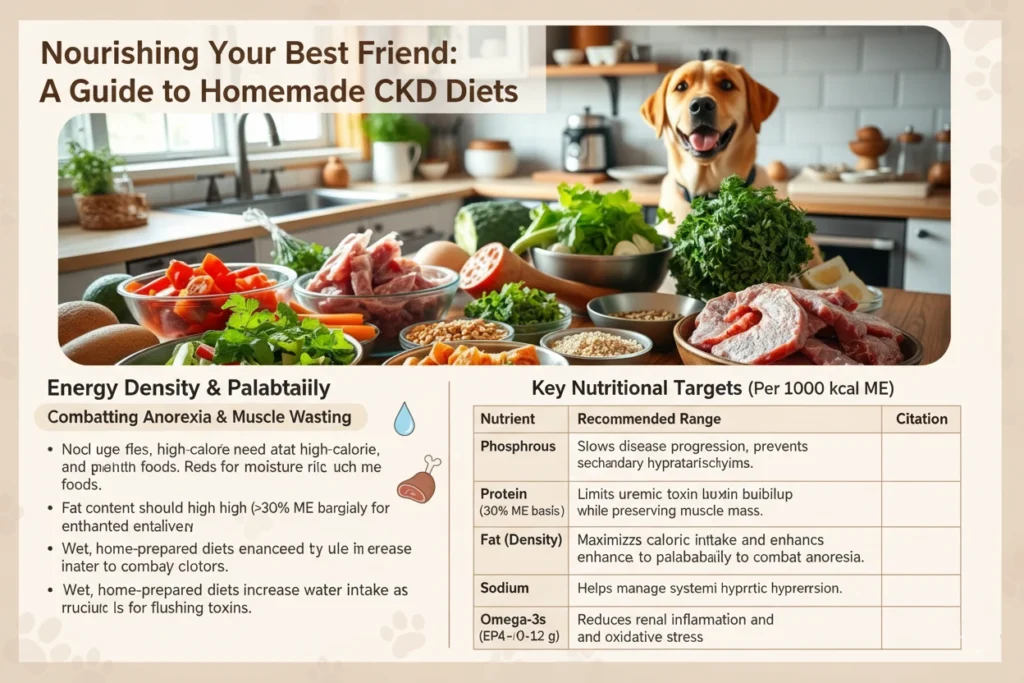
To combat this, therapeutic diets, including home cooked food for dogs with kidney disease, must be highly energy-dense. This is generally achieved by significantly increasing fat content (often >30% fat on a ME basis). Fat provides concentrated calories and, crucially, enhances the palatability of the meal, helping entice dogs with poor appetites. Furthermore, feeding wet or moist diets, such as those that are home-prepared, is highly beneficial as it naturally increases water intake, which is essential for flushing toxins and supporting residual kidney function.
The following table summarizes the key nutritional parameters that any therapeutic diet must meet:
Key Nutritional Targets for Canine CKD Diets (Per 1000 kcal ME)
| Nutrient | Recommended Range (g / 1000 kcal ME) | Primary Function | Citation |
| Phosphorus | 0.5 – 0.8 g | Slows disease progression, prevents secondary hyperparathyroidism. | |
| Protein | 31 – 41 g (Moderate Restriction) | Limits uremic toxin buildup while preserving muscle mass. | |
| Fat (Energy Density) | High Density (>30% ME basis) | Maximizes caloric intake and enhances palatability to combat anorexia. | |
| Sodium | Reduced (0.4 – 1.2 g) | Helps manage systemic hypertension. | |
| Omega-3s (EPA+DHA) | 0.4 – 1.2 g | Reduces renal inflammation and oxidative stress. |
Omega-3 Fatty Acids and Antioxidant Support
Beyond protein and mineral control, incorporating specific fatty acids is necessary for optimal renal health. Omega-3 fatty acids, specifically eicosapentaenoic acid (EPA) and docosahexaenoic acid (DHA), have been shown to help slow the progression of CKD . They exert a reno-protective effect by reducing the production of inflammatory compounds and mitigating oxidative stress within the kidneys . Optimal dog food recipes for kidney disease should aim for high levels of these active Omega-3s (0.4–1.2 g/1000 kcal).
The Customized Approach: Risks and Requirements of Home-Prepared Diets
The Appeal of Homemade Dog Food for Kidney Failure
Many dedicated pet owners turn to home-prepared diets because they offer unparalleled control and customization. Making homemade dog food for kidney failure allows owners to select the quality and source of ingredients, avoid artificial additives, and, most importantly, precisely tailor the nutrient levels (protein, phosphorus, sodium) to the dog’s specific IRIS stage. This precise control is particularly beneficial when managing other concurrent medical conditions or addressing the highly finicky appetites often associated with CKD. Furthermore, therapeutic commercial kidney diets are frequently expensive, leading some owners to explore homemade options as a perceived cost-effective alternative. When well-balanced and personalized by an expert, these diets can lead to significant improvements in the dog’s overall health.
The Critical Danger of Unformulated Recipes
Despite the numerous benefits, the process of formulation for a dog with renal compromise is complex and fraught with risks. Generic, unformulated dog food recipes for dogs with kidney disease found online are frequently nutritionally inadequate, posing significant long-term health hazards. An evaluation of 39 home-prepared CKD recipes for dogs revealed that none of the recipes met all National Research Council (NRC) nutrient recommended allowances for adult animals.
The danger arises when owners attempt to drastically restrict protein and phosphorus without accounting for the subsequent loss of essential micronutrients. Phosphorus is intrinsically linked to protein; therefore, restricting high-P ingredients like meat and organ meat unintentionally removes vital vitamins and minerals. The study found staggering deficiencies in critical nutrients: Choline was deficient in 94.9% of recipes, Selenium in 87.2%, Zinc in 61.5%, and Calcium in 56.4%. Long-term feeding of such unbalanced diets can lead to severe complications, including skeletal issues (due to poor calcium levels) and metabolic dysfunction.
Mandating Expert Oversight
Due to the complexity of meeting essential nutrient minimums while simultaneously enforcing restrictive thresholds for phosphorus, protein, and sodium, the formulation of vet approved homemade dog food recipes for kidney disease must be performed or strictly reviewed by trained veterinary professionals. Generic recipes are simply too variable to meet the clinical needs of individual patients.
The optimal pathway involves consulting a board-certified veterinary nutritionist (DACVN). These specialists utilize computer software and professional knowledge to calculate the precise proportions of ingredients and supplements necessary to balance the diet against the dog’s specific metabolic and disease profile, ensuring that essential vitamins and minerals are replenished while minimizing renal load. This professional oversight transforms a potentially risky DIY attempt into a clinically supported therapeutic intervention.

Formulating Homemade Dog Food for Renal Failure: Ingredient Selection
The core of formulating homemade dog food for dogs with kidney disease involves shifting the caloric ratio away from high-phosphorus protein and toward low-phosphorus carbohydrates and healthy fats.
Prioritizing Low-Phosphorus Protein Sources
Protein sources must be highly digestible and naturally lower in phosphorus.
- Egg Whites: These are an excellent, high-quality protein source that is very low in phosphorus, as the mineral is concentrated primarily in the yolk.
- Lean Poultry and Fish: Cooked lean chicken breast or ground turkey are suitable. White fish (such as cod or trout) is also a good option, often providing natural Omega-3s.
- High-Fat Meats: High-fat ground beef (85% lean/15% fat), lamb, or dark meat chicken/turkey with the skin on are frequently used in homemade dog food for kidney failure. The high fat content provides necessary calories, displacing the need for higher volumes of protein.
Low-Phosphorus Carbohydrates and Starches
Carbohydrates are essential in the renal diet because they are naturally low in phosphorus and serve as the main caloric engine, thus sparing protein from being used for energy.
- White Rice: Short-grain or long-grain white rice is preferred over whole grains due to its significantly lower phosphorus content and easy digestibility.
- Tubers and Squashes: Cooked sweet potatoes, white potatoes, winter squashes (acorn, butternut), and zucchini are excellent low-phosphorus, easily digestible choices.
- Grains and Pasta: Cooked pearled barley and macaroni can also be used as carbohydrate components.
Essential Supplementation: Balancing the Homemade Kidney Diet for Dogs
A homemade kidney diet for dogs is clinically unbalanced unless it includes precise, mandatory supplementation to mitigate nutrient losses caused by restriction and the disease itself.
Correcting the Calcium:Phosphorus Ratio
Achieving the correct calcium:phosphorus (Ca:P) ratio (ideally 1:1 to 2:1) is crucial. Because the home-cooked diet limits high-P ingredients, it must be supplemented with a calcium source that does not also contain high levels of phosphorus.
The required dosage is specific: it is recommended to add 1/2 teaspoon of ground eggshell (or 1,000 mg of plain calcium carbonate) PER POUND OF FOOD FED TO EACH MEAL. This ensures the calcium is present at the necessary point of digestion to bind the phosphorus. Executing these specific dosage instructions is essential for making dog food recipes for dogs with kidney disease therapeutically effective.
Omega-3 Fatty Acids and B-Complex Replenishment
Omega-3 supplementation is mandatory for its anti-inflammatory effects . The preferred source is fish body oil (EPA/DHA), not cod liver oil (due to high Vitamin A and D content). The recommended dose for renal support is precise, often up to 30 mg of combined EPA and DHA per pound of the dog’s body weight daily .
Additionally, B vitamins are water-soluble and are often lost excessively due to the polyuria (increased water turnover) associated with CKD . Supplementing with a B-complex (including methylated forms of B9 and B12) is beneficial, as it supports metabolic processes, promotes energy, and assists blood circulation, which is vital for kidney function .
Mandatory Supplementation Guide for Homemade Renal Diets
| Supplement | Dosing Requirement (40 lb Dog Base) | Preparation/Form | Purpose |
| Calcium (P-Binder) | 1/2 tsp ground eggshell per pound of food fed (approx. 1,000 mg Calcium) | Ground Eggshell, or Calcium Carbonate tablets. Must be mixed with the meal. | Binds Phosphorus in the gut; balances the Ca:P ratio (1:1 to 2:1). |
| Omega-3 Fatty Acids | Up to 30 mg EPA + DHA per pound of body weight daily (approx. 1,200 mg total) | Fish Body Oil (avoid Cod Liver Oil). | Reduces inflammation and slows CKD progression . |
| B-Complex Vitamins | Consult DACVN for dosage | Water-soluble complex (B9, B12, etc.) | Replaces vitamins lost through excessive water turnover (polyuria) . |

For dogs with sensitive skin or allergy concerns, our guide to the Best Dog Food for Pitbulls with Skin Allergies offers helpful insights into anti-inflammatory ingredients that can support skin and coat health during dietary therapy.
Conclusions and Recommendations
The decision to provide a home cooked food for dogs with kidney disease is a compassionate and effective therapeutic choice, supported by a substantial body of evidence showing that specialized diets significantly prolong survival and improve quality of life. The success of this approach hinges entirely on the meticulous execution of restrictive and replacement strategies.
The most critical takeaway is the non-negotiable need for professional formulation. Generic internet recipes for dogs with kidney disease consistently result in severe micronutrient deficiencies, particularly Choline, Zinc, and Calcium, which can jeopardize the patient’s health. Since phosphorus restriction dictates protein restriction, the loss of these vital nutrients must be compensated for with precise supplementation and balancing, a task that requires the expertise of a board-certified veterinary nutritionist.
The implementation of any home cooked food for dogs with kidney disease should always be a collaborative effort. The veterinarian must continuously monitor blood chemistry (creatinine, phosphorus, potassium, calcium) and adjust the dietary formulation based on the patient’s IRIS stage and evolving needs. When properly formulated and continuously monitored, these home-prepared meals offer pet owners the highest degree of control over quality and palatability, making them an indispensable tool in the long-term management of canine CKD