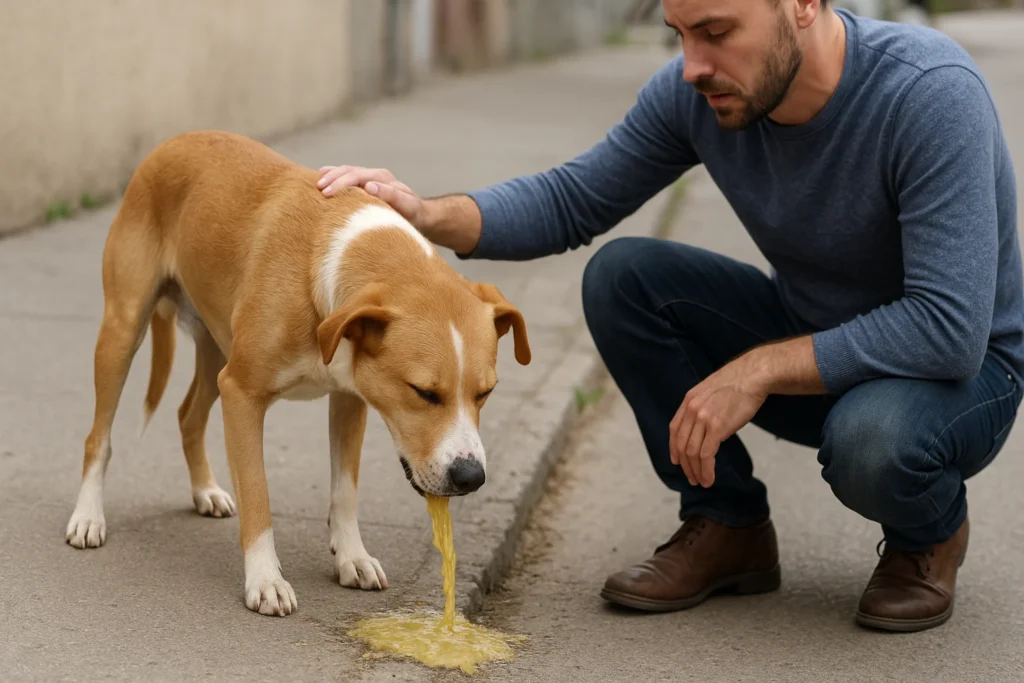
When your dog swallows something dangerous, your first instinct might be to panic. It’s natural—dogs are curious, and sometimes that curiosity leads them to eat things they shouldn’t.
Wondering how do you get a dog to throw up safely? Learn vet-approved methods, when to induce vomiting, and when to call your veterinarian. As a pet parent, knowing how to act quickly could one day save your furry friend’s life. But there’s a lot of misinformation out there, and doing the wrong thing can cause more harm than good.
This guide covers everything you need to know: when to induce vomiting, how do you get a dog to throw up safely, what substances are dangerous, and when you should never attempt it on your own. We’ll also cover prevention strategies, aftercare, and common questions dog owners search for online.
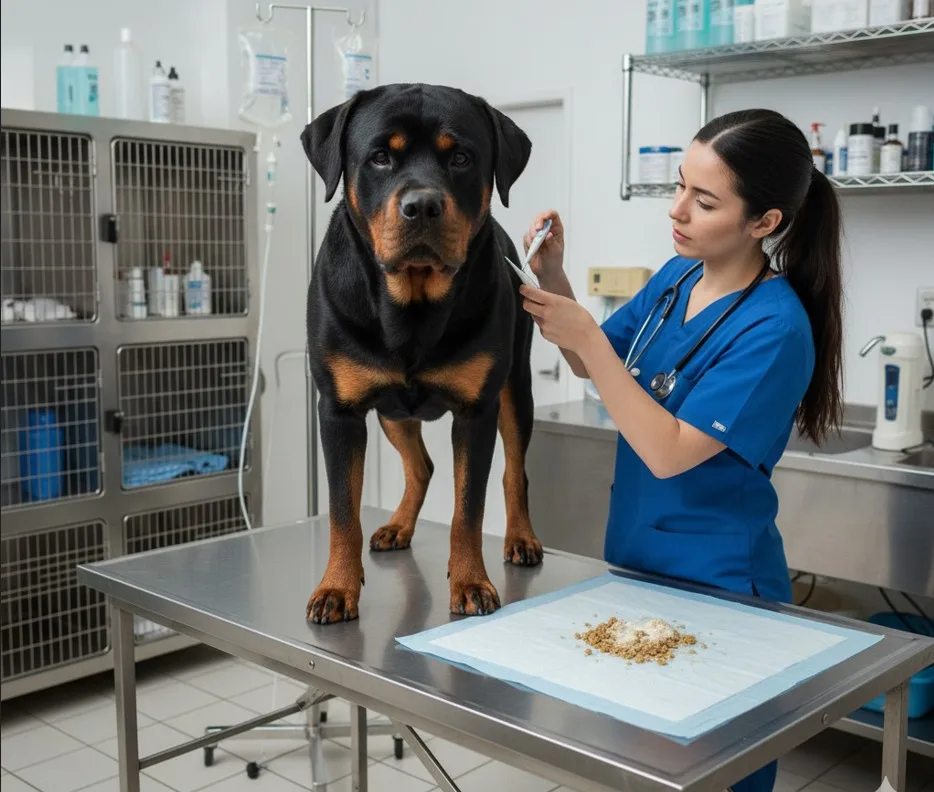
Why Would You Need to Make a Dog Throw Up?
Dogs are notorious scavengers. Even the most well-trained pup might raid the trash, chew on plants, or snatch food from the counter when you’re not looking. Unfortunately, many everyday items are toxic to dogs, such as:
- Chocolate (the darker, the more dangerous).
- Grapes and raisins (can cause kidney failure).
- Onions and garlic (damage red blood cells).
- Xylitol (a sweetener found in sugar-free gum and peanut butter, can be deadly).
- Certain medications (ibuprofen, acetaminophen, antidepressants).
- Household chemicals (cleaning supplies, antifreeze).
If you discover your dog has eaten something toxic, you may wonder: “How do you get a dog to throw up before the poison takes effect?” The logic makes sense—removing the substance quickly could reduce absorption. But it’s not always that simple.
When Inducing Vomiting in Dogs Is Appropriate
Vomiting can help remove harmful substances from your dog’s stomach, but only if done safely and in the right situation. Veterinarians usually recommend induced vomiting when:
- Your dog ate something toxic within the last 30–90 minutes.
- The object is still in the stomach (not passed into the intestines).
- The substance is known to be more dangerous when absorbed than when expelled.
- Your dog is otherwise healthy and not at risk of complications from vomiting.
- If your dog is showing signs of digestive distress, it might be time to look for the best dog food for sensitive stomach and diarrhea.
Example: If your Labrador eats a chocolate bar an hour ago, we advise you to look up ways on how do you get a dog to throw up safely?
When You Should Not Make Your Dog Throw Up
There are several situations where trying to induce vomiting is more harmful than helpful. Never attempt it if:
- Your dog is unconscious, lethargic, or having seizures (risk of aspiration).
- The substance is caustic or corrosive (like bleach, drain cleaner, batteries) — vomiting can burn the esophagus.
- Your dog swallowed a sharp object (like chicken bones or needles) — vomiting could cause internal injury.
- More than 2 hours have passed — the substance may have already moved past the stomach.
- Your dog is a brachycephalic breed (bulldogs, pugs) with breathing risks.
- Your dog is a puppy under 6 months, very small, or has existing health issues.
Important: If you’re not sure, always call your vet or an animal poison control hotline before taking action.
How Do You Get a Dog to Throw Up Safely at Home?
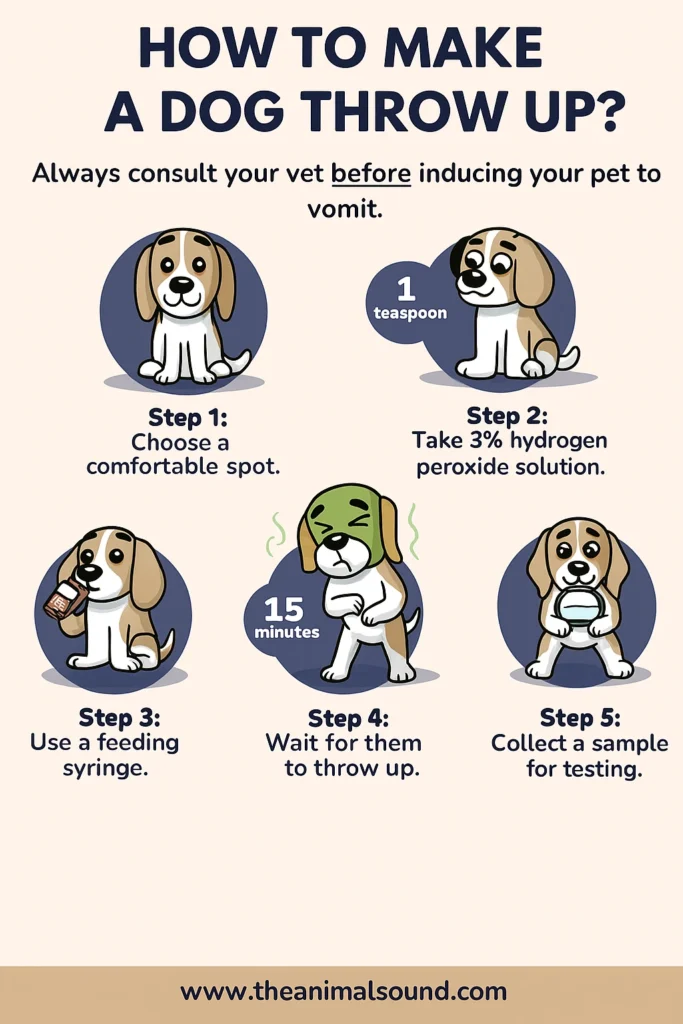
If a veterinarian advises you to induce vomiting, the most common method uses 3% hydrogen peroxide (not the stronger versions used for wounds).
Step-by-Step Guide:
- Confirm with your vet that vomiting is the right option.
- Measure the hydrogen peroxide: 1 teaspoon (5 ml) per 5 pounds of body weight, with a maximum of 3 tablespoons (45 ml).
- Use a syringe or turkey baster to squirt it gently into the dog’s mouth.
- Wait 10–15 minutes. If your dog doesn’t vomit, your vet may instruct you to repeat the dose once.
- Allow your dog to vomit in a safe area, away from other pets.
- Collect a sample of the vomit if possible — the vet may need to identify the substance.
Aftercare:
- Offer small sips of water, but no food until your vet clears it.
- Watch for side effects like diarrhea, bloating, or continued retching.
- Follow up with your vet for further treatment if necessary.
Never use salt, mustard, ipecac syrup, or other “home remedies” found online. These are dangerous and can poison your dog.

What Happens at the Veterinary Clinic?
Sometimes looking for ways on how do you get a dog to throw up at-home isn’t enough. At the clinic, vets may use:
- Apomorphine (a prescription drug) to induce vomiting.
- Activated charcoal to absorb toxins.
- IV fluids to support hydration and kidney function.
- Blood tests to check for organ damage.
This is why calling your vet before acting is so important—they can decide the safest treatment. For some dogs, a specialized homemade low-protein dog food for kidney disease is a critical part of their veterinarian-prescribed care plan.
How Do I Know If My Dog Is Going to Throw Up?
Dogs rarely vomit without warning. If you pay close attention to their body language and behavior, you can usually tell when an episode is coming. Knowing the signs helps you respond quickly—especially if you suspect your dog swallowed something dangerous and are wondering “how do you get a dog to throw up safely?”
1. Early Signs of Nausea
Dogs often show subtle changes before vomiting. Common signs include drooling, excessive licking of the lips, restlessness, and repeated swallowing. Some dogs pace or whine because they feel uncomfortable. Others may try to eat grass, which is believed to help them bring up stomach contents. If you notice these behaviors, prepare for possible vomiting.
2. Physical Preparations to Vomit
As nausea intensifies, you’ll see retching, gagging, or heaving motions. Their abdominal muscles contract visibly, and they may crouch or hunch their back. At this stage, vomiting is usually only moments away. Stay calm, guide your dog to an easy-to-clean area, and keep other pets away.
3. Types of Vomit and What They Mean
- Undigested food: Often harmless if it happens shortly after eating.
- Foamy or yellow bile: Can indicate an empty stomach or mild gastritis.
- Foreign material (toys, fabric, plants): Emergency—seek vet care immediately.
- Blood or coffee-ground appearance: Serious internal problem—call your vet now.
Not every vomit is an emergency, but repeated vomiting, weakness, or concerning contents always require veterinary attention.
4. When Vomiting Is Normal vs. Dangerous
Occasional vomiting can be normal in dogs, especially if they ate too quickly, exercised right after a meal, or nibbled on grass. However, vomiting that’s persistent, violent, or paired with lethargy, diarrhea, or collapse signals something more serious. If you ever find yourself unsure, remember it’s safer to call your vet than to risk waiting.
5. What to Do While Waiting for the Vet
If your dog shows signs of impending vomiting after swallowing a toxin, don’t automatically try to induce it yourself. Call your veterinarian first and ask, “how do you get a dog to throw up safely in this situation?” They’ll consider the type of substance, how long ago it was eaten, and your dog’s health before advising you. Meanwhile, keep your dog calm, prevent access to more food or toxins, and monitor their condition closely.
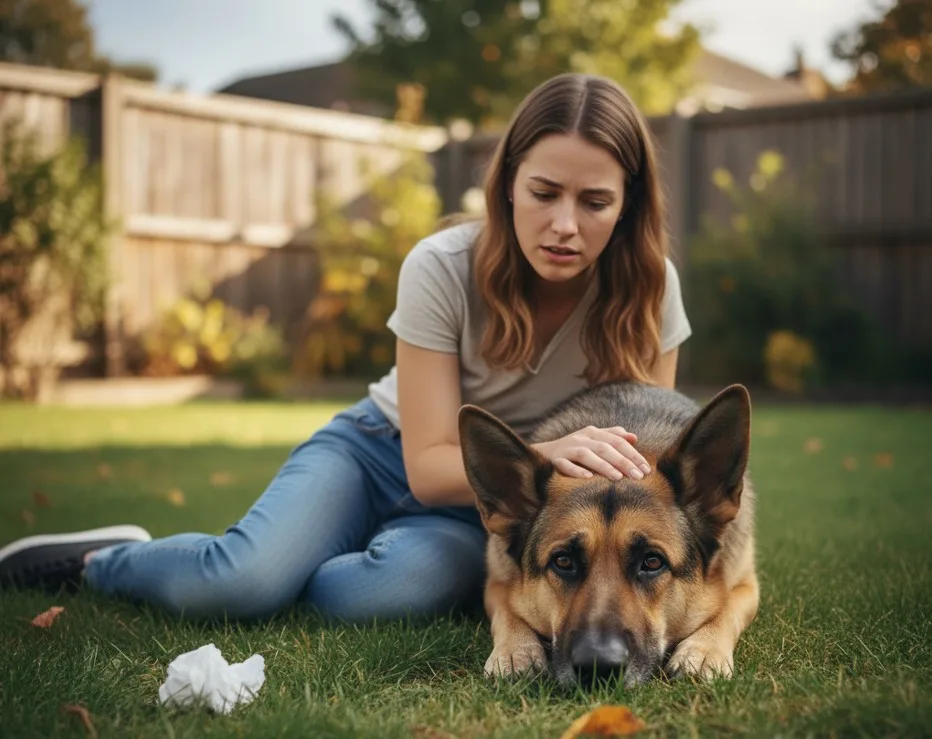
6. Why Recognizing Vomiting Matters
Being able to tell when your dog is about to vomit helps you act quickly. If the situation is minor, you can provide comfort and monitor recovery. If it’s serious, your early recognition could mean the difference between a simple vet visit and a life-threatening emergency.
Ultimately, knowing your dog’s normal behavior is the best tool. Every dog has a baseline personality and habits. When you notice something off—restlessness, unusual drooling, repeated attempts to swallow—it’s worth paying attention. By recognizing these patterns, you’re better prepared for the moments when vomiting signals danger.
How to Prevent Dogs From Eating Dangerous Things
Dogs explore the world with their mouths, which means they’re constantly at risk of chewing, licking, or swallowing things that aren’t safe. Prevention is the smartest way to avoid emergency situations where you’re left asking, “how do you get a dog to throw up?” By setting up your home and training routines carefully, you can dramatically reduce these risks.
1. Dog-Proof Your Home
Just like baby-proofing for a toddler, dog-proofing keeps your curious pup safe. Keep trash cans secured with tight lids or behind closed doors. Store cleaning products, antifreeze, and medications in high cabinets, never on countertops. If you drop a pill or spill food, pick it up immediately—many cases of pet poisoning come from accidents that seem minor to humans.
2. Watch What’s in Your Yard
Many plants are toxic to dogs, such as lilies, azaleas, sago palms, and tulips. If your dog spends time outdoors, inspect your yard and remove dangerous plants. Also check for mushrooms, which can be highly poisonous. A fenced yard helps, but supervision is best, especially for dogs that love to dig or scavenge.
3. Teach “Leave It” and “Drop It” Commands
Training isn’t just for obedience—it can save your dog’s life. The “leave it” command stops them from picking up something harmful, while “drop it” makes them release an object they’ve already grabbed. Practice with safe objects and reward heavily with treats. Over time, this creates an automatic response that protects your dog in emergencies.”As our companions age, their nutritional needs change, leading many owners to look into homemade dog food recipes for senior dogs.”
4. Provide Mental and Physical Stimulation
A bored dog is a mischievous dog. Many dogs eat random objects because they’re under-stimulated. Daily walks, interactive toys, puzzle feeders, and play sessions reduce scavenging behavior. Working breeds and high-energy dogs especially need jobs to keep their minds occupied. If your dog has plenty of stimulation, they’re far less likely to raid the trash or chew unsafe items.
5. Manage Food Temptations
Dogs are opportunistic eaters. To avoid emergencies where you wonder “how do you get a dog to throw up after eating chocolate or grapes,” keep all human food out of reach. Use baby gates to block kitchens during cooking, don’t leave food unattended on tables, and educate family members about what’s toxic to dogs. Remind children not to share snacks, especially candy and gum, which may contain xylitol.
6. Supervise Walks and Outdoor Adventures
During walks, dogs often try to eat discarded food, trash, or even animal feces. Keeping your dog on a short leash in risky areas helps you prevent them from swallowing dangerous items. Carry high-value treats so you can redirect their attention quickly. For dogs that grab things faster than you can react, a basket muzzle may be a safe option for outdoor adventures.
By combining training, environmental management, and daily exercise, you minimize the risk of poisonings and emergencies. Prevention ensures that instead of frantically Googling “how do you get a dog to throw up,” you can enjoy a safe, happy life with your furry companion.

Diet is a cornerstone of managing long-term health, and some conditions may require options like vet-approved homemade dog food recipes for kidney disease.
Frequently Asked Questions
1. How do you get a dog to throw up chocolate?
If your dog ate chocolate within the past hour, your vet may recommend hydrogen peroxide at home. But always call first—different chocolates have different levels of toxicity.
2. Is hydrogen peroxide safe for all dogs?
No. Small dogs, puppies, and certain breeds are at higher risk of side effects. Always consult your vet before using it.
3. Can I use salt to make my dog vomit?
Absolutely not. Salt can cause life-threatening sodium poisoning in dogs.
4. What if my dog swallowed plastic or a toy?
Do not induce vomiting—sharp or large objects could cause damage. Head to the vet immediately.
5. My dog threw up but still seems sick—what now?
Vomiting may not remove everything, and toxins can still be absorbed. A vet check is essential.
6. How do I know if it’s an emergency?
Repeated vomiting, blood in vomit, weakness, collapse, or ingestion of known toxins always warrants an emergency call.
7. Should I make my dog throw up if it ate grass?
No, most dogs eat grass occasionally, and it often passes without issue. Unless the grass was treated with chemicals or your dog shows other symptoms, vomiting usually isn’t necessary. If you’re unsure, call your vet before deciding how do you get a dog to throw up.
8. How long after eating something toxic can you make a dog vomit?
Inducing vomiting is usually only effective within 30–90 minutes after ingestion. After that, the substance may have moved into the intestines, making vomiting ineffective. Always ask your vet how do you get a dog to throw up safely depending on the timing.
9. Can I use baking soda to make my dog vomit?
No. Baking soda can cause dangerous electrolyte imbalances and is not safe for inducing vomiting. The only safe at-home option, and only under veterinary guidance, is 3% hydrogen peroxide.
10. How do I keep my dog calm after vomiting?
After vomiting, dogs may feel unsettled. Keep them in a quiet, comfortable area, offer small sips of water, and withhold food for several hours unless your vet advises otherwise. If your dog vomited due to poisoning, ask your vet not just how do you get a dog to throw up, but also what aftercare steps are necessary.
11. Is vomiting always the best solution if a dog eats something bad?
Not always. Some toxins (like bleach, sharp objects, or corrosives) can cause more harm if vomited up. That’s why the safest step is to call your vet or poison control before deciding how do you get a dog to throw up.
Final Thoughts
Knowing how do you get a dog to throw up is a valuable skill, but it’s not something to attempt lightly. Inducing vomiting can save your dog’s life in the right situation, but done incorrectly, it can make things worse. Always:
- Call your vet first.
- Use only 3% hydrogen peroxide when advised.
- Never attempt dangerous “home remedies.”
- Follow up with professional care.
- Ensuring your older pet gets the right nutrients is crucial, which is why finding the best homemade dog food for senior dogs is a top priority.
As a pet parent, prevention is your strongest tool. Keep toxins away, train your dog well, and create a safe environment. That way, you’ll spend less time worrying about emergencies and more time enjoying your dog’s happy, healthy life.

Conclusion
As a loving pet parent, your dog’s safety is always your top priority. Understanding how do you get a dog to throw up can be lifesaving in certain emergencies, but it’s not something to do casually or without guidance. Inducing vomiting is only safe in specific situations, and always under the direction of a veterinarian.
Instead of panicking and searching online for how do you get a dog to throw up, remember that the best first step is to call your vet or an animal poison control hotline. They will tell you if vomiting is appropriate, how to do it safely, or if other treatments are needed.
Ultimately, the smartest approach is prevention—keeping harmful foods and substances out of reach, training your dog to avoid scavenging, and monitoring their behavior closely. That way, you’ll never have to urgently wonder how do you get a dog to throw up in the first place.
By staying informed, prepared, and proactive, you can protect your dog from danger and ensure they live a happy, healthy, and safe life by your side.