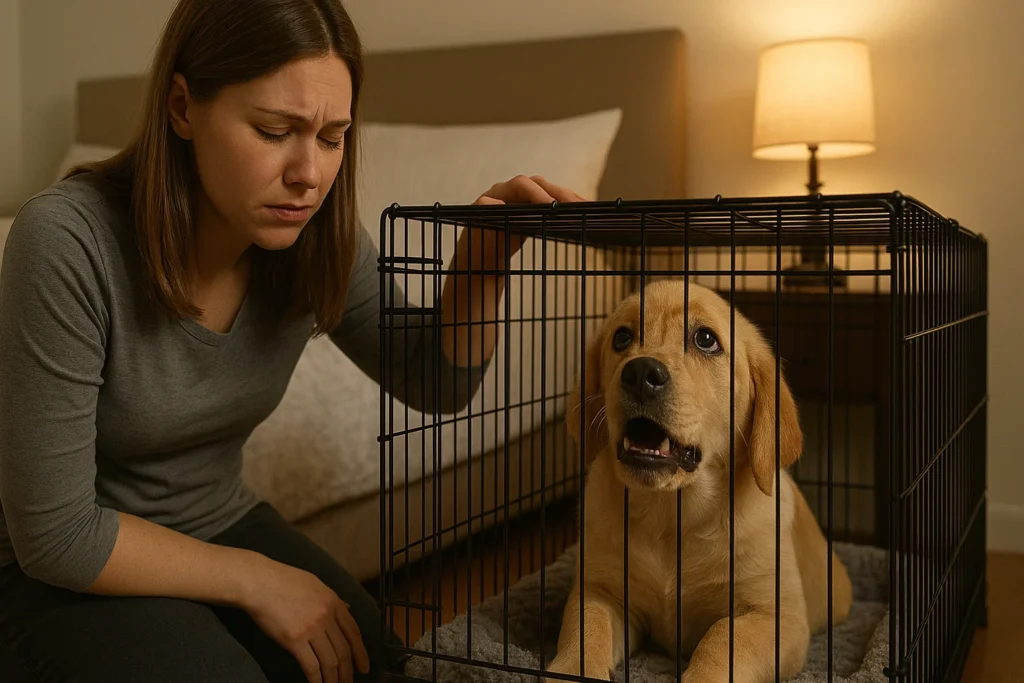
Tired of sleepless nights spent listening to your new puppy’s incessant whining from their crate? You’re not alone. This guide is your ultimate roadmap to understanding why your furry friend is crying and, more importantly, implementing effective, compassionate solutions to ensure peaceful nights for both of you.

Bringing a new puppy home is a joyous occasion, but it often comes with the challenging phase of crate training, especially at night. Puppy whining in the crate is incredibly common, and while it’s distressing to hear, it’s their primary way of communicating. By understanding the underlying reasons for their vocalizations and applying consistent, positive reinforcement strategies, you can transform nighttime cries into quiet slumber.
Why Your Puppy Whines in the Crate
Before you can solve the problem, you need to understand its root cause. Puppy whining is rarely “naughty” behavior; it’s a form of communication.
- Physiological Needs: This is often the most urgent and common reason.
- Potty Break: Puppies, especially young ones, have small bladders and simply cannot hold it all night. They might whine because they desperately need to relieve themselves.
- Hunger or Thirst: While less common than potty needs, a puppy might be genuinely hungry or thirsty, particularly if they haven’t had adequate food or water before bedtime.
- Temperature: The crate might be too hot or too cold. Puppies are sensitive to extreme temperatures.
- Emotional Needs:
- Loneliness/Separation Anxiety: Your puppy has just left their littermates and mother. Being alone in a new, confined space can trigger feelings of insecurity and loneliness, leading to crying for comfort.
- Fear/Insecurity: The crate itself, or the new environment, can feel intimidating and unfamiliar. Whining can be a sign of fear or general discomfort.
- Attention Seeking: Puppies are smart. If they learn that whining gets them attention (even negative attention, like you coming to scold them), they will continue the behavior.
- Boredom/Under-stimulation: A puppy with too much pent-up energy, either physical or mental, might whine out of sheer boredom or frustration.
- Discomfort or Pain:
- Crate Size/Comfort: Is the crate too big, allowing them to soil one end and sleep in the other? Is it too small, making them feel cramped? Is the bedding comfortable and safe?
- Health Issue: In rare cases, persistent whining, especially if accompanied by other symptoms like lethargy, vomiting, or loss of appetite, could indicate a health problem. Always consult your veterinarian if you suspect this.

Pre-Bedtime Preparations: Setting Your Puppy Up for Success
Prevention is always better than a cure. A solid pre-bedtime routine and a comfortable crate setup can drastically reduce nighttime whining.
- Establish a Consistent Nighttime Routine: Dogs thrive on routine. About 1-2 hours before bedtime, engage in a predictable sequence:
- Playtime & Exercise: A tired puppy is a quiet puppy. Engage in active play sessions (appropriate for their age and breed) to burn off physical energy.
- Mental Stimulation: Don’t forget mental exercise! Puzzle toys, short training sessions, or scent games can tire their brains, which is just as important as physical exertion.
- Last Potty Break: This is absolutely critical. Take your puppy out right before you put them in their crate for the night. Wait until they’ve successfully gone.
- Calm-Down Period: After play and potty, allow for a quiet, calm period before crating. This could involve gentle petting or quiet time in your lap.
- Optimal Feeding Schedule: Ensure your puppy has eaten a few hours before bedtime, allowing ample time for digestion and a final potty trip. Avoid feeding or giving large amounts of water immediately before crating.
- The Perfect Crate Setup: The crate should be a safe, comfortable den.
- Correct Size: The crate should be just large enough for your puppy to stand up, turn around, and lie down comfortably. If it’s too big, they might use one end as a “bathroom.” Consider a divider if your puppy is still growing.
- Comfortable Bedding: Provide soft, clean, and safe bedding. Ensure it’s not something they will chew apart or ingest. An old t-shirt with your scent can offer comfort.
- Den-like Environment: Covering the crate with a light, breathable blanket can create a secure, den-like feeling, reducing visual stimulation that might encourage whining. Ensure good airflow.
- Location, Location, Location: For the first few nights, place the crate in your bedroom or a nearby area where your puppy can hear and smell you. This provides reassurance. You can gradually move it to its permanent location over time if desired.
- Comfort Items: A safe, durable chew toy or a KONG filled with frozen peanut butter can provide a positive distraction and help them settle.
During the Night: Responding to Whining Effectively
This is where consistency and the ability to differentiate cries become crucial.
- The “Potty Break First” Rule:
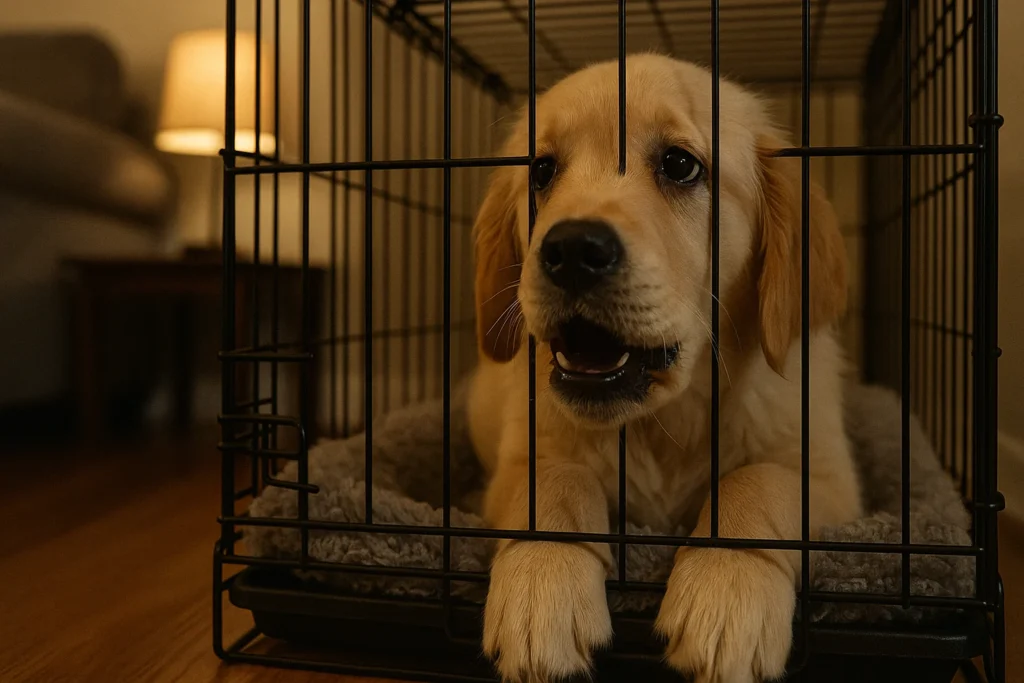
- Distinguish Cries: Learn the difference between an urgent “I need to go!” cry (often more frantic, persistent, and specific) and an “I want attention!” whine (which might be more sporadic or less intense). Very young puppies (under 4-5 months) are more likely to need legitimate potty breaks.
- Nighttime Potty Protocol: If you suspect a potty need, respond calmly and quickly. Do not make it playtime. Leash them, take them directly outside to their designated potty spot. Praise them quietly when they go. Immediately return them to the crate without fuss, interaction, or treats. The goal is to make nighttime potty breaks as boring as possible.
- The “Ignore or Respond?” Dilemma (The Trust Factor):
- When to Ignore: If you are certain your puppy’s physiological needs (potty, hunger, thirst, comfort) have been met, and you suspect the whining is for attention, it’s often best to ignore it. Responding to attention-seeking whining teaches them that crying gets a reaction. This can be agonizing, but it’s vital for long-term success. Wait for a brief pause in the crying before acknowledging them, even with a soft “good quiet.”
- When Not to Ignore: Never ignore a cry that sounds genuinely distressed, in pain, or is accompanied by signs of illness. Also, always respond to a young puppy’s potential potty needs.
- Proximity and Gradual Distance: As mentioned, starting with the crate close by can build security. Once your puppy is consistently sleeping through the night without whining, you can gradually move the crate a few feet further away each night until it’s in its desired permanent spot.
- Calming Aids (Supplemental):
- White Noise: A white noise machine or even a quiet fan can help drown out household noises and create a consistent, calming background.
- Therapeutic Music: Some puppies respond well to classical or specially designed “dog calming” music.
- Dog Appeasing Pheromones (DAP): Diffusers or collars that release synthetic canine appeasing pheromones can help some puppies feel more secure.
- Vet-Approved Calming Supplements: For truly anxious puppies, consult your veterinarian about vet-approved calming supplements. These should always be used under professional guidance.
- Avoid Punishment: The crate should never be a place of punishment. It must always be associated with positive, safe, and comfortable experiences. Using it for punishment will only increase fear and anxiety, making whining worse.
Advanced Tips & Troubleshooting
- Consistency is Paramount: Every member of the household must follow the same routine and rules regarding crate training and nighttime whining. Inconsistency will confuse your puppy and prolong the training process.
- Positive Reinforcement: Always reward quiet, calm behavior in the crate. This can be a small treat tossed into the crate when they are settled, or quiet verbal praise.
- Addressing True Separation Anxiety: If your puppy exhibits signs of severe separation anxiety (excessive drooling, destructive behavior, self-harm attempts when left alone, even for short periods), nighttime whining might be just one symptom. This often requires the guidance of a certified professional dog trainer or a veterinary behaviorist.
- When to Seek Professional Help:
- If your puppy’s whining is persistent, severe, and doesn’t respond to these methods after a consistent effort.
- If you suspect an underlying medical condition.
- If your puppy shows signs of aggression or extreme fear related to the crate.
Conclusion: Patience, Persistence, and Puppy Love
Dealing with puppy whining in the crate at night can be exhausting, but remember that it’s a temporary phase. Your puppy is adjusting to a new world, and they rely on you for guidance and security. By implementing these solutions with patience, consistency, and a whole lot of puppy love, you’ll not only achieve peaceful nights but also build a strong, trusting bond with your well-adjusted furry companion. You’ve got this!