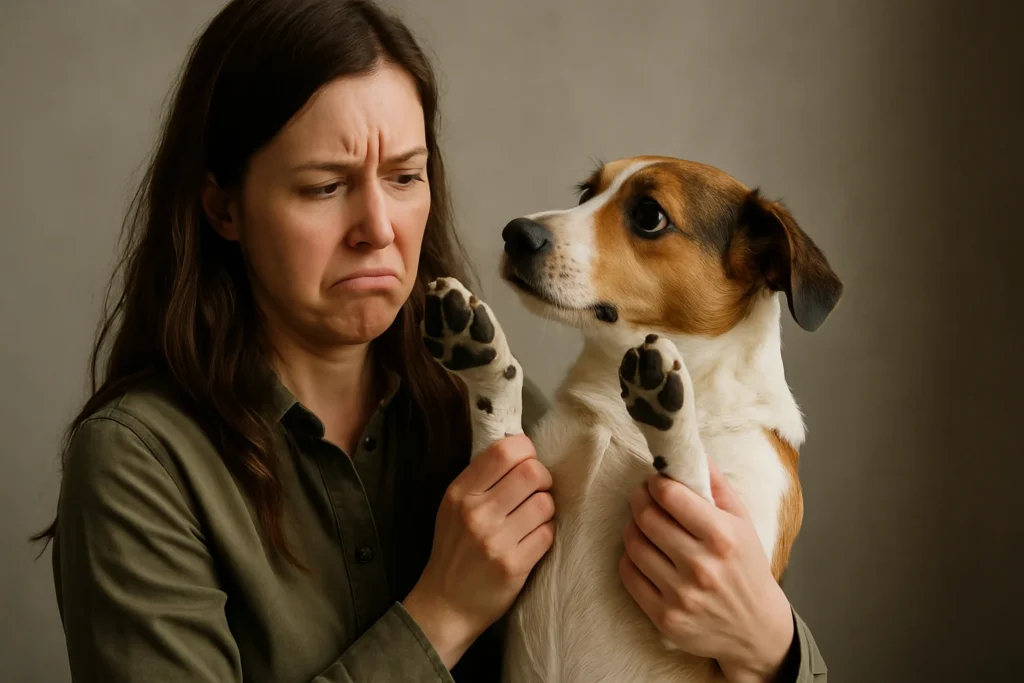
The sensation of cold paws on your beloved canine companion can often prompt concern. While frequently a normal physiological response to environmental factors, persistently cold paws may occasionally signal an underlying health issue requiring veterinary attention. Understanding the various reasons behind this phenomenon is crucial for every responsible pet owner to discern when a simple observation warrants professional investigation.
Common and Harmless Reasons for Chilly Paws
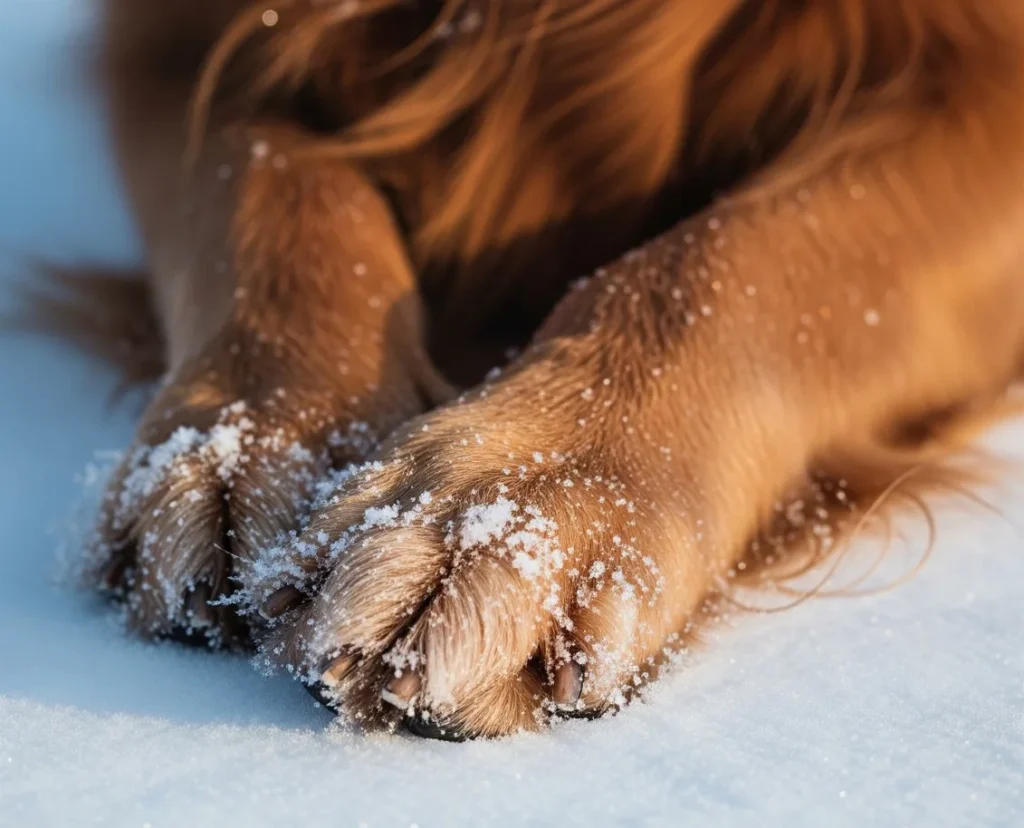
Just as human extremities can feel cool when exposed to lower temperatures, a dog’s paws are similarly susceptible to their environment. This is the most frequent and usually benign cause of cold paws.
- Environmental Factors: Walking on cold surfaces like tile, concrete, snow, or ice will naturally cause a dog’s paw pads to cool down. Even being in a cool room can lead to this sensation. Dogs have a sophisticated countercurrent heat exchange system in their paws, which helps them minimize heat loss and prevent frostbite in cold conditions. This system warms the cooler blood returning from the paws using the warmer arterial blood flowing into them, but it also means the paw pads themselves can feel quite cool to the touch.
- Post-Activity Cooling: After vigorous exercise, a dog’s body temperature might rise. As they cool down, blood flow may be directed away from the extremities to help regulate core temperature, making the paws feel cooler.
- Rest and Relaxation: When a dog is sleeping or resting, their metabolic rate decreases, and blood flow to their extremities can naturally reduce, leading to cooler paws.
When Cold Paws Might Signal an Underlying Concern
While often innocent, cold paws, especially when accompanied by other symptoms or observed in a warm environment, can sometimes point to more significant health issues. These conditions affect the body’s ability to maintain proper circulation or regulate temperature.
- Circulatory Problems: Conditions that impair blood flow can result in reduced warmth in the extremities.
- Heart Disease: An inefficient heart may struggle to pump blood effectively throughout the body, leading to decreased circulation, particularly to the farthest points like the paws.
- Peripheral Artery Disease: Similar to humans, dogs can develop conditions where arteries supplying blood to the limbs narrow, restricting blood flow.
- Systemic Health Conditions: Certain illnesses can impact a dog’s overall body temperature regulation or blood composition.
- Hypothyroidism: An underactive thyroid gland can lead to a decreased metabolic rate, causing a dog to feel colder overall, which can be noticeable in the paws. Other signs often include lethargy, weight gain, and skin/coat issues.
- Anemia: A deficiency in red blood cells or hemoglobin reduces the blood’s oxygen-carrying capacity. Reduced oxygen delivery to tissues can result in cold extremities and pale gums. Anemia often indicates a more serious underlying condition.
- Hypoglycemia (Low Blood Sugar): While less common as a sole cause for cold paws, severe drops in blood glucose can lead to weakness, disorientation, and affect body temperature regulation.
- Kidney Disease or Diabetes: These conditions can sometimes impact circulation and overall health, potentially contributing to cold extremities.
- Sepsis: A severe, life-threatening infection can cause widespread inflammation and affect circulation, leading to cold extremities among many other critical symptoms.
Crucial Accompanying Symptoms to Monitor
It’s not just the temperature of the paws but the context and any other observable signs that truly guide concern. If cold paws are coupled with any of the following, prompt veterinary consultation is advised:
- Lethargy or Weakness: A significant decrease in activity level or energy.
- Shivering or Trembling: Especially if not related to environmental cold.
- Pale or Bluish Gums: A strong indicator of poor circulation or anemia.
- Pain or Limping: Your dog favoring a paw, vocalizing discomfort, or struggling to walk.
- Changes in Behavior: Disorientation, confusion, or unusual anxiety.
- Swelling or Discoloration of the Paws: Particularly if they appear grey, blue, or blackened, which could indicate frostbite (if exposed to extreme cold) or severe circulatory compromise.
- Reduced Appetite or Vomiting.
- Slow or Irregular Breathing/Heart Rate.

What to Do If You’re Concerned
If your dog’s paws are cold and you observe any of the concerning accompanying symptoms, or if the coldness is persistent despite a warm environment, it’s always best to err on the side of caution and contact your veterinarian immediately.
Before your vet visit, you can take a few initial steps:
- Gently Warm: Move your dog to a warm, dry area. You can wrap them in a warm blanket (warmed in a dryer, not in a microwave), but avoid direct heat sources like heating pads which can cause burns.
- Avoid Rubbing: Do not rub or massage excessively cold or potentially frostbitten paws, as this can cause further tissue damage.
- Monitor Core Temperature: If you have a pet thermometer, taking your dog’s rectal temperature can provide valuable information for your vet (normal range is typically 100.0∘F to 102.5∘F or 37.7∘C to 39.2∘C).
Your veterinarian will perform a thorough physical examination and may recommend diagnostic tests such as blood work (to check for anemia, thyroid issues, or organ function), a urinalysis, or cardiac assessments to determine the root cause of the cold paws.
Maintaining Optimal Paw Health
Regular paw care can contribute to overall paw health and circulation:
- Regular Inspections: Routinely check your dog’s paw pads for cuts, cracks, foreign objects, or signs of irritation.
- Paw Massages: Gently massaging your dog’s paws can help stimulate blood flow and also serves as a great bonding activity.
- Protect from Extremes: Use paw balm in winter to protect against harsh elements and consider booties for extreme cold or very hot surfaces.
- Proper Grooming: Keep the fur between their paw pads trimmed to prevent matting and trapping of debris, which can impede comfort and circulation.
In conclusion, while a dog’s cold paws are often an innocuous sign of environmental exposure, they can sometimes be a subtle indicator of a more serious health concern. By being observant, understanding the potential causes, and seeking timely veterinary advice when warranted, you can ensure your dog’s paws – and their overall health – remain in optimal condition.