The prospect of a pregnant cat retaining a deceased kitten is a deeply distressing and serious concern for any pet owner. This situation represents a critical veterinary emergency where the life of the mother cat, or queen, is at significant risk. The purpose of this guide is to provide a calm, clear, and comprehensive resource for owners who suspect their pregnant or post-partum cat may be in this dangerous situation. Understanding the warning signs is the first and most crucial step. This knowledge empowers owners to act swiftly and seek the immediate professional help necessary to protect the mother cat’s life. While the topic is emotionally challenging, prompt and informed action is the key to navigating this crisis successfully and addressing the symptoms of dead kitten inside cat.
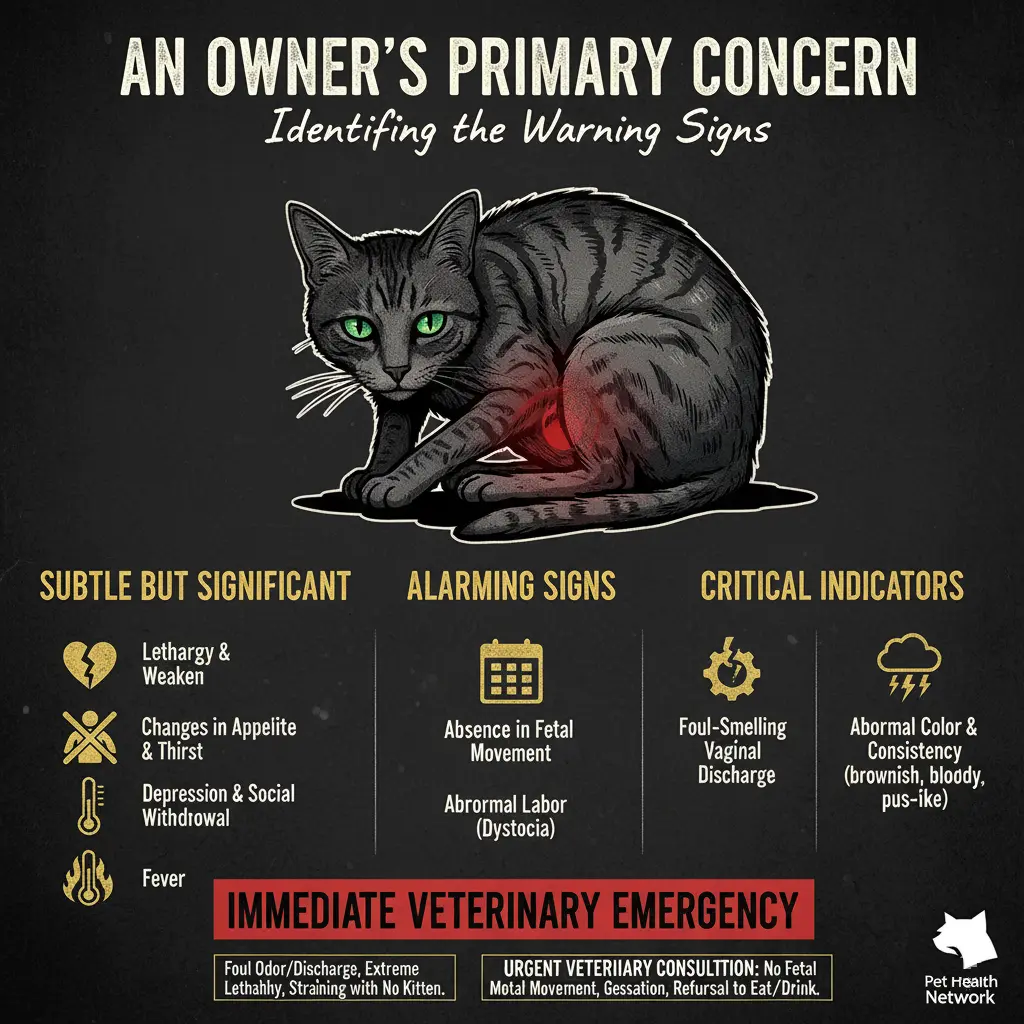
An Owner’s Primary Concern: Identifying the Warning Signs
The symptoms of dead kitten inside cat are not always isolated events but often part of a dangerous progression. An owner might first notice subtle behavioral changes that escalate into more alarming physical signs as the cat’s condition deteriorates. Recognizing this cascade of symptoms is vital for early intervention.
Subtle but Significant: Early Behavioral and Systemic Changes
The initial signs of a problem can be vague and easily mistaken for normal late-pregnancy or post-birth fatigue. However, their severity and persistence are key indicators of a serious underlying issue.
- Lethargy and Weakness: A mother cat carrying a deceased kitten may exhibit profound lethargy that goes beyond typical tiredness. She may appear extremely weak, have difficulty moving, or spend an abnormal amount of time sleeping or resting. This is not just fatigue; it is a significant lack of energy resulting from the physical and emotional strain of the situation, as well as the potential onset of systemic illness, making it one of the key symptoms of dead kitten inside cat.
- Changes in Appetite and Thirst: A sudden and complete refusal to eat or drink is a major red flag in a pregnant or nursing cat. This loss of appetite is a common sign of distress and illness. In some cases, as a systemic infection takes hold and begins to affect the kidneys, the cat may display a paradoxical increase in thirst and urination, a condition known as polydipsia and polyuria.
- Depression and Social Withdrawal: The cat may become withdrawn and cease to interact with her human family or other pets. She might hide in secluded places, become less responsive to stimuli she normally enjoys, and show clear signs of depression.
- Fever: An elevated body temperature is a classic sign of infection. While difficult for an owner to measure accurately without a rectal thermometer, a cat that feels unusually warm to the touch and exhibits other signs of illness may have a fever. This is a common consequence of the bacterial infection that develops around a retained fetus.
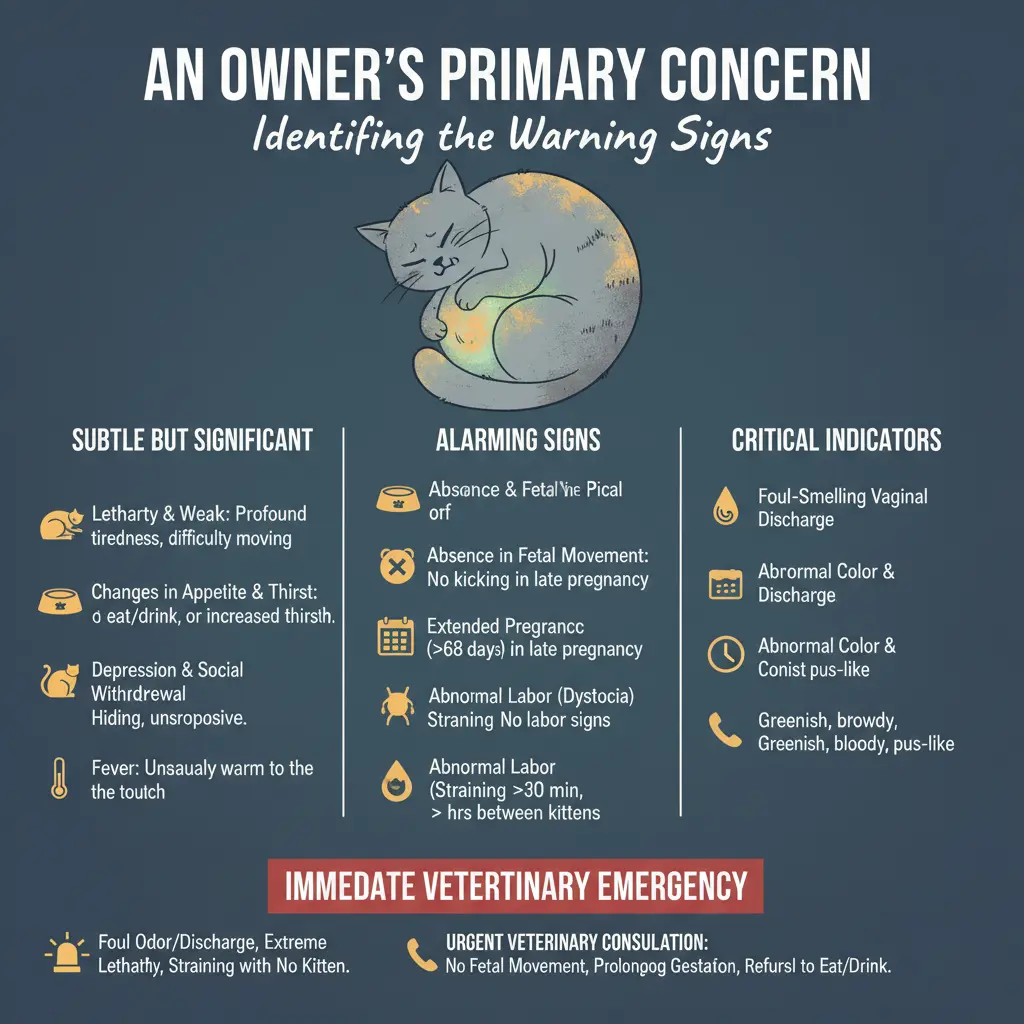
Read More: Cat Tree for Large Cats
Alarming Signs Specific to Pregnancy and Labor
As the situation progresses, more specific signs related directly to the pregnancy and birthing process will emerge.
- Absence of Fetal Movement: During a healthy pregnancy, especially in the later stages, an owner can often feel the kittens moving by gently palpating the queen’s abdomen. A sudden cessation of this movement is one of the primary and most alarming symptoms of dead kitten inside cat. The danger for the mother cat arises specifically from late-term fetal death, as the fetus is too large to be resorbed by her body, unlike very early embryonic loss which can occur with no outward signs.
- Extended Pregnancy (Prolonged Gestation): A normal feline pregnancy, or gestation period, ranges from 63 to 67 days. If a cat’s pregnancy extends beyond 68 days without any signs of labor, it is a critical concern. When a fetus dies in the womb, the mother’s body may not receive the hormonal signals to initiate labor naturally, leading to the retention of the deceased kitten.
- Abnormal Labor (Dystocia): Dystocia, or a difficult birth, is a medical emergency. Signs include persistent, strong abdominal contractions lasting for more than 30 to 60 minutes without the expulsion of a kitten, a delay of more than two hours between the delivery of kittens, or the queen crying out in pain and showing signs of extreme distress for an extended period.
The Most Critical Indicators: Discharge and Odor
Among the most definitive and dangerous signs are changes to the cat’s vaginal discharge, which point directly to a severe internal infection.
- Foul-Smelling Vaginal Discharge: A strong, unpleasant, and often putrid odor emanating from the mother cat’s vaginal area is a hallmark symptom, and one of the most urgent symptoms of dead kitten inside cat.
- Abnormal Color and Consistency: Normal post-partum discharge, known as lochia, is typically reddish-black and should not have a foul odor. A discharge that is greenish, brownish, bloody, or contains pus is a clear sign of a life-threatening uterine infection such as pyometra or septic metritis and requires immediate veterinary attention.
Other Physical and Behavioral Indicators
A range of other symptoms can also signal this emergency, reflecting the widespread impact of the condition on the cat’s body.
- Abdominal Discomfort: The presence of a retained fetus and a potentially infected uterus can cause significant abdominal pain. The mother cat may show signs of discomfort such as restlessness, frequent shifting of positions, or being protective of her abdomen when touched. Her stomach may also remain large and firm long after she should have completed the birthing process, which is one of the physical symptoms of dead kitten inside cat.
- Discolored Gums or Tongue: An owner should check the color of the cat’s gums. Gums that appear pale, bluish, or have a yellowish tint can indicate serious underlying health issues such as anemia from internal bleeding or shock resulting from a systemic infection.
- Litter Box Issues: The physical presence of a retained kitten can put pressure on the mother cat’s urinary or gastrointestinal tract. This can lead to discomfort or pain during urination or defecation. The cat may display signs of straining, vocalizing, or making frequent, unproductive trips to the litter box.
- Changes Toward Other Kittens: If the queen has a mixed litter of living and deceased kittens, her behavior toward the surviving kittens may change. This can be a result of emotional distress, hormonal imbalances, or systemic illness. She may become overly protective and anxious, or conversely, she may show signs of indifference, avoidance, or complete neglect of her living kittens.
- Mammary Gland Changes: The mother’s mammary glands may show changes such as swelling, redness, or increased sensitivity. She may be reluctant to nurse her other kittens or exhibit signs of pain when they attempt to do so, often due to the overwhelming systemic illness affecting her body.
At-a-Glance Symptom Checklist
For a distressed owner, this checklist provides a quick tool to assess the situation and understand the urgency required for different symptoms.
| Symptom | What It Looks Like | Level of Urgency / What It Could Mean |
| Foul Odor/Discharge | A strong, unpleasant smell from her rear end. Green, brown, or pus-like discharge. | IMMEDIATE VETERINARY EMERGENCY. Likely a severe uterine infection (Pyometra/Metritis). |
| No Fetal Movement | Belly feels still; no kicking or wiggling felt in the last 12-24 hours of late pregnancy. | URGENT VETERINARY CONSULTATION. Potential fetal distress or death. |
| Prolonged Gestation | Pregnancy lasts longer than 67-68 days with no signs of labor. | URGENT VETERINARY CONSULTATION. Labor is not starting, possibly due to a retained fetus. |
| Extreme Lethargy | Unresponsive, weak, unable to move, sleeping constantly. | IMMEDIATE VETERINARY EMERGENCY. Sign of systemic illness, shock, or severe infection. |
| Refusal to Eat/Drink | No interest in food or water for more than 12-24 hours. | URGENT VETERINARY CONSULTATION. A key indicator of serious illness. |
| Straining with No Kitten | Pushing hard for over 30 minutes with no kitten appearing. | IMMEDIATE VETERINARY EMERGENCY. Dystocia (difficult birth); a kitten may be stuck. |
Understanding the Underlying Causes of Fetal Loss
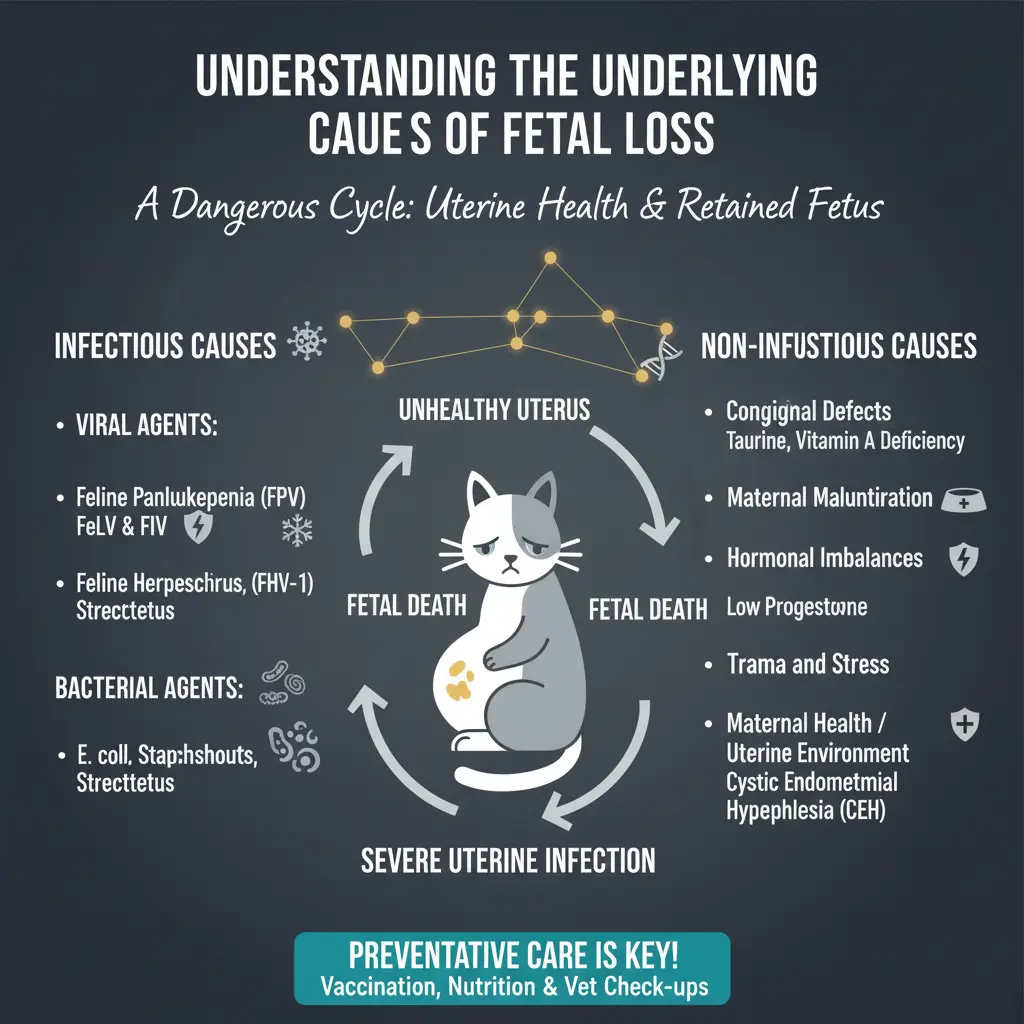
Fetal loss in cats can stem from a variety of causes, which can be broadly categorized as infectious and non-infectious. Understanding these potential causes can provide context for the situation and highlight the importance of preventative care. It is crucial to recognize that an unhealthy uterus can lead to fetal death, and conversely, a retained dead fetus can cause a severe uterine infection, creating a dangerous cycle that compromises the queen’s health and future fertility.
Infectious Causes: When Invaders Compromise Pregnancy
Infectious agents are a primary cause of pregnancy loss in cats, with viruses being the most commonly reported culprits.
- Viral Agents:
- Feline Panleukopenia Virus (FPV): This highly contagious virus can cross the placenta and attack the rapidly developing tissues of the fetuses. It is known to cause cerebellar hypoplasia, a fatal deformity of the skull and brain, which can affect a single kitten or the entire litter.
- Feline Leukemia Virus (FeLV) & Feline Immunodeficiency Virus (FIV): These retroviruses weaken the mother’s immune system, making pregnancy difficult to sustain. They can also be transmitted to the kittens in utero, leading to a range of outcomes including embryonic death, resorption, abortion, or stillbirth.
- Feline Herpesvirus (FHV-1): Commonly associated with upper respiratory infections in cats, FHV-1 can also trigger abortion, mummification of fetuses, and stillbirths, particularly when the queen becomes ill during the fifth or sixth week of gestation.
- Bacterial Agents: While less common in healthy cats kept in clean environments, bacterial infections of the uterus can lead to pregnancy loss. Bacteria such as Escherichia coli, Staphylococcus, and Streptococcus can ascend from the vagina and cause an infection. These are the same opportunistic bacteria responsible for the life-threatening conditions of pyometra and metritis that can develop after a kitten dies and is retained.
Non-Infectious Causes: Genetics, Nutrition, and Environment
A host of factors unrelated to infection can also lead to the death of a kitten in the womb. Many of these underscore the importance of responsible pre-breeding care.
- Congenital Defects: A significant number of stillbirths are the result of fetal defects or deformities. These can be caused by a flaw in the kitten’s genes or a problem during early development. In these cases, the mother’s body may be naturally terminating a pregnancy that is not viable.
- Maternal Malnutrition: The nutritional status of the queen is paramount. A balanced, high-quality diet is essential for healthy fetal development. Specific nutritional deficiencies are known to cause severe problems. For instance, a lack of taurine, an essential amino acid for cats, can lead to reproductive failure, abortions, and developmental abnormalities in kittens. Similarly, a deficiency in Vitamin A has been linked to early embryonic death and congenital defects.
- Hormonal Imbalances: Pregnancy in cats is maintained by the hormone progesterone. If the queen’s body produces insufficient levels of progesterone, a condition known as hypoluteoidism, the pregnancy cannot be sustained, and a miscarriage may occur.
- Trauma and Stress: Significant physical trauma, such as a blow to the abdomen, can directly harm the fetuses and cause pregnancy loss. Additionally, severe environmental stress—such as moving to a new home, shipping, or other major disruptions late in pregnancy—can also contribute to abortion or resorption.
- Maternal Health and Uterine Environment: The health of the queen’s uterus is a critical factor. Pre-existing conditions such as cystic endometrial hyperplasia (CEH), a thickening of the uterine lining, create an unhealthy and hostile environment for a developing pregnancy, making implantation difficult and increasing the risk of fetal loss.
The link between these causes and preventative care is direct and actionable. Many of the most dangerous infectious causes are preventable through routine vaccinations, and nutritional deficiencies can be avoided with a proper diet, shifting the focus from a purely tragic event to one where owner actions can significantly mitigate risk.
Read More: Egyptian Cat Profile
A Critical Emergency: Life-Threatening Risks to the Mother Cat
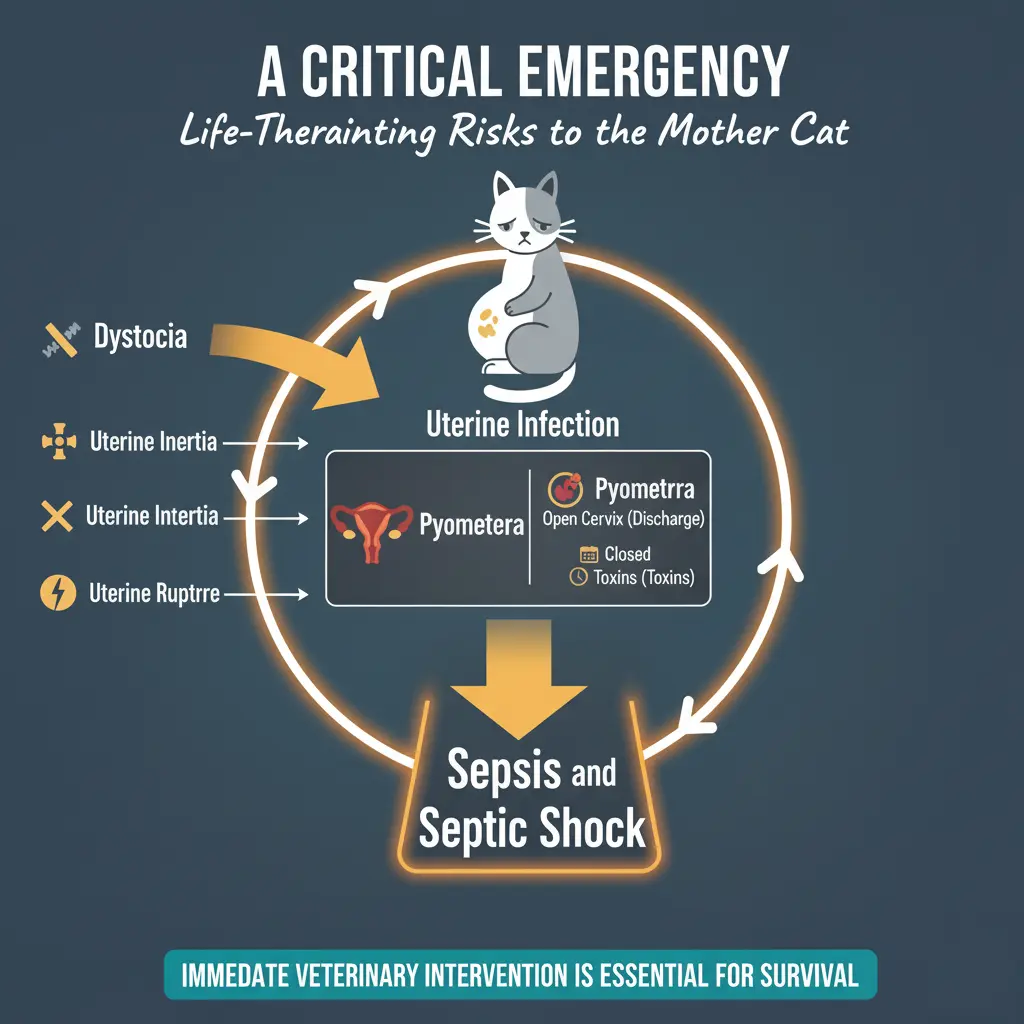
Understanding the symptoms of dead kitten inside cat is vital because a retained deceased kitten is not a passive condition; it is the catalyst for a cascade of life-threatening medical events. The situation progresses rapidly from a localized problem in the uterus to a systemic crisis that can lead to multi-organ failure and death. Understanding this progression highlights why immediate veterinary intervention is not just recommended, but essential for survival.
Dystocia: When Birth Comes to a Halt
Dystocia, the medical term for a difficult or obstructed birth, is often the first major complication. A deceased fetus can trigger dystocia in several ways. It cannot reposition itself for a normal delivery, and its lack of movement fails to provide the necessary physical stimulation for strong, effective uterine contractions. This creates a physical blockage, known as obstructive dystocia.
The consequences of this obstruction are severe. The queen’s body will continue to attempt labor, but the prolonged and fruitless effort exhausts the uterine muscles. This leads to a condition called secondary uterine inertia, where the uterus effectively gives up and stops contracting. This muscular failure not only prevents the birth of the deceased kitten but also traps any remaining healthy kittens inside. Furthermore, the intense strain on the uterine walls during obstructive labor dramatically increases the risk of a catastrophic uterine rupture. This chain of events—from physical blockage to muscular failure to retention—sets the stage for the next, even more dangerous phase.
Uterine Infection: The Onset of Pyometra and Metritis
The uterus, an organ designed to nurture life, tragically becomes a toxic incubator when a fetus is retained. The warm, moist environment, combined with decaying fetal and placental tissue, creates a perfect storm for a massive bacterial infection. The cervix, which may be partially open from the attempted labor, provides an entry point for bacteria normally found in the vagina, such as E. coli, to invade the uterus. This leads to two primary types of uterine infection:
- Metritis: This is an inflammation and infection of the lining of the uterus (the endometrium). It typically occurs within a week of giving birth and is a direct consequence of retained fetuses or placentas.
- Pyometra: This is a more severe infection where the entire uterus fills with pus. Pyometra is a profound medical emergency that is rapidly fatal if not treated aggressively.
The severity of the initial symptoms can depend on whether the cervix remains open or closed. If the cervix is open, pus can drain out, resulting in the foul-smelling discharge that is a key warning sign. If the cervix is closed, the pus becomes trapped, causing the abdomen to distend. This “closed pyometra” is often more dangerous because the toxins are absorbed more rapidly into the bloodstream, causing the cat to become severely ill much faster.
Sepsis and Septic Shock: When the Infection Spreads
The final and most deadly stage of this crisis is sepsis. The massive number of bacteria multiplying within the infected uterus release potent toxins. These toxins are absorbed through the uterine wall and enter the bloodstream, a condition known as septicemia or toxemia.
Once in the bloodstream, these toxins circulate throughout the body, triggering a massive, uncontrolled inflammatory response. This systemic inflammation causes widespread damage to vital organs, with the kidneys being particularly vulnerable, which explains the increased thirst and urination seen in affected cats.
If the infection is not halted, the body’s overwhelming response leads to septic shock. This is a state of cardiovascular collapse characterized by a catastrophic drop in blood pressure, which prevents blood from reaching the organs. Multi-organ failure quickly follows, leading to death. This progression from a localized uterine infection to fatal septic shock can happen in a matter of days, illustrating the extreme urgency of the situation.
The Path to Recovery: Veterinary Diagnosis and Treatment
When a cat presents with symptoms of dead kitten inside cat, the veterinary team will initiate a rapid and systematic diagnostic process. The goals are twofold: first, to confirm the primary problem (the retained fetus), and second, to assess the secondary problem (the extent of systemic damage the infection has caused). Both pieces of information are critical for determining the best course of treatment and giving the owner an accurate prognosis.
Confirming the Diagnosis: What to Expect at the Vet Clinic
A combination of physical examination, diagnostic imaging, and laboratory tests will be used to build a complete picture of the cat’s condition.
- Physical Examination: The veterinarian will begin with a thorough physical exam to assess the cat’s overall stability. This includes checking her temperature, heart rate, respiratory rate, and the color of her gums for signs of shock or anemia. The abdomen will be gently palpated to feel for an enlarged, firm uterus or any remaining fetuses. A digital vaginal examination may also be performed to check for any obstruction in the birth canal.
- Diagnostic Imaging: Imaging is the most definitive way to diagnose a retained fetus.
- Ultrasound: This is considered the best tool for this emergency. An ultrasound can visualize the contents of the uterus, confirm the presence of a fetus, and, most importantly, check for a heartbeat to determine if the kitten is alive or deceased. It is also highly effective at detecting fluid accumulation within the uterus, which is a key sign of pyometra.
- Radiographs (X-rays): X-rays are particularly useful in late-term pregnancy when the fetal skeletons have mineralized. They can clearly show the presence and number of any retained fetuses, helping the veterinarian plan for their removal.
- Bloodwork and Urinalysis: These laboratory tests are essential for assessing the systemic impact of the infection. A complete blood count (CBC) can reveal a very high white blood cell count, indicating a severe infection, as well as anemia. A serum chemistry panel evaluates the function of vital organs, especially the kidneys and liver, which can be damaged by bacterial toxins. A urinalysis provides further information on kidney function and hydration status.
Treatment Pathways: Medical vs. Surgical Intervention
The choice of treatment is a race against sepsis and is dictated by the stability of the cat and the severity of the infection. The sicker the cat, the more aggressive and definitive the treatment must be.
- Medical Management (Limited Use Cases):
- Description: In very specific cases, such as a stable queen who has only retained a placenta without signs of systemic illness, medical management may be attempted. This can involve the administration of drugs like oxytocin to stimulate uterine contractions and help expel the retained material. Supportive care with intravenous (IV) fluids to correct dehydration and antibiotics to control infection is also crucial. Supplements such as calcium and glucose may be given to improve the strength of uterine contractions.
- Limitations: This approach is rarely the first choice for a cat with a retained deceased fetus and signs of illness. The success rate of medical management for dystocia is low, estimated at less than 30%. Crucially, administering contraction-promoting drugs like oxytocin is extremely dangerous if there is a physical obstruction in the birth canal, as it can lead to uterine rupture. Therefore, this option is reserved for a very small subset of stable, non-obstructed cases.
- Surgical Intervention (The Gold Standard):
- Cesarean Section (C-section): If diagnostic imaging reveals that there are still viable kittens in the uterus along with a deceased one, an emergency C-section may be performed. This procedure allows for the removal of all fetuses, giving the living kittens the best chance of survival. The health of the uterus is assessed during the surgery, and if it is severely infected or damaged, a spay will likely be performed at the same time.
- Ovariohysterectomy (Spay): This is the most common, safest, and most definitive treatment for a cat suffering from a retained fetus and uterine infection. The surgical removal of the infected uterus and ovaries (an ovariohysterectomy) completely eliminates the source of the infection and toxins. While this is the same procedure as a routine spay, it is far more complex and carries a higher risk when performed on a critically ill, unstable patient with a fragile, pus-filled uterus. However, it is often the only way to save the cat’s life. Most cats will require stabilization with IV fluids and antibiotics before they are considered safe candidates for anesthesia and surgery.
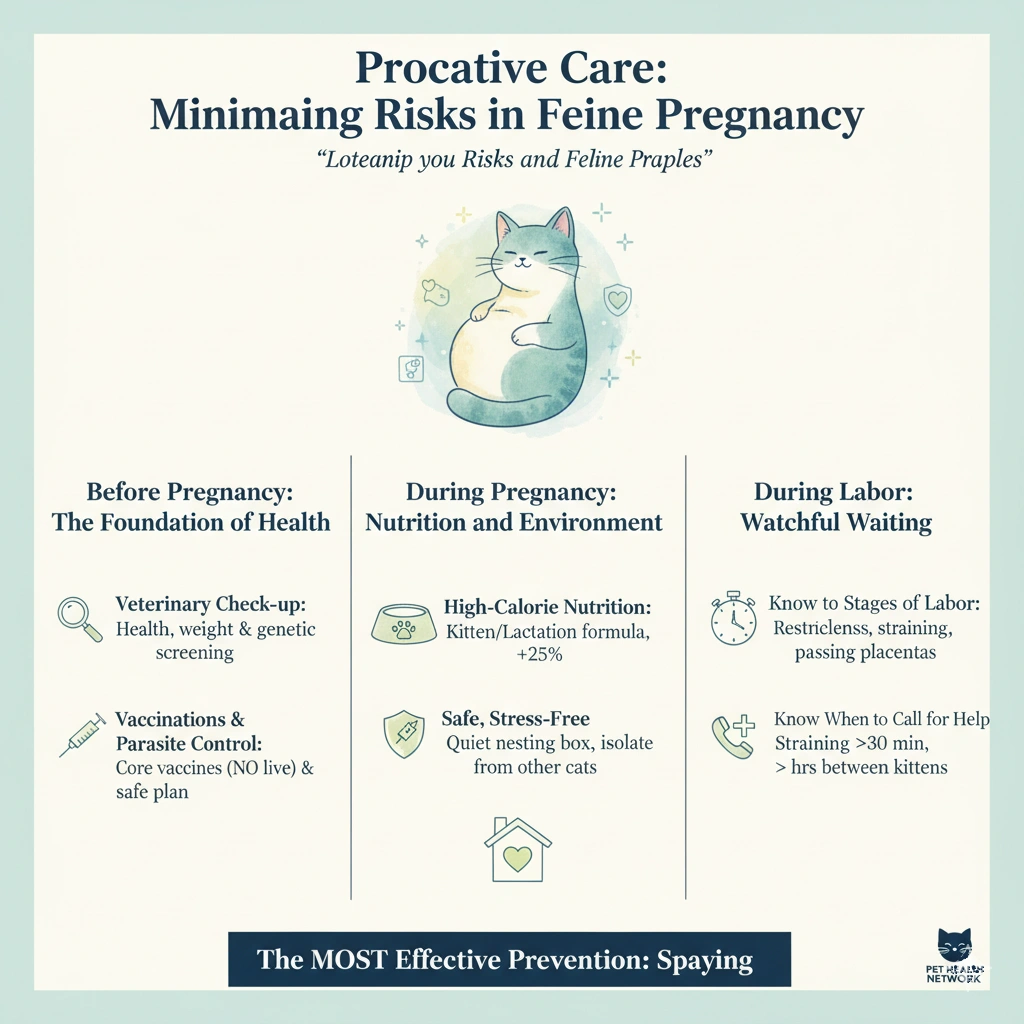
Proactive Care: Minimizing Risks in Feline Pregnancy
While not all complications are preventable, responsible care before and during pregnancy can significantly reduce the risk of fetal loss and maternal distress. The owner’s role in providing proactive management and vigilant observation is the single most important factor in promoting a healthy pregnancy and ensuring a positive outcome.
Before Pregnancy: The Foundation of Health
The groundwork for a safe pregnancy is laid long before mating occurs.
- Veterinary Check-up: Ideally, any cat intended for breeding should have a comprehensive pre-breeding examination. A veterinarian can assess her overall health, confirm she is at a healthy weight, and screen for any genetic or conformational issues that might predispose her to dystocia.
- Vaccinations and Parasite Control: It is critical that the queen is fully up-to-date on all core vaccinations before she becomes pregnant. This provides protection against devastating viruses like Feline Panleukopenia, Feline Leukemia, and Feline Herpesvirus, which are known causes of miscarriage and stillbirth. Live vaccines should never be administered during pregnancy due to the risk to the developing fetuses. A veterinarian should also guide a safe and effective parasite control plan.
During Pregnancy: Nutrition and Environment
Once pregnancy is confirmed, the focus shifts to providing optimal nutrition and a secure, low-stress environment.
- High-Calorie Nutrition: The nutritional demands on a pregnant and later, a nursing, queen are immense. By the last three to four weeks of pregnancy, her energy needs increase by at least 25%. To meet these demands, she should be transitioned to a high-quality, energy-dense commercial diet formulated for kittens or for growth/lactation. This diet provides the extra calories, protein, and nutrients essential for her health and the healthy development of the fetuses. This special diet should be continued until the kittens are fully weaned.
- A Safe, Stress-Free Environment: Stress can be a significant factor in pregnancy complications. The pregnant queen should be kept in a calm, stable environment. In the final two weeks of her gestation, she should be introduced to a “nesting box.” This should be a warm, clean, and private space in a quiet part of the house, away from heavy foot traffic and other pets. A cardboard box lined with clean towels or blankets is ideal. This gives her a secure place to give birth where she feels safe, which can help prevent stress-related labor interruptions. It is also wise to isolate her from other cats during the last half of pregnancy to minimize exposure to infectious diseases.
During Labor: Watchful Waiting
Most cats give birth without any need for human intervention. The owner’s role is to be a quiet, discreet observer, ready to call for help if problems arise.
- Know the Stages of Labor: Understanding the normal progression of birth is key to recognizing when something is wrong. Stage I involves restlessness, nesting, and panting, and can last 12-24 hours. Stage II is the active stage of straining and delivering kittens. Stage III is the passing of the placentas. The queen will typically alternate between Stage II and Stage III for each kitten.
- Know When to Call for Help: Having the veterinarian’s phone number readily available is essential. An owner should be prepared to seek immediate veterinary assistance if any signs of dystocia appear, as detailed in Section 1. This includes strong straining for more than 30 minutes without producing a kitten, more than two hours passing between kittens, or any sign of extreme pain or distress.
Ultimately, the most effective way to prevent all complications associated with pregnancy and birth, including a retained dead kitten, is to prevent the pregnancy itself. For the vast majority of pet cats not intended for responsible breeding programs, spaying is the primary and most effective preventative health measure that ensures their long-term well-being.
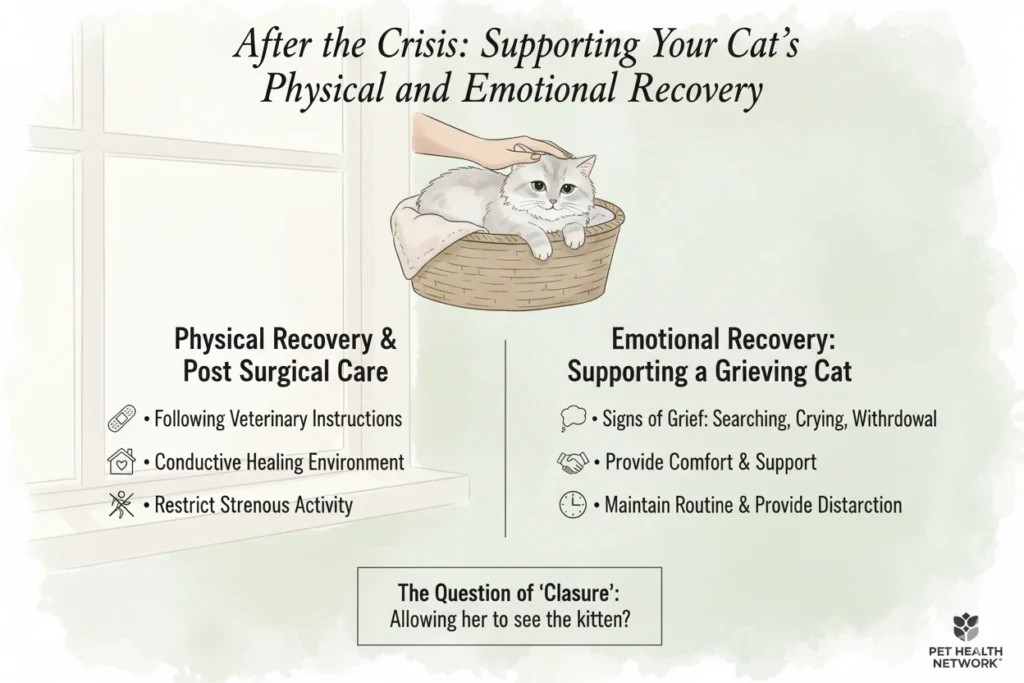
After the Crisis: Supporting Your Cat’s Physical and Emotional Recovery
The period following a medical crisis involving a retained kitten is a critical time for healing. The trauma is not just physical; the hormonal shifts of a terminated pregnancy, combined with the potential loss of a litter, can lead to significant emotional and behavioral changes. A holistic approach that addresses both the physical and psychological needs of the cat is essential for a full recovery.
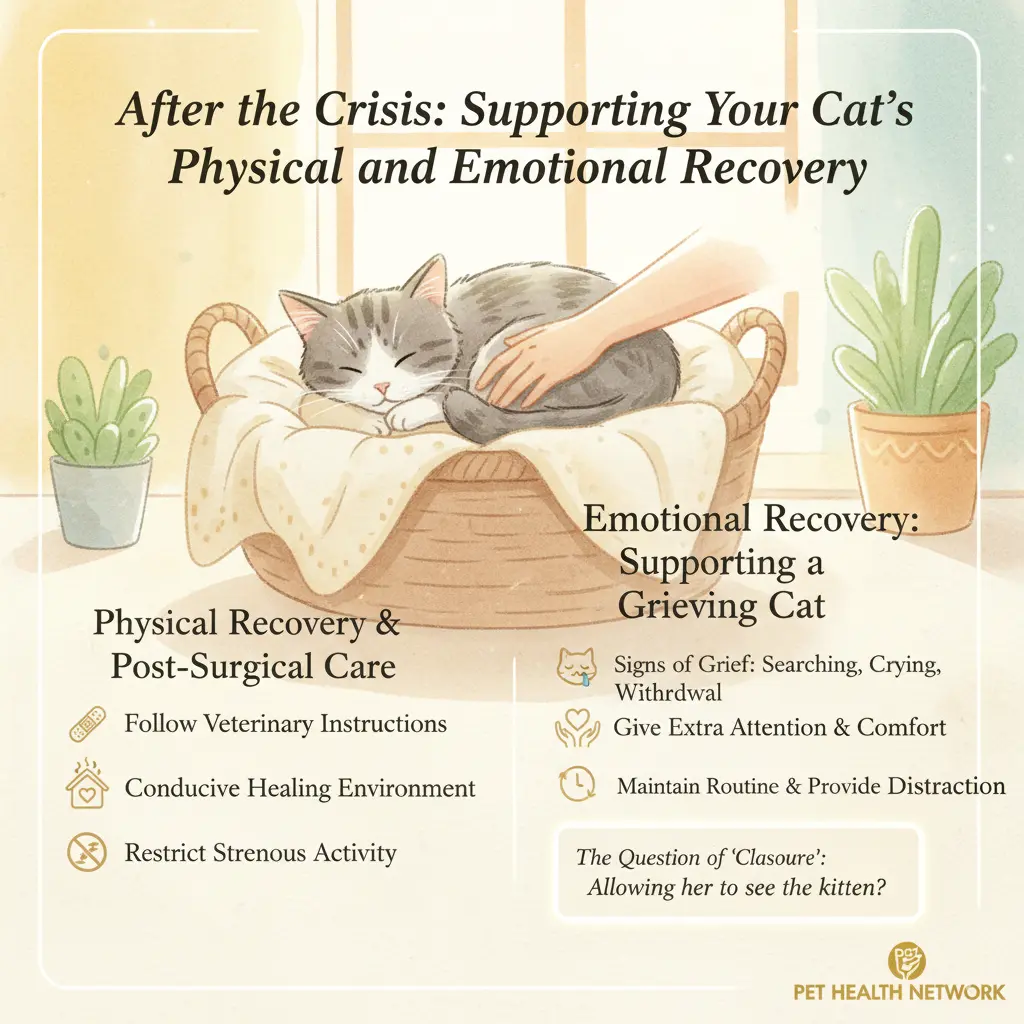
Physical Recovery and Post-Surgical Care
If the cat has undergone surgery, her physical recovery is the immediate priority.
- Following Veterinary Instructions: It is crucial to adhere strictly to all post-operative care instructions provided by the veterinary team. This will include administering a full course of antibiotics to clear any remaining infection, providing pain medication to ensure comfort, and monitoring the surgical incision daily for any signs of redness, swelling, or discharge.
- Providing a Conducive Healing Environment: The recovering cat needs a quiet, warm, and comfortable space where she can rest without being disturbed by other pets or household activity. Food, water, and a clean litter box should be easily accessible to minimize the need for movement. Restricting strenuous activity, such as jumping, is important for allowing the incision to heal properly.
Emotional Recovery: Recognizing and Supporting a Grieving Cat
It is important to recognize that a mother cat can experience a form of grief and confusion following the loss of her kittens.
- Signs of Grief: The queen may exhibit behaviors that indicate emotional distress. She might search the house for her missing kittens, vocalize with plaintive cries, lose her appetite, or become lethargic and withdrawn. This behavior is a natural response to the sudden absence of the kittens she was hormonally and instinctually prepared to care for.
- Providing Comfort and Support: The owner’s gentle and patient support can make a significant difference during this period.
- Give Extra Attention: Spending quiet time with the cat, offering gentle petting, grooming, or simply sitting nearby can be very reassuring. This reinforces the human-animal bond and provides comfort.
- Maintain Routine: Cats are creatures of habit and find security in predictability. Maintaining a consistent daily routine, especially for feeding and playtime, can help her feel more secure during a time of upheaval.
- Provide Distraction: Gentle play and enrichment can help redirect her focus and lift her spirits. Introducing new toys, puzzle feeders, or a comfortable perch by a window can provide positive mental stimulation.
- The Question of “Closure”: A sensitive but relevant consideration is whether to allow the mother to see a deceased kitten. Some anecdotal evidence suggests that allowing her to see and sniff the kitten can help her understand that it has passed away, which may prevent her from searching for it endlessly. This can provide a form of closure, allowing her grieving process to begin. This should be handled with care and sensitivity, as the primary goal is to alleviate her distress.
The owner has also experienced a stressful and potentially heartbreaking event. Taking positive, actionable steps to care for the recovering cat can be a therapeutic part of the owner’s own coping process, providing a sense of purpose and control during a difficult time.
Frequently Asked Questions (FAQ)
This section provides quick, clear answers to some of the most common questions owners have about this condition.
Q1: Can a cat pass a dead kitten on its own?
A: In some instances, a cat may be able to naturally expel a deceased kitten, particularly if there is no physical obstruction. However, waiting for this to happen is extremely risky, as many symptoms of dead kitten inside cat point to developing infection. There is no guarantee that she will be able to pass it, and any delay in treatment dramatically increases the risk of a fatal uterine infection. It is never safe to adopt a “wait and see” approach; a veterinarian should be consulted immediately if there are any concerns.
Q2: How long can a cat survive with a dead kitten inside?
A: There is no safe timeline for this condition. A severe uterine infection like pyometra can progress to life-threatening sepsis within a matter of days. The longer a deceased fetus is retained, the sicker the cat will become and the higher the risk of death. The situation must be treated as a medical emergency that requires immediate action.
Q3: What does the discharge look like if a kitten has died?
A: One of the most critical symptoms of dead kitten inside cat is an abnormal vaginal discharge. Unlike the normal reddish-black, odorless discharge that can occur after birth, the discharge associated with an infection will have a foul, unpleasant smell. It may be green, brown, black, or look like pus. Any discharge with these characteristics signals a serious infection.
Q4: Should I spay my cat after she had a dead kitten?
A: In the majority of cases, spaying (ovariohysterectomy) is the recommended course of action. It is often the primary life-saving treatment required to remove the infected uterus. Even if the cat recovers from the initial crisis without surgery, her uterus may be scarred or damaged, which places her at a very high risk for infertility or complications in any future pregnancies. Spaying is the most effective way to prevent a recurrence and ensure her long-term health and well-being.
Q5: What causes a kitten to die in the womb?
A: The causes of in-utero fetal death are numerous and varied. They can be infectious, such as from viruses like Feline Panleukopenia or bacteria. They can also be non-infectious, stemming from congenital or genetic defects in the fetus, poor nutrition in the mother (e.g., taurine deficiency), physical trauma, or underlying maternal health problems like hormonal imbalances or an unhealthy uterus. While proper pre-breeding care can reduce some of these risks, fetal loss can still occur despite the best efforts.