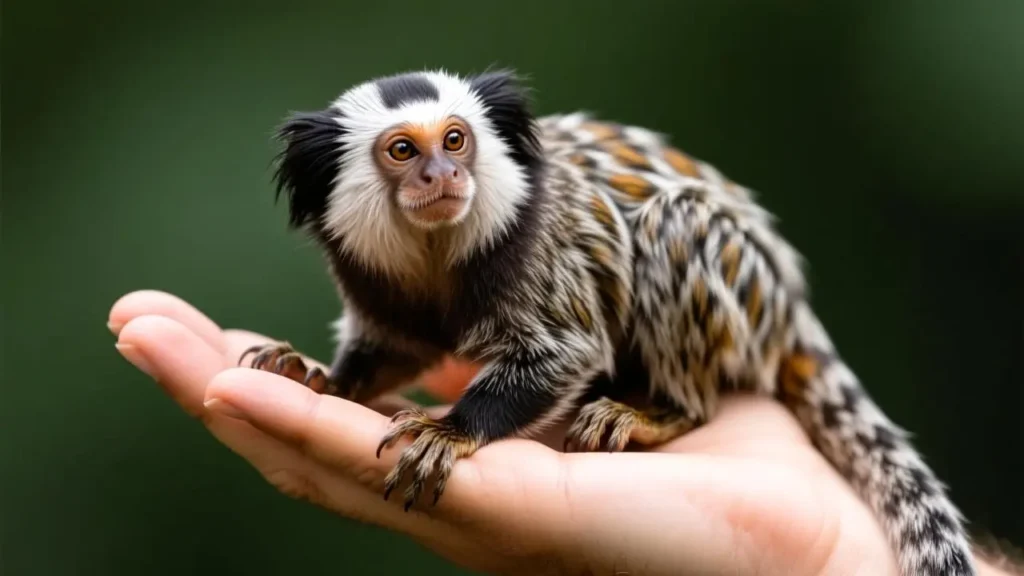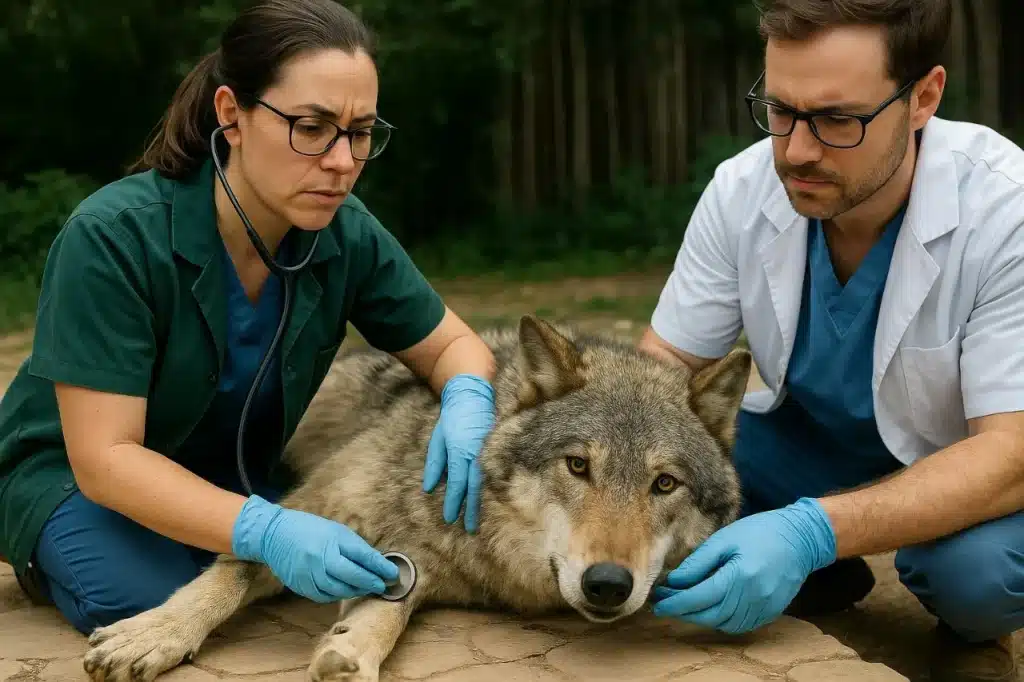
The allure of encountering exotic wildlife—from cuddling a sloth to posing with a tiger cub—draws countless travellers worldwide. However, this desire carries a profound responsibility. Ethical travel experts warn that many popular “hands-on” encounters mask serious animal welfare issues. In fact, “more than half a million wild animals are suffering for tourist entertainment worldwide,” according to World Animal Protection.
This makes it crucial to distinguish genuinely responsible encounters from exploitative ones. Conservationists and wildlife veterinarians emphasise that the safest, most ethical interactions are strictly observational. By following expert guidelines, such as never touching or feeding wild animals, travelers can enjoy memorable wildlife experiences without causing harm.
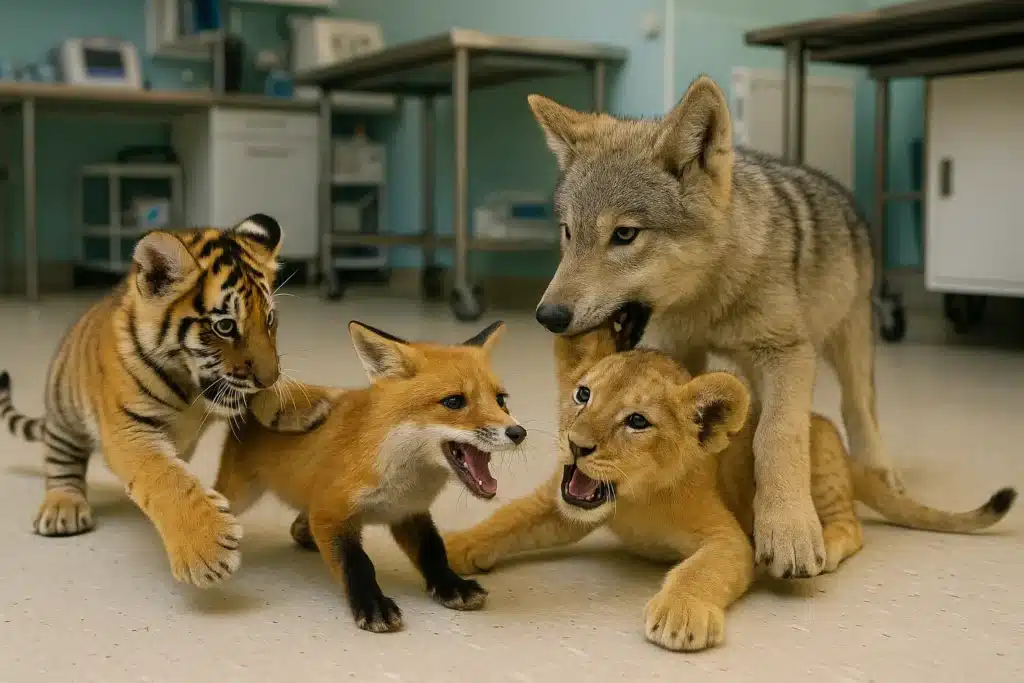
Read More: Exotic Animal Hospital: Specialised Care for Your Unique Pets
Understanding the Landscape: Types of Exotic Animal Encounters
Wildlife tourism experiences generally fall into two broad categories: interactive (direct contact) and observational (hands-off). These categories have vastly different impacts on animal welfare and should be clearly understood.
Interactive vs. Observational Experiences: A Critical Distinction
Interactive Experiences involve direct physical contact with animals: petting, holding, feeding, riding, or posing for selfies. For example, one Orlando zoo promises that “you don’t just see animals; you pet and hold them too”, offering visitors up-close encounters with lemurs, kangaroos, sloths and more. Similarly, Wild Florida Adventure Park advertises encounters to “snap the perfect slothie, feel the soft fur of a real sloth or even feed one,” and invites guests to feed a giraffe or “touch and hold this beloved alligator”. Such marketing – with phrases like “cuddle the creatures” or “hold a sloth” – is intentionally seductive to tourists.
However, leading wildlife experts identify direct contact as a major warning sign. Behind the scenes, many of these interactions involve significant animal stress, coercion or abuse (for instance, cubs are often taken from mothers and kept drugged or chained to be tame). In contrast, Observational Experiences prioritize viewing animals in the wild or in large, naturalistic settings from a respectful distance. Examples include swimming beside manatees in Crystal River, Florida – the only place in the U.S. where wild West Indian manatees may be legally approached – or sitting quietly on a raised platform to watch grizzly bears fishing at Brooks Camp in Alaska. Ethical tours maintain distance (e.g. at least 25–100 yards from wildlife) and forbid any touching or feeding.
In Lamar Valley, Yellowstone National Park, visitors observe wolf packs from afar; the park notes the “northern range of Yellowstone is one of the best places in the world to watch wolves”. Similarly, in Austin, Texas, crowds gather each evening to see roughly 1.5 million bats emerge from under Congress Avenue Bridge. Here, people watch from the riverbank (or a kayak) as huge flocks of Mexican free-tailed bats fly out at dusk – a natural spectacle requiring no interaction.
Other positive examples include viewing wild horses roaming free on Maryland’s Assateague Island (enjoying “their beauty from a distance”), or joining a boat tour in Maine to watch Atlantic puffins nesting off the coast. These observational encounters allow tourists to appreciate animals on the animals’ terms, often contributing to conservation through park fees or donations.
Spotlight: Orlando’s Interactive Providers
Orlando, Florida is a major tourist hub with numerous hands-on exotic animal facilities, which illustrates the popularity of interactive experiences (for better or worse). For instance, the privately-owned Exotic Animal Experience (Orlando, FL) advertises itself as “the most exotic animal zoo in Orlando.” Its website explicitly states that “you don’t just see animals; you pet and hold them too”, highlighting up-close interactions with sloths, sheep, kangaroos, lemurs and other species. (Tours run only by appointment and claim to follow USDA and state regulations, but still focus on direct contact.) Likewise, Wild Florida Adventure Park markets a wide range of tactile encounters. Its “Otter Encounter” and “Sloth Encounter” encourage small groups to “snap the perfect otter selfie” or “feel the soft fur of a real sloth”. Its VIP Safari Tour even lets visitors feed Leroy the giraffe and “touch and hold” alligators. These attractions typify the interactive model: guests physically engage with exotic animals for entertainment. They draw crowds – but also raise red flags for welfare advocates, who note that such close contact often necessitates heavy training, sedation or confinement of the animals.
Diverse U.S. Observational Encounters (Beyond Florida)
By contrast, the U.S. offers many celebrated ethical wildlife experiences centered on observation and conservation. Notable examples include:
- Swimming with Manatees – Crystal River, Florida: Crystal River is “the only place in the United States where people can legally swim with wild manatees in their natural habitat”. Guided tours here teach visitors to float quietly and let the gentle manatees approach on their own terms, following strict rules to avoid harassment.
- Grizzly Bear Viewing – Katmai National Park, Alaska: At Katmai’s Brooks Camp, healthy salmon runs attract dozens of coastal brown bears. Visitors stand on three elevated wooden platforms (one at Brooks Falls) to observe bears fishing and interacting in a rich, wilderness setting. This hands-off viewing (from safe, fixed structures) showcases wild behavior without human interference.
- Manta Ray Night Snorkel – Hawaii’s Big Island: Kona offers guided night dives and snorkels to watch giant manta rays filter-feed under special lights. These “gentle giants of the sea” glide nearby as snorkelers keep respectful distance, aided by expert guides who explain manta biology and ecology.
- Wolf Watching – Yellowstone National Park: In Lamar Valley (Yellowstone’s northern range), visitors often spot wolf packs hunting elk or tending pups. This activity is led by knowledgeable guides who use optics to help tourists view wolves safely from afar. The National Park Service notes that Yellowstone’s northern range is “one of the best places in the world to watch wolves”.
- Bat Colony Flight – Austin, Texas: Under the Congress Avenue Bridge, about 1.5 million Mexican free-tailed bats form the largest urban bat colony in North America. Each evening from March through October, huge bat clouds emerge to feed. Observers either watch from the bridge or take a boat/kayak tour on Lady Bird Lake, viewing the natural phenomenon without disturbing the bats.
- Wild Horses – Assateague Island (MD/VA): Assateague’s famous feral horses roam freely across dunes and marshes. Visitors can drive onto the island’s beach to see these animals in a wild setting (while staying in their vehicle or on foot at a distance). NPS advises: “Enjoy their beauty from a distance … Give the horses the space they need to be wild.”.
- Atlantic Puffin Tours – Coastal Maine: In summer months, colorful Atlantic puffins nest on offshore islands. Visitors join boat cruises (e.g. out of Bar Harbor or Rockland) led by naturalists to view puffins (and other seabirds) in their natural marine habitat. These non-invasive tours, some run in partnership with Project Puffin/Audubon, provide education about seabird conservation.
Each of these ethical encounters emphasizes distance, natural behavior and education. They support conservation by respecting animals’ needs (often channelling fees into habitat protection) rather than exploiting wildlife for entertainment.
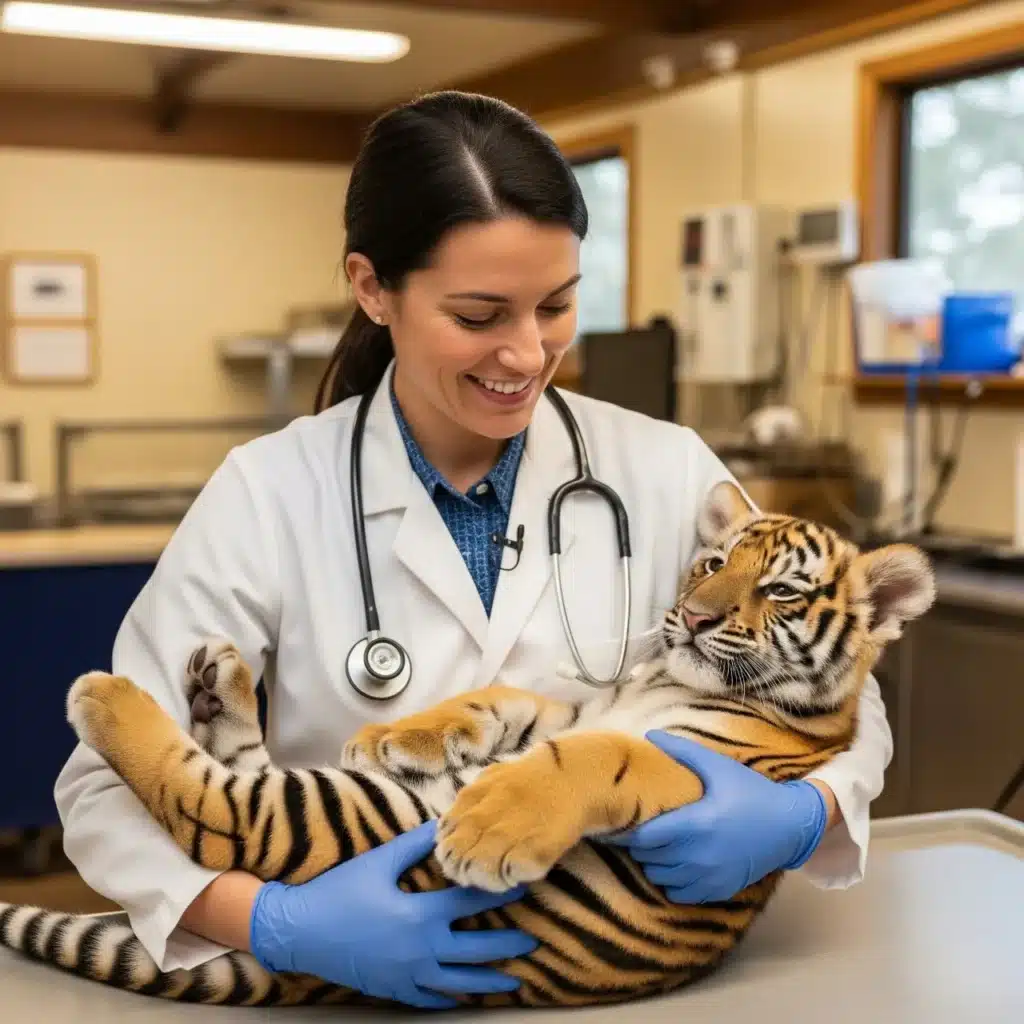
The Ethical Compass: Navigating Responsible Wildlife Tourism
To travel responsibly in this realm, one needs a clear ethical compass. Unfortunately, terms like “sanctuary” or “wildlife park” are often misused by exploitative operators. The best approach is to look for concrete signs of genuine animal welfare and avoid the known red flags of abuse.
Distinguishing Genuine Sanctuaries from Exploitative Attractions
Genuine Sanctuaries focus on rescue, rehabilitation and lifelong care. For example, The Wild Animal Sanctuary in Keenesburg, Colorado rescues hundreds of abused or abandoned large carnivores and provides them with huge natural habitats. It is “the world’s largest and oldest non-profit sanctuary dedicated exclusively to rescuing large carnivores”. Visitors there walk on a 1.5-mile elevated boardwalk, observing lions, tigers, wolves and bears living in wide-open spaces (unseen by the animals, to avoid stress). A hallmark of such genuine facilities is “hands-off” interaction: animals are not trained for tricks or forced to be with people. They are often born wild and may never experience humans beyond routine care. Importantly, true sanctuaries do not breed animals for profit or perform “cuddly” interactions. The Global Federation of Animal Sanctuaries (GFAS) sets stringent standards for such facilities: accredited sanctuaries must provide naturalistic habitats, focus on rescue (not breeding) and have transparent welfare practices.
In contrast, Exploitative Operations often claim to be educational or conservation-oriented but in reality treat animals as commodities. Common warning signs include: direct contact (petting, bathing, selfies) with wild animals; animals performing unnatural tricks or wearing costumes; visible restraints like chains or tiny cages; and physical mutilations (declawing, tooth removals, etc.). For instance, National Geographic’s investigation of Asian wildlife shows bears tethered or forced to walk on hind legs for tourist photos. Big Cat Rescue documents how cubs are used in selfie attractions: “mother tigers are speed-bred to ensure that there are always baby cats for visitors to cuddle”. Lion and tiger cubs sold for petting often end up discarded or sent to canned hunts once they grow too large. Exploitative parks may deceptively advertise as “sanctuaries” but refuse to allow outside audits. They tend to lack any third-party accreditation or veterinary oversight. In short, if an experience seems fun for people (petting or feeding a wild animal) but suspiciously easy for the facility (e.g. no barriers), it likely comes at a high cost to the animal’s welfare.
Key Indicators of Ethical Practices
To identify ethical wildlife encounters, look for these positive indicators:
- Observation from a Distance: Wildlife is viewed in large, natural enclosures or in the wild. Animals can roam freely, and interaction is only through binoculars, cameras, or guided tours — never physical handling.
- Expert-Led Tours: Guides or staff are qualified naturalists, biologists or veterinarians who emphasize education. They explain animal behavior, ecology and conservation rather than merely facilitating photos.
- Small Group Sizes: Tours limit participants (often to 5–12 people). This reduces stress on animals and allows for a quieter, more respectful experience.
- Conservation & Rehabilitation Focus: True ethical operators have a clear mission statement about rescue and release. Profits or donations go toward habitat protection, research and animal care. Visitors may even assist with positive activities like feeding rescued animals under supervision (no petting).
- No Breeding for Entertainment: Accredited sanctuaries do not breed animals for visitor interactions or the pet . Any breeding program in place should be for bona fide conservation reasons with plans to release offspring into the wild.
- Community Benefit: Responsible operators engage and benefit local communities (e.g. through jobs or sharing tourism revenue) and respect indigenous cultures. They often contribute to environmental education and community-based conservation projects.
- Third-Party Certification: Look for recognised accrediting organisations. The Global Federation of Animal Sanctuaries (GFAS) certifies real sanctuaries. The Association of Zoos & Aquariums (AZA) accredits zoos/aquariums that meet rigorous welfare standards. World Animal Protection’s Wildlife-Friendly™ travel lists or the World Cetacean Alliance (WCA) certification signal hands-off policies. (See table below for examples.) Membership in reputable coalitions or wildlife protection pledges often indicates a genuine commitment.
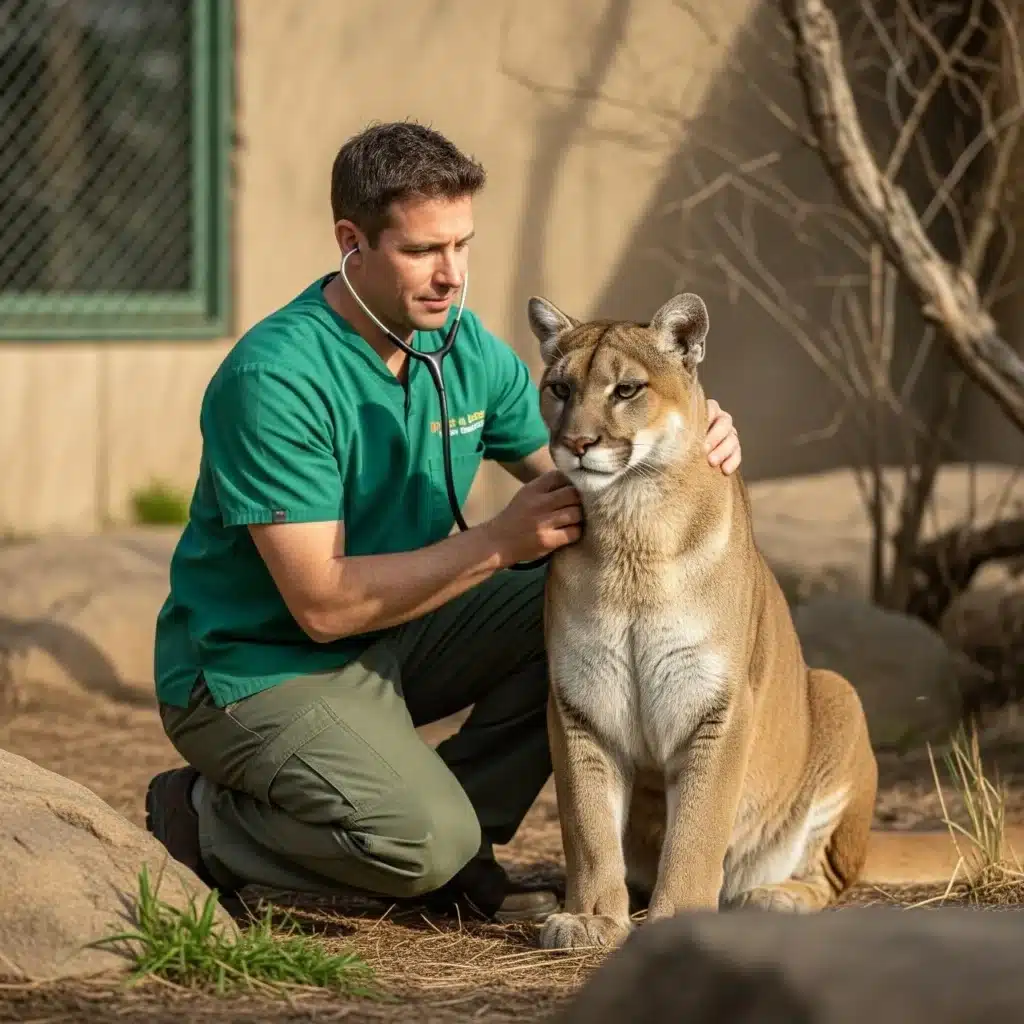
Red Flags to Avoid
Equally important is recognising unethical practices. Avoid any wildlife encounter that involves:
- Direct Physical Contact: Petting, hugging, holding, feeding or riding wild animals. These interactions cause stress and mask underlying abuse. For example, a photo-op with a lion cub may look cute, but those cubs are often stolen from their mothers and trained painfully.
- Unnatural Behaviours or Costumes: Animals performing tricks (dance, soccer, cycling) or dressed up are being coerced. National Geographic reports that monkeys and tigers in such shows are “trained with painful jabs” and kept tethered in tiny cages when not performing.
- Visible Restraints or Abuse: Chains, ropes or very small barren enclosures are signs of cruelty. Physical mutilations — like declawing big cats or removing turtle shells — are often done to make handling “safer” for humans. Such mutilations are never part of an ethical operation.
- High Turnover of “Cute” Animals: Be wary if cubs or young animals are constantly present on site. This suggests they are being bred or acquired to meet visitor demand, then likely sent elsewhere once too big (a cycle of abuse). The price of “cute” encounters is often hidden. For instance, lion cubs used for cuddling are frequently sold into the exotic pet trade or canned hunts when they grow.
- Potential Disease Risks: Remember that direct contact with wild animals can transmit diseases. Born Free USA warns that up to 80–90% of macaque monkeys carry the Herpes B virus (harmless to monkeys but often fatal to humans). Likewise, “probably 90 % of all reptiles carry and shed salmonella” in their faeces. Tens of thousands of Salmonella cases in the U.S. each year are linked to pet reptiles. In short, any experience that permits touching or feeding exotic wildlife is a potential public health hazard.
The table below summarises key differences between ethical and unethical wildlife encounters:
| Category | Ethical Practice | Unethical Practice |
|---|---|---|
| Interaction | Observing animals at a respectful distance in natural or spacious enclosures, no forced contact, no luring or chasing. | Any direct physical contact: petting, holding, feeding, riding, bathing, or selfie-posing with wild animals. |
| Animal Welfare | Animals are in large, naturalistic habitats; exhibit natural behaviours. Focus is on rescue, rehabilitation, release, and no breeding for profit. | Animals show unnatural behaviours (tricks, costumes). Visible restraint: chains, tiny cages, or signs of mutilation. Often bred or stolen to supply encounters. |
| Operator Focus | Conservation, education, research and species protection. Profits support habitat and animal care. | Entertainment-driven and profit-oriented. Animals are exploited as “attractions” with little regard for their well-being. |
| Guide/Staff Role | Knowledgeable guides (biologists, vets) lead tours with an educational focus and enforce safety. | Staff facilitate photo-ops. Little to no education provided; may even encourage disrespectful behavior. |
| Certification | Accredited by recognised organisations (e.g. GFAS, AZA, WAP guidelines). Transparent policies are posted publicly. | No legitimate accreditation; often mislabeled (“sanctuary” in name only). Operators rely on vague “wildlife-friendly” claims without proof. |
Choosing Your Experience: A Checklist for Conscious Travelers
When planning an exotic wildlife activity, do your homework. Ask the operator or check online:
- What is the facility’s mission? Look for clear statements about rescue, conservation and education. If the marketing emphasizes fun and selfies over welfare, be suspicious.
- Are guests allowed to touch or feed the animals? If yes, that’s a major red flag. As we’ve seen, all ethical guidelines stress that no wild animal should be handled by visitors. Only proceed if the answer is strictly “no.”
- How are the animals housed? Genuine operations will show pictures of large, enriched habitats and relaxed animals. They won’t show employees dragging nervous animals to photo spots. Check for multiple species together (as should happen in wildlife families) rather than isolated individuals in tiny cages.
- What training do guides and staff have? Do they have wildlife, biology or veterinary backgrounds? Responsible operators often tout their experts’ credentials. If the only staff presented are actors or “animal handlers” with no biology expertise, that’s a concern.
- Are there any limits on group size or visitor behavior? Small groups and strict distance rules indicate care. Avoid any experience that doesn’t clearly limit crowd size or doesn’t forbid flash photography or feeding.
- Where do the animals come from? Real sanctuaries usually rescue confiscated or abandoned animals, not capture them from the wild or breed them for exhibitions. If the facility breeds its own animals or sources them commercially, it’s not a refuge.
- Is the facility accredited or recognized by third parties? Look for logos or membership in reputable bodies. For example, GFAS accreditation is a strong signal that a sanctuary meets high welfare standards. Affiliations with AZA (for zoos) or partnerships with wildlife NGOs are also good signs.
Recognized Certifications and Organizations
Third-party accreditations can shortcut your research. Here are some trustworthy certifications and organizations to look for:
| Organization / Certification | Focus / Mission | What They Certify / Endorse |
|---|---|---|
| Global Federation of Animal Sanctuaries (GFAS) | Accredits sanctuaries dedicated to rescue and care of wildlife. | Sanctuaries meeting rigorous welfare standards (large habitats, hands-off visitor policies). |
| Association of Zoos & Aquariums (AZA) | Sets high standards for animal care, conservation, and education in zoos. | Zoos/aquariums that meet strict criteria for welfare, veterinary care, and public education. |
| World Animal Protection (WAP) | Accredits sanctuaries dedicated to the rescue and care of wildlife. | Travel companies and experiences that commit to “wildlife-friendly” practices (no direct contact, etc.). |
| Wildlife Friendly™ Tourism | Advocates against wildlife exploitation promote humane tourism. | Tourism ventures that integrate conservation, community benefit, and ethical wildlife interactions. |
| World Cetacean Alliance (WCA) | Protects whales and dolphins via responsible tourism. | Whale/dolphin watching tours following strict welfare and education guidelines (eg. no swim-with programs). |
| Born Free Foundation | Works to end wild animal suffering in captivity and protect species. | Advocates against the private trade in exotic animals; supports genuine sanctuaries worldwide. |
By choosing only those operators affiliated with such recognized programs, you greatly reduce the risk of unknowingly supporting cruelty.
Beyond the Encounter: Supporting Animal Welfare and Conservation
Each traveler’s choice has ripple effects. By consistently favoring ethical encounters, you help weaken the cruel wildlife-entertainment industry and support true conservation. As one wildlife protection group notes, “Booking only through companies that have animal welfare policies and do not sell harmful wildlife experiences will help end the wildlife entertainment industry. Forever.”. In practical terms, this means your vacation spending goes to sanctuaries, national parks and community projects instead of to roadside zoos or cub-petting cafes. Over time, consumer demand for humane experiences encourages more operators to reform or close abusive attractions, creating safer futures for exotic animals.
How to Contribute to Animal Protection (Beyond Booking)
Travelers can do even more than just choose wisely. Here are actions to take before, during and after your trip to be an active advocate:
- Educate Yourself and Others: Learn about the threats wild animals face globally (habitat loss, poaching, climate change, illegal pet trade). Share facts with friends and on social media. Awareness is powerful: the lion cub cafe in China mentioned above provoked public outrage once people knew the truth. Your voice can discourage mistreatment.
- Advocate and Report: Support laws that ban private ownership of exotic wildlife (for example, the U.S. Big Cat Public Safety Act of 2022). If you witness abuse or illegal practices during travel (e.g. unauthorized elephant rides, illegal animal performances), report it to local wildlife authorities or to organizations like World Animal Protection or Born Free USA.
- Donate to Genuine Sanctuaries: Contribute to reputable rescue and conservation groups (e.g. The Wild Animal Sanctuary, In-Sync Exotics, Sheldrick Wildlife Trust). These organizations rely on donations to care for animals and restore habitats. Even small gifts help feed or vet animals. Before donating, verify transparency – GFAS accreditation or annual reports are good signs.
- Practice Responsible Behavior in the Wild: Whenever you encounter wildlife (even informally), follow simple rules: Keep your distance and never feed wild animals. Feeding can cause dependency, malnutrition or aggression. In fact, Assateague Island’s park service warns that horses taught to beg often get hit by cars; “Visitors are bitten, knocked down, or even killed,” when they feed or pet these animals. Likewise, do not chase, touch or corner any wild creature on hikes or boat trips. Always carry out your trash and avoid plastics or pollutants that can harm habitats. Refrain from buying souvenirs made of animal parts – that includes seemingly innocent items like certain shells or coral pieces, which often come from exploited wildlife.
By moving from passive tourist to informed advocate, you become part of the solution. Each ethical choice and voice against cruelty adds up to a meaningful impact on wildlife preservation.
Conclusion: Empowering Travellers for Positive Impact
Exotic animal travel can be enriching only when done ethically. This guide has highlighted the stark difference between experiences that prioritize profit and those that truly put animal welfare first. Remember: responsible travel is learning, not just leisure. By using the tips above – from asking critical questions, checking certifications, to supporting conservation efforts – you ensure your encounter with wildlife is respectful, enlightening, and uplifting for both you and the animal.
Every time a traveler opts for a sanctuary visit or a guided wildlife tour over a “petting zoo” photo-op, it sends a clear message: we value animals as living beings, not props. In this way, conscious travelers play a powerful role in shifting tourism toward compassion. Ultimately, the choices you make can help guarantee that future generations will still have the chance to enjoy truly authentic exotic animal experiences – ones that inspire wonder and also protect the wildlife we cherish.
Sources: Authoritative wildlife and conservation resources were used to compile this guide, including World Animal Protection guidelinesworldanimalprotection.usworldanimalprotection.us, U.S. National Park Service informationnps.govnps.gov, scientific and travel publicationssmithsonianmag.comnationalgeographic.combigcatrescue.orgbornfreeusa.org, and official provider websitesexoticanimalexperience.netwildfloridairboats.com to ensure accuracy and credibility. Each claim above is supported by the cited reference.