Do coatimundis make good pets? No, you’d better stay away from keeping one in your house or backyard. While it could be possible, coatimundis have very demanding needs. It would be very difficult to make the animal thrive, yet you would need to make sure meeting all legislative requirements.
Species Overview
Common Names: Coatimundi, coati, hog-nosed coon
Scientific Names: Nasua narica, Nasua nasua
Adult Size: 7 to 14 pounds
Lifespan: About 14 years
Key Takeaways
- **Legal and Safety Concerns:** Coatimundis are regulated by law and can be illegal to own in many areas. They have the potential to cause injury and transmit diseases.
- **High Maintenance Needs:** These animals require significant time, effort, and resources to mimic their natural habitat and provide proper care, including spacious enclosures and a specific diet.
- **Potential for Aggression:** Male coatimundis can become aggressive early and require neutering. They possess sharp claws and teeth, and their behavior can be challenging to manage.
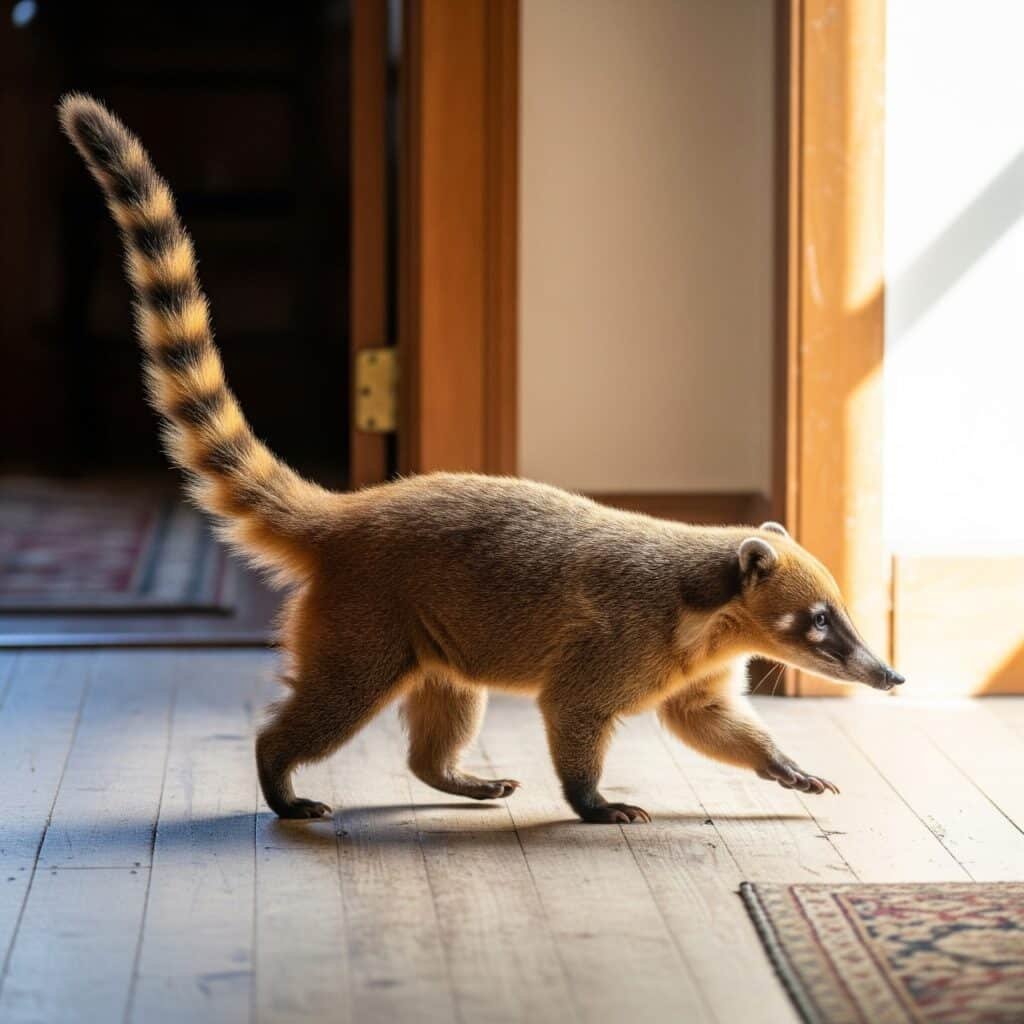
Can You Own a Pet Coatimundi?
Legality
As with other exotic pets, coatimundis are regulated by law. Because this species has caused injury to humans and can transmit diseases, many places outlaw them. States and counties have laws and regulations regarding coatimundis, and you need to know what the law is where you plan to live with your pet. In addition to knowing whether coati ownership is legal, it’s also essential to ascertain whether you will need a permit.
Ethics
Coatis are wild animals that are used to living in the wild, not in enclosures. No matter how much you try to replicate their natural habitat, it will never be the same as the way these animals live when they’re not in captivity.
Things to Consider
If you’re set on having a coati, you need to be sure you can provide the kind of life it would have in the wild—with the right housing, correct diet, and time to devote to your new pet. (Hint: Coatis are way more work than cats and dogs.)
You cannot allow children to play with coatis as they can and do bite. In general, this type of animal is not considered the right pet for most people.
Coatimundi Aren’t Domesticated
Coatimundis are cute and curious creatures, but they are still wild animals like their relatives, the raccoon, and kinkajou. Coatis like to forage for their food and roam at will, making it nearly impossible to replicate their habitat and lifestyle in a residential setting.
Are Coatimundis Dangerous?
These creatures might look adorable, but they come with a mean streak and a tendency to bite. Males become more aggressive when they reach sexual maturity, and neutering them only tempers it slightly. Spayed females might be less aggressive, but it’s not a guarantee.
Coatis have sharp claws and teeth, and they aren’t afraid to use them. You can expect to be scratched and bit regularly, even if it’s not intentional. Protective gloves might offer some protection, but these shifty critters can work around them.
Coatimundi Can Be High Maintenance
You can’t just put a coatimundi in a pen or let them have free reign in your house. Coatis need a lot of space to run around, even if you cage them. Anything less than a ten-foot by ten-foot by ten-foot cube is too small, and that’s just for an indoor setup. They also need to be outdoors and have room to play and roam.
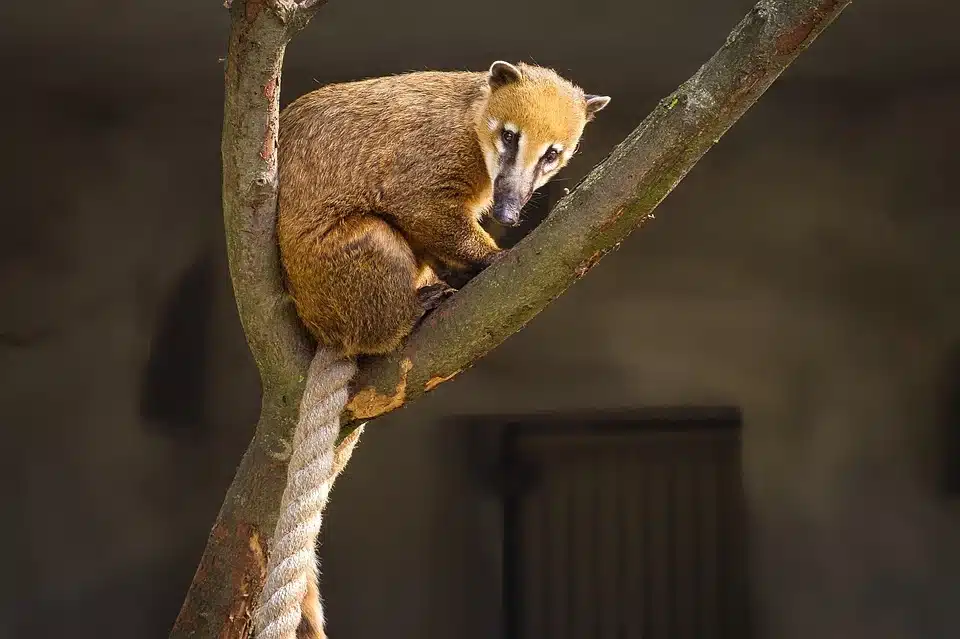
Coatis are highly active creatures that need to climb and forage and learn. They need plenty of variety and activity to prevent stress that often turns into self-mutilation. Ropes, hammocks, swings, and baby toys are all viable options for keeping a coati engaged.
Plus, you need to pay attention to the temperature and keep it consistent. The mountain coatimundi, sometimes referred to as the South American raccoon, can survive colder weather, but that doesn’t mean they like it. Most coatis live in warmer climates and prefer milder weather.
Watch the video below to see what it would be like to own a pet coatimundi.
Coatimundi Behavior and Temperament
South American raccoons are unlike North American raccoons; they are diurnal and are active during the day. Males are solitary in the wild and are usually larger than females, which tend to live in groups.
Male coatis can become very aggressive once they are sexually mature. Neutering is recommended before 6 months of age to curb some of the aggression. Females can become aggressive when they are in heat; for a more even-tempered coati, spay it.
Owning a coatimundi is something like caring for a permanent toddler with sharp claws and teeth and a fantastic ability to climb, swim, and get into mischief. If coatis aren’t bottle-raised at a young age and continually socialized, they can become violent and dangerous, much like a pet primate. Whenever handling one, you will need to wear thick, protective gloves to prevent scratches from fidgeting or scurrying coati.
Although declawing and tooth removal may seem like good options for safeguarding your family against bites and scratches, it is very unnatural and not appropriate to do to any animal, including a coati. If you can’t handle the sharp teeth and claws of a coati, then you should not have one as a pet.
To increase your chances of having a loving and enjoyable pet, provide your coati with plenty of enrichment, exercise, and attention.uble, like the refrigerator or kitchen cabinets. Additionally, too many treats can make them more aggressive or turn them into picky eaters.

Coatis Are Smart and Savvy
While it might sound like a perk, having a bright and energetic pet means a lot of extra work. You can teach them to walk on a leash, and even litter train them, but both require a lot of time, patience, and consistency. That said, some coatimundis won’t accept training, even with a reward system.
Since they are colorful creatures, coatis don’t do well with boredom and need plenty of activity. If they get bored, they can get depressed or stressed out and end up sick.
However, you can’t just let them run loose, or they will get into trouble. Coatimundis can be surprisingly destructive in ways that can cause a lot of damage to you, your home, and themselves.
Coatis Are Solitary Creatures
Coatimundis, especially males, are solitary creatures. Even if you raise one from a young age and around other animals, there’s no guarantee that they won’t turn aggressive. These creatures are wild and retain those urges and tendencies that help them survive, no matter how lovingly you raise them.
Who Will Treat Your Coatimundi?
Coatimundis are wild animals that can’t be treated by all veterinarians. You need to find a vet who has the skill, knowledge, and willingness to work with wild animals. Expect to travel for appointments and pay extra for the services.
How Much Does a Coatimundi Cost?
If you still think a coati is the pet for you, at least try to find a white-nosed coati or Mexican raccoon for sale. You might see these creatures listed as kudamundi, but it’s the same animal. This breed is less aggressive, more affectionate, and easier to care for than others.
Of course, you can’t just walk into a pet store and ask for a white-nosed coati. The only place to buy a baby coatimundi is through a breeder who specialises in exotic animals, and you can expect it to cost a lot. The average price for a baby coati is $1000, and that’s just the animal.
Expect to pay more for vet bills if you can find one. You also have to monitor their diet, buy plenty of toys, and establish a significant habitat to keep them engaged. Aside from the monetary costs, coatimundis require a lot of time and attention from you.
Purchasing Your Coatimundi
Never adopt pet coatimundis from the wild; this can be dangerous to both you and your pet. It is also illegal in many places. You will not be able to find coatimundis in pet stores, but you can find breeders. They can cost $500 to $1,500.
You must buy from a USDA-licensed breeder, it’s illegal not to, so carefully research their reputation. Know where your pet is coming from and how old it is. Ideally, a pet coatimundi should be born in captivity and should be comfortable interacting with human beings. When visiting the breeder, spend some time with the coati. Check to see that it appears healthy and has bright eyes, a shiny coat, and plenty of energy. Just as importantly, be sure that you are comfortable with the animal you are about to adopt, as you will be spending a great deal of time, money, and energy on your new pet.
Common Health Problems
Your coati will need an experienced exotics veterinarian for annual checkups. Coatis rarely have medical issues, although they are prone to getting a rectal prolapse from straining to defecate due to parasites or diarrhea.
An improper diet will likely cause malnutrition. And, if you house multiple coatis together, fighting can cause injuries. There are no licensed vaccines for coatis, but many veterinarians will use dog or cat vaccines.
Grooming
Coatimundis groom themselves, or each other. Unless yours starts to look unkempt—and that would really be something you should discuss with your vet—then there’s nothing for you to do.
Shedding
Like most furry animals, coatis shed. Yours may or may not allow you to gently brush it, but don’t count on it (and wear thick, protective, leather gloves if you do).
Bathing
You do not need to bathe your coati; it will do this job itself.
Size Information
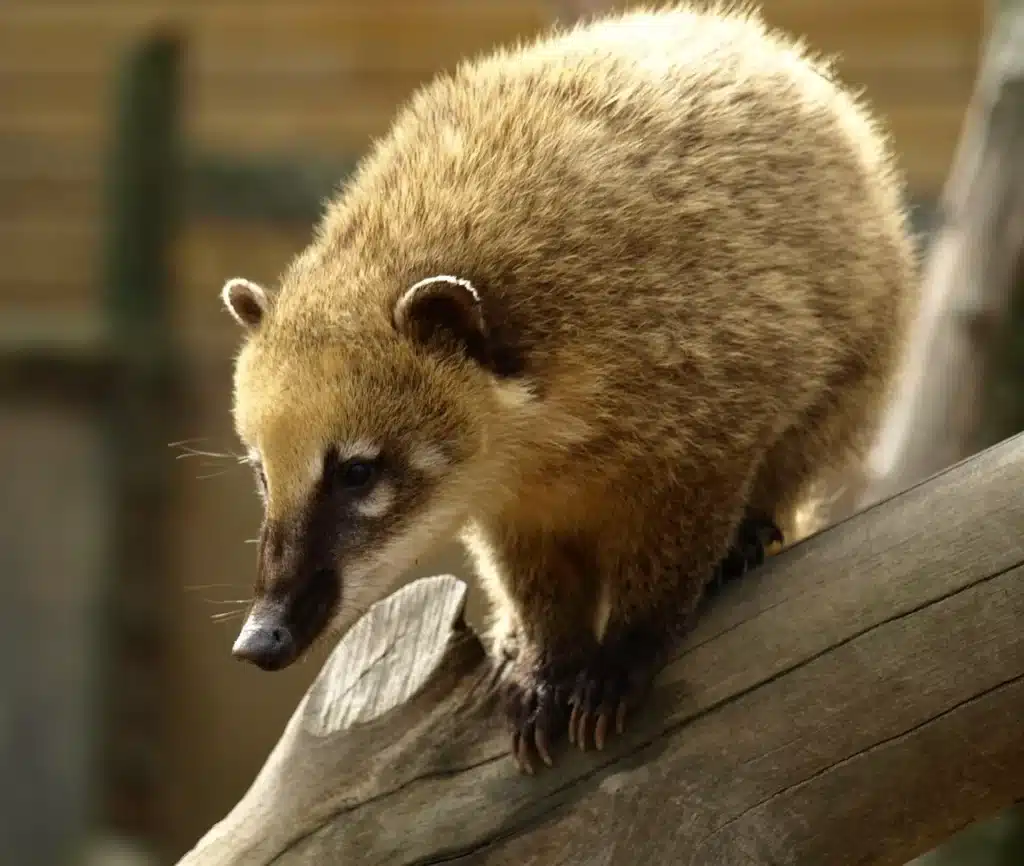
Full-grown coatis are fully grown at around 15 months and weigh from seven to 14 pounds. They’re 20 to 24 inches long, not including their tails, which can be longer than their bodies!
Training Your Coatimundi
Coatis are very smart animals, like their raccoon cousins. The earlier you get them, the easier it will be to train them.
Leash Training
Coatimundis can be trained to walk on a leash with a harness if you start doing this with them when they are young.
Potty Training
With training and patience, they can be litter-trained.
Pros & Cons of Keeping a Coatimundi as a Pet
Coatis can be fun pets: they’re intelligent and affectionate and will get along with your cats and dogs. They’re easily fed and they have no aroma. However, there are downsides: Male coatimundis become very aggressive, very early, and must be spayed or neutered early. They have sharp, destructive claws, as well as a mouthful of sharp teeth. They need a good deal of stimulation, and you’ll need to baby-proof anywhere these little mongrels hang out.
- Pros: Coatis are highly intelligent and curious. Owners who have raised them from kits report that they can become affectionate with familiar humans and even learn simple tricks (like leash-walking or litter-training). They often get along with other pets they grew up with (dogs or cats), and unlike some exotic carnivores they have almost no body odour. If properly handled, some coatis enjoy human attention (ear scratches or gentle petting when a puppy), and their playful antics can be entertaining.
- Cons: However, there are significant downsides. Male coatis reach sexual maturity early and often become aggressive without neutering. Even neutered adults retain strong instincts – they have “very developed fangs” and long claws that will be used defensively. Coatis require constant mental and physical stimulation: without it they may become destructive or anxious (cage-chewing, repetitive behaviors). Legal and practical issues are major cons: in many regions owning one is illegal (or requires costly permits). You must be prepared for the commitment: spacious housing, special diet, exotic vet care, and socialization time.
- Risk Factors: A bite or scratch from a coati can cause serious injury and infection. As noted, coatis can carry rabies and other zoonotic diseases. Even if vaccinated, no exotic pet is risk-free. For these reasons, professional guides strongly advise against coatis as pets for the average person.
In short, are coatis good pets? – only in very limited, specialised circumstances. The overwhelming expert consensus is that coatis remain essentially wild creatures. They are not recommended for most homes. Only owners with prior exotic experience and a genuine understanding of coati behavior (plus legal clearance) should attempt to keep one.
Reproduction/Breeding
The right breeder will give you the information you need to care for your coati, from medical care to social skills. They will also be able to tell you about your future pet’s lineage and health history. If you get more than one coati, discuss spaying/neutering with your vet.
Are coatis aggressive?
Coatis (coatimundis) are wild mammals, but they are generally not aggressive toward people. In their natural habitat coatis are usually shy and avoid confrontation. However, like any wild animal, a coati will defend itself if cornered or threatened. Adult males or mothers protecting young can display defensive aggression. For safety, it’s best to give coatis plenty of space, admire them from afar, and avoid disturbing them or trying to handle them.
Are coatis friendly to humans?
Coatis may appear curious or tame—especially if they approach people looking for food—but they are not inherently friendly to humans. They remain wild animals with sharp claws and unpredictable behavior. Experts emphasize that coatis should never be fed or approached, because habituated animals can become nuisances or defensive. In practice, coatis are best admired from a distance; never treat a coati like a pet or try to touch one.
Is a coatimundi a raccoon?
No – coatimundi (coati) are related to raccoons but are not the same animal. Coatis belong to the raccoon family, Procyonidae, so they are close relatives. The SeaWorld wildlife guide notes that “the coati is a relative of the raccoon”. However, coatis have a long, pointed nose and a longer, ringed tail, and they are diurnal (active by day), whereas raccoons have shorter bushy tails and are mostly nocturnal. In other words, a coati is not a raccoon, but a cousin in the same animal family.
Is a coati a lemur?
No – coatis are New World carnivores, whereas lemurs are primates from Madagascar. Coatis and lemurs are entirely different groups. Even though a band of coatis holding their tails high can resemble ring-tailed lemurs, they live in different hemispheres and are not closely related. Coatis are in the raccoon family (Procyonidae) and live in the Americas; lemurs are strepsirrhine primates only in Madagascar. National Geographic emphasizes this difference, noting that coatis “live in different hemispheres” from lemurs, so a coati is definitely not a lemur.
Does a coati bite?
Yes – a coati can bite if provoked or handled. Coatis have strong canine teeth used for defense. Educational sources confirm that “coatis can bite” and note that such bites can be painful and may require medical attention. In practice, wildlife handlers warn never to let children interact with coatis, noting “they can and do bite”. As with any wild animal, a coati that feels threatened or cornered will bite or scratch to protect itself. Coatis can also carry parasites or diseases, so any bite or scratch should be treated and cleaned promptly as a potential hazard.
Can I touch a coati?
Absolutely not. Coatis are wild animals and should not be approached, handled, or petted. The U.S. National Park Service explicitly advises visitors to “never feed, touch or approach wildlife,” which includes coatis. Even seemingly tame coatis can bite or scratch. Safety guidelines for encountering coatis in the wild:
- Never attempt to pick up or pet a wild coati.
- Keep a safe distance (coatis have sharp claws and can bite if cornered).
- If you are bitten or scratched, seek medical attention promptly because coatis can carry diseases.
By respecting coatis as wild animals and giving them space, you can safely appreciate these curious creatures without risk.
Summary
Coatimundis are fascinating, intelligent mammals, but they are very demanding as pets. Legally, they are exotic animals – frequently banned or heavily controlled (e.g. illegal in the UK and many U.S. jurisdictions). They require a custom-built habitat, specialised diet, and vigilant care. They can and do bite or scratch humans, and owners must handle them with respect and caution. In addition, the cost of obtaining a coati (often $1,000+) plus building an enclosure can be prohibitive.
Ultimately, if you’re asking “can you have a pet coatimundi?” the better advice from veterinarians and wildlife experts is: probably not. Even if legal in your area, coatis are far more work than cats or dogs, and they belong in the wild or in zoos. Those who love coatis are encouraged to support sanctuaries or simply enjoy these animals in nature, rather than trying to keep one at home.
Sources: Authoritative pet and wildlife guides, veterinary experts, and wildlife organisations were used to compile this information, ensuring up-to-date and accurate advice on coati care and legal issues.