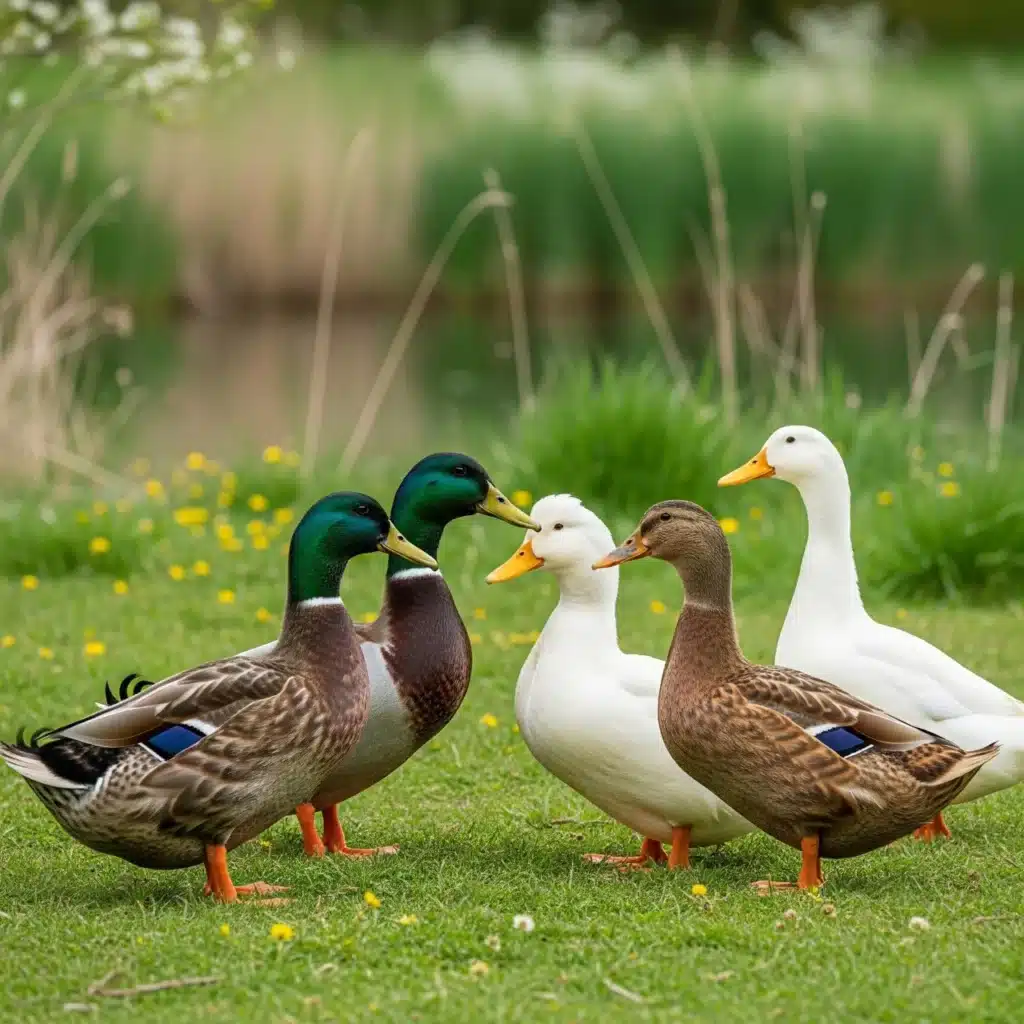
Best Duck Breeds for Eggs are taking over the backyard egg-laying scene with richer flavor, creamier texture, and impressive yields. This ultimate guide explores the top 7 duck breeds for eggs, their laying potential, personalities, and why they’re the perfect addition to your homestead or flock.

Why Choose Ducks for Eggs? Understanding the Duck Egg Advantage
Before we dive into the specific best duck breeds for eggs, let’s address the fundamental question: why ducks over chickens for egg production? While chickens are undeniably popular, ducks offer several unique advantages that make them highly desirable egg layers:
- Superior Egg Quality: Duck eggs are generally larger than chicken eggs, boasting a more robust yolk and a richer flavor. Their higher fat content makes them a favorite among bakers, as they lend a superior richness and moistness to baked goods.
- Longer Laying Season: Many duck breeds continue to lay well into the colder months, even through winter, often outperforming chickens in cooler climates. This means a more consistent supply of fresh eggs year-round. This extended laying period is one of the key reasons why people seek out the best duck breeds for eggs.
- Hardiness and Disease Resistance: Ducks are generally hardier and more resistant to common poultry diseases than chickens. Their natural waterproofing and love for water help them stay clean and healthy, contributing to their reputation as reliable layers.
- Pest Control: Ducks are excellent foragers and can help control slugs, snails, and various insects in your garden, acting as a natural pest control squad. This makes them a multi-functional addition to the homestead, especially if you’re looking for the best duck breeds for eggs that also contribute to garden health.
- Less Destructive to Gardens (Compared to Chickens): While ducks can certainly make a mess, they tend to forage differently than chickens. They scratch less aggressively, which can be a boon for gardeners seeking natural pest control without significant plant damage.
- Temperament: While some breeds are more skittish, many duck breeds are known for their calm and docile nature, making them pleasant additions to a backyard flock.
Key Considerations When Choosing the Best Duck Breeds for Eggs
Selecting the “best duck breeds for eggs” isn’t a one-size-fits-all answer. Your ideal breed will depend on several factors:
- Egg Production Quantity: How many eggs do you need per year? Some of the best duck breeds for eggs are prolific layers, while others offer a more moderate output.
- Egg Size and Color: Duck eggs come in various sizes and colors, from pristine white to shades of blue, green, and even cream. Do you have a preference that will influence your choice of the best duck breeds for eggs?
- Temperament: Are you looking for a calm, friendly duck, or are you comfortable with a more active or timid breed? The disposition of the duck is a crucial factor when choosing the best duck breeds for eggs for your specific environment.
- Climate Adaptability: While ducks are generally hardy, some breeds are better suited to colder or warmer climates. Consider your local climate when researching the best duck breeds for eggs.
- Broodiness: Do you want ducks that will naturally hatch their own ducklings, or are you planning to use an incubator? Many prolific layers among the best duck breeds for eggs have had their brooding instinct bred out.
- Foraging Ability: Do you want ducks that are active foragers, helping to control pests and reduce feed costs? This is another practical consideration for choosing the best duck breeds for eggs.
- Size and Space: Consider the size of the ducks and the amount of space you have available for their housing and foraging. Larger breeds, even if they are among the best duck breeds for eggs, will require more space.
The Top Contenders: Best Duck Breeds for Eggs Production
Now, let’s explore the leading duck breeds for eggs, renowned for their egg-laying prowess and overall suitability for a laying flock:
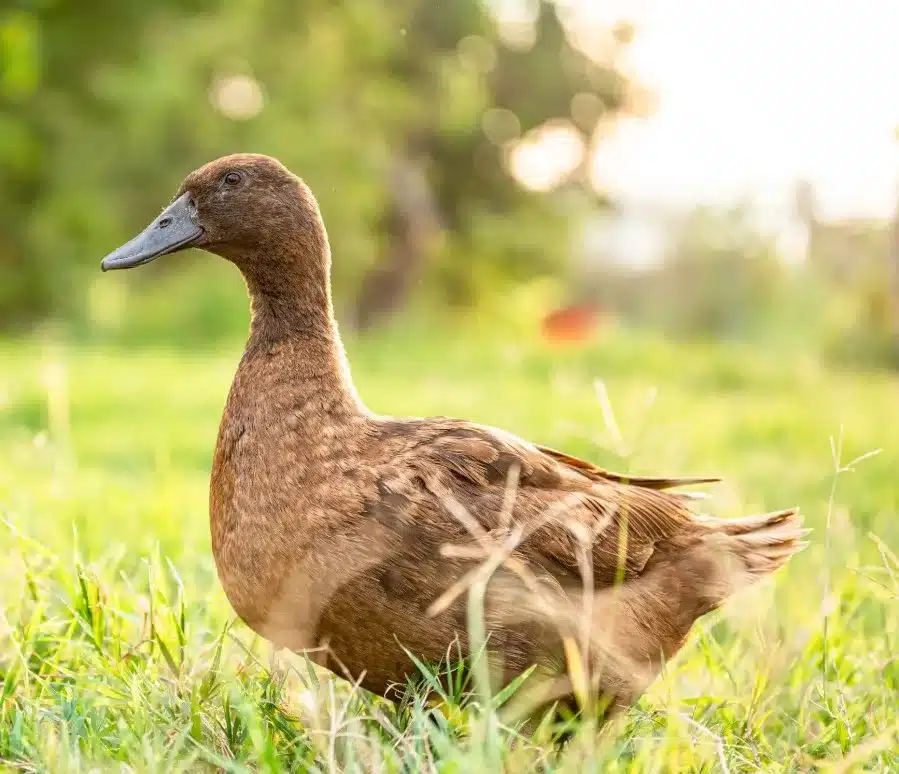
1. Khaki Campbell
- Egg Production: The undisputed champion of egg layers, Khaki Campbells are famous for their exceptional output. A healthy Khaki Campbell hen can lay an astonishing 250-340 eggs per year, rivaling or even surpassing the best chicken layers. Their eggs are typically medium to large in size and range from white to a light cream tint. When considering the best duck breeds for eggs, the Khaki Campbell consistently tops the list for quantity.
- Temperament: Khaki Campbells are active, alert, and can be a bit flighty, especially if not handled regularly from a young age. However, they are generally not aggressive and can be quite friendly with consistent interaction. Their energetic nature makes them excellent foragers.
- Size: Medium-sized ducks, weighing between 4 to 5.5 pounds. Their lighter build contributes to their high egg production.
- Broodiness: Khaki Campbells rarely go broody, making them ideal for continuous egg production. If you want to hatch ducklings, you’ll likely need an incubator or a broody chicken. This non-broody trait cements their status among the best duck breeds for eggs for consistent supply.
- Ideal For: Backyard keepers looking for maximum egg production, experienced duck owners, and those who appreciate active foragers.
2. Golden 300 Hybrid Layer / White Layer (Commercial Strains for Eggs)
- Egg Production: These specialized hybrid layers, often developed by hatcheries like Metzer Farms, are bred specifically for consistent, high-volume egg laying. They can average between 200-290 eggs per year, producing large white eggs. For sheer commercial-level efficiency, these hybrids are among the best duck breeds for eggs.
- Temperament: Generally calm and adaptable, these hybrids are designed for efficiency and ease of management, making them an excellent choice for a dedicated egg flock.
- Size: Medium-sized, similar to Khaki Campbells.
- Broodiness: Like Khaki Campbells, they are bred for egg production and typically have very little to no brooding instinct.
- Ideal For: Commercial egg producers, homesteaders prioritizing high volume and reliability, and those who want a straightforward egg-laying duck without strong maternal instincts.

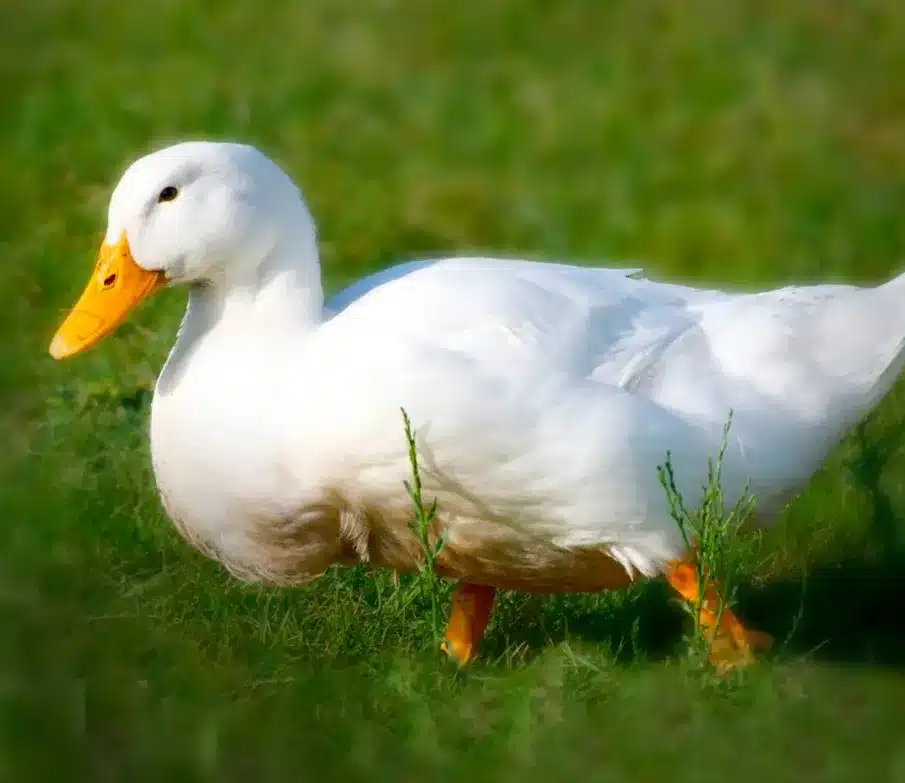
3. Pekin Duck: The Dual-Purpose Dynamo and Good Egg Layer
- Egg Production: While often thought of as a premier meat duck, the Pekin is also a surprisingly good layer. A healthy Pekin hen can lay anywhere from 150-220 large to extra-large white eggs per year. They typically start laying at around 16-28 weeks of age. Their dual-purpose nature makes them a strong contender when evaluating the best duck breeds for eggs for overall farm utility.
- Temperament: Pekins are renowned for their docile, calm, and friendly personalities. They are often described as “lap ducks” and are very tolerant of human interaction, making them an excellent choice for families and beginners.
- Size: Large, robust ducks, weighing between 8 to 10 pounds. Their substantial size makes them a good dual-purpose bird (meat and eggs).
- Broodiness: Pekins rarely go broody, which is a plus for consistent egg collection.
- Ideal For: Beginners, families with children, those looking for a dual-purpose bird (meat and eggs), and individuals who appreciate a calm and friendly duck.
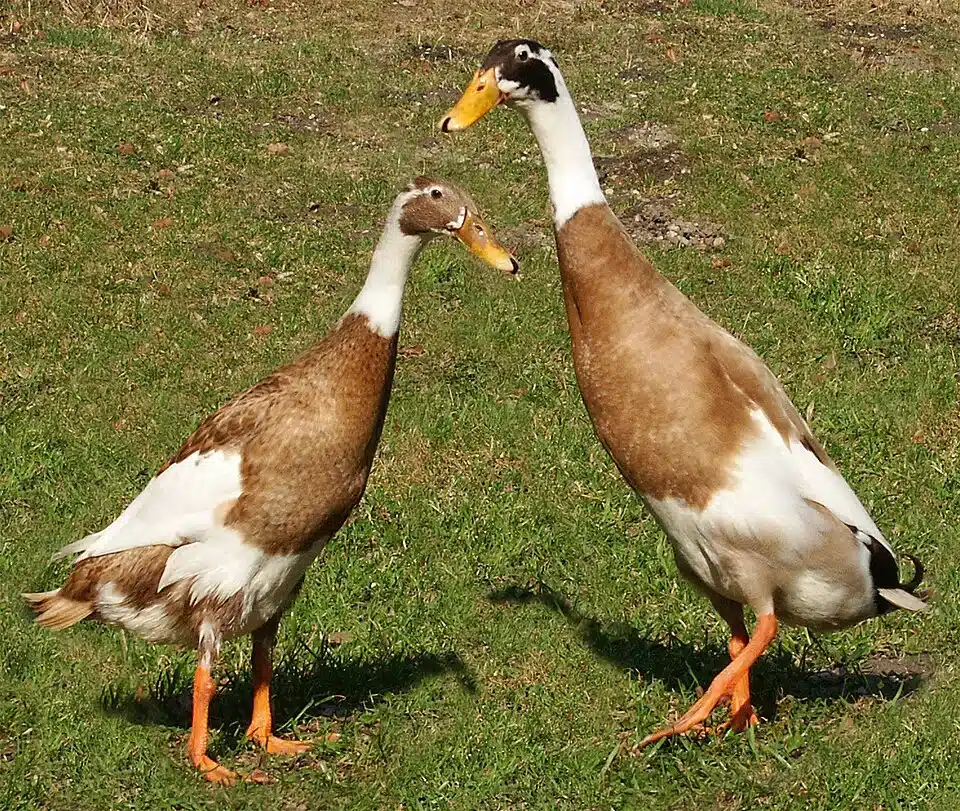
4. Indian Runner Duck: The Upright Egg Machine Among Best Duck Breeds for Eggs
- Egg Production: With their distinctive upright posture, Indian Runners are not only unique but also impressive layers, producing around 150-250 medium to large white or blue-green eggs per year. Their consistent production and unique look earn them a spot among the best duck breeds for eggs.
- Temperament: Indian Runners are active, energetic, and can be a bit skittish. They prefer to “run” rather than waddle, giving them a comical appearance. They are excellent foragers, constantly on the move.
- Size: Lean, upright ducks, weighing between 3.5 to 5 pounds. Their slender build is adapted for efficient foraging.
- Broodiness: Indian Runners are known for rarely going broody. They will often drop their eggs wherever they happen to be, making egg collection interesting!
- Ideal For: Enthusiasts seeking a unique and active breed, those with ample foraging space, and keepers prioritizing good egg production with a fun personality.
5. Magpie Duck: The Striking and Productive Layer
- Egg Production: Magpies are not only beautiful with their distinctive black and white plumage but also good layers, producing 200-290 medium to large white, blue, or green eggs per year, often with speckles. They are noted for often hatching a week earlier than other breeds. Their consistent and varied egg colors make them a popular choice when considering the best duck breeds for eggs.
- Temperament: Generally docile and calm, Magpies are known for being active foragers. They can be a bit more reserved than Pekins but are still friendly with regular interaction.
- Size: Medium-sized ducks, weighing between 4.5 to 6 pounds.
- Broodiness: Magpies can occasionally go broody, but it’s not typical for the breed. If they do, they can be good mothers.
- Ideal For: Those looking for both aesthetic appeal and strong egg production, active foragers, and keepers who appreciate a quieter, yet productive, duck.
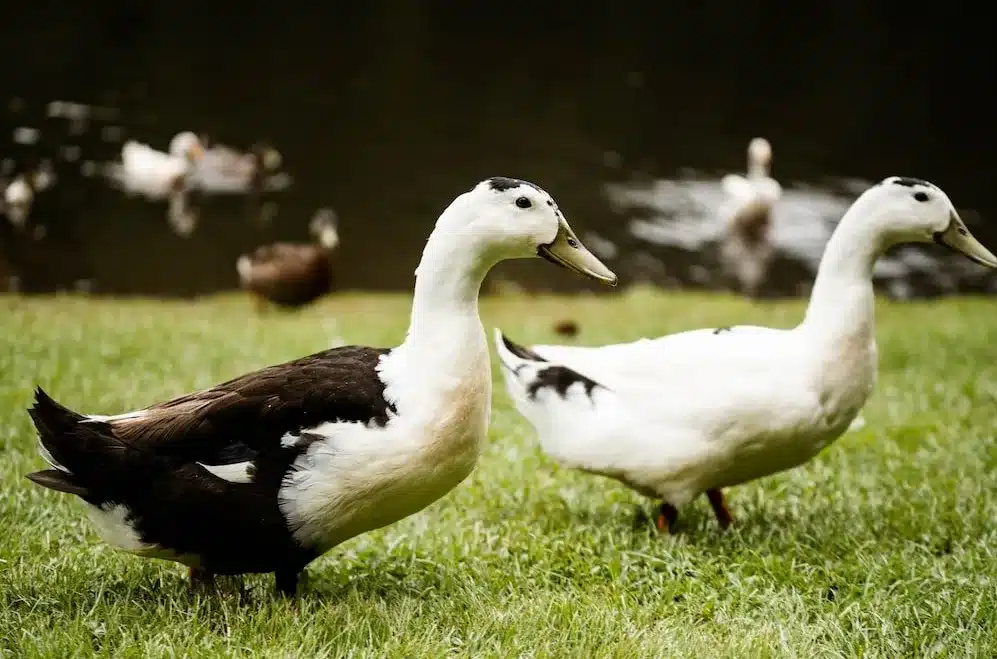
6. Saxony Duck: The Beautiful and Bountiful Choice for Eggs
- Egg Production: Saxony ducks are a gorgeous dual-purpose breed, offering both meat and a respectable egg yield of 200-240 large to extra-large white or tinted eggs per year. They are known for continuing to lay well into winter without supplemental light. Their beauty combined with strong laying numbers makes them one of the best duck breeds for eggs that also provides aesthetic value.
- Temperament: Saxonies are known for their calm, docile, and friendly disposition. They are easy to manage and make wonderful additions to a mixed flock.
- Size: Large ducks, weighing between 7 to 8 pounds.
- Broodiness: Saxonies can sometimes go broody and are often attentive mothers, which can be a plus if you want to naturally hatch ducklings.
- Ideal For: Those seeking a beautiful dual-purpose duck, families, and individuals who appreciate a calm and friendly bird with good egg production.
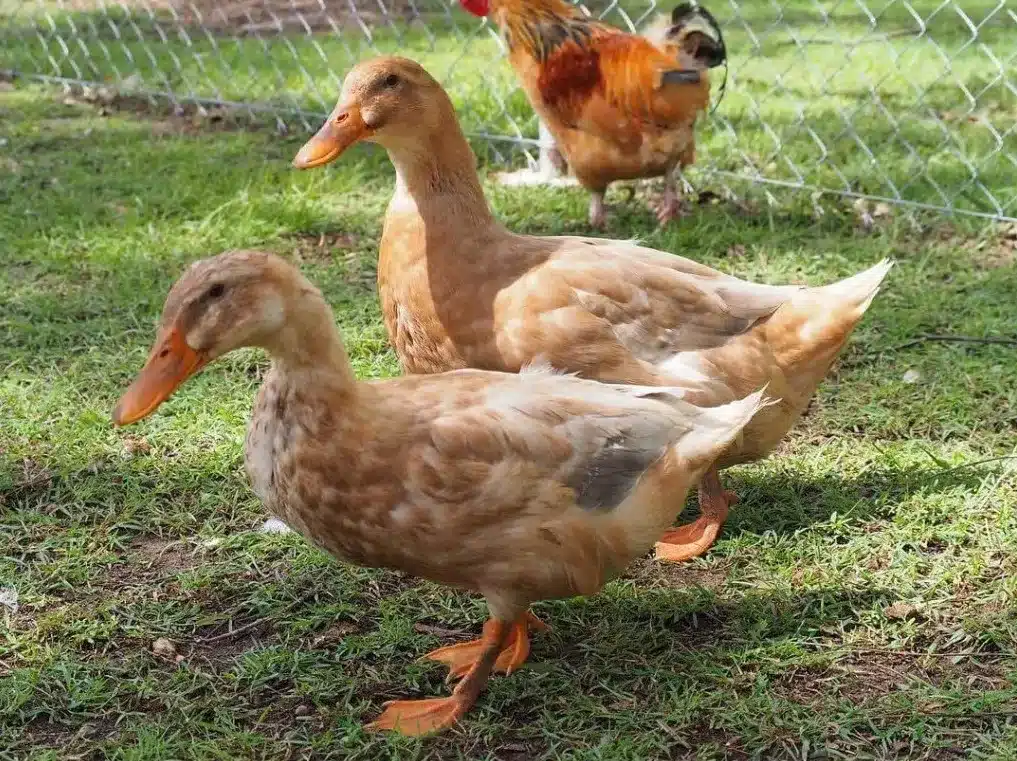
7. Welsh Harlequin: The Docile and Decorative Layer Among Best Duck Breeds for Eggs
- Egg Production: A beautiful and popular breed, the Welsh Harlequin is a sport (genetic mutation) of the Khaki Campbell, retaining much of its excellent laying ability. They can produce 150-300 large, white, cream, or even blue/green eggs per year. Their combination of beauty, docility, and prolific laying secures their place among the best duck breeds for eggs.
- Temperament: Welsh Harlequins are highly regarded for their exceptionally docile and calm temperament, making them ideal for beginners and families. They are less flighty than Khaki Campbells.
- Size: Medium-sized ducks, weighing between 4.5 to 5.5 pounds.
- Broodiness: Unlike their Campbell ancestors, Welsh Harlequins can be prone to broodiness and are often excellent mothers.
- Ideal For: Beginners, families, those looking for a friendly and beautiful duck, and keepers who might want to naturally hatch ducklings.
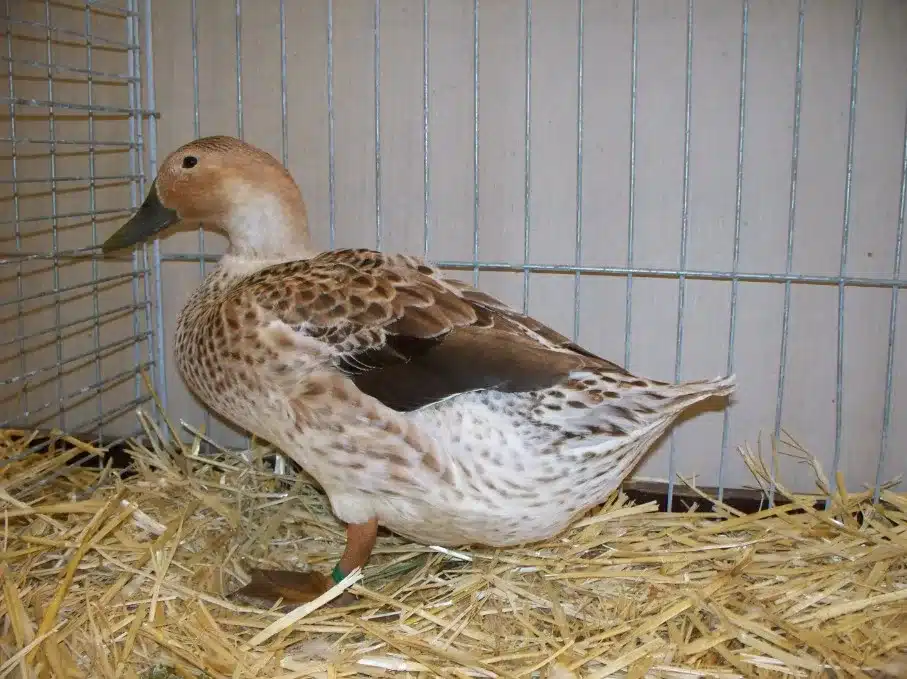
8. Ancona Duck: The Spotted and Consistent Layer
- Egg Production: Ancona ducks are striking with their broken, mottled plumage and are excellent layers, consistently producing 210-280 large to jumbo white, cream, or blue-green eggs annually. They are also known for laying well into winter. Their consistent high volume and unique egg colors make them a strong contender for the best duck breeds for eggs.
- Temperament: Anconas are generally calm, docile, and adaptable ducks. They are active foragers and have a curious nature.
- Size: Medium-large ducks, weighing between 6 to 7 pounds.
- Broodiness: Anconas are not typically broody, making them good for consistent egg collection, though some individuals may go broody and be good mothers.
- Ideal For: Those seeking a hardy, active, and consistent egg layer with a unique appearance.
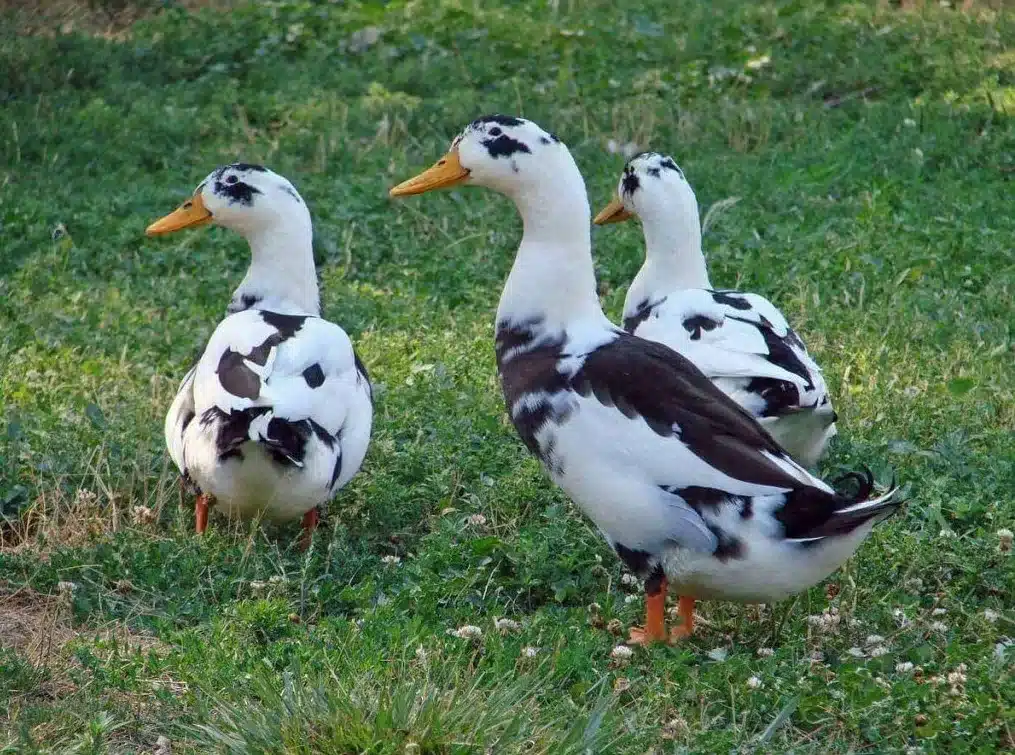
9. Buff (Orpington) Duck: The Stately and Steady Producer
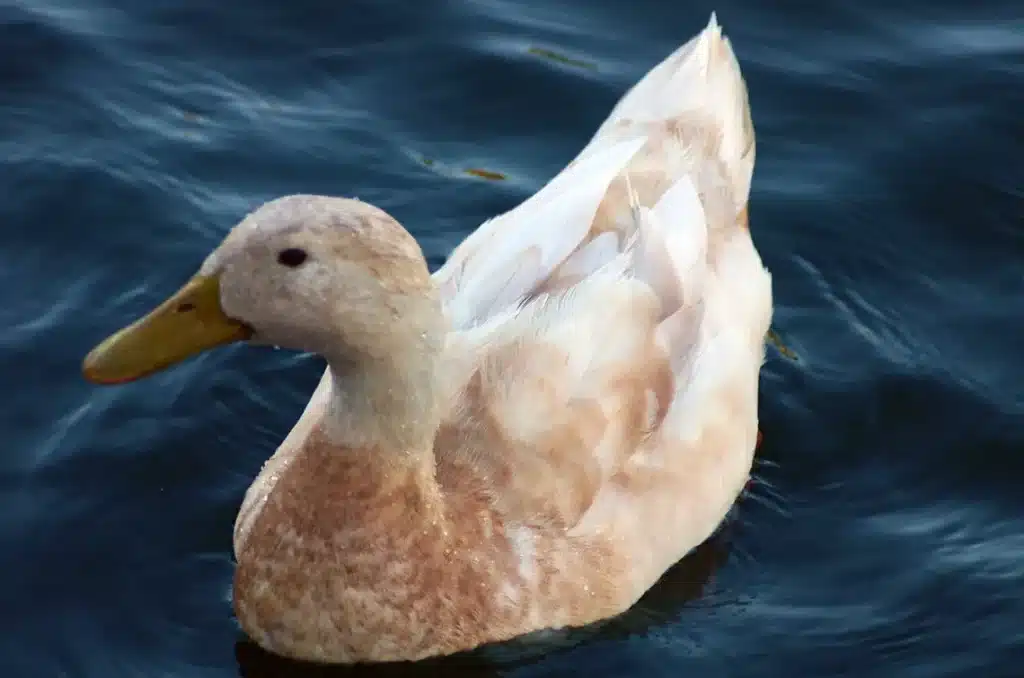
- Egg Production: The Buff, or Buff Orpington, duck is a beautiful, substantial bird known for its calm demeanor and respectable egg production. They typically lay 150-220 large white or tinted eggs per year. While not the most prolific, their balanced traits make them one of the best duck breeds for eggs for a well-rounded flock.
- Temperament: Buff ducks are generally calm, docile, and easy to handle. Their gentle nature makes them a good choice for backyard flocks and beginners.
- Size: Medium to large ducks, weighing between 5 to 8 pounds. They are also considered a good dual-purpose bird.
- Broodiness: Buff ducks can become broody and are often good, protective mothers.
- Ideal For: Those looking for a beautiful, calm dual-purpose duck that provides both eggs and a potential meat source.
10. Blue Swedish
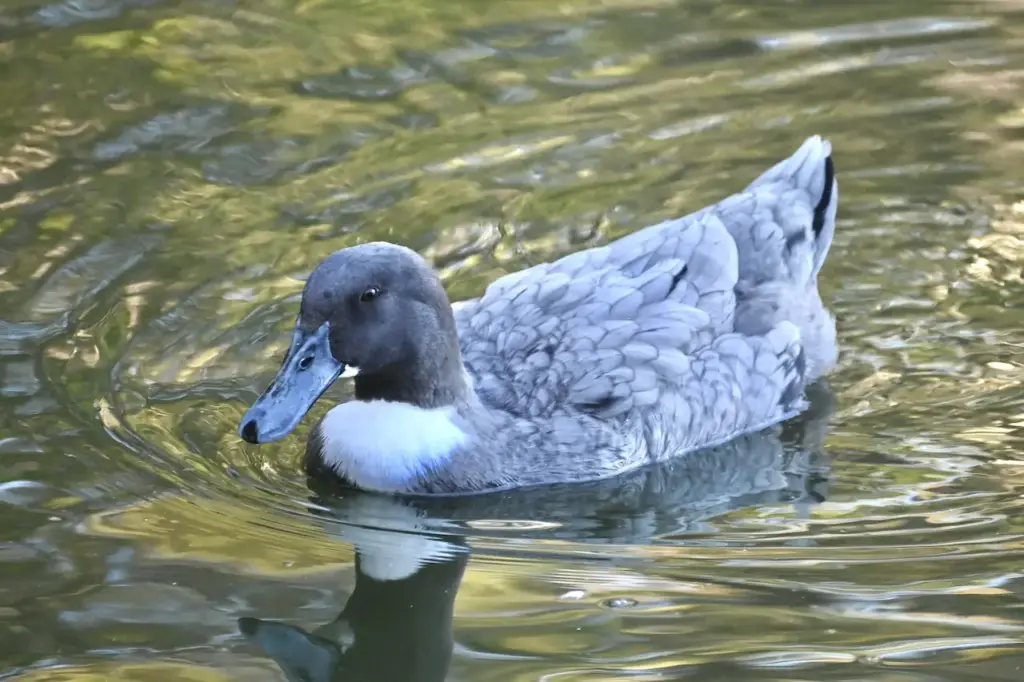
The Blue Swedish is a domestic duck breed that originated in Sweden in the 1830s. Known for its stunning slate-blue plumage and distinctive white bib on its chest, this duck isn’t just beautiful—it’s practical, too.
- Average yearly production: 120–180 eggs
- Laying season: Mostly spring through fall (they may slow down in winter unless given extra light)
- Laying lifespan: They start laying around 5–7 months of age, with the first two years being their most productive
- Color: Typically white, but sometimes light gray or tinted cream
- Size: Medium to large (usually a bit larger than chicken eggs)
- Shell strength: Usually strong and durable, great for cooking and baking
Caring for Your Egg-Laying Ducks
Egg-laying ducks can be a delightful and productive addition to your backyard or small farm. This guide covers everything from choosing the best breeds and feeding them properly to housing, water needs, health care, seasonal care, and tips to maximize egg production. Whether you’re a beginner or experienced keeper, you’ll find detailed advice and tables summarizing key information.
Recommended Breeds for Egg Production: Some duck breeds are notoriously prolific layers, producing hundreds of eggs per year. Key examples include Khaki Campbell (up to 300+ eggs/year), Indian Runner (about 270–300/year), Welsh Harlequin (over 300/year), Pekin (around 200–300/year), Ancona (~210/year), and Buff Orpington (≈200–250/year). Specialty hybrids like White Layer and Golden 300 ducks also lay extremely well (200–290 eggs/year). Below is a comparison of popular laying breeds:
| Breed | Eggs per year | Egg color | Notes |
|---|---|---|---|
| Khaki Campbell | 280–320 | White | Very active foragers; one of the best layers. Not broody. |
| Indian Runner | 270–300 | Pale green or white | Upright, light birds; lay early (≈4–5 months). Good foragers. |
| Welsh Harlequin | >300 | White | Hardy dual-purpose (meat/eggs); good winter layers. |
| Pekin | 200–300 | White | Friendly, dual-purpose; fast growers; poor sitters. |
| Ancona | ≈210 | White | Active, adaptable layers (lay year-round). |
| Buff Orpington | 200–250 | White | Heavy, calm dual-purpose birds (meat & eggs). |
| Blue Swedish | 130–180 | Creamy white | Attractive blue-gray plumage; good sitters. |
| Cayuga | 100–150 | White/greenish gray | Quiet, ornamental; moderate layers with dark-shell eggs. |
| White Layer (hybrid) | Up to 290 | White | Bred specifically for egg production; calm and consistent layers. |
| Golden 300 (hybrid) | 200–290 | White, blue, green | High yield, gentle; beginner-friendly. |
Sources: Breed productivity and traits are summarised from poultry experts and farm guides.
Proper Nutrition and Feeding
Ducks require a balanced diet rich in protein, vitamins, and minerals to lay well. As a rule: non-medicated poultry feed and water should always be available. Key guidelines:
- Starter/young ducklings: Feed a 20% protein chick/duck starter for the first 2–3 weeks. Since ducklings need extra niacin, either use a formulated duckling feed or add a teaspoon of brewer’s yeast per cup of feed.
- Grower feed (3–18 weeks): At about 3–4 weeks old, switch to grower feed (~15–16% protein) to sustain growth without overloading protein.
- Layer feed (adult/laying): From 18–20 weeks on (when laying starts), provide a layer feed (16–18% protein) with additional calcium (oyster shells) for strong eggshells.
- Grit and calcium: Always supply grit (small stones) if ducks aren’t free-ranging, and oyster shell free-choice so layers get extra calcium.
- Fresh greens and treats: Ducks enjoy peas, corn, chopped vegetables, and bugs. Offer scratch grains or greens in moderation; standard feed should be eaten first.
- Water: Ducks eat with water. Always give them water when feeding so they can swallow and clean their nostrils.
- Feeding schedule: Feed once or twice daily. Provide feed in the morning and optionally late afternoon. Each adult duck will eat roughly ½ cup of feed per day.
Feeding Schedule Table: Use this as a general guideline for feed type by age:
| Age/Stage | Feed Type | Protein (Crude) | Notes |
|---|---|---|---|
| 0–2 weeks (starter) | Chick/duck starter | ~20% | Non-medicated; add niacin (brewer’s yeast) if needed. Provide water. |
| 3–18 weeks (grower) | Grower feed | ~15–16% | Transition from starter; supports growth. |
| 18+ weeks (layer) | Layer feed | 16–18% | Add oyster shell free-choice for calcium. |
| Adult males/non-layers | Maintenance feed | 12–14% | Lower protein (mash or crumbles) to prevent obesity. |
| All ages (supplements) | Grit, oyster shell | – | Grit aids digestion; oyster shell supplies extra calcium. |
| Always | Fresh water | – | Provide deep water to submerge head (for preening and cleaning). |
Sources: Protein guidelines are based on poultry nutrition standards. Ducks specifically need extra niacin (B3) and calcium, as noted by experts.
Housing and Nesting
Ducks need a secure, dry shelter and space to roam, but their housing differs from chickens:
- Space: Provide 4–6 ft² of coop space per duck and 10–25 ft² of outdoor run space per duck. Free-ranging is ideal if predators are controlled.
- Shelter: Ducks sleep on the ground, not perches. Build a draft-free duck house with good ventilation. Use straw or pine shavings bedding on the floor, and keep it dry to prevent health problems.
- Predator protection: Ducks don’t perch high at night, so they’re vulnerable. Use sturdy fencing and hardware cloth around the coop/run and secure doors/locks to keep out raccoons, foxes, dogs, and other predators.
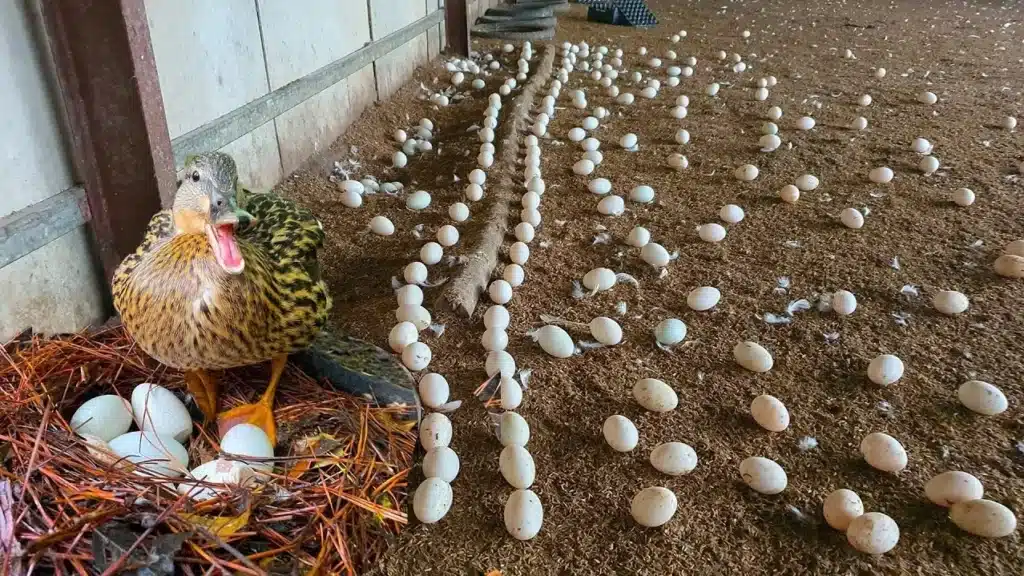
- Nesting: Ducks often lay eggs on the ground in hidden spots. They don’t need high nesting boxes like chickens. However, provide a few nesting areas to make egg collection easier. Place 12″x12″x16″ boxes or secluded straw-filled nests (2–3 for every 10 ducks) in quiet, sheltered corners.
- Keep nests clean and dry; training ducks by confining them to the nesting area in the morning and using dummy eggs can encourage consistent nesting behavior.
In winter, add extra bedding (deep straw) to insulate the floor. In summer, ensure the coop has shaded areas and ventilation so ducks don’t overheat.
Water Access and Bathing
Water is essential for ducks. They need water not only to drink but to bathe and preen:
- Drinking water: Always provide clean, fresh water deep enough for ducks to dip their heads completely (so they can clean their eyes and nostrils). They drink a lot, especially when eating feed.
- Bathing: Ducks love to swim and splash. A kiddie pool, large tub, or trough is sufficient for bathing. Allow ducks to jump in and wet themselves; this keeps their feathers clean and helps prevent skin parasites. Place the waterer away from the coop bedding to avoid mud.
- Hygiene: Change the water daily (more often in hot weather) to prevent contamination. Rotate or refill water containers to keep the pen dry and reduce bacteria/parasites.
- Winter water: Ducks still need liquid water even in freezing weather. Use heated bowls or check and replace water frequently so it doesn’t freeze.
Tips: Keep feeding and drinking areas separate from the sleeping area to minimize dampness. A floating or nipple waterer can help keep ducks’ feathers dryer.
Daily Care Routines
Consistent daily care ensures healthy, happy ducks:
- Feeding/Watering: Refill feed and water each morning (and again in afternoon if needed). Monitor that all ducks are eating and drinking. Clean up spilled feed promptly.
- Egg collection: Collect eggs daily, especially in the morning. This keeps eggs clean and prevents broody behavior. Ducks often lay early (before dawn), so check nests first thing. Also inspect hidden spots if eggs seem “missing”.
- Check health: Observe your ducks daily for signs of illness (lethargy, nasal discharge, abnormal droppings, loss of appetite). Catch ducks gently to inspect feet and body. Early detection of problems like bumblefoot or parasites is vital.
- Cleanliness: Remove wet or soiled bedding and droppings from the coop/run regularly. Dirty, wet conditions can lead to disease. Provide fresh bedding as needed. Clean water troughs daily to discourage mosquitoes and flies.
- Social & environmental needs: Ducks are social – keep at least 3 together. If possible, let them free-range or roam daily (supervised) to forage for insects. This exercise and stimulation (water to swim in, hiding places) makes them healthier and happier.
- Daily chores checklist: Ensure all ducks are present and active; refill feed/water; pick up eggs; inspect the coop (for predators or hazards); and give any supplements or treats.
Water & Exercise: Ducks enjoy splashing and foraging, so include a water source and let them roam safely for exercise.
Common Health Issues and Preventive Care
Ducks are generally hardy, but some issues can arise. Key points:
- Parasites & bugs: Regularly check for external parasites (mites, lice) and internal worms. Good hygiene (clean coop, fresh water) helps prevent outbreaks. Providing dust baths (dry soil/sand) and fresh water to preen helps deter mites.
- Bumblefoot (foot infections): Ducks lack strong leg support, so rough ground or wire can injure their feet. Use soft, clean bedding (pine shavings, straw) and duck-safe flooring. Inspect feet weekly for swelling or scabs; treat any sores immediately to avoid infection.
- Egg binding: Over-bred or calcium-deficient hens may get egg-bound. Provide plenty of calcium (oyster shell) and allow hens to brood occasionally. If a duck is egg-bound, keep her warm, off feed, and consult a vet if the egg can’t be passed.
- Duck-specific nutrition: Ducks need niacin (B3) for healthy bone development. If feed isn’t formulated for ducks, add brewer’s yeast to their diet. Always offer oyster shell for layers.
- Respiratory & other diseases: Keep the coop dry and ventilated to prevent respiratory infections. Quarantine any new birds for a few weeks before adding to the flock.
- Predator injuries: Check for bite or claw wounds daily. Even a minor tear can lead to infection. Secure fencing and locking up at night is vital.
Refer to a veterinarian experienced with poultry if illness is suspected. Keeping poultry first-aid supplies on hand (antiseptic, bandages, etc.) and knowing basic duck first-aid (warmth for chill, electrolytes for dehydration) will prepare you for emergencies.
Seasonal Considerations
Duck care should adapt to the seasons, especially in temperate climates:
- Spring/Summer: Provide shade and ventilation. Ducks tolerate cold better than extreme heat. Add shade cloth or trees in the run and ensure coop vents are open. Always have plenty of cool water; consider spraying or misters on very hot days. Check water more often and add electrolytes in extreme heat. Continue routine feeding, but offer feed during cooler morning/evening hours.
- Fall: Watch for molting (when ducks shed and regrow feathers, often yearly). They may pause laying during molting or if daylight shortens. Keep them warm, clean, and continue good nutrition (a little extra protein and calcium can help).
- Winter: Ducks are cold-hardy but need dry, draft-free shelter. Provide extra bedding (deep straw) which also generates heat as it decomposes. Ensure coop has ventilation to avoid moisture/frostbite. Use heated water bowls or refill water often to prevent freezing. Increase calories in the diet (add cracked corn or healthy fat) to help ducks maintain body temperature at night. Keep nesting areas covered so eggs don’t freeze. Even in winter, ducks enjoy splashing—keep any pools clean or empty them to prevent hazards.
- Lighting: Egg production follows daylength. To maximize winter laying, provide 14–16 hours of light with a low-wattage bulb in the coop.
- Predators: Year-round, ensure coop and run are secure. In winter, predators may be hungrier or more desperate; double-check fences and locks.
Tips for Maximising Egg Production
To keep your ducks laying well, optimize management:
- Choose high-production breeds: As noted, breed selection is the first step.
- Proper diet and calcium: Feed must be nutrient-rich (see table above) and layer feed with calcium promotes strong, regular laying.
- Consistent routine: Ducks thrive on routine. Feed and collect eggs at the same times each day. Routine reduces stress and keeps them laying predictably.
- Encourage nesting: Even though ducks lay on the ground, training them to use nests keeps eggs clean. Use straw nests and dummy eggs to make nesting appealing.
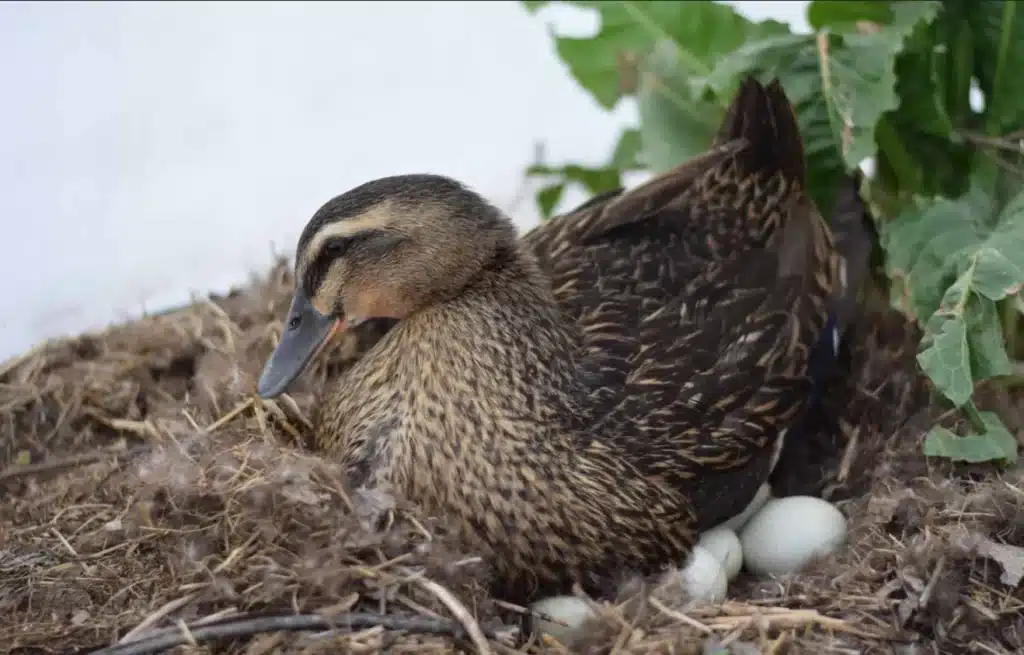
- Manage broodiness: Some ducks may go broody and stop laying. To discourage broodiness, collect eggs frequently and sometimes swap a duck out of the nesting area. Providing cool conditions can also shorten broody periods.
- Health first: Avoid overbreeding. Too many eggs can weaken hens. As Tractor Supply notes, “prioritize health over heavy egg production”.
- Lighting: Maintain 14–16 hours of daylight during shorter months with artificial lighting to prevent seasonal drop in egg-laying.
- Stress reduction: Minimize disturbances (predator scares, loud noises, abrupt moves) as stress can halt laying. Keep a calm flock environment and quarantine any new birds before integration.
By combining the right breed, nutrition, housing, and care routines—as outlined above—you can enjoy a steady supply of fresh duck eggs year-round. Monitoring your flock’s health and comfort will help ensure happy layers and a productive flock.





ducks are so good for egges