Beginner rabbit care is a deeply rewarding journey, but it comes with a unique set of responsibilities often underestimated by new pet parents. While these soft, twitching-nosed companions quickly steal hearts, they’re far more complex than their adorable appearance suggests. They aren’t simply “easy” starter pets or low-maintenance alternatives to dogs or cats. In fact, rabbits have very specific, often overlooked, care requirements that are essential for their health and happiness.
This comprehensive guide is designed to equip you with all the vital knowledge you need for effective beginner rabbit care. From setting up their perfect home to understanding their unique dietary needs, recognizing signs of illness, and building a strong bond, we’ll cover everything to help you provide a fulfilling and healthy life for your new companion. Proper beginner rabbit care sets the foundation for a long-lasting and joyful relationship.
Understanding Your New Bunny
To truly excel at beginner rabbit care, you must first understand the fundamental nature of these incredible animals. Rabbits are not rodents; they are lagomorphs, a distinct order of mammals characterized by two sets of upper incisors, one behind the other. This unique dental structure plays a significant role in their dietary needs.
More importantly, rabbits are prey animals. This instinct deeply impacts their behavior and how they interact with their environment. As prey, they are naturally timid, easily startled, and will often hide signs of illness or pain as a survival mechanism to avoid appearing vulnerable to predators. This means you, as their caregiver, must be highly observant of subtle changes in their behavior, appetite, and droppings – a key lesson in beginner rabbit care. Their delicate skeletal structure also means they must be handled gently and correctly to prevent injury.
Despite their shy nature, rabbits are highly intelligent, curious, and incredibly social creatures. They thrive on companionship, whether from well-bonded rabbit partners or significant daily interaction with their human families. Loneliness can lead to depression and health issues. With proper beginner rabbit care and attention, their unique personalities blossom, from joyful “binkies” (a happy jump and twist) to affectionate nudges and purrs.
They learn routines, respond to their names, and can even be litter trained. A commitment to a rabbit’s well-being means acknowledging their need for mental stimulation, social interaction, and a safe, predictable environment. Remember, rabbits can live a surprisingly long time—8 to 12 years or even more—making them a significant long-term commitment that requires diligent beginner rabbit care.
The Ideal Rabbit Home for Beginner Rabbit Care
The environment you provide for your rabbit is the cornerstone of their health and happiness. A secure, spacious, and enriching living space is non-negotiable for proper beginner rabbit care implementation.
Indoor Or Outdoor Housing? The Best Choice for Your Bunny
For almost all pet rabbits, indoor housing is overwhelmingly the superior and safer choice. While the idea of a rabbit hopping freely in a garden might seem idyllic, outdoor life exposes them to numerous dangers that significantly shorten their lifespan and compromise their well-being.
- Protection from Predators: Outdoors, rabbits are vulnerable to cats, dogs, foxes, birds of prey, and even raccoons. The stress of constant fear, even without direct attack, is detrimental.
- Temperature Extremes: Rabbits are very sensitive to heatstroke in warm weather (temperatures above 75°F/24°C can be dangerous) and frostbite in cold weather. Indoor environments allow for stable, comfortable temperatures, an essential aspect of beginner rabbit care.
- Parasites and Illnesses: Outdoor rabbits are at higher risk for fleas, ticks, mites, worms, and mosquito-borne diseases like myxomatosis and Rabbit Hemorrhagic Disease (RHDV2), both of which are often fatal.
- Social Interaction: Indoor rabbits naturally receive more human interaction, fostering a stronger bond and allowing owners to more easily monitor their health.
- Security: Escape is a constant risk for outdoor rabbits.
If, for unavoidable reasons, outdoor housing is absolutely necessary, it must be in a highly secure, predator-proof hutch with adequate ventilation in summer and insulation in winter. It should also have a solid, dry floor and offer multiple secure hiding spots. However, for true beginner rabbit care, indoor housing simplifies management and and vastly improves the rabbit’s quality of life.
Choosing the Right Enclosure
Forget the small, wire-bottomed cages often marketed for rabbits in pet stores. These are far too small and can cause painful sore hocks and spinal problems. Rabbits need ample space to hop, run, stand on their hind legs, and stretch out. Providing adequate space is foundational to good beginner rabbit care.
- Size Requirements: The general rule of thumb is that the enclosure should be at least 4-6 times the size of your rabbit when stretched out, with enough height for them to stand fully upright. For a single average-sized rabbit, this often translates to a minimum of 12-16 square feet of dedicated space, including room for a litter box and food/water. Larger is always, always better. Many owners opt for large dog exercise pens (X-pens) or even dedicate a rabbit-proofed room.
- Flooring: Solid, non-slip flooring is critical. Wire bottoms are incredibly damaging to a rabbit’s delicate feet. Use blankets, cardboard, or safe rubber mats over slick surfaces.
- Essential Furnishings:
- Litter Box: Rabbits are naturally clean and can be litter trained with relative ease. Provide a large litter box, ideally with low sides for easy access, filled with an absorbent, paper-based, or wood-pellet litter. Never use clay clumping cat litter, which can cause respiratory issues or fatal intestinal blockages if ingested. Place hay directly in or above the litter box, as rabbits like to eat while they relieve themselves.
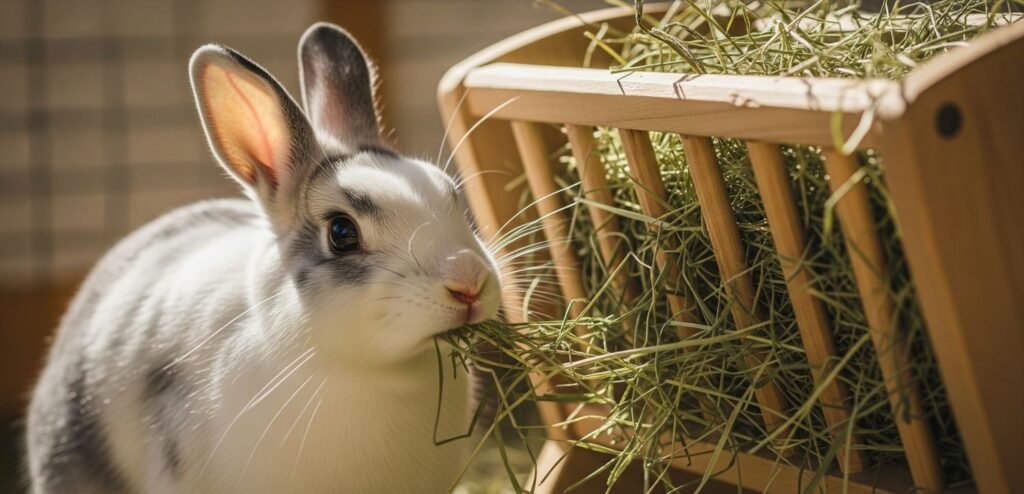
- Hay Feeder: A constant, unlimited supply of fresh hay is the most important part of their diet. Use a hay rack or simply place piles of hay directly in the litter box for easy access.
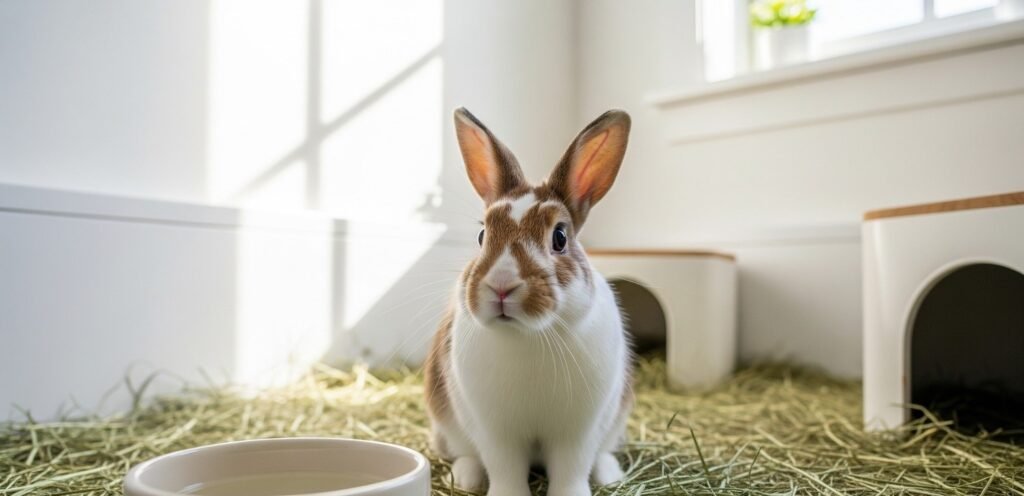
- Water Source: A heavy ceramic water bowl is generally preferred over sipper bottles. Bowls allow rabbits to drink more naturally and take in more water, which is vital for digestive health. Ensure it’s heavy enough not to tip over.
- Hidey House/Shelter: As prey animals, rabbits need a secure, dark place to retreat to feel safe. This can be a cardboard box, a wooden house, or a commercial hidey-hut. Provide at least one per rabbit.
- Enrichment Toys: Rabbits are intelligent and easily bored. Provide a variety of safe chew toys (untreated wood, cardboard tubes, hay-based toys), tunnels, willow balls, and puzzle feeders to keep them mentally stimulated and prevent destructive behaviors. These toys are key for good beginner rabbit care.
Safety First for Beginner Rabbit Care
When your rabbit is out of their primary enclosure for exercise and socialization, they will explore by chewing and digging. This natural behavior needs to be managed for their safety and the preservation of your home. A crucial part of beginner rabbit care is making your home safe.
- Electrical Wires and Cords: This is perhaps the most critical danger. Rabbits love to chew on wires, which can result in fatal electric shocks. All electrical cords must be covered with heavy-duty plastic tubing, placed out of reach, or enclosed behind furniture.
- Furniture and Baseboards: Protect chair legs, table legs, and baseboards with plastic corner guards, cardboard, or clear packing tape to deter chewing.
- Houseplants: Many common houseplants are toxic to rabbits. Research all plants in your home and move any dangerous ones out of reach.
- Valuables and Small Items: Rabbits will chew anything they can get their teeth on and ingest small objects, leading to blockages. Keep books, remote controls, shoes, and any small, chewable items out of their reach.
- Chemicals and Cleaners: Ensure all household cleaners, medications, and other harmful substances are securely stored where your rabbit cannot access them. Diligent bunny-proofing is a fundamental aspect of beginner rabbit care.
A Proper Rabbit Diet for Beginner Rabbit Care
Diet is the single most critical factor in a rabbit’s overall health and longevity. An improper diet is the root cause of the vast majority of common rabbit ailments, including fatal dental problems and life-threatening gastrointestinal (GI) stasis. Understanding their specific dietary needs is paramount for beginner rabbit care.
- Hay (80-90% of Daily Diet): Unlimited, Fresh, Quality Grass Hay is Non-Negotiable.
- Why it’s Crucial: Hay is not just food; it’s medicine. The long, coarse fibers of grass hay are essential for two primary reasons:
- Digestive Health: It keeps their delicate digestive system moving continuously, preventing the slowdown or complete halt of gut motility known as GI stasis.
- Dental Health: A rabbit’s teeth grow continuously throughout their life. Chewing hay grinds down their molars, preventing painful spurs and dental malocclusion.
- Types: Timothy hay, orchard grass hay, and oat hay are excellent choices for adult rabbits. Alfalfa hay is too rich in calcium and calories for adult rabbits and should only be fed to young bunnies (under 6 months) or pregnant/nursing does.
- Presentation: Always ensure hay is fresh, dry, and clean. Provide it in a hay rack or directly in their litter box, as rabbits love to eat hay while they eliminate. This is the absolute first rule of beginner rabbit care regarding diet.
- Why it’s Crucial: Hay is not just food; it’s medicine. The long, coarse fibers of grass hay are essential for two primary reasons:
- Fresh Vegetables (10-15% of Daily Diet): A Diverse Array of Leafy Greens.
- Offer approximately 2-3 cups of fresh, rabbit-safe leafy greens per 6 pounds of body weight daily.
- Variety is Key: Rotate 3-6 different types of greens daily to ensure a broad spectrum of nutrients and prevent overconsumption of any single compound.
- Good Choices: Romaine lettuce (not iceberg), parsley, cilantro, dill, mint, basil, carrot tops, radish tops, kale (in moderation), spring greens, dandelion greens (from pesticide-free sources), wheatgrass.
- Introduce Slowly: When introducing new vegetables, do so one at a time in small quantities to monitor for any digestive upset.
- Avoid: Iceberg lettuce (low nutritional value, can cause diarrhea), avocado (toxic), potato, rhubarb, most human-processed foods.
- Pellets (Small Amount – 5% of Daily Diet): A Supplement, Not the Main Course.
- For adult rabbits, a small quantity of high-fiber, plain, timothy-based pellets is sufficient. Avoid colorful mixes that contain seeds, dried fruit, or corn, as these are unhealthy and can lead to selective eating, leaving essential nutrients behind.
- Amount: Approximately 1/4 cup of pellets per 6 pounds of body weight daily. For young rabbits (under 6 months), unlimited alfalfa-based pellets are fine.
- Importance: Pellets provide concentrated nutrients that may not be fully met by hay and vegetables alone.
- Fresh Water: Constant Access.
- Always provide unlimited, fresh, filtered water. Change the water daily and clean the bowl thoroughly. A heavy ceramic bowl is generally preferred over a sipper bottle because rabbits drink more readily from a bowl, which is crucial for kidney and bladder health.
- Treats (Very Limited – Less than 5% of Daily Diet): Special Indulgences.
- Small pieces of rabbit-safe fruits (e.g., apple without seeds, banana, berries, melon) can be offered very sparingly—think a tablespoon or two a day at most.
- Never feed human snacks, sugary foods, chocolate, dairy products, nuts, seeds, or bread. These can cause severe digestive upset and even be fatal. Commercial “treats” often contain high levels of sugar, fat, and fillers; choose hay-based options if using. This strictness is a key part of beginner rabbit care.
Grooming Your Bunny to Keep Them Clean and Comfortable
Rabbits are fastidiously clean animals that spend a significant amount of time self-grooming. However, they still require human assistance with certain aspects of grooming, especially to prevent health issues. Mastering these techniques is important for beginner rabbit care.
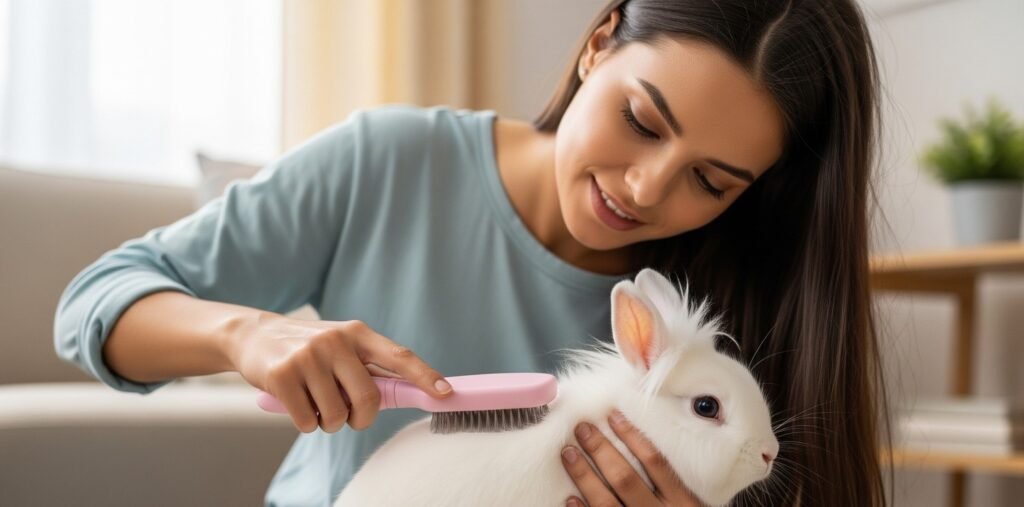
- Brushing: Rabbits shed their fur frequently, often in cycles (molts) that can be quite intense. During shedding periods, they ingest a lot of their own fur, which can accumulate in their digestive tract and lead to life-threatening GI stasis (hairballs, unlike in cats, cannot be vomited up by rabbits).
- Frequency: Brush your rabbit daily during heavy molts and at least 2-3 times a week during lighter shedding periods.
- Tools: A soft bristle brush, a slicker brush, or a shedding tool designed for small animals can be effective.
- Benefits: Regular brushing removes loose fur, stimulates circulation, and allows you to check for skin issues or parasites. This is vital beginner rabbit care.
- Nail Trimming: A rabbit’s nails grow continuously, much like their teeth. If left untrimmed, they can grow too long, curl under, become snagged, break painfully, or make walking uncomfortable and potentially cause foot problems.
- Frequency: Nails usually need trimming every 4-6 weeks.
- Technique: Use small animal nail clippers. Locate the “quick” (the blood vessel and nerve within the nail) and trim just below it. For rabbits with dark nails, it can be hard to see the quick; shining a light from behind the nail can help.
- Learning: If you’re providing beginner rabbit care, have a rabbit-savvy veterinarian or experienced groomer demonstrate the correct technique first. It’s better to clip too little than too much to avoid cutting the quick, which is painful and causes bleeding. Have styptic powder on hand in case of an accident.
- Ear Cleaning and Scent Gland Maintenance:
- Generally, a rabbit’s ears are self-cleaning and should not be cleaned internally unless advised by a vet for a specific medical condition. Excess ear wax or dirt could indicate mites or infection.
- Rabbits have scent glands near their anus (perineal glands) that can sometimes accumulate waxy buildup. These may need occasional, gentle cleaning with a damp cotton swab, but be cautious and consult your vet if unsure.
- Bathing:Never bathe a rabbit unless absolutely necessary and under direct veterinary instruction.
- Dangers: Baths are incredibly stressful for rabbits, can lead to hypothermia (as their dense fur takes a long time to dry), and strip essential oils from their skin, making them prone to skin infections.
- Spot Cleaning: If your rabbit has soiled fur (e.g., around their bottom due to illness), use a damp cloth or a small amount of cornstarch powder to gently clean the affected area. Always ensure they are completely dry afterward. This is an important beginner rabbit care lesson.
Staying Ahead of Potential Issues for Beginner Rabbit Care
Proactive healthcare and vigilant observation are crucial for keeping your rabbit healthy. Rabbits are masters at hiding illness, so regular check-ups and daily scrutiny are key components of responsible beginner rabbit care.
- Finding a Rabbit-Savvy Veterinarian: This is one of the most important steps for anyone providing beginner rabbit care. Most general small animal veterinarians do not have specialized training in rabbit medicine. Seek out a veterinarian who lists “exotics” or specifically “rabbits” as an area of expertise. They understand rabbit physiology, common illnesses, and safe medications (many common dog/cat medications are toxic to rabbits).
- Annual Check-ups: Even if your rabbit seems perfectly healthy, schedule annual wellness exams with your rabbit-savvy vet. These check-ups allow the vet to perform a thorough physical examination, check teeth, listen to heart and lungs, and discuss diet and behavior.
- Spaying/Neutering:This procedure is highly recommended for almost all rabbits and is a cornerstone of responsible beginner rabbit care.
- Health Benefits:
- Females: Prevents a very high incidence (50-80% by age 3-4, nearly 100% by age 6) of uterine cancer and other uterine diseases.
- Males: Eliminates the risk of testicular cancer and reduces the likelihood of reproductive system diseases.
- Behavioral Benefits: Reduces aggression (especially in females), spraying urine to mark territory, destructive chewing, and makes litter training significantly easier and more consistent.
- Companionship: Allows for the safe bonding of multiple rabbits, as unneutered/unspayed rabbits will fight fiercely.
- Health Benefits:
- Common Rabbit Health Concerns (and Red Flags): Being aware of these issues can help you act quickly. This knowledge is essential for effective beginner rabbit care.
- GI Stasis (Gastrointestinal Stasis): This is perhaps the most common and life-threatening condition in rabbits. It’s not a true blockage but a dangerous slowdown or complete halt of the digestive system.
- Symptoms: Loss of appetite, refusal to eat hay, lethargy, hunched posture (pain), grinding teeth (pain), reduced or no fecal pellets, small and dark pellets, bloating.
- Action: This is an absolute emergency! Seek immediate veterinary care. GI stasis can be fatal within hours. It’s often triggered by stress, pain, dehydration, or an inadequate fiber (hay) diet.
- Dental Problems (Malocclusion, Spurs): Due to their continuously growing teeth, improper diet (lack of hay) or genetics can lead to overgrown incisors or sharp points (spurs) on their molars.
- Symptoms: Drooling, runny eyes (from root pressure), preference for soft foods, reluctance to eat hay, weight loss, bad breath.
- Action: Requires regular veterinary dental trims or adjustments.
- Snuffles (Upper Respiratory Infection): Often caused by bacterial infections.
- Symptoms: Sneezing, nasal discharge, matted fur on front paws (from wiping nose), difficulty breathing, conjunctivitis (eye discharge).
- Action: Requires veterinary diagnosis and antibiotic treatment.
- Sore Hocks (Pododermatitis): Raw, inflamed, or infected sores on the hocks (heels).
- Causes: Often due to wire flooring, abrasive surfaces, obesity, or lack of proper bedding.
- Action: Requires veterinary treatment, proper cage flooring, and pain management.
- Flystrike (Myiasis): A horrific and often fatal condition.
- Causes: Flies are attracted to soiled fur (around the anus, particularly in obese or arthritic rabbits unable to clean themselves) and lay eggs. The maggots hatch and consume the rabbit’s flesh.
- Prevention: Strict daily hygiene is essential. Keep your rabbit’s enclosure meticulously clean, especially the litter box. Check your rabbit’s hindquarters daily for any fecal matter or urine staining. Clean any soiled fur immediately.
- Action: Immediate veterinary emergency.
- GI Stasis (Gastrointestinal Stasis): This is perhaps the most common and life-threatening condition in rabbits. It’s not a true blockage but a dangerous slowdown or complete halt of the digestive system.

Daily Health Checks for Beginner Rabbit Care
As you provide beginner rabbit care, integrating a quick daily health check into your routine is vital.
- Appetite and Water Intake: Note if they are eating hay, greens, and pellets normally, and if they are drinking water.
- Fecal Pellets: Observe the quantity, size, shape, and consistency of their droppings. Should be numerous, round, firm, and uniform. Any significant change is a major red flag.
- Energy Levels: Are they active, curious, and engaging? A sudden decrease in activity or lethargy is concerning.
- Grooming: Is their fur clean and well-groomed? A rabbit that stops grooming is often unwell.
- Breathing: Listen for normal, quiet breathing. Labored, rapid, or noisy breathing is an emergency.
- Eyes and Nose: Should be clear, without discharge.
Socialization and Enrichment for Beginner Rabbit Care
Rabbits are highly social animals that thrive on interaction and mental stimulation. As you delve into beginner rabbit care, building a strong bond will be one of the most rewarding aspects.
- Proper Handling: Rabbits are delicate and can be easily injured if handled improperly. Always support their hindquarters when picking them up, as a sudden kick can break their spine. Approach them calmly and gently. Many rabbits prefer to interact on the floor rather than being held, especially at first. Allow them to come to you on their own terms. Learning safe handling is crucial for beginner rabbit care.
- Interaction and Companionship: Spend dedicated time each day on your rabbit’s level. Offer gentle pets (many enjoy head rubs and ear strokes, but avoid their tummy), talk to them softly, and offer safe treats by hand. This consistent, positive interaction builds trust.
- Rabbit Companionship: While human interaction is vital, rabbits are often happiest when they have a bonded rabbit companion. If you plan to get two, ensure they are spayed/neutered and research proper bonding techniques thoroughly, as introductions must be done carefully to prevent fighting. A bonded pair provides mutual comfort, grooming, and companionship that humans cannot fully replicate.
- Enrichment: Prevent boredom and destructive behaviors by providing a variety of mental and physical challenges. This is a vital part of beginner rabbit care.
- Chew Toys: Continuously supply safe chew toys made of untreated wood, cardboard, or hay.
- Tunnels and Boxes: Rabbits love to explore and hide. Cardboard boxes with entry/exit holes and commercial tunnels are great.
- Puzzle Feeders: These encourage natural foraging behavior and make mealtime more engaging.
- Supervised Free Roam: Allow your rabbit daily supervised time outside their main enclosure in a bunny-proofed area to explore and exercise. This is crucial for their physical and mental health.
A Wonderful Journey Awaits with Beginner Rabbit Care!
Becoming proficient in beginner rabbit care is a commitment that requires dedication, research, and a willingness to learn. But for those who embrace the unique needs of these charming creatures, the rewards are immense. By following this comprehensive guide, providing an optimal diet, a spacious and safe environment, proactive healthcare, and plenty of love and enrichment, you’ll ensure your rabbit lives a long, healthy, and incredibly happy life. The journey with a rabbit is filled with quiet companionship, joyful binkies, and the profound satisfaction of truly understanding and caring for a magnificent small animal. Embrace the adventure, and prepare for endless moments of bunny bliss!





Pingback: 5 Best Mouse Breeds for Kids: The Ultimate Guide for US Families - Animal Sound
Pingback: Holland Lop Bunnies for Sale: What No One Warns You Before You Buy One - Animal Sound