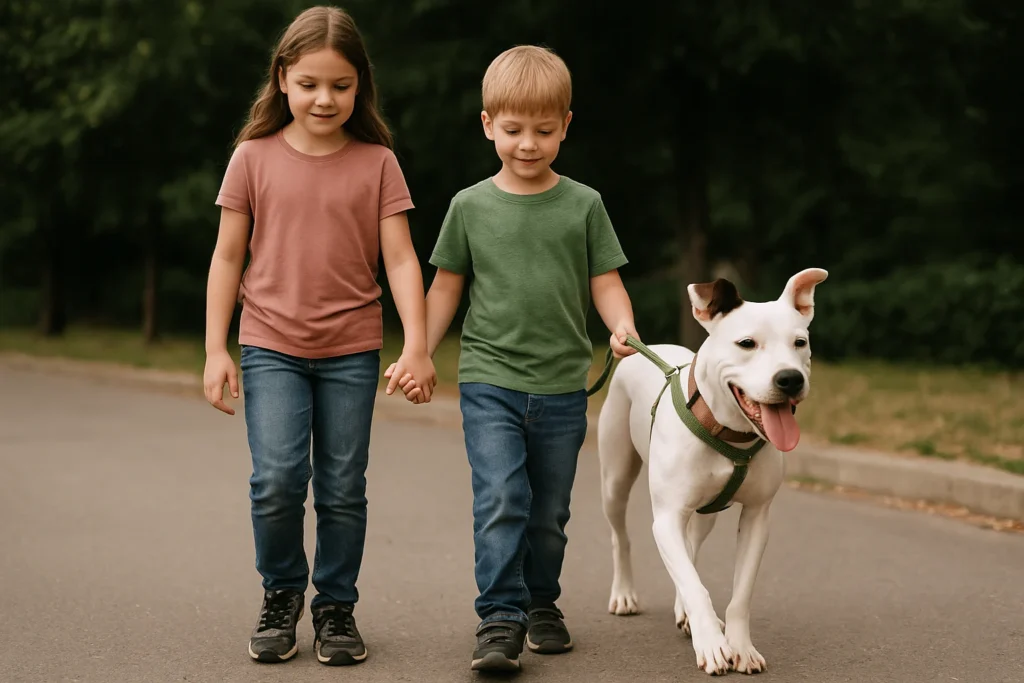
The Bull Arab, a robust and versatile dog breed, is a testament to purposeful breeding, primarily developed in Australia for the demanding task of hunting wild pigs and other feral animals. While its origins are relatively recent, dating back to the 1970s, this breed embodies a unique blend of power, speed, and intelligence. Beyond its working prowess, the Bull Arab can also be a loyal and even-tempered companion, provided it receives proper training and socialisation.
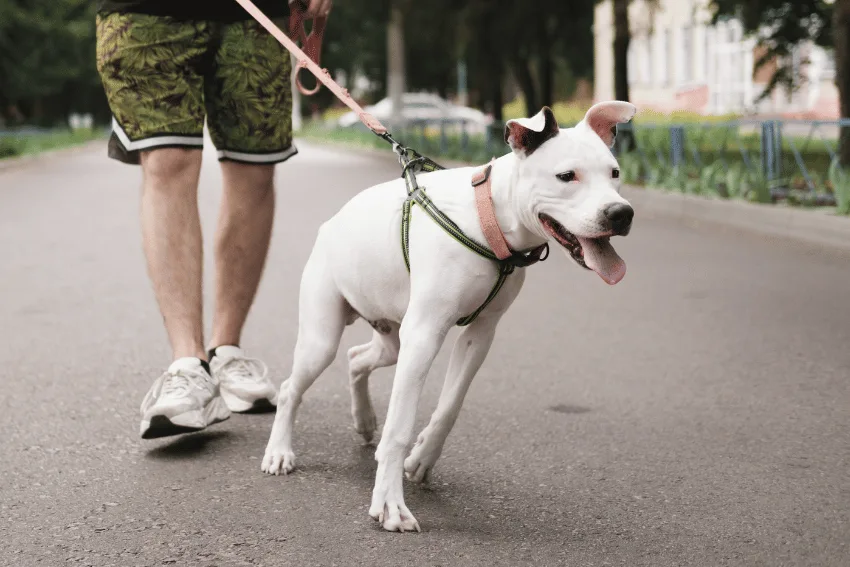
The Bull Arab Breed
The development of the Bull Arab is largely credited to Mike Hodgens, who aimed to create a versatile hunting dog by combining the formidable power of the English Bull Terrier, the exceptional speed and keen eyesight of the Greyhound, and the superior scenting ability and intelligence of a Pointer, which could be either the German Shorthaired Pointer or the English Pointer. It is important to recognize that the Bull Arab is considered a hybrid mix rather than a standardized purebred dog. This hybrid nature contributes to variations observed within the breed’s characteristics.
The “Arab” in the breed’s name is believed by some proponents to originate from the Saluki, an ancient sighthound breed that may have contributed to the Greyhound lineage initially. The Saluki is historically associated with the Middle East and is known for its speed and stamina, traits that parallel the renowned Arabian horse, which also influenced the breed’s naming. This historical or descriptive nod to the Saluki’s attributes, rather than a direct geographical origin in Arab countries for the Bull Arab breed itself, is crucial for understanding the breed’s nomenclature and preventing misconceptions about its cultural or geographical ties. The Bull Arab is fundamentally an Australian creation.
Following Hodgens’ cessation of breeding efforts in the early 1980s, other breeders continued to refine and enhance the Bull Arab. This ongoing development led to the introduction of additional breeds such as the Bloodhound, aimed at improving scenting capabilities, and larger breeds like the English Mastiff and Great Dane, which contributed to increased size. These additions further diversified the breed’s genetic makeup. Regional variations also emerged, exemplified by the New South Wales (NSW) line, which incorporated English Mastiff genetics for a larger stature and often featured docked tails to better contend with mountain pigs. Conversely, the Queensland (QLD) line saw the introduction of Bloodhound to enhance scenting ability.
The consistent emphasis on the Bull Arab’s origin and ongoing use as a “working dog” for pig hunting , along with its suitability for demanding roles like police work and search and rescue , is not merely historical context. This identity directly implies inherent traits such as high energy levels, a strong prey drive, and a profound need for both physical exertion and mental stimulation. For a prospective owner, this means that even if the intention is to keep a Bull Arab primarily as a family companion, these deep-seated working instincts must be acknowledged and adequately addressed. Failure to provide sufficient outlets for their energy and intelligence can lead to significant behavioral challenges, including destructive chewing, excessive barking, whining, and property destruction. This underscores why the breed is not considered suitable for first-time dog owners or individuals seeking a quiet, low-activity pet , reinforcing the critical need for experienced pet parents. The breed’s versatility is contingent upon the owner’s commitment to fulfilling their foundational needs as a high-drive working animal.
Beyond its primary hunting role, the Bull Arab is recognized for its exceptional strength, agility, and intelligence, making it highly effective in various applications. Its excellent tracking abilities have also led to its utilization in specialized roles, such as Search and Rescue missions. The breed’s versatility extends to serving as reliable watch and guard dogs, participating in police and security work, and excelling in various canine sports. Despite their origins as tenacious hunters, Bull Arabs possess a loving and devoted temperament. With proper socialization and consistent training, they can adapt remarkably well to become kind, obedient, and affectionate family pets.
II. Physical Characteristics and Appearance
This section details the physical attributes of the Bull Arab, providing a clear understanding for prospective owners.
A. Size and Weight
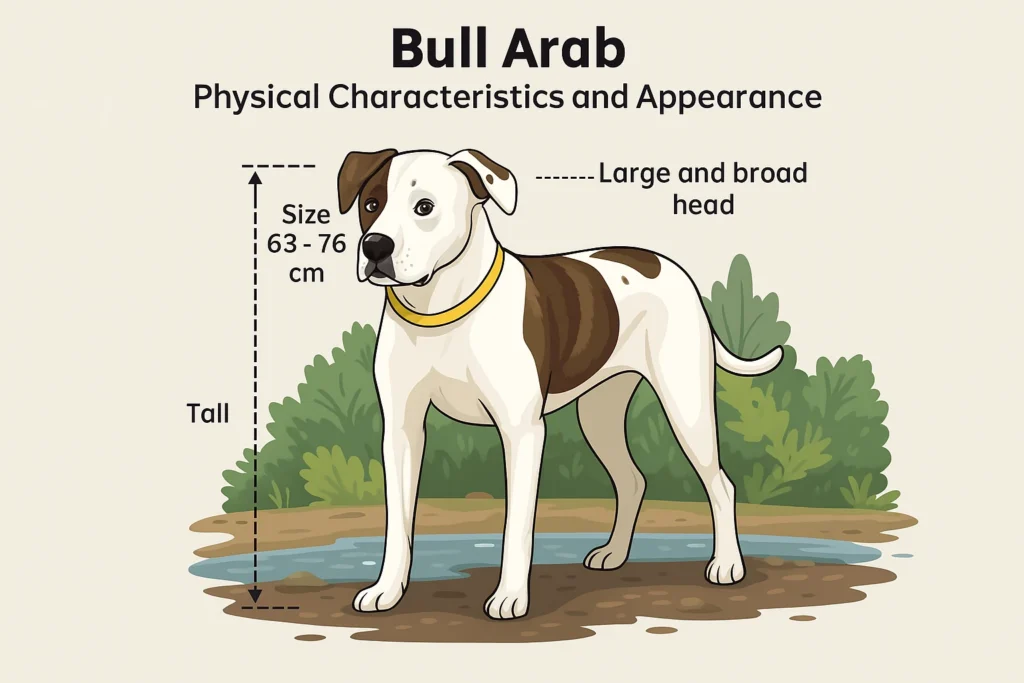
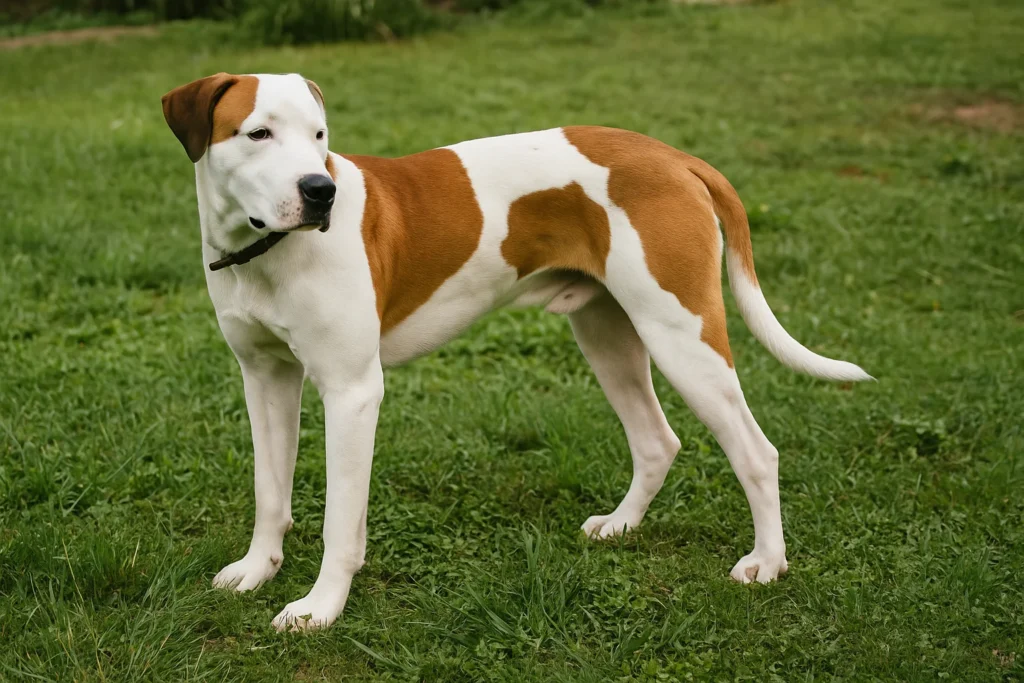
The Bull Arab is characterized as a large, powerful, and muscular breed. There is some variability in reported height, but generally, individuals stand between 24 and 28 inches (approximately 61 to 71 cm) at the shoulder. One source mentions a range of 12-18 inches , which appears to be an outlier given the breed’s overall description as large and muscular. Their weight typically ranges from 60 to 110 pounds (approximately 27 to 50 kg), with an average often cited around 70-92 lbs.
The presence of conflicting height ranges, such as 12-18 inches versus 24-28 inches , highlights the Bull Arab’s nature as a “purpose-bred mix” where a strict, universally recognized breed standard is absent. While the larger range (24-28 inches) aligns more consistently with the description of a “large, muscular” dog, this variability means that prospective owners should not expect a perfectly uniform size. This has direct practical implications: owners must be prepared for a substantial dog, which influences considerations such as the required living space, for example, a large backyard with a tall, secure fence. It also impacts the size of a vehicle needed for transport and the significantly higher costs associated with feeding and veterinary care for a larger animal throughout its lifespan. This variability underscores the importance of understanding the specific lineage from a breeder.
B. Build and Coat Types
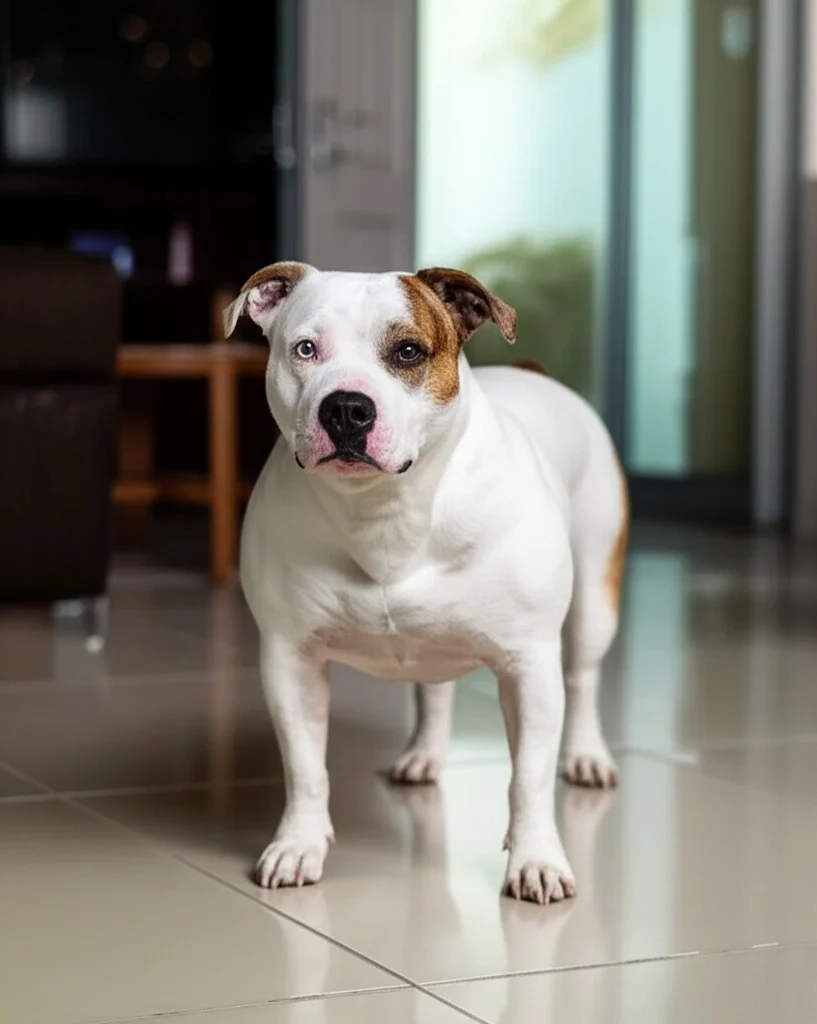
Bull Arabs possess a sturdy, powerful, and athletic build, characterized by tall, muscular bodies. Their physical attributes include a powerful chest and strong hind legs, which are specifically adapted for sustained bursts of fast running and for gripping prey during hunts. The breed typically features a short, dense coat that is relatively easy to maintain. While not explicitly stated for Bull Arabs, the Saluki, a potential ancestor, is noted to have two coat types (smooth and “feathered” with light fluffing on legs, thighs, ears, and throat) and is described as low-shedding compared to other breeds. This suggests that some Bull Arabs might inherit similar low-maintenance coat characteristics.
The consistent description of the Bull Arab’s coat as “short, dense” and “easy to care for” , requiring “little grooming” , indicates a relatively low time commitment for coat maintenance. In contrast, their “muscular build” and “strong hind legs designed for long bursts of fast running” highlight their inherent athleticism and high energy requirements. This juxtaposition implies a critical trade-off for owners: while they may save time on grooming, they must be prepared to invest significantly more time and effort into providing ample physical exercise and mental stimulation. Failure to meet these high energy demands can lead to the manifestation of destructive behaviors. Thus, the breed’s physical characteristics direct the owner’s primary care focus from aesthetic grooming to robust activity management.
C. Distinctive Features (Head, Jaws, Eyes, Ears, Tail)
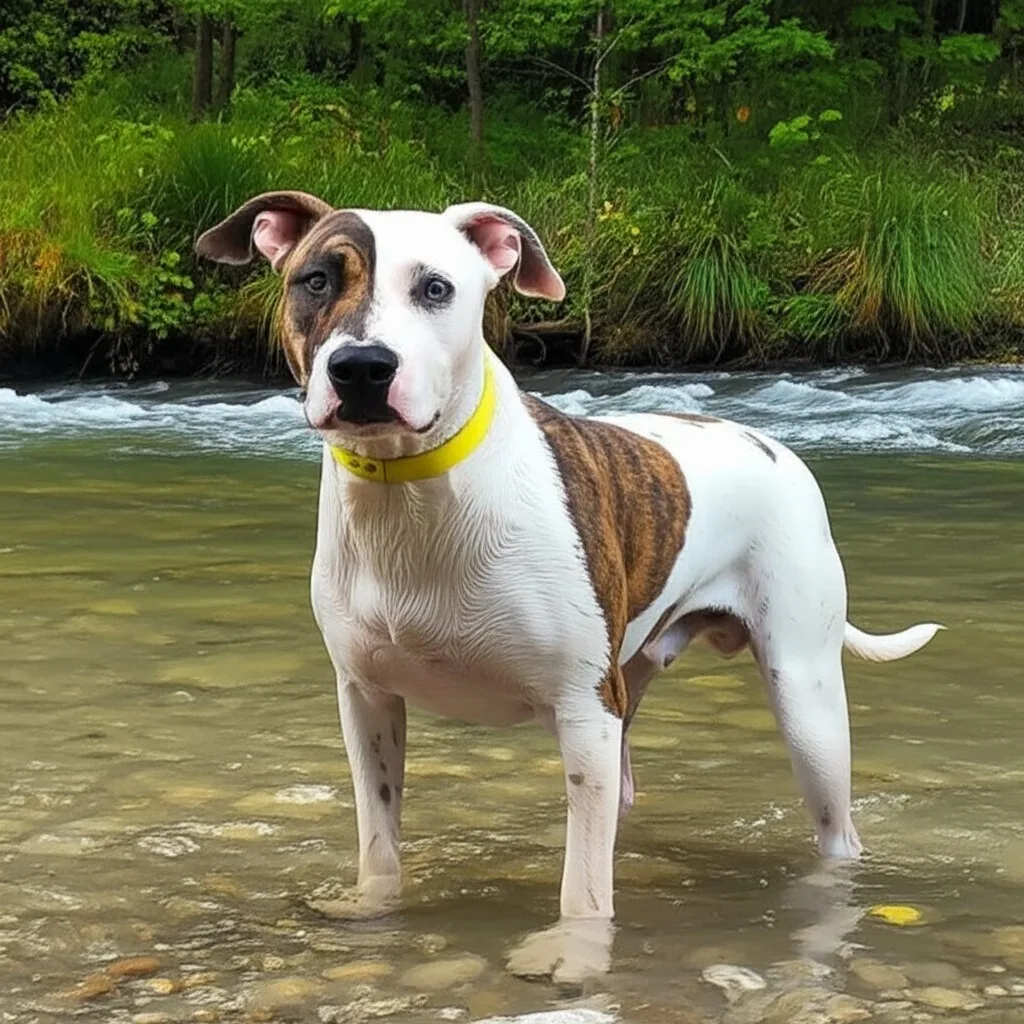
A prominent feature of the Bull Arab is its broad head, complemented by strong, powerful jaws, which were essential for their original purpose of pinning and holding wild pigs. Their ears are typically small and set high on the head, or they may hang down. The breed generally possesses a long, tapered tail, sometimes described as a “whip tail,” which some breeders believe is an indicator of speed. Eye color varies with coat color: darker-coated dogs typically have brown eyes, while lighter-coated individuals may have amber eyes. Additionally, due to the genetic influence of breeds like the Great Dane, some Bull Arabs may exhibit blue eyes, a trait linked to the merle gene.
The descriptions of “strong jaws” and a “triangular head with the whip tail, (an indicator of speed he believes)” are direct morphological adaptations for the Bull Arab’s historical role in pig hunting. The breed was “bred to pin and hold wild pigs, they have powerful jaws that made this easy for them”. This functional design reinforces their identity as a working breed. The detail about eye color correlating with coat color is a common genetic observation. However, the specific mention of the merle gene from Great Dane influence potentially causing blue eyes introduces a less common and aesthetically distinct feature. This specific genetic detail not only provides a unique characteristic for prospective owners to be aware of but also subtly supports the mixed breed nature of the Bull Arab, as such diverse genetic contributions can lead to a wider range of phenotypic expressions.
Must-have Table: Bull Arab Physical Characteristics Summary
| Characteristic Category | Description | Key Implication for Owners | | :— | :— |:— | | Height | 24-28 inches (61-71 cm) | Requires significant living space | | Weight | 60-110 lbs (27-50 kg) | Higher feeding and veterinary costs | | Build | Muscular, Sturdy, Athletic | High energy, needs ample exercise | | Coat Type | Short, Dense | Low grooming needs, focus on activity | | Head | Broad, Strong | Reflects working heritage | | Jaws | Powerful | Reflects working heritage, requires secure containment | | Ears | Small, High-set or Hanging | Varies | | Eyes | Brown, Amber, or Blue (with merle gene) | Potential for unique appearance | | Tail | Long, Tapered (“Whip Tail”) | Varies |
III. Temperament, Training, and Care
This section explores the behavioral aspects of the Bull Arab, outlining crucial training needs and general care considerations.
A. Core Temperament Traits
Bull Arabs are recognized for their intelligence, loyalty, and courage, making them highly trainable and devoted companions. They can be remarkably even-tempered and calm, particularly when not actively engaged in hunting activities. However, they may also exhibit traits such as being bad-tempered, dominant, stubborn, and overly confident. They are described as head-strong and bold. Despite their potential for calmness, they are also characterized by high energy and can be highly excitable. It is important to note that when properly trained and socialized, the Bull Arab can develop a very calm and gentle nature. While adaptable to living in more limited spaces, their inherent energy levels necessitate consistent regular exercise and mental stimulation to prevent behavioral issues. They are also noted for being “goofy”.
The descriptions of Bull Arabs as “even-tempered and calm – when they are not on the trail of wild boars” and “adaptable to living in limited spaces” , juxtaposed with their “very high energy” and tendency to be “highly excitable” , reveal a critical behavioral nuance. This is not a contradiction, but rather an indication that their perceived calmness indoors is directly contingent upon their significant energy needs being adequately met through consistent and vigorous outdoor exercise and mental stimulation. If these needs are neglected, this pent-up energy is highly likely to manifest in destructive behaviors such as chewing, whining, excessive barking, and even destruction of property. Therefore, the Bull Arab’s temperament is highly dynamic and profoundly influenced by the owner’s commitment to structured, purposeful engagement. A balanced and well-behaved dog is a direct result of proactive management, not a passive trait.
B. Energy Levels and Exercise Needs
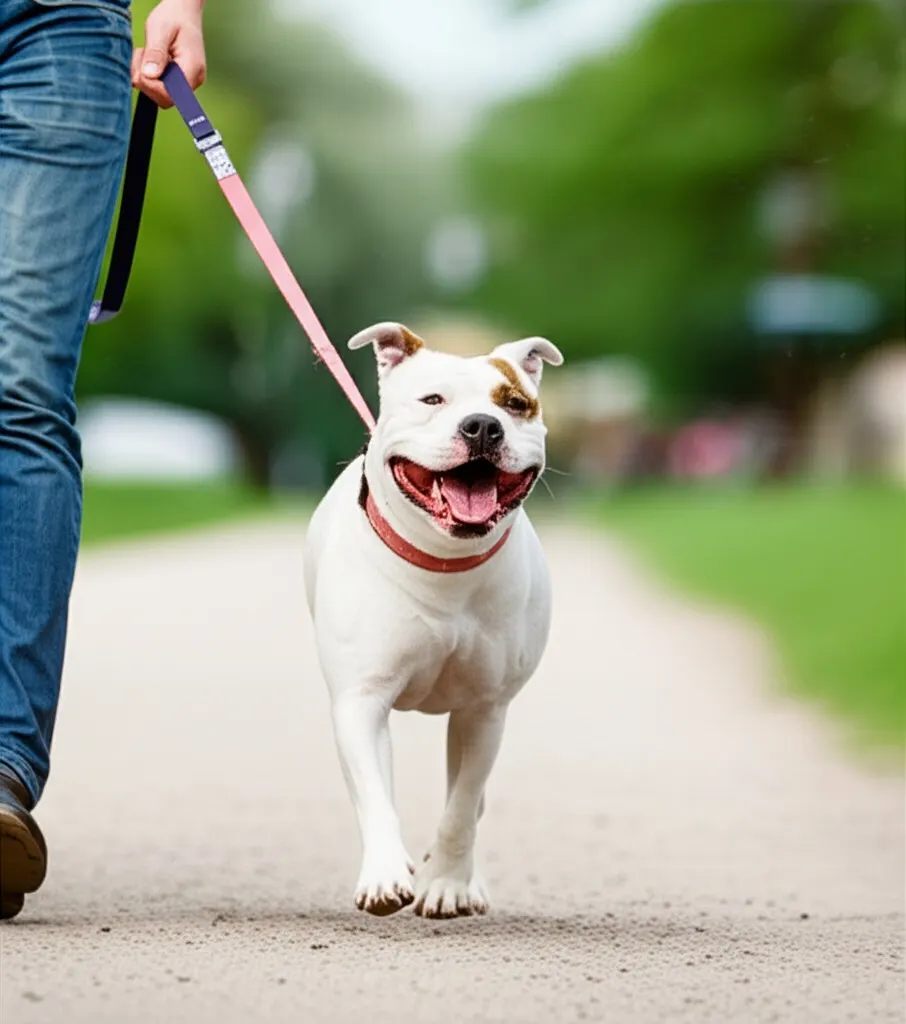
The Bull Arab is an inherently active and energetic breed, requiring substantial regular exercise to maintain optimal health and happiness. They need ample opportunities for running and playing, with daily long walks or runs being essential. Their high energy and stamina necessitate at least an hour of running or hiking each day. Providing a large backyard with a tall, secure fence is highly recommended to accommodate their activity levels. During walks, it is beneficial to allow them opportunities to engage their natural instincts for scenting and tracking. Activities such as fetch or play sessions at a dog park can help burn off excess energy and strengthen the bond with their owner. Their strength also makes them suitable for more demanding activities like sledding.
While the available information consistently emphasizes the Bull Arab’s need for “regular exercise” , the mention of providing “opportunities to indulge in their natural instincts for scenting and tracking” and their historical role as “working dogs” suggests that mere physical activity is insufficient. Their intelligence implies a requirement for mental stimulation as well. This indicates that activities like scent work, advanced obedience training, agility, or even specialized tasks like sledding are not just optional enhancements but crucial components for their holistic well-being. Without these purposeful outlets, their intelligence and energy can lead to boredom, frustration, and the manifestation of destructive behaviors. Therefore, the owner’s responsibility extends beyond simple physical exertion to providing engaging, mentally stimulating activities that tap into their innate drives.
C. Prey Drive and Management Strategies
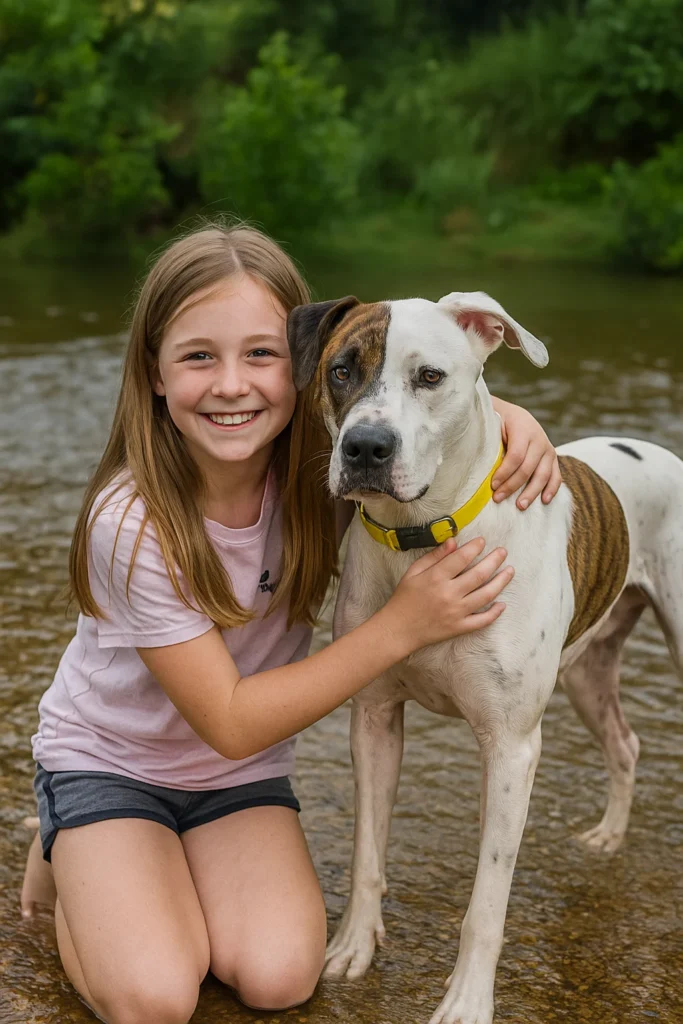
A defining characteristic of the Bull Arab is its strong prey drive, a direct result of its historical development for hunting wild pigs. This strong instinct means they have a tendency to chase both smaller and larger animals, including livestock, and, without proper training, can pose a danger by attacking or even killing animals like sheep. For this reason, it is often suggested that it is “best for them to live in a home with no other pets due to their strong prey drive” , and caution is advised when they are around other dogs and children. However, proper management and consistent training from an early age are crucial and can significantly help curb this natural instinct. Many Bull Arabs, if socialized well from a young age, can indeed get along fine with other dogs and cats. User experiences regarding interactions with other animals are varied; while some owners report aggression towards unfamiliar dogs, others describe their Bull Arabs as “peacemakers” or even successfully fostering kittens.
The information presents what appears to be a contradiction: the Bull Arab possesses a “strong prey drive” , leading to recommendations like “best for them to live in a home with no other pets” , yet user experiences also report many getting along “fine with other dogs and cats, if socialised well together from a young age” , with some even fostering kittens. This apparent contradiction highlights a critical point: the prey drive is an instinct, but its expression is highly modifiable. The “potential aggression” is not an inevitable outcome but a significant risk if training and socialization are neglected or improperly executed. This indicates that while the strong prey drive is inherent, it is not an insurmountable barrier to multi-pet households if the owner commits to rigorous, consistent, and appropriate early intervention and ongoing management. This underscores the absolute necessity for experienced pet parents who understand how to channel and manage this powerful instinct effectively.
D. Suitability for Families (Children and Other Pets)
Bull Arabs are generally considered suitable for families and are known for being playful and affectionate around children. They are described as friendly towards familiar adults and children. Despite their potential as great family companions, strict supervision is always recommended when Bull Arabs are around children, especially younger ones. This is due to their large size, as smaller children could be easily injured if the dog becomes overly excited during playtime. User experiences largely support their suitability with children, often describing them as gentle, loving, and excellent companions, with many instances of children interacting closely and safely with them. Regarding other pets, it is generally considered easier to manage a Bull Arab in a home without other animals due to their strong prey drive. However, as noted, many can coexist harmoniously with other dogs and cats if introduced and socialized properly from a young age.
The Bull Arab is presented as potentially “gentle, loving, and excellent with children” , painting a picture of a “gentle giant.” However, this positive portrayal is consistently qualified by crucial caveats: “smaller children can be easily injured if a dog as large as a Bull Arab gets a little too excited during playtime” and the necessity to “always supervise them, especially around younger children”. This implies that their suitability for families is not a passive trait but an active responsibility of the owner. The risk is not malicious intent but accidental injury due to the dog’s sheer size and exuberance. Therefore, while Bull Arabs can be excellent family pets, this outcome is directly dependent on the owner’s unwavering commitment to vigilant supervision, consistent training, and proactive education of children on safe interaction with a large, powerful dog.
E. Essential Training Requirements (Early Socialization, Obedience)
Bull Arabs are intelligent and highly trainable dogs. They respond particularly well to positive reinforcement training methods. Early and ongoing training and socialization are absolutely essential for this breed to ensure they are well-adjusted and to prevent behavioral issues. Regular training sessions focusing on obedience, manners, and socialization should begin at an early age. Their intelligence allows them to learn commands and tricks relatively quickly. To prevent boredom and maintain engagement, training sessions should be challenging and varied, moving beyond basic commands. A strong grasp of commands through obedience training is also vital for their participation in various activities and canine sports.
Bull Arabs are consistently praised for being “intelligent” and quick learners of commands. While this appears to be a clear advantage for training, the accompanying warning that “training sessions should be challenging and engaging to prevent boredom” reveals a deeper implication. An intelligent dog, if not adequately stimulated mentally, can become bored, leading to destructive behaviors or a tendency to test boundaries, especially given their “head-strong, bold and overly confident” nature. This indicates that the Bull Arab’s intelligence, while a positive for trainability, also represents a significant demand on the owner. It requires a proactive, creative, and highly consistent training approach that continuously challenges the dog’s mind, preventing its intelligence from becoming a source of behavioral problems due to under-stimulation.
F. The Importance of a Firm and Consistent Leader
Due to their strong-willed, bold, and confident nature, Bull Arabs require a strong, assertive, and consistent leader who can handle them effectively. This breed is explicitly not considered suitable for first-time dog owners or individuals seeking a passive, quiet life. They are best suited for experienced owners. Establishing a firm, consistent, and clear leadership role from an early age is essential. This helps the Bull Arab understand its position within the household hierarchy, which is crucial for preventing dominance issues and unwanted behaviors.
The repeated emphasis on the need for a “strong and dominant leader” , “assertive, confident and experienced owners” , and establishing a “firm, consistent, and clear leadership role” extends beyond mere obedience training. These qualities are directly linked to mitigating the breed’s “potential aggression” , preventing “destructive behaviours” , and ensuring they do not “pose a danger to other animals including neighbourhood pets and strangers” if not properly managed. This indicates that for a powerful and strong-willed breed like the Bull Arab, effective, consistent leadership is a foundational requirement for both the dog’s well-being and the safety of its environment. It is about proactive risk management and fostering a stable, predictable structure that allows the dog to thrive as a well-behaved member of society.
G. General Health Considerations
The Bull Arab is generally considered a healthy breed, benefiting from a large gene pool due to its mixed ancestry, which typically results in very few genetic conditions compared to many purebreds. Routine vaccinations and regular check-ups are usually sufficient for maintaining their optimal health. However, despite their general hardiness, Bull Arabs may be predisposed to certain health issues, including hip dysplasia, bloat, epilepsy, retained testicles, cataracts, and allergies. Prospective owners should be aware that the ongoing cost of dog ownership, including unexpected veterinary bills, can be significant. Therefore, considering pet insurance is a prudent financial planning step.
While the Bull Arab is described as a “healthy breed” with “very few genetic conditions” , the explicit listing of potential serious issues like “hip dysplasia, bloat, epilepsy, retained testicles, cataracts, allergies” indicates specific vulnerabilities that owners must be aware of. This means that while they might avoid some of the widespread genetic issues of certain purebreds, these are still significant, potentially high-cost conditions. The emphasis on the “significant commitment of money and time” for ongoing costs, including “expensive and unexpected” veterinary bills, and the recommendation for “pet insurance” highlights a crucial financial implication. This suggests that “healthy” does not equate to “inexpensive” or “worry-free” in the long term. Responsible ownership of a Bull Arab necessitates not only proactive health monitoring but also sound financial planning to cover potential medical expenses, reinforcing the theme of comprehensive preparedness for this breed.
Must-have Table: Bull Arab Temperament and Training Considerations
| Aspect | Description | Key Implication for Owners | | :— | :— | :— | | Core Temperament | Intelligent, Loyal, Courageous; Can be stubborn, dominant, confident | Needs mental engagement to prevent boredom/destructive behavior | | Energy Level | Very High, Highly Excitable | Requires significant time commitment for vigorous exercise (1+ hr daily), secure outdoor space | | Prey Drive | Strong instinct to hunt and chase | Not ideal for multi-pet homes without extensive, early socialization and management | | Family Suitability | Good with familiar adults/children; Playful, affectionate | Supervision crucial with small children due to size/excitability | | Training Requirements | Early socialization, Consistent obedience, Positive reinforcement, Mental stimulation | Not for first-time or passive owners; Requires varied, challenging training | | Leadership Style | Firm, Consistent, Clear, Assertive | Essential for safety and preventing dominance issues | | Health Overview | Generally healthy, large gene pool | Prone to hip dysplasia, bloat, epilepsy, cataracts, allergies; Requires long-term financial planning for potential vet care |
IV. Acquisition: Price and Sourcing
This section provides practical guidance on the financial aspects of acquiring a Bull Arab and identifies responsible sourcing channels.
A. Typical Price Ranges for Bull Arab Puppies
The cost of acquiring a Bull Arab puppy can vary significantly based on the source and the dog’s intended purpose. For a “top quality working pup” raised to 8 weeks with proper care and attention, the cost is approximately $350 to $450. “Backyard breeders” may offer Bull Arab pups for a lower price, typically between $300 and $400. From an ethical breeder in Australia, prospective owners can expect to pay a higher price, generally ranging from $800 to $2,500 for a Bull Arab puppy. Dogs specifically bred and trained for work, or those that have received significant training, will command a higher price, often in the “thousands”. Examples from sales listings show trained or “started” working dogs fetching prices from $700 up to $3,500.
The wide price range, from $300-$450 for backyard breeders to $800-$2500 for ethical breeders , and “thousands” for trained working dogs , is not simply a market variation. It reveals a critical continuum of value and purpose. The lower prices from “backyard breeders” are explicitly questioned in the source, implying a potential lack of investment in proper care, health screening, or ethical breeding practices. This often leads to higher long-term costs for the owner due to unforeseen health or behavioral issues. Conversely, the higher prices from “ethical breeders” suggest a commitment to responsible practices, while the premium for dogs “specifically bred and trained for work” or “started” dogs directly reflects the significant investment in specialized training and proven working ability. This indicates that price serves as a strong indicator of the type of dog (untrained pet vs. working adult) and the quality of the breeding and initial rearing, underscoring that a lower initial cost often comes with hidden risks and potential future expenses.
B. Factors Influencing Cost (e.g., working lines, breeder reputation, age)
The most significant factors influencing the cost of a Bull Arab are whether the dog has been specifically bred and trained for working purposes , and the extent of any training it has already received. Dogs with proven working lines or advanced training command a premium. The reputation and ethical standards of the breeder play a crucial role. Reputable breeders invest in health screenings, proper nutrition, and early socialization, which is reflected in their pricing. The age of the dog also impacts cost; trained adult dogs or those “started on pigs” are typically more expensive than young puppies.
The explicit statements that the price of a Bull Arab “will go up the more training they get” and that they are “more expensive if they’ve been specifically bred and trained for work” establish a clear cause-and-effect relationship. This demonstrates that the value of a Bull Arab in the market is significantly tied to its functional capabilities and the human investment (time, expertise, resources) in its training and development. For prospective owners, this means that if their primary interest is a dog with specific hunting, guarding, or search and rescue capabilities, they should anticipate paying a substantial premium for a “started” or “finished” dog. Alternatively, if they acquire a puppy, they must be prepared to make a significant, ongoing investment in professional training or dedicate considerable personal time and effort to develop these traits, reinforcing the requirement for an experienced owner.
C. Reputable Breeders in Australia
For those seeking a Bull Arab puppy from a responsible source, platforms like RightPaw (www.rightpaw.com.au) serve as valuable resources in Australia. RightPaw specializes in connecting prospective owners with “responsible dog breeders” who adhere to ethical standards. RightPaw’s verification process for breeders includes adherence to a Code of Ethics, verification of all health tests, and virtual tours of their properties to assess their breeding programs and dog welfare. Examples of breeders mentioned in the research include Warrego Bullarabs (
www.warregobullarabs.com), which maintains an active online presence , and Gary Anderson in New South Wales, noted as a source for Bull Arabs. Klement.com.au also discusses breeding for specific purposes. RightPaw also offers additional support services, such as secure payment processing, assistance in the event of disputes, and access to puppy training and perks, which can provide peace of mind for new owners.
Given that the Bull Arab is a “purpose-bred mix” rather than a strictly standardized purebred, the role of a “reputable breeder” becomes even more paramount. Platforms like RightPaw that actively “screen all breeders” by verifying adherence to a “Code of Ethics,” “health tests,” and conducting “virtual tour[s] of their property” are crucial. This rigorous vetting process serves as a direct mitigation strategy against the inherent risks associated with non-standardized breeding, such as those posed by “backyard breeders” who may neglect health or temperament. This indicates that for a breed with high genetic variability and specific behavioral demands, relying on platforms and breeders who prioritize ethical practices, health clearances, and transparency is not just recommended, but essential for increasing the likelihood of acquiring a healthy, well-socialized, and predictable Bull Arab, thereby safeguarding both the dog’s welfare and the owner’s experience.
D. Bull Arab Rescue Organizations
For those considering giving a Bull Arab a second chance at a loving home, adoption from rescue organizations is a commendable option. In Australia, Bull Arab Rescue Aust. Ltd. (
www.bullarabrescue.com.au) is a registered non-profit organization dedicated to the breed. Dogs adopted through them are typically desexed, vaccinated, microchipped, and up to date with worm and flea treatments, which can significantly reduce initial veterinary costs for the adopter. In the United States, Braveheart Bulliez Rescue (www.braveheartbulliezrescue.org), a 501c3 non-profit based in Roswell, GA, is committed to rescuing, rehabilitating, and re-homing homeless dogs, including those who have been subject to “bullying” or breed-specific legislation (BSL). These rescue organizations actively challenge negative stereotypes associated with “bully breeds” through education and advocacy, providing safe spaces and working to restore trust in dogs that may have experienced irresponsible ownership.
The existence and missions of rescue organizations like Bull Arab Rescue Aust. and Braveheart Bulliez Rescue are highly significant. Beyond offering a “second chance” and providing dogs with initial veterinary care (desexing, vaccinations, microchipping ), these organizations play a crucial role in addressing the “negative stereotypes” and “reputation… as an aggressive and sometimes dangerous dog” often associated with the Bull Arab. Braveheart Bulliez Rescue’s explicit commitment to “eradicate bullying… including Breed Specific Legislation (BSL)” and to “challenge stereotypes through education” indicates a deep understanding of the breed’s nuances and a dedication to rehabilitation. This suggests that rescue organizations are not just adoption centers; they are often experts in managing the specific behavioral challenges of the breed, providing valuable support and guidance to adopters. This makes adoption an excellent, often more ethical, option for experienced owners who are willing to invest in a dog’s rehabilitation and contribute to changing public perception.
E. Key Considerations for Buying or Adopting
Regardless of whether one chooses to buy from a breeder or adopt from a rescue, prospective owners must recognize that the ongoing cost of parenting a dog represents a significant commitment of both money and time. Veterinary bills can be expensive and unexpected, making pet insurance a highly recommended consideration to mitigate financial risks. It is repeatedly emphasized that Bull Arabs are not suitable for first-time dog owners or those seeking a passive, quiet pet. They require experienced pet parents who are prepared for their high energy levels and strong-willed nature. Owners must be prepared to devote consistent time and effort to the Bull Arab’s health, grooming, and, most importantly, its rigorous training and socialization needs. Utilizing resources like RightPaw’s puppy training and perks can provide valuable support for new owners.
The consistent advice that Bull Arabs are “not suitable for first time dog owners or passive dog owners” and require “experienced pet parents” is typically interpreted as a need for training expertise. However, the available information also highlights the “significant commitment of money and time” for ongoing care, including “expensive and unexpected” veterinary bills, and the recommendation to “consider pet insurance”. This expands the definition of an “experienced owner.” It implies that such an owner must possess not only the behavioral knowledge but also the financial stability and willingness to consistently invest resources into the dog’s long-term well-being. This suggests that for a Bull Arab, “experience” is a holistic requirement encompassing not just training prowess but also a deep understanding of the significant financial and time demands inherent in owning a powerful, active, and potentially long-lived breed.
Must-have Table: Bull Arab Acquisition Cost Ranges
| Source Type | Typical Price Range (AUD) | Key Considerations/Implications | | :— | :— | :— | | Backyard Breeder | $300-$450 | Potential for health/behavioral issues, often lack health checks | | Ethical Breeder | $800-$2,500 | Higher likelihood of health checks, ethical practices, initial socialization | | Trained Working Dog | $1,500-$3,500+ | Proven ability, significant training investment already made | | Rescue Organization | Variable (often lower than purchase) | Includes desexing, vaccinations, microchipping, often rehabilitation, advocacy, and support |
V. Conclusion and Recommendations for Prospective Owners
A. Synthesis of Key Themes
The Bull Arab is a distinctive Australian hybrid breed, originally developed for the demanding task of pig hunting, combining the strengths of English Bull Terriers, Greyhounds, and Pointers, with later influences from Mastiffs, Great Danes, and Bloodhounds. This mixed heritage contributes to its variability in appearance and temperament. Physically, they are large, muscular, and powerful dogs, requiring significant space and exercise. Their short coat generally means low grooming maintenance.
Temperamentally, they are intelligent, loyal, and courageous , capable of being calm and affectionate family pets, yet they possess a strong prey drive and can be head-strong and dominant. Their high energy levels necessitate substantial daily exercise and mental stimulation, extending beyond simple physical activity to purposeful engagement like scent work or advanced training to prevent destructive behaviors. Early and consistent socialization, coupled with firm and clear leadership from an experienced owner, is paramount for managing their strong instincts and ensuring they are well-adjusted and safe around people and other animals. While generally healthy, they are predisposed to certain conditions like hip dysplasia and bloat, requiring proactive health management and financial preparedness. Acquisition costs vary widely, from lower prices for pups from backyard breeders (which carry higher risks) to higher investments for ethical breeders or trained working dogs. Reputable breeders (e.g., via RightPaw) and breed-specific rescue organizations are recommended sourcing channels.
The synthesis across all sections consistently highlights the significant demands placed on a Bull Arab owner: high energy and mental stimulation needs , a strong prey drive requiring diligent management , the absolute necessity of experienced and consistent leadership , and a notable financial and time commitment for ongoing care and potential health issues. However, the report also consistently emphasizes the considerable rewards for such an investment: exceptional loyalty, intelligence, versatility (as guard dogs, in Search and Rescue, or canine sports), and the potential to be a deeply loving and integrated family member. This creates a clear “high-investment, high-reward” profile. The Bull Arab is fundamentally not a breed for casual or inexperienced owners; it demands a profound, ongoing, and multi-faceted commitment. For those individuals who are willing and able to provide this level of dedication, the Bull Arab can indeed be an exceptionally capable, devoted, and fulfilling companion, but this outcome is directly proportional to the owner’s preparedness and sustained effort.
B. Recommendations for Prospective Owners
For individuals considering welcoming a Bull Arab into their lives, the following recommendations are provided:
- Thorough Self-Assessment: Before considering a Bull Arab, an honest evaluation of one’s lifestyle, experience level with powerful breeds, and available time and resources is crucial. This breed thrives with active, experienced owners who can provide consistent training and engagement.
- Commitment to Exercise and Stimulation: Be prepared to dedicate at least an hour daily to vigorous physical exercise, such as running or hiking. Additionally, incorporate mental challenges through training, scent work, or dog sports. A large, securely fenced yard is highly recommended to accommodate their activity levels.
- Prioritize Early and Ongoing Training: Implement consistent obedience training and extensive socialization from a very young age. This is crucial for managing their strong prey drive and ensuring they are well-behaved around children, other pets, and strangers.
- Establish Clear Leadership: Adopt a firm, consistent, and clear leadership role to guide the Bull Arab. This is essential to prevent dominance issues and foster a respectful, well-adjusted companion.
- Financial Preparedness: Budget for the significant ongoing costs associated with a large dog, including high-quality food, training, and potential veterinary expenses. Strongly consider pet insurance to mitigate the financial impact of unexpected health issues.
- Responsible Sourcing: Prioritize acquiring a Bull Arab from reputable breeders who conduct health screenings and emphasize early socialization, for example, through platforms like RightPaw in Australia. Alternatively, explore breed-specific rescue organizations, which often provide well-assessed dogs and valuable support, while also contributing to advocacy against breed stereotypes.
- Continuous Learning: Remain committed to understanding the breed’s unique needs and adapting your approach as the dog matures. Seek advice from professional trainers, veterinarians, and experienced Bull Arab owners.
The extensive list of recommendations, encompassing physical needs, behavioral management, financial planning, and ethical sourcing, underscores a fundamental principle for Bull Arab ownership: proactive due diligence. This is not merely a checklist of tasks but a call for deep self-assessment and commitment before acquiring the dog. The success and well-being of a Bull Arab, and the harmony within its prospective home, are directly contingent upon the owner’s honest evaluation of their capacity to meet these specific, demanding requirements. This proactive approach is the most critical factor in ensuring a positive outcome for both the dog and its human companions.


Pingback: Chinchilla as a Pet: What Nobody Tells You Before You Buy One - Animal Sound